Disclosure: As an Amazon Associate, kajuandouglas.com earns from qualifying purchases. Links on this page are affiliate links; they cost you nothing extra. Prices and availability change often, so check the current Amazon listing before you buy.
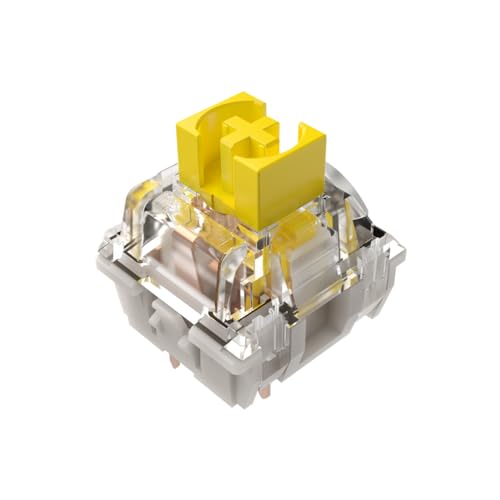
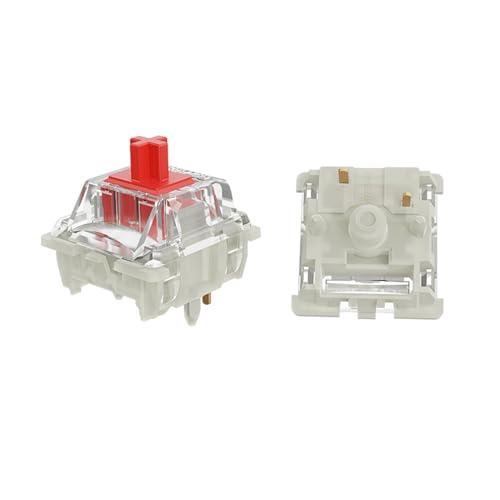
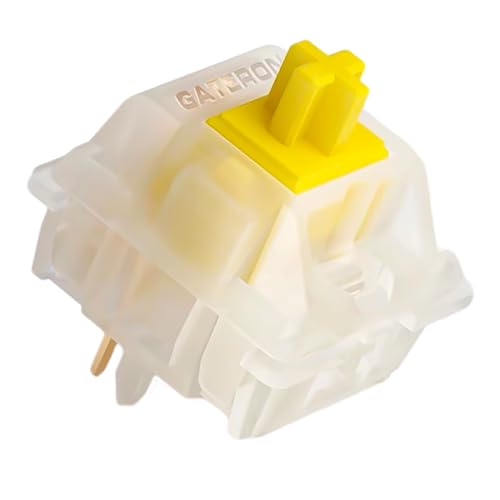
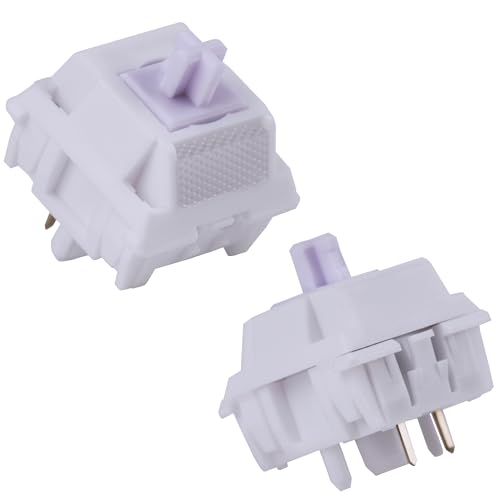
This wuque studio switches guide flux poseidon diamond series sets out to do for Wuque Studio what this cluster’s other brand guides do for their makers: map the whole switch catalogue honestly, review what can be verified, and describe the rest without pretending a link exists. Wuque Studio — WS to its fans — is the switch house inside the Meletrix ecosystem, a design-led group whose keyboards and keycaps travel under their own names while the switches wear WS. Its range runs wider than most: a beloved thocky linear in the Morandi, silent linears, a Hall-effect line in Flux for the magnetic era, the Arowana family, and two series this keyword names that a buyer should understand before shopping — Poseidon and Diamond. The verification result shapes the guide, so it is stated up front: Morandi, the WS White Silent Linear, the Flux HE switch, the Arowana Red and a Chilkey keyboard built around Flux HE all have verified listings and are reviewed below. Poseidon and Diamond have no verified listings anywhere our passes could reach — they are covered in prose, as real members of the WS story sold through the brand’s own channels, and no link in this guide will pretend otherwise.
That split is worth a sentence of defence, because it is the difference between a guide and a catalogue scrape. Wuque Studio sells much of its range through its own storefront and group-buy-adjacent channels, in the rhythm of the enthusiast scene it comes from; Amazon carries what distributors and partner brands — Chilkey among them — bring to it. The five verified products below therefore skew toward what the marketplace actually holds, and the prose sections carry the rest of the map. Read together, they give a buyer the complete picture: what WS makes, what each line is for, what can be clicked today, and where the brand itself is the shop for everything else.
One more calibration before the reviews: WS is not a budget house and does not pretend to be, and its switches should be judged the way this guide judges them — against the finished-component standard they set for themselves. A WS switch that merely matched a mainstream switch at a higher price would be a failure; the ones below earn their shelf by arriving with the work done, the tolerances held and the personality designed in. Where a pick has a real weakness — a channel quirk, a format constraint, a specialisation that excludes someone — the review says so in its trade-offs, because a guide that flatters a design house has simply become part of its marketing. WS’s catalogue is strong enough to be reviewed straight, and it is.
Key Takeaways
- Wuque Studio (WS) is the switch arm of the Meletrix ecosystem — design-led, enthusiast-bred, and wider-ranging than most switch houses.
- Verified and reviewed here: WS Morandi, WS White Silent Linear, WS Flux HE, WS Arowana Red, and the Chilkey Slice75 HE keyboard built around Flux HE switches.
- Poseidon and Diamond series have no verified listings — covered in prose only; the brand’s own channels are their honest route.
- Flux is WS’s Hall-effect line: magnetic sensing, rapid-trigger-era behaviour, compatible Hall-effect boards only.
- Morandi is the catalogue’s heart — a pre-lubed linear whose deep, composed voice made WS’s reputation beyond its own ecosystem.
Who is Wuque Studio, and where does it sit in the hobby?
The Meletrix ecosystem is best pictured as a design studio with several doors: keyboards under Meletrix’s own name, switches under Wuque Studio, and a family of collaborations and partner brands — Chilkey, whose listings carry several products below, prominent among them — that move the group’s components into wider retail. WS switches earned their reputation the enthusiast way, through group buys, community sound tests and the slow accumulation of forum verdicts, before retail listings made them an ordinary purchase. That origin explains the catalogue’s character: switches designed as personalities rather than as price points, named in series with themes — Morandi’s painterly calm, Arowana’s fish, the Flux line’s electric modernity — and specified with the factory lubrication and material choices already made, because the audience was assumed to care. Buyers arriving from mainstream shelves should expect that character to persist in the retail era: WS switches arrive finished, opinionated and consistent, and the guide’s reviews judge them on those terms.
In this guide
The verified Wuque Studio picks

1. WS Morandi — the reputation, in a switch
Badge: The catalogue’s heart — the linear that carried WS beyond the group-buy world.
- Type: linear, pre-lubed from the factory
- Route: Chilkey listing for the WS Morandi
- Character: deep, composed, creamy-smooth voice
- Travel personality: full, confident stroke with a soft landing
- Best setting: boards built for sound as much as feel
Morandi is the switch this guide would hand a sceptic. Its recipe is the modern enthusiast linear perfected rather than reinvented — tight tolerances, a factory lube applied with unusual care, materials chosen for a deep and rounded bottom-out — and the result is the sound its name promises: calm, full, composed, the switch equivalent of the muted palette of the painter it is named for. In play it is simply a very good linear; at a desk, in recordings, in the sound-test culture that made it famous, it is a personality. The listing here arrives through Chilkey, the ecosystem’s retail partner, which is how much of WS reaches Amazon — a channel note, stated once, that applies to several picks below. If you buy one WS switch to understand the house, this is the one, and the comparison against the mainstream’s best in the best switches for gaming is closer than the price gap suggests.
Strengths
- A deep, composed voice few linears at any tier match
- Factory lube good enough to end the lube question
- Smooth, tight travel with a soft, confident landing
Trade-offs
- Its fame means stock moves in waves
- Sound-first design — speed players may prefer a lighter specialist
- Arrives via a partner listing rather than a WS storefront
Best for: enthusiasts and sound-builders who want the definitive WS linear. Not suited for: buyers who want the lightest, fastest switch above all else.

2. WS White Silent Linear — the quiet professional
Badge: WS’s answer for shared rooms — silent travel, enthusiast manners.
- Type: silent linear, dampened travel
- Character: soft landings, minimal voice
- Factory state: pre-lubed, ready out of the box
- Best setting: offices, night desks, shared spaces
- Colourway: clean white, build-friendly
Every serious switch house needs its silent chapter, and this is WS’s: a linear whose travel ends are dampened into discretion while the stroke between them keeps the house’s smoothness. It competes in the territory this cluster’s silent switches guide maps in full, and it competes well — quieter in character than the mainstream silent Reds, with a firmer, less cushioned landing than the softest rivals, which silent-switch veterans will recognise as the premium end of the trade. For the hybrid desk — calls by day, games by night, a household asleep beyond the door — it is the WS pick that fits the most lives, and its clean white presentation makes it the catalogue’s easiest switch to build a look around.
Strengths
- Genuine quiet with an enthusiast-grade stroke
- Landing stays defined rather than mushy
- Pre-lubed and consistent out of the box
Trade-offs
- Silent tax applies: character traded for discretion
- Less famous than Morandi, so community data is thinner
- White shows a dirty desk’s truth
Best for: shared-space typists and hybrid desks wanting WS quality quietly. Not suited for: sound-builders, for whom Morandi exists.

3. WS Flux HE — Wuque Studio enters the magnetic era
Badge: The keyword’s first name — WS’s Hall-effect line for rapid-trigger boards.
- Type: Hall-effect linear, magnetic sensing
- System: adjustable actuation and rapid trigger on compatible boards
- Compatibility: Hall-effect keyboards only — not MX sockets
- Route: WS Flux HE switch listing
- Character: enthusiast smoothness translated into the magnetic format
Flux is where this guide’s keyword begins, and it earns the position: WS’s translation of its switch-making into the Hall-effect format that wooting lekker switches guide explains from the ecosystem that pioneered it. The Flux HE brings the magnetic feature set — actuation set in software, resets that follow the finger, sensing that cannot wear a contact out — with WS’s own attention to the stroke’s physical manners, which is precisely the dimension early Hall-effect switches neglected. Compatibility discipline applies in full: Flux switches belong in boards built for the format, the listing’s stated compatibility governs, and an MX board cannot host them at any price. For a player entering the magnetic era who wants an enthusiast house’s switch rather than a platform’s own, Flux is the WS answer — and the next pick shows it wearing a whole keyboard.
Strengths
- Full magnetic feature set with WS-grade stroke manners
- The enthusiast route into Hall-effect play
- No contact wear; sensing ages gracefully
Trade-offs
- Compatible Hall-effect board required — a system purchase
- Settings homework replaces the MX world’s simplicity
- Format standards across brands still vary; verify your board
Best for: magnetic-era players who want Wuque Studio’s switch craft. Not suited for: MX board owners or players who will never open the settings.
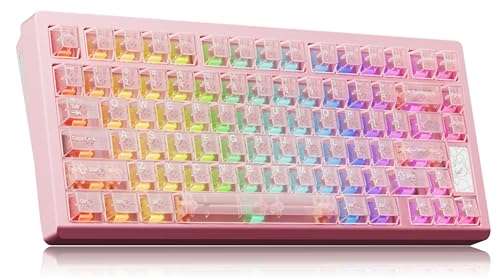
4. Chilkey Slice75 HE — the Flux line wearing a keyboard
Badge: The complete-package route — a 75 percent Hall-effect board built around WS Flux.
- Type: 75 percent Hall-effect keyboard
- Switches: WS Flux HE, factory fitted
- Route: Chilkey, the ecosystem’s partner brand
- Features: rapid trigger class behaviour, magnetic sensing throughout
- Best setting: players who want the system without assembling it
Some buyers want the switch; others want the destination. The Slice75 HE is the Flux line as a finished instrument — a compact 75 percent board from Chilkey, the Meletrix-ecosystem partner whose name recurs across this guide’s listings, factory-fitted with the Flux HE switches reviewed above. It answers the compatibility question by construction, delivers the magnetic feature set in the layout most hybrid desks choose — the territory of 75 percent keyboard layout guide — and carries the ecosystem’s design language in its case and caps. Judged as a keyboard it stands with the magnetic field’s serious compact offerings; judged as a WS product it is the most complete expression of the Flux idea a single purchase can make, and the route this guide recommends to players who want the era’s benefits without a component-level project.
Strengths
- Flux HE switches fitted and compatible by construction
- 75 percent layout suits the hybrid desk exactly
- Ecosystem design and finish in one purchase
Trade-offs
- A keyboard purchase, priced as one
- Less component freedom than building around bare switches
- Partner-brand channel rather than a WS storefront
Best for: players who want the Flux system whole, in a daily-driver layout. Not suited for: builders who want to choose every component themselves.

5. WS Arowana Red — the family’s accessible linear
Badge: The Arowana line’s red — an everyday WS linear with the house polish.
- Type: linear
- Family: Arowana series
- Character: smooth, approachable, everyday-tuned
- Factory state: pre-lubed house standard
- Best setting: first WS boards and daily drivers
The Arowana family is WS’s breadth play — a series of linears in several colours and tunings, named for the ornamental fish, aimed at giving the house an answer at the everyday end of the shelf. The Red is its most approachable member: a smooth, honestly weighted linear with the factory finish the brand is known for, suited to a first WS board or a daily driver that wants polish without Morandi’s sound-first specialisation. It is the pick that turns WS from an occasion into a habit, and the one a buyer outfitting a whole board on a sane budget should price first. Families like Arowana are how enthusiast houses grow up — the famous flagship above, the dependable line below — and the Red carries its level with the house’s manners intact.
Strengths
- House polish at the catalogue’s approachable end
- Smooth everyday linear with no learning curve
- Full-board outfitting stays sane
Trade-offs
- Less distinctive than Morandi by design
- Series breadth can confuse first-time WS shoppers
- Everyday tuning means specialists beat it at their specialties
Best for: first-time WS buyers and full-board daily drivers. Not suited for: buyers chasing one specific extreme of feel or sound.
The Poseidon series: covered in prose, bought from the source
Poseidon belongs to the part of the WS catalogue that lives in the brand’s own channels — the enthusiast rhythm of drops, storefront runs and community sales that Amazon’s distributors have not carried into a listing our verification could stand behind. What can be said honestly in prose: the series carries the sea-god’s name into WS’s themed-series tradition, positioned in the house’s line-up as a distinctive personality line rather than an everyday one, discussed in the community in the sound-and-feel vocabulary WS’s audience trades in. What cannot be said is a price, a pack or a link, because none was verified — and a guide that invents them would be spending your trust on decoration. The route is the brand’s own storefront and its community channels, where the series’ current availability, variants and terms are the maker’s to state. Readers who came to this page for Poseidon specifically should treat this section as the map’s honest edge: the series is real, the house is real, and the shop is WS itself.
The Diamond series: the same honesty, a different facet
Diamond shares Poseidon’s situation exactly, and the guide gives it the same treatment for the same reason: a named WS series, present in the brand’s own ecosystem and community conversation, with no verified retail listing for our passes to link. In prose, then: Diamond is the house’s jewel-named line, positioned by its theme as a premium personality in the catalogue — the kind of series an enthusiast house makes to explore a material, a finish or a feel idea at the top of its range. Its specifics — weights, variants, availability — live where WS publishes them, and the disciplined buyer’s route is identical: the brand’s storefront, its announcements, its community. Two prose-only series in one guide may look like absence; it is actually the catalogue’s shape, and a buyer who understands that WS runs a two-channel house — retail for the lines distributors carry, direct for the rest — will navigate everything the brand makes without ever needing a guide to pretend.
How do the WS lines divide the work?
Step back and the catalogue resolves into a clear division of labour. Morandi is the heart: the sound-and-feel flagship linear for enthusiasts. Arowana is the breadth: everyday linears that make the house a habit. The White Silent Linear is the diplomacy: WS quality for rooms where noise is negotiated. Flux is the frontier: the magnetic line, with the Slice75 HE as its complete-instrument expression. Poseidon and Diamond are the boutique: themed series in the brand’s own channels, for the audience that follows the house directly. A buyer’s path through that map is the same as through any house in this cluster — name your constraint first. Sound: Morandi. Silence: the White Silent. System and speed: Flux, bare or in the Slice75. Budget and breadth: Arowana. Devotion: Poseidon and Diamond, from the source. The house rewards the named constraint with a specific answer at every level, which is the mark of a catalogue designed rather than accumulated.
How do you buy Wuque Studio switches well?
Step 1: Decide which channel your line lives in
Retail lines — Morandi, the silent linear, Flux, Arowana — can be bought through the verified listings in this guide. Boutique lines — Poseidon, Diamond — begin at WS’s own storefront. Knowing which channel your target lives in saves the aimless searching that fills this keyword’s less honest pages.
Step 2: Verify the listing names the switch
WS’s retail presence runs through partner listings, Chilkey’s among them, so read titles the way this guide does: the switch’s full name, its series, its type. A listing that says only “mechanical switches” is selling the category, and the category is not the product.
Step 3: Respect the format boundary
Flux is Hall-effect; everything else here is MX. The two never substitute, and the board’s stated compatibility governs every order — the same discipline as how to choose a mechanical keyboard the buyers guide preaches for whole keyboards.
Step 4: Buy the board’s worth, plus the cluster’s spares
WS switches are finished products; outfit the board, hold a few spares for the hard-worked keys, and let the factory lube be the end of the modification story unless a specific key disappoints you.
What mistakes do WS buyers make?
Expecting the whole catalogue on one marketplace is the first, and the Poseidon and Diamond sections exist to correct it: WS is a two-channel house, and the brand’s storefront is not a fallback but half the shop. Confusing partner listings with counterfeits is the second — Chilkey is the ecosystem’s own retail arm, and its listings are the verified route, not an imitation of one. The third is format blindness: ordering Flux for an MX board, or Morandi for a magnetic one. The fourth is overlooking the silent and Arowana lines in Morandi’s shadow; the flagship is famous, but the catalogue’s breadth is where most desks actually live. And the fifth is modifying on arrival — WS’s factory finish is the product, and a switch should earn its opening across a week of typing, not receive one by default.
Final recommendation
Start where your constraint points. For the definitive WS experience in one purchase, Morandi — the reputation is earned and the switch is the house in miniature. For a quiet life, the White Silent Linear; for the magnetic era, Flux, or the Slice75 HE if you want the system whole; for a first board or a full outfit on sense, Arowana Red. For Poseidon and Diamond, go to Wuque Studio itself, gladly — a house confident enough to keep its boutique lines in its own shop is telling you something about how it values them. However you enter, you are buying from one of the enthusiast scene’s genuine design houses, and the catalogue — retail and direct together — rewards the buyer who reads it whole.
And keep the guide’s method after its products are forgotten, because it generalises to every enthusiast house the hobby will introduce you to next: map the whole catalogue before pricing any member of it, learn which channel each line truly lives in, let verification — not a search ranking — decide what gets a link and what gets honest prose, and judge a house by whether its everyday line honours the same finish as its flagship. Wuque Studio passes those tests in a way that made this guide a pleasure to write straight: five verified products it was easy to recommend, two boutique series it was easy to describe honestly, and a catalogue whose logic a reader can now navigate without us. That is all a brand guide can do. The typing, as ever, is yours.
The Wuque Studio craft: materials, tolerances and factory lube
WS’s reputation rests on three workshop disciplines that a buyer can verify with their own hands. The first is tolerance: stems and housings moulded tightly enough that wobble — the side-to-side looseness that makes a board feel cheap — is minimal out of the box, across a whole pack rather than in a lucky unit. The second is material choice with intent: housing and stem plastics selected per switch for their friction and their voice, which is why Morandi sounds like Morandi and not like a generic linear wearing its name. The third, and the one owners mention most, is factory lubrication applied as a finishing process rather than a gesture — even films on the working surfaces, springs treated against ping, consistency from the first switch in the pack to the last. Together they explain the house’s pricing logic: a WS switch is sold as a finished component, and the buyer is paying to skip the workbench. Readers who enjoy that workbench for its own sake will find the cluster’s lube guides a pleasure; readers who do not will find WS’s premise — the work, done — to be the entire point.
Why Morandi sounds the way it does
Morandi’s voice is worth a section because it is the switch that taught many buyers to hear switches at all. Its depth comes from the ordinary physics this cluster’s sound discussions keep returning to: a full, confident bottom-out against materials chosen for a lower note, a stroke with no scratch to brighten it, and tolerances tight enough that the sound is the landing rather than the rattle around it. Case and keycaps then do what they always do — amplify, soften, pitch — which is why Morandi sings differently in an aluminium case than in a plastic one while remaining recognisably itself in both. The lesson generalises beyond one switch: a house that designs for sound designs the whole contact chain, and the reason Morandi anchors this guide’s picks is that it demonstrates WS’s chain complete. Pair it with a board built to listen — gasket mounting, a decent case, caps with some mass — and the purchase explains itself in the first sentence you type.
Wuque Studio versus the mainstream switch houses
Set WS beside the cluster’s other houses and its identity sharpens. Against Gateron’s breadth and value, WS is narrower and more finished — fewer switches, each more completely realised. Against TTC’s engineering-led range, mapped in ttc switches complete guide, WS is the aesthete to TTC’s engineer: both precise, one designing for the ear and the theme, the other for the mechanism and the datasheet. Against the frankenswitch tradition honoured in what are holy panda switches, WS is the argument that a house can ship the personality whole, no donor switches required. None of these is a ranking; they are coordinates. A buyer whose pleasure is variety buys Gateron, whose pleasure is mechanism buys TTC, whose pleasure is assembly builds a Panda — and whose pleasure is a designed object, finished and themed, buys WS. The catalogue in this guide is that pleasure, itemised.
The group-buy rhythm, and why some WS lines live there
Poseidon and Diamond’s absence from retail confuses buyers new to the enthusiast scene, so the scene’s economics deserve a paragraph. Much of this hobby’s design energy still moves in group buys and limited runs: a switch is designed, interest is gathered, a production run is made for the committed, and the leftovers — if any — surface in the maker’s store. The model suits themed, experimental series perfectly and suits perpetual retail stock poorly, which is why a house like WS runs both systems at once: evergreen lines through partners like Chilkey, boutique lines through its own channels in their own seasons. For the buyer, the practical translation is patience and attention — follow the house’s announcements for the lines you want, buy retail lines whenever you please, and never pay a marketplace markup for a boutique switch whose maker might rerun it. Scarcity in this scene is a scheduling fact, not a value judgement, and the calm buyer treats it as weather.
Building a whole board on Wuque Studio switches
A full WS board is the purchase this guide’s picks most often add up to, and it deserves its own planning paragraph. Choose the line by the board’s job — Morandi for the showcase build, Arowana for the workhorse, the silent linear for the shared room — and hold the line across the whole board, because WS’s consistency is the asset and mixing lines spends it on variety the fingers will read as unevenness. Order the board’s count plus a small reserve in the same batch; production runs vary subtly, and a same-batch reserve guarantees the replacement for a tired WASD key matches its neighbours exactly. Mind the mundane compatibilities while the glamorous ones behave: pin format against your board’s sockets, LED style against your board’s lighting, stem against your keycaps’ fit. Then do the least enthusiast thing imaginable — assemble it, type for a week, and change nothing. WS boards reward that restraint with the sensation the house is selling: a designed object, complete, that disappears under the work it was bought for. The modding itch, if it survives the week, will at least be aimed at evidence.
How do WS switches age?
Gracefully, and in the pattern of all well-made switches: the factory lube thins across the first heavy months until the stroke settles into its long-term character, the hardest-worked keys soften almost imperceptibly ahead of the rest, and nothing in the mechanism wears toward failure on any desk-relevant timescale. Owners rotate the gaming cluster forward and the quiet keys back — the same husbandry as any board — and find WS’s tolerances hold their manners longer than most, because tight moulds have less room to become loose ones. The Flux line ages on the magnetic pattern instead: no contact wear at all, calibration as the whole of maintenance. A WS board at year three is not a diminished thing; it is a settled one, and the switches’ resale and reuse value in the community reflects exactly that — another quiet dividend of buying a finished component from a house that finishes them.
WS switches for typing, gaming and everything between
Because this guide’s catalogue spans linears, a silent and a magnetic line, the use-case audit can be short and decisive. For typing, the house’s linears are composed, long-session switches — Morandi for the desk that is also a hobby, Arowana for the desk that is only a desk, the silent for the desk with neighbours — and the absence of a famous WS tactile is itself a catalogue fact worth knowing: tactile loyalists should shop the cluster’s tactile shelves and return to WS for their linear board. For gaming, the honest split is tempo: ordinary play is beautifully served by Morandi or Arowana, and the magnetic tier — Flux, or the Slice75 whole — is for the rapid-trigger tempos the Lekker guide prices so carefully. For content creation and streaming, the silent linear is the WS pick that keeps a microphone innocent, with Morandi as the choice when the keyboard’s voice is itself part of the broadcast. One house, three desks, no wrong doors — provided the buyer names the desk before naming the switch, which remains this cluster’s first and last advice.
What should a WS buyer read next?
This guide sits inside a cluster, and its neighbours extend every thread it opens. The magnetic thread continues in the Lekker guide, where the Hall-effect world WS’s Flux joins is mapped from its pioneers. The silent thread continues in the silent switches guide, where the White Silent Linear’s rivals are ranked by mechanism. The house-versus-house thread continues in the TTC guide, whose engineering-led catalogue is WS’s most instructive contrast. And the foundation under all of them — formats, layouts, the vocabulary of the hobby — lives in the site’s keyboard building and buying guides, linked through this article where each becomes relevant. A reader who follows even two of those threads will shop the whole enthusiast shelf, WS included, with the calm this guide has been trying to teach: constraint named, channel known, listing verified, factory finish trusted. The rest is typing.
The catalogue at a glance, in words
For the reader who plans in lists, the whole guide compresses into a shelf. Retail and verified: Morandi, the flagship linear for sound and feel; the White Silent Linear, for quiet rooms; Flux HE, the magnetic switch for compatible boards; the Slice75 HE, Flux as a complete 75 percent keyboard; Arowana Red, the everyday linear for whole boards. Direct and prose-only: Poseidon and Diamond, the themed boutique series, bought from Wuque Studio’s own channels in their seasons. Around the shelf, the ecosystem: Meletrix keyboards above it, Chilkey retail beside it, the community’s sound tests and group buys beneath it as the catalogue’s research department. Hold that picture and every future WS announcement files itself — a new line announces its channel, its format and its desk within a sentence, and you will know, before any guide is written, whether it is a click, a wait, or a pass. That literacy, more than any single switch, is what a brand guide owes its readers, and it is the note this one ends its catalogue on.
A note on names: reading a WS switch title
Retail titles in this space are long because they are doing several jobs at once, and a WS title repays a slow read. It will typically carry the house (Wuque Studio, or WS), the series (Morandi, Arowana, Flux), the variant (a colour, a weight class, a silent or HE designation), the type (linear, in most of this catalogue), and the practical tail — pin count, pack size, compatibility claims. Read in that order and a title stops being word salad and becomes a specification sheet: house, family, member, nature, logistics. The same slow read is the buyer’s defence everywhere in this cluster — the Lekker guide’s checklist is the same discipline wearing a different brand — because a marketplace title is a contract in miniature, and the switches that arrive are the ones the title actually named. WS’s titles name their switches precisely; meet them halfway by reading precisely, and the catalogue will never surprise you unpleasantly.
What a first week on Wuque Studio switches teaches
New WS owners tend to report the same curriculum, and a guide can save them its tuition. Day one teaches the tolerances: the board feels machined rather than assembled, and keys you never thought about — the long ones, the corners — behave like the letters. Day two teaches the factory lube’s restraint: the stroke is smooth without being slippery, finished without being final, and the urge to improve it evaporates by the second evening. Midweek teaches the line’s personality — Morandi owners start choosing words for its voice, silent owners start noticing other people’s keyboards, Flux owners disappear into their settings with the Lekker crowd’s familiar gleam. By the weekend the lesson completes itself: the switches have stopped being a purchase and become the board’s character, and the owner’s questions have moved on to keycaps, cases and the next build. That is the trajectory WS designs for, and it is why this guide’s advice is so short at the end — buy the line your constraint names, from the channel that actually sells it, and then simply type. The catalogue’s sophistication is real, but it is sophistication in service of that simplicity.
How to judge a WS switch by its sound test
WS’s audience shops by ear more than most, and its switches are constantly recorded, compared and ranked in the community’s sound tests — a culture a buyer can use well or badly. Used well, a sound test is a comparison instrument: same board, same caps, same microphone, two switches — and the relative verdict (deeper, softer, tighter) survives the journey to your desk even though the absolute sound will not, because your case, caps, room and ears all re-voice the switch. Used badly, a sound test is a solo performance: a switch recorded in a flagship aluminium case through a studio chain, judged as though the switch alone sang it. The discipline this guide recommends is comparative and humble — listen for the switch’s contribution (the landing’s pitch, the stroke’s cleanliness, the return’s note), expect your build to transpose it, and let your own week’s typing outrank every recording, including the beautiful ones. WS switches, Morandi above all, tend to survive that discipline with their reputations intact, which is the strongest thing a guide can say about a sound-first catalogue.
The ecosystem beyond switches: why the house matters
A last piece of context explains several things this guide has asserted — the partner listings, the themed series, the design coherence. Wuque Studio does not float alone: it is the switch house of a group that also designs the keyboards those switches flagship in, the keycaps that dress them, and the accessories around both, with Meletrix boards as the ecosystem’s most visible hardware and Chilkey as its retail-facing brand. That integration is why a WS switch so often arrives with a design language rather than merely a specification — the house imagines the whole desk, and the switch is where its imagination meets your finger. It is also why the catalogue rewards loyalty in a way component brands cannot: a Morandi board under the group’s own keycaps on its own keyboard is a composed object in a sense no mixed build fully matches, and buyers who value composition will feel the ecosystem’s pull honestly. None of it obliges anyone — the switches in this guide serve any compatible board in the world — but a buyer who understands the house understands its products faster, Poseidon and Diamond’s boutique logic included. Houses make switches; ecosystems make sense of them.
WS switches and the long game: collecting, reruns and resale
A closing practical note for the buyer who stays with the house. Enthusiast switches live second lives: outgrown lines are sold, traded and hunted in the community’s marketplaces, and WS switches hold their value there better than most because the brand’s runs are identifiable, its quality is consistent, and its boutique series create genuine scarcity rather than the manufactured kind. Buy with that ecology in mind — keep the packaging, note the batch and the line’s exact name, store spares out of sunlight — not as speculation, which this guide never recommends for switches, but as husbandry: a switch you no longer need is another builder’s missing board, and the house’s whole culture runs on that circulation. Reruns, when WS announces them, reset the patience equation instantly, which is the final reason the guide counsels calm at the boutique end: in this scene, the switch you missed is very often the switch that returns, and the buyer who waited pays the maker’s price while the buyer who panicked pays everyone’s.
Wuque Studio in the cluster’s wider map
Placed among this site’s switch guides, WS occupies the coordinate none of the others can: the design house. Razer’s chapter is the mainstream industry’s scale, TTC’s is engineering depth, the Panda’s is community invention, Wooting’s is a sensing revolution — and Wuque Studio’s is taste, industrialised without being diluted: themed series, finished components, an ecosystem that dresses the whole desk. That coordinate explains both halves of this guide’s verification story. The retail half exists because taste, once proven, attracts distributors; the prose-only half exists because a design house keeps its most personal work in its own rooms. A reader who shops the whole cluster will end up, as most enthusiasts do, with several houses on the shelf and loyalties divided by desk and by mood — and WS will be the one they reach for when the build has to be beautiful as well as correct. Every serious catalogue needs exactly one such house. This keyword found the hobby’s.
How WS switches behave in different cases and plates
A switch never performs alone, and WS’s line rewards buyers who think in assemblies. In a firm aluminium case on a stiff plate, Morandi’s landing arrives with definition and its deep note stays tidy; in a gasket-mounted board with a flexing plate, the same switch softens at the edges and sings lower — neither is the true Morandi, both are honest duets. The silent linear is the least case-sensitive pick here, because its dampeners govern its endings wherever it lives, which is part of its value in unpredictable office hardware. Arowana’s everyday tuning makes it the diplomat of the range, content in a budget case and flattering to an expensive one. Flux, living in magnetic boards, inherits those boards’ constructions wholesale — another argument for the Slice75 HE, whose case and mounting were chosen by the ecosystem to suit its own switch. The planning rule is the cluster’s usual one: decide the assembly, not the component, and let one variable change at a time tell you what each part contributes.
Frequently asked questions
What is Wuque Studio?
The switch brand within the Meletrix ecosystem — a design-led enthusiast group whose keyboards, keycaps and partner brands (including Chilkey) surround the WS switch catalogue. WS switches are known for factory finish, themed series and personalities designed switch by switch.
Where can I buy WS Poseidon or Diamond switches?
Through Wuque Studio’s own channels. Neither series has a verified Amazon listing — our passes found none we could stand behind — so this guide covers them in prose and links nothing, rather than sending you to a listing that merely borrows their names.
Are WS Flux HE switches compatible with my keyboard?
Only if your keyboard is a Hall-effect board built for the format. Flux switches are magnetic components; they do not fit or function in MX boards, and MX switches do not work in their place. Check your board’s stated switch compatibility before ordering, or take the Slice75 HE route where compatibility is built in.
Which WS switch should a first-time buyer choose?
Morandi for the flagship experience, Arowana Red for an everyday full board, the White Silent Linear for shared spaces. All three arrive pre-lubed and finished, so the first WS purchase needs no project attached — type for a week before modifying anything.
Is Chilkey connected to Wuque Studio?
Chilkey is a partner brand within the same ecosystem, and its listings are the verified retail route for several WS products in this guide, including Morandi and the Slice75 HE. A Chilkey listing naming a WS switch is the house’s own channel, not a third-party imitation.
What does WS stand for in switch names?
Wuque Studio — the brand’s initials, worn the way its community uses them. Listings title the switches with the full “Wuque Studio WS” form, as the verified titles in this guide’s sources show, and the two names refer to the same house within the Meletrix ecosystem.
Are WS switches good for beginners?
Particularly good, with one caveat. The factory finish removes the beginner’s hardest project — lubing — and the lines are easy to choose between once the constraint is named. The caveat is channel literacy: a beginner must learn that some WS lines are retail and some are direct, which this guide’s Poseidon and Diamond sections exist to teach.
How many WS switches does a keyboard need?
Your board’s key count, plus a small same-batch reserve for the hard-worked cluster. Compact boards need proportionally fewer; the Slice75 HE route removes the question entirely by arriving fitted. Buy the reserve with the board’s set, because later batches can differ subtly in feel.
What is the difference between WS Morandi and Arowana Red?
Intent. Morandi is the flagship — sound-first, personality-forward, the switch the house is judged by. Arowana Red is the everyday line — the same factory manners tuned for approachable, full-board daily use. Choose Morandi for a build that is also a hobby object; choose Arowana for a board that simply has to be excellent every day.
Can I mix WS switches with other brands on one board?
Physically, within the same format, yes — MX lines mix with MX lines. Sensibly, rarely: this guide’s whole-board advice applies, because consistency of tolerance and factory lube is the WS asset, and a mixed board spends it. The honourable exception is a deliberate accent — a different switch on one key as a landmark — which is composition, not compromise.
Are WS switches worth it over cheaper linears?
For a buyer who values the finished component — tolerances held, factory lube done, a designed personality — yes, and the margin is the skipped workbench plus the consistency across a whole board. For a buyer who enjoys modifying, or who cannot hear or feel the differences, the mainstream’s best linears are the rational buy and this guide’s Morandi review says where that comparison gets close. Worth is a property of the buyer’s desk, not of the switch alone.
Do WS switches need lubing?
As a rule, no — the factory lubrication is a headline feature of the house and a reason its switches cost what they cost. Treat the factory finish as the baseline, type for a week, and open only a switch that specifically disappoints; the craft guidance in this cluster’s lube guides applies if that day comes.