The best handheld stabilizers for mirrorless cameras turn shaky walking footage into smooth, watchable video. A gimbal uses motors on three axes to steady the camera while you move, so a walk through a market looks like a dolly shot instead of a wobble. The seven stabilizers in this guide are 3-axis gimbals for mirrorless cameras, and each one names its brand, model, and payload in the listing.
Payload is the number that matters most. A gimbal can only carry a camera and lens up to its stated payload, and a setup that is too heavy will not balance. The picks below state their payload in the listing, from 2 kg on the compact DJI models to 7.1 lbs on the Moza AirCross 2, so you can match the gimbal to the camera and lens you actually use.
The seven stabilizers below cover the main needs of a mirrorless filmmaker. There are three DJI models for compact and mid-size cameras, three Zhiyun models for light and mid-weight setups, and one Moza model for heavy cameras. All seven are handheld 3-axis gimbals, and all seven list mirrorless camera support.
In this guide
Quick picks: best handheld stabilizers for mirrorless cameras
| # | Product | Where to buy |
|---|---|---|
| 1 | DJI RS 3 Mini | Check on Amazon |
| 2 | DJI RS 4 Mini | Check on Amazon |
| 3 | Zhiyun Crane-M3S Combo | Check on Amazon |
| 4 | ZHIYUN Weebill 3S | Check on Amazon |
| 5 | Zhiyun Weebill S | Check on Amazon |
| 6 | MOZA AirCross 2 | Check on Amazon |
| 7 | DJI RS 4 | Check on Amazon |
How the picks were chosen
The picks were chosen from the site's own product lookup, using only listings that name the exact brand and model. A stabilizer made the shortlist only if its listing states the payload, the axis count, and the camera support. Accessories like handles, counterweights, and mounts were left out, because this guide is about complete gimbals.
Payload and size were weighed next. The shortlist covers 2 kg to 7.1 lbs of payload, with compact gimbals for travel and larger gimbals for heavy cameras. A gimbal that cannot carry your camera is useless, while a gimbal that is too large is a chore to carry, so the shortlist covers the payloads most mirrorless shooters actually use.
Finally, each pick had to fit a real filming routine. Battery life, vertical shooting, and kit extras were all checked against the listing. No pick here is a phone gimbal, an action camera gimbal, or a different model wearing a similar name. Where a listing was unclear about the payload, the stabilizer was not used.
Quick comparison
| Product | Standout feature | Best for |
|---|---|---|
| DJI RS 3 Mini, Camera Gimbal Stabilizer | Compact 3-axis gimbal with 2 kg payload and vertical shooting | travel and daily filming with a light mirrorless camera |
| DJI RS 4 Mini, Gimbal Stabilizer for Camera | Newest compact DJI gimbal with third-gen vertical shooting | filmmakers who want the newest compact DJI gimbal |
| Zhiyun Crane-M3S Combo 3-Axis Handheld Gimbal Stabilizer | 3-axis combo kit with phone clip and tripod | filmmakers who want a combo kit with a tripod and phone clip |
| ZHIYUN Weebill 3S 3KG Payload Gimbal Stabilizer with Fill Light | 3 kg payload with a built-in fill light | filmmakers who want a 3 kg payload and a fill light |
| Zhiyun Weebill S 3-Axis Gimbal Stabilizer for Mirrorless and DSLR Cameras | Proven 3-axis gimbal for mirrorless and DSLR | filmmakers who want a proven 3-axis gimbal for mirrorless and DSLR |
| MOZA AirCross 2 Gimbal Stabilizer for DSLR Mirrorless Cameras | 7.1 lbs payload with 12 hours of runtime | filmmakers who use a heavy camera and lens |
| DJI RS 4, Gimbal Stabilizer for Camera | Full-size DJI gimbal with second-gen vertical shooting | filmmakers who want the full-size DJI RS 4 |
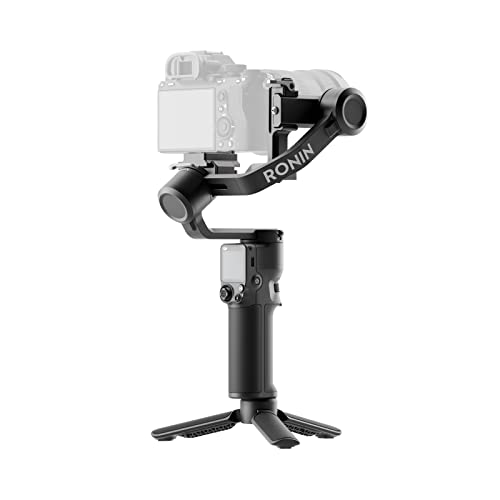
DJI RS 3 Mini, Camera Gimbal Stabilizer
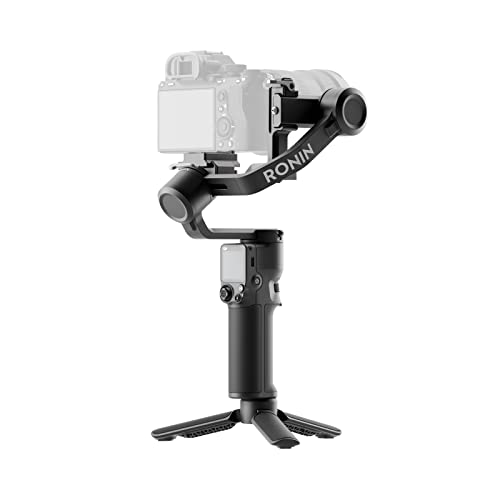
The DJI RS 3 Mini is a camera gimbal stabilizer for Canon, Sony, Nikon, and Fujifilm mirrorless cameras. The listing states a 2 kg tested payload and native vertical shooting. It is the most compact gimbal in this guide and the best fit for travel and daily filming.
Key specifications: 3-axis gimbal, 2 kg tested payload, native vertical shooting, Canon, Sony, Nikon and Fujifilm, handheld.
In daily use the DJI RS 3 Mini is the gimbal that goes in the bag without a second thought. The compact size and light weight make it easy to carry all day, and the 2 kg payload handles most mirrorless cameras with a standard lens. The native vertical shooting mode is handy for social media clips, and the gimbal holds steady while you walk.
Mount the camera, balance the gimbal with the motors off, then turn it on and let it settle. The native vertical shooting mode rotates the camera without an extra bracket, and the controls sit under your thumb for mode changes. Practice walking with the gimbal before a shoot, because smooth movement takes a little time to learn.
Strengths
- Compact and light for all-day carrying
- Native vertical shooting for social media
- 2 kg payload covers most mirrorless setups
Trade-offs
- 2 kg payload is too small for heavy lenses
- No fill light built in
- The compact size suits small cameras best
This stabilizer fits travelers and daily filmmakers who use a light mirrorless camera. It suits anyone who walks and films for hours and wants a compact gimbal that does not weigh them down.
Best for: travel and daily filming with a light mirrorless camera / Not suited for: filmmakers who use a heavy camera and lens
Check price on Amazon: DJI RS 3 Mini

DJI RS 4 Mini, Gimbal Stabilizer for Camera
The DJI RS 4 Mini is a gimbal stabilizer for Canon, Sony, Nikon, and Fujifilm cameras. The listing states third-generation native vertical shooting and second-generation auto features. It is the newest compact DJI gimbal in this guide.
Key specifications: 3-axis gimbal, third-generation native vertical shooting, Canon, Sony, Nikon and Fujifilm, handheld.
In daily use the DJI RS 4 Mini feels like a refined RS 3 Mini. The compact size suits travel, and the third-generation native vertical shooting makes vertical video easy. The gimbal holds steady while you walk, and the controls are simple enough to use without looking at them.
Mount the camera, balance the gimbal with the motors off, then turn it on. The third-generation vertical shooting mode rotates the camera for social media clips, and the second-generation auto features help with tracking. Practice the controls before a shoot, because the joystick and mode button take a little time to learn.
Strengths
- Third-generation vertical shooting
- Compact size suits travel
- Simple controls for quick mode changes
Trade-offs
- Payload not stated in the listing title
- No fill light built in
- The compact size suits small cameras best
This stabilizer fits filmmakers who want the newest compact DJI gimbal. It suits anyone who films vertical video for social media and wants a gimbal that is easy to carry.
Best for: filmmakers who want the newest compact DJI gimbal / Not suited for: filmmakers who use a heavy camera and lens
Check price on Amazon: DJI RS 4 Mini

Zhiyun Crane-M3S Combo 3-Axis Handheld Gimbal Stabilizer
The Zhiyun Crane-M3S Combo is a 3-axis handheld gimbal stabilizer for mirrorless cameras, smartphones, and action cameras. The listing states the combo with a phone clip and a tripod. It is the most flexible kit in this guide and the best fit for filmmakers who shoot with several cameras.
Key specifications: 3-axis handheld gimbal, mirrorless camera, smartphone and action cam, combo with phone clip and tripod.
In daily use the Zhiyun Crane-M3S Combo is the kit that has everything in the box. The 3-axis gimbal steadies a mirrorless camera, a smartphone, or an action camera, and the combo includes a phone clip and a tripod for tabletop shots. The compact size suits travel, and the gimbal holds steady while you walk.
Mount the camera, balance the gimbal with the motors off, then turn it on. The phone clip lets you use the gimbal with a smartphone, and the tripod works as a stand for tabletop shots. Practice balancing with each camera, because the balance changes with the weight.
Strengths
- Combo kit includes a phone clip and tripod
- Works with mirrorless, phone, and action cameras
- Compact size suits travel
Trade-offs
- Payload not stated in the listing title
- The combo extras add weight to the bag
- Less payload than the Weebill models
This stabilizer fits filmmakers who shoot with more than one camera type. It suits anyone who wants a combo kit with a tripod and a phone clip, and it suits travel where one gimbal should cover several cameras.
Best for: filmmakers who want a combo kit with a tripod and phone clip / Not suited for: filmmakers who only use a heavy mirrorless camera
Check price on Amazon: Zhiyun Crane-M3S Combo

ZHIYUN Weebill 3S 3KG Payload Gimbal Stabilizer with Fill Light
The ZHIYUN Weebill 3S is a 3 kg payload gimbal stabilizer with a fill light, made for DSLR and mirrorless cameras. The listing states the 3 kg payload and the fill light, with Canon, Nikon, and Sony support. It is the best mid-weight gimbal in this guide.
Key specifications: 3-axis gimbal, 3 kg payload, fill light, DSLR and mirrorless, Canon, Nikon and Sony.
In daily use the Zhiyun Weebill 3S is the gimbal for a mid-weight mirrorless setup. The 3 kg payload handles a camera with a standard zoom lens, and the fill light helps in dim rooms. The gimbal holds steady while you walk, and the controls sit where your thumb can reach them without shifting your grip.
Mount the camera, balance the gimbal with the motors off, then turn it on. The fill light switches on from the handle, and the 3 kg payload covers most mirrorless cameras with a zoom lens. Practice walking with the gimbal before a shoot, and keep a spare battery for long days.
Strengths
- 3 kg payload covers a zoom lens
- Fill light helps in dim rooms
- Steady 3-axis stabilization for walking shots
Trade-offs
- Heavier than the DJI Mini models
- The fill light drains the battery faster
- No vertical shooting named in the listing
This stabilizer fits filmmakers who use a mid-weight mirrorless camera and film in dim rooms. It suits anyone who wants a 3 kg payload and a fill light in one gimbal.
Best for: filmmakers who want a 3 kg payload and a fill light / Not suited for: filmmakers who use a very heavy camera and lens
Check price on Amazon: ZHIYUN Weebill 3S
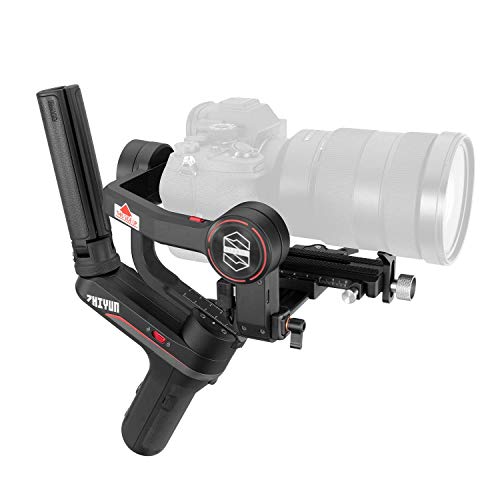
Zhiyun Weebill S 3-Axis Gimbal Stabilizer for Mirrorless and DSLR Cameras
The Zhiyun Weebill S is a 3-axis gimbal stabilizer for mirrorless and DSLR cameras. The listing states the 3-axis design and the mirrorless and DSLR support. It is the most proven gimbal in this guide and the best fit for regular filming.
Key specifications: 3-axis gimbal, mirrorless and DSLR cameras, handheld, Zhiyun Weebill S.
In daily use the Zhiyun Weebill S is a proven workhorse. The 3-axis stabilization keeps video smooth while you walk, and the gimbal handles mirrorless and DSLR cameras with ease. The compact design suits travel, and the controls are simple enough to learn in an afternoon.
Mount the camera, balance the gimbal with the motors off, then turn it on. The 3-axis motors hold the camera steady while you walk, and the joystick controls the angle. Practice the movements before a shoot, because smooth pans take a little time to learn.
Strengths
- Proven design used by many filmmakers
- 3-axis stabilization for smooth walking shots
- Compact design suits travel
Trade-offs
- Payload not stated in the listing title
- No fill light built in
- No vertical shooting named in the listing
This stabilizer fits filmmakers who want a proven 3-axis gimbal for mirrorless and DSLR cameras. It suits anyone who films regularly and wants a gimbal that has been used by many filmmakers.
Best for: filmmakers who want a proven 3-axis gimbal for mirrorless and DSLR / Not suited for: filmmakers who need a fill light or vertical shooting
Check price on Amazon: Zhiyun Weebill S

MOZA AirCross 2 Gimbal Stabilizer for DSLR Mirrorless Cameras
The MOZA AirCross 2 is a gimbal stabilizer for DSLR and mirrorless cameras with a payload of up to 7.1 lbs and 12 hours of runtime. The listing states the payload, the runtime, and the camera support. It is the highest-payload gimbal in this guide and the best fit for heavy cameras.
Key specifications: 3-axis gimbal, payload up to 7.1 lbs, 12 hours runtime, DSLR and mirrorless cameras.
In daily use the Moza AirCross 2 is the gimbal for a heavy setup. The payload of up to 7.1 lbs handles a mirrorless camera with a large lens, and the 12 hours of runtime covers a full day of filming. The gimbal holds steady while you walk, and the controls suit a heavier rig.
Mount the camera, balance the gimbal with the motors off, then turn it on. The high payload means you must balance carefully, because a heavy setup that is out of balance drains the battery fast. Carry a spare battery for very long days, and practice with the heavy rig before a shoot.
Strengths
- Highest payload in this guide at 7.1 lbs
- 12 hours of runtime covers a full day
- Handles a heavy camera and lens with ease
Trade-offs
- Heavier than the compact gimbals
- The large size is harder to pack for travel
- No fill light built in
This stabilizer fits filmmakers who use a heavy camera and lens. It suits anyone who films all day and needs a gimbal with a high payload and a long battery.
Best for: filmmakers who use a heavy camera and lens / Not suited for: travelers who want the lightest gimbal
Check price on Amazon: MOZA AirCross 2

DJI RS 4, Gimbal Stabilizer for Camera
The DJI RS 4 is a gimbal stabilizer for Canon, Sony, Nikon, and Fujifilm cameras. The listing states second-generation native vertical shooting and a two-mode switch joystick. It is the full-size DJI gimbal in this guide and the best fit for a mid-size mirrorless setup.
Key specifications: 3-axis gimbal, second-generation native vertical shooting, two-mode joystick, Canon, Sony, Nikon and Fujifilm.
In daily use the DJI RS 4 is the gimbal for a mid-size mirrorless setup. The second-generation native vertical shooting makes vertical video easy, and the two-mode joystick switches between pan and tilt without menu diving. The gimbal holds steady while you walk, and the build quality suits daily use.
Mount the camera, balance the gimbal with the motors off, then turn it on. The second-generation vertical shooting mode rotates the camera for social media clips, and the two-mode joystick switches between pan and tilt. Practice the joystick modes before a shoot, because each mode suits a different kind of movement.
Strengths
- Second-generation vertical shooting
- Two-mode joystick for pan and tilt
- Solid build for daily use
Trade-offs
- Payload not stated in the listing title
- Larger than the Mini models
- No fill light built in
This stabilizer fits filmmakers who want the full-size DJI RS 4. It suits anyone who films with a mid-size mirrorless camera and wants vertical shooting and a simple joystick.
Best for: filmmakers who want the full-size DJI RS 4 / Not suited for: travelers who want the most compact gimbal
Check price on Amazon: DJI RS 4
Best Handheld Stabilizers for Mirrorless Cameras: What Matters Most
Payload decides whether the gimbal can carry your camera, and it is the first thing to check. The DJI RS 3 Mini lists a 2 kg payload, while the Zhiyun Weebill 3S lists a 3 kg payload and the Moza AirCross 2 lists up to 7.1 lbs. Weigh your camera and your heaviest lens together, then pick a gimbal with room to spare.
Camera compatibility decides whether the gimbal works with your setup. Most gimbals here list Canon, Sony, Nikon, and Fujifilm support, and the listing states which cameras each one suits. A gimbal that does not list your camera may still work, but the balance and the controls may not be right.
Vertical shooting decides whether you can film for social media without an extra bracket. A gimbal with native vertical shooting, like the DJI RS 3 Mini and RS 4 Mini, rotates the camera for vertical video. If you only film horizontal video, a standard gimbal is enough.
Weight and size decide how easy the gimbal is to carry. A compact gimbal like the DJI RS 3 Mini is easier to carry all day, while a larger gimbal like the Moza AirCross 2 carries heavier cameras. If you walk and film for hours, a light gimbal matters more than a high payload.
Battery life decides how long you can film. A gimbal that runs for a few hours suits a short shoot, while a gimbal with 12 hours of runtime like the Moza AirCross 2 suits a full day. Check the runtime in the listing, and carry a spare battery for long shoots.
Kit extras decide whether you need to buy more gear. A combo kit like the Zhiyun Crane-M3S Combo includes a phone clip and a tripod, which saves you buying them separately. A fill light like the one on the Weebill 3S helps in dim rooms. Think about what you need for your shoots and pick the kit that includes it.
Buying guide: best handheld stabilizers for mirrorless cameras
Start with the payload. A gimbal can only carry a camera and lens up to its stated payload, and a setup that is too heavy will not balance. The DJI RS 3 Mini in this guide lists a 2 kg payload, while the Zhiyun Weebill 3S lists a 3 kg payload and the Moza AirCross 2 lists up to 7.1 lbs. Weigh your camera and your heaviest lens together, then pick a gimbal with room to spare.
Check the camera compatibility. Most gimbals here list Canon, Sony, Nikon, and Fujifilm support, and the listing states which cameras each one suits. A gimbal that does not list your camera may still work, but the balance and the controls may not be right. Check the listing for your camera brand before you buy.
Decide whether you need vertical shooting. A gimbal with native vertical shooting, like the DJI RS 3 Mini and RS 4 Mini, lets you film vertical video for social media without an extra bracket. If you only film horizontal video, a standard gimbal is enough, but vertical shooting is worth having if you post clips online.
Think about weight and size. A compact gimbal like the DJI RS 3 Mini is easier to carry all day, while a larger gimbal like the Moza AirCross 2 carries heavier cameras. If you walk and film for hours, a light gimbal matters more than a high payload. If you use a heavy lens, the payload matters more than the weight.
Look at the battery life. A gimbal that runs for a few hours suits a short shoot, while a gimbal with 12 hours of runtime like the Moza AirCross 2 suits a full day. Check the runtime in the listing, and carry a spare battery or a power bank for long shoots. A gimbal that dies mid-shoot is worse than no gimbal at all.
Check the extras in the box. A combo kit like the Zhiyun Crane-M3S Combo includes a phone clip and a tripod, which saves you buying them separately. A fill light like the one on the Weebill 3S helps in dim rooms. Think about what you need for your shoots and pick the kit that includes it.
Set a budget by how often you film. A compact gimbal like the DJI RS 3 Mini covers most mirrorless filming at a fair cost, while a larger gimbal like the DJI RS 4 suits heavier cameras and longer shoots. If you film every week, spend more on a gimbal with a higher payload and a longer battery; if you film occasionally, a compact gimbal is enough.
Check the app and the controls. Most gimbals here work with a phone app for tracking and settings, and the joystick on the handle controls the angle. A gimbal with a simple joystick is easier to learn, while a gimbal with a touchscreen gives you more settings. Try the controls before a shoot, because a control you cannot find by touch is useless in the field.
Using and caring for your handheld camera stabilizer
Balance the gimbal before every shoot. A gimbal that is balanced uses less battery and holds steady longer, while a gimbal that is out of balance drifts and drains the battery. Follow the maker's balancing guide for your camera and lens, and re-balance when you change lenses.
Keep the motors clean. Dust and grit in the motors cause jitter and noise, so wipe the gimbal with a dry cloth after a dusty shoot and keep it in a case when you travel. Do not force the arms past their stops, because that damages the motors.
Charge the battery the night before a shoot. A gimbal with a full battery lasts longer and holds steady better, while a gimbal with a low battery can drop the camera mid-shot. Carry a spare battery or a power bank for long days, and check the battery level before you start.
Practice walking with the gimbal. Smooth video comes from smooth movement, so walk heel to toe, keep your knees soft, and hold the gimbal with both hands when you can. Practice in a park or a hallway before a real shoot, because the movement takes a little time to learn.
Store the gimbal in its case. A gimbal that is tossed in a bag gets knocked out of balance and can damage the motors. Use the case or a padded sleeve, lock the arms for travel, and keep the gimbal away from magnets and strong heat.
Common mistakes to avoid
Buying a gimbal without checking the payload is the most common mistake. A camera and lens that weigh more than the gimbal's payload will not balance, and the motors will fight the weight until the battery dies. Weigh your camera and your heaviest lens together, then pick a gimbal with room to spare.
Skipping the balance step is the second mistake. A gimbal that is balanced uses less battery and holds steady longer, while a gimbal that is out of balance drains the battery and drifts. Balance the gimbal before you turn it on, and follow the maker's guide for your camera and lens.
Choosing a gimbal by the biggest payload alone wastes money. A gimbal that carries 7 lbs is heavier to carry than a compact gimbal, and a light camera does not need that much payload. Match the payload to your camera, not the biggest number on the box.
Forgetting the battery is a smaller mistake that still matters. A gimbal that runs for a few hours suits a short shoot, but a full day needs a longer runtime or a spare battery. Check the runtime in the listing and carry a power bank for long shoots.
Buying a phone gimbal by accident is easy when the listings mix camera types. Phone gimbals are too small for a mirrorless camera, and action camera gimbals are built for a different mount. The picks in this guide are mirrorless gimbals, so check the listing title for mirrorless before you buy.
Budget and value
The best value for most filmmakers is a compact gimbal. The DJI RS 3 Mini covers most mirrorless filming at a fair cost, and it is light enough to carry all day. If you film every week, the compact size and the 2 kg payload are enough, and the money saved can go to a better lens or a spare battery.
A higher payload costs more, and the extra cost is worth it only if you need it. The Zhiyun Weebill 3S with a 3 kg payload suits a zoom lens, while the Moza AirCross 2 with 7.1 lbs suits a heavy camera and lens. If your camera is light, a compact gimbal gives you the same smooth video for less money.
A combo kit is good value if you need the extras. The Zhiyun Crane-M3S Combo includes a phone clip and a tripod, which saves you buying them separately. If you already own a tripod, the combo adds nothing, so buy the standard kit instead.
A gimbal is a long-term purchase. The motors and the battery are the parts that wear out first, and a well-chosen gimbal can last for years. Spend the money on a payload that fits your camera, because a gimbal that cannot carry your camera is useless no matter how little it cost.
Final recommendation
If you want one handheld stabilizer for a mirrorless camera, the DJI RS 3 Mini is the pick: compact, easy to carry, and ready for vertical video. If you need more payload, the Zhiyun Weebill 3S carries 3 kg and adds a fill light. If you use a heavy camera and lens, the Moza AirCross 2 is the one to buy. If you want the newest compact gimbal, the DJI RS 4 Mini is the better choice. Weigh your camera and lens first, then pick the gimbal with room to spare.
Frequently asked questions
What is a handheld stabilizer for a mirrorless camera?
A handheld stabilizer, also called a gimbal, is a motorized mount that keeps a camera steady while you walk and film. It uses motors on three axes to smooth out shakes, so the video looks like it was shot on a dolly rather than held by hand. The picks in this guide are all 3-axis gimbals for mirrorless cameras.
How much weight can a camera gimbal carry?
A gimbal can only carry a camera and lens up to its stated payload, and a setup that is too heavy will not balance. The DJI RS 3 Mini lists a 2 kg payload, while the Zhiyun Weebill 3S lists a 3 kg payload and the Moza AirCross 2 lists up to 7.1 lbs. Weigh your camera and your heaviest lens together, then pick a gimbal with room to spare.
Do these gimbals work with my mirrorless camera?
Most gimbals here list Canon, Sony, Nikon, and Fujifilm support, and the listing states which cameras each one suits. A gimbal that does not list your camera may still work, but the balance and the controls may not be right. Check the listing for your camera brand before you buy.
What is native vertical shooting on a gimbal?
A gimbal with native vertical shooting, like the DJI RS 3 Mini and RS 4 Mini, lets you film vertical video for social media without an extra bracket. If you only film horizontal video, a standard gimbal is enough, but vertical shooting is worth having if you post clips online.
Should I buy a compact or a large gimbal?
A compact gimbal like the DJI RS 3 Mini is easier to carry all day, while a larger gimbal like the Moza AirCross 2 carries heavier cameras. If you walk and film for hours, a light gimbal matters more than a high payload. If you use a heavy lens, the payload matters more than the weight.
What is the best handheld stabilizer for a mirrorless camera?
The DJI RS 3 Mini is the best all-rounder in this guide, with a 2 kg payload, native vertical shooting, and a compact size. If you need more payload, the Zhiyun Weebill 3S is the pick. If you use a heavy camera and lens, the Moza AirCross 2 is the one to buy.
How do I balance a camera gimbal?
Balance the gimbal before you turn it on, and start with the camera level. A gimbal that is balanced uses less battery and holds steady longer, while a gimbal that is out of balance fights the motors and drains the battery. Follow the maker's balancing guide for your camera and lens.
How long does a gimbal battery last?
A gimbal that runs for a few hours suits a short shoot, while a gimbal with 12 hours of runtime like the Moza AirCross 2 suits a full day. Check the runtime in the listing, and carry a spare battery or a power bank for long shoots.
Is a gimbal worth it for mirrorless video?
Yes, if you film while walking. A gimbal smooths out the shakes that make handheld video hard to watch, and the difference is clear in the first clip. If you only film from a tripod, a gimbal adds nothing; if you walk and film, it is the single biggest improvement you can make.
What does 3-axis mean on a camera gimbal?
A 3-axis gimbal steadies the camera on three axes: tilt, roll, and pan. That covers the main movements that make handheld video shaky. A 2-axis gimbal steadies only two axes and costs less, but it cannot correct roll, so the video still tilts when you walk. All seven picks in this guide are 3-axis gimbals.
Should I buy a gimbal or a tripod for mirrorless video?
A tripod holds the camera still in one place, while a gimbal steadies the camera while you move. A tripod suits static shots and interviews, while a gimbal suits walking shots and tracking. Many filmmakers use both: a tripod for static scenes and a gimbal for movement. If you only film while walking, a gimbal is the better buy.
More guides from KajuanDouglas
Best Fluid Head Tripod for Mirrorless Cameras Best Weather-Sealed Mirrorless Cameras Best Camera Gimbal for Mirrorless Cameras