kajuandouglas.com is reader-supported. When you buy through links on our site, we may earn an affiliate commission.
Where to Buy a Camera That Survives the Photo Pit
Concert photography gives you three songs. That is the rule in most photo pits — three songs, no flash, from a pit full of elbows, while the lighting designer treats darkness as an instrument and the lead singer treats the far side of the stage as home. The best cameras for live concert photography are built for exactly that cruelty: sensors that stay clean when the light drops to a single red wash, autofocus that finds an eye in near-blackness and holds it through a strobe burst, and shutters quiet enough that the acoustic set does not become an argument with the front row. Everything else — resolution, video, menus — is a supporting actor.
Where to buy: each linked camera name below opens that model’s Amazon listing, where body and kit configurations can be compared. Buy the body wherever the deal is honest, but hear this from the pit: the fast lens is not an accessory to this purchase, it is the other half of it. A wide-aperture prime or a fast standard zoom will decide your concert photographs more than any body in this guide, and the budget should be planned as a body-and-glass pair from the start.
The six picks span the working range of the genre. Three full-frame bodies — Sony, Canon and Panasonic — offer the low-light files that arena and theatre work rewards. Fujifilm’s X-T5 brings APS-C quality with handling that pit photographers love. And two accessible bodies, Canon’s EOS R10 and Sony’s ZV-E10 II, open the door for the club photographer shooting local bands in rooms where the lighting rig is four cans and a hope. Each review below judges its camera by the pit’s standards, not the studio’s.
Key Takeaways
- High-ISO cleanliness and low-light autofocus decide concert cameras; megapixels are a distant third.
- The Canon EOS R6 Mark II and Sony Alpha 7 IV are the pit’s safest pairs of hands in the dark.
- A fast lens matters more than the body — budget for glass with the same seriousness.
- Silent shooting is a professional courtesy that has become a practical requirement at acoustic shows.
- The Panasonic LUMIX S5II pairs full-frame low-light files with stabilisation that saves handheld slow moments.
- Club photographers on a budget are genuinely served here — the R10 and ZV-E10 II shoot far above their tier in the dark.
In this guide
Quick Picks
| Camera | Badge | Why it is here |
|---|---|---|
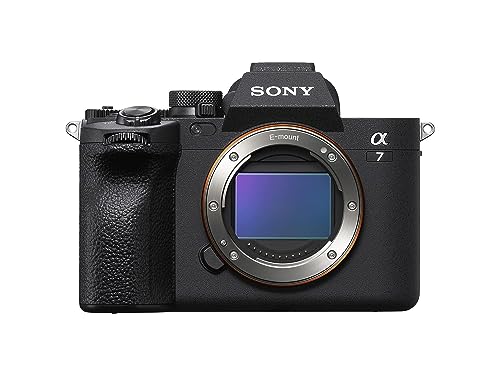
| Sony Alpha 7 IV | Best all-round concert camera | Confident eye autofocus in the dark and files that forgive brutal stage light. |
| Canon EOS R6 Mark II | Best for low light | The cleanest high-ISO files here and autofocus that hunts nothing. |
| Panasonic LUMIX S5II | Best value full frame for gigs | Full-frame darkness performance with stabilisation for the slow songs. |
| Fujifilm X-T5 | Best APS-C for concerts | Dials you can work blind, beloved colour for stage skin tones. |
| Canon EOS R10 | Best budget pit camera | Pro-level autofocus instincts at a club photographer’s price of entry. |
| Sony ZV-E10 II | Best for concert video and stills | Creator tools plus tracking autofocus for the hybrid shooter. |
How Did We Choose the Best Cameras for Live Concert Photography?
We judged these cameras the way the pit judges them: in the dark, in a hurry, with no second chances. The primary test was high-ISO file quality — not at the laboratory’s idea of high ISO, but at the sensitivities a theatre’s third song actually demands, where the question is whether faces hold texture and whether the noise looks like grain or like damage. Closely behind came autofocus behaviour in low light: how low a light level the system will still find and track an eye, and how honestly it admits defeat rather than wandering.
Shutter character mattered more than shutter speed. Every pick here offers a silent electronic option for acoustic sets and theatre work, and we checked for the banding that cheap stage lighting — PWM-driven LEDs especially — can paint across electronic-shutter frames, favouring bodies whose readout speeds and anti-flicker tools keep that risk manageable. Buffer depth and burst behaviour were scored for the drummer’s fill and the singer’s leap, the two moments a concert photographer cannot reschedule.
Finally, we weighed the lens ecosystems by their fast glass. A concert system lives or dies by its wide primes and its fast standard zoom, and their prices at the affordable end decided several places in this guide. Handling with sweaty hands, in a crowd, in the dark — dials that can be found by touch — completed the scoring. The results favour full frame, as the genre does, but not exclusively.
Why Is Concert Light So Much Worse Than It Looks?
Stage light is a liar. To the audience’s adapted eyes, a theatre show looks bright; to a camera’s meter, the same scene is a cave punctuated by searchlights. Faces swing through four stops of brightness as a performer crosses a follow spot’s edge. LED washes saturate a single colour channel — the infamous red wash — until the sensor records a crimson fog in which skin has no texture at all. Strobes and haze conspire to make autofocus systems, which focus by contrast, hunt for edges that the atmosphere has dissolved.
Understanding this changes how you shop. The specification that matters is not the camera’s maximum ISO — every body here advertises astronomical figures — but the quality of the files two or three stops below that ceiling, where real concert work happens. It changes how you expose, too: concert veterans expose for the lit face, let the background fall to black, and treat the darkness as composition rather than failure. And it explains the genre’s lens religion. An aperture that gathers twice the light halves the ISO the sensor must survive, which is why the fast prime is not a luxury in this field but the price of admission — and why this guide keeps returning to glass as the other half of every recommendation.
It also changes how you stand. Pit photographers dress in black for a reason, keep their screens dimmed to the minimum that remains readable, and learn to change a lens by touch with the body pointed down and the clock running. The audience behind the barrier paid for the show, not for a view of your rear display, and the photographers who internalise that courtesy find their other courtesies — the early arrival, the fast delivery — come naturally. Concert photography is a service performed invisibly at high speed in the dark; the camera is merely its most visible tool.
Which Six Cameras Earn the Photo Pass? The Picks in Detail

Sony Alpha 7 IV — Best all-round concert camera
Professional concert photographers are a disloyal tribe, loyal only to whatever focused in the dark last night — and the Sony Alpha 7 IV keeps winning their grudging allegiance. Its 33-megapixel full-frame sensor holds faces together at the sensitivities theatre light demands, and its eye autofocus performs the genre’s essential miracle: it finds a singer’s eye through haze, hair and a microphone, and it keeps it while strobes rewrite the scene’s brightness ten times a second. When the house lights are a rumour and the stage is one red wash deep, this is the camera whose keeper rate stays respectable.
The ecosystem completes the case. E-mount’s fast primes and standard zooms exist at every budget, including third-party glass that lets a working photographer build a two-lens concert kit without professional financing. The body’s customisation lets you park the concert photographer’s trinity — focus mode, ISO and silent shutter — on buttons your fingers find without light. Its video is strong enough for the hybrid shooter filming the encore. The honest debits are a screen mechanism some pit photographers find fiddly and rolling shutter that asks for mechanical or first-curtain shooting under strobes. Neither dents the verdict: for the photographer who shoots everything from club residencies to arena tours, this is the default recommendation of this guide.
- Sensor: 33MP full frame, resilient files at high ISO
- Autofocus: eye tracking that works in near-darkness
- Mount: Sony E — the deepest fast-lens catalogue
- Shutter: silent mode with sensible anti-flicker tools
Strengths
- Keeper rates in bad light that set the class standard
- Fast glass available at every price through E-mount
- Hybrid video strong enough for filmed encores
Trade-offs
- Electronic shutter needs care under strobing LEDs
- Handling is efficient rather than lovable
- Menus reward an evening of setup before the first gig
Best for: working concert photographers who shoot every size of room. Not suited for: purists who want dials and simplicity over configurability.

Canon EOS R6 Mark II — Best for low light
If the brief is simply “the light will be terrible and the photographs must not be,” the Canon EOS R6 Mark II is the answer this guide gives first. Its 24-megapixel full-frame sensor trades resolution for the cleanest high-ISO files in this line-up — files where a face lit by a single follow spot at a sensitivity that would embarrass older cameras retains skin, expression and dignity. Canon’s autofocus matches the claim: it acquires subjects in light levels where the photographer is navigating by the exit signs, and its subject detection distinguishes the singer from the guitarist from the drum kit with an ease that feels like a cheat code in the pit.
The R6 Mark II also shoots the fastest here, which in concert terms means the leap, the hair-whip and the drummer’s stick at the top of its arc are all catchable in a burst that the buffer actually sustains. Canon’s colour science flatters skin under mixed stage light — the tungsten-versus-LED argument happening on most stages — better than any rival’s default rendering. The debits are the mirror image of its strengths: 24 megapixels crops less generously when the pit is far from the stage, and Canon’s fastest RF glass is priced like the professional tool it is. For the photographer whose reputation is made in the dark, those are acceptable terms, and this is the body they will reach for.
- Sensor: 24MP full frame, optimised for sensitivity
- Autofocus: acquires in near-darkness, tracks by subject
- Speed: the fastest burst and deepest buffer here
- Colour: stage-friendly rendering of skin under mixed light
Strengths
- The low-light benchmark of this guide, stills and focus alike
- Burst performance built for the genre’s unrepeatable moments
- Files that clean up gracefully in editing
Trade-offs
- Resolution limits cropping from distant pits
- Fast RF lenses carry professional prices
- Video, while strong, plays second fiddle to its stills
Best for: theatre, club and arena photographers whose work lives after dark. Not suited for: photographers who crop heavily or print at the largest sizes.

Panasonic LUMIX S5II — Best value full frame for gigs
The Panasonic LUMIX S5II is the thinking photographer’s route into full-frame concert work: the same darkness-defeating sensor class as the leaders, a friendlier price of entry, and one feature neither leader matches — in-body stabilisation strong enough to change how the slow songs are shot. When the ballad arrives and the shutter speed drops, the S5II keeps handheld frames sharp at speeds that would blur on its rivals, turning the quiet middle of the set from a rest break into some of the night’s most intimate photographs.
Phase-detect autofocus, new to this generation of Panasonic, removed the old hesitation about the brand in low light; the S5II tracks faces and eyes with a confidence its predecessors could not claim. The L-mount alliance supplies fast glass from Sigma at prices that respect a working budget, which matters enormously in a genre where the lens bill rivals the body’s. Its video credentials are the strongest here, making it the natural pick for the photographer the venue also asks to film. Debits: the autofocus, while good, is a half-step behind the Sony and Canon in the very worst light, and 24 megapixels shares the R6 Mark II’s cropping ceiling. For the hybrid shooter on a sane budget, this is the guide’s value summit.
- Sensor: 24MP full frame, clean in the dark
- Stabilisation: best in class — a concert feature, not a spec
- Autofocus: phase-detect, confident face tracking
- Mount: L-mount, with Sigma’s affordable fast glass
Strengths
- Full-frame concert quality at the friendliest entry here
- Stabilisation that unlocks slow-shutter intimacy
- The strongest video of any pick in this guide
Trade-offs
- Autofocus a shade behind the leaders in extreme dark
- 24MP asks for proximity or longer glass
- Smaller concert-shooter community than Canon or Sony
Best for: hybrid photo-video shooters and value-conscious full-frame buyers. Not suited for: photographers who need the absolute last word in dark autofocus.

Fujifilm X-T5 — Best APS-C for concerts
There is a cult of Fujifilm in the smaller rooms of live music, and the X-T5 is its current scripture. The reasons are tactile: in a dark club, with the band three feet away and the light changing by the second, the X-T5’s dedicated dials — shutter speed on one shoulder, ISO on the other — let you ride the exposure blind, by feel, the way the film-era concert photographers did. Its 40-megapixel APS-C sensor resolves far beyond the format’s old reputation, and Fujifilm’s colour, particularly its rendering of skin under ugly mixed light, produces JPEGs that club photographers happily deliver unedited.
The smaller sensor’s physics are the honest debit: at the sensitivities a basement venue demands, the full-frame picks hold cleaner files, and no processing entirely closes that gap. What the Fujifilm returns in exchange is size and price — a two-prime concert kit that rides in a small bag and costs a fraction of the full-frame equivalent — plus in-body stabilisation that steadies the slow songs. For jazz clubs, folk rooms and indie venues where the photographer is part of the furniture, the X-T5’s discretion and handling make it the connoisseur’s pick; for arena pits in true darkness, the full-frame trio above remains the professional answer. Know your rooms, and choose accordingly.
- Sensor: 40MP APS-C, high resolution for the format
- Controls: dedicated dials for blind operation in the dark
- Colour: film simulations that flatter stage skin tones
- Size: a concert kit that travels in a small bag
Strengths
- The best handling in the dark of any pick here
- Colour that minimises editing after the gig
- Compact fast primes keep the whole kit affordable
Trade-offs
- High-ISO files trail the full-frame picks
- Autofocus good, but not the pit leaders’ equal
- Small body and dials divide opinion among large hands
Best for: club, jazz and folk photographers who value handling and colour. Not suited for: arena shooters working in the very darkest light.

Canon EOS R10 — Best budget pit camera
Every working concert photographer started somewhere, and the Canon EOS R10 is currently the somewhere we recommend. Its significance is inherited autofocus: the subject-detection system descends directly from Canon’s professional bodies, and it behaves like it — finding the vocalist’s eye in a club’s gloom, holding the drummer through a fill, and giving a beginner the keeper rate that keeps them coming back. The 24-megapixel APS-C sensor’s high-ISO files are a clear step behind full frame, but with a fast prime in front — the purchase this guide keeps insisting on — the R10 produces club photographs that embarrass older professional gear.
The body is small, quick and honest about its tier: no in-body stabilisation, a modest battery, and controls that serve learning rather than mastery. In the pit those debits matter less than they read — club sets are short, lenses carry the stabilisation, and the R10’s speed of operation is genuinely professional in feel. Paired with one fast prime it forms the most affordable serious concert kit in this guide, and Canon’s mount means the same lens investment survives the eventual body upgrade. For the student shooting the university circuit or the fan turning a hobby into a portfolio, this is the door, and it opens wide.
- Sensor: 24MP APS-C, capable with fast glass
- Autofocus: professional-lineage subject detection
- Speed: fast bursts for a body at this tier
- Mount: Canon RF, an upgrade path that keeps your lenses
Strengths
- Autofocus intelligence far beyond its price class
- The most affordable serious entry into concert work
- Small and unobtrusive in tight club pits
Trade-offs
- High-ISO files trail full frame by a visible margin
- No in-body stabilisation; battery is modest
- Build is enthusiast-grade, not tour-grade
Best for: beginners and club photographers building a portfolio. Not suited for: arena professionals who need full-frame darkness performance.

Sony ZV-E10 II — Best for concert video and stills
Modern concert work is increasingly hybrid — the venue wants photographs for the poster and vertical video for the feed, shot by the same person in the same three songs. The Sony ZV-E10 II is built for that reality. Its 26-megapixel APS-C sensor and Sony’s tracking autofocus handle the stills with confidence, while the video side — clean 4K, creator-focused controls, a tally light, product and defocus touches adapted surprisingly well to stage work — handles the clips. In a small venue where the photographer is also the entire media team, that completeness is worth more than a spec-sheet victory.
E-mount’s affordable fast primes are the strategic argument, as they are throughout this guide: the ZV-E10 II plus one bright prime is a concert kit that a student budget can reach and a working one can justify as a second body. The debits are the absence of a viewfinder — pit photographers who compose at the eye in bright festival daylight will feel it — and APS-C low-light files that trail the full-frame picks, though they comfortably exceed what the genre’s social outputs require. Treat it as the hybrid specialist of the line-up: the camera for the shooter whose concert work lives equally on the poster and the phone screen.
- Sensor: 26MP APS-C with capable stills and 4K video
- Autofocus: Sony eye tracking for stage subjects
- Creator tools: tally light, defocus and product modes
- Mount: Sony E, with the deepest affordable prime range
Strengths
- The hybrid photo-video pick for small-venue media teams
- Autofocus that presenters and performers can trust
- Affordable fast primes complete the kit cheaply
Trade-offs
- No viewfinder for bright outdoor festival work
- Low-light files behind the full-frame trio
- Video-first layout takes stills shooters adjustment
Best for: hybrid shooters covering gigs for both poster and feed. Not suited for: viewfinder traditionalists or the darkest arena work.
How Do the Six Compare From the Pit?
| Camera | Sensor | Pit strength | Watch out for |
|---|---|---|---|
| Sony Alpha 7 IV | 33MP full frame | Dark autofocus and lens choice | Strobe banding care |
| Canon EOS R6 Mark II | 24MP full frame | Cleanest dark files, speed | Cropping headroom |
| Panasonic LUMIX S5II | 24MP full frame | Stabilisation and video | AF a shade behind |
| Fujifilm X-T5 | 40MP APS-C | Dials and colour | High-ISO ceiling |
| Canon EOS R10 | 24MP APS-C | Budget autofocus | Battery, no IBIS |
| Sony ZV-E10 II | 26MP APS-C | Hybrid stills and clips | No viewfinder |
Read the table from your venue’s size upward. Club photographers can start at the bottom rows with complete sincerity; arena photographers should start at the top and work down only as far as their light allows. The genre forgives many things, but it does not forgive a camera that cannot focus in the dark.
How Do You Shoot a Concert, From Doors to Encore?
Arrive during soundcheck if your pass allows it, because the empty room teaches you the light’s geography: where the follow spot lives, which side of the stage the singer favours, where the haze gathers. Set your starting exposure from the brightest lit face you expect and your autofocus to continuous tracking with eye detection, and decide in advance how you will handle the red wash — expose it down and accept the mood, because fighting it in editing rarely wins. Shoot the first song wide and safe: the full stage, the band in formation, the frames the venue can always use. Spend the second song on the moments — the singer at the barrier, the guitarist’s hands, the drummer mid-fill. Save the third song for the risk: the silhouette against the backlight, the crowd’s hands, the slow shutter drag that turns light into weather.
When the pit ejects you, the work is not over. From the crowd, a longer lens and a raised camera catch the scale shots that sell the night’s size. During the acoustic middle, silent mode and patience produce the intimate frames. At the encore, be where the confetti or the final chorus will find the light. And through it all, shoot less than instinct demands: concert cards fill with near-duplicates, and the photographer who edits a tight, ruthless set in the morning is the one venues call back. Deliver fast, deliver honestly, and never let a flash escape — the genre’s one unforgivable sin.
What Mistakes End Concert Photography Careers Before They Start?
Using flash is the capital offence — it blinds performers, kills the atmosphere and ends pit privileges permanently. Second comes chimping through the three songs: every second spent reviewing the screen is a moment unphotographed, and the pit’s clock does not pause. Third is shooting everything at the lens’s widest aperture from the pit’s front corner, producing a set where every frame has the same angle and the singer’s microphone is the sharpest object in the building.
The quieter career-killers are professional rather than technical. Delivering late, delivering hundreds of unedited frames, arguing with security, standing on a monitor wedge’s sightline, posting unflattering frames of an artist mid-blink for engagement — venues remember all of it. The photographers who work are the ones whose cameras in this guide are matched by their manners: early, silent, invisible during the show and fast after it. Technique gets you the pass; conduct gets you the next one.
How Do You Handle the Red Wash and Other Stage-Light Curses?
Every concert photographer meets the night when the lighting rig offers one colour, and it is red. Sensors record red-dominated scenes with the least information of any common stage look — skin becomes a single saturated surface with no modelling. The working responses are exposure and honesty: expose a stop or so below the meter’s enthusiasm to protect what texture exists, shoot raw so the channel balance can be rebuilt at home, and accept some frames as silhouettes and shapes rather than portraits. In editing, the red frame often converts to a magnificent black-and-white, where the drama survives and the colour problem evaporates — a trick the genre’s veterans have used since the film era’s worst club rigs.
LED banding under electronic shutter is the modern curse, appearing as dark stripes across frames shot under cheap fixtures. The defences are mechanical shutter or electronic first-curtain for critical frames, shutter speeds chosen at the venue’s flicker-safe values where the camera offers them, and a quick test burst during the support act rather than a ruined discovery during the headliner’s first song. Haze, the third curse, is also a gift: it eats autofocus contrast, so focus on the highest-contrast edge — an eye’s catchlight, a mic stand against backlight — and it rewards the photographer who shoots the beams as subjects in themselves. Stage light is not the enemy of this genre. It is the genre, and the cameras above were chosen because they argue with it most successfully.
How Do You Build a Concert Lens Kit in the Right Order?
The order matters because money arrives slowly and gigs arrive fast. The first lens is the fast standard zoom, the pit’s workhorse: it frames the full stage from the pit’s centre, the singer from its edge, and the crowd over your shoulder, all without a lens change you have no time to make. Buy the fastest version your budget can honestly reach, because in this genre the aperture is not a luxury specification — it is the difference between a usable file and a noisy apology on the night the rig is one red can and a strobe.
The second lens depends on your rooms. Club photographers add a bright wide prime, which gathers the light small venues do not have and flatters the intimacy of a stage three feet away. Arena and festival photographers add reach — a fast telephoto zoom — because their pits sit further from the performers and their brief includes the drummer, marooned at the back behind a wall of cymbals. The third purchase is usually a second body rather than a third lens: two bodies wearing two lenses end the pit’s lens-change problem entirely, which is why so many working photographers pair a flagship with a previous body from this very guide, and why the affordable picks here so often graduate into second-body duty rather than being sold.
What not to buy deserves a sentence. Slow kit zooms, however sharp in daylight, are concert paperweights. Extreme superzooms trade the aperture you need for range you do not. And the fashionable ultra-wide, while glorious for one crowd shot per night, earns its bag space only after the working pair is complete. Build in this order and every purchase makes the next gig visibly better — the surest sign a kit is being built by a photographer rather than a collector.
How Do Festivals and Outdoor Stages Change the Brief?
Daylight inverts the concert problem. At a summer festival’s afternoon sets, light is abundant and the enemies become heat, dust and distance: autofocus must track a singer against a bright sky, screens must stay readable in glare, and the camera must survive a day of being carried through crowds in weather that can turn from sun to downpour between songs. This is where the viewfinder-equipped picks — the full-frame trio, the X-T5 and the R10 — pull ahead of the screen-only ZV-E10 II, and where sealing, modest everywhere in this guide, starts to matter as the sky darkens over the main stage.
Festival work also rewards burst discipline differently. The sets are longer, the access often better, and the temptation to shoot thousands of frames is real; the professional skill is editing in-camera by shooting deliberately, because the overnight turnaround for a festival gallery does not forgive a card full of maybes. Power planning joins the brief too — a festival day outlasts two batteries in any body here, and the pit bag should carry power the way it carries cards: counted, accessible, and with a reserve. Come the headline set, the festival becomes a night venue again, and everything this guide says about darkness reasserts itself — the photographers who planned for both halves of the day are the ones whose galleries tell the whole story.
How Do You Edit Concert Files Without Squeezing the Life Out of Them?
Concert editing begins with an act of restraint: the noise in a high-ISO stage file is partly the photograph’s texture, and aggressive noise reduction that turns skin to wax and hair to felt destroys exactly the immediacy the genre lives on. Reduce luminance noise to the point where faces hold, then stop. Colour noise — the magenta-green mottling in shadows — can be corrected more boldly, because it carries no information anyone loves. Sharpen for the output, knowing that most concert work is seen on screens and posters rather than gallery walls, and let the grain be: audiences raised on phone photography read a little grain as authenticity, not failure.
Colour is the second discipline. Stage light is mixed by design, and the editor’s job is not to neutralise it into office lighting but to decide what the moment’s truth was: the amber warmth of the folk set, the clinical blue of the electronic act. Correct skin toward believability and let the backgrounds keep their theatre. Cropping deserves the same honesty — tighten to remove the mic stand growing from a head, but resist cropping a wide pit shot into a false close-up, because the resolution debt shows and the energy leaks out of the frame.
Finally, sequence like a setlist. A concert gallery should open with scale, move to intimacy, and close with the night’s single defining frame — the one the venue will reuse. Photographers who edit with that arc, from files made by any camera in this guide, produce the portfolios that get them hired back. The camera gathers the evidence; the edit makes the argument.
What Settings Do Experienced Concert Photographers Start From?
There is no universal concert preset, because there is no universal rig, but there is a professional starting posture. Aperture sits at or near the lens’s widest, because light is the scarce resource and depth of field at stage distances is more forgiving than beginners fear. Shutter speed is set for the performer’s energy rather than the photographer’s pride — fast for the thrash drummer, slower for the seated folk singer, where a little motion in a strumming hand is life rather than error. ISO becomes the floating variable, on auto with a ceiling the photographer has chosen from experience of their sensor, which is why the guide’s emphasis on high-ISO file quality is really an emphasis on how high that ceiling can honestly sit.
Autofocus runs continuous, with eye or subject detection engaged and a single point or small zone in reserve for the moments detection is fooled by a mic stand or a hat. Metering is usually spot or highlight-weighted, because the frame’s true subject is a lit face in a dark room and the meter must be told so. Drive mode is a considered choice rather than a default: single frames for the ballads, short bursts for the choruses, and the discipline to lift the finger — a pit photographer is judged by the edit they avoided making. White balance is left to raw’s mercy, since stage light changes colour faster than any photographer can chase it. None of this is sacred; all of it is a floor to stand on while the first song teaches you the room, after which the settings become the room’s, not the manual’s.
How Do You Protect Your Hearing, Your Gear and Your Welcome?
The pit is a workplace, and it has an occupational health section nobody puts in camera reviews. Hearing first: a career at stage volume without protection is a career with a time limit, and the moulded or high-fidelity earplugs that working photographers wear reduce volume without muffling the music into soup — you will shoot better, for more years, with your hearing intact. They also, veterans note, improve concentration: the pit with the volume turned down is a calmer place to compose in.
Gear protection is humbler. A clear filter guards the front element against the pit’s weather — beer, sweat, confetti and the occasional stage-diver’s bootprint — and is cheaper to replace than a lens. The strap stays on, because pits are crowded and elbows are honest accidents. Cards are swapped to a closed pocket, never a bag left behind the barrier. And the welcome — the photographer’s real licence to work — is protected by the courtesies: arrive early, learn the security team’s names, stay out of the sightlines, leave the pit cleaner than you found it, and thank the lighting designer whose work made your photographs possible. The cameras in this guide will be replaced within a decade. The welcome, maintained properly, is a career.
How Does the Genre of Music Rewrite the Camera’s Job?
A rock show is a sprint in a storm of light; a jazz set is a chess game in a candlelit room. The rock photographer lives on bursts, wide frames and reflexes, and leans on the R6 Mark II’s speed and the Sony’s tracking. The jazz photographer works at conversational distance, often under a no-movement courtesy, and leans on silent shutters, fast primes and the X-T5’s blind-operated dials — the camera must disappear, because the audience paid for music, not for a photographer’s performance. Classical and theatre work extends that courtesy to its strictest form: some halls permit photography only at rehearsals or curtain calls, and the photographer’s real skill is negotiation conducted weeks in advance.
Electronic and pop spectacle invert the problem again — light is abundant but violent, strobes and LED walls punish electronic shutters and slow readouts, and the defining frames are choreography’s peaks, which reward the photographer who has watched the show’s structure and pre-focused on the mark where the leap will happen. Folk and acoustic music, at the other pole, reward patience and proximity: the light is kind, the volume low, the moments small — a harmony shared across one microphone — and the stabilised, quiet cameras in this guide, the S5II above all, make their case. The lesson for buyers is to shop for their genre first and the general case second: the best concert camera is the one matched to the rooms where your music actually lives.
What Else Lives in a Concert Photographer’s Bag?
Beyond the body and its fast glass, the working bag is a study in small insurance policies. Earplugs, as argued above, are equipment. A headtorch with a red mode preserves both your night vision and the audience’s mood while you change a card in the dark. Gaffer tape — a few strips wrapped around an old card — fixes the cable, the pass and the trouser hem with equal indifference. A lens cloth lives in a pocket, not the bag, because haze and pit weather film a front element mid-song. Spare batteries and cards are counted out loud at the door, the way pilots count fuel.
The bag also carries the profession’s paperwork: the pass, obviously, but also a notebook for the setlist and the names — the support act’s singer is tomorrow’s headliner, and the photographer who labelled tonight’s files correctly is the one whose archive earns money for years. A phone charger and a small power bank acknowledge that delivery now happens from the venue, in the hour after the show, when the photographs are worth most. None of this weighs much. All of it distinguishes the photographer the venue trusts from the enthusiast it tolerates — and trust, in this genre, is the only credential that compounds.
How Do You Turn Concert Photography From a Hobby Into Paid Work?
The ladder is unglamorous and reliable. Its first rung is the local room: the pub back room, the university union, the support slot — venues where permission is a conversation and the photographs, however dark the rig, are yours to practise on. Shoot there weekly. Learn the regulars’ names, deliver pictures to the bands within a day, and accept that the currency at this level is reputation, which spends later. The portfolio that results should be edited with a cruelty your friends will not apply: twelve frames that prove you can work in the dark are worth more than two hundred that prove you attended.
The second rung is the regional publication, the listings site, the promoter’s own channels — outlets that need reliable images on deadline and will trade passes for them. Reliability is the entire pitch: the editor does not need the best photographer in the city, they need the one whose files arrive before midnight, correctly captioned, every time. This is where the working habits in this guide — fast delivery, honest edits, labelled archives — convert directly into access, and where a dependable body from the middle of this guide outperforms a flagship in careless hands.
The third rung, touring and agency work, is reached by the accumulation of the first two and by specialisation: the photographer known for folk rooms, or for electronic spectacle, gets the call when that genre tours. Rates and rights deserve a clear head from the start — know what your licence grants, put it in writing, and never let enthusiasm sign away an archive. The cameras change as the rooms grow, usually in the order this guide presents them. The conduct does not change at all, which is why the photographers who last are recognisable at every rung: early, quiet, fast, and kind to the people who make the light.
How Do You Photograph the Crowd, Which Is Half the Show?
Promoters reuse crowd photographs more than any other frame, because the crowd is the product they sell next time. The craft is positioning and timing: the singalong chorus, the moment the house lights lift a fraction, the confetti’s peak — each wants the photographer already facing backward, a discipline the pit’s front-row position makes possible in the gaps between songs. Expose for the lit faces in the first rows and let the hall fall away behind them; a forest of hands against stage light is the genre’s most reliable graphic, and it asks only that you remember to turn around.
Consent in a crowd is handled by scale and spirit — wide frames of a public celebration are the venue’s lifeblood, while the close portrait of an identifiable stranger deserves the same courtesy as anywhere: a gesture, a smile, a deletion offered without argument when the answer is no. The photographers who shoot crowds well are also the ones who read them — who know which song will lift the room three tracks before it happens, because they listened to the support act’s crowd as carefully as to the band. A concert is two performances facing each other, and the complete gallery honours both.
Final Recommendation
Working concert photographers should default to the Sony Alpha 7 IV for its dark autofocus and lens universe, or the Canon EOS R6 Mark II when the very cleanest high-ISO files and burst speed lead the brief. Hybrid shooters and the budget-wise should take the Panasonic LUMIX S5II and spend the saving on fast Sigma glass. Club regulars who shoot by feel will love the Fujifilm X-T5; beginners should walk through the Canon EOS R10’s wide-open door; and the one-person media team should take the Sony ZV-E10 II. Whichever body you choose, pair it with the fastest lens you can honestly afford — in the pit, glass is destiny.
Related guides
- Best Cameras for Photography and Video: Six Hybrids That Refuse to Compromise
- Best Cameras for Nature and Wildlife Photography: Six Field-Tested Picks for Reach, Bursts and Animal-Eye Autofocus
- Best Cameras for My Apartment: Six Renter-Friendly Picks That Need No Drilling
- Best Cameras for Mounting to RC Cars: Six Picks for Onboard Footage That Survives the Crash
- Best Cameras for Macro Video: Six Picks for Tiny Subjects and Honest Focus
Frequently Asked Questions
What lens matters most for concert photography?
A fast standard zoom covers the pit’s whole geography for most photographers, and a bright prime — particularly a moderate wide or a short telephoto — is the classic second lens. Aperture is the specification that matters; in stage darkness, each extra stop of light is worth a stop of sensor noise avoided. Buy the zoom first if the budget forces a choice, because its flexibility covers the whole set while you learn your rooms; then let your own archive, not a forum, tell you whether the wide or the telephoto prime is your second purchase. Photographers who follow that evidence rarely own a lens they do not use, which cannot be said of most camera bags.
How high an ISO do concert photographers actually use?
Far higher than daylight photographers find comfortable, and routinely in the range where sensor quality separates the cameras in this guide. The working skill is choosing the lowest sensitivity the light permits, shot by shot, rather than parking the camera at one heroic figure.
Is silent shooting really necessary at concerts?
At arena volume, no one hears any shutter. At acoustic, folk and theatre performances, a mechanical shutter is genuinely disruptive, and silent mode is a professional requirement — one reason every pick here offers it, with the banding cautions described above.
Can APS-C cameras really handle professional concert work?
In clubs and theatres with reasonable rigs, yes — the X-T5, R10 and ZV-E10 II all produce publishable work with fast lenses. In the darkest arenas the full-frame picks hold a real advantage, which is why working photographers graduate to them as their rooms grow.
How do I get a photo pass in the first place?
Shoot local bands in small venues — with the venue’s and bands’ permission — until you have a portfolio, then approach publications, promoters and venues with it. The portfolio is built in the rooms that ask nothing of you, which is precisely what the budget picks here are for. Present it as working photographers do: a short gallery, a dozen frames at most, led by your single strongest image and organised to prove range — the wide stage, the intimate portrait, the crowd — rather than volume. Include one sentence about your turnaround time, because editors hire reliability and merely admire talent. Then follow up once, politely, after the next show you could have covered, and accept that the first yes often arrives months after the portfolio was ready. The photographers working the big rooms tonight all stood exactly where you are standing, holding a camera much like the ones in this guide.
Why does the pit rule say three songs?
It balances the publication’s need for images against the audience’s sightlines and the performers’ space, and it has become the industry convention at most mid-size and large shows. Club photography is usually freer — one more reason careers start there. The rule also shapes technique in a way worth respecting rather than resenting: three songs is roughly ten minutes, which forces the discipline this guide keeps recommending — arrive knowing the light, shoot the safe frames first, spend the last song on the risk. Photographers who treat the limit as a structure produce tighter, more deliberate sets than photographers with all night and no plan, and editors can tell the difference from the first gallery they open.
What should I do when a venue bans flash and floods the stage with red light?
Respect the flash ban without negotiation, since house rules protect performers and your access depends on following them exactly. Deep red washes defeat colour balance more than darkness does, flattening faces into a single tone while brighter spots elsewhere fool the meter into underexposing skin. Meter for the face whenever a singer steps forward, accepting blown highlights on drums or backdrop in exchange for an expression that reads clearly. Patience pays during lighting changes, because most designers cycle through cooler whites and blues that restore separation between hair, skin and clothing. Shoot through those cleaner moments in short bursts rather than holding the shutter down across an entire song. Raw files preserve a rescue route at home, where shifting the white balance can recover some natural colour from a red-heavy frame. Monochrome conversion offers an honest fallback when colour information has genuinely collapsed, turning harsh contrast into deliberate mood instead of a failed correction. Talk with the lighting operator before doors if the venue allows it, asking politely which songs run brightest, then plan your pit positions around that knowledge. Ear protection belongs in the same mental checklist, letting you stay composed near speaker stacks while colleagues retreat from the best angles.
Related Guides
Continue with best audio video cameras for live music for the filming side, best cameras for live streaming events when the gig is broadcast, and best cameras for image quality for the sensor story in depth.


