kajuandouglas.com is reader-supported. When you buy through links on our site, we may earn an affiliate commission.
Where to Buy
The best audio video cameras for live music solve a problem stills cameras never meet: the picture is only half the evidence, and the half that fails first is the sound. Anyone can buy a camera that films a gig; the cameras in this guide are the ones whose footage a band would put on its own page — video that holds in bad light, and audio that survives a drum kit. They sit on the usual online shelves beside their lenses and recorders, and this guide’s first service is to insist that the shopping list includes the sound chain — a microphone that can take the desk feed or stand in the room — because no camera in this guide, at any level, makes great live audio from its built-in microphones alone.
That insistence shapes the six picks. All are linked cameras from this site’s verified pool, chosen for the live-music triangle: low-light picture, long-set stamina, and audio plumbing — the inputs, monitoring and level control that let a camera drink from the mixing desk or a proper microphone instead of gasping at the room. Concert photography guides elsewhere on this site cover the stills parish; this one is for moving pictures with a soundtrack, for bands, worship teams, school halls, promoters and the friend who always ends up filming.
Venues write the last line of every specification. A camera that overheats at forty minutes is a rehearsal camera. A camera whose levels cannot be watched is a lottery ticket. Read the picks against your own room — its size, its desk, its darkness — and the right one will be obvious by the comparison table.
Key Takeaways
- For live music, audio is the purchase: every pick here was chosen for its microphone inputs, desk-feed manners and level monitoring, not its picture alone.
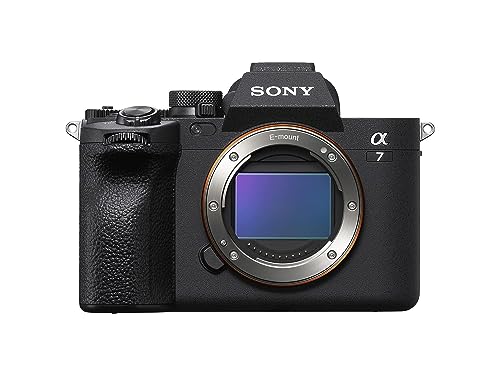
- The Sony Alpha 7 IV is the flagship all-rounder for recorded sets where both halves must be excellent.
- The Sony ZV-E10 II is the streaming singer’s camera — light, clever with product-style autofocus, and built for one-person crews.
- The Panasonic LUMIX S5II is the long-set workhorse, made for evenings that run past one song’s stamina.
- The DJI Osmo Pocket 3 and GoPro HERO13 Black are the second cameras — roaming and stuck-on — that turn one angle into a show.
- Take the desk feed whenever a desk exists, and record the room separately; the mix of both is what live actually sounds like.
In this guide
Quick Picks
| Pick | Badge | Why it earns its place |
|---|---|---|
| Sony Alpha 7 IV | Best Flagship for Recorded Sets | Full-frame picture with the audio plumbing to match — the camera a band’s own videographer would choose first. |
| Sony ZV-E10 II | Best for One-Person Streaming Crews | A light, video-first camera that frames a performer kindly and streams a set without a crew. |
| Panasonic LUMIX S5II | Best for Long Sets and Long Evenings | Built for stamina — the set, the second set and the encore, without a minder. |
| Canon EOS R6 Mark II | Best in Dark, Loud Rooms | Low-light confidence and subject tracking that hold together in the rooms gigs actually happen in. |
| DJI Osmo Pocket 3 | Best Roaming Second Camera | A gimbal in a pocket: the crowd side, the walk-on, the drummer’s hands — steadied by physics. |
| GoPro HERO13 Black | Best Stuck-On Camera for the Angle Nobody Else Gets | Mount it on the amp stack or the kit and forget it — the cutaway that makes an edit feel alive. |
How Did We Choose These Picks?
By standing where the filming happens: at the back of a loud room, at the side of a stage with no room to swing a tripod, in a school hall where the desk is a laptop and hope. Each candidate was asked the live-music questions in order. Can it take real audio — a microphone that handles volume, a line feed from the desk, levels a human can see and ride? Can it film a whole set, then another, without heat or card drama? Does its picture hold when the lighting rig’s entire vocabulary is red?
Those questions exiled several fine cameras whose talents live elsewhere, and they explain the list’s shape: three interchangeable-lens principals with genuine audio plumbing, one low-light specialist among them wearing a different badge, and two small cameras whose job is not to be the show but to multiply it. A one-camera film of a gig is a document; a principal plus a stuck-on cutaway is a performance, and the price difference between those two outcomes is the smallest money in this guide.
All six are pool cameras, linked with their pool names. Audio accessories are discussed as categories rather than picks, because the right microphone depends on the venue’s desk and the band’s habits in ways no single product answers. Throughout, recording limits and streaming arrangements are described as things to verify for your exact use — broadcast rules and platform terms are their owners’, and this guide prints none as fact.

Sony Alpha 7 IV — Best Flagship for Recorded Sets
When a band asks which single camera should film the album-launch set — the one that will live on their page for years — this is the guide’s answer, and the reason is balance under pressure. The picture half is full-frame and forgiving: skin under stage colour, blacks that stay black in a dark room, autofocus that holds a singer through the wanderings singers are paid for. The audio half is where it separates from prettier cameras: proper microphone input, headphone monitoring so the operator hears what the file hears, and level control that treats sound as a craft rather than a hope.
That monitoring matters more than any specification in this section. Live audio fails silently — a desk feed clipping, a microphone drowning in kick drum — and the failure is discovered at midnight, at home, in the edit, unless somebody was wearing headphones at the gig. The Alpha 7 IV’s operator can be that somebody without an external recorder’s extra box, which keeps a one-person crew genuinely one person.
In the edit, its files repay the flagship admission: colour that grades kindly, detail that survives the platform’s compression, and a dynamic range that holds a spotlighted face against a black backdrop without tearing either. Buy it when the footage is the band’s public memory. It is the camera in this guide least likely to be the reason a great set became a mediocre film.
- Type: full-frame interchangeable-lens camera (pool pick, linked)
- Audio plumbing: microphone input, headphone monitoring, manual level control
- Picture character: low-light strength with colour that grades well
- Crew size: one operator can run picture and sound honestly
- Best habitat: recorded sets that will represent the band publicly
Strengths
- Picture and audio are both flagship-grade, in one body
- Headphone monitoring catches silent audio failures live
- Files grade beautifully for a band’s public archive
Trade-offs
- Flagship cost across body, lens and media
- One camera still films one angle — pair it for a show
- Menus reward an operator who rehearsed at home
Best for: bands and videographers filming sets that will carry the act’s name.
Not suited for: a quiet acoustic duo in a lit café — several picks below are happier there.

Sony ZV-E10 II — Best for One-Person Streaming Crews
The ZV line was designed by people who watched creators film themselves, and live music’s one-person crew is that creator wearing a louder shirt. The ZV-E10 II is light enough to live on a small tripod at the side of a stage all evening, its autofocus flatters performers rather than hunting them, and its video-first controls assume the operator is also the artist, the engineer or both. For the worship team streaming Sunday, the singer-songwriter broadcasting from the rehearsal room, the promoter’s one volunteer — this is the pick shaped like their actual life.
Its audio manners punch at the flagship’s weight class in the ways that matter here: a proper microphone input for a mic that can stand the volume, and the digital audio arrangements its ecosystem offers for clean feeds. Streaming is a first-class citizen rather than a firmware afterthought, which matters at 7 p.m. with an audience assembling in a chat window and no technician to phone.
The honest trade is sensor size and the stamina of the very top tier: in the darkest rooms the flagships see further, and in the longest evenings their bodies shrug longer. But the ZV-E10 II’s congregation rarely shoots in those rooms, and what it returns — a filmable, streamable, carryable camera that one person can genuinely run — is the correct miracle for its price of admission.
- Type: compact interchangeable-lens video-first camera (pool pick, linked)
- Audio plumbing: microphone input and maker’s digital audio options
- Picture character: performer-flattering autofocus, clean streaming output
- Crew size: designed for one — artist, engineer and operator in a single coat
- Best habitat: streamed gigs, worship sets, rehearsal-room broadcasts
Strengths
- One person can run the whole broadcast honestly
- Streaming is native, not negotiated
- Light enough for small tripods and long evenings
Trade-offs
- Darkest rooms belong to the full-frame picks
- Long-set stamina a step below the workhorse badge
- Best lenses for the job are a further purchase
Best for: streamers, worship teams and solo performers filming themselves.
Not suited for: a dark club’s headline set shot for a public archive.

Panasonic LUMIX S5II — Best for Long Sets and Long Evenings
Every venue has an evening that runs long — the double set, the festival slot that becomes three, the wedding band’s heroic second half — and cameras reveal their stamina politics somewhere in the second hour. The S5II was built by a line that treats video as its first language, and its badge here is endurance: cooling and recording manners designed for the long watch, stabilisation that forgives a handheld operator’s tiring arms, and a picture with a filmic patience that suits music’s long forms.
Its audio plumbing is the professional set this guide keeps demanding — microphone input, monitoring, levels with intent — so the long evening’s sound can be ridden rather than endured. Paired with a desk feed, it becomes the fixed wide camera of a serious two-camera shoot: set it, trust it, and let the operator roam with the Pocket or a second body, knowing the master shot and master audio are being kept by the camera least likely to blink.
Choose it when the gig is long, the crew is small and the footage must simply exist, complete, at the end. In a category of divas, the S5II is the session musician: early, ready, and still playing beautifully when the headliner’s camera has gone home to cool down.
- Type: full-frame interchangeable-lens camera, video-first line (pool pick, linked)
- Audio plumbing: microphone input, headphone monitoring, manual levels
- Picture character: filmic colour with strong stabilisation for long handheld spells
- Stamina: built for extended recording evenings
- Best habitat: long sets, weddings, festivals, fixed master angle
Strengths
- Long-set stamina is its founding character
- Professional audio plumbing for desk-feed work
- Stabilisation forgives a tiring operator
Trade-offs
- A workhorse’s size — no pocket will hold it
- Its talents are wasted on three-song shoots
- Lens investment decides its low-light ceiling
Best for: wedding bands, festival crews and anyone filming whole evenings.
Not suited for: a pocketable roaming role — that badge hangs two picks down.

Canon EOS R6 Mark II — Best in Dark, Loud Rooms
Some rooms are lit like caves with opinions. The R6 Mark II’s parish is those rooms: a full-frame sensor that treats stage gloom as a working condition rather than an emergency, autofocus that finds faces in the murk and keeps them through the light rig’s mood swings, and a picture with Canon’s long-flattered rendering of skin under colour. If the gigs you film happen after dark in rooms that hate cameras, this is the principal to carry.
Its audio credentials satisfy this guide’s standing demands — microphone input, monitoring, levels an operator can govern — and its handling suits the side-of-stage crouch: controls that fall under fingers, a body that balances the fast lenses dark rooms require. Those lenses are the honest second half of the low-light equation, and the R6 Mark II’s mount gives the operator a deep shelf to choose from.
Buy it for the cave rooms and the late sets. In brighter, longer, drier conditions its rivals in this guide argue back — the Panasonic on stamina, the Sony flagship on its all-round polish — but when the lighting designer hands you red, black and a strobe, the Canon is the camera whose footage still looks like the night felt.
- Type: full-frame interchangeable-lens camera (pool pick, linked)
- Audio plumbing: microphone input, headphone monitoring, manual level control
- Picture character: low-light confidence, subject tracking in murk
- Handling: stage-side ergonomics for fast lenses and long crouches
- Best habitat: clubs, late sets, rooms lit like caves
Strengths
- Dark-room picture that still looks like music
- Face tracking holds singers through lighting chaos
- Deep lens shelf for fast, dark-room glass
Trade-offs
- Long-evening stamina a notch below the S5II’s calling
- Fast lenses are a real second investment
- Over-specified for bright halls and short sets
Best for: club gigs and late sets in genuinely dark rooms.
Not suited for: all-day festival endurance or a bright school hall at noon.

DJI Osmo Pocket 3 — Best Roaming Second Camera
The principal cameras in this guide watch the stage; the Pocket 3 walks the room. Its gimbal is the whole argument: a pocket camera whose footage glides — down the aisle during the walk-on, across the crowd’s faces at the chorus, into the drummer’s hands for eight bars — with a steadiness no handheld principal can imitate. In the edit, those glides are the difference between a record of a gig and the feeling of having been at one.
Its audio is the pleasant surprise of the small-camera parish: the maker’s wireless microphone arrangements pair with it in a way that makes walk-and-talk segments, singer interviews and quiet acoustic corners genuinely filmable, while its internal sound handles room atmosphere for cutaways. Battery and card habits suit its role — it is a sprinter, deployed for the songs and moments that need movement, rested while the principals hold the wide.
Buy it as the second camera of a two-camera life, or as the only camera of a roaming one: the fan-creator filming the whole night from the crowd, the promoter gathering social footage between sets. It will not replace a principal’s audio plumbing or low-light depth, and it does not pretend to. It makes the film move, which is the thing principals cannot do from their tripods.
- Type: pocket gimbal camera (pool pick, linked)
- Audio: internal sound for atmosphere; maker’s wireless mic options for voices
- Picture character: mechanically steadied movement, bright and social
- Role: roaming second angle — crowd, walk-ons, details
- Best habitat: aisles, pits, green rooms and choruses
Strengths
- Movement footage no tripod camera can imitate
- Pocketable — the second angle that actually gets carried
- Wireless mic pairing flatters interviews and acoustic corners
Trade-offs
- Not a principal: audio plumbing and darkness belong up-list
- Sprinter’s stamina — deploy it for moments, not whole sets
- Its tiny screen rewards operators who rehearse framing
Best for: promoters, fan-creators and second-camera operators who roam.
Not suited for: the fixed master angle of a long recorded set.

GoPro HERO13 Black — Best Stuck-On Camera for the Angle Nobody Else Gets
Every great gig film has one shot the audience cannot place: from inside the drum kit, off the amp stack, over the keyboard player’s hands. That shot belongs to a camera that can be stuck, clamped or wedged where no operator fits, started, and forgotten until the encore. The HERO13 is that camera in flagship form — tough, tiny, wide-eyed, and content to film the whole set from its strange parish while the principals do the grammar.
Its sound is atmosphere, honestly labelled: the internal microphones will capture the kit’s thunder from inside the kit, which is texture for the edit rather than the master track. The master audio belongs to the principal’s desk feed; the HERO’s gift is synchronised life — stick it, clap once on camera for the sync point every editor blesses, and let the cutaways multiply the show’s energy in post.
Battery and heat manners suit the role when the camera is given air and a sensible setting for its static post; a stuck-on camera recording a whole set should be set up like the S5II’s little apprentice — tested at soundcheck, checked at the interval. Buy it when your films feel earthbound. One impossible angle per gig is the cheapest production value in live music.
- Type: flagship action camera for mounted angles (pool pick, linked)
- Audio: internal atmosphere and texture; master sound lives with the principal
- Picture character: very wide, tough, stabilised action view
- Role: stuck-on cutaway — kit, stack, keys, crowd barrier
- Best habitat: anywhere an operator cannot stand
Strengths
- Angles no crewed camera can occupy
- Tough enough for the stack, the kit and the barrier
- A set-and-forget second angle multiplies any edit
Trade-offs
- Sound is texture, never the master track
- Static long recording needs soundcheck discipline
- Very wide view distorts close faces — place it for places, not portraits
Best for: any crew whose films need one impossible angle per night.
Not suited for: a principal role, or any job where its microphone would be the only one.
One Stage, Six Jobs: The Cameras in One View
| Pick | Badge | What defines it |
|---|---|---|
| Sony Alpha 7 IV | Best Flagship for Recorded Sets | Full-frame picture with the audio plumbing to match — the camera a band’s own videographer would choose first. |
| Sony ZV-E10 II | Best for One-Person Streaming Crews | A light, video-first camera that frames a performer kindly and streams a set without a crew. |
| Panasonic LUMIX S5II | Best for Long Sets and Long Evenings | Built for stamina — the set, the second set and the encore, without a minder. |
| Canon EOS R6 Mark II | Best in Dark, Loud Rooms | Low-light confidence and subject tracking that hold together in the rooms gigs actually happen in. |
| DJI Osmo Pocket 3 | Best Roaming Second Camera | A gimbal in a pocket: the crowd side, the walk-on, the drummer’s hands — steadied by physics. |
| GoPro HERO13 Black | Best Stuck-On Camera for the Angle Nobody Else Gets | Mount it on the amp stack or the kit and forget it — the cutaway that makes an edit feel alive. |
How Is Streaming a Gig Different From Recording One?
A recording forgives; a stream testifies in real time. The streaming crew’s camera must hold its nerve for the whole broadcast — connection, power and picture chained together without an interval — and its audio must be right at the moment of the chorus, not in the edit that never comes. That is why the ZV-E10 II’s native streaming manners earned a badge in this guide: the fewer boxes and conversions between the camera and the audience, the fewer funerals at showtime.
Rehearsal changes its meaning, too. A recording crew tests the camera; a streaming crew tests the chain — the venue’s connection under load, the platform’s handshake, the desk feed’s level into the encoder — at the hour the audience will arrive, because networks, like rooms, fill up. Run the stream to a private audience of one band member’s phone at soundcheck and let them be unimpressed then, rather than the chat being unimpressed later.
Keep the recording habit inside the stream wherever your setup allows it: a local copy in the camera is the broadcast’s insurance and the archive’s inheritance. Streams vanish into platforms; the card in the camera is the set, kept. The crews who stream best treat the broadcast as a performance of the recording, not a replacement for it.
What Changes in a School Hall, a Church or a Village Venue?
The desk shrinks, the light whitens and the crew becomes volunteers — and the cameras that thrive are the ones whose automation can be trusted after ten minutes of training. Bright, even light forgives smaller sensors, which is why the ZV-E10 II and even the roaming picks look so capable in these rooms; the challenge moves from darkness to endurance and simplicity. A camera a parent volunteer can start, frame and trust is worth more than a flagship that needs its owner standing over it.
Sound in these venues is a different craft: the desk may be small, the room reflective, the performers unamplified in part. A room microphone placed with care — closer than feels natural, away from the wall’s echo — often beats a feed from a desk that is only carrying half the band. Rehearse the blend at the rehearsal, because these rooms forgive nothing acoustically and the audience is full of people who know exactly how it should sound.
And the films matter differently here. A club set is promotion; a school concert is a family’s archive, watched for decades by people who were in it. Film wide enough to include every child the lens can hold, keep the footage, and hand copies to the school and the families in ordinary formats. The camera that serves memory has done the highest work in this guide.
How Do You Film Acoustic and Unplugged Sets?
Quietly, in every sense. The unplugged set inverts the loud gig’s problems: instead of surviving volume, the audio must honour whispers — fingers on strings, a room holding its breath — and the camera must disappear, because in a hushed room a crew is an event. Small principals, no roaming during songs, positions taken before the audience settles: the Pocket 3 rested on a table becomes a still, kind eye, and the principals shoot from the room’s edges with long lenses and patience.
The microphone question becomes placement rather than power. A single good microphone near the performers, or the desk feed of a lightly amplified set, carries the truth; the room’s own hush is the atmosphere track, and it needs no help. Levels ride low and steady — the pumping of an automatic system is deafening at these volumes — and the operator’s headphones matter more than ever, because the failures here are subtle: a chair’s creak promoted to a solo, a voice lost behind a guitar’s body.
Filmed this way, unplugged sets produce the most rewatched footage in a band’s life. The loud sets prove the band could fill a room; the quiet ones prove it could hold one, and the camera that respected the hush gets invited to every one that follows.
How Should Gig Footage Be Edited and Delivered?
Fast, while the night still has witnesses. The full set, lightly touched — sound blended, joins tidied, the stuck-on camera’s angles laid into the choruses — is the archive edition, delivered to the band within days in an ordinary format they can keep. The public editions are carved from it: the single best song, whole and honest, and the sixty-second vertical for the platforms, cut from the chorus outward, because a gig clip’s first three seconds decide its life.
Sound leads the edit in this parish, always. Cut on the music’s joints, let the room track breathe under the desk feed at the moments the crowd was the story, and resist polishing the performance into a studio ghost — the slight roar at the singer’s entrance is not a flaw in the recording; it is the recording. Viewers can smell an over-cleaned live film, and they leave it politely, in the first minute, forever.
Deliver with the boring professionalism that gets crews rehired: files named by band, venue and date; the archive copy on two drives; the band holding their own masters, because the footage is their history and your portfolio at once. The editor who treats delivery as part of the shoot will still be filming when the talented-and-late have been forgotten by every promoter in the postcode.
What Are the Rules for Filming the Audience?
Permission’s small print, handled like a professional. A venue’s ticket terms usually cover incidental crowd filming for the band’s own films, but the close-up is a different country from the wide shot: a face held on screen, a child, a couple having the worst night of their year — these deserve the courtesy of a word where a word is possible, and the delete key where it is not. The roaming operator’s craft includes reading a room’s willingness, which is a skill no camera in this guide can install.
Signage and announcement do quiet work: the door notice that filming is happening, the singer’s one sentence from the stage, transform a crowd from subjects into participants. Audiences who know tend to give the camera the night it wants — hands up at the chorus, faces lit — because people enjoy being part of a film they consented to far more than one they discovered.
And keep the outtakes honourable. The cutting-room floor of a gig contains humanity at its least guarded; it lives on the archive drives under the same discipline as the masters, shared never, mined for comedy at no one’s expense. Crews are trusted with a room’s unguarded joy. The trust is the business model.
Why Does Every Gig Film Need a Sync Point and a Slate?
Because three cameras and two audio feeds become one film only if they can be married, and marriages need a ceremony. The ceremony is thirty seconds at soundcheck: every camera rolling, the audio recorders running, one loud clap in view of them all — or the drummer’s count-in, which serves the same sacrament with better music. In the edit, waveforms and that clap align the whole evening in minutes; without it, the same alignment is an evening of nudging that ends, usually, in a film quietly abandoned.
The slate is the clap’s paperwork cousin: a phone screen held to each lens showing the band, the venue and the date, or simply the operator saying it aloud at each card’s start. Months later, in a folder of identical black thumbnails, that five seconds of bureaucracy is the difference between an archive and an attic.
Professionals are not faster editors than amateurs; they are crews whose footage arrives pre-married and pre-labelled. Steal the ceremony whole. It costs half a minute at the only moment the whole system is standing in one room, listening.
How Do You Choose Lenses for Live Music?
By the room’s light and the operator’s distance, in that order. Dark rooms tax every stop, so the lens shelf that matters is the fast one — glass that opens wide enough to keep the sensor’s sensitivity honest and the shutter civilised. From the back of a club, reach decides the framing; from the side of a stage, width does. Most working gig kits settle into a duet: a fast standard zoom that lives on the principal, and one very fast prime for the darkest parish and the quiet songs, where its rendering turns a cave into a chapel.
Rent or borrow before the shelf grows. A lens’s character under stage colour — how it flares against backlights, how its focus breathes during a slow push — is only learnable in a loud room at night, and the second-hand market is full of glass bought from specification sheets by daylight. The camera bodies in this guide will serve for years; the lenses, chosen in the dark, will serve for a career.
What Should the Crew Pack Beyond the Cameras?
The unglamorous liturgy that decides evenings: headphones that isolate, because monitoring in a loud room through polite earbuds is theatre; cables and adapters for desks not yet met; tape for cables that cross human paths; a small torch for the card swap in the dark; spare cards and batteries in a case that lives in the same bag every time, so packing is a checklist rather than a composition. Add the venue’s name and the engineer’s goodwill, earned at soundcheck, and the kit is complete.
Pack for the failure you have already met, not the one in the forums. Every working crew’s bag is a memoir — the adapter from the night the desk spoke a foreign language, the clamp from the venue with no tripod floor — and it grows by exactly one lesson per gig. Write the lessons down before the drive home, while they are still free.
How Do You Record Live Music Audio That Does Not Embarrass the Picture?
Take two feeds, because live sound has two truths. The desk feed is the truth of intention: the mix the engineer balanced, vocals forward, everything present, eerily clean. The room feed is the truth of experience: the crowd, the air, the drums as a physical event. Films that use only the desk sound like broadcasts from a vacuum; films that use only the room sound like evidence. The standard craft is a marriage — desk underneath for clarity, room on top for life, blended until the film sounds like the memory of being there.
Getting the desk feed is a social achievement before it is a cable. Ask at soundcheck, never at showtime; bring your own cable and adapter variety, because desks and their outputs are a dialect map; take the engineer’s advice about which output to use as gospel, since they know which one hisses. Set levels for the loudest chorus, not the soundcheck’s politeness — live music’s dynamic range is a ambush — and leave headroom like a professional, because a quiet file can be raised and a clipped one can only be apologised for.
Monitor, always, with headphones, at least at the start of each set. The silent failures — the unplugged feed, the microphone facing the wrong way, the level riding into the red — are only audible live, and each has ended more gig films than bad cameras ever will. The picks in this guide were chosen partly for making that monitoring possible without extra boxes. Wear the headphones. Be the crew member who knows.
Where Should Cameras Stand in a Small Venue?
The principal belongs where the room’s own geometry composes the shot: usually the back centre, elevated above heads if the venue allows, far enough that the whole stage fits with room to breathe, close enough that faces are faces. In small rooms that spot is often the sound desk itself — which is convenient, because the desk feed lives there too, and the operator, the audio and the master shot can share one parish and one pair of headphones.
The second camera earns its keep off-axis: side stage for the profile the back never sees, or in the crowd with the Pocket for the audience’s half of the story. Sightlines in small venues are diplomacy — a camera that blocks a paying viewer’s evening will be remembered longer than its footage — so tuck angles into the room’s dead spaces: beside stacks, above doorways, at the barrier’s end where the security already stands.
Whatever the positions, walk them at soundcheck with the band playing, because a venue at doors-open is a different country from a venue at capacity. Heads rise, lights drop, the perfect angle acquires a pillar of humanity in front of it. The crew that rehearsed positions at soundcheck spends the set filming; the other crew spends it apologising and relocating.
How Do You Film a Whole Evening Without Heat, Card or Battery Drama?
By treating stamina as a system rather than a hope. Cards are sized for the whole evening plus the encore nobody promised, formatted in-camera at soundcheck, and swapped only at intervals — never mid-set, never in the dark, never with the previous set still unwritten to safety. Batteries rotate on the same interval rhythm, with the charger working in a corner like a roadie, so no camera’s fate depends on a single cell’s opinion of the second set.
Heat is managed with air and honesty. Cameras in this guide were chosen partly for long-evening manners, but any body crammed against a hot lighting rig or sealed in a case of its own cables will eventually protect itself at the worst moment. Give principals moving air, open their screens, and test the full configuration — the exact settings, the exact duration — at a rehearsal before the night that matters. A camera that has already filmed three hours in your kitchen has no surprises left for the venue.
And keep a failure liturgy: if the principal stops, the second camera becomes the film and the operator becomes calm. Evenings survive on that calm far more than on any specification, and the audience for the film will never know which camera saved it — only that the set exists, complete, with its sound intact.
What Should a One-Camera Shoot Steal From Multi-Camera Craft?
Movement of attention, if not of position. A single fixed wide shot of a whole set is a document viewers abandon; the one-camera film that holds an audience varies its grammar within its parish — tighter framings for the quiet songs, the wide for the choruses, a slow push on a tripod head when the bridge builds. Film the set as a listener, not as a surveillance system, and the edit becomes a performance of attention.
Steal the cutaway, too, by filming the room as a separate act: thirty seconds of crowd, the bar, the hands on the desk, the venue’s sign in the rain, gathered before and after the set when nothing is at stake. Laid over the music’s joins, those shots give a one-camera film the breathing rhythm of a multi-camera edit — and they are free, shot on the same card, in the minutes other crews spend queueing at the bar.
Finally, steal the audio discipline entire. The desk feed, the room blend, the headphones at the start of the set: none of it requires a second camera, and all of it decides whether the film gets watched to the last song. In live music, a one-camera shoot with great sound beats a three-camera shoot with gasping audio every night of the week.
What Mistakes Do Gig Filmmakers Make?
The eternal first is trusting the camera’s built-in microphones at volume. Concert sound pressure turns small microphones into distortion generators, and the footage returns home sounding like the gig was held inside a jet engine. A microphone that can take the level, or the desk feed, is not an accessory in this parish; it is the difference between a film and a rumour, which is why this guide’s picks are built around their audio plumbing.
Second is the automatic-everything shoot: exposure hunting as lights change, levels pumping as the drums breathe, focus wandering to the brightest object. Live rooms punish automation; the craft is to set exposure for the stage’s brightest honest moment, lock what can be locked, and ride the rest like an engineer. Third is the unrehearsed position, covered above, and fourth is the single copy — the set of the year living on one card in a jacket through the after-party. Cards are copied before drinks. That sentence has saved more films than any camera in this guide.
Fifth is filming the band and forgetting the room. The crowd is half the event; a film without them looks like a rehearsal with better clothes. The roaming and stuck-on picks exist to gather that half cheaply. Use them, and the film will feel the way the night felt — which is the only review that matters in the end.
Final Recommendation
Build the classic shape: one principal with real audio plumbing, fed from the desk, monitored on headphones. The Alpha 7 IV if the footage carries the band’s name; the S5II if the evenings are long; the R6 Mark II if the rooms are caves; the ZV-E10 II if the crew is one person and the destination is a stream. Add the Pocket 3 when the film needs to move and the HERO13 when it needs an impossible angle, in whichever order your footage feels poorer.
Above the gear, keep the liturgy: ask the desk early, set levels for the loudest chorus, copy the cards before the drinks. Live music is unrepeatable by design; a camera system that respects that — in its sound, its stamina and its habits — turns one loud evening into the band’s permanent evidence that it happened, beautifully.
How Does a Filmed Gig Change the Band’s Next Year?
More than the band expects, which is why the archive matters. A good live film is the act’s passport: the promoter in the next city books from it, the festival application links to it, the new fan found in an algorithm’s mercy judges the whole career by its first chorus. Bands feel this in their enquiries within a season of a proper film existing, and it reframes the camera budget entirely — the principal in this guide is not competing with other cameras for the money; it is competing with every other way of buying the band a future audience.
That is also why this guide keeps returning the reader to sound. A booker watches with the volume up and the patience down; the desk-fed, room-blended film in this guide’s workflow survives that audition, and the gasping built-in-microphone film does not, however beautiful its picture. Film the gig like the band’s next year depends on the audio, because in the only sense that pays for cameras, it does.
Keep one copy of every filmed set off the premises where it was shot — a drive at home, a folder in the cloud, anywhere with a different postcode — because a band’s filmed history concentrates value the way a master’s tape once did, and it deserves the same geography of caution. The gig happened once. The film is how it keeps happening, and losing it to a single stolen bag is the one encore nobody in this guide is willing to applaud.
And tell the band, plainly, what you kept and where it lives. Footage whose owners cannot find it is a rumour with a file size; a shared index — band, venue, date, drive — turns a crew’s private archive into the act’s working memory, and it takes one honest email after every gig to maintain for an entire career.
That index, kept current, is also the crew’s quiet portfolio: a list a promoter can be sent, a history a festival can browse, proof — in spreadsheet form — that the films exist, the sound was fed from the desk, and the band’s loudest years were kept by somebody who understood what they were worth while they were still happening.
File the index after the encore, not after the month. Memory is a crew member who resigns without notice, and the five minutes of paperwork done while the room still smells of the gig are worth an afternoon of archaeology in a season’s time.
The bands that last tend to be the ones whose evidence lasts with them — every era findable, every great room still audible — and the crews who kept that evidence become, in time, part of the act’s own story — the quiet members, standing at the back with the headphones on, keeping the loud years safe for everyone who was there and everyone who missed them the first time around, which is, after all, most of the waiting world out there tonight.
Frequently Asked Questions
Can I just use the camera’s built-in microphone at a gig?
For atmosphere and cutaways, yes; for the master track, almost never. Concert volume overwhelms small built-in microphones into distortion. Use a microphone built for the level, or take a feed from the mixing desk — the picks in this guide were chosen for the inputs and monitoring that make both possible.
How do I get a feed from the venue’s mixing desk?
Ask the engineer at soundcheck, bring your own cables and common adapters, and take the output they recommend. Set your levels against the loudest part of the set, leave generous headroom, and blend the desk feed with a room microphone in the edit — desk for clarity, room for life.
Which pick is best for a church or worship team?
The ZV-E10 II for most: one operator, native streaming, kind autofocus for singers, and a microphone input for the desk feed that worship venues almost always have. For long services filmed for an archive, the S5II’s stamina makes it the step-up choice.
Will these cameras overheat during a long set?
The picks were chosen with long evenings in mind, and the S5II in particular is built for extended recording. Any camera can protect itself if sealed against hot lights or run in a case of cables, so give bodies air, test your exact settings for a full set’s duration at rehearsal, and rotate batteries at intervals.
Do I need permission to film a gig?
Yes — from the venue and the performers, and the rules for publishing are theirs as much as yours. House policies, the band’s wishes and any platform terms all apply before a note is shared. Crews who ask early and clearly get the desk feed, the good position and the welcome back; it is the cheapest production value there is.
What is the cheapest real improvement to my gig films?
Sound, then a second angle. A desk feed or a level-proof microphone transforms a film more than any camera upgrade, and one stuck-on or roaming second camera — the HERO13 or Pocket 3 roles — turns a document into a show. Both cost less than replacing the principal, and both are felt in the first thirty seconds.
Related Guides
Continue with our guides to the best cameras for concert photography, action cameras with the best sound and cameras for vlogging and travel films.


