kajuandouglas.com is reader-supported. When you buy through links on our site, we may earn an affiliate commission.
Where to Buy
A quick clarification before anything else, because the search term that brought you here deserves honesty: “receptiom” is a misspelling of “reception,” and this guide is about the wedding reception — the party segment of the day, after the ceremony has done its solemn work. If you need the best cameras for wedding receptiom filming, you need cameras for a room that gets darker as it gets happier: speeches delivered under amber light, a first dance staged in a spotlight’s island, spontaneous moments that ignite and vanish in seconds, and party audio that swings from a whispered toast to a dance floor at full voice. The ceremony has its own guide elsewhere on this site; this one never leaves the party.
Reception filming is a distinct discipline with its own physics. Light is scarce and coloured, often deliberately theatrical. Nothing is scheduled tightly enough to plan around, yet everything important — the entrance, the toasts, the cake, the bouquet, the first and parent dances — happens exactly once, frequently in the room’s worst-lit corner. The camera that serves this segment must be fast to wake, brave in darkness, quiet in its handling, and sociable enough that guests keep being themselves in front of it.
Sound shapes this guide as much as sight. A reception’s memory is carried by voices: the best man’s story that lands perfectly, the father’s toast that surprises everyone including himself, the roar when the couple enters, the band or DJ under everything. Cameras here were judged on their audio pathways as seriously as on their sensors, because a reception film with beautiful pictures and muffled speeches is a trailer for a film that does not exist.
Six bodies made the cut, and they divide the party between them: full-frame anchors that own the dark, a creator camera that moves through a crowd like a guest, a fixed-lens compact with a flash-era party soul, and an action camera that survives the dance floor’s front row. Read the ranking as a party plan, not a podium.
Key Takeaways
- Reception cameras live or die on low-light composure, because the party’s light is atmosphere first and illumination second.
- The Sony Alpha 7 IV anchors the room, holding faces together under DJ colour and candlelight alike.
- Panasonic’s LUMIX S5II covers the long evening — speeches that run an hour, dance floors that run to midnight — without heat or wobble.
- The Canon EOS R6 Mark II renders warm rooms warmly, the look couples actually remember their reception having.
- Sony’s ZV-E10 II and Fujifilm’s X100VI are the mingling cameras, small enough to gather candids a big rig would frighten away.
- The GoPro HERO13 Black takes the positions nothing else survives: the dance floor’s edge, the bouquet scrum, the confetti moment.
One principle threads through every pick: at a reception, the best camera is the one already in your hand when the moment happens. Setup speed, battery discipline, and a body light enough to carry for five hours are not conveniences in this segment — they are the difference between filming the party and filming the parts of the party that waited for you.
In this guide
Quick Picks
| Badge | Pick | Why it stands out |
|---|---|---|
| Best Party Anchor | Sony Alpha 7 IV | Faces stay faces under coloured DJ light, and focus keeps dancing couples where the spotlight put them. |
| Best for the Long Evening | Panasonic LUMIX S5II | Fan-cooled, stabilised endurance for speech marathons and warm rooms that never cool down. |
| Best Warm-Room Look | Canon EOS R6 Mark II | Amber light rendered as atmosphere rather than error, with skin tones guests approve of instantly. |
| Best Mingling Camera | Sony ZV-E10 II | Light, quick, and guest-friendly, with autofocus that finds faces in a crowd without a fuss. |
| Best Candid Compact | Fujifilm X100VI | A discreet fixed-lens classic whose party pictures and clips feel like the night actually felt. |
| Best Dance-Floor Survivor | GoPro HERO13 Black | Rugged, tiny, and stabilised for the bouquet toss, the confetti drop, and the front row’s chaos. |
Notice the casting: two anchors, two minglers, one specialist, one daredevil. A reception filmed entirely on an anchor looks like surveillance of a party; filmed entirely on minglers, it loses the speeches’ gravity. The party needs both registers, and the comparison section below shows the pairings that working filmmakers actually carry.
How We Chose These Picks
Judging simulated a reception rather than a studio. Each camera had to film a speaking subject in a warm, dim room lit mainly by practical lamps; track two moving subjects circling each other under a single spotlight, as dancers do; wake from rest and be recording inside the few seconds a spontaneous toast allows; and keep working through a long evening session without its files degrading as the room’s light fell from dinner amber to dance-floor strobe-adjacent chaos.
Low-light assessment was about faces, not charts. We watched what happened to skin under magenta and teal DJ washes, whether candlelight read as romance or as noise, and how highlights on glassware and sequins behaved. A reception is remembered through its faces, and cameras that protected them ranked above cameras that merely survived the darkness.
Audio was tested at party distances. A toast recorded from the filmmaker’s natural position — not from the speaker’s elbow — had to remain intelligible through the camera’s own pathway or its microphone input, and handling noise during a quiet speech was treated as a defect of character. The room’s loudest hour mattered too: a camera whose audio collapsed into distortion when the dance floor peaked lost marks it could not recover.
Finally, carry was costed honestly. Five hours on a strap, in a crowd, in formal shoes: grams become opinions by the second hour. Bodies that balanced output against carry — and batteries that treated the evening as one shift rather than three — shaped the final order as surely as any sensor did.
What Makes the Reception the Hardest Light of the Whole Wedding?
Ceremony light is difficult but stable; reception light is difficult and theatrical. The room begins in dinner amber — candles, warm pendants, the last daylight leaving tall windows — and ends in a designed spectacle of moving colour, haze, and deliberate darkness. A camera must render the first as intimacy and the second as celebration without the filmmaker rebuilding settings between courses, because the filmmaker is also eating, mingling, and watching for the toast that the schedule swore was twenty minutes away.
Contrast is the second adversary. A spotlighted first dance is an island of brightness in a dark room; expose for the couple and the room vanishes, expose for the room and the couple becomes a glare. The bodies ranked highest here hold both ends of that bargain most gracefully, preserving the dress’s detail inside the spotlight while letting the room stay moodily present around it. That balancing act, repeated across entrances, dances, and the cake’s little ceremony, is the reception film’s core technical skill.
Movement is the third. The ceremony’s subjects walk in lines; the reception’s subjects spin, dip, embrace, and hoist children onto shoulders. Focus systems are asked to track faces through turns and occlusions — a dance partner crossing the frame, a server passing with a tray — and to return to the right face afterward without a visible search. The picks below earned their rows partly on that recovery behaviour, the least specifiable and most felt of all reception virtues.
There is also the matter of the filmmaker’s own visibility, which the reception judges more harshly than the ceremony does. At the ceremony, a camera is expected; at the party, it is an interruption unless it behaves like a guest. Dress like the room, eat when the room eats, dance-adjacent rather than dance-blocking — the social camouflage is not vanity but technique, because every candid in the finished film was permitted by somebody who forgot, for a merciful second, that a professional was present. The smaller picks in this guide are camouflage you can buy; the rest is camouflage you must practise.
And underneath everything sits time pressure of a peculiar kind: the reception’s moments announce themselves seconds in advance, if at all. A camera that sleeps slowly, focuses reluctantly, or buries its record button in ceremony is a camera that films the aftermath of moments. Readiness — the state of being perpetually almost-recording — is a reception camera’s defining discipline, and it shaped this guide’s judgements from the first test.
How Do You Capture Party Audio Without Ruining the Party?
Start at the source the room already trusts: the DJ or band’s desk. A feed from the mixer — arranged in advance, tested during the first dance’s soundcheck rather than during the first toast — gives the film the speeches, announcements, and music at desk quality, immune to the room’s echo and the crowd’s swell. The cameras here with proper microphone inputs accept that feed or a receiver gracefully; the conversation with the DJ, held before guests arrive, is the single highest-value audio act of the evening.
Layer the room on top of the desk. A camera-position microphone, or a small recorder placed near a speaker stack with its levels set conservatively, captures the laughter, applause, and singing that make a reception film feel inhabited. Speeches without reactions are lectures; the edit needs the gasp before the punchline and the roar after it, and those live in the room, not in the mixer.
Protect the loud hours from themselves. Dance-floor volume defeats careless recording chains, turning the night’s happiest footage into distorted evidence. Set levels for the peak, not the average — a quieter recording can be raised in the edit, while a clipped one is a ruin — and check the first full-volume song on headphones before trusting the chain with the bouquet toss. The bodies with headphone monitoring make that check a habit rather than a hope.
Children rewrite the audio plan in ways worth welcoming. The flower girl’s unscripted commentary during dinner, the ring bearer’s review of the cake, the table of cousins negotiating the dance floor’s opening — these are the reception’s bonus tracks, and they are captured by proximity rather than by feeds. The mingling cameras, already circulating with their own microphones at conversational distance, gather this layer simply by being where children are treated as guests rather than as decorations. Keep one ear on the room’s small voices; the couple will replay them out of all proportion to their length.
Finally, respect the quiet machinery of the evening: the filmmaker who fiddles with audio gear during a father’s toast has become the story of that toast. Set the chain during dinner, verify it once, and then be a guest with a camera for the rest of the night. Reception audio succeeds when nobody at the party ever noticed it being captured.
Which of the Best Cameras for Wedding Reception Filming Fits Your Party?

Sony Alpha 7 IV — Best Party Anchor
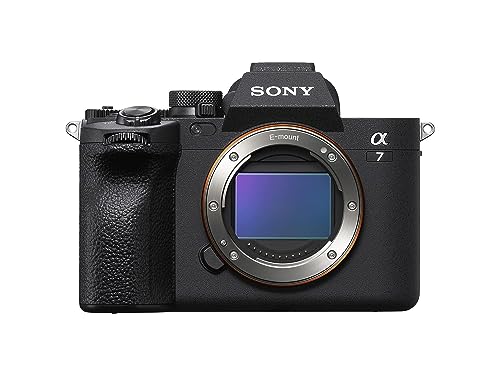
Every reception needs one camera that behaves like the room’s memory: planted in the filmmaker’s hands at the speeches, trusted absolutely in the dark, and calm when the DJ’s colour washes turn theatrical. The Alpha 7 IV is that camera in this guide. Its autofocus locates a speaker’s face in candlelit gloom and stays there through the toast’s emotional weather, while its sensor keeps skin recognisable under magenta and teal washes that reduce lesser files to costume.
The spotlight problem is where it separates itself. A first dance is a bright island in darkness, and this body’s files hold the dress, the faces, and the surrounding room in one exposure more gracefully than anything else here — the couple luminous, the guests present, the moment’s contrast rendered as drama rather than as a technical apology. Filmmakers who deliver reception films as their signature product build the evening around that reliability.
Its working kit suits the anchor’s duties: headphone monitoring for the DJ feed, a microphone input that takes the desk’s output cleanly, and stills strong enough for the evening’s informal portraits when the couple asks. On a monopod at the speeches or handheld at the dance floor’s edge, it is the camera the night’s irreplaceable thirty seconds are entrusted to.
The costs are presence and price: it looks like a professional camera, which occasionally reminds guests to perform, and full-frame glass deepens the investment. Anchors are not meant to be invisible, though — they are meant to be believed. When the toast begins and the room hushes, this is the body the hush deserves.
- Sensor: full-frame for coloured darkness
- Focus: face tracking through dances and toasts
- Audio: input plus headphone monitoring for DJ feeds
- Role: anchor for speeches and set-piece moments
- Stills: evening portraits on request
Strengths
- Skin survives DJ colour washes intact
- Spotlight contrast handled with grace
- Audio chain verifiable in real time
Trade-offs
- Professional presence changes some guests
- Full-frame kit is a real investment
- Heavier than the mingling picks by hour four
Best for: lead filmmakers owning the speeches, first dance, and the evening’s decisive moments. Not suited for: slipping unnoticed through a shy crowd all night.

Panasonic LUMIX S5II — Best for the Long Evening
Receptions do not end when the schedule says; they end when the last song does, and the hours between dinner and that song are where cameras go to be exposed. The S5II’s fan-cooled design treats a warm, crowded room’s entire evening as one continuous assignment — speeches that multiply, a dance floor that fills and refills, a summer marquee that never cools — without the operator budgeting heat alongside battery and cards.
Stabilisation writes its second paragraph. Reception filming is handheld by nature: the filmmaker circulates, crouches for the children’s table, rises for the bouquet, and leans into the dance floor’s edge for thirty seconds of joy. This body’s steadying turns that circulation into footage rather than into evidence of circulation, and its monitoring tools keep exposure honest as the room’s light falls from amber to theatrical.
The image has a late-night honesty to it — warm rooms rendered with density, faces that stay dimensional in practical light, files that accept the gentle grade a reception film wants without protest. For the filmmaker contracted for the full evening, or the venue content creator filming receptions weekly, that combination of stamina and steadiness is the product.
Its compromises are carry and ecosystem: it is the evening’s most substantial body, and its lens family asks for planning. Filmmakers whose receptions run long and hot will consider both trivial against a camera that has never once asked the party to wait for it.
- Cooling: fan design for the whole evening
- Stabilisation: in-body for circulating handheld work
- Monitoring: exposure truth under falling light
- Mount: L-mount alliance lenses
- Role: endurance anchor for speeches and dancing
Strengths
- Evening-long recording without thermal drama
- Circulation footage stays composed
- Warm rooms graded with density
Trade-offs
- The night’s heaviest carry
- Lens choices need forethought
- Overbuilt for a short, small reception
Best for: full-evening contracts, warm venues, and filmmakers who circulate constantly. Not suited for: minimalists filming a two-hour garden party.

Canon EOS R6 Mark II — Best Warm-Room Look
Ask couples what their reception felt like and they describe warmth — candlelight, wood, laughter, amber. The R6 Mark II is the camera whose files agree with that memory. Canon’s colour renders warm rooms as atmosphere rather than as a white-balance emergency, skin stays golden instead of orange, and the whole evening acquires the glow that guests swear was there. For filmmakers whose clients judge footage by feeling, that agreement between memory and file is worth more than any specification.
Its focus behaviour suits the party’s choreography: couples turning through a first dance, a speaker stepping out from behind the top table, children weaving through every frame ever composed. The system recovers from occlusion — the passing server, the crossing dancer — with a calm that keeps the operator’s blood pressure in the audience’s range rather than the athlete’s.
As an evening instrument it is sociable in the ways that matter: handling a second shooter can adopt mid-event, stabilisation for the handheld circulation style, and stills that cover the informal group portraits receptions generate spontaneously. Paired with the smaller Canon bodies, its footage grades into the same warm family without argument.
Thermal sense is its one evening caveat — very long continuous recordings in hot rooms reward the sensible management any professional applies — and its price is a professional’s. For the warm look and the calm focus, reception specialists pay both gladly.
- Sensor: full-frame with Canon’s warm colour
- Focus: composed recovery when dancers cross
- Stabilisation: in-body for handheld circulation
- Handling: adoptable by a second shooter instantly
- Role: warm-look anchor and team body
Strengths
- Amber rooms look like the memory of them
- Focus stays calm in crowded frames
- Guests approve its pictures on sight
Trade-offs
- Long hot takes need thermal awareness
- Professional price of entry
- Less discreet than the compact picks
Best for: filmmakers selling a warm, romantic reception style and teams sharing bodies. Not suited for: unattended recording through an entire hot evening.

Sony ZV-E10 II — Best Mingling Camera
The reception’s best footage is often gathered by the camera that behaves least like a production. The ZV-E10 II is that gatherer: light enough to carry for five hours without resentment, quick enough to be recording before a spontaneous moment finishes introducing itself, and friendly enough in appearance that guests talk to it rather than at it. Its autofocus finds faces in a mingling crowd and holds them through the lean-in, the laugh, the turn to include a friend — the micro-choreography of party candids.
Its screen and handling serve the circulating filmmaker: framing verified at arm’s length, vertical clips for the couple’s social feeds captured in the same pass as the film’s material, and a microphone input for a compact shotgun that lifts its party audio above room mush. Under string lights and practical lamps its colour flatters without fuss, and its files cut beside the full-frame anchors with less grading diplomacy than its size suggests.
Lens interchangeability gives the mingler range: a fast prime for the candlelit tables, a wider zoom for the dance floor’s edge, swapped in seconds as the evening changes register. Many reception kits in the wild are exactly this body, two small lenses, and a recorder — a complete party department in a shoulder bag.
Its limits are honest ones: no in-body stabilisation for the longest handheld holds, and a sensor that reaches its low-light edge before the full-frame rows do. Within the mingling role — movement, proximity, spontaneity — those limits rarely get a speaking part.
- Sensor: APS-C with interchangeable E-mount lenses
- Focus: face priority amid mingling crowds
- Screen: forward-facing for arm’s-length framing
- Audio: microphone input for a compact shotgun
- Role: circulating candid camera
Strengths
- Recording before spontaneity evaporates
- Five-hour carry without fatigue
- Vertical clips in the same pass
Trade-offs
- Handheld holds rely on the operator
- Darkest corners test its sensor
- Not the speeches’ anchor of record
Best for: candid coverage, smaller receptions, and filmmakers who gather footage by circulating. Not suited for: owning the first dance alone in a near-dark room.

Fujifilm X100VI — Best Candid Compact
Some cameras enter a party and the party adjusts; the X100VI enters and the party continues, which is the entire argument. A discreet fixed-lens compact with a classic silhouette, it gathers the reception’s unposed truth — the uncle mid-laugh, the bridesmaid’s shoes abandoned under a table, the couple stealing thirty seconds alone by the bar — in stills and clips that feel like the night rather than like coverage of it. Fujifilm’s film palettes give that material an instant nostalgia that suits the genre embarrassingly well.
Its built-in flash deserves specific praise, because reception veterans know the look: direct flash at a party is a visual dialect of its own, freezing joy crisply against a dark room, and this body’s flash-and-film-simulation combination speaks that dialect natively. The resulting images — and the short clips gathered between them — have become a recognised reception aesthetic that couples increasingly request by name.
As a film tool it is deliberately a supporting actor: short clips, atmosphere, transitions, the texture between the anchors’ set pieces. Its video manners are honest rather than heroic, its fixed lens frames one way and asks the filmmaker to move their feet, and its hybrid stills strength means it will be borrowed by the photography side of the day unless boundaries are set in advance.
For the filmmaker-guest — the friend with real skill, the second shooter told to roam, the professional’s own second body for the hours when the party loosens — nothing in this guide gathers more truth per gram. It is the camera the reception forgets to perform for.
- Lens: fixed, discreet, party-native framing
- Colour: film simulations with instant nostalgia
- Flash: built-in, for the classic party look
- Size: unnoticed in a crowd for hours
- Role: candid stills and atmospheric clips
Strengths
- Guests never perform for it
- Party aesthetic straight from the camera
- Hybrids stills and clips in one pocket
Trade-offs
- Clips are seasoning, not the main course
- Fixed lens demands footwork
- Not a speeches or ceremony instrument
Best for: candid gathering, roaming second shooters, and filmmaker-guests. Not suited for: anchoring the reception’s set-piece moments.

GoPro HERO13 Black — Best Dance-Floor Survivor
Every reception has a front row — the bouquet scrum, the confetti drop, the dance circle’s inner ring — where the footage is glorious and the life expectancy of delicate equipment is short. The HERO13 Black is built for that postcode. Rugged, waterproof, stabilised beyond reason, and small enough to mount where no mirrorless body may go, it films the party’s chaos from inside the chaos, and returns angles that make the whole edit feel like it was there rather than watching.
Its placements are a genre of their own: high on a light stand over the dance floor for the geography of joy, at the cake table for the cutting’s reverse angle, in the DJ booth for the crowd’s roar at the drop, carried through the sparkler exit for the tunnel of light. Wide, forgiving framing means a mounted HERO13 cannot really miss; set it, start it, and let the party perform into it while the operated cameras chase the principals.
Honesty about its register: its small sensor renders the room’s dimmest corners plainly, its audio is a reference rather than a record, and its footage announces itself as action-camera material whenever it shares a cut with the full-frame anchors. Used as punctuation — the drop, the toss, the exit — those qualities read as energy. Used as coverage, they read as economy.
Reception kits that include one treat it as the evening’s stunt department, and the films are better for it: every party deserves one angle that was inside the moment instead of observing it, and this is the toughest, simplest way to buy that angle.
- Build: rugged and waterproof for front-row duty
- Stabilisation: dance-floor-proof smoothness
- Framing: wide and forgiving for mounted shots
- Mounts: light stands, booths, and tables
- Role: chaos angle and set-piece punctuation
Strengths
- Survives where mirrorless bodies cannot go
- Mounted angles that never miss the moment
- Energy no operated camera can fake
Trade-offs
- Dim corners render plainly
- Audio is reference-grade only
- Footage must be cut as accent, not coverage
Best for: dance-floor angles, bouquet and confetti moments, sparkler exits. Not suited for: speeches, toasts, or any moment carried by a face in the dark.
The Party Line-Up: The Comparison
| Pick | Party role | Strongest moment | Defining virtue |
|---|---|---|---|
| Sony Alpha 7 IV | Anchor | Speeches and first dance | Faces survive coloured darkness |
| Panasonic LUMIX S5II | Endurance anchor | The whole long evening | Stamina plus steadiness |
| Canon EOS R6 Mark II | Warm-look anchor | Dinner and dances | Amber rendered as memory |
| Sony ZV-E10 II | Mingler | Candids between set pieces | Speed and guest-friendliness |
| Fujifilm X100VI | Candid compact | The unposed margins | Invisible, nostalgic, truthful |
| GoPro HERO13 Black | Chaos angle | Tosses, drops, exits | Inside the moment, unbreakable |
The working pairings write themselves. An anchor plus a mingler — Alpha 7 IV with the ZV-E10 II, or the R6 Mark II with the X100VI riding along — covers speeches, dances, and candids with two bags’ worth of simplicity. Add the HERO13 when the couple’s plans include confetti, sparklers, or a dance floor with ambitions. The S5II replaces the anchor when the evening is long, hot, and contractually endless.
Carry is the comparison’s silent column. The anchors earn their grams during the speeches and the dances; the minglers earn their lightness during the four hours between set pieces, when footage is gathered by whoever is still happily on their feet. A reception kit chosen without weighing the evening’s middle hours — the long, sociable, candid-rich stretch where films quietly become beloved — will be abandoned to a chair by ten o’clock, and a camera on a chair films nothing at all.
Spend the comparison’s lesson on light before glass: one small continuous light for the speeches’ corner, used with the venue’s blessing, improves every row of this table more than moving up a row would. Reception veterans light the toast, not the room — a gentle lift on the speaker’s face that guests read as ambience and cameras read as salvation.
How Do You Work With the DJ, the Planner, and the Venue’s Light?
The reception’s invisible crew — DJ, planner, venue staff — controls the filmmaker’s working conditions more completely than any camera setting does, and the professionals treat those relationships as equipment. The DJ decides when the toasts happen and whether the lights dip for the first dance; the planner knows the evening’s real order, as opposed to its printed one; the venue’s staff know which circuits the uplighting lives on and whether the haze machine is feeling cooperative. A filmmaker who introduces themselves to all three before the guests arrive has effectively upgraded every camera in the bag.
The asks should be few, early, and specific. A feed from the desk for the speeches, a warning two songs before the bouquet, the house lights raised a breath for the cake cutting if the couple agrees — each is a small favour that costs the giver nothing at four in the afternoon and everything at nine at night. In return, offer what filmmakers uniquely can: a heads-up before any camera light is used, positions that never block the staff’s routes, and the discipline of being a guest the room is glad attended.
Lighting collaboration deserves its own sentence, because reception light is a designed product and the designer is standing by the booth. Filmmakers who ask what the evening’s light will do — when the colour washes begin, whether the first dance gets a spot or a wash, how dark the room goes after dinner — can set their cameras’ expectations during the meal instead of discovering them during the moments. The anchors in this guide forgive surprises gracefully, but a forewarned filmmaker makes forgiveness unnecessary.
And when the plan changes — it will — the relationships absorb the shock. The toast moved to the garden, the first dance delayed by a spilled drink’s diplomacy, the exit advanced by weather: each arrives at the connected filmmaker as information minutes early, and at the stranger as a missed moment. Receptions are filmed by networks as much as by cameras, and building the network is the day’s first shoot.
What Mistakes Do Filmmakers Make at Receptions?
Filming the speeches from wherever they happened to be standing leads the list. The toast is the reception’s ceremony — its one unrepeatable spoken core — and it deserves a scouted position, a tested audio feed, and a frame arranged before the first glass is raised. Filmmakers who drift into position as the best man stands get the back of a waiter’s tray in the decisive frame and the room’s echo in the decisive sentence.
Exposing for the room instead of the faces is the technical classic. A reception’s average brightness is a lie told by candles and sequins; the film lives on faces, and faces in this segment are usually the darkest important thing in the frame. Set exposure for the speaker, the couple, the dancer — and let the room fall into the mood it was designed to have. Every anchor in this guide rewards that discipline with files that look intentional.
The third mistake is chasing every moment and gathering none. The reception rewards the filmmaker who commits: hold the couple through the dance’s full arc rather than abandoning it for a laughing table that will laugh again; finish the toast’s reaction shot; let the candid complete itself. Restlessness reads as anxiety in the edit, and the party’s rhythm — build, peak, breathe — should shape the coverage rather than be shredded by it.
Neglecting the exit completes the set. Sparkler lines, last dances, the couple’s departure through a tunnel of people who love them — the reception’s final images are its most replayed, and they happen when batteries, cards, and filmmakers are at their emptiest. Reserve resources for the ending from the evening’s first hour: a fresh battery held back, a card with room, and enough of the filmmaker left to be standing in the right place when the doors open.
How Do You Film a First Dance in a Spotlight Without Losing the Room?
Decide the exposure’s allegiance before the lights go down: the couple is the subject, the room is the context, and the exposure serves the subject. Set for the spotlight’s brightness on their faces and dress, accept the room’s fall into shadow as the atmosphere it is, and resist the camera’s automatic instinct to brighten the average into grey soup. The full-frame anchors hold the resulting contrast most gracefully, but the discipline matters more than the body.
Choose one movement and commit to it. A slow orbit at the dance’s edge, a gentle push from wide to intimate across the song, a still frame that lets the couple’s own motion compose the shot — each is a complete visual sentence. The amateur’s version, a nervous shuffle of all three, produces footage that feels like searching. Dance songs are short; the camera’s idea should be shorter, chosen during dinner and executed without revision.
Protect the white dress and the dark suit simultaneously by watching the highlights rather than the shadows. Detail lost in the room’s darkness is mood; detail blown in the dress is gone. Expose a breath conservatively, lean on the anchors’ dynamic range in the grade, and let the suit be the silhouette the dress shines against — which is, not coincidentally, how the moment looked to everyone who was there.
Rehearse the geography during dinner, while the floor is still a floor. Where the couple will enter the dance, where the DJ’s spot actually lands, which side of the room leaves the filmmaker a clean background instead of the kitchen doors — these are discoverable facts at seven o’clock and expensive mysteries at nine. Walk the orbit you intend to film, note the chair legs and the speaker stacks, and choose the two positions you will alternate between so the edit receives variety without the footage receiving wandering. The first dance lasts one song; preparation is what makes one song enough.
And film the watchers for ten seconds. Parents at the edge of the light, friends filming on phones, the flower girl asleep on a chair by the second verse — the first dance’s meaning lives partly in its audience, and the mingling cameras in this guide exist to gather exactly those frames while the anchor holds the couple.
How Does the Reception’s Timeline Divide the Filmmaker’s Night?
The entrance is the evening’s overture and its first technical ambush: doors, applause, a couple moving fast through a crowd that is half standing, in light arranged for drama rather than cameras. The filmmaker’s position is chosen during dinner, the exposure is set for the doorway’s brightness rather than the room’s, and the mingling camera earns its keep by already being awake. Entrances forgive preparation and punish everything else, which is why they are the segment veterans plan first and beginners plan never.
Dinner itself is the filmmaker’s workshop hour disguised as a lull. Table details, the cake before its cutting, guests settling into the evening’s first real conversations — this is the texture the edit will need at midnight, gathered while nothing louder competes. It is also the hour to verify the audio chain against the room’s actual acoustics, swap the anchors’ batteries on schedule rather than on warning, and confirm the speeches’ order with whoever is hosting the evening, because printed schedules and real receptions are cousins, not twins.
The speeches form the night’s solemn core and were given their own section above; the dances form its emotional peak and received theirs. Between and around those pillars lies the long tail — drinks, reunions, the dance floor’s slow build — where the candid cameras do the work the film will be loved for. Coverage discipline in the tail means rotating attention deliberately: ten minutes with the couple’s orbit, ten with the families, ten with the room at large, so the finished film’s world feels populated rather than merely attended.
The final hour has a physics of its own: energy peaks as resources bottom out. The bouquet and garter, the last dance, the exit — the filmmaker who budgeted batteries, cards, and personal stamina against this hour films it like the climax it is. The filmmaker who spent everything by ten o’clock watches it through a dying viewfinder. Reception timelines are resource curves, and the cameras in this guide were ranked partly on how gently they draw theirs down.
What Can Guests’ Phones Teach the Professional Filmmaker?
Phones at a reception are usually discussed as a nuisance, but they are also data: a hundred guests pointing their cameras at whatever genuinely matters to them, in real time. The professional who watches those instincts learns where the room’s heart is — the grandfather’s table, the college friends’ reunion corner, the child asleep under a coat — and aims the real cameras accordingly. The crowd’s attention is a scouting report delivered free of charge.
Phones also set the evening’s visual baseline, and the professional’s footage must clear it by a margin guests can feel. That margin is not resolution; it is darkness mastered, faces held in focus through movement, sound that survives replay, and the wide, calm frames no phone in a crowd can compose. The bodies in this guide earn their bags precisely on those axes — the phone is why the anchor’s low-light composure and the mingler’s focus discipline are professional features rather than enthusiast luxuries.
There is etiquette to borrow as well. Guests film briefly and return to the party; the filmmaker who adopts the same rhythm — gather the moment fully, then lower the camera and be present — is trusted by rooms in a way the permanently-raised rig never is. Trust converts directly into candids: people behave truthfully around a filmmaker they have seen laughing at the toast without a camera in the way. The X100VI and ZV-E10 II, the guide’s sociable picks, are built for exactly that rhythm of presence and capture.
Finally, phones remind the professional to deliver something shareable early. A short vertical clip of the first dance, delivered while the weekend is still warm, travels through the couple’s world carrying the filmmaker’s name into rooms the full film will never enter. Several picks here shoot that clip as a by-product of the main coverage; planning it deliberately, rather than cropping it apologetically later, is the modern reception workflow in miniature.
How Should the Dance Floor Itself Be Filmed Once It Fills?
Work the edge before the middle. The dance floor’s perimeter offers the film’s best early frames — faces lit by the room’s colour, dancers whole rather than cropped by the crowd, the couple visible against their celebrating world — without the filmmaker becoming an obstacle inside the choreography. The anchors on a monopod or held high at the edge gather the geography; the mingler slips inside for a song at a time and returns with the interior’s energy.
Commit to faces over spectacle. DJ lighting tempts cameras toward the beams, the haze, the room’s machinery of joy, and those shots have their place as punctuation. But the dance floor’s story is sung by its dancers: the father discovering the song is his, the shy cousin transformed by the chorus, the couple at the centre of a circle of everyone they love. Focus discipline — holding a face through turns, dips, and passing dancers — is what the top rows of this guide were paid for, and the dance floor is where the payment shows.
Let songs structure the coverage. Each track is a small film with a build and a release; entering at a song’s start and leaving at its end gives the edit complete emotional units instead of fragments. Change position between songs, change cameras between sets, and resist the mid-song reposition that strands the edit with two halves of two different dances. The party’s DJ is, in this sense, the filmmaker’s unwitting editor, and the coverage that respects the playlist cuts like music.
Know when to stop. Late in the night the floor’s energy turns private — old friends, slow songs, the couple’s last quiet circuit of the room — and the wisest footage is gathered sparingly, from a distance, or not at all. A reception film that honours the party’s ending mood, rather than strip-mining it, is the one couples describe as having understood their wedding. The cameras matter; the judgement of when to lower them matters more.
Final Recommendation
Anchor the evening on the Sony Alpha 7 IV if speeches and the first dance are your deliverables of record; choose the Panasonic LUMIX S5II when the night is long and warm; choose the Canon EOS R6 Mark II when your house style is the warm glow couples remember. Then add the party’s other registers: the Sony ZV-E10 II or Fujifilm X100VI to circulate for candids, and the GoPro HERO13 Black wherever the celebration turns physical.
Above the kit, the reception’s rule is readiness married to restraint: audio arranged before the guests arrive, exposure loyal to faces, batteries reserved for the exit, and a filmmaker calm enough to let moments finish. The party will provide the joy on schedule and off it — these six cameras, cast in their proper roles, simply make sure none of it escapes.
Frequently Asked Questions
Is the reception really harder to film than the ceremony?
In light, yes; in consequence, no. The ceremony’s moments are graver and its positions restricted, but its light is stable and its running order known. The reception inverts that: lower stakes per moment, but darkness, colour, spontaneity, and volume all conspire at once. Filmmakers prepare differently for each — geometry for the ceremony, readiness for the party.
How do I record toasts clearly in a noisy room?
Take the DJ or venue feed wherever one is offered, layer a room recording for reactions, and verify the chain on headphones before the first speech. Distance is audio’s enemy at a reception, so every metre between the microphone and the speaker is paid for in intelligibility; the feed abolishes the distance entirely, which is why professionals arrange it before the guests sit down.
When should the reception footage be delivered?
Faster than tradition dictates, in two waves. A short highlight — the entrance, a toast’s best line, the first dance’s turn — delivered within days rides the couple’s own excitement and their guests’ still-warm attention. The full film follows at craft pace, when the speeches can be mixed properly and the evening’s arc assembled with perspective. The cameras in this guide support the two-wave rhythm: the minglers’ and compact’s material is nearly publishable as shot, while the anchors’ footage rewards the slower, deeper edit it was captured for.
Can a compact like the X100VI really contribute to a wedding film?
As texture, genuinely: atmosphere, transitions, candid clips, and the stills couples increasingly request in a direct-flash party style. It will not anchor speeches or a first dance, and this guide does not ask it to. Films are built from registers, and the compact’s register — unposed, nostalgic, close — is one the big bodies cannot easily imitate.
What settings matter most when the dance floor lights start moving?
Exposure loyalty and focus patience. Lock exposure for faces rather than letting the room’s strobing washes drag it up and down, keep the focus system on the couple rather than the brightest moving colour, and let the DJ’s spectacle register as background energy. The anchors here were chosen partly for how calmly their files behave while the room is doing the opposite.
How many batteries does a reception actually consume?
Plan for the evening as a full shift per camera, with a reserve held specifically for the final hour — the last dance and the exit are the frames couples replay most, and they are filmed on whatever power discipline protected. Circulating cameras sip; anchors recording long speeches drink. Count your own kit’s appetite at a rehearsal event rather than discovering it at a wedding.
What changes at an outdoor or marquee reception after dark?
The room loses its walls and the light loses its bounce. Outdoor and marquee receptions spread their candles and string lights across open air, so backgrounds fall to true black and faces carry the entire exposure burden — a condition the full-frame anchors handle with the most grace and the mingling cameras handle by staying close to their subjects. Wind moves string lights and flames alike, making exposure a living negotiation, and the evening’s chill shortens battery tempers as surely as it shortens dances. Scout the power situation as seriously as the light: outdoor receptions ration sockets, and the filmmaker whose chargers live in the catering tent’s goodwill should make that goodwill a planned relationship, not a midnight discovery.
Should I use a light of my own at a reception?
A small, gentle one, with the venue’s and couple’s blessing, aimed at the speeches rather than the room. Guests accept a soft lift on the speaker as part of the evening’s staging; they resent a floodlit dance floor. The goal is a face the camera can love at the toast, not a re-lit party, and every camera in this guide needs less help than a beginner expects once exposure is set for faces.
Related Guides
Pair this party guide with its other half: best cameras for wedding films for the complete day including the ceremony, best cameras for low light videos for deeper dark-room craft, and best cameras for family events for the celebrations that follow in the couple’s story.


