kajuandouglas.com is reader-supported. When you buy through links on our site, we may earn an affiliate commission.
Where to Buy a Camera for Moon Pictures, and Why the Moon Is Brighter Than You Think
The best cameras for moon pictures start with a paradox every beginner learns on their first night: the moon is not dim. It is a sunlit landscape hanging in a black sky, and it exposes like a beach at noon while everything around it begs for the opposite. Cameras for lunar work are therefore judged on a strange mixture — telephoto reach and resolution for the disc itself, dynamic range for the moonrise over a landscape, and the patience features, from remote control to interval timers, that a cold night’s photography quietly runs on. This guide sorts the six that do it best.
A buying note before the details: linked names below open each model’s Amazon listing, where body and kit options can be compared. But hold the budget conversation the way this guide will keep holding it: for moon pictures, the lens is most of the photograph. A long telephoto on a modest body will shame a flagship behind a standard zoom every clear night of the year, so read the picks as systems — body plus the longest glass the pairing makes sensible — and let the body be the second purchase in your own mind, even when it is the first in the basket.
The genre splits in two, and the picks divide accordingly. There is the disc portrait: the cratered face of the moon filling the frame, all reach and resolution and atmospheric luck. And there is the moonrise picture: the moon as an actor in a landscape, huge over a ridge or a skyline, which is a composition and timing art that owes more to planning apps and foreground scouting than to any sensor. A serious lunar photographer eventually practises both, and the best camera here is the one whose system serves your favourite of the two.
One comfort before the technicalities: the moon is the most forgiving celebrity in the sky. It poses on a schedule published years ahead, returns monthly with new lighting, and asks no permission. Every camera in this guide, competently handled, will produce a moon picture worth framing — the differences below are about how much detail, how much drama, and how much cold-night convenience each one adds.
Key Takeaways
- The moon exposes like a sunlit beach: the camera’s job is reach, resolution and restraint, not light-gathering heroics.
- The Sony Alpha 7 IV and Fujifilm X-T5 lead the disc portraits — resolution that crops into crater detail.
- The OM SYSTEM OM-5 Mark II doubles every lens’ reach and adds starry-sky focus tricks; it is the cold-night walker’s lunar camera.
- The Sony RX100 VII is the pocket marvel: genuine moon-filling zoom from a coat pocket for opportunistic nights.
- Nikon’s Z50 II pairs crop reach with modern detection and a body priced for the lens-first strategy.
- A tripod, a remote release and an exposure bracket will improve your moon pictures more than any body upgrade.
In this guide
Quick Picks
| Camera | Badge | Why it shoots the moon well |
|---|---|---|
| Sony Alpha 7 IV | Best all-round lunar system | 33MP full-frame files, the deepest telephoto shelf in photography and low-light grace for moonrise landscapes. |
| Fujifilm X-T5 | Best resolution for crater detail | 40MP APS-C files that crop like a longer lens, film-simulation colour for moonrise, and dials for freezing nights. |
| Nikon Z50 II | Best value lunar system body | APS-C reach, modern subject detection for the moon’s bright edge and a price that funds the long lens first. |
| OM SYSTEM OM-5 Mark II | Best lunar camera for walkers | Double reach per lens, starry-sky autofocus heritage and sealing for the cold hilltop where the moonrise happens. |
| Sony RX100 VII | Best pocket moon camera | A zoom that genuinely fills a frame with the moon, flagship-derived autofocus and a body that is present on every clear night. |
| Canon EOS R6 Mark II | Best for eclipses and events | Clean high-ISO files, superb detection and long-take reliability for the night the moon performs — eclipses, occultations, supermoons. |
How Did We Choose the Best Cameras for Moon Pictures?
We judged the cameras on the two lunar genres separately and refused to let either dominate. For the disc portrait, the arithmetic is reach multiplied by resolution, tempered by how gracefully the files take sharpening and stacking. For the moonrise, the virtues invert: dynamic range to hold a bright disc over a dark land, colour that renders twilight honestly, and handling that works at the speed of a rising moon, which waits for no menu.
Night handling was scored as a first-class feature, because lunar photography happens in the cold, in the dark, often alone. Dials findable by feel, screens that dim to true night levels without wrecking night vision, battery behaviour when the temperature drops, interval and remote options for the photographer who would rather watch with eyes than through a viewfinder — these decide whether a camera is a lunar companion or merely a lunar-capable specification.
The lens systems were priced as moon kits: body plus the longest sensible telephoto, because a camera recommendation for this genre that ignores its glass is a recommendation of half a photograph. That arithmetic favours the crop formats’ reach and the compacts’ built-in zooms more than brand prestige would predict, and the reviews say so where it lands.
Finally, we favoured cameras with a second life. Nobody photographs only the moon; the body bought for lunar nights will shoot the family’s days and the year’s travels too. The picks below are all complete cameras whose lunar excellence is a specialism, not a limitation — the moon deserves a devotee, not a one-trick instrument.
Why Is Photographing the Moon Mostly an Exposure Problem?
Because the disc is sunlit rock, its brightness sits wildly apart from the sky around it, and a camera metering for the scene will render the moon as a blown white coin — the beginner’s universal first result. The craft begins with exposing for the disc itself: spot-meter it or use the old sunny-day logic, keep the shutter fast enough that the moon’s own motion across the frame does not soften it, and let the sky go the black it actually is. Every camera here offers the metering control to do this; the reviews note which make it easiest in the dark.
Sharpness has a second, invisible enemy: the air. The moon is photographed through the whole atmosphere, and on turbulent nights the finest lens in this guide draws a wobbling disc. Lunar photographers learn to shoot in bursts and choose the lucky frames, to wait for the moon’s higher, cleaner air, and eventually to stack several frames into one quieter image — a technique the high-resolution picks serve especially well, since stacking feeds on pixels.
The third discipline is focus, which at these focal lengths and distances is less automatic than beginners expect. Autofocus on the disc’s edge usually succeeds; manual focus with a magnified view succeeds always, and the cameras differ in how gracefully they offer that magnification on a freezing night. A moon picture is a small masterpiece of controlled exposure, patient air and exact focus — the camera’s role is to make all three feel easy at 1 a.m.
What Makes a Moonrise Picture Different From a Portrait of the Disc?
Scale, borrowed. The moonrise photograph makes the moon enormous not with focal length alone but with distance: a long lens fired from far away compresses the moon against a foreground — a lighthouse, a skyline, a lone tree — that stands close to the camera, and the disc swells to fill the composition. It is a planned photograph in the fullest sense: the alignment of moon, landmark and viewpoint exists for minutes on a few evenings a year, and planning tools that predict the moon’s path are the genre’s real secret equipment.
The camera’s virtues for this genre are the landscape camera’s: dynamic range for the bright disc over dark land, colour for the twilight gradient, and speed of handling, because the alignment’s peak lasts less time than a coffee. Bracketing is the professional’s insurance — exposures for the land and the disc blended later — and every pick here brackets willingly. The genre rewards the photographer who scouts in daylight and arrives with the frame already composed in the mind.
It also rewards humility about the disc portrait’s gear logic. The moonrise masterpiece of the year is routinely shot on a modest body with a mid telephoto, from the right hill at the right minute, while a fortune in reach sits at home photographing the disc alone. This guide’s picks are chosen to serve both arts, but the reviews will keep reminding you which art each camera secretly prefers.
Which Six Cameras Photograph the Moon Best? The Picks in Detail
Start each review with its lunar genre — disc portrait or moonrise drama — and then weigh the lens system that completes it. The moon will provide the subject monthly; the camera’s job is to be ready, reachable and honest in the dark.

Sony Alpha 7 IV — Best all-round lunar system
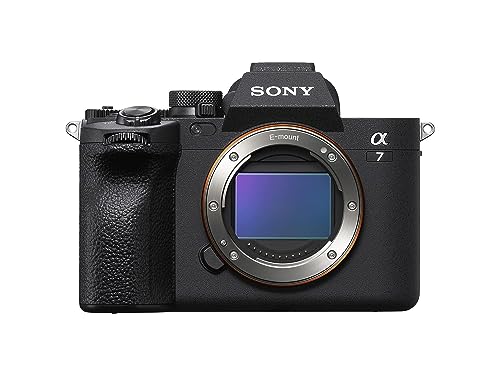
The A7 IV is the lunar photographer’s system answer: a sensor with enough resolution to crop a disc into crater country, dynamic range that holds a rising moon over a darkening land in a single frame more often than rivals, and an E-mount telephoto shelf that runs from sensible zooms to the great white primes of professional legend. For the disc portrait it is formidable; for the moonrise it may be the best tool in this guide, because that genre spends exactly the currencies — range, colour, high-ISO calm — that full-frame Sony files are rich in.
Its night manners are professional: customisable controls that can be arranged for gloved, dark work, reliable remote and interval options, and battery stamina for a whole evening’s vigil. The costs are the system’s familiar ones — the long glass that exploits it is neither small nor cheap, and the body’s price starts the kit at a serious level. But a lunar photographer building for years, across eclipses and moonrises and the disc’s monthly moods, is buying a platform here, and platforms are judged by their ceilings. This one’s ceiling is the highest in the guide.
There is also the matter of company: the Sony system is where much of modern astrophotography lives, so lens adapters, tracking mounts and community knowledge accumulate around an owner like iron filings. A beginner’s question about stacking lunar frames, asked at midnight, has been answered a hundred times by people holding this camera’s siblings. In a solitary, nocturnal genre, that community is equipment too.
- Sensor: 33MP full-frame, cropping depth for disc portraits
- Range: dynamic range for moonrise over dark land
- Mount: Sony E, telephoto shelf from sensible to legendary
- Night kit: remotes, intervals and strong battery stamina
Strengths
- The highest ceiling for both lunar genres
- Telephoto choice at every ambition level
- A vast astrophotography community to learn from
Trade-offs
- Long glass is large and costly
- System price starts serious
- Overkill for the occasional full-moon snapshot
Best for: committed lunar photographers building a system across years of moons. Not suited for: casual shooters wanting moon reach from a pocket.

Fujifilm X-T5 — Best resolution for crater detail
The X-T5’s lunar argument is arithmetic with a palette. Its 40-megapixel APS-C sensor, behind the system’s capable long zooms, produces the most croppable files in this guide — the disc can be cut deep into the frame and still print with its craters articulated, which is effectively a longer lens bought with pixels. Then, when the moon rises over the land instead, Fujifilm’s film simulations hand the twilight a colour character that other systems chase in the edit: the blue hour rendered as memory rather than measurement.
The dial-led body is a night photographer’s friend in the most literal way: shutter, ISO and compensation adjustable by touch while the eyes stay adapted to the dark, and a tilting screen for the tripod-low angles moonrise work loves. Its autofocus is the least relevant specification here — the moon is a manual-focus subject wearing a bright disguise — and its smaller sensor concedes the deepest twilight to the full-frames. Within its genres, disc detail and designed moonrises, it is superb, and its files have a finished quality that suits photographers who print.
Choose it if your lunar practice is deliberate: the same viewpoints revisited, the disc studied across its phases, prints as the destination. The X-T5 rewards that practice with the richest files per gram in this guide and a handling pleasure that gets a photographer out of a warm house on a freezing night — which, as this guide keeps noting in other genres, is a productivity feature disguised as a feeling.
- Sensor: 40MP APS-C, the deepest cropping files here
- Colour: film simulations for designed moonrise palettes
- Controls: physical dials for dark, gloved operation
- Lenses: capable long zooms in a portable system
Strengths
- Crater detail through resolution and cropping
- Moonrise colour that arrives finished
- Night handling by touch, not menu
Trade-offs
- Deepest twilight belongs to full frame
- Extreme telephoto shelf is thinner
- High resolution demands a steady tripod
Best for: print-minded lunar photographers who crop the disc and design the moonrise. Not suited for: eclipse chasers needing the longest native glass.

Nikon Z50 II — Best value lunar system body
The Z50 II is the lens-first lunar strategy in a Nikon badge: an APS-C body whose crop multiplies every telephoto’s reach, whose modern autofocus and detection make acquiring the disc and tracking a moonrise subject almost unfairly easy, and whose price leaves the budget where this genre insists it belongs — in the long lens. Paired with Nikon’s capable telezooms, it produces disc portraits that embarrass far pricier kits, because the moon, uniquely among subjects, does not care what the camera cost; it cares how much glass and how many pixels you brought.
Nikon’s colour and ergonomics give it a personality distinct from the Sony and Fujifilm finalists: a grip and control layout many photographers find the most natural here, and files with a calm, accurate rendering that suits the moonrise’s subtle gradients. The Z lens shelf is younger and thinner at the extreme telephoto end than Sony’s, though it covers the lunar essentials well and adapts Nikon’s vast legacy of long glass happily. Battery and buffer are midfield — ample for the moon’s unhurried theatre, less so for a sideline in fast wildlife.
It is the pick for the photographer entering lunar work as a specialism within a general practice: the body serves the family’s days, the telephoto serves the moon’s nights, and the total stays sane. Owners report the specific pleasure of a system that feels designed rather than accumulated, and in a genre of monthly appointments, a kit that is simply ready — charged, mounted, familiar — outperforms a theoretically finer one that lives in a cupboard of good intentions.
- Sensor: APS-C, crop reach for disc portraits
- Autofocus: modern detection for bright-edge subjects
- Mount: Nikon Z, plus adapted legacy long glass
- Price: leaves the telephoto properly funded
Strengths
- Lens-first lunar economics, honoured
- Detection smarts far above its class
- Ergonomics photographers praise
Trade-offs
- Extreme telephoto shelf still growing
- Buffer and battery are midfield
- Low light trails the full-frame picks
Best for: general photographers adding a serious lunar specialism on a budget. Not suited for: professionals needing the deepest telephoto catalogue today.

OM SYSTEM OM-5 Mark II — Best lunar camera for walkers
The OM-5 Mark II takes the moon personally. Its Micro Four Thirds sensor doubles the reach of every lens — a modest telezoom frames the disc like a telescope — and the whole kit, body and glass together, weighs what the full-frame systems’ lenses weigh alone. For the moonrise photographer, whose art is a walk to a far viewpoint at dusk, that arithmetic is the difference between going and staying home, and the genre is decided by going. Add sealing that treats a frosty, dew-soaked hilltop as home territory, and this is the lunar camera of the landscape walker.
OM SYSTEM’s night heritage shows in the details: autofocus aids designed for starry skies that translate beautifully to lunar edges, computational modes that serve the landscape half of a moonrise composition, and stabilisation that rescues the handheld disc shot when the tripod stayed behind. The smaller sensor concedes dynamic range at the deepest twilight and its files crop less extravagantly than the Fujifilm’s — but its native reach means it crops less by necessity, which is the cleverer way to win the same argument.
Consider the practice it enables: a complete lunar kit in a small bag, carried on the same walks as the landscape photographer’s ordinary days, so that the moonrise is an extension of a habit rather than an expedition. More moons get photographed by such kits than by any observatory of gear at home. For the walker, the OM-5 is not this guide’s compromise pick; it is its most honest one.
- Sensor: Micro Four Thirds, double effective reach
- Night tools: starry-sky focus heritage, live modes
- Sealing: weather resistance for hilltop vigils
- Kit: the lightest complete lunar system here
Strengths
- Reach that walks to the viewpoint
- Night features from a star-photography lineage
- Sealing for dew, frost and drizzle
Trade-offs
- Twilight dynamic range trails full frame
- Files crop less than the Fujifilm’s
- Smaller controls for big gloves
Best for: landscape walkers whose moonrises are earned on foot. Not suited for: studio-style disc specialists wanting maximum pixels.

Sony RX100 VII — Best pocket moon camera
The RX100 VII performs the parlour trick that defines it: from a coat pocket, it produces a zoom lens long enough to frame the moon as a subject rather than a punctuation mark, with autofocus clever enough to lock the disc’s edge and burst modes that harvest the atmosphere’s lucky moments. For the opportunistic lunar photograph — the huge moon rising behind the city on an ordinary evening, noticed from a bridge — it is not merely adequate; it is frequently the only camera present, which in photography is the highest specification of all.
Its one-inch sensor sets the honest ceiling: the disc portraits are delightful at screen sizes and modest prints, and they soften where the big-sensor picks are just getting started; the moonrise landscape asks more dynamic range than it keeps in reserve. But judge it by its genre — the spontaneous moon, the travel moon, the moon that shares a frame with a holiday — and it is a small miracle of completeness, right down to video that serves the lunar timelapse dabbler.
It is also this guide’s kindest door into the genre. A season of clear nights with the RX100 VII teaches the moon’s calendar, the exposure discipline and the planning habit, at the end of which the photographer knows exactly which system camera their practice wants — knowledge most buyers purchase blind. As a second body for the committed, it remains in the coat for the moons nobody planned. Either way, it earns its place here without a whisper of apology.
- Lens: long zoom in a pocket body, real disc framing
- Autofocus: flagship-derived, fast on bright edges
- Sensor: one-inch, delightful to moderate print sizes
- Size: the always-present lunar camera
Strengths
- Moon reach that lives in a pocket
- Present for the unplanned moonrise
- A complete apprenticeship in one small body
Trade-offs
- Disc detail ceiling below the system cameras
- Moonrise dynamic range is limited
- Small body, small battery, cold nights
Best for: opportunists, travellers and beginners who shoot the moon they meet. Not suited for: large-print crater specialists.

Canon EOS R6 Mark II — Best for eclipses and events
Some lunar nights are events: the total eclipse with its impossible dynamic range, the occultation timed to the second, the supermoon rising over a festival crowd. The R6 Mark II is the event camera of this guide — full-frame files that stay clean as the eclipse’s darkness demands sensitivity, autofocus and detection that handle everything from the disc to the crowd’s faces, and a workhorse reliability across the long, cold hours these nights run. When the moon is performing and cannot be asked to repeat itself, this is the body a cautious photographer mounts.
Its 24 megapixels are the disc portrait’s honest limit here — crater detail through cropping trails the Sony and Fujifilm — and Canon’s longest RF glass is priced for professionals. But event photography spends different currencies: dependability, sensitivity, speed of handling when the totality clock is running. The R6 Mark II is rich in all three, and its colour renders the eclipse’s strange twilight and the crowd’s lamplight with the same fidelity, which is why event and documentary photographers keep choosing it for nights that matter.
Think of it as the insurance pick with a famous name: the camera for the lunar night that is also a wedding, a festival, a once-a-decade alignment over your own town. The disc specialists will out-detail it on an ordinary Tuesday; on the extraordinary night, when the photograph must simply exist, its combination of sensitivity and certainty is the one this guide would stake the evening on.
- Sensor: full-frame, outstanding high-ISO cleanliness
- Detection: subjects from discs to crowds
- Reliability: long-take workhorse for event nights
- Colour: Canon rendering for mixed eclipse light
Strengths
- The night of the event, handled certainly
- Sensitivity for totality’s darkness
- Faces and moons in one trustworthy body
Trade-offs
- 24MP limits crater cropping
- Long RF glass is expensive
- Resolution-led rivals win quiet Tuesdays
Best for: eclipse chasers and event photographers whose moons have audiences. Not suited for: pure disc-detail specialists on quiet nights.
How Do the Six Compare Under the Moon?
| Camera | Lunar strength | Best genre | Watch out for |
|---|---|---|---|
| Sony Alpha 7 IV | System ceiling | Both, at the highest level | Glass cost and size |
| Fujifilm X-T5 | Cropping resolution | Disc portraits and prints | Thinner long-lens shelf |
| Nikon Z50 II | Value and reach | Disc portraits on a budget | Midfield battery and buffer |
| OM SYSTEM OM-5 Mark II | Walking reach | Moonrises earned on foot | Twilight range limits |
| Sony RX100 VII | Pocket presence | Spontaneous moons | Detail and range ceilings |
| Canon EOS R6 Mark II | Event certainty | Eclipses and occasions | Crater cropping limits |
Sort by your moon. The disc devotee belongs to the Fujifilm’s pixels or the Sony system’s glass; the moonrise walker to the OM SYSTEM; the budget entrant to the Nikon; the opportunist to the little Sony compact; and the eclipse-event photographer to the Canon. Every pick here will give you a moon worth keeping on the next clear night — the table merely asks which moon, and how far you intend to walk to meet it.
How Do You Expose and Focus a Disc Portrait, Step by Step?
Set the tripod on ground that does not tremble — grass over pavement, patience over hurry — and let the rig settle while the moon climbs into cleaner air. Frame with the longest reach you have, focus manually on the disc’s edge at maximum magnification, and expose for the disc as the sunlit thing it is: a fast enough shutter to defeat both the moon’s drift and the air’s shimmer, an aperture in the lens’s sweet middle, the ISO as low as those allow. Shoot in bursts of several frames; the atmosphere will give you one sharp one and several liars, and the burst is how you collect the honest frame.
Bracket around your best guess by a stop in each direction, because the disc’s brightness varies with its phase and height more than memory admits, and the terminator — the shadow line where the craters live — wants its own exposure mercy. Review at full magnification on the spot: a disc that looks sharp on a small screen and is not will not improve at home, and the moon, generous subject, is still there for another attempt.
Finish in the edit with restraint: the stacking of several frames for the ambitious, a whisper of sharpening for the rest, and the discipline to leave the blacks black. The disc portrait’s drama is contrast written by sunlight itself; the photographer’s job is to deliver it undamaged, not to improve upon the solar system.
How Do You Plan a Moonrise Photograph That Actually Happens?
Begin weeks early with the alignment, using a moon-path planning tool to find the evening when the rising moon crosses your chosen landmark from a viewpoint you can reach. Scout that viewpoint in daylight: where exactly to stand, what the foreground offers, where the moon will enter the frame and how long the geometry will hold. The photograph is made in this planning; the evening itself is merely the appointment.
Arrive early enough to be bored. Set the tripod, compose for the predicted entry point, expose for the land while it still has light, and rehearse the bracket sequence you will fire as the disc appears — because when it does, the peak alignment lasts minutes and the light changes by the second. The cameras in this guide all serve this choreography; the ones with the friendliest dials and screens serve it best, which the reviews have noted in their night-manner asides.
Shoot through the whole rise, not just the predicted peak. The moon’s relationship with the landmark evolves — touching, crowning, clearing — and the frame the plan did not foresee is routinely the evening’s masterpiece. Planning buys you presence at the right hill; generosity with the shutter buys you the picture.
What Changes at an Eclipse, and How Do You Prepare?
Everything the disc taught you inverts. As the shadow takes the moon, the exposure that was a beach at noon becomes a night landscape’s long plea for light, and the camera must travel that whole range — ideally on a rehearsed bracket sequence — while the event refuses to pause. Totality’s corona-lit disc is dim, red and unlike anything else in photography; the photographers who return with it are the ones who practised the sequence on an ordinary full moon until their hands knew it in the dark.
The R6 Mark II’s sensitivity and this guide’s full-frame picks earn their keep here, but the decisive equipment is procedural: a printed exposure ladder taped to the tripod, batteries warm in a pocket, a chair, and the discipline to look up with naked eyes for at least part of totality. The photograph is for later; the event is for now, and it does not repeat on any schedule a human can negotiate.
Afterwards, process with unusual restraint. Eclipse photographs are routinely murdered by enthusiasm — saturation that turns the blood moon into a tomato, sharpening that invents craters. The honest file, gently handled, holds the night’s actual strangeness, which needs no assistance.
How Do You Photograph the Moon’s Phases as a Series?
The disc portrait’s deepest pleasure is serial: the same moon at every phase, its craters migrating into shadow, its face becoming a new country nightly. A series disciplines the photographer beautifully — same lens, same viewpoint logic, exposure notes kept like a lab book — and the cameras with the richest files, the Fujifilm and Sony here, reward the accumulation with a body of work that a single hero frame cannot match. The terminator at first quarter, not the full moon’s flat glare, is where the series finds its drama.
Keep the series’ craft boring so its subject can be interesting: a template for framing, a notebook for the air’s quality, a folder structure that treats each phase as a chapter. Months later the series becomes a calendar of your own attention, and it will teach you the moon’s geography the way only drawing the same face thirty times can. Several lunar photographers we know consider their phase series the best work they own, ahead of any eclipse.
Share it as a series, too. A grid of phases communicates the moon’s nature — a world, lit by a moving sun — more powerfully than any single portrait, and it marks its maker as a devotee rather than a passer-by. In a genre with one subject, devotion is the only originality available, and the series is its proof.
What Else Belongs in a Lunar Photographer’s Bag?
A headtorch with a red mode, because white light is a tax on everyone’s night vision including your own. A remote release or the discipline of the self-timer, because at long focal lengths your finger is an earthquake. Warm spare batteries carried against your body, a lens cloth for the dew that arrives like a tide, and a small seat, because lunar photography’s true posture is waiting and the ground is cold in every hemisphere.
The planning printouts deserve bag space too: the moonrise alignment, the eclipse ladder, the phase calendar — paper that works with frozen fingers and dead phone batteries alike. And a notebook, for the air, the exposure that lied, the viewpoint that failed; lunar photography is a monthly appointment with the same subject, and the notebook is how each appointment teaches the next.
Notice what is absent: more camera. The bag of the lunar photographer who has read this guide is a lens, a support, a warm layer and a book of notes — the body almost an afterthought, which is exactly the proportion this genre, alone among the guide’s subjects, truly runs on.
How Do You Photograph the Moon With Company: Moonscapes, People and Occasions?
The moon as a backdrop is a social art: the silhouette on the ridge, the couple under the rising disc, the festival crowd’s faces turned up. These photographs spend the moonrise camera virtues — range, colour, speed — on human stories, and they reward the photographer who exposes for both worlds in one frame or blends two with honesty. The Canon’s event manners and the Sony’s range lead this guide’s picks for such nights, but the real equipment is a viewpoint rehearsed before the guests arrive.
Work the geometry generously. A moon low over a landmark swells fast and leaves faster; place your people where the disc will arrive, not where it is, and shoot the approach as well as the conjunction — the frames before the perfect alignment often hold the laughter and the life that the postcard frame, for all its geometry, cannot. Occasion photography is lunar photography with a heartbeat, and it should keep one.
And print these. The disc portrait impresses; the moonrise with your people in it gets framed, gifted and kept. A genre that begins in astronomy ends, for most photographers, in the family archive — which is not a demotion but the moon’s oldest role in human life, now with better lenses.
What Does a Year of Moons Do to a Photographer?
It teaches cyclical attention in a culture of novelty. The lunar photographer returns to the same subject on a published schedule and finds it inexhaustible — new light, new alignments, new weather, the same face — which recalibrates the appetite for gear and travel alike. Several practices in this series preach returning to one place; the moon enforces the lesson from the sky, monthly, free of charge, visible from every doorstep on Earth.
It also builds the technical spine quietly: exposure discipline, focus patience, planning, the notebook. A year of moons is a complete photographic education wearing a single subject, and the photographers who complete it find every other genre easier — the wedding’s chaos, the landscape’s waiting, the wildlife’s distance all rhyme with lessons the moon taught at leisure.
Keep the year’s work together and review it at the winter solstice, or whichever date your calendar honours. You will see the air’s seasons in your discs, your own technique’s growth in their edges, and the alignments you caught and missed laid out like a hand of cards. Then plan the next year — the moon, punctual as ever, has already published its schedule.
How Do You Choose a Lens for the Moon Without Buying Twice?
Buy for the genre you will actually shoot monthly. The disc portrait wants the longest quality telephoto the budget and the tripod can hold — in the crop systems, a long zoom whose reach the sensor multiplies; in full frame, the longest sensible zoom before the great primes’ prices begin. The moonrise wants less reach and more everything else: a mid-to-long telephoto with honest colour and a tripod discipline, fired from far away. Photographers who shoot both end with two lenses, and should buy the one for their majority genre first.
Judge a lunar lens by its behaviour at its long end, wide open and stopped slightly down, because that is where it will live: sharpness at the disc’s edge, contrast against a black sky, and focus action smooth enough for the magnified manual work this guide prescribes. A lens that is glorious at its wide end and apologetic at its long end is a landscape lens on holiday, not a lunar instrument.
And respect the used market’s lunar shelf. Long glass holds its quality and its value, and last generation’s telephoto on this year’s body is the classic lunar bargain — the moon, being a billion years into its career, is in no hurry for this season’s optics.
Why Do Lunar Photographers Keep Saying ‘the Air’ Like It Owes Them Money?
Because the atmosphere is the lens you cannot buy your way past. Between your tripod and the moon stand miles of moving, heated, humid air, and its turbulence sets the night’s true resolution: on a boiling night, the finest system in this guide draws a disc like a coin in a stream; on a still, cold night, a modest kit draws craters like engravings. Learning to read the air — the twinkle of stars, the wind’s height, the hour after midnight’s calm — is the lunar photographer’s deepest skill, and it is entirely free.
The practical responses are patience and statistics. Wait for the moon’s climb into thinner air; shoot bursts and let the lucky frames identify themselves; stack when the night gives you volume. And keep the notebook’s air column faithfully, because a season of notes teaches you your own sky’s habits — which winds clean it, which evenings lie — until you can predict the good nights the way sailors predict weather.
There is a humility in this that improves photographers. The moon teaches that excellence is partly attendance: being present, prepared, on the nights the air is kind. Every body shortlisted here differs in specification, but all of them reward the same virtue — showing up, again, with the notebook open.
How Should a Beginner Spend Their First Three Clear Nights?
Night one is for the disc and the exposure lesson: the longest lens you own, the tripod, the meter’s betrayal discovered and corrected, a burst of frames at several exposures, and the first honest crater shadows at a partial phase if the calendar is kind. End the night by reviewing at full magnification and writing down what the air did. You will have one frame worth keeping and a complete understanding of the genre’s core problem, which is a magnificent trade for an evening.
Night two is for focus and patience: manual focus at magnification until it is boring, bursts harvested for the lucky frame, a first attempt at the moon sharing a frame with something earthly — a roofline, a tree — to feel the moonrise art approaching. Night three is for planning: choose a landmark, run the alignment tools, scout the viewpoint by day if you can, and shoot your first deliberate moonrise with the bracket sequence rehearsed.
Three nights, honestly spent, will teach you which of this guide’s cameras your practice actually wants — knowledge that no amount of pre-purchase research can counterfeit. If a system purchase is coming, let it come after night three, aimed by evidence at your real genre: the disc, the rise, or the events between.
What Do You Do With a Decade of Moon Photographs?
You discover you have been keeping a diary in silver. The phase series becomes a calendar of your own attention; the moonrises map the viewpoints of your life — the hills you lived near, the cities you visited, the people who stood in the foregrounds growing older between alignments. Lunar archives have a way of becoming family documents, because the moon was present at everything and the photographs keep proving it.
Curate them as deliberately as you shot them: the year’s best disc, the best rise, the event frame, printed and kept where the household lives with them. A decade’s moons on one wall is a portrait of time that no other genre assembles so cheaply or so beautifully, and it reframes the equipment question one final time — none of the cameras that made it will be remembered, and all of the nights will.
Then keep going. The moon’s schedule for your second decade is already published, the alignments already waiting over landmarks you have not yet scouted. The photographers this guide admires most are simply the ones still attending, notebook in hand, when the rest of us have gone to bed.
What Are the Most Common Moon Photography Mistakes?
The universal first mistake is trusting the camera’s meter, which averages the black sky into the exposure and returns a white, featureless coin. Expose for the disc, always, and let the sky be black. The second is shooting the full moon and wondering why it looks flat: full moonlight is noon light, shadowless and dull, and the disc’s drama lives at its partial phases where the terminator rakes across the craters. Beginners chase the full; devotees chase the quarters.
Third, the trembling rig: a long lens on a light tripod, a finger on the shutter, a pavement that carries every footstep to the frame. At lunar focal lengths, support and release discipline are not refinements — they are the photograph. Fourth, the single frame: one exposure, unreviewed, discovered soft at home. The moon’s generosity is that it stays; burst, review at magnification, and shoot again while the subject still poses.
Finally, neglecting the calendar. The moonrise alignment, the eclipse, the year’s great perigee — all are published long in advance, and the photographers who capture them are simply the ones who wrote them down. Lunar photography rewards the diarist more reliably than the virtuoso, which is either humbling or encouraging depending on which one you are.
Final Recommendation
For most lunar photographers the answer is a system and a habit: the Sony Alpha 7 IV for the highest ceiling in both genres, the Fujifilm X-T5 for crater detail and designed colour, the Nikon Z50 II for the lens-first budget, the OM SYSTEM OM-5 Mark II for the moonrises you walk to, the Sony RX100 VII for the moons that surprise you, and the Canon EOS R6 Mark II for the nights the moon performs for an audience. Buy the long lens with the body, keep the notebook, and be outside on the clear nights — the subject keeps its appointments; the photographer’s whole job is to keep them too. If two finalists remain, decide by the lens you will buy with the body, in the same basket, on the same day — because in lunar photography the pair is the camera, and a magnificent body waiting months for its glass is a telescope with no sky. Choose the pair, write the next clear night in the diary, and be on the hill when the moon keeps its appointment.
Related guides
- Best Cameras for Pictures of Kids: Six Ways to Keep Up With Childhood
- Best Cameras for Photos: Six Picks for the Pictures You Actually Take
Frequently Asked Questions
What focal length do I need to photograph the moon?
Longer than feels reasonable: the disc stays small until serious telephoto territory, and cropping from a high-resolution body — the Fujifilm and Sony strategy here — extends whatever you own. Start with your longest lens and let the moon’s size in frame tell you the truth about your next purchase.
Why does my moon photo look like a white blob?
The meter exposed for the black sky and drowned the disc. Expose for the moon itself — spot metering or manual settings based on its sunlit brightness — and the craters will appear as if by magic, because they were always there.
Is a full moon the best time to photograph it?
For moonrise drama over a landscape, often yes. For the disc’s detail, no — partial phases rake shadows across the craters and give the face its geography. Devotees plan their month around the quarters.
Do I need a telescope or tracking mount?
Not for the photographs in this guide. Long lenses and, for the ambitious, stacking software cover the disc and the moonrise handsomely. Tracking mounts serve deep-sky work, which is a different and wonderful hobby with its own guides.
How do I keep the moon sharp when it keeps moving?
A fast enough shutter, bursts to harvest the calm air, focus set manually on the disc’s edge at magnification, and a rig that does not tremble. Sharpness at the moon is a committee decision among those four, and all four must vote yes.
Can a compact camera really photograph the moon?
The RX100 VII in this guide does it creditably — real framing, real detail at modest sizes. It will not match a system camera’s crater portraits, but for the spontaneous moon it is frequently the best camera present, which settles the matter.
What is the best phase for a first attempt?
A waxing crescent or first quarter in the evening sky: the terminator’s shadows model the craters, the hour is civilised, and the moon shares the frame with a twilight landscape for your first moonrise experiments.
Should I stack moon photos or shoot singles?
Singles first, until your exposure and focus are boring in their reliability. Stacking then multiplies good frames into quieter, finer ones — but it cannot rescue soft or misexposed material, so earn the technique in that order.
Can I photograph the moon with my camera’s kit lens?
You can photograph it, small and bright in a wide frame — which suits moonrise landscapes where the disc is an actor, not the whole play. For disc portraits you will want the long lens this guide keeps prescribing, or a deep crop from a high-resolution body.
Related Guides
Keep the night work going with best cameras for astrophotography, best cameras for landscape photos and best cameras for marine wildlife from shore.


