kajuandouglas.com is reader-supported. When you buy through links on our site, we may earn an affiliate commission.
Where to Buy
Finding the best bang for your buck cameras is an exercise in refusing two seductions at once. The first seduction is the flagship: the camera whose launch video made you feel that your current pictures were an apology. The second is the bargain-bin special: the camera so cheap that its price becomes its only argument, right up until the afternoon light fades and it starts making decisions you did not ask it to make. Between those two traps sits a narrow, happy shelf where cameras return more photographs per unit of money than anything above or below them — and that shelf, not a price tag, is what this guide is about.
A word about how “bang” is being measured here, because the whole list depends on it. We are not measuring specifications per coin, though the picks happen to score well there too. We are measuring kept photographs and finished videos — the shots that survive your own editing ruthlessness a month later — divided by everything the camera truly cost you, including the second battery, the card, the bag and the lens you had to buy because the kit lens bored you by spring. A camera that costs more but makes you carry it daily will always out-bang a cheaper camera that lives in a drawer, and a camera whose system you can afford to grow will out-bang a dead-end bargain whose every accessory is a fresh negotiation.
The six cameras below were chosen from different tribes — mirrorless, pocket compact, action, instant — because “best value camera” means something different to a parent, a traveller, a new YouTuber and a diver. What unites them is that each one is the point in its line where the maker’s pricing stops being a tax on enthusiasm. Above each pick, the next model up costs noticeably more for noticeably less difference. Below each pick, the savings start eating capability you will actually miss. That knee in the curve is where bang lives, and it is a more useful address than any single number.
Key Takeaways
- Bang for buck is kept photos per total cost — including batteries, cards and the lens you buy next — not specifications per coin.
- Every pick here sits at the knee of its line: the model above costs much more for little more; the model below saves money by eating real capability.
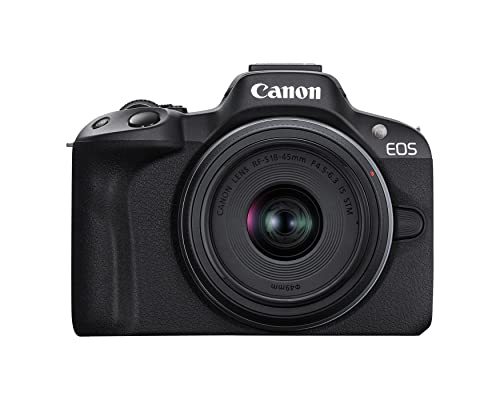
- The Canon EOS R50 is the value centre of interchangeable-lens cameras right now: a real system camera at an entry price.
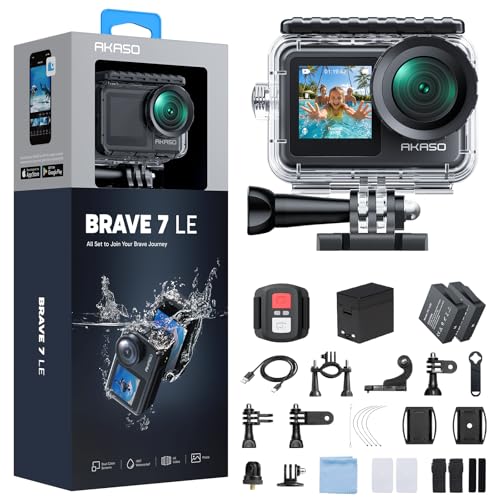
- Last generation’s action camera is the oldest trick in this guide and still the best one — the GoPro HERO12 Black does nearly everything its successor does.
- A camera you carry daily out-values a better camera you leave at home; size and joy are value features, not luxuries.
- Budget for the system, not the body: cards, a spare battery and one good lens are part of every honest price in this guide.
In this guide
Quick Picks
| Pick | Badge | Why it earns its place |
|---|---|---|
| Canon EOS R50 | Best Overall Bang for Buck | A genuine system camera — real mount, real autofocus, real growth path — at the price of a fancy compact. |
| Sony ZV-E10 II | Best Value for Video-First Buyers | Creator-focused video and autofocus that punches far above its shelf, without paying for a viewfinder you may never use. |
| Nikon Z30 | Best Compact Value for Creators | The small, friendly on-ramp to Nikon’s Z system, priced like an accessory and built like a camera. |
| Canon PowerShot G7 X Mark III | Best Pocket Value | The one-inch-sensor pocket camera formula perfected: fast lens, real controls, no system to feed. |
| GoPro HERO12 Black | Best Action Value | Last generation’s flagship at this generation’s discount — the classic value play, still undefeated. |
| Fujifilm Instax Mini 12 | Best Joy per Coin | The cheapest camera here by far, and the one whose prints get kept, gifted and stuck to fridges. |
How Did We Choose These Value Picks?
We started by drawing each camera line’s price curve and looking for the knee — the model where the line’s pricing changes character. Makers price their ranges with great deliberateness: the step from entry model to mid model usually buys something real, the step from mid to flagship often buys weather sealing, bragging rights and a viewfinder you will use to compose photographs of your own buyer’s remorse. The knee is where a careful buyer stops, and every pick in this guide was confirmed to be sitting on one.
Then we applied the drawer test. Value is use divided by cost, so any camera whose size, weight or fussiness predicts drawer life was marked down no matter how strong its numbers looked. This is why a pocket compact and an instant camera share a list with system cameras without apology: their keep rates are enormous. The Instax’s cost per kept photograph is higher than a phone’s and lower than any camera whose prints never happen; the accounting of joy is still accounting.
Finally, we priced the whole marriage, not the wedding. Each pick was costed with the things its owner will genuinely buy in year one: a spare battery, decent cards, and — for the system cameras — the first prime lens that turns a kit into a signature. Picks whose ecosystems made that first year painfully expensive were cut even when the body alone looked like a steal. A bargain body attached to a luxury system is a coupon for future spending, and this guide refuses to call that bang for anything.
What Does “Bang for Buck” Actually Mean in a Camera?
It helps to separate three kinds of value that camera marketing deliberately blurs. The first is specification value: sensor size, burst rates, video resolutions per unit of money. It is the easiest to chart and the least connected to your happiness, because specifications describe the camera’s best day, not your average one. The second is system value: what the mount, the lens catalogue and the accessory ecosystem will let this camera become over five years. System value is why an unglamorous body from a deep catalogue can be a smarter buy than a spectacular body stranded in a shallow one.
The third kind — the one this guide weights heaviest — is behavioural value: the degree to which the camera changes what you actually do. A camera that makes you shoot more, carry it further, and attempt photographs you would previously have skipped is manufacturing value every weekend. Autofocus you can trust with a running child, a body small enough for the jacket pocket, a screen that flips for the video you keep meaning to start — these are behavioural features, and they compound. The flagship’s extra specifications sit in a menu. The value camera’s behavioural gifts sit in your photo library, accumulating.
There is a corollary worth stating plainly, because it kills more budgets than any other idea in photography: the best value camera is usually not the cheapest camera that can do the job, but the cheapest camera that does the job without teaching you to hate the job. A body whose autofocus misses your toddler teaches you to stop bringing it. A video camera whose overheating or menus frustrate you teaches you to stop filming. The money “saved” by those cameras is spent anyway — on the replacement you buy within the year, now wiser and poorer. Every pick below was chosen to be a camera you finish with, not a camera you finish enduring.
What Makes the Best Bang for Your Buck Cameras Return the Most for Your Money?

Canon EOS R50 — Best Overall Bang for Buck
The R50 is the camera that makes the rest of this list necessary, because it reset what the entry price of a serious system is allowed to buy. It is a proper mirrorless camera on Canon’s RF mount — which means it is not a purchase but a citizenship, with a lens catalogue stretching from the kit zoom it arrives with to professional glass it can grow into over a decade. Buyers cross-shopping it against premium compacts should feel the difference in kind: the compact is a finished object, while the R50 is a beginning.
Its bang comes from where Canon chose not to save money. The autofocus is inherited from cameras far up the range — subject detection that finds eyes, animals and vehicles and holds them with a confidence that changes what beginners attempt. The sensor is a real APS-C canvas, large enough that its low-light photographs embarrass the small-sensor cameras at similar money. The video side is treated as a first-class citizen rather than a brochure line, with the flip screen and microphone input that the creator crowd requires. Where the savings do show — a modest electronic viewfinder, a body that prioritises lightness over tank-like feel — they show in places a first system camera can honestly live with.
The ownership arithmetic is the kindest in this guide. The kit lens is better than kit lenses used to be, the first prime most owners add is one of the affordable joys of the RF catalogue, and the camera’s resale and hand-me-down value is protected by the mount’s future. Families buy this camera for a teenager and end up borrowing it. That is the signature of a value pick: it keeps being chosen after the novelty invoice is forgotten.
Choose the R50 if you want one camera that can be a family camera this year, a travel camera next year and the foundation of a hobby the year after — without any of those years requiring a new body.
- Type: APS-C mirrorless system camera, Canon RF mount (pool pick, linked)
- Strongest value trait: flagship-bred autofocus at an entry price
- Video: creator-ready, with flip screen and microphone input
- Growth path: full RF and RF-S lens catalogue
- Budget for: spare battery, fast cards, one prime lens in year one
Strengths
- Autofocus and sensor that belong to a pricier class
- A mount with a decade of growing room
- Equally willing at family photos and first YouTube videos
Trade-offs
- Viewfinder is modest beside pricier siblings
- Light body feel will not please everyone
- The system tempts spending — joyfully, but still
Best for: first system camera buyers, families, and creators who want one body to grow with.
Not suited for: buyers who want a finished pocket object with nothing left to add.

Sony ZV-E10 II — Best Value for Video-First Buyers
Sony’s ZV line exists because the company noticed something the value-minded should celebrate: a large crowd of buyers was paying for photography hardware — viewfinders, mechanical dials, stills-first ergonomics — to make videos. The ZV-E10 II removes the parts that crowd never touches and spends the savings where video makers live: autofocus that tracks a face through a product demonstration, colour that comes out of the camera ready to publish, and a body designed around a tripod, a desk and a flip screen rather than an eye.
The bang here is focus, in both senses. Because nothing in the budget was spent pretending this is a stills flagship, everything in it serves the recording: the microphone arrangements, the tally-friendly design, the creator menus that surface video settings instead of burying them. Paired with Sony’s deep E-mount catalogue — including the affordable primes and zooms that desk creators actually buy — the total cost of a genuinely professional-looking talking-head setup undercuts every “do-everything” body that reaches the same result by a more expensive road.
Honesty requires naming the shape of the saving: there is no viewfinder, and photographers who compose through one will feel its absence like a missing tooth. This camera is a bargain precisely because it refuses to be for them. Buyers whose output is measured in finished videos per month will find it the most efficient money in this guide. Buyers whose output is measured in prints should take the R50 or the Z30 and leave this one to its tribe.
Choose the ZV-E10 II if your camera is a video tool first and a photograph taker second, and you would rather pay for autofocus and colour than for a viewfinder-shaped heirloom.
- Type: APS-C mirrorless creator camera, Sony E mount (pool pick, linked)
- Strongest value trait: video budget spent entirely on video
- Autofocus: face and product tracking for solo creators
- Design: flip screen, desk-and-tripod ergonomics, no viewfinder
- Budget for: a fast card, a creator prime or zoom, a decent microphone
Strengths
- Creator features that pricier hybrids still fumble
- Deep, affordable E-mount lens catalogue behind it
- Colour and autofocus that shorten editing time
Trade-offs
- No viewfinder — a real loss for stills-first shooters
- Ergonomics serve the tripod more than the hand
- Photography purists will feel deliberately uninvited
Best for: YouTubers, streamers and small businesses filming themselves.
Not suited for: viewfinder photographers or buyers wanting one camera for every tribe.

Nikon Z30 — Best Compact Value for Creators
The Z30 is the friendliest door into a serious system in this guide, and its value case is built on a subtraction most buyers do not expect to love: it is small, unintimidating and cheap enough to be bought without a committee meeting, yet it opens onto Nikon’s Z mount — the same mount as the company’s professional bodies. A beginner who starts here is not in a starter system. They are in the system, holding its lightest citizen.
Nikon aimed this camera at creators who film themselves, and the aim shows in the details that matter at a desk and on a vlog walk: a fully articulating screen, a body grip shaped for holding at arm’s length, clean video with the company’s famously pleasant colour, and a tolerance for being treated as a webcam when the streaming mood strikes. Its stills side is no afterthought either — the same sensor family serves Nikon’s pricier APS-C bodies, so the photographs it makes on holiday do not look like they came from the budget shelf.
The trade-offs are the honest kind. No viewfinder, again — the Z30 bets that its buyer composes on screens, and for its tribe that bet is correct. Its burst and buffer manners are those of its class. What it never does is make its owner feel they bought the cheap one, which is a behavioural value of the first order: cameras that embarrass their owners get left behind, and left-behind cameras have a bang-for-buck of exactly zero.
Choose the Z30 if you want the smallest, kindest on-ramp to a professional mount — especially if your plans lean to video diaries, travel films and photographs that must not look like homework.
- Type: APS-C mirrorless creator camera, Nikon Z mount (pool pick, linked)
- Strongest value trait: professional mount at the friendliest price in its system
- Video: articulating screen, arm’s-length grip, webcam-friendly
- Colour: Nikon’s well-liked rendering straight from the camera
- Budget for: the compact kit zoom first; Z primes as the hobby grows
Strengths
- Tiny, welcoming and still a real system camera
- Video manners designed for solo creators
- Photographs that punch above the price shelf
Trade-offs
- No viewfinder for bright-day composing
- Action shooters will find its limits quickly
- Small body, small battery — carry a spare
Best for: new creators and travellers who want system quality without system bulk.
Not suited for: sports shooters or viewfinder traditionalists.

Canon PowerShot G7 X Mark III — Best Pocket Value
Every few years the industry rediscovers the pocket camera, and every rediscovery runs into the same reigning answer. The G7 X Mark III is the one-inch-sensor compact formula in its most polished form: a fast zoom lens that gathers light like a much bigger camera, a sensor large enough for honest dusk photography, and a body that disappears into the pocket that your phone already shares. Its value argument is behavioural and brutal — it is the camera that is there, and cameras that are there win.
Against the system cameras in this guide it concedes the future and wins the present. There is no mount, no lens catalogue, nothing to grow — and therefore nothing left to buy, which makes its total cost of ownership the most predictable number in this entire article. For the traveller who wants photographs decisively better than a phone’s, the parent who wants a real camera that fits a jacket, or the creator who wants a pocketable second angle, that finished-ness is not a limitation. It is the product.
The details reward the faithful: real dials under real fingers, a flip screen for the selfie-video generation that made this line famous, and video credentials that kept it on creator desks long after newer toys arrived. It asks only two disciplines of its owner — charge it, and carry it — and repays both at a rate the drawer-bound bargains cannot approach.
Choose the G7 X Mark III if your value calculation starts with the words “I will actually have it with me.” No specification in this guide outranks that sentence.
- Type: one-inch-sensor pocket compact with fast zoom (pool pick, linked)
- Strongest value trait: finished product — nothing else to buy
- Lens: fast-aperture zoom, strong in low light for its class
- Video: creator-proven, with flip screen
- Budget for: a case and a spare battery; that is the whole list
Strengths
- Pocketable without surrendering low-light dignity
- Total ownership cost is fixed on day one
- Controls and screen serve both photos and video
Trade-offs
- No lens changes, ever — the zoom is the zoom
- Sensor still smaller than the system cameras here
- Popular enough that stock comes and goes
Best for: travellers, parents and creators who value presence over potential.
Not suited for: hobbyists who want a system to build for years.

GoPro HERO12 Black — Best Action Value
Here is the oldest value trick in consumer electronics, still working: buy last year’s flagship. The HERO12 Black was the top of GoPro’s line, with the stabilisation, the sensor and the slow-motion credentials that earned it that place — and the arrival of its successor moved its price without moving a single one of its capabilities. The photographs and footage it makes did not get worse on the day the newer box launched. Only its price did, in your favour.
The action camera is also the purest case in this guide of paying for the job rather than the dream. These cameras are mounted, crashed, soaked and frozen; their value is measured in survived adventures per season. The HERO12’s stabilisation remains the kind that makes amateur footage look scouted, its ecosystem of mounts is the deepest in the business, and its battery and accessory compatibility across recent generations means the second-hand and spare-parts economy around it is rich — a hidden value line that flagship-of-the-month buyers never enjoy.
Know its honest limits, which are the limits of its tribe rather than its generation: it is a wide-angle witness, not a portraitist; its low-light manners are those of a small sensor working heroically; and its best self appears outdoors, moving, in daylight — which is, not coincidentally, where its owners actually use it. Judged in its element, the gap between this camera and its pricier successor is measured in features most owners will never enable.
Choose the HERO12 Black if your adventures are real and your budget would rather fund another trip than another spec sheet. That trade — experience over increment — is the soul of bang for buck.
- Type: action camera, previous-generation flagship (pool pick, linked)
- Strongest value trait: flagship capability at successor-launch pricing
- Stabilisation: class-defining smoothness for moving footage
- Ecosystem: the deepest mount and accessory world in action cameras
- Budget for: mounts for your actual sport, spare batteries, a case
Strengths
- Nearly everything the newer flagship does, for meaningfully less
- Stabilisation that flatters amateur footage
- Huge accessory and spares economy around it
Trade-offs
- Wide-angle witness — not a portrait camera
- Low light remains small-sensor territory
- Successor owners get the newest toys first
Best for: riders, skiers, paddlers and travellers funding trips, not spec sheets.
Not suited for: low-light event work or anyone needing a zoom’s reach.

Fujifilm Instax Mini 12 — Best Joy per Coin
The cheapest camera in this guide is here to defend a proposition the expensive ones cannot: value can be measured in photographs that exist. The Instax Mini 12 makes small instant prints — physical, giftable, fridge-door photographs — for less than the cost of a memory card for some of the cameras above, and its keep rate approaches total. Nobody deletes an Instax print. Nobody leaves it in a drawer of unedited files. Each frame costs real money in film, and that small friction turns out to be a feature: people pose properly, photographers choose properly, and the resulting shoebox of prints outlives three generations of cloud accounts.
As a piece of engineering it is winningly simple: automatic exposure that spares beginners the thinking, a selfie mirror and close-up mode for the social uses it was born for, and colours that make it the camera most likely to be borrowed at any gathering. It is the anti-specification camera, and including it is this guide’s way of keeping itself honest — if your bang-for-buck metric cannot explain why a room full of people fights over the cheapest camera present, the metric is measuring the wrong thing.
Its costs are honest too: film is a running expense, the prints are small, and control is something that happens to other cameras. Nobody should buy it as their only camera for a once-in-a-lifetime safari. Everybody should consider it as the second camera — the party camera, the guest-book camera, the grandparent camera — where its cost per remembered moment undercuts everything else in this article by an embarrassing margin.
Choose the Mini 12 if the photographs you actually wish you had more of are the printed, handed-over, stuck-to-the-fridge kind. It is the smallest money in this guide buying the most permanent results.
- Type: instant camera with automatic exposure (pool pick, linked)
- Strongest value trait: near-total keep rate — every shot becomes a print
- Running cost: film packs are the real budget line
- Design: selfie mirror, close-up mode, party-proof simplicity
- Budget for: film, bought in multi-packs and stored cool
Strengths
- Prints that exist beat files that might someday be printed
- Zero learning curve; anyone at the party can shoot it
- The most borrowed, gifted and enjoyed camera here
Trade-offs
- Film cost per frame never goes away
- Small prints, minimal creative control
- Not a travel or wildlife camera by any stretch
Best for: parties, weddings, families and anyone whose photos die in phone galleries.
Not suited for: your only camera on a serious photography trip.
How Do the Six Value Picks Compare?
| Pick | Kind of camera | Where the value lives | Year-one extras to budget |
|---|---|---|---|
| Canon EOS R50 | APS-C mirrorless system | Flagship-bred autofocus and a mount to grow into | Spare battery, fast cards, first prime lens |
| Sony ZV-E10 II | APS-C creator mirrorless | Budget spent purely on video-making | Creator lens, microphone, fast card |
| Nikon Z30 | APS-C mirrorless, compact | Professional Z mount at its friendliest price | Kit zoom first, spare battery |
| Canon PowerShot G7 X Mark III | One-inch pocket compact | Finished product; nothing left to buy | Case and spare battery only |
| GoPro HERO12 Black | Action camera | Last year’s flagship at this year’s discount | Mounts, spare batteries, case |
| Fujifilm Instax Mini 12 | Instant camera | Every shot becomes a kept print | Film, in multi-packs |
The table’s last column is the one to read twice. The two system-camera bargains are only bargains if the year-one extras fit the same budget; the compact and the instant camera are the picks whose advertised price is closest to their true price. Neither shape of value is superior — but confusing one for the other is how careful buyers end up surprised.
How Do You Shop for Value Without Buying Twice?
Start with the photograph you keep failing to get. Not the genre, not the mood board — the specific recurring failure. The toddler who blurs, the product video that looks amateur, the holiday that lives entirely on a phone. Value lives in fixing a recurring failure, because a fixed failure pays you back weekly. A camera bought for a hypothetical future interest pays back never, and its resale listing is written in the language of this paragraph.
Next, price the marriage before the wedding, as our selection process did: body, kit lens if any, the lens you know you will want, two cards, a spare battery, a bag that fits your actual life. Write the total down and compare totals between candidates, never body prices. More value mistakes are made in that single substitution — body price for system price — than in all sensor debates combined. Then apply the generation trick wherever it is offered: last year’s flagship, this year’s mid-range refresh, the model the launch event just orphaned. Makers discount their own history aggressively, and history, in cameras, ages far more slowly than the marketing calendar pretends.
Finally, give the decision a night’s sleep and a morning’s honesty about carrying. Hold the shortlist’s weights in your head against your real habits: the school run, the commute, the hike you actually take rather than the expedition you photograph in your imagination. The camera that fits the real habit wins, even against a “better” camera, every single time — because bang is delivered per outing, and outings are where cameras either go or do not.
What Mistakes Destroy Bang for Buck?
The champion mistake is buying the body your favourite reviewer needed instead of the camera your life needs — a confusion of biography with shopping. Close behind is the kit-lens trap in reverse: buyers who stretch for a flagship body and then cannot afford a decent lens for it, ending with the most expensive mediocre photographs in their circle. The lens you shoot is the image you get; a value body behind good glass beats a flagship behind the lens that came in the box, and it is not close.
Two quieter mistakes complete the set. One is ignoring the second-hand and previous-generation shelves entirely, paying launch prices for increments you will never perceive. The other is buying for the photographer you plan to become in five years — the safari, the studio, the professional pivot — instead of the one taking photographs this Saturday. Cameras bought for future selves become expensive guilt. Cameras bought for present Saturdays become, in time, the reason the future self exists at all.
Which Features Are Worth Paying For, and Which Are Theatre?
A value guide owes its readers a map of the spec sheet — which lines on it repay money and which merely applaud as money leaves. At the top of the repay list sits autofocus, because missed focus is the one flaw no editing session can forgive, and the gap between trustworthy and hopeful autofocus is the gap between a camera you use at a running child’s birthday and one you apologise for. Second sits the lens — its brightness in poor light and its honesty at the edges — because the lens draws the picture the sensor merely records. Third, and underrated by every launch video ever filmed, sits handling: the grip, the dial placement, the menu you can navigate at dusk. Handling is used on every photograph; most headline specifications are used on a handful.
The theatre begins where the numbers outrun the eye. Resolution beyond the point your prints and screens can show is storage wearing a crown. Burst rates beyond your actual subjects — nobody’s toddler requires the frame rate of a Grand Prix — are memory-card expenses in search of a purpose. Video resolutions above what your audience’s screens display buy heat, file sizes and editing pain in exchange for a line in a description. None of these features is bad; several are magnificent on the cameras built for the professionals who need them. The value question is never “is it good?” but “will it be used, by me, this year?” — and the discipline of asking it is worth more than any single pick in this guide.
Apply the same audit in reverse when a cheaper model tempts you: ask not what it lacks on the chart, but which lack you will meet first. A missing microphone input meets the creator in week one. A missing viewfinder meets the holiday photographer at the first bright beach. A small battery meets everyone, repeatedly, which is why this guide budgets a spare for nearly every pick. Value is the art of meeting your lacks in the order of your choosing — in the shop, calmly, at a fair price — rather than in the field, at the moment the photograph was supposed to happen.
One last discipline belongs in this section, because it protects every basket above: decide, before the parcel arrives, what would make you return the camera. Not a vague dissatisfaction — a testable failure. The autofocus misses the toddler at the birthday rehearsal. The pocket camera is still on the shelf after three outings that deserved it. The creator body makes filming feel harder, not easier, after a fortnight of honest use. A return window is a value tool with an expiry date, and buyers who define their test in advance use it calmly and rarely; buyers who never define it keep cameras they resent, which is the most expensive outcome in this entire guide — the full price paid for a camera whose bang never arrives.
How Should Different Buyers Read This List?
The family buyer should read it as a two-horse race between the R50’s growth and the G7 X’s presence, decided by a single question: will this camera live in a bag by the door or in a pocket on the person? The aspiring creator should start at the ZV-E10 II and the Z30 and choose by ecosystem taste — Sony’s vast affordable lens sea against Nikon’s colour and compact charm — knowing both doors open onto professional rooms. The traveller should weigh the G7 X’s finished-ness against the Z30’s system future with the honesty of someone who has carried a camera up a mountain and resented every gram by the summit.
The adventurer’s answer is the HERO12 and a mounts budget. The gift-buyer and the party host should stop overthinking and take the Instax, whose recipient will use it the same evening — a claim no other pick here can make with a straight face. And the reader who recognises themselves in none of these portraits should take it as information: your camera may not be a value problem at all, but a subject problem, and no purchase in this guide fixes the absence of something you burn to photograph.
What About Buying Used — Is That Where the Real Bang Hides?
Every value conversation eventually arrives at the used shelf, and it deserves a fair hearing rather than a reflexive one. Cameras are among the safest used purchases in electronics: they have few moving parts in the mirrorless era, their wear shows honestly in shutter counts and cosmetics, and a large share of used bodies were bought by the future-self shoppers described earlier — people who purchased for a safari that never happened and sold a nearly new camera with a clear conscience. A used previous-generation body from a reputable dealer, with a shutter count that reads like a holiday rather than a career, can undercut everything in this guide while delivering most of it.
But used buying has failure modes that new buying insures against, and the insurance is part of what a new camera’s price buys. There is no warranty worth the name on many private sales. Sensor dust, a tired battery, a mount with play in it — each is a small tax on the saving, payable in time and return postage. The value picks in this guide were deliberately all current, warrantied products, because a first system camera is the wrong place to learn the used market’s folk wisdom. The right sequence for most readers is: buy the value pick new, learn what your photography actually is, and then let the used market supply your second lens and your eventual second body, when you know enough to judge a shutter count the way a mechanic judges an odometer.
One hybrid deserves naming, because it captures most of the used market’s saving with most of the new market’s safety: manufacturer-refurbished and dealer-graded stock. These are yesterday’s cameras wearing a warranty, sold by the people who made or grade them for a living. When a pick in this guide appears on a refurbished shelf, it is rarely wrong to take it. Value, pursued intelligently, is not a place — it is a habit of asking what the last buyer paid for and whether you need to pay for it again.
How Does a Value Camera’s Worth Change After Year One?
The first year of a value camera is the expensive courtship: body, lens, cards, battery, bag. What surprises owners is how radically the arithmetic improves afterwards. A system camera in year two costs its owner almost nothing — a card here, a lens there, chosen slowly and used for years — while its output, guided by a year’s practice, improves faster than any hardware upgrade could improve it. This is the deep reason the knee-of-the-curve picks beat both flagships and bargains over time: the flagship’s premium never stops being compared against something newer, while the bargain’s compromises compound into a replacement. The value pick simply settles into being the camera, and settled cameras produce the overwhelming majority of the world’s kept photographs.
There is a second, quieter appreciation at work: skill compounds on stable equipment. A photographer who keeps one body for three years learns its autofocus’s moods, its colour’s preferences, its lens’s sweet spots, until the camera disappears and only the seeing remains. Churn — the annual body swap that marketing encourages — resets that learning each time, which is why the churned photographer’s expensive new camera so often produces the same photographs as the last one. Buying at the knee is therefore not merely a financial decision. It is a decision to let your ability become the appreciating asset, with the camera as its stable platform. Judged across five years — the honest horizon for a system purchase — no other strategy in this guide comes close.
What Does a Sensible Value Basket Look Like in Practice?
Abstract value advice hardens into usefulness when it is forced through three real baskets. The first belongs to a parent with one budget and two children: the R50 with its kit zoom now, the fast prime at the next birthday, the spare battery before the school trip. Total ambition, staged across a year, each stage bought when the previous one has proven its use — and at no point does the family own a specification they have not met a need for. The second basket belongs to a new creator furnishing a desk: the ZV-E10 II, one bright prime, a microphone before any lighting, because audiences forgive dim pictures long before they forgive bad sound. Notice that the microphone outranks the second lens; value thinking spends where the audience actually perceives quality.
The third basket is the traveller’s, and it is the smallest: the G7 X, a case, a spare battery, a card wallet. Its total is a fraction of the other two, and on the trip it will produce more kept photographs than either, because it attends every dinner, market and viewpoint without negotiation. Lay the three baskets side by side and the guide’s thesis stops being philosophy: there is no value camera, there are only value matches — between a life as it is actually lived and a tool priced at the knee of its curve. Your task as a buyer is not to find the best camera in this article. It is to recognise your basket, buy exactly it, and then go and take the photographs that make the arithmetic look wise.
Final Recommendation
For most readers, the Canon EOS R50 is the answer: it is the rare entry price that buys a beginning instead of a compromise, and its combination of autofocus, sensor and system gives it the longest value shadow in this guide. Hold it against the two failure shapes this article opened with and its position clarifies: it is neither the flagship that taxes enthusiasm nor the bargain that eats capability, but the shelf between them, priced by a maker who understands that the first camera in a system is an invitation rather than a transaction. Readers who accept that invitation, furnish it slowly and shoot it for five years will look back on the purchase the way value purchases are supposed to be remembered — as the moment the photographs started, not as the moment the spending did. Video-first buyers should take the Sony ZV-E10 II without a backward glance, and pocket-first buyers the G7 X Mark III. Buy last year’s GoPro, gift the Instax freely, and let the Z30 charm anyone who wants Nikon’s mount at its kindest price. Whichever you choose, choose it for the photographs you already take — that is where the bang was hiding all along.
Frequently Asked Questions
Is a cheap camera ever actually good value?
Yes, when the cheapness comes from focus rather than corner-cutting: a camera that omits what you never use — the ZV-E10 II’s missing viewfinder — can be superb value, while a camera that is cheap because its autofocus, sensor and lens are all compromised teaches you to stop shooting. Judge what was removed, not how much.
Should I buy last year’s model to save money?
It is the most reliable value move in cameras. The HERO12 Black in this guide is the proof of concept: flagship capability, discounted by its own successor. The same logic applies across brands whenever a refresh launches — the outgoing model’s photographs do not deteriorate on launch day.
How much should I budget beyond the camera body?
For a system camera, expect year one to add a spare battery, fast cards and very likely one lens to the body price, and compare candidates on that total. For the compact and instant picks here, the extras are deliberately trivial — a case, a battery, film — which is a large part of their value case.
Does sensor size matter for value?
It matters for low-light headroom and depth of field, and the APS-C picks here offer the most of both per unit of money. But the one-inch G7 X and even the Instax out-value larger cameras for the owners who carry them daily. Sensor size is a capability; value is capability multiplied by use.
Is it better value to buy a great lens for a modest body?
Usually, yes. Lenses hold their worth, outlive bodies and shape the photograph more directly. A value body behind a good prime is the classic photographer’s arbitrage — which is why this guide costs every system pick with its first real lens included.
When do sales and new launches change the value answer?
Constantly, and in the prepared buyer’s favour. A successor’s launch is the single most predictable discount event in cameras: the outgoing model — often a pick in this guide within a season — drops in price while changing not at all. Seasonal sales move the knee of the curve rather than the curve itself, so the discipline is to decide your pick in calm weather and let the calendar choose your moment, instead of letting a countdown timer choose your camera. A pick bought patiently at its discount is the same camera, with a larger margin of bang.
How long should a value camera last before it stops being value?
A system body should give five years without apology, and the picks here are built and supported on that assumption. The honest end of a value camera’s life is rarely failure; it is the day your photography outgrows a specific, nameable limit — a mount, a video ceiling, a low-light wall — that you meet weekly. Replacing a camera for a named weekly limit is good economics. Replacing one because a launch video made your current pictures feel old is the churn this guide exists to prevent.
What about my phone — isn’t it the best value camera?
It is the camera you own, which gives it a head start no product here can match. The picks in this guide earn their money where phones thin out: real zoom, real low light, real controls, mountable toughness and prints that exist. If your photography never visits those places, your phone genuinely is the value champion — spend the money on going somewhere worth photographing.
Why Does This Guide Refuse to Name a Single Winner for Everyone?
Because the question “which camera is best value?” contains a hidden variable — your life — that no reviewer can supply for you. The R50’s value assumes outings, children, trips, a willingness to learn a dial or two. The Instax’s value assumes gatherings. The GoPro’s assumes weather and motion. Strip the life away and the ranking collapses into specification tables, which is where camera advice goes to become useless. This is also why the guide has insisted, at what may seem like tedious length, on baskets, habits and drawers: those are not decorations on the value argument, they are the value argument. A camera’s worth is not a property of the camera. It is a property of the meeting between the camera and a particular person’s Saturdays, and the best a guide can do — the most this one claims — is to price the candidates honestly, expose the hidden costs, and leave the meeting to you.
Related Guides
Value hunters may also enjoy our surveillance-focused companion, the best bang for your buck surveillance cameras, where the same knee-of-the-curve logic is applied to watching your home. Beginners choosing a first camera for the natural world should read our guide to beginner cameras for nature, and anyone weighing a pocket compact against a phone will find our affordable cameras for vlogging and travel roundup useful.