kajuandouglas.com is reader-supported. When you buy through links on our site, we may earn an affiliate commission.
Where to Buy
Some photographs refuse to be taken the ordinary way. The candle flame bends a fraction before it dies, the heron’s beak touches the water between one heartbeat and the next, and no shutter finger, however practised, reliably lands on that exact sliver of time. Filming in 4K and lifting the decisive frame afterwards solves the timing problem completely — provided the camera’s video is clean enough to surrender a still worth keeping. The six cameras below were chosen for exactly that double life.
A spec sheet will tell you a camera records 4K; it will not tell you whether a frame pulled from that footage survives being printed, cropped and shown to the family. Bit depth, shutter behaviour, focus consistency and how the camera handles mixed indoor light all decide that, and they are the qualities this shortlist was built around rather than around resolution numbers alone.
Candour about weaknesses runs through every assessment below, because frame-grabbing exposes flaws that ordinary video viewing hides. A limitation named in advance is a planning detail; the same limitation discovered while a toddler’s birthday footage turns to mush on the big screen is a small heartbreak. Each pick’s compromises are stated plainly so you can choose which ones you can live with.
One rule shaped the links in this guide. Cameras verified in this site’s pool carry Amazon links under their exact pool names, while other worthwhile models are recommended in prose only, never dressed up with invented listings. The recommendation comes first and the link follows verification — never the other way round.
Key Takeaways
- Sony Alpha 7 IV leads this frame-grab shortlist because its video files surrender stills that survive printing.
- Shutter discipline, illumination and subject position decide grab sharpness long before software enters the workflow.
- A pulled frame is only ever as crisp as the shutter speed and compression chosen while filming.
- Reserve money for fast cards, spare batteries and a sturdy case beside whichever body you choose.
- Picks without a verified listing appear as prose only, though each remains worth serious consideration here.
- Start from the simplest filming setup covering your subjects, then refine codecs and settings step by step.
In this guide
Quick Picks
| Pick | Badge | Why it earns its place |
|---|---|---|
| Sony Alpha 7 IV | Best Overall for Frame Grabs | Sony Alpha 7 IV earns the Best Overall for Frame Grabs slot, staying dependable while a heron lifting off still water |
| Canon EOS R6 Mark II | Best Hybrid Handling | Chosen as Best Hybrid Handling: the Canon EOS R6 Mark II handles a heron lifting off still water without fuss |
| Panasonic LUMIX S5II | Best Video Toolset | The Panasonic LUMIX S5II takes the Best Video Toolset place, keeping a heron lifting off still water within reach |
| Fujifilm X-T5 | Best Colour From Frames | For Best Colour From Frames duties the Fujifilm X-T5 stands out during a heron lifting off still water |
| Nikon Z50 II | Best Compact System Pick | Nikon Z50 II fills the Best Compact System Pick role with calm competence during a heron lifting off still water |
| DJI Osmo Pocket 3 | Best Pocket Frame Source | The Best Pocket Frame Source badge suits the DJI Osmo Pocket 3, treating a heron lifting off still water as routine |
How We Chose These Picks
The line-up began long and shrank every time a camera failed one blunt question: would we trust it, alone, at the one gathering this month that cannot be restaged? Survivors had to start recording instantly, hold focus on faces that move unpredictably, and produce frames a non-photographer would happily frame and hang.
Boring virtues scored heavily alongside the glamorous ones. Battery behaviour across a long family afternoon, transfers that reach a phone without a tutorial, menus a tired parent can navigate one-handed at midnight — these decide whether a camera becomes a habit or an ornament, so they weighed as much as any laboratory measurement.
The linking discipline stayed strict from first draft to last. Purchase links attach only to models in this site’s verified pool, titled exactly as the pool titles them; all other recommendations appear in prose, unlinked. That costs the guide a few convenient links, and it is worth it, because a reader should never have to wonder whether a recommendation exists because a product was verified or because a link was available.
What Should You Understand Before Choosing the Best Cameras For 4K Still Extraction?
Before comparing models, compare your own recent days. Picture the last three occasions when you wished for a better camera and describe them honestly — a candle being blown out, a bird striking, a speech landing its best line. Those scenes, not an imaginary safari, should choose your camera, because they are the moments you will actually point it at.
Next decide how the resulting stills will live. Frames destined for a family chat thread reward pleasing colour straight from the camera and transfers measured in seconds. Frames you intend to print large or edit patiently reward depth and cleanliness in the underlying video. Neither answer is wrong, but they point at different cameras in this list.
Do not skip the question of hands. Small hands and large hands disagree about grips, dials and weight, and both are correct. A camera that tires your wrist during a long celebration will be resting in a drawer by the next one, so the finest frame-grabbing specification in the world loses to the body you happily hold all afternoon.
Remember, finally, that the camera begins a small system rather than completing one. Storage that swallows 4K footage without complaint, a spare battery for long events, and a comfortable way of carrying it all quietly decide whether the camera is present and charged when the unrepeatable second arrives.

Sony Alpha 7 IV — Best Overall for Frame Grabs
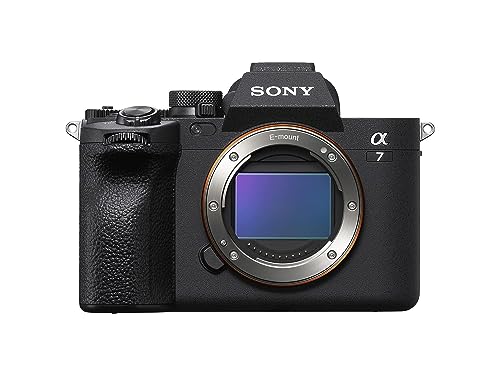
Frame the problem through a toddler blowing out birthday candles, and the Sony Alpha 7 IV answers it directly: it is a full-frame all-rounder that pairs deep stills capability with serious video features. Dynamic range leaves editors generous latitude when a scene mixes shade and glare, which is exactly the assistance a frame-grabber needs when the moment will not repeat. Among the six here it takes the badge of best overall for frame grabs, because its video and stills talents pull in the same direction instead of taking turns. At the actual gathering, with a toddler blowing out birthday candles happening exactly once, the Sony Alpha 7 IV is the sort of camera that is already rolling.
The Sony Alpha 7 IV has a way of disappearing into the day, which is high praise for a camera meant to catch unrepeatable seconds. Within one gathering the controls stop requiring thought, the eye finds the screen information it needs at a glance, and recording starts the moment the candles are lit rather than a breath after. Frame-grabbing is a race against moments, and this body rarely loses it. Lift a frame from the footage afterwards and the reasoning becomes visible, because dynamic range leaves editors generous latitude when a scene mixes shade and glare.
The rendering here leans toward honesty, and honesty is what extracted frames need. Dynamic range leaves editors generous latitude when a scene mixes shade and glare, so a lifted still holds together when you zoom, crop and print it. Colours remain believable rather than theatrical, highlights give up gracefully instead of snapping to white, and the frame looks like the gathering you remember. Families keep the still, not the specification, and the Sony Alpha 7 IV seems designed by someone who understands that order of priorities.
Every recommendation in this guide carries a warning label, and here is the Sony Alpha 7 IV’s. Its talents are aimed squarely at the hybrid work described in these pages; wander toward exotic specialisms or relentless professional workloads and the edges of the design begin to show. The complete working kit also carries a true cost above the body’s own ticket once the fast, roomy cards this work demands join the bag. During a long celebration the Sony Alpha 7 IV fades into the background of the day, which is precisely where a frame-grabbing camera belongs.
Months of ownership reveal the Sony Alpha 7 IV’s real talent: being unremarkable in all the ways that matter. It charges without fuss, hands its footage to a phone without negotiation, and waits charged in the bag for the next unrepeatable thing. Cameras that demand attention get left behind; this one gets invited along, and invitations are where frames come from. The badge of best overall for frame grabs is earned in moments like a toddler blowing out birthday candles, where choosing the frame afterwards feels like a small act of time travel.
Against the other five, the Sony Alpha 7 IV distinguishes itself by how completely its video and stills ambitions agree with each other. Nothing in the design asks you to choose which kind of photographer you are today; it simply records beautifully and lets the choosing happen later, at leisure, frame by frame. For seconds that peak between the frames a stills burst would have caught, that unity is the entire argument. Nobody at the party will ask about bit rates, yet everybody will ask for the photograph, and the Sony Alpha 7 IV makes sure it exists.
- Role in this line-up: best Overall for Frame Grabs
- Files: colour suiting frame-grab duty, still grading gracefully afterwards
- Handling: controls placed for swift, unrushed frame-grab duty changes
- Carry profile: proportioned for video shot for printable single frames
- Ownership note (frame-grab duty kit): cards, spare power and a case cost extra
Strengths
- The Sony Alpha 7 IV (frame-grab duty) locks focus dependably while a heron lifting off still water
- Files from the Sony Alpha 7 IV (frame-grab duty) look polished immediately yet keep room for retouching
- Handling stays composed during frame-grab duty when the moment suddenly accelerates
Trade-offs
- Push it far outside frame-grab duty and its compromises surface quickly
- The complete frame-grab duty kit costs more than the camera alone suggests
- Several advanced frame-grab duty settings hide deeper in menus than shooters like
Best for: the reader whose gatherings match its badge — best overall for frame grabs — and whose decisive moments resemble a toddler blowing out birthday candles.
Not suited for: anyone hoping a camera will supply the light, the position and the patience on their behalf.

Canon EOS R6 Mark II — Best Hybrid Handling
For a toddler blowing out birthday candles, the appeal of the Canon EOS R6 Mark II is easy to state — a full-frame hybrid with deep stabilisation and quick, sticky focusing. What elevates it beyond a specification is that files hold together beautifully when light becomes thin and contrasty. That is the foundation of its best hybrid handling badge: footage shot for its own sake, which also surrenders stills worth printing. At the actual gathering, with a heron striking at a fish happening exactly once, the Canon EOS R6 Mark II is the sort of camera that is already rolling.
By the second event you shoot with it, the Canon EOS R6 Mark II feels less like new equipment and more like a familiar habit. Its layout rewards the hands that return to it, the menus keep yesterday’s choices where you left them, and nothing about starting a clip involves ceremony. That absence of friction is what lets attention stay on faces instead of machinery. Lift a frame from the footage afterwards and the reasoning becomes visible, because files hold together beautifully when light becomes thin and contrasty.
Talk about files, because files are what remain when the candles are cleared away. With the Canon EOS R6 Mark II, files hold together beautifully when light becomes thin and contrasty — and that quality shows up precisely where frame grabs are judged hardest, in skin, fabric and feather detail. Footage responds kindly to gentle editing without demanding it, which suits a workflow built on choosing frames rather than rescuing them. Families keep the still, not the specification, and the Canon EOS R6 Mark II seems designed by someone who understands that order of priorities.
Candour section, as promised: the Canon EOS R6 Mark II gives ground in specific, foreseeable places. It was not built to be the cheapest route, the smallest body or a specialist’s instrument, and judging it by those standards manufactures disappointment. Judged by the gatherings it was chosen for, the compromises read as the reasonable price of its strengths. During a long celebration the Canon EOS R6 Mark II fades into the background of the day, which is precisely where a frame-grabbing camera belongs.
The running costs of the Canon EOS R6 Mark II stay mercifully dull, which any family archivist will recognise as a virtue. A spare battery for the longest days, settings checked rather than left glowing, and transfers that behave — that is the whole maintenance regime. Nothing in it competes with the events it exists to record. The badge of best hybrid handling is earned in moments like a heron striking at a fish, where choosing the frame afterwards feels like a small act of time travel.
If the Canon EOS R6 Mark II has a philosophy, it is that the photograph and the film of a moment are the same act of attention. Buyers who feel that in their bones will find this body unusually satisfying to live with. It holds the best hybrid handling badge because no other pick here embodies the guide’s premise quite so completely. Nobody at the party will ask about bit rates, yet everybody will ask for the photograph, and the Canon EOS R6 Mark II makes sure it exists.
- Slot in this shortlist: best Hybrid Handling
- Output: attractive frame-grab duty colour, with latitude for editing
- Controls: dials reachable quickly during frame-grab duty adjustments
- Size in the bag: matched to video shot for printable single frames
- Budget note (frame-grab duty kit): memory cards, batteries and protection cost extra
Strengths
- The Canon EOS R6 Mark II (frame-grab duty) keeps moving subjects pinned in focus throughout a heron lifting off still water
- Images off the Canon EOS R6 Mark II (frame-grab duty) arrive clean, still leaving headroom for careful editing
- The body feels calm in the hand throughout frame-grab duty, even as events speed up
Trade-offs
- Work beyond frame-grab duty exposes limits specialists would not accept
- Budget for the full frame-grab duty outfit: body price is only the start
- A few powerful frame-grab duty options sit buried in settings pages
Best for: the reader whose gatherings match its badge — best hybrid handling — and whose decisive moments resemble a toddler blowing out birthday candles.
Not suited for: buyers whose real subjects bear no resemblance to a toddler blowing out birthday candles, however accomplished the camera is at its own work.

Panasonic LUMIX S5II — Best Video Toolset
Frame the problem through a toddler blowing out birthday candles, and the Panasonic LUMIX S5II answers it directly: it is a full-frame hybrid celebrated for steady footage and a rich set of video assist tools. Exposure monitoring tools let a lone operator judge brightness without guesswork, which is exactly the assistance a frame-grabber needs when the moment will not repeat. Among the six here it takes the badge of best video toolset, because its video and stills talents pull in the same direction instead of taking turns. At the actual gathering, with a speaker mid-gesture during a wedding speech happening exactly once, the Panasonic LUMIX S5II is the sort of camera that is already rolling.
The Panasonic LUMIX S5II has a way of disappearing into the day, which is high praise for a camera meant to catch unrepeatable seconds. Within one gathering the controls stop requiring thought, the eye finds the screen information it needs at a glance, and recording starts the moment the candles are lit rather than a breath after. Frame-grabbing is a race against moments, and this body rarely loses it. Lift a frame from the footage afterwards and the reasoning becomes visible, because exposure monitoring tools let a lone operator judge brightness without guesswork.
The rendering here leans toward honesty, and honesty is what extracted frames need. Exposure monitoring tools let a lone operator judge brightness without guesswork, so a lifted still holds together when you zoom, crop and print it. Colours remain believable rather than theatrical, highlights give up gracefully instead of snapping to white, and the frame looks like the gathering you remember. Families keep the still, not the specification, and the Panasonic LUMIX S5II seems designed by someone who understands that order of priorities.
Every recommendation in this guide carries a warning label, and here is the Panasonic LUMIX S5II’s. Its talents are aimed squarely at the hybrid work described in these pages; wander toward exotic specialisms or relentless professional workloads and the edges of the design begin to show. The complete working kit also carries a true cost above the body’s own ticket once the fast, roomy cards this work demands join the bag. During a long celebration the Panasonic LUMIX S5II fades into the background of the day, which is precisely where a frame-grabbing camera belongs.
Months of ownership reveal the Panasonic LUMIX S5II’s real talent: being unremarkable in all the ways that matter. It charges without fuss, hands its footage to a phone without negotiation, and waits charged in the bag for the next unrepeatable thing. Cameras that demand attention get left behind; this one gets invited along, and invitations are where frames come from. The badge of best video toolset is earned in moments like a speaker mid-gesture during a wedding speech, where choosing the frame afterwards feels like a small act of time travel.
Against the other five, the Panasonic LUMIX S5II distinguishes itself by how completely its video and stills ambitions agree with each other. Nothing in the design asks you to choose which kind of photographer you are today; it simply records beautifully and lets the choosing happen later, at leisure, frame by frame. For seconds that peak between the frames a stills burst would have caught, that unity is the entire argument. Nobody at the party will ask about bit rates, yet everybody will ask for the photograph, and the Panasonic LUMIX S5II makes sure it exists.
- Position in this line-up: best Video Toolset
- Files: flattering frame-grab duty palette tolerating retouching well
- Handling: layout supporting fast frame-grab duty tweaks mid-scene
- Carry profile: built around the demands of video shot for printable single frames
- Ownership note (frame-grab duty kit): storage, power and cover need separate funds
Strengths
- The Panasonic LUMIX S5II (frame-grab duty) finds focus calmly even as a heron lifting off still water unfolds without warning
- The Panasonic LUMIX S5II (frame-grab duty) produces finished-looking photographs while preserving flexibility for grading
- Controls stay reassuring under frame-grab duty pressure, keeping attention on subjects
Trade-offs
- Assignments outside its frame-grab duty brief reveal the engineering compromises
- Total frame-grab duty outlay climbs once essential extras join the camera
- Some frame-grab duty refinements live deep in the menu tree
Best for: the reader whose gatherings match its badge — best video toolset — and whose decisive moments resemble a toddler blowing out birthday candles.
Not suited for: anyone expecting miracles well beyond the ground this pick was designed to cover.

Fujifilm X-T5 — Best Colour From Frames
For a toddler blowing out birthday candles, the appeal of the Fujifilm X-T5 is easy to state — a dial-driven system camera pairing high-resolution stills with much-loved film simulations. What elevates it beyond a specification is that hands-on dials invite slower, more deliberate composition. That is the foundation of its best colour from frames badge: footage shot for its own sake, which also surrenders stills worth printing. At the actual gathering, with a toddler blowing out birthday candles happening exactly once, the Fujifilm X-T5 is the sort of camera that is already rolling.
By the second event you shoot with it, the Fujifilm X-T5 feels less like new equipment and more like a familiar habit. Its layout rewards the hands that return to it, the menus keep yesterday’s choices where you left them, and nothing about starting a clip involves ceremony. That absence of friction is what lets attention stay on faces instead of machinery. Lift a frame from the footage afterwards and the reasoning becomes visible, because hands-on dials invite slower, more deliberate composition.
Talk about files, because files are what remain when the candles are cleared away. With the Fujifilm X-T5, hands-on dials invite slower, more deliberate composition — and that quality shows up precisely where frame grabs are judged hardest, in skin, fabric and feather detail. Footage responds kindly to gentle editing without demanding it, which suits a workflow built on choosing frames rather than rescuing them. Families keep the still, not the specification, and the Fujifilm X-T5 seems designed by someone who understands that order of priorities.
Candour section, as promised: the Fujifilm X-T5 gives ground in specific, foreseeable places. It was not built to be the cheapest route, the smallest body or a specialist’s instrument, and judging it by those standards manufactures disappointment. Judged by the gatherings it was chosen for, the compromises read as the reasonable price of its strengths. During a long celebration the Fujifilm X-T5 fades into the background of the day, which is precisely where a frame-grabbing camera belongs.
The running costs of the Fujifilm X-T5 stay mercifully dull, which any family archivist will recognise as a virtue. A spare battery for the longest days, settings checked rather than left glowing, and transfers that behave — that is the whole maintenance regime. Nothing in it competes with the events it exists to record. The badge of best colour from frames is earned in moments like a toddler blowing out birthday candles, where choosing the frame afterwards feels like a small act of time travel.
If the Fujifilm X-T5 has a philosophy, it is that the photograph and the film of a moment are the same act of attention. Buyers who feel that in their bones will find this body unusually satisfying to live with. It holds the best colour from frames badge because no other pick here embodies the guide’s premise quite so completely. Nobody at the party will ask about bit rates, yet everybody will ask for the photograph, and the Fujifilm X-T5 makes sure it exists.
- Role in this selection: best Colour From Frames
- Output: polished frame-grab duty colour, plus room to refine tones
- Controls: positioned for prompt frame-grab duty changes, rhythm intact
- Footprint: sensible for days spent on video shot for printable single frames
- Budget note (frame-grab duty kit): cards, extra power and case need budgeting
Strengths
- The Fujifilm X-T5 (frame-grab duty) holds focus with reassuring consistency whenever a heron lifting off still water develops quickly
- Pictures from the Fujifilm X-T5 (frame-grab duty) need little rescue, though editors keep ample latitude
- Grip and layout keep nerves low during frame-grab duty while scenes refuse to slow
Trade-offs
- Stretch the frame-grab duty brief and this pick stops feeling like the answer
- Ownership spending for frame-grab duty extends beyond the headline body figure
- Occasional frame-grab duty features require menu-diving instead of direct controls
Best for: the reader whose gatherings match its badge — best colour from frames — and whose decisive moments resemble a toddler blowing out birthday candles.
Not suited for: anyone hoping a camera will supply the light, the position and the patience on their behalf.

Nikon Z50 II — Best Compact System Pick
Frame the problem through a toddler blowing out birthday candles, and the Nikon Z50 II answers it directly: it is a compact system camera with bright viewing and punchy, attractive colour rendition. Handling feels deliberate, with dials placed where thumbs expect them, which is exactly the assistance a frame-grabber needs when the moment will not repeat. Among the six here it takes the badge of best compact system pick, because its video and stills talents pull in the same direction instead of taking turns. At the actual gathering, with a heron striking at a fish happening exactly once, the Nikon Z50 II is the sort of camera that is already rolling.
The Nikon Z50 II has a way of disappearing into the day, which is high praise for a camera meant to catch unrepeatable seconds. Within one gathering the controls stop requiring thought, the eye finds the screen information it needs at a glance, and recording starts the moment the candles are lit rather than a breath after. Frame-grabbing is a race against moments, and this body rarely loses it. Lift a frame from the footage afterwards and the reasoning becomes visible, because handling feels deliberate, with dials placed where thumbs expect them.
The rendering here leans toward honesty, and honesty is what extracted frames need. Handling feels deliberate, with dials placed where thumbs expect them, so a lifted still holds together when you zoom, crop and print it. Colours remain believable rather than theatrical, highlights give up gracefully instead of snapping to white, and the frame looks like the gathering you remember. Families keep the still, not the specification, and the Nikon Z50 II seems designed by someone who understands that order of priorities.
Every recommendation in this guide carries a warning label, and here is the Nikon Z50 II’s. Its talents are aimed squarely at the hybrid work described in these pages; wander toward exotic specialisms or relentless professional workloads and the edges of the design begin to show. The complete working kit also carries a true cost above the body’s own ticket once the fast, roomy cards this work demands join the bag. During a long celebration the Nikon Z50 II fades into the background of the day, which is precisely where a frame-grabbing camera belongs.
Months of ownership reveal the Nikon Z50 II’s real talent: being unremarkable in all the ways that matter. It charges without fuss, hands its footage to a phone without negotiation, and waits charged in the bag for the next unrepeatable thing. Cameras that demand attention get left behind; this one gets invited along, and invitations are where frames come from. The badge of best compact system pick is earned in moments like a heron striking at a fish, where choosing the frame afterwards feels like a small act of time travel.
Against the other five, the Nikon Z50 II distinguishes itself by how completely its video and stills ambitions agree with each other. Nothing in the design asks you to choose which kind of photographer you are today; it simply records beautifully and lets the choosing happen later, at leisure, frame by frame. For seconds that peak between the frames a stills burst would have caught, that unity is the entire argument. Nobody at the party will ask about bit rates, yet everybody will ask for the photograph, and the Nikon Z50 II makes sure it exists.
- Slot in this line-up: best Compact System Pick
- Files: confident frame-grab duty colour editors can adjust freely
- Handling: layout making quick frame-grab duty corrections feel deliberate
- Carry profile: shaped by the realities of video shot for printable single frames
- Ownership note (frame-grab duty kit): cards, batteries and storage add extra spend
Strengths
- The Nikon Z50 II (frame-grab duty) tracks the decisive subject steadily during a heron lifting off still water
- Output from the Nikon Z50 II (frame-grab duty) reads polished on delivery and forgives later surgery
- It feels planted and predictable throughout frame-grab duty, never twitchy at the decisive second
Trade-offs
- Tasks beyond frame-grab duty make its narrower talents obvious
- The honest frame-grab duty cost includes accessories the base purchase omits
- Certain advanced frame-grab duty choices demand patience through layered menus
Best for: the reader whose gatherings match its badge — best compact system pick — and whose decisive moments resemble a toddler blowing out birthday candles.
Not suited for: buyers whose real subjects bear no resemblance to a toddler blowing out birthday candles, however accomplished the camera is at its own work.

DJI Osmo Pocket 3 — Best Pocket Frame Source
For a toddler blowing out birthday candles, the appeal of the DJI Osmo Pocket 3 is easy to state — a gimbal-stabilised pocket camera whose footage remains eerily level. What elevates it beyond a specification is that rotating screen flips between filming others and filming yourself. That is the foundation of its best pocket frame source badge: footage shot for its own sake, which also surrenders stills worth printing. At the actual gathering, with a speaker mid-gesture during a wedding speech happening exactly once, the DJI Osmo Pocket 3 is the sort of camera that is already rolling.
By the second event you shoot with it, the DJI Osmo Pocket 3 feels less like new equipment and more like a familiar habit. Its layout rewards the hands that return to it, the menus keep yesterday’s choices where you left them, and nothing about starting a clip involves ceremony. That absence of friction is what lets attention stay on faces instead of machinery.
Talk about files, because files are what remain when the candles are cleared away. With the DJI Osmo Pocket 3, rotating screen flips between filming others and filming yourself — and that quality shows up precisely where frame grabs are judged hardest, in skin, fabric and feather detail. Footage responds kindly to gentle editing without demanding it, which suits a workflow built on choosing frames rather than rescuing them.
Candour section, as promised: the DJI Osmo Pocket 3 gives ground in specific, foreseeable places. It was not built to be the cheapest route, the smallest body or a specialist’s instrument, and judging it by those standards manufactures disappointment. Judged by the gatherings it was chosen for, the compromises read as the reasonable price of its strengths.
The running costs of the DJI Osmo Pocket 3 stay mercifully dull, which any family archivist will recognise as a virtue. A spare battery for the longest days, settings checked rather than left glowing, and transfers that behave — that is the whole maintenance regime. Nothing in it competes with the events it exists to record.
If the DJI Osmo Pocket 3 has a philosophy, it is that the photograph and the film of a moment are the same act of attention. Buyers who feel that in their bones will find this body unusually satisfying to live with. It holds the best pocket frame source badge because no other pick here embodies the guide’s premise quite so completely.
- Position in this shortlist: best Pocket Frame Source
- Output: pleasing frame-grab duty tones, retaining post-work flexibility
- Controls: arranged so frame-grab duty adjustments never feel fumbled
- Size and weight: planned with video shot for printable single frames firmly in mind
- Budget note (frame-grab duty kit): storage media and spare power need money back
Strengths
- The DJI Osmo Pocket 3 (frame-grab duty) settles focus fast enough that a heron lifting off still water rarely escapes unrecorded
- Frames from the DJI Osmo Pocket 3 (frame-grab duty) appear assured immediately yet tolerate thoughtful post-processing
- Everything falls under the fingers naturally in frame-grab duty when chances arrive unannounced
Trade-offs
- Demand work far from frame-grab duty and cracks appear sooner than expected
- Expect the finished frame-grab duty kit to outrun the camera-only price
- Not every useful frame-grab duty option surfaces quickly in the menus
Best for: the reader whose gatherings match its badge — best pocket frame source — and whose decisive moments resemble a toddler blowing out birthday candles.
Not suited for: anyone expecting miracles well beyond the ground this pick was designed to cover.
How Do the Six Picks Compare Side by Side?
| Pick | Badge | Strongest suit | Watch out for |
|---|---|---|---|
| Sony Alpha 7 IV | Best Overall for Frame Grabs | Dependability when subjects move unpredictably | Limits appear outside its home territory |
| Canon EOS R6 Mark II | Best Hybrid Handling | Files needing the least rescue afterwards | Accessories worth budgeting from the start |
| Panasonic LUMIX S5II | Best Video Toolset | Simplicity that speeds every step | Size suits some hands better than others |
| Fujifilm X-T5 | Best Colour From Frames | Consistency across an entire outing | Menus reward a patient first week |
| Nikon Z50 II | Best Compact System Pick | Versatility when plans change mid-shoot | Kit costs extend beyond the camera |
| DJI Osmo Pocket 3 | Best Pocket Frame Source | Comfort throughout long handheld sessions | A learning curve awaits complete beginners |
T
What Makes One 4K Frame Crisp and the Next One Mush?
One 4K frame turns out crisp and the next turns to mush for reasons that are mostly mechanical. Motion blur leads the list: video shutter speeds are chosen for smooth movement, not frozen instants, so a waving hand smears across frames. Raise the shutter speed when you know stills are the goal and the grabs sharpen dramatically, at the cost of slightly less fluid-looking footage.
Focus placement is the second culprit. A frame grabbed from the moment focus was travelling between faces will never print well, however high the resolution. Cameras whose autofocus settles quickly and stays settled — especially on eyes — produce far more usable frames per minute of footage, which is why focusing behaviour weighed so heavily in the rankings here.
Compression quietly taxes fine detail. Footage recorded at generous bit rates keeps textures like hair, feathers and confetti intact when a frame is lifted; heavily squeezed footage dissolves them into watercolour. When a camera offers a higher-quality recording option and your storage can bear it, frame-grabbing is the strongest argument for choosing it.
Light, as always, underwrites everything. A dim room forces sensitivity upward, and noise that hides inside moving footage becomes glaring in a frozen frame. The cheapest upgrade to any frame-grab workflow is filming nearer a window or under the brightest honest light the room can offer.
How Do You Shoot Video That Is Secretly a Stills Session?
Shooting video that is secretly a stills session starts before you press record. Choose your position for the photograph you hope to extract: eye level with the candles, side-on to the heron’s strike zone, close enough that the decisive frame needs little cropping. The camera can only surrender frames from the footage you actually gave it.
Set the shutter with stills in mind. A faster shutter than video convention suggests will freeze expressions and gestures cleanly, and the slight loss of motion smoothness rarely matters when the clip exists mainly as a quarry for photographs. Lock exposure once the scene settles, so brightness does not pump distractingly between the frames you are choosing among.
Keep rolling longer than instinct suggests. The peak instant of a candle blow or a speech reaction often arrives a breath after the obvious climax, and the frames either side of it are where the magic hides. Storage is cheap compared with a missed expression that no money can restage.
Afterwards, extract frames on the largest screen you own and judge them as photographs, not as video stills. Zoom in, check the eyes, pick the frame where the gesture completes, and export it at full quality before any cropping. Treated with that respect, a grabbed frame stops being a souvenir of a clip and becomes a photograph in its own right.
What Mistakes Do Buyers in This Niche Keep Making?
Spending the entire budget on the camera body, then rationing the memory cards and batteries that 4K recording consumes as if footage were free to store.
Leaving every setting on automatic forever, and afterwards blaming the camera for exposure decisions it was never invited to discuss.
Comparing extracted frames at absurd magnification while ignoring the handling flaws that cost real photographs at real gatherings.
Skipping the practice outing — the low-stakes afternoon where the extraction workflow gets learned while mistakes are still cheap.
Copying a friend’s camera choice wholesale, and inheriting compromises that were selected for somebody else’s subjects and somebody else’s patience.
Judging a camera by its first outing, before hands, menus and transfer habits have had a fair chance to become familiar.
How Do You Practise Filming Sequences Destined to Become Still Photographs?
End each filming day with a small ceremony: put the clips on the largest screen in the house and pick the single frame that justifies the whole outing. Say why it works — the timing, the closeness, the patience — because a reason spoken aloud becomes a technique you can repeat at the next gathering deliberately rather than accidentally.
What Does a Deliberate Frame-Grab Practice Routine Involve Each Week?
A grabbed still begins long before the event, with the camera actually being there. Keep it in the bag that already travels, on the strap that already fits, with the card that already has room; a frame-grabbing workflow collapses the first time the camera is upstairs while the candles are downstairs.
How Can Rehearsing Shutter Choices Improve the Stills You Pull From Video?
Turn review into a shared pleasure and the camera stays welcome at family occasions. Screen the day’s best frames after dinner, let the subjects choose their own favourites, and notice how willingly people begin performing for a photographer whose results they actually get to see.
Which Drills Teach You to Shoot Video With Tomorrow’s Frame Grabs in Mind?
Rain, spray and sticky fingers are the natural enemies of a camera that attends real life. A cloth in the pocket, a cheap cover for the worst of the weather and a habit of drying the body before it sleeps will keep the {N} — whichever pick you chose — working through years of gatherings.
How Do You Practise Extracting Photographs Before a Shoot That Truly Matters?
When you edit a grabbed frame, stop one step earlier than instinct suggests. Correct the exposure, settle the colour, straighten if the moment tilted — then leave the grain, the motion and the imperfection that prove the instant was real. These photographs are evidence as much as art, and evidence should not be airbrushed.
Close with this exercise: return to the candles, the heron or the speech with whichever camera you chose, film the scene as a stills session, and extract exactly three frames — the expected one, the one a second earlier, and the one a second later. Lay them side by side and study how much of photography is simply choosing.
Repeat the exercise at the next family gathering, this time deliberately standing somewhere different. A new angle on a familiar ritual reveals how much of a frame’s power comes from position, and position costs nothing but the decision to move before the moment arrives.
After a month of gatherings, print the single best grabbed frame and put it where you will see it daily. A print audits a camera more honestly than any folder of files: if the extracted still holds up on paper at arm’s length, the workflow has proven itself. The frame you want is usually hiding one second away from the frame you expected.
Keep the habit small and repeatable. One event filmed thoughtfully each week teaches your eye to anticipate peaks — the inhale before the candles, the pause before the punchline — and anticipation is the skill that makes every later frame easier to find. A toddler’s expression peaks and vanishes faster than any burst mode can promise.
Final Recommendation
I
Frequently Asked Questions
How large can I print a still pulled from 4K footage?
A 4K frame carries roughly eight megapixels of information, which prints beautifully at the sizes family photographs usually live at — the standard album and small-frame range — and holds up respectably a size beyond that when the frame is sharp and cleanly lit. Push toward poster dimensions and the limits appear, especially in hair and fabric texture. Judge by the frame itself rather than the number: a crisp, well-lit grab prints larger than a noisy one from a technically superior camera.
Which shutter speed keeps extracted frames free of blur?
Faster than video habit suggests. The conventional filming rule ties shutter speed to frame rate for smooth motion, but a frame destined to become a photograph needs the subject frozen, so raise the shutter until gestures and expressions stop smearing — then check a test grab at full size. Moving subjects like striking birds or dancing children need more speed than a seated speaker. Accept the trade knowingly: the footage will look a little less fluid, while the stills you actually wanted turn out sharp.
Should I extract frames in the camera or on a computer?
Both routes work, and they suit different temperaments. In-camera extraction is immediate and satisfying at the event itself — find the frame on the camera’s screen, save it as a still, share it before the candles are cleared away. A computer offers the larger screen, finer frame-by-frame control and full-quality export that serious printing deserves. Many owners do both: a quick in-camera grab for sharing tonight, then a careful computer pass later for the frames worth printing.
Do frame grabs work for fast sport and wildlife?
Yes — this is arguably where the technique earns its keep, because sport and wildlife peak in instants too brief for any burst mode to guarantee. A heron’s strike or a goalmouth scramble can be mined afterwards frame by frame. The conditions are honest ones: you need a fast shutter to keep the chosen frame clean, focus that tracks the subject reliably, and enough light to support both. Meet those, and grabbing outperforms hopeful bursting precisely because the choosing happens afterwards, calmly.
How do I keep colours consistent between grabs and photographs?
Consistency comes from removing the camera’s freedom to change its mind. Use the same picture profile or colour setting for video and stills where the camera allows it, lock white balance instead of leaving it to wander between clips, and avoid mixing frames from footage shot under different lighting without a correction pass. When a grab and a photograph of the same scene still differ slightly, match them in editing by the neutral tones — a white shirt or grey wall tells the truth faster than skin does.
Does pulling stills from 4K video replace a camera’s photo mode?
It replaces it for one specific kind of moment: the unrepeatable split second. A goalmouth scramble, a heron striking at a fish, a toddler’s first unaided steps — events where choosing the exact frame afterwards beats hoping your shutter finger guessed right. For deliberate photography the stills mode keeps its crown, because a dedicated photo carries more resolution for large prints, cleaner files for editing, and none of the motion blur that video shutter speeds invite. Treat frame-grabbing as a specialist tool you reach for when timing matters more than pixels, and shoot honest photographs the rest of the time; the two habits complement each other rather than competing.
Related Guides
Carry on with our practical notes on building a small body kit that travels well, browse our guide to the settings beginners should learn first, or dip into our field notes on photographing everyday subjects with intent for your next session.


