kajuandouglas.com is reader-supported. When you buy through links on our site, we may earn an affiliate commission.
Where to Buy
The best digital cameras for low light photography earn their reputations indoors, where life actually happens after dark: the kitchen-table birthday, the school concert in a hall lit like a cave, the wedding reception’s amber gloom, the restaurant table where the celebration is and the light is not. This guide is about that darkness — human darkness, at conversational distances, with moving subjects and mixed light — and not about the tripod-and-midnight world of astrophotography, which is a different discipline with different champions covered in our landscape and night guides. Here, the camera must focus on a face in near-dark, hold a shutter speed that freezes a laughing child, and produce files at high sensitivities that a family can print without the noise eating the memory.
Three systems decide success in that gloom, and the picks were ranked by all three together. The sensor’s high-ISO character comes first — not its laboratory score but how its noise behaves on skin, whether colour survives the climb, and how much the shadows can be lifted afterwards. Autofocus in darkness follows, because a low-light photograph that missed focus is a rumour of a photograph: the best bodies here find eyes in light a human can barely read by. Third comes the partnership with fast lenses and stabilisation — the camera is only half the low-light equation, and the guides below are honest about which bodies make the lens half easy to buy.
Scope honesty matters too, so let it be said early: this guide does not crown a champion for the night sky, the concert pit’s professional depths, or the unlit wilderness — those darknesses have their own specialists and their own guides on this site. The darkness here is the kind with people in it, at the hours when families and friends gather, and every judgement below is made in that light — or rather, in that lack of it.
One myth deserves burial at the door: low-light ability is not a single number, and the highest sensitivity setting on a box is marketing weather. What matters is the usable range — the sensitivities at which faces stay faces — and every pick in this guide was tested at the settings real evenings demand, on real people, in real rooms. The results sort into a clear hierarchy of philosophies: full-frame bodies that treat darkness as a mild suggestion, and smaller systems that answer with fast glass, stabilisation, and cleverness. Both philosophies produce keepers. The reviews name which rooms each one owns.
Key Takeaways
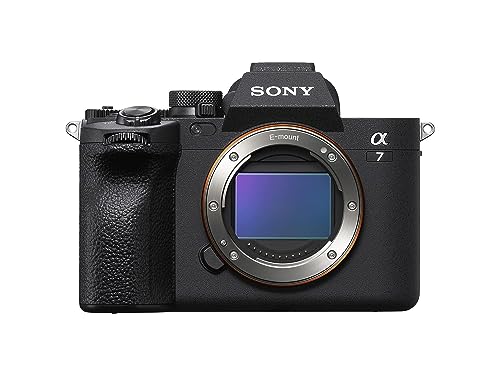
- The Sony Alpha 7 IV is the low-light all-rounder — clean high-ISO files and autofocus that finds eyes in reception-hall gloom.
- The Canon EOS R6 Mark II pairs the finest low-light colour with stabilisation that stretches handheld shutter speeds at static moments.
- The Panasonic LUMIX S5II is the low-light filmmaker’s body — darkness-defying video and stills with LUT discipline.
- The Nikon Z50 II delivers Nikon’s cleanest APS-C darkness performance at a price that leaves room for the fast prime that completes it.
- The Fujifilm X-T5 answers low light with stabilisation and fast Fujicrons — the static-scene specialist of the smaller formats.
- The Sony ZV-E10 II is the budget door into real low-light shooting, sharing E-mount’s fast-glass shelf with its full-frame siblings.
Notice the recurring second character in every line above: the lens. A camera’s low-light reputation is co-authored by the fast prime mounted on it, and the ecosystems differ in how affordable that co-author is. Sony’s shelf offers fast glass at every price of virtue; Canon’s RF primes flatter while they gather; Fujifilm’s compact f/2 and f/1.4 lenses are practically a low-light programme in themselves. Read each review as a body-and-lens verdict, because that is how the photographs will be made.
In this guide
Quick Picks
| Badge | Pick | Why it stands out |
|---|---|---|
| Low-Light All-Rounder | Sony Alpha 7 IV | Clean files at party sensitivities and eye-autofocus that works by candlelight’s bigger cousins. |
| Colour in the Dark | Canon EOS R6 Mark II | The warmest, truest skin in bad light, with stabilisation for the still moments. |
| Darkness Filmmaker | Panasonic LUMIX S5II | Low-light video and stills with a colour pipeline built for gloom. |
| APS-C Value in the Gloom | Nikon Z50 II | Clean Nikon files and money left over for the fast prime that matters. |
| Static-Scene Specialist | Fujifilm X-T5 | Stabilisation plus fast compact primes for interiors, concerts, and still life after dark. |
| Budget Door to the Dark | Sony ZV-E10 II | E-mount fast glass and honest high-ISO manners at an entry price. |
The full-frame trio leads because physics leads: bigger sensors gather more light per photograph, and no cleverness fully repeals that. But the table’s second half is not a consolation bracket. In the rooms where low-light photography actually happens — homes, halls, restaurants — the smaller bodies with fast lenses produce files families print happily, at total kit prices and weights the full-frame systems cannot approach. Choose by the darkness you actually live in — and if you are unsure which that is, walk through your own library’s last fifty evening frames and let the rooms themselves cast the vote, because the camera that serves those rooms is the right one, whatever the forums crown.
How We Chose These Picks
Testing happened where the genre lives: a birthday in a tungsten kitchen, a school concert from the back of a hall, a reception’s dance floor, a restaurant table lit by one candle and optimism. Each body shot the same evenings with the fastest sensible lens in its system, at the sensitivities the shutter speeds demanded, and the files were judged the way families and clients judge them — faces at normal sizes, prints on paper, and the unforgiving crop into the group photograph where everyone wants their own face found.
Autofocus received its own gauntlet, because darkness is where focus systems go to be humbled. We tracked faces turning in conversation, children crossing dim rooms, and speakers at podiums under a single spot, counting not the laboratory hits but the frames a parent would keep. Bodies whose eye detection hunted or surrendered in genuine gloom lost their places to bodies that simply, quietly, kept working — the difference between a specification and a reputation.
We also logged the rooms’ light honestly, with a meter where it helped, so that “low light” in this guide means measured evenings rather than vibes: the domestic living room after lamps, the hall at concert distance, the reception at its amber worst. Bodies were never credited for surviving darkness they were not actually asked to enter, and the sensitivity figures in our notes are the ones those rooms demanded — which is why the reviews speak of ceilings on skin and keeper rates rather than of laboratory maxima.
Finally, we priced the partnership: for each body, the cost of the fast prime that completes its low-light promise, because a camera review that ignores the lens budget is reviewing half a camera. The six survivors are the bodies whose whole systems — sensor, focus, glass — respect both the darkness and the wallet.
What Actually Happens Inside a Camera When the Light Fails?
The photograph becomes an exercise in scarcity management. Every exposure is a ration of photons, and low light cuts the ration three ways at once: open the lens wider and depth of field thins to a slice; slow the shutter and the subjects smear; raise the sensitivity and the sensor amplifies its own electronic noise along with the signal. Low-light craft is the art of spending that ration wisely for the subject in front of you — and low-light cameras differ in how much each currency buys. A sensor with clean high-ISO behaviour makes sensitivity cheap. Strong stabilisation makes slow shutters survivable for still subjects. Fast autofocus makes the wide aperture’s thin focus slice land where it must.
Noise itself deserves an honest description, because it is not one thing. Luminance noise — the grain-like speckle — is the respectable kind; film photographers lived with its ancestor happily, and modern files wear it as texture. Colour noise — the magenta and green blotching in shadows — is the vandal, and colour collapse, where a red dress at high sensitivity becomes a brown rumour, is worse. Our ranking weighed how late into the sensitivity climb those vandals arrive, and by how gracefully their files accept the editor’s cleanup without turning skin to wax.
Underneath the physics sits a practical truth: most indoor darkness is not that dark. A normally lit home, a restaurant, a hall — these sit within reach of a fast lens and a modern sensor working together, which is why this guide insists on judging systems rather than sensors. The truly extreme darkness of the night landscape belongs to our other guides; the darkness of human life belongs here, and it is more forgiving than its reputation — provided the equipment respects it.
Why Is the Lens Half the Low-Light Equation?
Because the lens decides how much light arrives to be managed. A fast prime — the f/1.8 and f/1.4 glass every system here offers — admits several times the light of a kit zoom at its dark end, and that difference converts directly into lower sensitivities, faster shutters, or both. Photographers who blame their camera for noisy party photographs are usually photographing through a lens that is starving it. The single most effective low-light purchase most people can make is not a body at all; it is the fast prime for the body they own, and this guide’s value picks are chosen partly because they leave the budget room to make it.
The fast prime brings gifts beyond light. Its thin depth of field at conversational distances separates a face from a cluttered room more eloquently than any editing; its rendering flatters skin in the mixed light that makes lesser glass look clinical. And it disciplines the photographer: a fixed focal length at a party makes you move, engage, and compose with your feet, which is why so many event photographers, given a bag of zooms, still mount the prime when the lights go down.
Stabilisation completes the triangle for the still subjects — the toast, the sleeping child, the interior itself — by making slow shutters hand-holdable, while honestly doing nothing for the moving ones. Know which half of your evening is which, and you know whether your next purchase is glass, stabilisation, or sensitivity. The reviews below keep that accounting for each system.

Sony Alpha 7 IV — Low-Light All-Rounder
The A7 IV’s low-light case rests on the pairing other systems keep trying to match: a full-frame sensor whose high-sensitivity files stay printable and colour-honest deep into the range a reception demands, married to autofocus that treats dim rooms as a normal workplace. Its eye detection finds the face in the candlelit group, holds it through the turn and the laugh, and does so at light levels where the photographer is composing by silhouette. For event work — where the keeper rate is the whole business — that focus reliability in darkness is worth more than any marginal sensor advantage, and it is why this body anchors more working wedding kits than any rival here.
The files reward the trust. Skin keeps its colour as sensitivity climbs, shadows lift without the colour blotching that betrays lesser sensors, and the raw latitude lets an editor rescue the frame the hall’s lighting tried to ruin. Around the sensor, the practicalities align: dual slots for the unrepeatable evening, a lens shelf whose fast primes span every budget, and third-party glass that makes the fast-prime partnership genuinely affordable — the total system cost of Sony low-light excellence is lower than the body’s price suggests.
Its limitations are of degree, not kind: stabilisation a step behind the leaders for static work, and a body that asks an evening’s customisation to make its low-light tools — focus modes, sensitivity ceilings, zebras — sit where the hand expects them. Set it up once, and it disappears into the darkness with you, which is the highest praise an event camera can earn.
- Sensor: full-frame files that stay honest deep into high sensitivities
- Autofocus: eye detection that works in genuine reception gloom
- Colour: skin survives the sensitivity climb without collapse
- Glass: E-mount fast primes at every price, native and third-party
- Body: dual slots and pro manners for paid evening work
Strengths
- The keeper rate in dark rooms leads this guide
- Files print from sensitivities lesser bodies apologise for
- The most affordable fast-glass ecosystem to complete it
Trade-offs
- Stabilisation trails Canon and OM for static subjects
- Low-light setup rewards an evening of customisation first
- Full-frame kit weight across a long reception is real
Best for: wedding and event photographers, parents of performers, anyone paid by the keeper. Not suited for: photographers whose darkness is mostly static scenes on a budget.

Canon EOS R6 Mark II — Colour in the Dark
If the A7 IV is the low-light instrument of reliability, the R6 Mark II is the instrument of beauty. Canon’s colour science has always treated skin as its first citizen, and in bad light that priority becomes decisive: faces under tungsten, under LED, under the mixed insult of a village hall stay human in its files when rival renderings slide toward the waxy or the green. Photographers who deliver to families — who will judge the photograph by whether grandmother looks like grandmother — choose this rendering deliberately, and the darkness does not dilute the argument.
The supporting systems are formidable. Its in-body stabilisation, coordinating with RF lenses, stretches handheld shutter speeds for the still passages of an evening — the speeches, the sleeping baby passed around the table, the church interior — while its autofocus hunts faces in dimness with a confidence close behind Sony’s and its sensor’s high-sensitivity files stay clean and liftable. The RF fast primes, from the affordable f/1.8s upward, complete the partnership in Canon’s own glass.
The honest limits are the familiar ones: in the most demanding sustained video the body asks for thermal courtesy, and its resolution is a step below the leaders for the largest crops — the group photograph mined for individual portraits will show it first. For the photographer whose darkness is human, warm, and badly lit by other people, those limits rarely enter the room. The colour does.
- Colour: the most faithful skin in mixed, ugly light
- Stabilisation: coordinated IS for the evening’s still passages
- Sensor: clean, liftable files at celebration sensitivities
- Autofocus: face and eye work that holds in dim halls
- Glass: RF fast primes from sensible to L-series luxury
Strengths
- People look like themselves in light that defeats other renderings
- Stabilisation buys shutter speeds sensitivity cannot
- A joyful body to work an evening with, controls-wise
Trade-offs
- Cropping headroom a step below the resolution leaders
- Sustained video in heat needs thermal planning
- RF fast glass at the top end is a serious investment
Best for: family and wedding photographers who judge a camera by its faces. Not suited for: heavy croppers or marathon video in hot venues.

Panasonic LUMIX S5II — Darkness Filmmaker
The S5II owns the moving half of the dark. Its full-frame sensor’s low-light behaviour, proven in stills, extends into video with a composure that has made it the independent filmmaker’s night body: night streets, neon interiors, and candlelit scenes record with noise that reads as grain and colour that survives the grade. The cooling that headlines its daylight virtues matters doubly after dark, when the long interview in a warm room or the reception’s endless speeches would throttle lesser hybrids — this body simply continues, take after take, while its LUT discipline lets the director watch the night as the film will keep it.
For stills it stands shoulder to shoulder with the full-frame company here: clean high-sensitivity files, the strongest stabilisation in this guide’s full-frame class for the static passages, and L-mount glass — including fast primes from across the alliance at prices that respect a production budget. Its autofocus, the honest caveat of earlier Panasonic generations, is in this body a modern phase-detection system that works respectably in gloom, if not with the Sony’s eerie certainty on moving faces.
Choose it when your low-light work moves — the wedding film, the music session, the documentary night — or when one body must carry both portfolios through the same dark evening. Stills-only photographers may find its video-first ergonomics more camera than they need; hybrid workers will find it the most complete darkness tool on this page.
- Video: low-light recording with grain-like noise and gradeable colour
- Cooling: long dark takes without thermal negotiation
- Stabilisation: the full-frame class’s strongest for still passages
- Colour: LUT monitoring keeps the night’s look honest on set
- Glass: L-mount fast primes across the alliance’s price range
Strengths
- The most complete stills-and-film darkness instrument here
- Records all evening in warm rooms without complaint
- Stabilisation rescues the static scene at slow shutters
Trade-offs
- Autofocus in gloom is capable, a step behind Sony’s certainty
- Video-first design is heft and complexity for stills purists
- L-mount’s fast-glass shelf is younger than E-mount’s
Best for: hybrid shooters whose evenings split between stills and film. Not suited for: stills-only minimalists or autofocus absolutists.

Nikon Z50 II — APS-C Value in the Gloom
The Z50 II is the pick for the photographer whose darkness is real but whose budget is too — and its argument is arithmetic as much as optics. Nikon’s APS-C sensor delivers the cleanest high-sensitivity files in its class here, with colour that holds together on skin well into the sensitivities a school concert demands; and because the body leaves money unspent, the kit can include the fast prime that transforms any camera’s night manners. A Z50 II with fast glass will out-photograph, in a dim hall, a full-frame body trapped behind a slow kit zoom — the comparison beginners never believe until their own files prove it.
The body’s modern autofocus, with subject and eye detection inherited from Nikon’s flagships, keeps faces found in the gloom with a competence that would have been professional-grade not long ago. Its size is a low-light virtue of its own: the camera that comes to the restaurant, the rehearsal, the family evening is the small one, and low-light photography is overwhelmingly a genre of occasions nobody planned to photograph. A camera left home for its bulk has a low-light performance of exactly zero.
Its ceilings are the format’s physics: at the extremes of sensitivity the full-frame bodies pull away, and its stabilisation story depends on the lens rather than the body. Within the envelope of ordinary human darkness — which is this guide’s whole territory — it is the value verdict, and it is not close.
- Sensor: class-leading APS-C cleanliness at party sensitivities
- Autofocus: flagship-descended face and eye detection
- Arithmetic: leaves budget for the fast prime that completes it
- Size: the camera that actually attends the evening
- Colour: Nikon skin and warmth hold as sensitivity climbs
Strengths
- The best darkness-per-budget verdict in the guide
- Small enough to be present for unplanned evenings
- Files families will print without apology
Trade-offs
- Full frame pulls away at the sensitivity extremes
- No in-body stabilisation — the lens must provide it
- APS-C depth of field needs faster glass for the full glow
Best for: parents, students, and hobbyists whose evenings deserve better than a phone. Not suited for: professionals billing for reception work in the darkest halls.

Fujifilm X-T5 — Static-Scene Specialist
The X-T5 approaches darkness from the opposite flank: where others climb the sensitivity ladder, it slows the shutter down. Its in-body stabilisation holds remarkably slow speeds steady, and for the subjects that hold still — the interior’s architecture, the string quartet between movements, the city through the restaurant window, the sleeping household — a slow shutter at low sensitivity produces cleaner, richer files than any high-ISO heroics. Paired with Fujifilm’s fast compact primes, whose wide apertures gather light while their size keeps the whole kit unobtrusive, it is the connoisseur’s instrument for the still half of the night.
Its high-resolution sensor adds a second low-light talent: cropping. In the concert hall where you cannot move, the frame you brought home can be recomposed generously, and the files’ fine grain structure at elevated sensitivities — helped by Fujifilm’s film-simulation palette, whose softer stocks flatter dim scenes — survives the crop with dignity. The dials, workable by touch in a dark auditorium, complete a body that seems designed by people who shoot in seats.
The boundary is motion. A moving subject in darkness needs sensitivity and shutter speed, and there the full-frame bodies’ physics assert themselves; the X-T5’s autofocus, while capable, is not the tool for a dance floor at midnight. Buy it for the darkness that sits still, and it will reward you with the cleanest files in this guide’s smaller half.
- Stabilisation: slow handheld shutters for the still subjects
- Glass: fast compact primes that keep the kit discreet
- Resolution: cropping power for the fixed-seat photographer
- Rendering: simulations whose soft stocks flatter dim scenes
- Controls: dials that work by touch in a dark hall
Strengths
- Static low-light scenes rendered cleaner than high-ISO rivals
- The concert and interior photographer’s discreet instrument
- Files crop generously when the seat cannot move
Trade-offs
- Moving subjects in darkness expose the format’s limits
- Autofocus is a step behind the event specialists
- Small body stamina needs a spare battery on long evenings
Best for: concerts, interiors, theatre seats, and still-life darkness. Not suited for: dance floors, sports halls, or any darkness that dances.

Sony ZV-E10 II — Budget Door to the Dark
The ZV-E10 II is how a modest budget buys into the strongest low-light ecosystem in this guide. The body itself is an honest APS-C performer — modern sensor, clean files at the sensitivities home evenings demand, autofocus from Sony’s current line that finds faces in lamplight — but its decisive feature is the mount. Every fast prime in the E-mount catalogue, from Sony’s affordable own to the third-party glass that has rewritten value in this industry, fits this small body, which means its low-light ceiling rises with each lens the photographer adds, all the way toward the A7 system’s heights.
Its creator-first design serves the evening more than its styling suggests: the screen-centric handling suits the held-high and held-low angles of party photography, the video tools carry the same low-light competence into the birthday film, and the whole instrument is small enough to be the camera that is actually at the restaurant. Paired with one fast prime — the purchase this guide keeps recommending — it produces files that embarrass kit-zoom photography at three times the total price.
The limits are thermal stamina for long video, a single card slot that asks backup discipline on paid work, and the absence of a viewfinder in a body some will miss in bright daylight — though daylight is not this guide’s country. As the door into serious darkness, priced for real households, it earns its place at the table’s end.
- Sensor: modern APS-C, clean at household-evening sensitivities
- Mount: the whole E-mount fast-glass shelf, rising ceiling
- Autofocus: current Sony face and eye work in lamplight
- Size: present at the evenings that matter by being portable
- Video: low-light competence carries into clips and films
Strengths
- The ecosystem’s fast glass is all available to it
- Honest darkness performance at an entry total cost
- Small enough to attend every occasion
Trade-offs
- Single slot and modest thermal stamina for pro duty
- No viewfinder for the bright-day half of life
- Needs the fast prime purchase to fulfil its promise
Best for: beginners to serious evening photography inside Sony’s ecosystem. Not suited for: paid event marathons or viewfinder traditionalists.
Comparison Table
| Pick | Format | Darkness signature | Best room |
|---|---|---|---|
| Sony Alpha 7 IV | Full frame | Focus and files in moving gloom | Wedding receptions, events |
| Canon EOS R6 Mark II | Full frame | Colour truth on skin | Family evenings, halls |
| Panasonic LUMIX S5II | Full frame | Moving images after dark | Night shoots, wedding films |
| Nikon Z50 II | APS-C | Value with fast glass | School concerts, home evenings |
| Fujifilm X-T5 | APS-C | Slow shutters, still subjects | Concerts, interiors |
| Sony ZV-E10 II | APS-C | Ecosystem on a budget | Restaurants, parties, first films |
Which Mistakes Ruin Low-Light Photographs?
The first is photographing through the kit zoom and blaming the sensor. Darkness exposes a slow lens mercilessly, and the photographer who upgrades bodies while keeping the dark glass repeats the disappointment at a higher price. The second is shutter cowardice in the wrong direction: speeds slowed for stillness applied to moving people, producing the ghosted faces every family album knows. Learn the floor for your subjects — a seated adult, a playing child, a dancer each have one — and let sensitivity, not hope, pay for it.
The third mistake is flash panic: the pop-up blast that flattens the room’s whole atmosphere into a forensic photograph. Where flash is needed, bounce it, diffuse it, or raise the room’s light instead — a lamp moved, a curtain opened to the streetlight — because low-light photography is the art of the light that exists. The fourth is autofocus surrender: letting the camera choose its focus point in a dark crowd guarantees it will choose the bright exit sign. Set the focus area deliberately, use eye detection where the body offers it, and pre-focus on the seat, the lectern, the cake table where the moment will happen.
And the quiet fifth: judging the evening on the camera’s screen at full brightness in a dark room, where every file looks luminous, and arriving home to discover a stop of underexposure across the set. Trust the histogram’s shape over the screen’s glow, expose a touch generously — modern sensors forgive highlights recovered more gracefully than shadows excavated — and let the editor, not the dance floor, make the final brightness decisions.
How Do You Set Up a Camera for an Evening Indoors?
Build the setup before the event, in a dim room at home, and save it where the body allows a custom mode. Set sensitivity to auto with a ceiling you have personally tested on skin — the highest value whose files you would print — and a minimum shutter speed matched to your subjects: slower for seated conversation, faster for children and dancers. Choose the focus mode for faces, with eye detection on and the focus area wide enough to find them, because in darkness the camera should hunt people, not points.
Decide the white balance philosophy in advance. Mixed indoor light defeats auto balance’s consistency, and a set balance — or raw files with the discipline to batch them later — keeps a series coherent. Turn the screen brightness down to match the room so your exposure judgement stops lying to you, enable the histogram or zebras in the view you actually use, and silence what can be silenced: the concert hall and the ceremony both reward the photographer nobody notices.
Finally, rehearse the failures. A card formatted and a spare in the pocket; a battery whose stamina you know in hours, not hopes; the lens cleaned, because a smear that daylight forgives becomes a halo factory around every bulb in the room. Low-light photography is decided disproportionately by these unglamorous preparations — the darkness gives its best frames to the photographer who arrived already configured for it.
Final Recommendation
Match the body to your darkness. If it moves — receptions, events, children at full celebration — the Sony A7 IV’s focus and files make it the professional answer, with the Canon R6 Mark II the choice when the faces matter most and the light is at its ugliest. If your darkness moves on film, the Panasonic S5II stands alone here. If the budget is real, the Nikon Z50 II with a fast prime is the wisest money in the guide, and the ZV-E10 II opens the same road inside Sony’s walls. For the darkness that sits still — the concert seat, the interior, the sleeping house — the Fujifilm X-T5’s slow-shutter artistry produces the cleanest files of all.
One sentence of budget counsel before the close: in low-light photography the order of spending is lens, then body, then everything else, and the photographer who reverses it buys the same lesson twice. Let the fast prime arrive first or alongside, and the body you choose will be judged by its true files rather than by its starved ones.
Whichever you choose, buy the fast prime in the same season and learn your own ceiling on skin before the evening that matters — because low-light photography is not really about darkness at all, but about the people glowing faintly inside it, and the right camera is the one that never makes you choose between being present at the moment and preserving it.
How Should You Handle Mixed Light — Tungsten, LED, and Window Together?
Mixed light is the indoor photographer’s true opponent, more than darkness itself: the kitchen’s warm bulbs against the blue dusk at the window, the hall’s greenish tubes over warm skin, the restaurant’s candle against the street’s sodium. No white balance can be right for all of it at once, so the craft is choosing which light the photograph believes. Stand the subject in one light and let the others become atmosphere — the window’s blue as background mystery, the tungsten as warmth at the edges — and the mixture turns from defect to depth. This is why positioning, not settings, is the mixed-light skill: two steps to the left and the face is in one honest light again.
The cameras help where they can, and the gap between the best and the rest in this guide is widest exactly here, in rooms where two colour temperatures argue across a single cheek. Faithful colour science — Canon’s and Fujifilm’s renderings earned their lines in this guide partly here — keeps the chosen light’s skin true while the others stray, and raw capture lets the editor perform local truces the camera could not. What no body does is repeal the physics of two colour temperatures sharing one face. When a face must be split by mixed light, move the face. It is the oldest sentence in portraiture, and darkness has not amended it.
What About Flash — Is It Cheating in Low-Light Photography?
It is a tool with a reputation problem, because the direct pop-up flash of amateur memory is genuinely dreadful — flat, startled, forensic. Used as photographers use it, flash is simply light you brought: bounced off a ceiling it becomes a soft window that never existed, dragged at a slow shutter it lets the room’s atmosphere paint the background while the flash freezes the subject, and off-camera it is the entire craft of event portraiture. Several bodies in this guide pair beautifully with a modest speedlight, and the wedding industry runs on exactly that pairing.
The honest boundary is consent and atmosphere. Some rooms — ceremonies, performances, restaurants where others dine — are not yours to light, and the low-light camera’s whole promise is to serve those rooms without altering them. Learn both crafts: the sensitivity-and-glass discipline for the rooms that forbid light, and the bounced flash for the rooms that welcome it. The photographer who can only do one will spend a career declining the other’s evenings.
How Do You Photograph Children Indoors Without Losing the Moment to the Camera?
By deciding everything before the moment arrives. Children indoors move at the speed of joy and forgive no menu-diving: the photographer who is still setting the focus mode when the cake appears gets a photograph of the aftermath. Arrive with the evening setup already loaded — sensitivity ceiling tested, face focus armed, shutter floor set for small moving people — and then put the camera down between moments. The paradox of family low-light photography is that presence makes the photographs: the child performs for the parent who is at the party, not for the technician behind the viewfinder, and the frames that matter come to the photographer who stayed in the room’s life.
Technically, the discipline is anticipation. Photograph the geography of the evening — the chair where the story will be read, the doorway the birthday child will burst through, the window seat with the last good light — and let the moments come to your prepared ground. Continuous focus and a modest burst serve the peaks; single, considered frames serve the rest. And protect the archive of it nightly: children’s evenings are the least repeatable photography a family owns, and the backup habit is worth more than any sensitivity figure in this guide.
What Does Editing Ask of a Low-Light File?
Restraint, and a file with something left to spend. Modern noise reduction — including the AI-assisted tools that have transformed high-sensitivity work — performs near-miracles on luminance grain, but it pays for them in texture: pushed too far, skin goes to wax and hair to helmet. The files from the bodies in this guide were chosen for how they behave under that negotiation — colour that stays separable from noise, grain fine enough to keep rather than fight, and shadows that lift before they blotch. Shoot a stop more generously than the screen suggests and the editor’s work halves; underexposure is the one debt low-light files collect with interest.
Keep a house style for darkness. A family’s evenings, edited with one consistent hand — grain kept to a chosen level, blacks placed deliberately, warmth standardised across the mixed-light chaos — cohere into an album rather than a folder of rescues. And print the keepers: low-light photographs are unusually honest on paper, where the grain becomes the texture of memory itself, and a printed birthday at high sensitivity looks, to everyone who was there, exactly like being there felt.
How Should an Event Photographer Pace a Long Evening?
Like an athlete in a sport of attention. The reception’s decisive moments cluster — entrances, speeches, the first dance, the late floor — and the hours between them are for positioning, relationships, and the candid frames that fill an album’s heart. Manage the unglamorous resources with the same care as the light: batteries rotated before they are needed, cards swapped at the lulls rather than the peaks, a drink of water taken while the room still forgives absence. Stamina counted in our scoring partly because the photographer’s is finite, and a camera that sips power and swaps media one-handed in the dark extends the human resource it serves.
Build the evening’s geography early: where the speeches will stand, where the cake’s light falls, which corner the venue’s one beautiful lamp owns. Event photography at its best is a prepared ambush repeated forty times, and low light rewards the prepared disproportionately — the frame was composed before the moment, the focus was waiting, the sensitivity was already right. That is the whole secret the darkness keeps, and every pick above was chosen because it lets a photographer keep it.
How Does Video Change the Low-Light Choice?
Video spends the light ration differently, and the differences reorder this guide’s podium for filmmakers. The shutter is effectively fixed by the frame rate’s grammar — a fiftieth of a second is the classic ceiling — so sensitivity and aperture must carry loads that stills can hand to a slower shutter. Stabilisation for video is a separate talent from the stills kind, autofocus must track faces smoothly rather than merely find them, and the file’s noise will be judged in motion, where the eye is kinder to grain but crueller to colour blotching that crawls. The S5II’s lead for moving darkness, and the strong video showings of the Sony bodies, reflect exactly those reordered virtues.
The practical advice is to test your own material: the birthday film, the evening interview, the reception’s dance floor, shot on your shortlist’s rented or borrowed bodies, graded the way you grade. Video low-light performance is the least transferable specification in photography — codecs, processing, and taste interact too personally — and one evening of your own footage outweighs a shelf of charts. What this guide can promise is that every body here was chosen with moving darkness as a first-class test, not an afterthought, which is rarer in this market than it should be.
What Should You Test on a Trial Evening Before Committing?
Reproduce your hardest real room. If your life is school concerts, borrow the body for one; if it is family evenings, shoot the family, unposed, at the hour the lamps come on. Test the four things darkness actually grades: whether focus finds the faces your life contains, at the distances your rooms impose; whether the files at the required sensitivities print the way your walls demand; whether the controls fall to hand in the dark without a torch; and whether the camera’s size means it will attend the next evening voluntarily. A body that wins the trial evening in your own rooms has answered every question a review can only approximate.
Include the morning after in the trial: load the files, edit them with your own hand and your own software, and live with the results on the wall for a day. Low-light files have a character that reveals itself slowly — the grain you forgave at midnight may charm or irritate by the weekend — and the camera you keep for a decade should be chosen by that slower verdict. Darkness is a long relationship. Court it properly.
How Do You Keep Low-Light Skills Growing After the Purchase?
Give the darkness a weekly appointment. The photographers who master indoor light are not the ones with the best sensors but the ones with the most evenings: shoot the household’s ordinary Tuesday with the same seriousness as the wedding, because the skills — anticipating the moment, placing the subject in the honest light, knowing your ceiling on skin — are perishable and compound in equal measure. Keep a small log of what the room demanded and what the files gave back; within a season, the log becomes a personal exposure table no guide can sell you, calibrated to your rooms, your family, your camera.
Study the masters of the available darkness — the photojournalists who worked receptions and conflicts by window light, the cinematographers who lit with practicals — with your own files open beside theirs. The gap you will notice is rarely sensitivity. It is placement, patience, and the courage to let part of the frame go black. Every body in this guide can execute those virtues tonight, in your own kitchen, which is the most encouraging sentence in low-light photography: the equipment threshold has been crossed, and what remains is the seeing.
Related guides
- Best Digital Cameras for Shooting on Sunny Days: Six Cameras That Beat Glare, Heat and Harsh Light
- Best Digital Cameras for Sports Photography: Six Fast Bodies for Fields, Courts and Coastlines
Frequently Asked Questions
What ISO is too high for family photographs?
There is no universal number — there is your number, found by printing. Photograph a face in a dim room across the sensitivity range, print the results at the size your family actually displays, and note where the skin stops looking like skin to you. On the full-frame picks here that point sits remarkably high; on the APS-C bodies it arrives sooner but later than their owners fear. Grain at print size reads as texture and atmosphere; it is colour collapse and waxy noise reduction, not grain, that ruins a face.
Can a phone replace these cameras indoors now?
Phones are formidable in static, well-behaved darkness, where their computation stacks exposures tirelessly. They falter exactly where this guide lives: moving people, honest colour on skin under mixed light, focus in genuine gloom, and the shallow depth of field that separates a face from a cluttered room rather than simulating it afterwards. For the snapshot, the phone serves. For the school concert from row twelve, the reception, the portrait by window light — the physics of a large sensor and fast glass remains unrepealed.
Is image stabilisation or a fast lens more important?
They serve different subjects. Stabilisation rescues the still world — interiors, seated portraits, the sleeping child — by making slow shutters usable. It does nothing for the moving subject, whom only shutter speed, and therefore light and sensitivity, can freeze. A fast lens helps both halves of the evening, which is why this guide spends its budget there first; stabilisation is the second purchase, and the bodies that carry it in-body, like the X-T5 and R6 Mark II, earn real credit for the still passages.
How do I photograph a school concert without disturbing anyone?
Sit where the light is kind — an aisle seat toward the stage’s lit side — and arrive configured: silent or electronic shutter where the body offers it, screen dimmed or off, sensitivity ceiling tested at home, focus set for faces. A fast prime at a moderate distance outperforms a slow zoom from the front row, and the discipline of shooting the phrases rather than continuously — applause covers a multitude of shutter sounds — keeps you welcome. Every pick here can do this work; the Z50 II and X-T5 are the discreet specialists.
Why do my indoor photos come out orange or green?
Because the room’s light is orange or green and the camera believed it, or because auto white balance guessed differently frame by frame. The fixes are layered: set a fixed balance for consistency across a series, shoot raw so the decision can be made calmly in the editor, and position subjects in one dominant light where possible. The colour-faithful bodies in this guide — Canon above all — minimise the correction your files need, but no camera repeals the colour of the bulbs a venue chose.
Do I need full frame for wedding receptions?
Professionally, it remains the prudent default — the A7 IV and R6 Mark II dominate working kits because their files and focus hold up in the darkest halls at the highest keeper-rate demands. A skilled photographer with an APS-C body and fast glass can cover a reception respectably, and many do as second shooters. The deciding question is not the format but the whole system: focus in gloom, dual slots for the unrepeatable, and lenses fast enough for the room. Buy the system that answers all three within your budget.
Related Guides
Photographers equipping for the rest of the day’s light should compare the best digital cameras for landscape pictures for the dawn end of the expedition, and the best digital cameras for filmmaking for the evenings that must move. Those who want the darkness rendered with a period soul should see the best digital cameras for film look, where grain is a feature and the night wears it well.


