Disclosure: As an Amazon Associate, kajuandouglas.com earns from qualifying purchases. Links on this page are affiliate links; they cost you nothing extra. Prices and availability change often, so check the current Amazon listing before you buy.
This ducky vs leopold vs varmilo keyboards compared guide stages the traditionalist championship: three brands that all worship build quality, PBT keycaps and Cherry-class switches, and yet could not be more different in temperament. Ducky is the charismatic — design editions, zodiac years, tripleshot keycaps, a gaming-culture following. Leopold is the purist — Korean-made, sound-tuned, doubleshot PBT, a reputation among typists that borders on reverence, and an almost monastic indifference to fashion. Varmilo is the artist — themed dye-sublimated artwork, its own EC switch line, boards that look like gallery pieces and type like instruments. This comparison profiles each house, reviews five verified listings across them, and maps the choice onto the only question that matters: which temperament is yours?
Key takeaways: Ducky wins design culture, editions, tripleshot legends and the modern hot-swap platform. Leopold wins stock sound tuning, typing feel per unit of money, and the purist’s trust — many of its boards are fixed-switch, chosen deliberately. Varmilo wins artwork, themed self-expression and its EC switches’ smoothness, with dye-sub legends as the artistic medium. All three are wired-first traditionalists with standard layouts and decade-grade build. The choice is temperament, not quality.
Ducky vs Leopold vs Varmilo Keyboards Compared: Three Houses, Three Temperaments
Ducky (Taiwan) built its following by treating the keyboard as a designed cultural object: limited editions, annual zodiac boards, colourways with names, and keycap manufacturing — doubleshot, then tripleshot PBT — that leads the production world. Its One 3 generation added hot-swap and serious dampening, making the charismatic house also a modern platform. Leopold (Korea) built its following by subtraction: no editions circus, no RGB theatre on its classic lines, just cases tuned for sound, doubleshot PBT of reference quality, Cherry switches, and stock typing feel that reviewers have used as a benchmark for a decade. Its concession to modernity is Bluetooth on the BT lines; its switches are mostly fixed, by philosophy. Varmilo (China) built its following by addition of a different kind: artwork. Its boards carry themed dye-sublimated designs — nature, festivals, collaborations — over sound construction and its own EC V2 switch line, electrostatic-capacitive-feeling switches prized for smoothness. Three answers to the same question — what is a premium keyboard for? — and the comparison’s job is to make the answers legible as choices.
In this guide
Five Listings Across the Three Houses

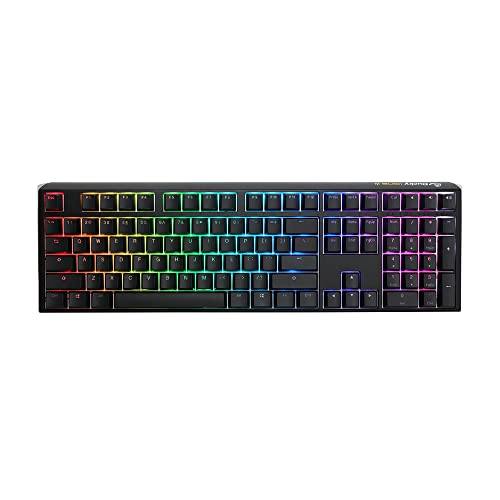
Ducky One 3 (100%) — the charismatic’s flagship
Badge: Best for design-led buyers
- Layout: full-size 100 percent
- Switches: Cherry Silent Red (listing), hot-swap
- System: Quack Mechanics dampening
- Keycaps: PBT doubleshot
- Lighting: RGB
Ducky’s representative is the modern flagship from its complete guide: hot-swap Cherry switches, Quack Mechanics dampening, doubleshot PBT and the house’s design confidence at full size. Against Leopold it offers evolution — swap the switches, chase the editions — and against Varmilo it offers legend permanence and a gaming-culture ecosystem. Its Silent Red variant also makes it the quietest flagship at this table.
- Strengths: hot-swap modern platform
- Strengths: editions and design culture
- Strengths: Silent variant for shared rooms
- Trade-offs: busiest catalogue to shop
- Trade-offs: RGB-era styling not for purists
- Trade-offs: premium pricing
Best for: design-led enthusiasts. Not suited for: minimalists.
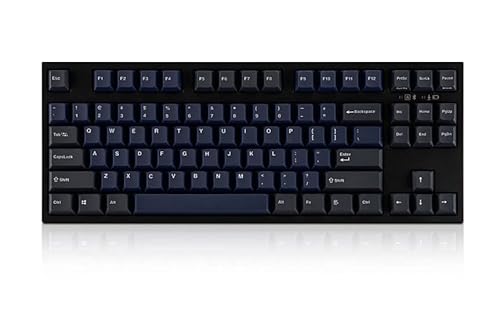
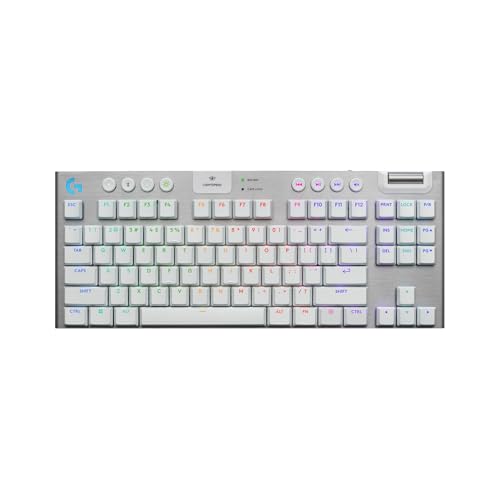
Leopold FC750RBT — the purist’s TKL, with Bluetooth
Badge: Best stock typing feel
- Layout: tenkeyless
- Switches: Cherry MX Red (listing)
- Connection: Bluetooth and wired
- Keycaps: doubleshot PBT (PD)
- Character: sound-tuned case, no RGB theatre
The FC750RBT is Leopold’s classic TKL with the modern concession: Bluetooth alongside the cable, Cherry switches, doubleshot PBT, and the case tuning that made the line the typist’s benchmark — a stock sound and feel that boards twice its price are measured against. It is the comparison’s connoisseur pick: the least theatre, the most typing. Its switches are fixed, so the listing’s temper must be chosen as a commitment — the purist’s terms, accepted by the purist’s buyers.
- Strengths: reference-grade stock feel and sound
- Strengths: Bluetooth plus wired
- Strengths: doubleshot PBT quality
- Trade-offs: fixed switches
- Trade-offs: no RGB, deliberately
- Trade-offs: availability runs in waves
Best for: typists and purists. Not suited for: switch swappers.

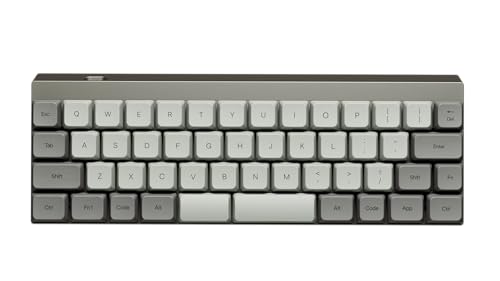
Leopold FC660M Vapor — the compact icon
Badge: Best compact traditionalist
- Layout: 65 percent
- Switches: Cherry MX Brown (listing)
- Keycaps: doubleshot PBT
- Design: Vapor colourway
- Character: the connoisseur’s compact
The FC660M is one of the hobby’s canonical compacts: a 65 percent board with a layout refined over years, doubleshot PBT, Cherry switches and Leopold’s sound discipline in a frame that fits anywhere. The Vapor colourway shows the house’s restrained approach to style — a palette, not a circus. For the compact buyer who wants the traditionalist virtues without Ducky’s theatre or Varmilo’s artwork, this is the comparison’s quiet recommendation.
- Strengths: canonical 65 percent layout
- Strengths: Leopold sound and feel
- Strengths: restrained, durable style
- Trade-offs: fixed switches
- Trade-offs: wired in this variant
- Trade-offs: premium for its size
Best for: compact purists. Not suited for: feature hunters.

Varmilo MA87M Love Birds — the artist’s TKL
Badge: Best for self-expression
- Layout: tenkeyless
- Switches: Varmilo EC Ivy (listing)
- Keycaps: dye-sub PBT, themed artwork
- Lighting: white LED
- Design: Love Birds theme
The MA87M in its Love Birds dress is Varmilo’s thesis typed out: a tenkeyless board whose dye-sublimated artwork turns the keycap set into an illustration, over sound construction and the house’s EC Ivy switches, whose smooth, quiet travel suits the board’s serene presentation. It is a genuinely good keyboard wearing art — the comparison’s pick for the buyer whose desk is a self-portrait and who refuses to choose between expression and quality.
- Strengths: artwork no rival attempts
- Strengths: smooth EC switch character
- Strengths: solid underlying construction
- Trade-offs: theme is a commitment
- Trade-offs: dye-sub legends, not moulded
- Trade-offs: EC switches divide opinion
Best for: expressive desks. Not suited for: the understated.

Varmilo VA Series V2 Summit R2 — the artist, dual-mode
Badge: Best Varmilo all-rounder
- Layout: tenkeyless
- Switches: Cherry MX Blue (listing)
- Connection: dual mode (wired and wireless)
- Keycaps: PBT, Summit theme
- Character: themed all-rounder
The VA V2 Summit R2 broadens Varmilo’s case: a themed TKL with dual-mode connection and, in the verified listing, classic Cherry MX Blue clickies under the artwork. It answers the comparison’s practical question — can the artist’s board also be the flexible one? — with a yes, and it gives the clicky traditionalist a themed option neither rival’s current listings match at this table.
- Strengths: dual-mode flexibility
- Strengths: themed design with Cherry switches
- Strengths: TKL practicality
- Trade-offs: clicky listing is room-dependent
- Trade-offs: theme commitment again
- Trade-offs: less purist than Leopold
Best for: flexible, expressive all-round use. Not suited for: quiet shared rooms (in this variant).
Sound, Feel and the Stock-Tuning Question
The three houses diverge most audibly in their stock tuning philosophies. Leopold tunes its cases as instruments — internal sound-absorbing material, case geometry and plate decisions aimed at a deep, quiet stock voice — and its boards are the comparison’s sound benchmark out of the box, the ones owners least often mod. Ducky’s One 3 answers with Quack Mechanics, its own dampening programme, arriving at a composed modern voice by engineering rather than by monastic discipline. Varmilo’s tuning is present but serves a different master: the board must sound good and look like the artwork, and its EC switches contribute a smoothness the MX houses do not offer. The modding consequence differs by house: Leopold owners mod least, Ducky’s hot-swap owners mod switches most, and Varmilo owners mod least of all — because changing the caps means changing the art. The full sound-first education lives in this cluster’s custom mechanical keyboard building guide; this comparison’s point is narrower: buy Leopold for the stock voice, Ducky for the evolvable voice, Varmilo for the voice that comes with a picture.
Keycaps Head to Head: Moulded, Moulded, Printed
The keycap comparison concentrates the three philosophies into one layer. Ducky moulds — doubleshot across the classic line, tripleshot where the design demands multi-colour legends — and treats the cap as precision manufacturing, with thickness and legend crispness that lead the segment. Leopold moulds classically — doubleshot PBT in restrained colourways, its legends and texture the reference standard against which reviewers calibrate the phrase “good stock keycaps”. Varmilo prints — dye-sublimation as an artistic medium, five-sided artwork on its themed sets, legends that are permanent in practice while serving palettes and illustrations no mould can produce. The buyer’s question is therefore not quality, on which all three clear the bar with room, but intent: do you want your legends engineered, classical, or illustrated? The legend science beneath the question — fade mechanisms, shine, care — is set out in this cluster’s double shot vs dye sub keycaps comparison, and its verdict matches this comparison’s: the processes are palettes, and the houses have simply chosen different ones with unusual conviction.
Switch Philosophies: Cherry Twice, and the EC Heresy
Two of the houses are Cherry loyalists and one is a heretic, and the comparison’s switch chapter is really about what loyalty buys. Ducky and Leopold both build on Cherry MX — the known quantities, the decade of evidence, the stems the whole keycap world fits — differing in that Ducky now lets you change your mind (hot-swap) while Leopold asks you to choose well once. Varmilo’s EC line abandons the MX mechanism for an electrostatic design whose travel owners describe as silk over structure: no metal contact’s scratch, a soft and quiet landing, and a smoothness that converts a specific kind of typist permanently. The heresy’s costs are ecosystem costs — EC stems and switches live outside the MX swap economy — and its benefit is a feel neither Cherry house can sell you at any price. A buyer should therefore treat the Varmilo decision as two decisions: the artwork, and a switch platform migration whose permanence deserves the same deliberation as Leopold’s fixed switches. All three houses, notably, agree on the deeper point: the switch is the soul of the board, and none of them ships a mystery switch to save money.
Availability, Pricing and the Patience Economy
The three houses sell in three different rhythms, and the buyer’s calendar is part of the comparison. Ducky’s catalogue is the broadest and most continuously stocked, its editions arriving on a published annual rhythm — the easiest house to buy from on a deadline. Leopold sells in waves through specialist retailers, its popular variants periodically scarce, and its buyers learn the traditionalist’s patience: the right FC model at the right switch is worth a restock wait, because the board will serve a decade. Varmilo’s themed lines rotate with their designs, so a specific artwork is a buy-it-when-you-see-it proposition, while its staple models persist beneath the rotation. Pricing across the three occupies the same premium production tier, differentiated by what the premium funds: Ducky’s editions and platform, Leopold’s tuning and restraint, Varmilo’s artwork and switch R&D. None of the three competes on price with the new wave, and none apologises for it — the patience economy is the traditionalist market’s native condition, and this comparison’s buyers are, by self-selection, the patient kind.
Three Desks Decided
The comparison in people, as this cluster’s comparisons conclude best. The writer-programmer whose desk is a quiet room and whose luxury is the sentence’s rhythm: Leopold, in the FC750RBT if the F-row matters or the FC660M if it does not, in the tactile or silent temper the room requests — and the matter is closed for a decade. The enthusiast-gamer whose desk is also a hobby bench and a small gallery of the culture: Ducky, One 3 generation, in the size the games prefer, with the edition calendar as a standing pleasure and hot-swap as the hobby’s door left open. The designer whose workspace is photographed, curated and personally expressive, whose tools are chosen the way their portfolio is art-directed: Varmilo, in the theme that is unmistakably theirs, with the EC switches’ smoothness as the private pleasure underneath the public artwork. Three desks, three houses, zero wrong answers — provided the temperament was read honestly, which is the only step in this entire comparison that cannot be delegated to a specification table.
Against the New Wave, Together
It clarifies all three houses to score them jointly against the gasket-mounted, tri-mode new wave that dominates the current market’s attention. Together, the traditionalists lose on connectivity theatre, on feature count per unit of money, and on the soft deep sound the gasket era made fashionable. Together, they win on everything time reveals: keycap quality that does not ask for a replacement purchase, switch pedigree, case substance, design that appreciates rather than dates, resale value, and a support commons measured in decades of accumulated community knowledge. The new wave’s best boards are excellent and this cluster recommends them constantly; the traditionalists’ claim is different in kind — that a keyboard can be a finished object, bought once, in a market organised around the next release. Ducky, Leopold and Varmilo are that claim’s three living proofs, differing only in what the finished object should feel like to live with: celebrated, purified, or painted. The comparison’s deepest service is to show that the three tempers are not a ranking but a wardrobe — and that most long-term enthusiasts eventually own more than one house’s work, because a life has more than one desk in it.
Mac Manners and the Professional Desk
A practical chapter the temperament poetry should not crowd out: all three houses serve the professional desk, with manners that differ in detail. Ducky’s boards carry the strongest Mac tradition of the three — layout toggles and Mac legends long standard in the box. Leopold’s BT line serves the multi-device professional with its Bluetooth pairing, and its wired classics serve the single-machine desk with zero ceremony. Varmilo’s dual-mode VA line splits the difference, and its Mac compatibility is stated across its current range. All three are NKRO-complete, standard-layout boards that any operating system accepts without drivers, which is the traditionalist tier’s quiet professional superpower: they behave identically on the office’s Windows fleet, the studio’s Macs and the home Linux box, because they ask the computer for nothing but a keyboard’s standard courtesies. The buyer whose desk is a workplace first should weight that universality heavily — it is the feature that never appears in the temperament debate and never stops mattering in the working week, as the profession-specific guides in this cluster, from the best keyboards for video editors and content creators desk onward, keep confirming.
Longevity and the Resale Ledger, House by House
All three houses build for the decade, but their second lives differ in ways a value-conscious buyer should price. Ducky’s editions are the segment’s collectibles — limited runs whose scarcity is calendared — and its standard boards hold value on the strength of the keycap and platform quality. Leopold’s boards hold value on reputation alone, the purest form of the asset: a used FC board in good order sells to a queue of typists who know exactly what it is, and its fixed switches simplify the used inspection to case, caps and cable. Varmilo’s themed boards hold value on their artwork’s rotation — a retired theme is gone — with the EC models carrying the additional caveat that their buyer pool is the EC-converted, a smaller and more devoted market. None of the three is a depreciating appliance in the usual electronics sense, and the buyer choosing between them on a ten-year horizon can treat resale as a shared virtue with three flavours: collectible, canonical, and artistic. It is one more way of saying the comparison’s thesis — the houses differ in temperament, not in seriousness.
The Sound Bout, Scored Round by Round
Because the traditionalist buyer often shops by ear, the comparison owes a scored sound bout with the gloves off. Stock depth: Leopold, whose case tuning is its life’s work, takes the round — the deepest, quietest factory voice of the three. Stabiliser discipline: Leopold again on the classics’ consistency, with Ducky’s One 3 generation close behind after its stabiliser programme. Switch voice: divided by mechanism — Cherry’s familiar music in two houses, the EC’s hushed smoothness in the third, a round that belongs to whichever mechanism the listener already loves. Modding headroom: Ducky, unopposed — hot-swap sockets and a standard platform make its voice the most evolvable, while Leopold’s is the most finished and Varmilo’s the most composed by its art. The bout’s total is therefore a personality profile rather than a score: the finished voice (Leopold), the evolvable voice (Ducky), the silken voice (Varmilo). A buyer who records their own typing and listens before shopping — the cluster’s standing advice in every sound-led guide — will hear which profile is theirs within a minute of each board’s sound tests.
What Each House Teaches Its Owner
The comparison’s most durable differences are pedagogical, because each house educates its buyer into a different connoisseurship. Ducky teaches design literacy — the owner learns to read colourways, editions and keycap processes, and emerges with an eye. Leopold teaches typing literacy — the owner learns to hear case tuning, feel stabiliser discipline and judge a switch by a week’s evidence, and emerges with hands and ears. Varmilo teaches expressive literacy — the owner learns that a tool can carry imagery without surrendering function, and emerges with a desk that argues for personality in objects. The educations overlap less than the specifications do, which is why cross-house ownership is the segment’s norm among veterans: the same person, educated three ways, keeps a Leopold for the writing desk, a Ducky for the gaming rig and a Varmilo where the light is good. A first buyer should therefore not ask which house is best but which education they want first — the others, if the segment takes hold, will follow in their own seasons.
The Verification Drill, Traditionalist Edition
All three houses punish the inattentive shopper in house-specific ways, so the comparison closes its practical duties with a combined drill. For Ducky: generation first (it decides hot-swap), then size code, then switch from the specification block, then the keycap process, then the edition year. For Leopold: the exact model code (the FC line’s numbers encode size and features), the BT-versus-wired variant, and above all the switch — fixed, permanent, and the listing’s most consequential word. For Varmilo: the switch family first (EC versus Cherry changes the platform, not just the feel), then the theme’s exact name, then the connection mode of the specific VA or MA variant. Three drills, one principle, which the whole cluster shares: in variant-rich traditionalist catalogues, the specification block is the product and the photograph is its portrait — buy the product. A buyer who runs their house’s drill buys the board the comparison recommended; a buyer who skips it buys a lottery ticket in a nice box.
Ergonomics and Desk Fit Across the Houses
The bodily arithmetic is shared — all three houses build standard-height rectangles in the classic sizes — but the details differ enough to matter to the comfort-led buyer. Leopold’s cases sit with a typist’s geometry refined over years, and its compacts pull the mouse hand in with the usual compact dividend. Ducky’s range spans the widest size ladder, so its ergonomic answer is mostly a size answer, with the SF as the house’s posture-friendly sweet spot. Varmilo’s TKLs are conventional in geometry, their comfort decided by switch choice — where the EC line’s soft landing earns genuine loyalty from heavy daily typists who find MX bottom-out fatiguing over long sessions. None of the three is an ergonomic board in the split or tented sense, and the buyer whose comfort needs are structural should shop the dedicated ergonomic guides; the buyer whose needs are the ordinary ones — a sane angle, a close mouse, a switch temper the room and hands agree on — will find all three houses fluent, with the EC’s landing as the comparison’s one distinctive comfort asset.
The Communities: Three Flavours of Devotion
Ownership support in the traditionalist tier is communal, and the three communities have distinct flavours a buyer will taste for years. Ducky’s is the largest and most festive — edition launches as events, desk photographs as a genre, a keycap culture that spills into the wider hobby. Leopold’s is the smallest and most technical — sound tests, switch evidence, a connoisseur’s archive in which a model’s reputation is maintained with almost academic care. Varmilo’s is the most visual — themed desks, artwork photography, and a collector’s attention to design runs. All three communities share the tier’s defining trait: their knowledge is written down, searchable and generous, so that a fault, a compatibility question or a switch recommendation for any of these houses is answered from a decade’s archive rather than a support ticket’s queue. In a market where young brands’ support is a forecast, the three archives are assets with balance-sheet reality, and the comparison counts them — festivity, rigour and beauty — as part of each house’s price.
A Buyer’s Decision, Performed Slowly
For the reader who wants the method executed rather than admired, here is the temperament test run on a representative buyer. She types for a living, games lightly, keeps a tidy and personal desk, and has never owned a premium board. The desk evidence: her current board’s worn spacebar says the typing is the main event; her desk’s one framed print says the personal matters but quietly; her evenings say the gaming is social, not competitive. The test reads: typing first, expression second, theatre last — which points at Leopold for the instrument, with the FC660M’s Vapor colourway quietly answering the expression line, in a silent or tactile temper for her shared flat. Ducky would have won if the gaming evenings were ranked play or the print wall were a gallery; Varmilo if the desk were her portfolio’s backdrop. The point of the exercise is that the evidence was all in her existing desk — no specification was consulted until the temperament had already chosen the house. Run the same honesty over your own desk and the comparison’s answer will already be standing there, waiting for its size and switch to be filled in.
Care and Keeping Across Three Finishes
The decade’s housekeeping differs subtly by house, and the comparison records it for the owner rather than the shopper. Ducky’s caps — doubleshot and tripleshot PBT — wash and return like new, and its cases wipe clean; the editions deserve the gentlest handling for their finishes’ sake. Leopold’s restraint is a housekeeping gift: no lighting systems to age unevenly, caps of the same washable PBT, and a case whose plain finish shows the least wear — the purist’s board looks newest at year five almost by definition. Varmilo’s artwork asks the one special care: the dye-sub legends themselves are wash-proof, but themed cases and printed finishes should meet soft cloths rather than solvents, because the art is the asset. All three share the tier’s deeper virtue — switches and platforms that outlast the finishes around them — so that care, in every house, is about preserving appearance rather than function. Function, in the traditionalist tier, takes care of itself; that sentence, true of all three, is the segment’s whole sales pitch in nine words.
Why Three Houses Survived the Decade That Ate the Others
The comparison ends its analysis with the historical question, because the answer is the buyer’s best warranty. The past decade’s keyboard market rewarded novelty at a pace that killed most of its mid-tier brands — out-featured by the new wave, out-priced by the budget wave, out-marketed by the gaming majors. Ducky, Leopold and Varmilo survived by refusing the same temptation in three dialects: each chose one excellence — design culture, typing purity, artwork — and defended it at full quality while the market’s centre moved around them. Survival on those terms compounds: the communities deepened, the archives grew, the resale firmed, and the brands became the segment’s fixed points by the simple method of not moving. A buyer choosing among them is therefore not really choosing features, which overlap, but choosing which fixed point to stand on — and the standing, on the evidence of the decade just survived, is good for another one. That is the closest thing to a guarantee the keyboard market offers, and all three houses offer it in their own temperament.
The Gift Test and the Office Test
Two standard tests sort the houses for buyers shopping on someone else’s behalf. The gift test: a Ducky is the celebratory gift — an object with occasion in it, editions and colourways that make the giving feel considered — provided the giver knows the recipient’s size; a Leopold is the connoisseur’s gift, right when the giver knows the recipient’s switch, and a small tragedy when they guess it wrong; a Varmilo is the personal gift, its theme a sentence about the recipient that no other keyboard can say. The office test: Leopold passes most quietly, its restraint and silent variants built for the shared room; Ducky passes with its Silent Red variants and fails gloriously in clicky Blue at an open-plan desk; Varmilo passes on manners and starts conversations its owner must be willing to have. Neither test ranks the houses — both rank the buyer’s knowledge of the recipient and the room, which is the comparison’s recurring lesson wearing two more costumes: in the traditionalist tier, the buyer’s self-knowledge is the specification that matters most.
Reading the Three Catalogues Without Drowning
A final literacy, because each catalogue hides its logic in a different place. Ducky’s logic is generational: find the generation first and the catalogue becomes a grid of sizes and colourways that any buyer can navigate. Leopold’s logic is codified: the FC numbers and suffixes encode size, switch mounting and connection with an engineer’s consistency, and ten minutes with the code turns the whole line transparent — the BT suffix for Bluetooth, the M and R families for their sizes, the PD for the doubleshot cap line. Varmilo’s logic is thematic: shop by artwork first and mechanism second, because the themes are the catalogue’s organising principle and the same mechanism wears many pictures. Three literacies for three houses, each learnable in an evening, and each a small proof of the comparison’s thesis — even the catalogues have temperaments, and the buyer who enjoys learning theirs has received the earliest possible signal about which house is home. The specification blocks, as everywhere in this cluster, remain the court of final appeal.
The Comparison Compressed to a Wallet Card
Everything argued above fits, at the end, on the card a buyer could carry into the purchase. Choose Ducky if editions, colour and an evolvable hot-swap platform make your heart beat faster; sizes from Mini to full; switch freedom included. Choose Leopold if the typing itself is the luxury and you know your switch; the stock sound and feel are the segment’s reference; restraint is the aesthetic. Choose Varmilo if the desk is a self-portrait and smoothness is your switch religion; the artwork is unmatchable and the EC feel is a genuine alternative mechanism. Common to all three: premium build, PBT keycaps, Cherry-class (or EC) switches, wired-first manners, standard layouts, decade service, strong resale. Decide by: temperament first, size second, switch third, variant verification always. The card is the comparison; the preceding pages are merely its evidence, assembled so the card’s three sentences can be trusted.
One More Axis: Noise Diplomacy
The shared-room question cuts across the houses in a pattern worth its own paragraph, because it reverses some expectations. The purist house is the diplomat: Leopold’s tuning and its silent-switch variants produce the comparison’s quietest stock boards, engineered quiet rather than merely damped. Ducky’s diplomacy is variant-based — Silent Reds in the flagship listing make it a considerate board, while its Blue variants are the loudest objects at this table, click bars and all. Varmilo’s EC mechanism is inherently the quietest switch family here — no contact click exists to damp — and an EC Varmilo in a shared room is a genuinely stealthy instrument wearing artwork. The axis matters because it is decided by the room rather than the buyer, and the room, unlike the temperament, cannot be argued with. A household negotiation should therefore run this axis before the temperament test: list the boards the room permits, then let temperament choose among the survivors. Diplomacy first, desire second — the order that keeps both the peace and the purchase.
The Second-Board Logic: Why Owners Cross Houses
The comparison’s last pattern is the one veterans will recognise as their own biography: second boards in this tier are almost always bought across houses, not within them. The Leopold owner who has purified the writing desk buys the Ducky for the gaming rig, because the second desk’s job is celebration rather than purity. The Ducky collector buys the Varmilo for the studio, where the artwork earns its keep in every photograph. The Varmilo artist buys the Leopold for the office, where the art would start conversations the calendar cannot afford. The pattern is not disloyalty; it is the wardrobe logic the comparison proposed at the start, confirmed by ownership: temperaments are contexts, and a life with several desks has several. The practical advice follows — a first buyer should not agonise as if the choice were eternal or exclusive. Choose the house your main desk’s temperament demands, type on it until its education settles, and let the second desk, when it comes, make its own argument. The three houses will all still be there, unmoved, which is rather the point of them.
The Houses’ Futures, Read From Their Pasts
A comparison that trusts these brands with a decade should say why the trust is rational rather than sentimental, and the evidence is behavioural. Ducky has spent a decade converting cultural capital into platform modernity — hot-swap, dampening, a performance tier — without diluting the design identity that created the capital. Leopold has spent it refusing, politely and profitably, to become anything other than the typist’s benchmark, adding Bluetooth the way a monastery adds a website: as a concession to the century, not a conversion to it. Varmilo has spent it deepening the one moat no rival can cross quickly — an artwork programme and a switch technology that are both its own. Three strategies, each coherent, each funded by loyalists who renew annually in the only currency that matters. Forecasts in this industry are worth little, but trajectories are worth something, and all three trajectories point the same way: these houses will be selling excellent, temperament-distinct keyboards when the current new wave is itself the old guard. Buy into whichever trajectory matches your desk, and the comparison’s work is finished.
What the Comparison Cannot Decide for You
Honesty about a comparison’s limits is part of its usefulness, and three questions in this one are genuinely undecidable from the page. The first is the EC question: no prose can transmit a switch mechanism’s feel, and Varmilo’s heresy must be typed to be judged — a fact the brand’s return-friendly retailers understand better than any reviewer. The second is the fixed-switch wager: whether a buyer will still love their chosen Cherry temper in year three is a question about the buyer’s own constancy, answerable only by their history with their current board’s compromises. The third is the artwork’s half-life: whether a themed desk will still delight its owner when the theme’s season passes is a question about the owner’s relationship with their own taste, which the wisest buyers consult as seriously as any specification. The comparison has decided everything decidable — build, caps, sound, platform, value, community — and leaves those three questions standing, plainly labelled, because a guide that pretends to decide them is selling certainty it does not possess. Type the EC if you can, interrogate your constancy honestly, and buy the art you would still choose in winter.
A Note on the Absent Fourth Chair
Readers of the traditionalist tier will notice the comparison seats three houses where a fourth name is often spoken — Filco, the Japanese elder whose Majestouch line defined the genre’s professional wing. The absence is the keyword’s, not the guide’s judgement: this comparison was commissioned among Ducky, Leopold and Varmilo, and Filco’s quite different virtues — soldered permanence, Costar stabilisers, Bluetooth conversions — are examined in full in this cluster’s Filco Majestouch keyboards guide. The note belongs here because a buyer deep enough in the tier to be reading this comparison deserves the complete map: the charismatic, the purist, the artist — and the elder, waiting in its own guide, with the oldest claim of all to the traditionalist crown.
The Thirty-Second Version, for the Impatient Traditionalist
The comparison compressed for the reader who has an edition or a restock waiting: the typing is Leopold’s, the culture is Ducky’s, the picture is Varmilo’s; the switches are Cherry’s in two houses and silk in the third; the caps are moulded, moulded and printed; the prices are premium in all three currencies of temperament. Choose the sentence that sounds like your desk, verify the variant like the drill prescribes, and buy once. Readers who want the temperament question pursued into a single house can go deeper with the Ducky keyboards complete guide after this comparison has done its sorting. Everyone else is ready — the houses have been waiting, unmoved, for exactly this decision.
The Last Word Belongs to the Typing
Every comparison in this tier should end by returning the decision to the only instrument that can finally make it: a week of typing. If circumstance allows — a friend’s board, a meetup, a generous return window — the houses should be typed, not merely read about, because their differences live below the threshold of specification: in the landing of a key, the hush of a case, the way a colourway changes a room’s mood at dusk. The comparison has done the work prose can do — it has named the temperaments, priced the platforms, drilled the variants and confessed its own limits. What remains is the evidence of the hands, which all three houses, in their different ways, have spent a decade inviting. Accept the invitation in whichever order your temperament suggests. The first board you type will teach you something; the third will tell you where you live.
Postscript: The Comparison’s Own Confession
Comparisons are supposed to end in verdicts, and this one has given several — but its honest confession is that the three houses have made the verdict form itself slightly absurd. When three manufacturers each execute a different excellence at full quality for a decade, the reviewer’s ranking says more about the reviewer than the reviewed. What a comparison can legitimately do — and what this one has attempted across its sound bouts, drills, desks and wallet cards — is translation: to render three temperaments legible enough that a reader can recognise their own. If the pages above have produced a moment of recognition — a house whose catalogue suddenly reads like it was stocked for you — the comparison has succeeded in the only way available to it. The rest is typing.
The Resale Test: What the Second-Hand Market Believes
Used prices are the market’s long memory, and these three houses are remembered differently. Leopold boards hold value like instruments — the soldered permanence that narrows their new market deepens their used one, because a five-year-old FC board is functionally a new one. Varmilo’s art editions behave like prints: common colourways depreciate gently, beloved collaborations occasionally appreciate, and condition of the artwork matters more than condition of the switches. Ducky’s annual editions split by year and colourway, the limited runs trading as collectibles while standard models price as tools. The buyer’s translation is reassuring in all three directions: none of these houses is a purchase you will regret at resale, and the differences among them say, one last time, exactly what the comparison has said throughout — permanence, art, and event, priced by a market that has typed on all three.
Frequently Asked Questions
Which brand has the best stock typing feel?
Leopold, by the consensus this comparison shares: its case tuning, doubleshot PBT and Cherry switches produce a stock feel and sound that serve as the segment’s reference. Ducky’s One 3 generation closed much of the gap with its dampening programme and adds hot-swap evolution Leopold mostly declines. Varmilo’s feel is its own — the EC switches’ smoothness is a different pleasure rather than a lesser one.
Which brand is best for gaming?
Ducky, of the three: RGB, hot-swap linears, a gaming-culture ecosystem, and a Pro tier with 8K polling in the wider line. Leopold and Varmilo game perfectly well — NKRO and wired response are table stakes — but neither house designs for the gaming desk first, and their buyers are rarely asking them to.
Are Leopold keyboards worth it if the switches are fixed?
For the buyer who knows their switch, emphatically yes — the fixed design is part of how the stock tuning is achieved, and Cherry switches outlast most ownerships. For the buyer still discovering their taste, the fixed switch is a genuine risk, and Ducky’s hot-swap platform is the safer first traditionalist board. The comparison’s rule: Leopold rewards certainty, Ducky forgives curiosity.
What are Varmilo EC switches?
Varmilo’s own switch line, using an electrostatic-capacitive-style mechanism that owners prize for an exceptionally smooth, quiet keystroke with a distinctive soft landing. They are not MX-stem switches, so keycap and switch swapping follow different rules than the MX houses — verify compatibility before planning mods. Typists who love smoothness often become EC loyalists; typists who love MX tactility’s snap usually stay with Cherry.
Which brand’s keycaps are best?
By legend permanence and manufacturing ambition, Ducky’s tripleshot PBT leads, with Leopold’s doubleshot the reference for classic quality. Varmilo’s dye-sublimated caps are the artists — multi-colour artwork neither moulding process can match — with legends that are permanent in practice for any realistic ownership, as the legend science in this cluster establishes. The honest summary: Ducky moulds best, Leopold moulds classically, Varmilo prints beautifully.
Which should a first-time premium buyer choose?
The temperament test: if you light up at editions and design drops, Ducky. If you want the typing itself to be the luxury and the desk to stay quiet about it, Leopold. If your desk is a self-portrait and you want the board in the picture, Varmilo. All three will type superbly for a decade; the differences that survive a decade are the temperamental ones.
Three houses, three temperaments, one standard of build: the charismatic, the purist and the artist. Buy the one that is yours, at the size your desk dictates and the switch your room allows, and the next decade of typing is settled. The comparison cannot choose your temperament for you — but it can promise that whichever house matches it, the keyboard will be worthy of the loyalty these three brands inspire.
And a genuinely final practical note, because the three houses share one last trait the comparison should honour: they reward the buyer who buys once and buys completely. Whichever house you choose, choose its board at the size and switch you actually want rather than the variant that happens to be discounted, keep its box and cable, and give it the full first month before judging — traditionalist boards reveal themselves slowly, as their stabilisers settle, their switches break in and their owner’s hands learn the case’s voice. The rushed verdict is the only wrong verdict available in this tier. Everything else — charismatic, purist or artist — is a right answer wearing its own colours.
A closing administrative word, owed to the houses’ shared complexity: buy these boards from their specialist retailers and verified listings, in the variant your drill selected, and keep the box. The box matters more in this tier than in any other in the cluster — editions, themes and canonical models all resell as complete objects, and the packaging is part of the object’s completeness, as is the cable and the manual with its switch chart. Ownership in the traditionalist tier begins at the unboxing and includes the archive of the thing itself. Keep it all, type for a decade, and when the board finally moves to its second desk — a child’s first serious keyboard, a colleague’s conversion, a collector’s shelf — it will go as what it always was: a finished object, from one of the three houses that never forgot how to finish one.