kajuandouglas.com is reader-supported. When you buy through links on our site, we may earn an affiliate commission.
Where to Buy a Hybrid Camera, and Why Portraits and Video Belong in One Body
The best cameras for portraits and video answer a brief that would have sounded like a fantasy fifteen years ago: one body that sits for a formal portrait session in the morning and shoots a cinematic interview after lunch, without either job feeling like the camera’s hobby. The hybrid era has genuinely arrived — autofocus that tracks an eye through a turn of the head, sensors that render skin as skin rather than as data, video that borrows the stills camera’s colour instead of apologising for it. This guide ranks six bodies by how completely they live that double life.
Portraiture and video stress a camera in opposite directions, which is what makes the good hybrids interesting. A portrait asks for stillness craft: precise focus on the nearer eye, gentle highlight roll-off on a cheekbone, a shutter that does not startle the sitter. Video asks for continuity craft: focus that glides rather than hunts, heat management across a twenty-minute take, audio that respects the voice. A camera that merely lists both features is common; a camera whose designers understood both crafts is what the six below were chosen for.
Lenses will enter this conversation constantly, and rightly — portraiture is the most lens-led genre in photography, and no body rescues a wrong lens. But the body sets the ceiling: its sensor decides the depth and low-light character, its autofocus decides how many frames survive a moving subject, its colour science decides how much of your evening goes to correction. Choose the body for the ceiling, then build the lens shelf beneath it over time.
Who is this guide for? The wedding shooter adding highlight films, the family photographer whose clients started asking for clips, the creator whose portraits and whose videos share one audience, the serious hobbyist whose grandchildren hold still for neither medium. If your camera bag must earn in two crafts, read on — the ranking is organised by which craft leads and which follows in each body, so you can match the camera’s centre of gravity to your own.
Key Takeaways
- Eye-tracking autofocus is the single feature that transformed both halves of this brief.
- The Sony Alpha 7 IV is the most balanced hybrid here — no weakness a working shooter will meet.
- The Canon EOS R6 Mark II leads for portrait colour and subject detection warmth.
- The Panasonic LUMIX S5II is the video-leaning pick, with stabilisation that frees the gimbal.
- The Fujifilm X-T5 serves portraitists who want film character straight from the camera.
- The Sony ZV-E10 II and Canon EOS R10 bring the hybrid life to smaller budgets and bags.
In this guide
Quick Picks
| Camera | Badge | Why it suits portraits and video together |
|---|---|---|
| Sony Alpha 7 IV | Best all-round hybrid | Full-frame depth for portraits, dependable 4K video, and autofocus that simply does not miss. |
| Canon EOS R6 Mark II | Best for portrait-led shooters | Beloved skin tones, superb subject detection and video strong enough for paid work. |
| Panasonic LUMIX S5II | Best for video-led shooters | Stabilisation and video tooling that treat filming as the main event. |
| Fujifilm X-T5 | Best character for portraits | High-resolution stills and film simulations that finish portraits in-camera. |
| Sony ZV-E10 II | Best compact hybrid | Creator-shaped video features and real portrait ability in a small APS-C body. |
| Canon EOS R10 | Best value entry to the hybrid life | Fast, friendly and capable in both crafts at the gentlest price of admission here. |
How Did We Choose These Hybrid Cameras?
We weighted the two crafts equally and punished specialists disguised as hybrids. A body with magnificent stills and video that overheats, crops brutally or focuses by hunting did not make the list; neither did a video star whose stills feel like frame grabs. Every pick below can carry a paid portrait session and a paid video job in the same week without its owner apologising to either client.
Autofocus received the heaviest single weighting, because it is where the two crafts’ needs converge. Portraiture wants the nearer eye, locked, at wide apertures where the depth of field is measured in eyelashes. Video wants the same lock sustained smoothly while the subject moves and speaks. Modern eye and subject detection delivers both, and the differences between these six are now matters of temperament — how eagerly focus transitions, how stubbornly it holds — rather than of competence.
Colour was judged the portraitist’s way: on skin, under mixed light, at the end of a long session. Cameras whose files need rescue before they flatter cost their owners evenings; cameras whose colour is kind out of the camera return those evenings. Video colour was judged by the same standard shifted — consistency between the stills and the footage from one body, so a hybrid shooter’s gallery and film feel like one author’s work.
Finally, the working details that decide real shoots: dual card slots for the jobs that cannot be re-shot, battery life across a wedding’s long afternoon, a screen that flips for the self-filmed piece to camera, a microphone input that respects the voice. Spec sheets bury these under resolution figures; working hybrids are built out of them.
What Makes a Portrait Lens Happy on These Bodies?
The classic portrait focal lengths — the fast 50mm and 85mm equivalents — exist because they flatter faces: enough distance to keep features in natural proportion, wide apertures to melt a background into colour. Every system represented here offers those lenses at several prices, and the honest advice is to buy the body with one good portrait prime rather than a body one tier higher with only a kit zoom. The prime is the portrait; the body is its instrument.
Depth of field is the portraitist’s signature and the hybrid’s first lesson in compromise. Wide open, a fast prime on a full-frame body gives that celebrated separation — and demands focus precision that only modern eye detection makes routine. The APS-C picks in this guide trade a measure of that separation for size and price, and repay it with lenses that are smaller, cheaper and easier to carry to the places portraits actually happen.
For video, the same primes behave differently: their wide apertures gather the evening light that makes footage glow, but their focus breathing and stepping-motor manners matter more than their sharpness. Several lenses in these systems are now designed with video behaviour in mind — quiet, smooth, optically corrected for breathing — and the hybrid shooter building a shelf should favour them, because a lens that serves both crafts is worth two that serve one.
Stabilisation completes the portrait-video bridge. In-body stabilisation steadies the handheld portrait at slower shutter speeds and smooths the walk-and-talk video shot; lens stabilisation helps the long end. The strongest combinations in this guide pair both, and the difference shows up exactly where hybrid shooters work: indoors, in available light, without a tripod’s permission to take your time.
How Should a Hybrid Shooter Actually Work a Session?
Plan the stills and the footage as one story rather than two jobs. The portrait session’s best light is the film’s best light; the pose that holds a gaze for the camera holds it for the lens beside it. Experienced hybrids shoot the stills first while the subject is fresh, then let the video grow out of the session’s relaxed tail — conversation, laughter, the walk between locations — because people who have been photographed well for an hour move beautifully for the camera that follows.
Audio deserves the same planning as light. A portrait forgives a noisy room; a video never does. Scout the location’s sound the way you scout its windows: traffic rhythms, refrigerator hum, the echo off hard floors. A modest microphone plugged into any body in this guide transforms footage more than a lens upgrade does, and the hybrid who learns that early saves every project that follows.
Settings discipline separates the crafts cleanly. Portraits live in aperture priority or manual with auto ISO as the safety net; video lives in shutter discipline — the frame rate and its matching shutter speed kept sacred while aperture and ISO do the adjusting. Bodies that let you store the two crafts as separate custom modes, as several here do, remove the cross-contamination that ruins takes: no 1/2000th video, no 24p portrait session.
And review like a hybrid. The contact sheet and the timeline are the same evening’s work: check that the stills’ colour and the footage’s colour agree, that the subject’s energy survived the transition between crafts, that you have the portrait for the wall and the clip for the phone. The bodies below were chosen to make that review a pleasure rather than an apology — files that match, focus that held, colour that flatters in both media.

Sony Alpha 7 IV — Best all-round hybrid
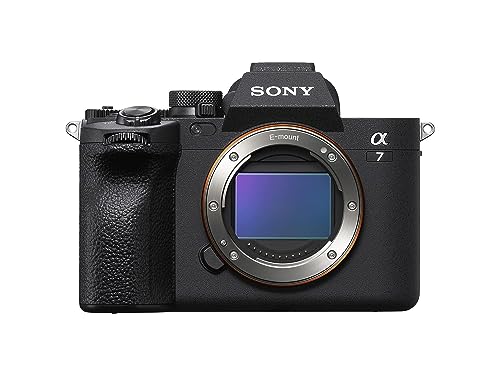
The Sony Alpha 7 IV is the camera this guide hands to the shooter who refuses to say which craft comes first. Its full-frame sensor gives portraits the depth and low-light grace the genre wants; its autofocus — eye tracking for people and animals that holds through turns, gestures and veils — has become the industry’s reference; and its 4K video is the dependable, professional kind: clean, consistent, and coloured to match its stills so a hybrid gallery hangs together.
Sony’s lens shelf is the hybrid’s second argument. No system offers a wider spread of portrait primes and video-mannered lenses at every price, including a thriving third-party shelf that keeps the total investment sane. The body’s working details respect the double life: dual card slots, a fully articulating screen, custom modes that keep stills discipline and video discipline from contaminating each other.
Its compromises are matters of taste rather than capability. The menu system rewards an afternoon of setup and then disappears; the body is a tool’s shape rather than a jewel’s, which working shooters call a virtue and romantics call a shame. Rolling shutter in its highest video modes asks for calm panning — the standard full-frame manners of its generation.
For the wedding shooter adding films, the portraitist whose clients ask for clips, the creator whose stills and videos share one audience, the A7 IV is the answer with the fewest asterisks in this guide. It does not win every subcategory below; it simply never loses one that matters, and across a year of mixed work that consistency compounds into trust.
- Sensor: full-frame, strong in low light
- Autofocus: eye tracking for people and animals
- Video: 4K with colour matched to stills
- System: the widest hybrid lens shelf available
Strengths
- No weakness a working hybrid will encounter.
- Autofocus that makes wide-aperture portraits routine.
- Stills and footage that grade as one body of work.
Trade-offs
- Menus reward setup time before they feel natural.
- Utilitarian handling lacks romantic charm.
- Fast pans in top video modes need care.
Best for: professionals and serious shooters splitting work evenly between portraits and video. Not suited for: buyers who want the smallest possible bag.

Canon EOS R6 Mark II — Best for portrait-led shooters
Ask portrait photographers why they stay with Canon and the answer arrives as a colour: skin, rendered the way memory insists it looked, warm and kind straight from the camera. The EOS R6 Mark II wraps that colour in the most portrait-minded body Canon makes below its flagship tier — deep subject detection that finds heads, eyes and faces in a crowd, in-body stabilisation that steadies the long portrait lens, and burst speed that turns a child’s expression into a selection rather than a lottery.
Its video is the strong second craft rather than an afterthought: clean 4K, the same forgiving colour, and focus transitions with a gentleness that flatters faces on film as it does in stills. For the portrait-led shooter whose video work is interviews, family films and wedding highlights, the R6 Mark II’s balance is exactly weighted — the stills are the headline, the footage never embarrasses them.
The honest notes: its resolution sits below the high-megapixel specialists, which large-print landscape shooters will feel more than portraitists ever will, and Canon’s RF lens shelf, while superb, prices its finest portrait primes at a level that asks commitment. Heat in the longest, highest-quality video modes is managed rather than abolished — plan interview days with the standard breaks real conversations contain anyway.
What lingers after a session with it is ease. Sitters relax because the photographer is not fighting the camera; the photographer relaxes because the eyes are sharp in frame after frame. Portraits are a social craft before they are a technical one, and this body understands the assignment in a way its spec sheet only hints at.
- Sensor: full-frame with beloved colour science
- Detection: faces, heads, eyes and animals
- Stabilisation: in-body, strong for handheld work
- Video: 4K with gentle focus transitions
Strengths
- Skin tones that flatter without an evening of editing.
- Subject detection that thrives in real sessions.
- A portrait-first balance with genuinely pro video.
Trade-offs
- Resolution trails the high-megapixel bodies.
- Finest RF portrait primes are an investment.
- Long top-tier video takes need heat awareness.
Best for: portrait photographers adding video to an established stills practice. Not suited for: shooters whose work is video-first and stills second.

Panasonic LUMIX S5II — Best for video-led shooters
Panasonic spent years as the video specialist whose stills were the footnote; the LUMIX S5II is the generation where the footnote grew up. Its video tooling remains the deepest in this guide — monitoring aids, recording formats and stabilisation that genuinely changes what one person can shoot handheld — while its phase-detect autofocus finally gives its stills and its focus transitions the confidence Panasonic users waited a decade for. Portraits from its full-frame sensor carry the depth the genre wants, and its colour has a clean, modern neutrality editors enjoy.
The stabilisation deserves its own paragraph because for the hybrid it is liberation. Walk-and-talk footage without a gimbal, a portrait at a shutter speed that should not work, the interview filmed in a garden with no tripod in the car — the S5II’s in-body system makes handheld the default rather than the compromise. Video-led shooters building a one-person production around a body will feel this advantage in every working week.
The L-mount lens shelf it draws on is a shared alliance shelf — Panasonic, Sigma and Leica glass on one mount — which gives portrait primes and video lenses at several prices, though the total catalogue still trails Sony’s. Its stills burst and tracking, while much improved, sit a half-step behind the two leaders above for chaotic action; for the deliberate pace of portraiture that gap rarely appears.
Choose it when the work tilts toward film: the documentarian who also shoots the poster, the wedding videographer adding stills, the creator whose portraits promote the videos. It is the hybrid for people who think in timelines and light in frames, and it treats their main craft with the seriousness the others reserve for stills.
- Sensor: full-frame, clean modern colour
- Stabilisation: class-leading in-body system
- Video: deep professional tooling and formats
- Mount: L-mount alliance lens shelf
Strengths
- Handheld video quality that frees the gimbal.
- Video features the stills-led rivals do not match.
- Autofocus finally equal to its ambitions.
Trade-offs
- Lens catalogue smaller than Sony’s or Canon’s.
- Action tracking a half-step behind the leaders.
- Stills identity still maturing in buyers’ minds.
Best for: video-led creators who need portraits to be fully professional too. Not suited for: sports-led shooters needing the fastest tracking.

Fujifilm X-T5 — Best character for portraits
The Fujifilm X-T5 is the romantic’s hybrid, and romance in portraiture is a technical feature: sitters respond to a beautiful camera, sessions slow to a human pace, and the files arrive with a character that other systems chase in editing. Its high-resolution APS-C sensor delivers portraits of genuine print quality, and Fujifilm’s film simulations — colour recipes descended from a century of film stocks — finish portraits in the camera with skin tones that have a devoted following for good reason.
Its video is the respectable second craft: sharp 4K-class footage with the same film character available, in-body stabilisation, and dials that make exposure a tactile pleasure rather than a menu errand. For the portraitist who films the session’s atmosphere — the studio day, the location walk, the behind-the-scenes film a client treasures — the X-T5’s footage carries the same signature as its stills, which is the hybrid ideal expressed as aesthetics.
The APS-C sensor sets its boundaries honestly. The very shallowest depth of field and the last stop of low-light grace belong to the full-frame bodies above, and its autofocus, while capable, is not the set-and-forget eye-lock of the Sony or Canon for fast-moving subjects. Its video tooling is likewise a step behind the Panasonic’s depth for production-led work.
None of that touches its centre of gravity. This is the camera for the portraitist whose clients buy a look, whose sessions are deliberate, whose films are atmosphere rather than broadcast. It makes the sitting itself feel like the craft it is — and sitters who feel that give the camera their best faces.
- Sensor: high-resolution APS-C
- Colour: film simulations with devoted portrait following
- Design: classic dials, deliberate handling
- Video: 4K-class with matching film character
Strengths
- Portraits finished in-camera with real character.
- Print-worthy resolution from a smaller system.
- Handling that slows a session down beautifully.
Trade-offs
- APS-C depth and low light trail full-frame.
- Autofocus not the leaders’ equal for chaos.
- Video tooling shallower than the Panasonic’s.
Best for: portraitists selling a look, who film atmosphere alongside stills. Not suited for: production-led video work or fast action.

Sony ZV-E10 II — Best compact hybrid
The creator economy produced its own hybrid shape — small body, flip screen, microphone first — and the Sony ZV-E10 II is its most complete expression that still takes portraits seriously. Its APS-C sensor and Sony’s E-mount shelf mean the portrait primes are real and affordable; its autofocus inherits the family eye-tracking; and its video features are arranged for the person who is simultaneously the subject, the crew and the audience.
Portraits from it surprise people who meet it as a “vlogging camera”. With a fast prime fitted, the files have the separation and colour of its larger siblings at a size that invites carrying — and portraits happen where cameras are carried. Its stills manners are simplified rather than compromised: fewer dials, more touchscreen, custom modes that keep the two crafts’ settings apart.
The trade-offs trace its size. There is no in-body stabilisation, so video smoothness leans on lens stabilisation and digital help, and stills at slow shutter speeds ask for care. The viewfinder is absent — composition is screen-based, native to its generation of shooters, a real loss in harsh sunlight for those raised on an eyepiece. Battery endurance suits a session, not a wedding.
Its role in this guide is the hybrid life at carry-everywhere scale: the young photographer building a portrait portfolio between video posts, the parent whose family films and family portraits share one small bag. It proves the double craft does not require a flagship’s size or price — only its seriousness, which this little body has.
- Sensor: APS-C with E-mount lens access
- Autofocus: Sony eye tracking inherited
- Design: flip screen, creator-first layout
- Stills: full portrait ability with fast primes
Strengths
- Real hybrid ability in a jacket-pocket system.
- Affordable fast primes complete the portrait kit.
- Video features shaped for solo creators.
Trade-offs
- No in-body stabilisation.
- No viewfinder for bright-light composition.
- Battery life is session-length, not day-length.
Best for: creators whose portraits and videos share one small kit. Not suited for: all-day event professionals.

Canon EOS R10 — Best value entry to the hybrid life
Every craft needs its honest doorway, and the Canon EOS R10 is this guide’s: an APS-C body with Canon’s colour, Canon’s subject detection and a turn of speed that embarrasses cameras above its station, at the gentlest price of admission here. For the shooter upgrading from a phone who already knows they want both portraits and video — the family documentarian, the student, the side-hustle beginner — it delivers the hybrid experience without the flagship invoice.
Portraits benefit first from the detection: faces and eyes found and held while children do what children do, with Canon’s skin rendering forgiving the mixed light of real homes. Add the affordable fast primes in the RF system and the files gain the separation that makes a dedicated camera’s case. Its video is clean and simple — the family film, the school play, the first client interview — with the same colour as its stills.
The boundaries are the price’s boundaries. No in-body stabilisation, so handheld video leans on lens IS and technique; a single card slot, so paid work asks for disciplined backup habits; an APS-C ceiling on depth and darkness that the full-frame picks exceed. Its video modes are the honest essentials rather than the production deep end.
None of that dims its purpose. The R10 is where the hybrid life starts for most people, and it starts it properly — real detection, real colour, a real lens system to grow into, including the same RF primes its bigger siblings use. Buy it with one fast portrait lens and it will teach both crafts the way a first instrument should: by being played daily.
- Sensor: APS-C with Canon colour science
- Detection: people, animals and vehicles
- Speed: fast bursts for family action
- System: RF lenses shared with pro bodies
Strengths
- The hybrid experience at the friendliest price here.
- Detection and colour inherited from pro bodies.
- Small, fast and encouraging to carry.
Trade-offs
- No in-body stabilisation.
- Single card slot for paid-work peace of mind.
- Video tooling is essentials-level.
Best for: beginners and family shooters entering both crafts at once. Not suited for: professionals needing dual slots and production video depth.
What About Sound, Storage and the Unglamorous Hybrid Kit?
A hybrid’s supporting kit decides more sessions than its sensor does, and it deserves the same deliberate buying. Sound first: the microphone that rides the camera or clips to the sitter is the video half’s portrait lens — the purchase that most changes how the work is judged — and every body here accepts one properly. Buy it before the second lens without a moment’s guilt. The audience for your film will never know which lens you used; they will know within four seconds whether the voice sounds like a person or a voicemail.
Storage is the second quiet system. Portraits arrive in bursts and video in rivers, and the card rotation that serves both is labelled, identical and boring: fast cards for the filming days, honest cards for the portrait days, a reader that empties both at the same speed, and a backup habit — two copies before the card is wiped — that treats a client’s session with the respect the dual-slot bodies were bought for. The hybrid who loses work loses it here, in the unglamorous hour after the shoot, almost never in the camera.
Power closes the trio. A wedding’s afternoon, a location day’s film — the battery fleet should be sized for the longest day in your diary, with the chargers that make the rotation a system rather than a hope. Several bodies here share batteries with their B-camera partners, which is a fleet argument the spec sheets bury and working hybrids plan around. Buy the fleet when you buy the body; the day you need it is not a day with a shop in it.
None of this diminishes the camera choice — it completes it. The six bodies ranked in this guide are the six whose supporting kits stay affordable, available and shared across their ecosystems. A hybrid is not a camera; it is a small, two-craft studio that happens to hang from one strap. Choose the body for its ceiling, then build the floor it stands on, and both crafts will feel professionally inevitable rather than occasionally lucky.
How Do You Build a Portfolio That Sells Both Crafts?
The hybrid’s commercial magic is a portfolio where the stills and the films introduce each other. A portrait client who sees the session’s thirty-second film understands the sitting’s value differently — the laughter between poses is proof of an experience, not just a product — and a video client who sees the stills understands the filmmaker’s eye. Build the portfolio as pairs: the portrait and its film, side by side, shot in the same light by the same author. No other marketing a hybrid makes is as persuasive, because no other marketing demonstrates the actual proposition.
Sequencing the pair’s production is a craft habit worth forming early. Shoot the stills at the session’s peak — the light best, the sitter warmest — and let the film gather the session’s whole arc, including the ordinary minutes at the start that make the peak believable. Clients reviewing the pair feel they are seeing a true story with a beautiful cover, and that feeling is what the premium hybrid studios actually sell. The cameras here support the sequence technically — one body, one colour signature, no costume change between media — which is precisely why the class exists.
Pricing follows the pairing. The film is rarely sold as a stranger’s add-on; it is sold as the session’s completion, priced while the client is looking at the portrait it completes. Hybrids who learn that timing stop discounting their second craft and start presenting it as the obvious half of a whole. The bodies in this guide, at every tier, produce pairs good enough for that presentation — the difference between tiers is the light they can work in and the scale they can print at, not the honesty of the offer.
The portfolio also disciplines the buying. Every lens, light and accessory should be interrogated by the pair test: does it improve the portrait, the film, or ideally both? The fast prime passes twice. The continuous light passes twice. The exotic stills-only gadget and the cinema-only rigging both fail once — and a hybrid’s shelves, kept honest by that test, stay small, matched and profitable. Your camera was chosen to live two lives; let everything it wears live two lives too.
Finally, let the portfolio include the learning. The early pairs, shown beside the recent ones, tell the hybrid’s favourite story: a craft compounding. Clients trust a trajectory, sitters relax for a photographer visibly going somewhere, and the archive becomes the argument for next year’s prices. Keep the first portrait and the first film you ever made with your hybrid. They are the portfolio’s foundation myth, and every body in this guide would be proud to have shot them.
Which Portraits and Which Videos? Matching the Body to Your Actual Subjects
Abstract hybrid talk dissolves on contact with a real subject list, so consider the four briefs that dominate this readership. The family brief — children, grandparents, the dog, birthdays and the annual film — rewards detection speed and forgiving colour above all: the R10 and R6 Mark II divide it by budget, because Canon’s face-finding and skin rendering were practically designed in a living room. Nothing in family work punishes a camera like a missed expression, and nothing rewards it like colour that makes a kitchen look like a memory.
The wedding and events brief is the professional’s examination: uncontrolled light, unrepeatable minutes, clients reviewing faces at full size. It argues for the full-frame trio — Sony’s certainty, Canon’s colour, Panasonic’s video depth — chosen by which half of the day the studio sells harder. Dual slots stop being a specification here and become insurance a professional cannot responsibly decline, and the second body stops being a luxury and becomes the backup that lets the first body be used boldly.
The creator brief — portraits that promote videos, videos that sell portraits, one audience across both — is the ZV-E10 II’s home ground and the A7 IV’s second home. Its deciding features are the flip screen, the microphone ecosystem and files that match between the stills gallery and the channel, because the audience experiences the two crafts as one author. Creators should also weigh weight honestly: the kit that travels to every location out-produces the kit that needs a reason, and several careers in this genre are built on APS-C for exactly that reason.
The studio portrait brief — controlled light, deliberate pace, prints on walls — is where the X-T5’s resolution and film character argue loudest, and where video becomes the behind-the-scenes film and the client consultation recording rather than a second product. Studios should notice that their lighting investment already serves both crafts; the continuous lights that model a portrait session film it beautifully too. The brief you actually have, written down in one sentence, will choose among these six more reliably than any ranking — including this one.
How Do You Direct a Sitter for Both the Frame and the Film?
The hybrid session’s human skill is direction that serves two media without making the sitter feel processed. The stills want held moments — a gaze settled, a breath paused — while the film wants the moments between: the laugh after the pose breaks, the hands settling, the glance away that reads as thought. Direct for the transitions and both crafts eat: ask the sitter to move slowly between poses, to speak while they settle, to look at the lens on your count and away from it on theirs. The camera that tracks an eye through all that — every body here can — turns direction into footage without a second setup.
Conversation is the hybrid’s lighting for the soul. A sitter answering a real question gives the portrait its expression and the film its voice in the same minute, which is why interview-style direction has become the working method of this camera class: questions prepared like a journalist’s, the camera rolling through the answers, the shutter firing inside the talk. Prepare three questions you genuinely want answered and the session stops feeling like a sitting at all — for the subject, and noticeably for the photographer too.
Wardrobe and setting translate between media with one adjustment: movement. A portrait forgives the busy pattern that video turns into shimmer, the jewellery that stills freeze and film makes sing and clink into the microphone. Ask for the simpler garment, the quieter accessories, the chair that does not creak — the film’s requirements, adopted as the session’s defaults, cost the portraits nothing and save the audio entirely.
End the session by showing both crafts. The back-of-camera portrait makes the sitter glow; the thirty seconds of footage played back makes them understand what the film will feel like, and sitters who understand become collaborators for the next session — they bring the better jacket, they relax faster, they book the family. The hybrid’s business is repeat intimacy, and the review ritual is how it compounds.
How Does Light Treat Portraits and Video Differently?
The hybrid’s deepest craft lesson is that the two media drink light differently. A portrait can live in a single perfect instant of window light, caught at a wide aperture while the sitter breathes; the camera’s job is to be ready in that instant. Video lives in duration: the same window light must hold its character across a conversation, and the camera’s job is consistency — exposure that does not wander, colour that does not drift as clouds move, a shutter discipline that keeps motion looking like memory rather than surveillance.
This is why the strongest hybrids feel calm. Their auto-exposure in video is damped rather than eager, their white balance locks or glides instead of hunting, and their profiles hold skin steady while backgrounds brighten and fall. When you test a hybrid — and you should, in a shop or on a rental weekend — film a face beside a window for three unbroken minutes and watch the light behave. That footage tells you more about the camera’s video soul than any resolution chart.
For portraits, the reciprocal test is the mixed-light room: tungsten lamps, a cool window, a face between them. Every body here renders that room kindly in its own accent — Canon warmly, Fujifilm nostalgically, Sony neutrally, Panasonic cleanly — and none of those accents is wrong. What matters is that the accent pleases you, because you will sign a thousand images with it. Choose the hybrid whose default colour feels like your memory of people, and both crafts inherit the choice happily.
Practical light kit follows from the same thinking. The portrait half asks for one modifier and a reflector; the video half asks for one continuous light that matches the room’s practicals. Hybrids who light for both buy the continuous light first — it serves the film directly and, at a pinch, models the portrait’s light while the strobe stays home. The bodies in this guide all have the sensitivity to make modest light look generous, which is why their owners’ kits stay small.
What Does a Year of Hybrid Growth Look Like?
Month one is honesty month. The new hybrid exposes which craft you actually reach for: most owners discover an eighty-twenty split they did not predict, and the discovery is valuable precisely because the camera serves both sides of it. Shoot the split without guilt. The portraitist who films rarely still owns a camera whose video saves the family’s milestones; the filmmaker who shoots stills monthly owns posters for every project.
By month three, the lens shelf starts telling the truth. Your library’s focal lengths cluster where your eye lives — the portraitist’s shelf grows a second prime, the filmmaker’s grows the flexible zoom — and the kit lens that started everything quietly becomes the spare. This is the correct order of knowledge: the photographs you took wrote the shopping list, which is why this guide keeps counselling bodies bought with one good lens rather than systems bought complete.
Month six usually brings the first paid or public work in the second craft: the portrait client who asks for a film, the video client who needs stills for the campaign. The hybrid owner’s answer is yes with a straight face, and that yes is the entire economic argument for this camera class. Say it enough times and the second craft stops being a bonus and becomes a second price list.
By the year’s end, the camera has disappeared — the surest sign the purchase was right. You think in sessions and stories rather than in settings; the custom modes hold your two disciplines; the files from January and December sit in one archive with one colour signature. That disappearance is what the six bodies here are really selling, at six prices and in six accents. The craft was never the camera. The camera is just the only one of your tools that had to be good at two crafts before breakfast.
How Do the Six Compare Side by Side?
| Camera | Sensor | Leans toward | Signature strength |
|---|---|---|---|
| Sony Alpha 7 IV | Full-frame | Perfectly even | Autofocus and lens shelf |
| Canon EOS R6 Mark II | Full-frame | Portraits | Skin colour and detection |
| Panasonic LUMIX S5II | Full-frame | Video | Stabilisation and tooling |
| Fujifilm X-T5 | APS-C | Portraits | Film character in-camera |
| Sony ZV-E10 II | APS-C | Even, compact | Creator layout, tiny kit |
| Canon EOS R10 | APS-C | Even, value | Detection at a starter price |
How Do You Practise the Second Craft Without Neglecting the First?
Deliberate imbalance, scheduled, is the method that works. Give the weaker craft a project with a deadline and an audience — a short film for a friend’s business, a portrait series for a local exhibition — because skills grow toward commitments, not toward intentions. The hybrid bodies here forgive the apprenticeship: their automatic modes hold the craft you know while you learn the one you do not, and their files stay consistent enough that the portfolio absorbs the learning curve without a visible seam.
Steal exercises across the crafts deliberately. The portraitist learning video should shoot the stills session as a film first — one continuous take, no cuts — and watch what the camera noticed that the shutter missed. The filmmaker learning portraits should freeze their own footage and study which frames would hang on a wall, and why the neighbouring frames would not. Each craft is the other’s cheapest teacher, and the hybrid body is the classroom both lessons share.
Review monthly, in pairs: one portrait, one clip, chosen as the month’s best of each, judged by the same question — did the subject come alive? The months where one craft lapses show immediately in that review, while there is still time to schedule its project. A year of those reviews is a curriculum no course sells, written entirely in your own subjects and your own light. The camera merely made it possible to study both crafts in one archive; the studying, as ever, is the photographer’s.
What Mistakes Do Hybrid Buyers Make?
Spending the whole budget on the body is the classic error. Portraits are made by lenses — the fast prime is the look — and a mid-tier body with a great portrait lens out-shoots a flagship wearing a kit zoom in this genre every day of the week. Hold back enough for the prime, a microphone and a second battery before upgrading any body on this list.
The second mistake is judging video by its resolution headline. The hybrid’s video life is decided by focus behaviour, heat, stabilisation and audio — the unglamorous quartet — far more than by the difference between one 4K flavour and another. Read the picks above for those traits; they are what your clients and your family will actually experience.
A third error is neglecting the transition skills. Portraitists new to video shoot moving stills — locked frames, no audio plan, shutter speeds from the stills habit — and conclude video is not for them. Give the second craft its own first month: shutter discipline, sound before picture, movement with intention. The bodies here forgive the learning; the craft rewards it faster than any other in photography.
One Last Test Before You Spend: The Borrowed Weekend
Every claim in this guide can be tested in a single borrowed or rented weekend, and the test is worth its small cost. Shoot the same sitter in the same window light on Saturday with the stills discipline, then film the same conversation on Sunday with the video discipline, and live with the files for a week before deciding. Notice which body made you think about the person rather than the camera, which files you opened twice for pleasure, which colour you would sign today. Hybrids are bought for years of double duty; a weekend of evidence is the cheapest certainty in photography, and the six bodies here have nothing to fear from it.
Final Recommendation
Match the body to the craft that leads your work. Even split, professional stakes: the Sony Alpha 7 IV. Portraits first with video rising: the Canon EOS R6 Mark II, or the Fujifilm X-T5 if character matters more than the last stop of light. Video first with portraits fully professional: the Panasonic LUMIX S5II. A small bag or a careful budget: the ZV-E10 II for creator-shaped work, the EOS R10 for the classic camera path.
Whichever you choose, complete the kit in the order the crafts demand: one fast portrait prime, one microphone, one spare battery, then — and only then — the second lens. The hybrid life is not two hobbies sharing a bag; it is one way of seeing that speaks in two grammars. These six bodies are fluent in both, and the one whose accent matches yours is the right camera.
Frequently Asked Questions
Full-frame or APS-C for portraits and video?
Full-frame gives the shallowest depth of field and the best low-light grace, which portraits love, at higher cost and size. APS-C bodies here still produce professional portraits and video with smaller, cheaper lenses. Choose by budget and bag first; the craft is served by both.
Which lens should a hybrid buy first?
A fast prime in the classic portrait range — the 50mm or 85mm equivalent for your sensor. It creates the portrait look immediately, films beautifully in available light, and teaches composition with your feet. A standard zoom can follow when video work demands flexibility.
Do I need a gimbal with these cameras?
Not to begin. In-body stabilisation on the full-frame picks and the Fujifilm smooths walking shots convincingly, and lens stabilisation helps the APS-C bodies. Add a gimbal when your video work becomes movement-led — many hybrids never need one.
Can one camera really match a dedicated video rig?
For interviews, events, family films and creator work, yes — these bodies were chosen because their video is professional in focus, colour and endurance. Dedicated cinema rigs still win for long-form production with crews, which is a different brief from the hybrid one.
How important is a microphone input?
More than any lens upgrade for the video half. Every pick here accepts an external microphone, and even a modest one transforms footage because audiences forgive soft pictures far sooner than bad sound. Budget for it from the start.
What settings keep stills and video from clashing?
Store each craft in its own custom mode: aperture-led settings for portraits, frame-rate and shutter discipline for video. Several picks here offer multiple custom slots. The habit prevents the classic hybrid errors — cinematic stills at 1/50th and jittery video at 1/2000th.
Which of these is best for a child’s portraits and the family film?
The Canon EOS R10 at the value end and the R6 Mark II at the professional end share the same virtues for family work: detection that keeps up with children and colour that forgives the light of real homes. Choose by how long the camera must serve — the R10 starts the journey, the R6 Mark II finishes it.
Do hybrid cameras need different memory cards for video?
Video asks more of a card than stills do — sustained writing rather than bursts — so buy cards rated for continuous video speed in the size your longest filming day needs, and keep the stills and video cards in one labelled rotation. The bodies here accept mainstream card formats, which keeps that rotation affordable.
Related Guides
Continue: the best cameras for professional photography on a budget, portrait lenses explained for every system, and the best cameras for wedding films and highlight reels.


