kajuandouglas.com is reader-supported. When you buy through links on our site, we may earn an affiliate commission.
Where to Buy
The best cameras for car filming live a harder life than any other cameras in this batch of guides: baked on dashboards in summer sun, frozen on windscreens in winter, vibrated by every road surface, and expected — depending on the owner — to produce cinematic road-trip footage, a vlog from the driver’s seat, a track-day record, or quiet evidence in the seconds before something goes wrong. The best cameras for car filming are therefore judged here on heat tolerance and mounting security first, stabilisation and field of view second, and image quality always — because a camera that peels off the glass at the crucial moment is not a camera but a souvenir. Buy through the Amazon listings linked in this guide, confirm the exact model name before ordering, and note honestly what this guide is and is not: these are action and compact cameras that film cars brilliantly from inside, outside and alongside. A dedicated dashcam is a different, dumber, more single-minded device, and the final section explains when that is actually what you should buy.
Car filming splits into four jobs that share a vehicle and nothing else. The road-trip film wants scenery, faces and the journey’s texture. The driving vlog wants a framed driver, clean speech and a camera that behaves in mixed light. The enthusiast’s footage — track days, mountain roads, the project car’s first start — wants data-like honesty about speed, line and sound. And the witness job wants continuous, unglamorous, always-on recording. The six picks divide those jobs between them, and each verdict says which job it is truly for.
Key Takeaways
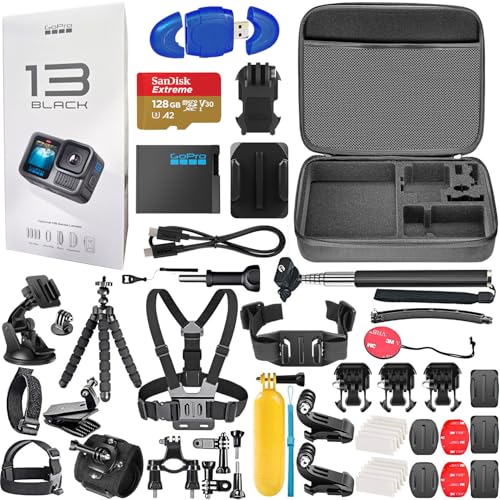
- The GoPro HERO13 Black is the car-filming default: mounts for every surface, stabilisation that eats vibration, and lens options for cabin and road.
- DJI’s Osmo Action 5 Pro is the heat-and-endurance pick, with low-light strength for night drives and dawn starts.
- The Insta360 X4 films the whole car at once — driver, road and scenery in one capture, framed later.
- Insta360’s Ace Pro 2 gives the richest image for road-trip films and pieces to camera at stops.
- The DJI Osmo Pocket 3 is the cabin specialist: a gimbal camera that makes driver vlogs look produced, used parked or as a passenger-side tool.
- The AKASO Brave 7 LE covers the witness-and-fun basics cheaply enough to live in the car permanently.
In this guide
Quick Picks
| Pick | Badge | Why it earns its place |
|---|---|---|
| GoPro HERO13 Black | Best all-round car camera | Every mount exists for it, and its stabilisation shrugs at bad roads. |
| DJI Osmo Action 5 Pro | Best for heat and night | Endurance and low-light footage for long and dark drives. |
| Insta360 X4 | Best for the whole scene | 360 capture of cabin, road and landscape in a single take. |
| Insta360 Ace Pro 2 | Best image quality | Road-trip footage with a finished, rich look. |
| DJI Osmo Pocket 3 | Best cabin vlogging | Gimbal smoothness for driver pieces to camera and walk-arounds. |
| AKASO Brave 7 LE | Best budget in-car | Cheap enough to live in the car as witness and spare. |
How Did We Choose These Cameras for Car Filming?
Mounting came first, because the car is a hostile mount environment: suction cups face temperature swings that soften adhesives, dashboards vibrate at frequencies that defeat weak stabilisation, and any camera that leaves its mount at speed becomes a hazard rather than a tool. We favoured cameras with deep, proven mount ecosystems and quick-release systems that survive daily removal — because a camera left visible in a parked car is a theft invitation, and the camera you take with you is the camera that films tomorrow. Second, thermal behaviour: cabin temperatures in a parked summer car exceed every specification’s comfort, and even on the move, a windscreen camera sits in direct sun for hours. Third, the filming itself — field of view wide enough for cabin context without funhouse distortion, stabilisation that distinguishes road texture from camera shake, audio that can find a voice inside a moving metal box. Fourth, power and recording manners for long drives: loop recording where the witness job needs it, USB power that plays well with the car, and files that do not demand a workstation at the motel.
Where Should a Camera Sit in a Car, and What Does Each Seat See?
The windscreen mount behind the mirror is the witness’s seat: the road’s honest view, number plates ahead, the least obstructed evidence — and the least interesting film, because nothing human is in it. The cabin-facing mount on the dash or screen turns the car into a studio: driver and passenger framed against the moving world, the vlog’s natural habitat, demanding a wide lens and light that changes by the second as the road turns. The exterior mounts — bonnet, roof, rear quarter — are the cinema seats, giving speed and landscape and the car’s own shape in frame, at the price of weather, security and legal common sense about protrusions. The passenger-held or passenger-mounted camera is the documentary seat, free to look where the story is. Most good car films cut between at least two of these; the picks below were judged partly on how gracefully they multiply — one camera repositioned at stops, or two cameras dividing the seats permanently.

GoPro HERO13 Black — Best all-round car camera
The HERO13 is the car camera the aftermarket already agrees with: suction mounts rated for exterior panels, roll-bar and headrest mounts, magnetic and quick-release options for the daily-removal reality, and stabilisation that has spent a decade learning what vehicles do to footage. Its lens-mod system earns a specific car mention — the ultra-wide for cabin work, where every centimetre of context counts, and standard lenses for the road ahead. GPS and telemetry overlays serve the enthusiast’s footage with speed and route data baked into the edit. Its honest car weaknesses are the action camera’s universal ones: it is a camera you start and stop deliberately, not an always-on witness, and a windscreen-baked unit in high summer wants its battery removed when parked in serious heat.
- Format: action camera, waterproof
- Mounts: the deepest car ecosystem available
- Lenses: interchangeable mods including ultra-wide
- Data: GPS telemetry overlays for driving footage
- Power: removable battery, USB-C for long drives
Strengths
- Any car position you imagine has a proven mount.
- Stabilisation that keeps bad roads watchable.
- Telemetry makes enthusiast footage genuinely useful.
Trade-offs
- Not an automatic, always-recording dashcam.
- Parked-car heat demands battery common sense.
- Lens mods for cabin work are extra purchases.
Best for: road-trippers, enthusiasts and creators filming cars deliberately. Not suited for: drivers who want fit-and-forget incident recording only.

DJI Osmo Action 5 Pro — Best for heat and night
The Osmo Action 5 Pro’s car case rests on endurance and darkness. Its battery outlasts rivals across the long driving days that define road trips, its low-light footage keeps night drives and tunnel exits honest where other action cameras smear, and its build has a reputation for thermal composure in sustained recording. The front screen serves the cabin-facing vlog from the driver’s seat, and DJI’s wireless microphone connection solves the car’s audio problem — a lavalier on the driver beats every in-camera microphone inside a moving vehicle — more neatly than any rival here. Its mount ecosystem is younger than GoPro’s but covers the car positions that matter, and its magnetic quick release is the fastest daily-removal system in this guide, which in car life is a security feature.
- Format: action camera, dual screens
- Endurance: long battery life for driving days
- Low light: the strongest night driving footage here
- Audio: direct wireless microphone connection
- Mounting: magnetic quick release for daily removal
Strengths
- Night and dawn drives stay clean and detailed.
- One battery covers what rivals need two to do.
- Driver audio solved properly with a wireless mic.
Trade-offs
- Accessory shelf still trails GoPro’s depth.
- No interchangeable lens system for cabin extremes.
- Like all action cameras, it is not a true dashcam.
Best for: long-distance drivers, night travellers and driving vloggers. Not suited for: mount collectors who want every exotic fitting ever made.

Insta360 X4 — Best for the whole scene
Mounted on the dash or the roof, the X4 records the entire event of a drive — the road unfolding, the driver’s hands and face, the passenger’s reaction, the landscape sliding past the side windows — and lets the edit choose its shots afterwards. For road-trip storytelling this is a superpower: the overtake, the vista and the joke are all in the same file. Its invisible-stick tricks give floating exterior shots at stops, and single-lens mode covers conventional footage when the sphere is overkill. The costs ride along honestly: files are large, every clip wants a reframing pass, the exposed lenses need care in a cluttered car, and as a witness it records everything except the legibility-first forward view a dashcam specialises in. As the creative car camera, it has no rival here.
- Format: 360-degree camera, dual lenses
- Capture: full sphere, reframed in the app
- Mounting: dash, roof and stick options
- Modes: single-lens conventional recording too
- Files: large; plan storage for road trips
Strengths
- The whole drive, captured in one take.
- Edits can find shots you never framed.
- Exterior floating shots without a camera car.
Trade-offs
- Every clip needs a reframing step.
- Lenses are exposed to car clutter and grit.
- Not optimised for plate-legible evidence.
Best for: road-trip storytellers and creators who edit with relish. Not suited for: drivers wanting instant, unedited clips.

Insta360 Ace Pro 2 — Best image quality
The Ace Pro 2 is the car camera for people who grade footage by eye: its large sensor gives golden-hour highway footage a richness the smaller action cameras chase, its flip screen is the best framing tool here for the parked walk-around and the driver’s piece to camera, and its low-light work keeps evening arrivals cinematic. In the cabin it behaves like a small cinema camera that happens to mount like an action camera. It yields to the GoPro on mount-ecosystem depth and to the DJI on outright endurance, and its size is a touch larger on a windscreen. For the road-trip film that will be watched for years — the big trip, the honeymoon drive, the farewell tour of a beloved car — its image is the argument.
- Format: action camera, large sensor, flip screen
- Image: the richest footage in this guide
- Low light: strong evening and tunnel work
- Mounting: magnetic quick release
- Audio: wind-managed, accessory mic support
Strengths
- Footage that makes ordinary roads look travelled.
- Flip screen perfects the parked-car pieces.
- Evening driving stays detailed and clean.
Trade-offs
- Mount ecosystem is capable, not encyclopaedic.
- Slightly bulkier on the windscreen.
- Premium pricing within the action class.
Best for: filmmakers of the great drive and quality-first creators. Not suited for: permanent in-car witness duty on a budget.

DJI Osmo Pocket 3 — Best cabin vlogging
The Pocket 3 is not a mount-it-and-drive camera, and this guide will not pretend otherwise — a gimbal camera belongs in a hand or on a parked car’s dash, not suctioned to a windscreen at motorway speed. What it does better than anything here is the human side of car content: the driver’s piece to camera at the viewpoint, the walk-around of the project car, the passenger-seat interview, the delivery-day reveal — all with a smoothness and face-tracking that make one person look like a crew. Its rotating screen suits the vertical formats car content now lives in, and its low-light work flatters evening stops. Used as the companion to a mounted action camera — which is how the professionals in this niche actually work — it completes the kit. Used as the only camera, it leaves the driving itself unfilmed.
- Format: gimbal camera, rotating screen
- Stabilisation: mechanical, for handheld work
- Tracking: face and subject tracking for solo creators
- Best seats: passenger hand, parked dash, walk-around
- Audio: strong built-in and wireless mic options
Strengths
- Cabin talking footage that looks produced.
- Walk-arounds and reveals with gimbal grace.
- Vertical formats handled natively.
Trade-offs
- Not a windscreen or exterior driving camera.
- A gimbal is a delicate thing in a car door pocket.
- Needs a mounted partner for the driving itself.
Best for: car vloggers, reviewers and anyone whose content is people plus cars. Not suited for: recording the drive itself, alone.

AKASO Brave 7 LE — Best budget in-car
The Brave 7 LE’s car role is the honest workhorse: cheap enough to live in the glovebox, bundled with the mounts and housing to start immediately, and adequate — genuinely adequate — as a forward witness on a commute and a fun camera on a weekend drive. Its stabilisation handles ordinary roads, its dual screens help the cabin angle, and its price reframes every risk calculation in this guide: a camera that costs this little can be left mounted, lent to the teenager, and replaced without a household summit if the worst happens. It will not match the leaders in darkness, heat stamina or image polish, and it is not a true automatic dashcam either. As the second camera in a two-camera car — rear-facing, say, behind the HERO13’s forward view — it is the smartest money in this guide.
- Format: budget action camera, dual screens
- Kit: mounts and housing commonly bundled
- Role: witness, rear view, glovebox spare
- Stabilisation: fine on ordinary roads
- Power: spares commonly included
Strengths
- Priced to be used without anxiety.
- The box contains a working car kit.
- Ideal second angle in a two-camera setup.
Trade-offs
- Night footage is its weakest suit.
- Heat stamina trails the leaders.
- App and polish are a generation behind.
Best for: commuters, second angles and first car-camera experiments. Not suited for: creators whose footage is the product.
How Do You Film a Drive So It Is Watchable?
Driving footage fails in predictable ways, and each has a craft answer. The unbroken forward view bores within a minute — cut it with the cabin, the mirrors, the hands, the passing detail, which is why two angles beat one better camera. The exposure that hunts through tunnels and tree cover distracts — lock exposure where your camera allows, or accept the hunting as the price of the automatic life and shoot the important pieces parked. The audio of a moving car is tyre roar and wind — the driver’s voice needs a microphone near the driver, full stop, and the DJI and Insta360 wireless options in this guide exist because that sentence is true. Speed itself needs translating: wide lenses make motorway pace look like a stroll, so include the roadside references — signs, bridges, the near verge — that let a viewer feel velocity. And the journey needs punctuation: the start ritual, the fuel stop, the arrival, filmed deliberately, because a drive film is a story with a middle that happens to be long.
What Mistakes Do Car Filmmakers Make?
The dangerous one first: interacting with a camera while driving. Set everything before moving, use voice control and one-press recording, and let missed footage be missed — no clip in this guide’s universe is worth a swerve. The legal one follows: know your jurisdiction’s rules on windscreen obstruction and exterior mounts, because they vary and ignorance is not a defence. The technical classics are a mount trusted past its adhesive’s life, a camera left baking on the dash until its battery swells, and a card that filled an hour into the once-a-year drive. The creative classic is filming only the road and wondering why the film feels empty — the car is a place where people are, and the people are the film. Finally, the security mistake: a visible camera in a parked car is an advertisement, so daily-removal mounts are not a convenience feature in car life. They are the whole security system.
How Do Track Days and Enthusiast Driving Change the Choice?
The enthusiast’s brief is data with pictures. Lap footage earns its keep when it can be reviewed like evidence: the line through the corner, the braking point, the hands — which argues for the HERO13’s telemetry overlays, a rigid mount that does not invent movement the car did not make, and a field of view that includes the wheel and the road in one honest frame. Sound matters here more than in any other car genre, because the engine note is information; an external microphone near the intake or exhaust, placed legally and safely, turns footage into a diagnostic. Track rules govern everything — many venues specify mount types and ban suction cups — so the enthusiast should build the kit around the strictest venue they attend. The AKASO as a second, expendable angle is a paddock tradition for good reason: the camera pointing backwards at the following pack is the one that collects the incident, and it should be the one whose loss is a shrug.
How Do You Film a Road Trip as a Film, Not a Feed?
Decide the story’s shape before the engine starts: where it begins, what the middle must contain, how it ends. Shoot the rituals — the loaded car, the first fuel, the border crossing, the arrival in the dark — because rituals are the plot points a journey actually has. Give each day one deliberate scene rather than continuous coverage: the market, the pass, the breakdown handled with humour. Rest the cameras on the plain stretches, both for the batteries and for the film’s sake, because an audience feels a journey through its highlights arranged, not its mileage endured. The X4 and the Ace Pro 2 divide this work by temperament — capture everything and direct later, or direct at the wheel and edit lightly — and either, used with intention, produces the film the family watches at Christmas rather than the folder nobody opens.
What About Filming the Car Itself — Reviews, Sales and Project Builds?
The stationary car is a product shoot with wheels, and it has its own grammar. The walk-around at the golden hour, low and slow, is the money shot — the Pocket 3’s home fixture, with the Ace Pro 2 as the mounted alternative. Detail sequences sell condition honestly: panel gaps, tread, the engine bay, the interior’s wear photographed rather than hidden, because buyers trust the seller whose camera does not flinch. A driving segment proves what stills cannot — the gearbox’s manners, the exhaust’s voice, the steering’s life — filmed from a chase car or a mounted position with the audio planned. Project builds invert the timeline: the camera’s job is the before, the during and the after, in the same light from the same corner of the workshop, across months. Every pick here serves some part of that grammar; the creator selling cars regularly should build around the Pocket 3 and a HERO13 and consider the kit complete.
How Do Heat and Cold Govern In-Car Camera Life?
The parked car is the most extreme environment consumer electronics meet: summer cabins reach temperatures that age batteries in weeks and soften every adhesive in this guide, while winter windscreens frost from the inside and condense on the lens at the first warm breath of the heater. The management is ritual. In summer, the camera comes out with the driver — quick-release mounts exist for this — or at minimum its battery does, and nothing lithium bakes on a dashboard by choice. In winter, the camera acclimatises before recording, the lens gets a breath-free minute to clear, and mounts are checked because cold plastics forgive nothing. The DJI’s thermal reputation and the AKASO’s replaceability are the two honest answers to this climate — endurance or expendability — and the wise owner picks per car: the good camera travels with the driver, the cheap one winters in the glovebox.
How Should a Two-Camera Car Setup Be Built?
By assigning each camera a seat it will not leave. The classic pairing is forward-plus-cabin: the road camera high behind the mirror, the cabin camera framing the occupants, both started at the same moment so the edit can cut on action. The enthusiast’s pairing is forward-plus-rear, the witness’s is front-plus-cabin for the rideshare and taxi reality where the record must include the passengers. Spend the money asymmetrically — the better camera on the angle the audience watches most, the AKASO-class camera on the insurance angle — and sync the pair with a clap, a horn tap or a shared timecode habit so the edit is minutes rather than archaeology. Power them from different circuits where the car allows, because a shared adapter’s failure should not silence both witnesses. A two-camera car, built this way, produces footage with a grammar — the cut itself becomes storytelling — that no single camera at any price in this guide can imitate.
What Does the Audio of a Car Film Actually Consist Of?
Four layers, recorded with different loyalties. The driver’s voice, close-miked or it is lost. The car’s own voice — engine, exhaust, indicators, the gravel under the tyres — which the audience reads as authenticity and which a well-placed camera microphone captures honestly. The road’s ambience, wind managed rather than eliminated, because total silence at speed feels like a simulation. And music, added in the edit, licensed properly, and mixed under everything rather than over it. The beginner records only the second layer by accident and wonders why the film feels mute; the practised car filmmaker plans the first layer before the journey and treats the rest as texture. This is why the microphone question appears in every verdict in this guide — in a car, audio is not an accessory to the picture. It is the half of the film the picture cannot rescue.
How Do You Keep Filming Through a Multi-Day Drive?
Logistics, in a repeating daily cycle. Cards offload each night to the laptop or drive — twice, in two bags — because a week’s journey on one card is a single point of failure with scenery. Batteries charge on the car’s own power while driving, so the hotel sockets are a top-up rather than a lifeline. The mount check joins the tyre-kick ritual each morning: adhesives re-seated, tethers inspected, lenses cleaned of the day’s insects before they bake on. And the shot list rides on the dashboard — the three scenes the day owes the film — because day four’s fatigue erases intentions that paper remembers. Road-trip filming fails logistically far more often than optically, and the crews whose films survive the week are the ones whose evenings include twenty unglamorous minutes of exactly this.
How Do Night Drives and Bad Weather Test These Cameras?
Darkness turns the car into a lighting problem with wheels: the cabin is a cave, the road ahead is a tunnel of headlights, and oncoming beams assault the exposure every few seconds. The cameras separate honestly here — the DJI and the Ace Pro 2 hold shadow detail and composure, the GoPros manage respectably, the AKASO reports the gist. Technique helps all of them: expose for the road rather than the dash, let the cabin fall to silhouette unless a small light serves it, and accept that night driving footage is about mood and headlights as much as detail. Rain adds the windscreen’s own performance — a clean, hydrophobic-treated glass is a lens accessory — and the wiper’s rhythm becomes an editing fact of life. Winter’s contribution is condensation and batteries, handled by the rituals in the climate section. A car film that includes the night and the weather honestly is worth three that only drive at noon in June, and the camera choice should be made for the difficult hours if those are the hours you drive.
What Should Renters and Borrowers of Cars Film With?
The hire-car reality — no adhesives allowed, no marks to leave, a camera that installs in ninety seconds and vanishes at return — argues for suction mounts used gently, the quick-release systems in this guide, and the Pocket 3’s mount-free existence. Film the rental’s condition at pickup with the same camera that will film the trip; the walk-around that opens a thousand sale listings also settles deposit arguments. Keep cables out of the driver’s footwell in an unfamiliar car whose pedal layout you have not learned, and prefer the passenger-side positions until the car is familiar. The travelling filmmaker’s kit in this guide — X4 or DJI, one suction mount, one microphone — fits a wash bag and answers to any car on any continent, which is precisely why rental counters are where these cameras quietly earn their reputations.
How Do You Decide Between Filming and Simply Driving?
Some drives are for the archive and some are for the driver, and confusing them spoils both. The filmed drive asks for stops, angles, retakes and patience from passengers; the driven drive asks for the road’s full attention and the pleasure of unrecorded miles. Decide before the ignition which drive this is, tell the passengers, and let the other kind go without guilt or footage. The cameras in this guide are patient — they will be in the glovebox, charged, for the drives that want them — and a filming habit that respects the unfilmed miles lasts decades longer than one that turns every journey into a production. The best car film of the year is usually made on the one trip that was planned as a film from the start.
How Do Electric Cars and Modern Cabins Change Filming?
The modern cabin is a filming environment its designers half-intended: quiet enough at speed that a driver’s voice finally competes with the road, screens everywhere that compete for the viewer’s eye in frame, and driver-assistance that frees attention on the long straights — attention that must still never go to the camera, a rule this guide repeats because the technology invites forgetting it. Electric silence flatters audio and exposes every rattle of a loose mount, making mount discipline audible. The glass roofs and panoramic screens of new cars change the cabin’s light beautifully and its heat brutally, strengthening both the DJI’s low-light case and the climate rituals. None of this changes the fundamentals — mount, mic, intention — but the car filmmaker of this decade works in a quieter, brighter, hotter studio than the one the previous decade filmed in, and the picks above were judged in that studio.
What Is the First Month With a Car Camera For?
Week one, positions: try every seat the camera will ever occupy on short, familiar drives, and review ruthlessly for vibration, framing and the exposure’s behaviour through your regular tunnels and trees. Week two, audio: record the same drive with the microphone in three places and learn where your car’s voice lives. Week three, the full ritual — a real journey filmed end to end, offloaded the same night, edited within the week while the lessons are warm. Week four, the deliberate film: one short piece, planned, shot and finished, that teaches the gap between your footage and your intention more honestly than a month of commuting clips. A driver who completes that month owns a car-filming practice; the camera, whichever of these six it is, has become what it was bought to be — a witness with taste, riding along.
How Do You Film Passengers Without Making It Weird?
Consent and habituation, in that order. Tell passengers the camera exists and what it is for, give anyone an opt-out that costs nothing, and then let time do the work — a camera that has been present for an hour of a journey stops being an event and becomes furniture, which is when passengers become themselves. The cabin-facing position should include the driver in its frame so the recording feels shared rather than surveilling, and the footage’s destination should be as agreed as its existence. Families develop this culture unconsciously; creators who carry strangers — rideshare content, interview formats — must build it deliberately, visibly, and in line with their local rules on recording people. The best car footage of people ever made was filmed by cameras the subjects had forgotten, with permission they had not.
How Should a Car Film Be Edited From Hours of Driving?
Ruthlessly, and by the journey’s beats rather than its chronology. Mark the moments while they are fresh — the view, the joke, the near-miss, the arrival — because a week later the hours blur into one long road. Build the film in the order an audience feels: departure’s energy, the road’s rhythm established in a few confident shots, the day’s one real scene given its full length, the arrival as resolution. Let real sound carry the transitions — the door slam, the indicator, the engine cooling — because a car film’s texture is its sound as much as its scenery. Cut the forward-road footage to a fraction of what was shot without a flicker of guilt; it is the connective tissue, not the story. The X4’s reframing and the telemetry overlays of the GoPro give the edit its variety, but the discipline is the same on every camera in this guide: the film is made in the cutting, and the cutting is an act of respect for the viewer’s hour.
How Do You Choose a Mount Like an Engineer Rather Than a Shopper?
Start from the failure you cannot accept and work backwards. If the camera must never enter the cabin’s space in a crash, the mount’s breakaway behaviour and its position relative to airbags outrank its convenience — a question worth asking a professional installer about, because airbag zones are not marked for camera shoppers. If the failure is the slow sag that ruins a day’s framing, the mount’s material and its locking, not its adhesive, are the specification. If the failure is theft, the mount’s release speed is the whole product. Rate every mount against the drive’s vibration with a five-minute test on your roughest regular road before trusting it with the journey that matters, and re-test at the seasons’ turn, because temperature is a mount specification that packaging understates. The camera gets the glory in car filming; the mount does the engineering, and it should be bought like it.
How Does Insurance and Evidence Thinking Apply to Creative Car Filming?
Even creative footage becomes evidence the day something happens in front of the lens, and a few habits keep that accident useful rather than regrettable. Keep the camera’s clock honest — an accurate timestamp is the difference between a record and a recollection. Do not delete the surrounding minutes in the edit’s first enthusiasm; the unedited card is the archive, the film is the excerpt. Know, before the moment, how you would hand footage to an insurer or an authority in your jurisdiction, because the middle of an incident’s aftermath is a poor classroom. None of this converts an action camera into a dashcam — the automation gap in the FAQ stands — but a deliberately filmed drive, kept whole, has settled many arguments that memory alone would have lost.
Comparison Table
| Camera | Car character | Best car job | Watch out for |
|---|---|---|---|
| GoPro HERO13 Black | Ecosystem champion | Every deliberate filming job | Not an automatic dashcam |
| DJI Osmo Action 5 Pro | Endurance and night | Long drives, driver vlogs | Smaller accessory shelf |
| Insta360 X4 | Whole-scene capture | Road-trip storytelling | Reframing step per clip |
| Insta360 Ace Pro 2 | Image quality | The great drive, filmed beautifully | Bulkier on the screen |
| DJI Osmo Pocket 3 | Cabin specialist | Pieces to camera, walk-arounds | Cannot film the drive mounted |
| AKASO Brave 7 LE | Budget workhorse | Witness duty, second angles | Night and heat limits |
Final Recommendation
Most car filmmakers should buy the GoPro HERO13 Black and the two mounts their filming actually uses. Night and distance drivers take the DJI; storytellers take the X4; image romantics take the Ace Pro 2; presenters add the Pocket 3; and the budget-conscious witness setup starts with the AKASO while saving for its partner. If what you truly want is silent, automatic, always-on incident recording with parking surveillance, skip this entire category and buy a proper dashcam — the honest tool for that single job. Everything above is for people who want to film the drive, not just survive it.
Related guides
- Best Car Cameras for YouTube: Action Cams for POV Driving and Road Trips
- Best Cameras for Filming Skating: 6 Picks for Lines, Parks and Follow Shots
- Best Cameras for Filming Outside: 6 Picks for Sun, Wind and Weather
Frequently Asked Questions
Can an action camera replace a dashcam?
For footage quality, easily — for dashcam behaviour, no. A dashcam starts with the ignition, loops forever, locks the file when it senses an impact and watches the parked car; an action camera does none of that automatically. Drivers who want evidence-grade automation should buy the dashcam and treat this guide’s picks as the creative layer. Drivers who film deliberately will find the action camera’s footage embarrassingly superior and its manners entirely manual.
How do I stop my camera falling off the windscreen?
Use mounts rated for the surface and the temperature, clean the glass properly before fitting, let adhesives cure for the hours their instructions demand, and add a tether to something solid for any exterior or high-value position. Heat is the usual culprit — a mount that held all winter lets go on the first hot day — so re-check seating at the seasons’ changes and never trust a suction cup with a camera you cannot afford to drop.
What is the best camera position for a driving vlog?
Cabin-facing, high on the dash or screen, angled to frame the driver against the moving world through the side window and windscreen — with the exposure locked for the driver’s face where the camera allows, because the road’s brightness will otherwise bully the metering. The DJI’s front screen and wireless microphone make this the most-produced-looking setup here; the Pocket 3, passenger-side or parked, is its polished alternative.
How do I power a camera on a long drive?
From the car’s USB or a 12V adapter, with a cable routed so it cannot reach the pedals or the wheel — and with the understanding that some action cameras record happily on external power with the battery removed, which also solves the parked-heat battery problem. Test the exact setup on a short drive: vibration works cables loose, and the middle of a motorway is the wrong place to learn it.
Is it legal to film while driving?
The camera must not obstruct your view, must not be handled while moving, and exterior mounts and recording of others carry rules that vary by jurisdiction — including audio-recording consent in some places. This guide’s advice is operational, not legal: set up parked, interact never, and check your local rules before the exterior mount’s first outing.
How do I film a car from outside while it is moving?
With a second driver, a chase arrangement, or a mounted camera on the subject car — never by holding a camera out of a moving car you are driving. The X4 on a roof or rear mount, or a HERO13 on a rated suction mount with a tether, gives the classic tracking looks safely. Plan the shot at a stop, drive the shot at moderate speed on a quiet road, and review before anyone goes home.
Can I leave a camera mounted in the car permanently?
You can, and the costs are the ones this guide keeps naming: heat ageing the battery, visibility inviting theft, adhesives ageing unseen. The permanent-mount life suits the AKASO’s economics best. For the dearer cameras, the quick-release daily-removal habit is the professional pattern — thirty seconds at each end of the drive, in exchange for the camera’s whole lifespan.
What memory card does a long drive need?
A high-endurance card sized for the day’s settings with a third to spare, plus a second card in the kit — because the failure mode of car filming is the full card discovered at the scenic pass. Offload nightly on trips, and treat the card as a consumable with a service life, replaced before it teaches the lesson itself.
Which camera is best for a rideshare or taxi driver?
For the record that protects the driver, a proper dual-channel dashcam is the honest tool — this guide’s action cameras are witnesses you operate, not appliances that watch. Drivers who also create content from their work, with passengers’ consent, pair that dashcam with the cabin strengths of the DJI or the Pocket 3 at stops. Keep the two jobs’ equipment separate in your mind even when they share the car.
How do I reduce wind and road noise in cabin audio?
Move the microphone, not the volume knob: a lavalier near the speaker defeats metres of air and noise more completely than any processing. Failing that, record the piece to camera at stops — the pattern the Pocket 3 exists for — and let the moving footage carry the car’s honest sounds, which audiences read as place rather than noise.
Do I need a second battery for a day of car filming?
For the mounted cameras, plan on it — a driving day outlasts a single action-camera battery at filming settings, which is why the DJI’s endurance is a headline here and why external USB power is the touring pattern. Keep the spare somewhere reachable at a stop, not buried under the luggage the day is carrying.
What frame rate suits driving footage?
The standard rate for the journey’s natural feel, higher rates reserved for the moments you intend to slow — the pass, the splash, the finish-line crossing. Shooting everything fast spends cards and batteries on insurance the edit rarely claims, and it starves low-light performance on the evening drives where these cameras are already working hardest.
Can I film through a tinted windscreen or a polarised windscreen well?
Mostly yes, with two cautions: heavy tints cost light the evening settings will miss, and some polarised or coated glass interacts oddly with camera polarisation and screens. Test your exact car on a short drive before the important journey — the combination of your glass, your mount position and your camera is a system no guide can fully predict.
What is the best first car-filming project for a beginner?
A familiar short drive, filmed deliberately: one mounted angle, one parked piece to camera, one arrival. It teaches mounting, exposure behaviour, audio reality and editing appetite in a single afternoon, at zero stakes — and it writes the shopping list for mounts and microphones from evidence rather than enthusiasm, which is how every durable kit in this guide’s world was actually built.
Should my car camera record in the highest resolution always?
No — record at the resolution your edit and your audience use, with headroom reserved for the shots you plan to crop. Maximum settings tax cards, batteries and heat budgets on every mile to benefit a minority of frames. The deliberate filmmaker chooses per scene; the car’s whole day at a sane setting beats its first hour at a heroic one.
How do I stop reflections of the dashboard in the windscreen footage?
Move the camera closer to the glass, angle it to minimise the reflected dash’s brightness, keep the dashboard clean and matte where you can, and consider a lens hood or a simple shade. A polarising filter helps some setups and hurts light in others — test on your own car, at the hours you actually drive, before the journey that matters.
Is voice control reliable enough to run a camera while driving?
It is the safest interface available and still an assistant, not a driver: test its vocabulary against your car’s noise at your speeds, keep commands to start and stop, and treat any fiddling beyond that as a stop-the-car activity. The goal is a camera that asks nothing of the driver’s hands or eyes — every feature in this guide is graded by that standard first.
What do I do with footage of an incident I witnessed?
Preserve the original file untouched, note the time and place while they are fresh, and offer it to the people or authorities it concerns through the proper channels in your jurisdiction. Do not edit, compress or re-upload the only copy. The camera’s memory is valuable precisely because it is not yours — keep it that way.
Can these cameras film in heavy rain from outside the car?
The action cameras here are waterproof and their footage in rain can be superb — spray, light and drama included — with the lens’s water behaviour the limiting factor rather than the body’s survival. Wipe at stops, prefer the positions the airflow cleans, and tether everything, because a wet mount at speed is a mount negotiating its resignation.
How long will an action camera record continuously in a car?
Until the battery, the card or the heat says otherwise — in practice, plan in one-to-two-hour movements per battery at filming settings, longer on external power, and always shorter in a sun-baked cabin. The loop and auto-start behaviours of a true dashcam remain the dividing line this guide has drawn throughout; within it, the DJI’s endurance is the class standard.
What is the best camera for filming a car chase scene in a short film?
A small fleet rather than a hero: HERO13s on the subject car’s rated mounts for the driving, an X4 for the impossible angles, and the Pocket 3 for the interiors at rest — all under a safety plan written before the fun starts, on closed or controlled roads, with drivers whose only job is driving. The grammar is professional even when the budget is not.
Should I buy a dedicated second camera for the rear view?
If your filming or your witness needs genuinely include what happens behind — the following traffic, the towed trailer, the pack on track day — yes, and the AKASO exists in this guide largely to make that yes affordable. Sync it, power it separately, and let it be the camera whose footage you hope is boring.
Related Guides
Keep exploring: best cameras for bike riding video, best cameras for cars and home security outdoor, and best action cameras for vacations.


