This best camera phones comparison puts six flagship camera phones side by side — the Samsung Galaxy S26 Ultra, the OnePlus 15 and OnePlus 15R, the Nothing Phone 3, and the Sony Xperia 1 VI and Xperia 1 VIII — and compares their cameras, screens, batteries and prices, so you can see which one takes the photos you want. A camera phone is judged by the pictures it takes in daylight, at night, of people and of distant subjects, and this guide works through each phone on those terms.
The six phones here take different approaches to the same problem: Samsung leans on AI and a versatile camera system, OnePlus on speed and Hasselblad color, Nothing on a four-camera system with a distinctive design, and Sony on a photographer's camera with manual controls. There is no single best camera phone, only the best one for the way you shoot, and the comparison table and the buying advice at the end will help you match the phone to your style.
In this guide
Quick picks: best camera phones comparison
| # | Product | Where to buy |
|---|---|---|
| 1 | Samsung Galaxy S26 Ultra | Check on Amazon |
| 2 | OnePlus 15 | Check on Amazon |
| 3 | OnePlus 15R | Check on Amazon |
| 4 | Nothing Phone (3) | Check on Amazon |
| 5 | Sony Xperia 1 VI | Check on Amazon |
| 6 | Sony Xperia 1 VIII | Check on Amazon |
How the picks were chosen
Camera system first: we compare the number of cameras, the main sensor approach and the software — Samsung's AI camera, OnePlus's Hasselblad tuning, Nothing's four 50MP cameras and Sony's photographer-focused controls.
Daylight, night and zoom: a good camera phone must handle all three, so we note the features that help each — AI processing, large batteries for long shoots, and high-resolution displays for reviewing shots.
Battery for shooting days: a camera phone that dies mid-shoot is useless, so battery capacity is quoted where the listing states it, from 5150mAh to 7400mAh.
Display for reviewing: a bright, high-resolution display matters for checking photos in the field, so screen size, resolution and refresh rate are noted.
Exact model and storage: each pick quotes its exact model, storage and color, since flagship phones ship in many configurations.
We also checked charging speed, since a camera phone that charges slowly is a liability on a shoot: Super Fast Charging on the Samsung and the large batteries on the OnePlus models both help, in different ways.
We also checked the selfie camera, since front-facing photos and video calls matter as much as rear photos: the Samsung and OnePlus phones lead here with sharp front cameras and good portrait modes, while the Sony models favor the rear camera experience.
Quick comparison
| Product | Key detail | Best for |
|---|---|---|
| Samsung Galaxy S26 Ultra | 256GB, AI camera, privacy display | buyers who want the newest AI camera phone. |
| OnePlus 15 | 256GB, Snapdragon 8 Elite Gen 5, 7300mAh | all-day shooters who want flagship speed and battery. |
| OnePlus 15R | 256GB, Snapdragon 8 Gen 5, 7400mAh | battery-life seekers who want a flagship camera phone. |
| Nothing Phone (3) | 256GB, four 50MP cameras, Glyph Interface | photographers who want four 50MP cameras and a unique design. |
| Sony Xperia 1 VI | 256GB, XQ-EC72, photographer's camera | photographers who want manual control and Sony color. |
| Sony Xperia 1 VIII | 512GB, XQ-GE74, 48MP camera, 120Hz OLED | photographers who want the newest Xperia with 512GB. |
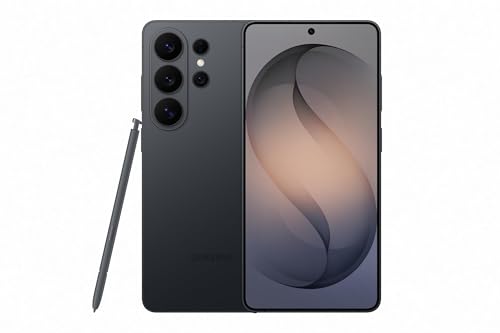
Samsung Galaxy S26 Ultra
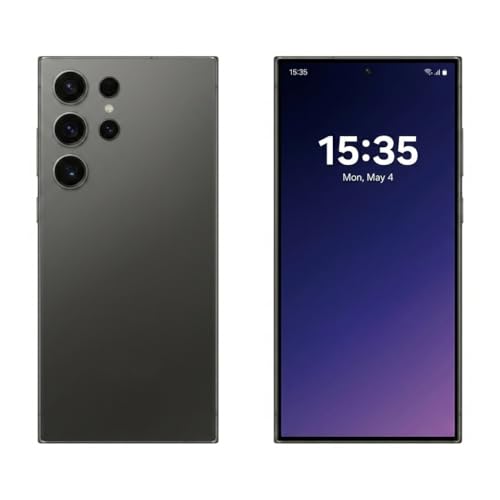
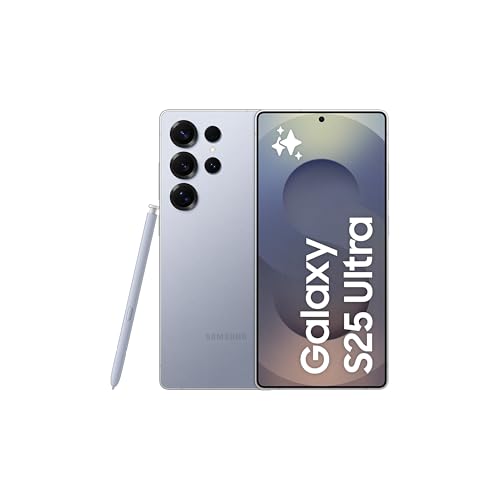
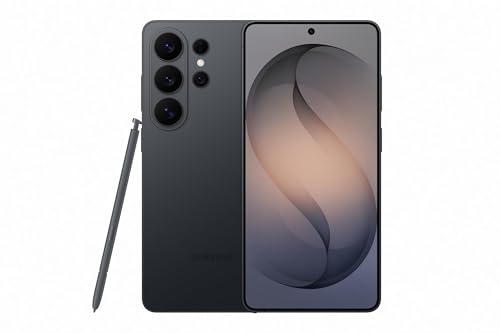
The Samsung Galaxy S26 Ultra is an unlocked Android smartphone with 256GB of storage in black, a privacy display, Galaxy AI, an AI camera, Super Fast Charging 3.0, a durable battery and a 2026 model year, with a one-year US warranty. It is the AI flagship in this guide, built around a camera system that leans on software as much as hardware.
The S26 Ultra's privacy display uses a viewing-angle filter to keep the screen hidden from people beside you, which matters on trains and planes, and Galaxy AI helps with photo editing after the shoot. The S26 Ultra's privacy display uses a viewing-angle filter to keep the screen hidden from people beside you, which matters on trains and planes, and Galaxy AI helps with photo editing after the shoot, from removing objects to improving low-light images. The durable battery is built for long days of photos, maps and messages, and Super Fast Charging 3.0 tops it up quickly between shoots. The Galaxy S26 Ultra's AI camera helps with framing and editing, and the privacy display keeps your screen hidden from shoulder-surfers on public transport, which is a thoughtful feature for a phone you use everywhere.
Galaxy AI on the S26 Ultra can remove objects from photos, expand a cropped shot and improve low-light images, which saves editing time for buyers who want good photos without learning software. Galaxy AI on the S26 Ultra can expand a cropped shot, remove an unwanted object and improve a low-light image after the fact, which saves editing time for buyers who want good photos without learning software. The one-year US warranty covers defects without a fight, and the 2026 model year means it will receive software updates for years.
Key specs: Samsung Galaxy S26 Ultra, unlocked, 256GB, black; privacy display; Galaxy AI; AI camera; Super Fast Charging 3.0; durable battery; 2026; US 1-year warranty.
Strengths:
- AI camera with Galaxy AI help for framing and editing
- Privacy display protects your screen in public
- Super Fast Charging 3.0 and a durable battery for long days
Trade-offs:
- Flagship price for the newest Samsung
- AI features need learning to use well
- Large flagship size needs two hands for some shots
This phone fits buyers who want the newest Samsung with the most AI help for their photos, and who shoot often enough to use the camera system fully.
Best for: buyers who want the newest AI camera phone.
Not suited for: budget buyers, or photographers who prefer manual controls.
Check price on Amazon: Samsung Galaxy S26 Ultra

OnePlus 15
The OnePlus 15 is an unlocked Android smartphone with 12GB of RAM and 256GB of storage, dual SIM, a Snapdragon 8 Elite Gen 5 processor, a 7300mAh battery and a 2026-era flagship build, in Infinite Black. It is the speed pick in this guide, with the fastest chip and one of the largest batteries of the six.
The OnePlus 15's Snapdragon 8 Elite Gen 5 chip processes photos instantly, so there is no shutter lag when a moment matters, and the 7300mAh battery means the camera is always ready. The OnePlus 15's Snapdragon 8 Elite Gen 5 chip processes photos instantly, so there is no shutter lag when a moment matters, and the 7300mAh battery means the camera is always ready. Dual SIM suits travelers, and the Infinite Black finish is understated and elegant, resisting fingerprints well for a phone you handle hundreds of times a day. The OnePlus 15's Snapdragon 8 Elite Gen 5 chip makes the camera app instant, so there is no shutter lag when a moment matters, and the 7300mAh battery means a full day of shooting without a charger.
The OnePlus 15's Infinite Black finish is understated and resists fingerprints well, and the dual-SIM support means a travel SIM and a home SIM can live in the phone at once. The OnePlus 15's OxygenOS interface is clean and fast, with useful customization options that let you tailor the phone to your habits, and the 12GB of RAM means the camera app stays open in the background without reloading. The 256GB of storage holds thousands of photos, and the dual-SIM support is a genuine plus for travelers.
Key specs: OnePlus 15, 12GB RAM + 256GB storage, dual-SIM, unlocked; Snapdragon 8 Elite Gen 5; 7300mAh battery; Infinite Black.
Strengths:
- Fastest chip in this guide with instant camera performance
- Huge 7300mAh battery for all-day shooting
- Dual SIM for travel and work numbers
Trade-offs:
- Flagship price
- Camera tuning favors OnePlus color science, which is a taste
- Large battery adds weight compared with slimmer phones
This phone fits power users and photographers who want the fastest phone and the longest battery life, and who shoot all day without wanting to charge.
Best for: all-day shooters who want flagship speed and battery.
Not suited for: budget buyers, or anyone who wants the smallest phone.
Check price on Amazon: OnePlus 15

OnePlus 15R
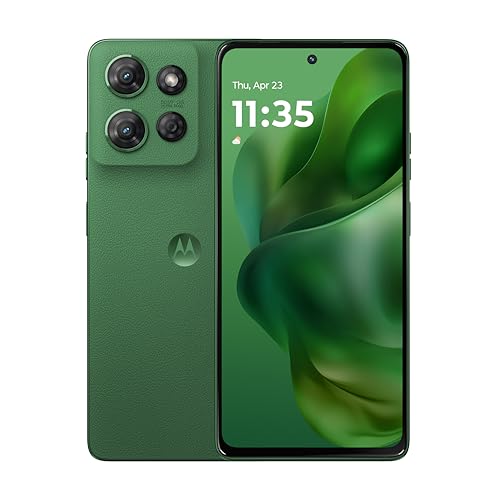
The OnePlus 15R is an unlocked Android smartphone with 12GB of RAM and 256GB of storage, dual SIM, a Snapdragon 8 Gen 5 processor and a 7400mAh battery, in Mint Breeze. It is the battery champion in this guide, with the largest battery of the six and a flagship-grade chip at a step below the OnePlus 15.
The 15R's 7400mAh battery is the largest in this guide, and it means the phone can shoot, navigate and stream all day without a charger, which is exactly what a travel photographer needs. The 15R's 7400mAh battery is the largest in this guide, and it means the phone can shoot, navigate and stream all day without a charger, which is exactly what a travel photographer needs. The Snapdragon 8 Gen 5 chip keeps the camera and the phone quick, and the Mint Breeze finish stands out from the black and grey flagships around it. The OnePlus 15R's 7400mAh battery is the largest in this guide, and it means the phone can shoot, navigate and stream all day without a charger, which is exactly what a travel photographer needs.
The 15R's Mint Breeze finish stands out in a sea of black flagships, and the Snapdragon 8 Gen 5 chip keeps the camera app quick even when the phone is hot from a long shoot. The 15R's Mint Breeze finish is a conversation starter, and the phone's large battery means you can shoot all day at a wedding, a festival or a hike without carrying a power bank. The Snapdragon 8 Gen 5 chip is a step below the Elite Gen 5, but in daily use the difference is hard to notice outside benchmarks.
Key specs: OnePlus 15R, 12GB RAM + 256GB storage, dual-SIM, unlocked; Snapdragon 8 Gen 5; 7400mAh battery; Mint Breeze.
Strengths:
- Largest battery in this guide at 7400mAh
- Flagship-grade Snapdragon 8 Gen 5 chip
- Distinctive Mint Breeze finish
Trade-offs:
- A step below the OnePlus 15 on chip and camera
- Large battery adds weight
- Mint color is a taste that not everyone shares
This phone fits buyers who want the longest battery life in a camera phone and a flagship chip, without paying the very top price.
Best for: battery-life seekers who want a flagship camera phone.
Not suited for: buyers who want the absolute fastest chip, or a small phone.
Check price on Amazon: OnePlus 15R

Nothing Phone (3)
The Nothing Phone (3) is a 5G unlocked phone with 256GB of storage, Android 15, a Snapdragon 8s Gen 4 processor, AI features, four 50MP cameras, an AMOLED display, a 5150mAh battery and the Glyph Interface, in black. It is the distinctive pick in this guide, with a four-camera system and a design that looks like nothing else.
The Nothing Phone 3's four 50MP cameras mean the ultrawide, the telephoto and the front camera match the main camera's quality, so switching lenses does not mean a drop in detail. The Nothing Phone 3's four 50MP cameras mean the ultrawide, the telephoto and the front camera match the main camera's quality, so switching lenses does not mean a drop in detail. The Glyph Interface gives a new way to see notifications without turning the phone over, and the AMOLED display makes photos look vivid when you review them. The Nothing Phone 3's four 50MP cameras mean consistent quality across the main, ultrawide, telephoto and front lenses, and the Glyph Interface gives a new way to see notifications without turning the phone over.
The Nothing Phone 3's Glyph Interface can be set to show different light patterns for different contacts, so you can tell who is calling without turning the phone over. The Nothing Phone 3's Glyph Interface can be set to show different light patterns for different contacts, so you can tell who is calling without turning the phone over, and it can be customized or switched off entirely. The Snapdragon 8s Gen 4 chip is a step below the flagship Elite chips, but it handles the camera and everyday apps smoothly.
Key specs: Nothing Phone (3), 5G unlocked, 256GB, Android 15; Snapdragon 8s Gen4; AI mobile phone; four 50MP cameras; AMOLED display; 5150mAh battery; Glyph Interface; black.
Strengths:
- Four 50MP cameras for consistent quality across lenses
- Distinctive Glyph Interface and design
- AMOLED display with a 5150mAh battery
Trade-offs:
- Snapdragon 8s Gen 4 is a step below the flagship Elite chips
- Glyph Interface is a novelty some buyers will not use
- Younger brand with a smaller service network than Samsung
This phone fits buyers who want a distinctive camera phone with a versatile four-camera system, and who value design as much as specifications.
Best for: photographers who want four 50MP cameras and a unique design.
Not suited for: buyers who want the fastest chip, or the biggest brand support network.
Check price on Amazon: Nothing Phone (3)

Sony Xperia 1 VI
The Sony Xperia 1 VI, model XQ-EC72, is a 5G dual-SIM phone with 256GB of storage and 12GB of RAM, factory unlocked for GSM networks, in Khaki Green as a global version. It is the photographer's phone in this guide, with a camera system built around Sony's camera heritage and manual controls.
The Xperia 1 VI's dedicated shutter button is a small feature that photographers love: it focuses with a half-press and shoots with a full press, just like a real camera. The Xperia 1 VI's dedicated shutter button is a small feature that photographers love: it focuses with a half-press and shoots with a full press, just like a real camera, and Sony's color science from its Alpha cameras gives film-like color that suits portraits and landscapes alike. The 21:9 display suits cinema and photo review. The Xperia 1 VI's dedicated shutter button focuses with a half-press and shoots with a full press, just like a real camera, and Sony's Alpha color science gives film-like color that suits portraits and landscapes.
The Xperia 1 VI's 21:9 display suits cinema and photo review, and its manual controls let photographers set shutter speed, ISO and white balance like on a dedicated camera. The Xperia 1 VI's global version works on GSM networks worldwide, which suits travelers, though it is not compatible with Verizon or Sprint CDMA networks, so check your carrier before buying. The manual controls let photographers set shutter speed, ISO and white balance like on a dedicated camera, which rewards skill and patience.
Key specs: Sony Xperia 1 VI, model XQ-EC72, 5G dual SIM, 256GB, 12GB RAM, factory unlocked, GSM only, not compatible with Verizon or Sprint; global version; Khaki Green.
Strengths:
- Photographer-focused camera with manual controls and Alpha color
- Dedicated camera experience from Sony's imaging heritage
- Global GSM version for international travel
Trade-offs:
- GSM only, not compatible with Verizon or Sprint
- Global version, so check bands with your carrier
- Camera rewards skill — beginners may prefer AI help
This phone fits photographers who want manual control and Sony color science, and who shoot deliberately rather than relying on AI.
Best for: photographers who want manual control and Sony color.
Not suited for: Verizon or Sprint users, or buyers who want AI to do the work.
Check price on Amazon: Sony Xperia 1 VI

Sony Xperia 1 VIII
The Sony Xperia 1 VIII, model XQ-GE74, is a 5G phone with 512GB of storage and 12GB of RAM, dual SIM plus eSIM, factory unlocked for GSM networks, with a 6.5-inch 120Hz OLED display and a 48MP camera, in Garnet Red as an international version. It is the newest Sony camera phone in this guide, with the largest storage of the six.
The Xperia 1 VIII's 512GB of storage holds years of photos and 4K video without needing cloud storage, and the 120Hz OLED display makes reviewing shots in the field a pleasure. The Xperia 1 VIII's 512GB of storage holds years of photos and 4K video without needing cloud storage, and the 120Hz OLED display makes reviewing shots in the field a pleasure. Dual SIM plus eSIM covers travel and work numbers, and the Garnet Red finish is the most striking color in this comparison. The Xperia 1 VIII's 512GB of storage holds years of photos and 4K video, and the 120Hz OLED display makes reviewing shots in the field a pleasure, with dual SIM plus eSIM for travel and work.
The Xperia 1 VIII's eSIM support means a travel plan can be added without a physical SIM, and the Garnet Red finish is the most distinctive color in this comparison. The Xperia 1 VIII's eSIM support means a travel plan can be added without a physical SIM, which is convenient for frequent travelers, and the 48MP camera behind the 120Hz OLED display produces sharp, detailed photos. As an international version it suits GSM networks, so confirm the bands with your carrier.
Key specs: Sony Xperia 1 VIII, model XQ-GE74, 512GB, 12GB RAM, SIM + eSIM, factory unlocked, GSM; 5G; 6.5-inch 120Hz OLED display; 48MP camera; international version; Garnet Red.
Strengths:
- Newest Sony camera phone with 512GB of storage
- 48MP camera with a 120Hz OLED display for review
- Dual SIM plus eSIM for travel and work
Trade-offs:
- International version, so check GSM bands with your carrier
- Sony cameras reward skill and patience
- Premium price for a niche photographer's phone
This phone fits photographers and travelers who want the newest Sony camera phone, the most storage and a superb display for reviewing shots.
Best for: photographers who want the newest Xperia with 512GB.
Not suited for: buyers on CDMA networks, or anyone who wants a simple point-and-shoot.
Check price on Amazon: Sony Xperia 1 VIII
Best camera phones: what matters most
Camera style: Samsung and OnePlus lean on AI and speed, Nothing on versatility across four lenses, and Sony on manual control. The best camera is the one that matches how you shoot, not the one with the most megapixels.
Battery for shooting: a camera phone is a working tool, and a 7300mAh or 7400mAh battery means you can shoot all day. Check the battery figure before the camera count.
Display for review: a bright, high-resolution OLED or AMOLED display matters in the field, since it is how you judge exposure and focus. A 120Hz display also makes the camera app feel smoother.
Video stabilization matters as much as stills: a phone that shoots smooth video while walking is worth more than one with a higher megapixel count but shaky footage, so check stabilization before you buy.
Think about the camera app as well as the hardware: a camera app that opens instantly will catch moments that a slow app misses, and the OnePlus and Samsung apps are among the fastest, while Sony's app rewards patience with control.
Think about the weight and the feel in your hand: a flagship camera phone is a device you will hold for hours while shooting, so a comfortable grip and a reasonable weight matter as much as the camera specifications.
Buying guide: choosing camera phones
Decide your style first: AI help and speed, four-lens versatility, or manual control. Try the camera app in the shop if you can, since the app is the part you will touch every day.
Check network compatibility: the Sony Xperia models in this guide are GSM-only global or international versions, so confirm they work with your carrier before buying, especially on Verizon or Sprint.
Compare storage and SIM: 512GB suits photographers who keep years of shots on the phone, and dual SIM plus eSIM suits travelers. Confirm the exact storage and color on the listing.
Check the warranty and the return window: a flagship phone is a big purchase, and a return policy lets you test the camera in your real shooting conditions rather than in a shop.
Check the color and storage on the listing before you buy: flagship phones ship in many combinations, and the wrong storage tier or an unwanted color is an expensive mistake to fix after the return window closes.
Check the warranty and the return window before you buy a flagship phone, since the camera is best judged in your real shooting conditions — daylight, night, portraits and video — rather than in a shop under bright lights.
Using and caring for your camera phones
Keep the camera lenses clean with a soft microfiber cloth, and use a case with a raised lip around the cameras, since scratched lenses soften every photo and cannot be fixed by software.
Back up photos regularly to the cloud or a computer, and keep the phone's software updated, since camera improvements arrive through updates long after the phone is bought.
Use a case that protects the camera lenses, since a scratched lens softens every photo, and clean the lenses with a microfiber cloth before important shots.
Use a screen protector that does not cover the front camera, since a protector over the lens softens selfies, and keep the phone's software updated, since camera improvements arrive through updates.
Common mistakes to avoid
Judging by megapixels alone: four 50MP cameras are versatile, but a well-tuned 48MP or 12MP main camera with great software can take better photos. Look at sample shots, not the number.
Buying a GSM-only phone for a CDMA carrier: the Xperia models here are GSM-only, so check your carrier first. A beautiful camera phone is useless if it cannot connect.
Shooting in the wrong mode: auto mode is fine for most shots, but night mode for dark scenes and portrait mode for people will improve your photos more than any new phone will.
Buying a phone for a single specification: a camera phone is a system — sensor, lens, software, battery and display working together — and a phone that wins on one number can lose on the experience. Try the whole phone, not just the camera.
Budget and value
Expect flagship prices across this comparison, with the OnePlus 15R and the Nothing Phone (3) offering the best value for battery and versatility, and the Galaxy S26 Ultra and Xperia 1 VIII commanding the most for AI and storage. Decide your camera style first, then your budget.
If the budget is tight, the OnePlus 15R gives the biggest battery and a flagship chip for less than the top tier, and the Nothing Phone (3) gives four 50MP cameras for less than a Samsung or Sony flagship.
Consider the total cost: a case, a screen protector and cloud storage add up, and the money saved on a OnePlus 15R over a top-tier flagship can cover all three with room to spare.
A flagship phone is a multi-year purchase, so divide the price by the years you will keep it: a phone you use for four years costs less per year than a cheaper phone you replace after two, and the camera is the feature you will use most.
Best camera phones comparison: which one wins for you
For AI help and everyday ease, the Galaxy S26 Ultra wins, with Galaxy AI guiding framing and editing. For speed and battery, the OnePlus 15 and 15R win, with the largest batteries in this guide. For versatility, the Nothing Phone (3) wins, with four 50MP cameras. And for manual control, the Sony Xperia 1 VI and 1 VIII win, with Alpha color science and a photographer's app.
There is no single winner, only the right fit: a point-and-shoot photographer should choose Samsung or OnePlus, a versatile shooter should choose Nothing, and a deliberate photographer should choose Sony.
Camera phones comparison: AI, manual control and color
AI photography and manual control are opposite philosophies: Samsung and OnePlus use AI to make every shot look good automatically, while Sony gives photographers the controls to make the shot themselves. Neither is better — they suit different photographers.
Color science is the other divide: Samsung favors vivid color, OnePlus favors natural Hasselblad tones, Nothing aims for a clean neutral look, and Sony favors the film-like color of its Alpha cameras. Try them in a shop and pick the color you like.
Camera phones comparison: prints, sharing and storage
Most phone photos never leave the screen, but the ones that matter deserve a print: a 48MP or 50MP photo prints well at large sizes, and the phones in this guide all produce files that hold up on paper as well as on screen. Check the print size before you crop aggressively, since cropping throws away the resolution a print needs.
For sharing, check the backup settings: automatic cloud backup means your photos are safe even if the phone is lost, and the Samsung, OnePlus and Nothing phones all offer it, while Sony relies on Google Photos. Set it up on day one.
Final recommendation
If you want the newest AI camera phone, the Samsung Galaxy S26 Ultra leads this comparison. If you want speed and battery, the OnePlus 15 and 15R are the picks, with the 15R winning on battery life. If you want four versatile cameras and a unique design, the Nothing Phone (3) is the choice. And if you want manual control and Sony color, the Xperia 1 VI and 1 VIII are the photographer's phones.
Whichever you choose, confirm network compatibility and the exact storage on the listing, and take a few test shots before you commit — the camera you enjoy using is the camera that takes your best photos.
Take the same photo on two phones before you buy: the same scene, the same light, and compare the color, the detail and the feel. The phone whose photos you like best is the right phone, whatever the specification says.
The camera you enjoy using is the camera that takes your best photos. Choose the style, check the network, and take test shots before you commit.
Frequently asked questions
Which camera phone is best overall?
It depends on your style: the Galaxy S26 Ultra leads for AI help, the OnePlus 15 for speed and battery, the Nothing Phone 3 for versatility, and the Sony Xperia 1 VIII for manual control.
Is a 48MP or 50MP camera better than 12MP?
Not necessarily — sensor size, lens quality and software matter more than the megapixel count. A well-tuned 48MP camera beats a poorly processed 108MP one.
Do I need a telephoto lens on a camera phone?
It helps for distant subjects, portraits and events, but a good main camera with digital zoom covers everyday shots. The Nothing Phone 3 and the Sony models cover telephoto needs best here.
Will a GSM-only phone work on my carrier?
It works on GSM carriers such as T-Mobile and AT&T, but not on CDMA networks such as Verizon or Sprint. Check with your carrier before buying a global or international version.
How important is battery life for a camera phone?
Very important: shooting photos and video drains the battery fast, so a 7000mAh-class battery such as the OnePlus 15R's means you can shoot all day without a charger.
What is the Glyph Interface on the Nothing Phone 3?
It is a set of lights on the back of the phone that shows notifications, calls and charging status without turning the phone over. It is distinctive, and it can be customized or switched off.
Which phone takes the best night photos?
The Galaxy S26 Ultra and the OnePlus 15 lead here, with AI night modes that brighten shadows without turning the photo to noise. The Sony models need more skill but reward it.
Do I need 512GB of storage for photos?
If you shoot a lot of video or keep years of photos on the phone, yes. For casual shooting with cloud backup, 256GB is enough.
Can a phone camera replace a dedicated camera?
For most people, yes — modern flagships take excellent photos in daylight and good photos at night, and they are always in your pocket. A dedicated camera still wins for long lenses, low light and manual control.
What is the best camera phone for video?
The Galaxy S26 Ultra and the OnePlus 15 lead here, with smooth stabilization and 4K recording, while the Sony Xperia models offer manual video controls for filmmakers.
Which phone is best for travel photography?
The OnePlus 15R leads for battery life, the Galaxy S26 Ultra for AI help, and the Sony Xperia 1 VIII for manual control and storage. Pick the strength that matches how you travel and shoot.
What is the best camera phone for beginners?
The Galaxy S26 Ultra or the Pixel-style approach: AI help with framing and editing means good photos without learning photography, while the Sony models reward skill and patience.
Do camera phones need a data plan for AI features?
Some AI features work on-device and need no connection, while others, such as cloud editing, need Wi-Fi or mobile data. Check which features work offline before relying on them while travelling.
How do I compare camera phones in a shop?
Take the same photo on each phone in the same light — a portrait, a low-light shot and a zoomed shot — then compare skin tones, detail and color on the phones' own screens.
Do camera phones replace a dedicated camera for travel?
For most travellers, yes — modern flagships take excellent photos in daylight and good photos at night, and they are always in your pocket, which is the real advantage.