kajuandouglas.com is reader-supported. When you buy through links on our site, we may earn an affiliate commission.
Where to Buy
A music video lives or dies in the first eight seconds, before the chorus, before the hook has finished introducing itself, and the best cameras for youtube music videos are the ones that understand what those eight seconds demand: a face lit by a single practical lamp in a bedroom studio, a guitarist’s hands moving faster than the eye can politely follow, a stage washed in colour that would turn a lesser sensor into soup. This guide is not about vlogging cameras that happen to record music, and it is not about general YouTube gear. It is about the specific craft of filming songs — performances that must sync to a track, stages that punish weak low-light behaviour, and edits that cut between angles on the beat.
Three pressures shape every choice below. The first is synchronisation: music video production almost always shoots to playback, which means the camera’s job is to deliver footage that an editor can lock against a recorded track without drift, fuss, or guesswork, take after take, angle after angle. The second is darkness with intent. Musicians light for mood, not for sensors — neon, haze, a single bulb, the blue hour behind a rooftop performance — and a camera that collapses in those conditions forces the artist to light for the equipment instead of for the song. The third pressure is multiplicity. One camera filming one take is a live session; a music video is built from several angles, several passes, several costumes of light, and the bodies here were chosen because they play well in ensembles as readily as they perform alone.
Readers who film covers in a spare room and readers who shoot three-camera club sets will find different rows of the same table waiting for them, and that is deliberate. What unites the six picks is a refusal to treat music as decoration. Each one handles the playback workflow gracefully, each one keeps its composure when the lighting designer reaches for saturation, and each one produces files that behave in an edit timeline where the downbeat is law. If your channel is built on songs — originals, covers, live sessions, lyric-driven performance pieces — the ranking that follows was assembled with your timeline open on the desk.
A word about audio, because musicians always ask and the honest answer shapes budgets. The finished soundtrack of a music video is almost never the camera’s recording; it is the studio track, the mixed live board feed, or a carefully produced performance recording, laid under pictures that were shot to playback. The camera’s microphone matters as a scratch reference — the clap, the count-in, the rough take that lets an editor align waveforms — and several picks below offer proper microphone inputs for exactly that reference duty. Buy the camera for its pictures and its sync manners. Let the audio department, even if the audio department is also you, do its own shopping.
Key Takeaways
- Music video cameras are judged on playback sync discipline, coloured-light composure, and how gracefully they share an edit with other angles.
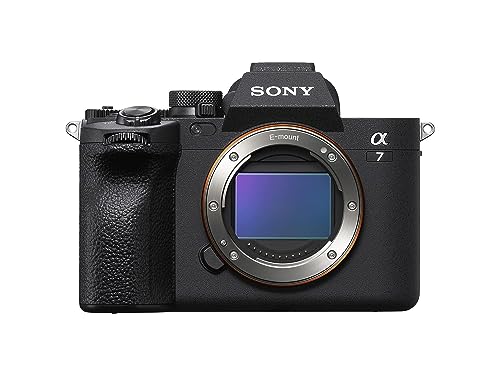
- The Sony Alpha 7 IV anchors serious productions, holding skin tones together under stage colour that breaks smaller sensors.
- Sony’s ZV-E10 II is the cover artist’s instrument: fast to set up between a day job and an evening shoot, honest in bedroom light.
- The Panasonic LUMIX S5II suits long club nights and multi-song sessions where recording stamina matters as much as image quality.
- Fujifilm’s X-T5 gives directors a filmic colour palette straight from the camera for fast-turnaround releases.
- The DJI Osmo Pocket 3 earns its place as the moving angle — walk-throughs, crowd passes, and one-take choreography shots no tripod body can imitate.
One discipline runs through every recommendation that follows, and it costs nothing: slate your takes like a professional even when the crew is one person and a phone playing the track. A visible clap, a spoken take number, a count-in left in the recording — these small rituals are what turn six cameras’ worth of footage into an afternoon’s edit instead of a week’s archaeology. The bodies below reward that discipline with stable files and predictable colour; no camera, however gifted, can rescue a shoot that never told the editor where the beat begins.
In this guide
Quick Picks
| Badge | Pick | Why it stands out |
|---|---|---|
| Best for Serious Productions | Sony Alpha 7 IV | Full-frame composure under stage colour, with the dynamic range to grade a performance like a short film. |
| Best for Cover Artists | Sony ZV-E10 II | Quick, forgiving, and sharp in a bedroom studio, with autofocus that tracks a singer instead of hunting the microphone. |
| Best for Live Sessions | Panasonic LUMIX S5II | Fan-cooled endurance for full sets, plus monitoring tools that keep exposure honest under changing stage light. |
| Best Colour Out of Camera | Fujifilm X-T5 | Film simulations that hand a finished mood to the edit, ideal when a video must publish while the song is still warm. |
| Best First Music Video Camera | Canon EOS R50 | Warm, flattering colour and simple manners for a first channel, leaving budget for the light that matters more. |
| Best Moving Angle | DJI Osmo Pocket 3 | A gimbal in a coat pocket for choreography walk-throughs, venue arrivals, and the roaming B-camera every edit craves. |
Notice what the table refuses to do: it does not rank by resolution, because a music video’s audience watches on phones, televisions, and laptop screens where lighting, focus, and colour decide whether a performance feels expensive. A modest body under one well-placed lamp outperforms a flagship under ceiling fluorescents every single time, and the picks were ordered with that hierarchy — light first, lens second, body third — held firmly in mind.
How We Chose These Picks
Judging imitated a release schedule rather than a camera show. Each body had to film a full performance to playback in a dim room lit by coloured practicals, hold a singer’s face while they moved between a microphone and a keyboard, and then do it again from a second angle so the two files could be intercut on a chorus. Cameras whose colour fell apart under mixed neon and tungsten, whose autofocus chose the mic stand over the singer, or whose footage drifted against the track across a four-minute song were marked down without sentimentality.
Low-light testing was musical, not numerical. We cared about what happens to a red wash on a face, whether blue stage light turns skin waxy, and how gracefully highlights on a guitar’s finish roll off instead of clipping to white. Numbers describe sensors; performances describe cameras, and a music video is a performance before it is anything else.
The ensemble test closed the judging. Modern music videos, even solo ones, are multi-angle edits, so each pick was assessed as a citizen of a set: does it match acceptably with the other bodies here after a basic grade, does it offer a clean feed for a director’s monitor, does it start and stop reliably take after take? A brilliant loner that fights the ensemble loses to a slightly quieter talent that harmonises, because the edit is where music videos are actually made.
Finally, turnaround mattered. YouTube rewards momentum, and a camera whose footage needs a colourist’s weekend before it can publish is a tax on every release. Bodies that deliver a publishable look quickly — honest colour, manageable files, no exotic workflow — earned credit that spec-sheet heroes did not.
What Makes Filming a Song Different From Filming Anything Else?
Playback changes everything. In ordinary video the world makes the sound and the camera follows; in a music video the sound already exists, perfected in a studio, and the picture must be persuaded to marry it. That inversion dictates the whole craft: performances are repeated to the same track, gestures are rehearsed against specific bars, and the camera’s reliability across identical takes becomes a creative tool. A body that starts recording instantly, every time, lets a singer stay inside the song; a body that hesitates between takes leaks performance energy that no edit can restore.
Repetition also exposes colour. Cut between take three and take seven and any drift in how a camera renders the room announces itself like a wrong note. The picks below were favoured partly for their consistency — the same red dress, the same amber lamp, the same face, rendered as the same thing at four in the afternoon and at midnight — because a music video editor’s worst enemy is not noise or softness but a camera that keeps changing its mind about what the room looked like.
Then there is the matter of movement written into music itself. Songs breathe in phrases, and good music video cameras are the ones whose operators can move with those phrases: a slow push through the verse, a handheld sway that finds the chorus, a gimbal walk that carries the bridge. Stabilisation, screen visibility at arm’s length, and grips that tolerate being danced with all matter here in ways they never do for a seated interview. The list deliberately spans tripod anchors and pocket movers because a song needs both grammars.
Audience expectation finishes the argument. Viewers raised on professionally shot performance video read production values as a proxy for musical seriousness, fairly or not. A wobbling, grey, out-of-sync upload tells a new listener that the song was not worth care, before the first chorus can argue otherwise. The cameras in this guide exist to remove that false testimony, at every budget the table offers.
How Do You Keep Several Angles in Sync Without a Crew?
Begin with the oldest trick in cinema, which survives because it works: a sharp sound at the head of every take, made where every camera can see or hear it. A clap in frame, a stick click, a handclap from the singer — the waveform spike it leaves in each camera’s scratch audio is the editor’s north star. Modern editing software aligns those spikes almost automatically, but only if the ritual was performed; the finest sync feature ever engineered cannot align a take nobody slated.
Playback discipline is the second pillar. Play the track from one loud source that every camera’s microphone can hear clearly, at a volume that dominates room reflections without distorting. Quiet playback in a reverberant room smears the reference waveform and makes alignment a guessing game, while a confident playback level gives each camera a crisp copy of the song to be matched against the master in the edit.
Choose frame rates and shutter habits as a set, not per camera. Angles shot with mismatched settings intercut with a subtle wrongness — motion cadence differing between the wide and the close-up — that viewers feel without naming. Decide the production’s look once, write it on a card taped to the main tripod, and set every body to it before the first take. The interchangeable-lens picks here make that discipline easy to keep across a set; the Pocket 3, used as a moving accent rather than a cutting angle, is forgiven its own cadence because its shots arrive as punctuation rather than conversation.
Finally, respect the long take. A four-minute song recorded continuously on two cameras gives the editor complete freedom; the same song recorded as forty fragments gives the editor forty alignment chores. Batteries, cards, and thermal stamina — the unglamorous virtues praised throughout this guide — are what make continuous multi-angle takes possible, and they are why a fan-cooled body and a pocket gimbal can belong in the same recommendation list without contradiction.
Which of the Best Cameras for YouTube Music Videos Fits Your Sound?

Sony Alpha 7 IV — Best for Serious Productions
When a channel graduates from covers to original releases — when the video is the single’s public face and will be judged beside label-funded work — this is the body that stops apologising. The full-frame sensor’s gift to music video is not sharpness but composure: a singer’s face half-lit by a window and half by a warm practical stays one face, with shadow detail that grades instead of crumbling, and highlights on skin that roll away gently rather than snapping to white. Directors shooting narrative pieces around a performance, the short-story-with-a-chorus format that wins festivals of attention, will feel the difference in every dusk exterior.
Its second gift is discipline under colour. Stage washes that turn smaller sensors garish — saturated magenta, deep cyan, the green of cheap LED pars — are rendered here as atmosphere rather than accident, because the sensor has the depth to hold hue and skin tone as separate facts. Pair it with a fast prime and the classic music video grammar becomes available in full: shallow focus isolating the vocalist from a hazy band, focus pulls that travel from a strumming hand to a face on the lyric’s turn, wides that still feel cinematic rather than documentary.
On set it behaves like infrastructure. A proper microphone input feeds it a clean scratch track for sync, the body offers the monitoring and output options a director’s screen requires, and its stills are strong enough that the same camera shoots the release artwork and the thumbnail session between takes. Hybrid creators, which is to say nearly every musician on YouTube, stop carrying two cameras when this one enters the bag.
The honest costs are size, price of entry into full-frame glass, and a seriousness that can intimidate a first production into overthinking. A bedroom cover does not need this camera; a release campaign does. Buy it when the songs have started arriving with visual ambitions attached, and it will serve several albums without becoming the weak link in any of them.
- Sensor: full-frame, for coloured-light composure
- Focus: face and eye tracking through performance movement
- Audio: microphone input for a clean sync reference
- Role: A-camera for releases and narrative videos
- Stills: strong enough for artwork and thumbnails
Strengths
- Skin survives saturated stage colour intact
- Grades like a short film in the edit
- One body covers video, artwork, and press shots
Trade-offs
- Full-frame lenses deepen the total investment
- More camera than a casual cover requires
- Demands deliberate lighting to show its best
Best for: artists filming original releases, narrative performance pieces, and anything destined for a press kit. Not suited for: beginners who need the camera to make every decision for them.

Sony ZV-E10 II — Best for Cover Artists
The cover artist’s production problem is time, not talent: songs are learned, arranged, filmed, and published inside lives that also contain jobs, families, and the small matter of practising. This Sony is engineered for that arithmetic. It sets up in minutes, its screen faces the performer so framing is confirmed from the singer’s chair, and its autofocus performs the one trick cover videos need most — holding the face while hands, instruments, and a microphone compete for its attention — then politely shifting focus to a product or an instrument held toward the lens for a closer look at the gear behind the sound.
Bedroom light is its native habitat. Under a single soft lamp and the spill of a window it produces colour that flatters without cosmetics, and its low-light manners at the sensitivities a lamp-lit room demands are composed rather than noisy. The interchangeable mount matters more than beginners expect: begin with the kit zoom, add a fast prime when the background deserves melting, and the same body grows from first upload to a channel with a visual signature, without a single re-learned menu.
Playback workflow suits it naturally. Its microphone input accepts a feed or a shotgun for a crisp scratch track, it behaves as a webcam for the livestreamed sessions and request shows that cover channels monetise between releases, and its files drop into an edit without ceremony. A performer filming alone can run the whole production — playback, slate, performance, review — from one chair, which is precisely how the most consistent cover channels actually operate.
Its limits are the familiar ones of its class: no in-body stabilisation to forgive a handheld walkabout, and a compact body that asks for a tripod or a desk mount as its home. Planted where cover videos are actually made, those limits rarely speak. For the singer whose release cadence is weekly and whose crew is themselves, this is the most persuasive instrument in the guide.
- Sensor: APS-C with interchangeable E-mount lenses
- Screen: faces the performer for solo framing
- Focus: face priority with product-showcase shifts
- Audio: microphone input for sync reference tracks
- Live use: webcam duty for session streams
Strengths
- Chair-to-published workflow is genuinely fast
- Flattering colour under one-lamp lighting
- Lens path grows with the channel
Trade-offs
- Handheld movement is not its talent
- Small body prefers a fixed mount
- Stage washes test it sooner than full-frame
Best for: solo cover artists, singer-instrumentalists, and weekly-release channels filming in home studios. Not suited for: multi-camera club productions as the only body.

Panasonic LUMIX S5II — Best for Live Sessions
Live session filming — the full-band take, the stripped-back set recorded in one pass for a channel’s session series — is a stamina contest disguised as an art form. Sets run long, rooms warm up under lights, and a camera that interrupts a performance to cool down has not merely inconvenienced the shoot; it has broken the take the musicians were building toward. The S5II’s fan-cooled design removes that anxiety from the room entirely, and its presence in this list is a vote for the unglamorous virtue of never being the reason the band had to stop.
Panasonic’s video heritage shows in the monitoring culture around the image: exposure tools that tell the truth under stage light that changes by the song, colour that holds together across a set list that travels from ballad to rocker, and an image with a density that suits the documentary honesty of session formats. Where a produced music video hides its machinery, a session video advertises its realness — and this body renders real rooms, real sweat, and real interplay between musicians with a respect that audiences read as authenticity.
It also anchors multi-camera session rigs gracefully. Set two or three angles rolling at the top of a set and trust them to still be rolling at the encore; the fan, the file discipline, and the body’s video-first controls make the long game its home territory. In-body stabilisation covers the handheld roaming angle between the locked wides, so a small crew can fake a larger one.
Concede the counterpoints: it is a substantial body for a cramped rehearsal room, and its lens ecosystem, while growing, asks for a deliberate choice of glass. Session producers, venues filming house content, and bands whose channel is built on live takes will find those costs trivial against the alternative — a camera that clocks out before the band does.
- Cooling: fan design for full-set recording
- Sensor: full-frame with stabilisation for roaming angles
- Monitoring: exposure tools that stay truthful under stage light
- Mount: L-mount alliance lenses
- Role: anchor body for session rigs
Strengths
- Never the reason a take stopped early
- Session footage grades with documentary richness
- Stabilisation frees one roaming angle
Trade-offs
- Large presence in small rehearsal spaces
- Lens selection needs planning
- Over-specified for single-song bedroom shoots
Best for: live session series, venue content teams, and bands filming full sets in one pass. Not suited for: creators whose entire production is one lamp and one chair.

Fujifilm X-T5 — Best Colour Out of Camera
Some videos are graded for a week; others must exist by Friday because the song is having its moment now. The X-T5 serves the second kind with a gift no other pick matches: Fujifilm’s film simulations, colour palettes descended from decades of motion-picture and still film stock, available in the camera at the moment of the take. A director can shoot a performance in a soft, nostalgic palette or a harder, contrasty one, commit to the mood on set where the musicians can see it, and publish footage that already looks like a decision rather than a draft.
That immediacy changes the creative conversation. Instead of promising that the video will look like something later, the team watches playback on set that already carries the song’s emotional temperature — the faded warmth for the folk ballad, the cooler restraint for the electronic piece — and performs toward it. Artists who think in album aesthetics, who plan a visual era per release cycle, find in this body a collaborator rather than a recorder.
The camera around the colour is thoroughly serious: a high-resolution APS-C sensor that renders detail in wardrobe, instruments, and set dressing far beyond what its price of entry suggests, dials that invite deliberate manual control, and stills that make it a genuine tour and artwork camera between video projects. Its video manners under stage colour lean filmic rather than forensic, which is precisely the accent many independent releases are chasing.
Its trade-offs are matters of taste and rigging: autofocus that is capable rather than clairvoyant, a photographer’s control layout that video-first shooters must court before it feels natural, and no fan for the longest continuous sets. For the director-led, colour-first production — the majority of memorable independent music videos — those are acceptable terms, and the footage argues the case every time it is screened.
- Colour: film simulations committed on set
- Sensor: high-resolution APS-C for detailed sets
- Controls: tactile dials for deliberate shooting
- Stills: artwork-grade between video projects
- Role: director’s camera for colour-led releases
Strengths
- Publishable mood straight from the camera
- Set playback already shows the finished feel
- Doubles as a serious stills camera
Trade-offs
- Focus needs a attentive operator
- Dial layout rewards practice before a shoot
- Long sets ask for thermal awareness
Best for: directors and artists who design a colour era per release and publish on momentum. Not suited for: hands-off shooters who want the camera to decide everything.

Canon EOS R50 — Best First Music Video Camera
Every established music channel has an embarrassing first video, and the kindest thing a first camera can do is shorten the embarrassment. The R50 does it with warmth: Canon colour that treats faces generously under the mixed lighting of real rooms, automatic modes that are genuinely competent while the artist learns, and menus that explain themselves to a person whose expertise is harmony rather than exposure theory. A first performance filmed on this body looks like an intention, which is the encouragement a new channel runs on.
Under the welcome sit the essentials of the craft, present and correct. Face and eye autofocus minds the performance while the singer sings; the articulating screen allows solo framing from the performer’s seat; vertical recording serves the short clips — the chorus teased on Shorts, the behind-the-song fragment — that now function as every release’s advertising department. A channel’s whole ecosystem, long-form video and vertical funnel alike, can be shot on the one body a beginner already owns.
The RF mount keeps promises quietly. The kit lens covers learning; a fast prime, when the channel earns one, transforms the bedroom background into the soft blur viewers associate with serious channels, on the same body, with the same habits. Musicians who later graduate tend to stay within Canon’s family, carrying lenses and muscle memory upward.
Budget honesty completes its case. A first channel’s money divides among camera, lamp, microphone, and the acoustic softening of a hard room, and the R50’s restraint at the camera line funds the rest of that list — the items that, frankly, separate good first videos from bad ones more than any sensor does. Choose it, light the face, slate the takes, and let the songs do the persuading.
- Sensor: APS-C, Canon RF mount
- Handling: guided modes for musician-first shooters
- Focus: face and eye detection during performance
- Screen: vari-angle for solo sessions
- Clips: vertical recording for release teasers
Strengths
- First videos look intentional, not accidental
- Colour forgives mixed home lighting
- Leaves budget for light and microphone
Trade-offs
- Battery planning needed on long shoot days
- Kit lens limits the shallow-focus look
- Coloured stage washes challenge it earliest
Best for: new channels, first releases, and musicians filming alone in home spaces. Not suited for: dark club productions as the sole camera.

DJI Osmo Pocket 3 — Best Moving Angle
Every editor of music videos knows the moment: the locked angles are competent, the performance is strong, and the cut still feels embalmed because nothing in it moves the way music moves. The Pocket 3 exists for that moment. A gimbal-stabilised camera the size of a microphone, it walks — through the venue door as the band arrives, down the line of a horn section, around a dancer in a single unbroken orbit — delivering the roaming, breathing shots that make an edit feel alive, without a gimbal rig, a balancing ritual, or a second crew member.
Choreography is its showcase discipline. Dance-led videos and one-take performance pieces need a camera that can travel a rehearsed path at walking pace while keeping a moving subject framed, and this little body does it with a tracking talent that feels like a dolly operator’s instincts miniaturised. Its screen rotates for vertical work, so the same walk that opens the full video becomes the teaser clip, shot in the same pass, in the same light.
Used wisely, it is a spice rather than a staple. Its small sensor does not pretend to the full-frame picks’ low-light depth, its fixed lens speaks one focal language, and a whole video shot on it reads as a stunt rather than a production. But as the second or third angle — the arrival, the crowd pass, the orbit, the drummer’s over-shoulder — it contributes footage the expensive bodies physically cannot, and experienced directors plan those shots first and build the locked coverage around them.
For solo artists it holds one more gift: it is a complete B-roll department that fits in the bag already being carried to the session. The establishing walk to the studio, the hands on the mixing desk, the city moving behind a window between verses — the connective tissue of a music video — can be gathered in the margins of a shoot day, on a device that is ready before a mirrorless body has finished booting.
- Stabilisation: three-axis gimbal in a pocket body
- Tracking: follows a moving performer on a walked path
- Screen: rotates for vertical teaser clips
- Role: roaming B-camera and one-take specialist
- Kit: ready in seconds, no balancing ritual
Strengths
- Movement no tripod body can imitate
- Choreography shots in a single smooth pass
- Gathers B-roll in a shoot day’s margins
Trade-offs
- Small sensor in the darkest venues
- One fixed focal language
- A whole video on it reads as a gimmick
Best for: dance-led videos, one-take performances, and as the moving angle in any multi-camera set. Not suited for: serving as the only camera on a flagship release.
One Song, Six Cameras: The Comparison
| Pick | Production it owns | Low-light character | Defining virtue |
|---|---|---|---|
| Sony Alpha 7 IV | Original releases and narrative pieces | Composed under saturated colour | Grades like a short film |
| Sony ZV-E10 II | Solo covers and home-studio releases | Confident under one soft lamp | Speed from chair to published |
| Panasonic LUMIX S5II | Live sessions and full sets | Steady across a long night | Stamina that never stops a take |
| Fujifilm X-T5 | Colour-led director’s pieces | Filmic rather than forensic | Mood committed on set |
| Canon EOS R50 | First channels and early releases | Forgiving in mixed home light | Warmth that encourages beginners |
| DJI Osmo Pocket 3 | Moving angles and one-takes | Best in lit venues | Walks where tripods cannot |
Read the table by production, not by prestige. The most expensive row serves the release campaign; the smallest row serves the walk-through; and a channel that buys the wrong row for its actual format has spent money to make its workflow worse. The healthiest music channels this guide has watched grow bought the row matching their current format, mastered it across a dozen releases, and let the catalogue’s success — not envy of another channel’s rig — schedule the next upgrade.
Matching deserves a sentence of its own. Any two rows of this table can share an edit after a modest grade, because all six were screened for colour sanity under the same coloured practicals; but the Pocket’s footage should be cut as movement and accent, not intercut frame-for-frame with the full-frame anchor on a singer’s close-up, where sensor differences stop being subtle. Ensemble manners, again: cast each camera in the role its physics wrote for it.
How Should a Bedroom Studio Be Lit for a Performance Video?
Start by turning the ceiling light off. Overhead domestic lighting is the single largest cause of the amateur look in home performance video — it flattens faces, shadows eyes, and lends every room the charisma of an office. One soft source, placed at roughly forty-five degrees to the singer and slightly above eye level, does more for a music video than any camera upgrade on this page: it models the face, separates the performer from the background, and gives the song a visual shadow to sing out of.
Background light is the second instrument, and it is where music video separates from talking-head video. A coloured practical in frame — a lamp with a warm bulb, a strip of colour behind a plant or a shelf of records — gives the shot depth and gives the song a world. The picks above were chosen partly for how they treat exactly this arrangement: a face in honest light, a background in deliberate colour, neither contaminating the other. Expose for the face, let the background fall where it falls, and resist the urge to brighten the room back into flatness.
Windows deserve respect and suspicion in equal measure. Daylight is beautiful and faithless: it changes across a four-minute song, let alone across the six takes a chorus demands. Film the daylight performance in one committed session, or curtain the window and own the artificial light entirely. Consistency, the recurring theme of music production, is mostly a lighting decision that the camera merely records.
Haze deserves a cautionary paragraph, because musicians love it and cameras bill for it. A light haze gives beams shape and turns a plain room into a venue, but it also softens contrast, lifts shadows toward grey, and exposes any mismatch between angles with unusual cruelty. Introduce haze gradually, let it settle to an even density before the take rather than filming through a fresh blast, and expect the grade to work harder on hazed footage. The full-frame picks absorb the treatment most gracefully; on smaller sensors, restraint with the haze machine is a form of image quality.
Finally, light the instrument as well as the face. Hands on a fretboard, fingers on keys, a drummer’s sticks — these are the shots audiences rewind, and they die in the shadow beneath a face-first lighting plan. A small second source, or a reflector bouncing the key light downward, rescues the craft shots without disturbing the portrait. The cameras here have the dynamic range to hold both planes when the light is offered; none of them can invent light that never arrived.
What Mistakes Do Musicians Make With Their First Music Video Camera?
Filming the performance without playback discipline leads the list, because it feels spontaneous and edits like a punishment. Singing along to a quiet phone speaker in a echoing room gives the editor a smeared reference, drifting alignment, and a chorus assembled from guesses. Play the track loudly, slate every take, and treat the ritual as part of the performance rather than bureaucracy around it.
Chasing resolution while ignoring light is the expensive classic. A beginner films in the camera’s highest mode under a ceiling bulb, concludes the camera is disappointing, and shops for a better one — when the same money spent on a single soft lamp would have transformed the footage they already had. Every pick in this guide was ranked on the assumption that its owner will light one face properly; without that assumption, no ranking survives contact with a real room.
The third mistake is filming only the singer. Music is made by hands, feet, strings, keys, and faces in roughly equal measure, and a video that never leaves the vocalist’s portrait starves the edit of the cutaways that create rhythm. Even a solo artist should plan the detail shots — the capo going on, the pick attack, the pedal change before the bridge — as deliberate coverage, gathered between takes on whichever camera is free.
Neglecting the vertical cut completes the set. Discovery for new music now happens overwhelmingly in vertical feeds, and a production that never framed a chorus for that crop has volunteered to be discovered less. Shoot the wide with vertical headroom, grab one dedicated vertical pass of the chorus on the R50 or the Pocket, and the release arrives with its advertising already filmed.
How Does a Multi-Camera Shoot Day Actually Run?
It begins the night before, with batteries. Multi-angle production multiplies every unglamorous consumable — cards, batteries, the patience of performers — and the shoot days that collapse, collapse over logistics rather than artistry. Charge everything, format cards in their cameras, set every body to the production’s agreed frame rate and colour plan, and write the take log before the first musician arrives. The cameras in this guide reward that preparation with hours of uneventful reliability, which is the highest praise a shoot day can earn.
During the session, the hierarchy is simple: the anchor camera never moves, the second angle changes between songs rather than during them, and the roaming camera hunts detail only while the anchors are rolling. Performers repeat full takes rather than fragments wherever stamina allows, because complete passes give the editor performance arcs — the take where the singer finally leaned into the bridge — that fragments cannot assemble. Between takes, nobody touches a setting. The card taped to the tripod, agreed in the cold light of setup, outranks every mid-session inspiration.
Colour agreement deserves its own ritual within that routine. Before the first full take, film ten seconds of every angle on the same subject — the singer holding the same expression under the same light — and screen those fragments side by side. Mismatches that would ambush the edit on Friday are obvious on the shoot day, when they cost a settings change instead of a grading weekend. White balance is the usual culprit, followed by one body quietly running a punchier picture profile than its siblings. The production card on the tripod should record the agreed values, because the second shoot day, three weeks later for the next single, will need to reproduce this day exactly, and memory is the least reliable storage medium on any set.
Wrap is a discipline too. Footage is copied before cards are cleared, the take log is reconciled while memories are warm, and one chorus is test-edited — synced, cut, roughly graded — before the room is struck. That single test, twenty minutes of humility, has saved more productions than any camera feature: if the sync ritual failed or a colour mismatch lurks, it is discovered while re-shooting is still a decision rather than a reunion.
How Do Covers, Originals, and Live Sessions Each Change the Brief?
The three formats that fill a music channel’s calendar ask related but distinct things of a camera, and naming the distinction prevents the commonest purchasing error in this category: buying for the format you admire rather than the format you publish. A channel is a schedule before it is a showreel, and the body that serves the schedule’s dominant format will make more good videos than a prestige body perpetually reserved for a production that happens twice a year.
Covers reward speed and repeatability above all. The arrangement is learned on Monday, the video is expected by the weekend, and the visual formula — one performer, one room, one honest light — must be reconstituted identically every time so the audience’s attention stays on the interpretation rather than the production. This is the ZV-E10 II’s and the R50’s homeland: cameras that wake up configured, flatter a face without a colourist, and forgive a performer who is also the entire crew. A cover channel that films slowly does not merely publish late; it trains its audience to expect another channel’s version first.
Originals invert the priorities. A song that took months to write deserves a video built with deliberation — locations scouted, a colour world designed, coverage planned against the arrangement’s dynamics — and the production can afford a camera that asks more of its operator because the schedule is measured in weeks per video rather than days. The Alpha 7 IV’s grading depth and the X-T5’s committed palettes belong here, where footage will be lived with, revised, and eventually printed into the artist’s press materials. The test for an originals camera is not how fast it publishes but how the footage feels on the fiftieth viewing.
Live sessions prize honesty and endurance in equal measure. The format’s entire claim is that this performance happened, in this room, in one unbroken act of musicianship — which means the camera must never interrupt, never hunt for focus during the quiet verse, never render the room’s warmth as surveillance grey. The S5II’s cooled stamina and truthful monitoring were built for this claim, and session producers should weigh a body’s behaviour across a ninety-minute set more heavily than its behaviour across a ninety-second demo. Audiences forgive a session’s roughness; they do not forgive discovering that the roughness was staged by an edit hiding a camera’s failures.
Most real channels, of course, run all three formats in rotation, and the sensible fleet reflects the mixture: one anchor body matched to the flagship format, one fast body for the weekly grind, and the Pocket gathering the connective footage that makes a channel feel like a place rather than a playlist. Buy in that order, across as many release cycles as the budget requires, and each purchase will be justified by footage that already exists rather than by footage merely imagined.
Final Recommendation
Choose by the productions you actually release. The Sony Alpha 7 IV is the anchor for original releases and narrative ambition; the ZV-E10 II is the cover artist’s weekly instrument; the Panasonic LUMIX S5II owns the live session and the long set. The Fujifilm X-T5 serves directors who think in colour eras, the Canon EOS R50 starts new channels kindly and cheaply enough to fund the lamp, and the DJI Osmo Pocket 3 should be in the bag of every production that has ever felt too still.
Whatever body leads, let the hierarchy stand: light the face first, slate every take, play the track like you mean it, and shoot the hands as faithfully as the singer. A music video is a promise that the song was worth watching as well as hearing — these six cameras, matched honestly to their formats, keep that promise at every level of a channel’s growth.
Related guides
Frequently Asked Questions
Do I need more than one camera to make a convincing music video?
No — you need more than one angle, which is a different thing. A single camera filming several committed passes to the same playback, repositioned between takes, produces a multi-angle edit that audiences cannot distinguish from a multi-camera shoot, at the cost of the performer’s stamina. Two cameras halve the passes and preserve performance energy; three begin to feel like television. Start with one good body and honest repetition, and add angles as the release schedule justifies them.
How do I sync my performance to the studio track in the edit?
Give the editor evidence: a loud, clear playback that every camera’s microphone can hear, a visible or audible slate at the head of each take, and a scratch recording through the camera’s microphone input where the body offers one. In the edit, the take’s waveform is aligned against the master track’s waveform — a task modern software nearly automates when the reference is crisp, and nearly impossible when the playback was a whisper in a tiled room.
Which frame rate suits a music video?
Match the production’s intended feel and keep it identical across every cutting angle. A standard cinematic cadence suits most performance work; higher rates earn their place when a passage is designed for slow motion — the drummer’s fill, the dancer’s turn, the hair-and-light moment in the bridge — and should be planned as inserts rather than adopted for whole songs. The unforgivable option is accidental variety: three angles at three cadences, intercut into a chorus that feels subtly seasick.
Can these cameras handle a dark club set?
Within honest limits. The full-frame picks hold their colour and composure deepest into stage darkness, the APS-C bodies manage a lit stage confidently, and the Pocket serves where venue light is reasonable. No camera films a genuinely unlit stage well; the professional answer is a fast lens, an agreement with whoever runs the venue lights, and exposure set for faces rather than for the room’s average gloom.
Should I record the live audio as the video’s soundtrack?
Sometimes — that choice defines the session format, where the room’s real performance, imperfections included, is the product. For produced releases, the studio track is the soundtrack and the camera audio is a sync reference only. Decide before the shoot, because the two formats demand different days: session filming invests in microphones and a quiet room, produced filming invests in playback, slates, and repeated takes.
How long should a music video camera stay in service?
Longer than fashion suggests. A body bought for a format rather than a trend typically serves three to five release cycles, because songs change faster than the physics of filming them: light, focus, sync, and colour behave the same for next year’s single as for this year’s. Channels replace cameras productively when a new format arrives — the first live-session series, the first narrative production — and wastefully when a newer body merely exists. Judge your current camera by the footage it prevented, not the footage it produced, and upgrade only when the prevented list names something your audience would actually have seen.
What should a musician buy after the camera?
One soft light, then a microphone good enough to make the scratch track crisp and the live sessions honest, then the fast prime lens that gives the home studio its shallow-focus signature. That order is unfashionable and undefeated: light shapes the picture, the microphone protects the sync and the sessions, and the lens refines a look that the first two purchases made possible.
Related Guides
Keep building the channel’s visual craft with best cameras for youtube beginners for the wider starter picture, best cameras for vlogging for the behind-the-song content between releases, and best cameras for live streaming for the session broadcasts that keep an audience warm between videos.


