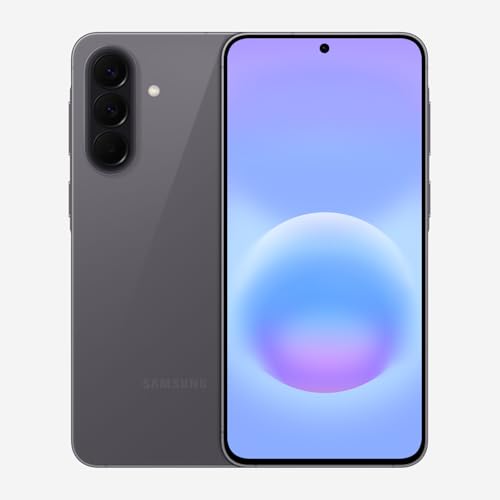
The iphone vs samsung camera phone rivalry is the heavyweight bout of mobile photography: Apple’s consistency-first system against Samsung’s maximal hardware, with its high-resolution sensors and the longest zoom in the business. Both produce photographs most people cannot fault, which is exactly why the decision comes down to philosophy — how each camera behaves, not whether it is good.
This comparison examines the main cameras, zoom systems, portrait and night performance, video, and the software experience of shooting with each. It avoids declaring a universal winner, because the honest answer depends on whether you value reach and flexibility or consistency and video polish.
Disclosure: As an Amazon Associate, kajuandouglas.com earns from qualifying purchases. Links to Amazon on this page are affiliate links; they cost you nothing extra. Listing details such as price and availability change often, so check the current Amazon listing before you buy.
The Short Answer
Choose Samsung if zoom range, high-resolution detail and manual control matter to you — its telephoto system reaches subjects no iPhone can, and its pro modes offer deep control. Choose iPhone if you value consistency across lenses, natural colour and skin tones, and the strongest video in the business. For everyday family photography both are superb; the differences appear at the extremes of distance, darkness and deliberate control.
In this guide
Gear for This Guide
The two verified flagships in their current forms — Samsung’s zoom-led system and Apple’s consistency-led one.

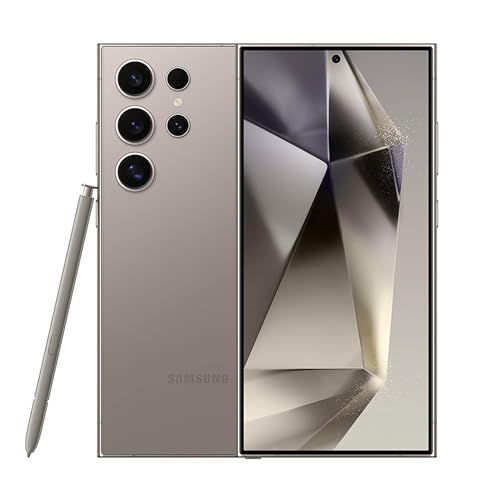
Samsung Galaxy S24 Ultra Cell Phone, 256GB AI Smartphone, Unlocked Android, 200MP, 100x… — Samsung’s flagship camera phone with a high-resolution main sensor, multiple telephoto lenses and a stylus — the reach and flexibility option. Check price on Amazon.

Apple iPhone 15, 128GB, Black – Unlocked (Renewed Premium) — A recent iPhone whose camera system is tuned for consistency, colour accuracy and class-leading video. Check price on Amazon.
iPhone vs Samsung Camera Phone at a Glance
Philosophies differ more than quality does.
| Criterion | Samsung Flagship | iPhone |
|---|---|---|
| Main camera approach | Very high resolution sensor, pixel binning, detail-first | Moderate resolution, consistency and colour-first |
| Zoom | Multiple telephoto lenses, longest optical reach in class | Single telephoto on Pro models, shorter reach |
| Portraits | Strong, with adjustable blur and high detail | Natural skin tones, very consistent results |
| Night photography | Bright night modes, detailed | Balanced, natural-looking night results |
| Video | High resolution options, many modes | Widely regarded as the most consistent, polished phone video |
| Manual control | Full pro mode with extensive controls | Simpler interface; pro features vary by model |
| Colour character | Vivid, punchy, ready to share | More neutral and true to life |
Main Cameras and Everyday Photos
Samsung builds its main camera around a very high-resolution sensor and pixel binning, which delivers two personalities: detailed standard photos in everyday mode and genuinely high-resolution captures when you select the full mode in good light. The detail advantage shows when cropping or printing large, and Samsung’s processing leans vivid — colours arrive punchy and ready to post without editing.
Apple takes the opposite route with a moderate-resolution sensor tuned for consistency. iPhone photos are characterised by reliable exposure, natural colour and skin tones that rarely need correction. The pipeline makes conservative choices that favour realism over spectacle, which photographers who edit appreciate and casual shooters experience as photos that simply look right.
In blind comparisons of everyday scenes, most viewers split by taste rather than quality: Samsung’s vibrancy wins social feeds, Apple’s restraint wins albums and prints. Neither is more accurate in any absolute sense; they are different editorial decisions made on your behalf, thousands of times a day.
Zoom: Samsung’s Home Ground
Zoom is where the comparison stops being close. Samsung’s flagship carries multiple telephoto lenses covering a long optical range, letting you frame portraits, stage performances, wildlife and architecture details with real optical detail at distances where the iPhone is cropping. For travellers and event-goers, this is not a marginal feature; it changes which photographs exist.
Apple’s Pro models include a capable telephoto, and its quality within its range is excellent, with the same colour consistency as the main lens. The limitation is reach: beyond its optical zoom, the iPhone relies on digital cropping sooner. If your photography rarely goes beyond portraits and moderate distance, you will never feel the gap; if it does, you will feel it constantly.
Both brands market large digital zoom figures, and both should be ignored equally. Judge the optical lenses and the samples at the ranges you actually shoot. Samsung wins that test at distance by design, and it is the single clearest hardware reason to choose its camera phone.
Portraits, Night and Video
Portraits split by taste again. Samsung offers high detail, strong subject separation and extensive adjustment of blur after the shot. Apple counters with skin tones and colour that portrait photographers consistently praise, plus depth controls that behave predictably. For family photography, either delights; for professional portrait tastes, Apple’s rendering has the longer track record of trust.
At night, Samsung’s night mode produces bright, detailed images and its high-resolution sensor gives it cropping flexibility in good light after dark. Apple’s night results lean more natural, preserving the mood of a scene rather than turning night into day. Both handle handheld night shooting remarkably; the choice is between Samsung’s illumination and Apple’s atmosphere.
Video is Apple’s clearest win. iPhone video combines stabilisation, exposure handling, colour consistency across lenses and audio quality into the most dependable package, which is why it remains the default phone for serious mobile video. Samsung offers higher maximum resolutions and more experimental modes, and its footage is excellent, but for press-record-and-trust-it reliability, the iPhone still sets the standard.
Shooting Experience and Who Each Suits
The experience of shooting differs as much as the results. Samsung provides a full professional mode with manual controls over focus, shutter, sensitivity and white balance, plus extensive settings for how the camera behaves. Apple’s camera app prioritises speed and simplicity, opening instantly and asking almost nothing of you, with advanced controls varying by model and sometimes living in separate apps.
Choose Samsung if you shoot distant subjects, want manual control, prefer vivid share-ready colour, or crop and print enough to use its resolution. Choose iPhone if you shoot people and video most, value consistency across every lens, or simply want the camera that asks the least and delivers the most predictable result.
Remember the ecosystem gravity too: your choice of camera phone is also a choice of phone. If the rest of your life — watch, computer, family sharing — sits in one camp, that context is a legitimate part of the camera decision, because the best camera phone is the one you are carrying when the moment happens.
Beyond the Flagships: The Wider Ranges
Most buyers comparing these brands are not choosing between flagships at all, and the mid-range tells a different story from the headline duel. Samsung’s extensive mid-range offers camera hardware — including high-resolution main sensors and occasionally optical stabilisation — at prices where Apple’s range offers older or deliberately simpler models. Buyers in the middle tiers often find Samsung’s camera specification per unit of currency unbeatable, provided they accept processing that is a step behind the flagships on both sides.
Apple’s counter in the middle is consistency and longevity: the mid-range iPhone’s camera behaves like its expensive siblings in colour and reliability, its video remains a class strength, and its update support means the camera keeps improving for years. Samsung’s mid-range support has improved but varies by line, so the specific model’s commitment deserves checking exactly as it does for the phone as a whole.
The practical advice mirrors the flagship conclusion with the weights shifted: at the top, choose by photographic philosophy — reach and control against consistency and video. In the middle, choose by value and support, where Samsung’s hardware generosity and Apple’s software longevity are the honest trade. Either way, judge by samples from the exact models in your budget, because range-level reputations transfer imperfectly down the tiers.
Switching Costs for Photographers
A photographer switching between these ecosystems carries specific baggage worth inventorying before the move. Your photo library’s home — Apple’s ecosystem or Google’s — determines how painless the archive’s migration is, and edits made in one platform’s editor may not survive the journey, flattening years of careful adjustments into finished files. If your library is large and lovingly edited, export it deliberately and keep the old phone until the new library is verified complete.
Accessories divide too: gimbals, lenses and cases are mostly phone-specific, and a creator’s drawer of mounts and clips may need replacing. Learned muscle memory is the subtlest cost — the camera gestures, mode locations and editing habits of years — which makes the first month on the new system feel clumsier than the hardware deserves. Photographers who switch for the camera should budget that month honestly and judge the new phone at day thirty, not day three.
None of this argues against switching; the zoom system or the video pipeline may be worth every hour of migration. It argues for switching with open eyes, at a natural upgrade point, with backups verified and the old phone retained until the new one has proven itself across a full cycle of your real photography.
How the Two Brands Handle Difficult Scenes
Specifications describe cameras in easy conditions; character appears in difficult ones, and the two brands’ characters diverge most instructively there. Give both a backlit portrait — a face against a bright window — and watch the philosophies work: the iPhone typically protects the face’s natural tones and lets the background blow out gracefully, while the Samsung works harder to hold the background’s detail and colour, sometimes at the cost of a more processed look on the subject. Neither is wrong; they are different answers to an impossible exposure, and your preference between them predicts your brand loyalty better than any benchmark.
In a dim restaurant, the Samsung’s night processing reaches for brightness and detail with enthusiasm, producing the photo that impresses in the moment. The iPhone’s restraint keeps the candlelight mood, darker and more atmospheric, which ages better in an album. Photographers who share instantly tend to prefer the reach; photographers who print tend to prefer the restraint — though both phones’ editing controls can pull either result toward the other in seconds.
Fast-moving children and pets test autofocus and shutter decisions: both flagships are superb, with differences in how aggressively they freeze motion versus preserve light. The honest test is your own family’s chaos, which is why the shop routine in this guide insists on moving subjects where possible — a waving volunteer’s hand exposes more truth than a still life.
These character differences persist across generations more faithfully than specifications do, because they are tuned by teams with stable tastes. A photographer who loved one brand’s rendering three years ago will usually love its current rendering; the pipelines evolve, but their accents remain. Choose the accent you want applied to your memories.
And remember that both cameras let you step outside the house style: raw capture on either flagship hands you the unseasoned file, and a single editing app can impose your taste across years of photographs from both brands. The rivalry is real, but it is a rivalry of defaults, not of destinies.
Common Mistakes to Avoid
- Deciding by megapixel counts. Samsung’s huge sensor number and Apple’s modest one describe different strategies, not a quality gap. Judge samples, zoom range and video.
- Testing only in bright daylight. Both are superb in sunshine. The differences that matter live in zoom, low light, portraits and video.
- Ignoring which phone you will actually carry. Ecosystem, size and your other devices decide whether the camera is in your pocket. A theoretically better camera left at home takes no photographs.
Pro Tips
- Shoot the same portrait, the same distant sign and the same night street on both in a shop; three scenes reveal each camera’s character completely.
- If you film children, events or content, weight video heavily — it is the iPhone’s strongest card and the easiest difference to see.
- Samsung buyers should explore the pro mode early; much of the camera’s advantage only appears when you use its controls.
Colour Science and Skin Tones: The Difference You See First
Side-by-side photographs from the two brands diverge most reliably in colour philosophy. One tradition favours measured, slightly restrained colour that editors and purists praise; the other favours vivid, saturated colour that leaps from a phone screen in a shop and flatters landscapes, food and travel scenes without any editing. Neither is inaccurate in a simple sense — both are deliberate renderings — but they age differently in an album. Vivid photographs announce their era and their maker; restrained photographs blend quietly with images from dedicated cameras. Show a non-technical friend the same scene from both and their instant preference, before any analysis, is valuable data about which rendering your household will enjoy for years.
Skin tones and faces, where loyalty is won
Faces are the hardest test because viewers carry an internal reference for skin that no landscape provides. Both brands have invested enormously here, and both still have characteristic failures: one can render skin slightly flat or cool in mixed light, the other can push warmth and saturation until skin looks sunburnt or cosmetic. The differences narrow yearly, but the practical advice holds: photograph people you love, in your light, on both systems before committing, because a rendering you dislike on faces will irritate you in a majority of your photographs, however excellent the zoom or the night mode.
Hair, fabric texture and fine detail separate the processing philosophies further. Aggressive sharpening and texture enhancement can make images look crisp at phone size and crunchy at print size; gentler processing looks softer on the phone and more natural enlarged. If your photographs live on phones, judge them there. If they are printed or viewed on large screens, judge at that size, because the two brands’ rankings can genuinely swap places between a handset display and a large print of the same scene.
Video, Compared as a Daily Practice
Both flagships shoot excellent video, and the daily differences are practical rather than spectacular. Stabilisation behaviour while walking, how gracefully each handles panning, how microphones treat wind and voices, and how the phones manage heat and battery during a long recording matter more than headline resolution. One system has a long-standing reputation among professional videographers for consistency and colour that editors trust; the other counters with flexibility — more manual control, more format choices, and zoom reach that transforms concert and wildlife clips.
Creators and their workflows
For people who publish video, the surrounding workflow counts. File formats, how easily footage moves to a computer, how third-party apps access the cameras, and how the phone behaves as an all-day production tool — storage consumption, charging speed, accessory ecosystems — shape a creator’s real productivity. Interview yourself honestly about your output: family clips watched on a television reward one set of virtues; published work with deadlines rewards another. The camera is the same hardware in both lives, but the right choice is not, and pretending otherwise is how creators end up fighting their tools.
Slow motion, cinematic blur modes and low-light video deserve a shared caution. Both brands market them heavily, both implement them with heavy computation, and both produce results that range from delightful to artificial depending on light and subject edges. Test them on hair, glasses and moving hands — the classic failure subjects — rather than on the clean demonstrations manufacturers choose, and weight them in your decision only as heavily as you will actually use them.
Beyond the Flagships: Where the Ranges Really Differ
Most buyers do not buy flagships, and the brands’ philosophies diverge more, not less, down the ranges. In the middle tiers, one brand typically concentrates its camera investment in a strong main camera and lets secondary lenses be modest, while the other spreads features — including zoom or high headline specifications — more widely but sometimes thinner. The result is that mid-range comparisons must be model against model, never brand against brand, and last year’s flagship from either house frequently out-photographs this year’s mid-range newcomer at a similar cost.
Foldables, special editions and camera identity
Folding phones complicate the camera story because their form consumes the space and budget cameras crave. Both brands’ foldables have closed the gap with their slab flagships, but a buyer whose first priority is photography should still compare the foldable’s cameras against the same brand’s conventional flagship rather than against its own predecessor. The honest summary: you buy a foldable for its form, and its cameras, while good, are rarely the best its maker sells. That is a fair trade only when made knowingly.
Software support length interacts with cameras too, because computational photography improves through updates. A phone whose maker refines its camera processing for years after launch can end its life a better camera than it began; a phone abandoned early freezes its photography at its launch state. When comparing specific models, the remaining update horizon is therefore a camera specification, and an unusually honest one, because it is a promise about the future rather than a measurement of the present.
Switching for the Camera: A Realistic Account
People switch ecosystems for cameras more often than for any other single feature, and the experience deserves candour. Your photographs themselves move easily; your library organisation, shared albums, purchased apps and learned gestures do not. Budget an adjustment month in which photography feels slower, and do not judge the new camera during it, because unfamiliarity masquerades as inferiority. After the month, judge by output: keepers per outing, failures per hundred, and how often the camera surprised you pleasantly.
What switchers report, in pattern
Switchers in one direction tend to praise consistency and video, and to miss zoom reach and flexibility; switchers in the other praise versatility and vivid output, and miss a certain calm reliability. Both groups report that the gap was smaller than the marketing of either side suggested, and that the deciding pleasures were specific: a portrait rendering, a zoom at a child’s concert, a night mode at a family party. That pattern is the real conclusion of this comparison — the brands differ meaningfully, but at the level of particular photographs, not of general superiority.
If you are switching, carry the decision like an experiment: keep your old phone until the new one’s camera has survived a real occasion — a trip, a celebration, a school event — and confirm your library and backups are complete before the old device leaves. Cameras are emotional purchases disguised as technical ones, and a reversible experiment respects both halves of that truth.
A Buyer’s Shortlist Method for This Specific Duel
Reduce the duel to your five scenes: the indoor family scene, the distant subject, the night street, the portrait, and the video walk. Find or make samples of each from the exact models you are considering — not their flagship siblings, not last year’s versions — and view them at your real output size. Score each scene for which you prefer, unedited. The phone that wins three of your five scenes is your phone, regardless of which wins reviewers’ twenty, because reviewers’ scenes are a census of everybody’s photography and yours is a portrait of one photographer’s life.
The hand and the pocket also vote
Finally, hold both. Camera phones are handled hundreds of times a day, and a size, weight or button arrangement that annoys you will quietly reduce how much photography you do. The best camera is the one that is present, comfortable and charged, and ergonomics are therefore a camera feature in the only sense that ultimately matters: photographs taken versus photographs missed. Choose the phone whose camera you will actually reach for, in the rendering you actually love, and this long-running duel resolves, for you, in an afternoon.
Night Photography, Brand by Brand in Practice
Night is where the two philosophies argue loudest. One approach leans on restraint: night modes that activate conservatively, preserve darkness as darkness, and render a street at midnight as a street at midnight, with noise tolerated as texture. The other leans on ambition: longer captures, brighter results, scenes lifted towards daylight clarity, with processing working visibly harder to get there. Photographers divide by temperament. Those who want the photograph to remember the mood choose restraint; those who want the photograph to reveal what the eye could barely see choose ambition, and both are defensible definitions of what a night photograph is for.
Moving subjects at night, the great separator
Static night scenes flatter every flagship; people moving in dim light separate them. Watch how each handles a walking figure, a child’s gesture, a dog crossing a lamplit garden: one system may freeze the subject with a shorter, noisier capture while the other merges longer and ghosts the motion. Neither behaviour is a defect — they are different wagers about what you value — but your life contains one kind of night subject far more than the other, and samples of that subject, from both phones, should sit near the top of your decision evidence.
Street lighting’s colour is the other night test. Sodium and LED sources push colour in directions that processing must correct without bleaching faces or turning skies strange. Compare both phones under your town’s actual lamps if you can; a brand that handles your streets gracefully will please you nightly, and no laboratory’s lighting rig, however scientific, knows your streets.
Portraits and People, in Depth
Portrait modes on both systems have matured into genuine tools, and their remaining differences are editorial. Edge handling around hair and glasses, the strength and character of the simulated blur, how skin texture is preserved or polished, and how each treats a subject who is not centred, lit or cooperative — a toddler, a grandfather at a table, a friend mid-laugh — decide real-world success. Test portraits on people in motion and in mediocre light, because the posed, daylight portrait that shops demonstrate is the easiest photograph either phone will ever take.
Distance and the portrait lens question
The focal length at which a portrait is taken shapes the face itself: closer and wider exaggerates features, further and longer flatters them. The two brands make different focal lengths conveniently available for portrait work, through different combinations of lenses and crops, and photographers with a preferred working distance will find one system’s habits simply feel right. If portraits are your main subject, this ergonomics of distance — how far you stand, how the phone frames, how the subject relaxes — can matter more than any rendering difference, because a portrait is a relationship before it is a file.
Group portraits add the depth problem: several faces at several distances, where simulated blur must be restrained or switched off and where both phones’ ordinary modes do the honest work. Judge the brands here on face detection reliability and on how they expose for the least-lit face in the group, because the family photograph that fails, fails on the person in shadow at the back — and everyone in the family knows exactly who that was.
Long-Term Tests: A Year With Each
Imagine the year, not the launch. Across a year, one system’s camera will be refined by updates you barely notice, its processing taste drifting subtly; the other’s will gain features announced with more theatre. Across a year, you will drop the phone once, fill its storage twice, curse it in one rainstorm and forgive it at one sunset. The camera that serves the year is the one whose failures you can live with: every system has a characteristic failure — a rendering you dislike, a mode that frustrates, a lens that disappoints — and a year is long enough for a small failure, repeated, to outweigh a large virtue, occasionally displayed.
Ask owners, and ask the right question
Owner opinion is gold when the question is right. Do not ask which camera is better; ask what irritates them, what they stopped using, and which photographs surprised them. Irritations are specific and truthful in a way praise rarely is, and the pattern of owners’ irritations with each brand maps precisely onto the decision you are making. The owner who warns you about a behaviour you would never encounter has still done you a service, and the owner whose irritation matches your own pet hate exactly has probably just saved you a year of it.
The Tiebreakers Nobody Puts in Advertisements
When samples and specifications leave the duel level, tiebreak on the life around the camera. Which phone do your family and collaborators use, and does sharing photographs and albums flow more easily inside one camp? Which one’s accessories — cases with lens protection, grips, mounts — do you already own or prefer? Which repair network would you trust in your town, and which trade-in path will you actually use in three years? These are not lesser criteria smuggled in; they are the criteria that decide satisfaction between two excellent cameras, and pretending the duel is purely optical is how buyers end up with the right sensor in the wrong life.
One photograph to decide
If a single test must settle it, make it this: the next real occasion — not a staged comparison, an occasion — photographed on both if you can borrow the rival, or imagined honestly if you cannot. Which phone would you rather have in your hand when your people are gathered, the light is imperfect and the moment will not repeat? Answer that, and the specifications can be allowed to rest, because you will have chosen a camera the way cameras are actually used: in a life, at a moment, by a person who has to live with the result.
Accessories, Cases and the Camera Around the Camera
The camera you use includes everything that touches it, and the two ecosystems accessorise differently. Lens-protecting cases, grips that add a real shutter button, mounts for tripods and vehicles, and magnetic or snap-on systems for filters and lights vary in depth and quality between the camps, and a photographer already invested in one camp’s accessories owns a small switching cost that belongs honestly in the comparison. Neither ecosystem lacks the essentials; the differences live in the specialised corners — the creator rigs, the underwater housings, the car mounts — and buyers with a specialised practice should inventory their corner before the duel’s general arguments sweep them along.
Repairs and the bad day
Cameras get dropped at the moments they are used hardest, and the repair experience — how near, how fast, how trustworthy — is part of owning either brand’s camera. A shattered rear glass that covers lenses, a scratched lens element, a camera module drowned at a beach: ask owners in your area which brand’s service restored them with less pain, because geography decides this criterion more than any global policy does. A flagship camera is a multi-year companion, and the bad day is statistically part of the companionship; plan for it the way you plan for the good light.
Insurance and protection plans belong in the same paragraph of realism. For photographers who shoot in hostile places — building sites, boats, festivals, the small hands of children — the cost of protection weighed against the cost of one camera repair often settles the question, and it settles it identically for both brands. What differs is only the local answer, and local answers are the theme this comparison keeps returning to: your town, your light, your people, your repair shop.
How the Two Brands Treat Your Old Photographs
A camera purchase is also an archive decision, because each brand’s library organises, backs up and resurfaces your past differently. Memories features, search by people and places, the ease of assembling a book or a film from a trip — these shape how often your photographs are actually seen again, which is the entire point of taking them. Photographers switching brands should test the migration of a real library, not a sample: shared albums, edited versions, the organisation of years. The photographs will move; the question is whether their context moves with them, and the answer deserves evidence before the old phone is traded in.
Colour consistency when the family shoots both
Mixed-brand households produce mixed-brand albums, and the two renderings sit side by side in every shared collection. Some families never notice; photographers notice constantly, and a few standardise the household’s phones partly for the archive’s coherence. There is no correct sensitivity here, only an honest one: if inconsistent colour across the family album would irritate you weekly, it is a real criterion, entitled to sit beside zoom and night mode in the decision. If it would not, dismiss it without guilt and let the duel be settled by the scenes and subjects that fill your own camera roll.
The Upgrade Question: When to Move Within or Between Brands
Owners of either brand face the duel again at every upgrade, in miniature: is this generation’s camera a reason to move, to switch, or to stay? The disciplined answer compares your current phone’s failures — the photographs it actually ruins or misses in your life — against the new models’ demonstrated strengths in exactly those scenes. A generation that improves everything except your failures is not an upgrade for you, whichever logo it wears. A generation that fixes your one recurring failure is worth more than its specification suggests, and switching brands for it can be rational even at ecosystem cost, because the failure was being paid in photographs, weekly, and photographs are the currency that counts.
Keeping the old phone as a camera
Consider, at upgrade, whether the old phone retires or re-enlists: as a child’s first camera, a dedicated device for a workshop or boat, a backup at unrepeatable events. Both brands’ older flagships remain formidable cameras for years, and a household that cascades them deliberately gets more photography from every purchase. The duel, viewed across a decade of such cascades, softens into something friendlier — two long traditions of camera-making, alternating through a family’s pockets, each leaving its rendering on the archive like successive film stocks in an older photographer’s cabinet.
The Second Phone in the House: Mixed Households and Shared Moments
Many households contain both brands, and their cameras meet in the shared album, where the duel becomes a collaboration with occasional friction. Photographs of the same child, the same holiday, the same dog arrive in two colour languages and two ideas of sharpness, and families develop quiet preferences — one phone is handed the sunset, the other is trusted with the concert — that amount to a household treaty no reviewer negotiated. If your home is mixed, buy with the treaty in mind: the phone that fills the gaps in the household’s current coverage serves everyone, while a duplicate of the existing phone’s strengths leaves the same occasions unserved. The duel, at household scale, is not about which camera wins; it is about which camera the family’s archive is missing.
What to Do With a Draw: The Coin-Flip Criteria
Some buyers complete every test in this comparison and arrive, honestly, at a draw — two excellent cameras, differently flavoured, either of which would serve their photography well. A draw is not a failure of research; it is information that the cameras have converged for your purposes, and it licenses deciding on everything else: the phone you prefer to hold, the ecosystem your life already inhabits, the offer available this month, the colour you like. Decide on those grounds without guilt and without reopening the optical question, because a decision made and enjoyed beats a decision indefinitely deferred, and the photographs you take this year with either phone will matter more than the marginal rendering differences you declined to keep chasing.
The Shop Assistant Test: One Last Piece of Evidence
In the shop, hand each phone to the assistant and ask them to photograph you, exactly as a stranger would at a viewpoint: no instructions, no second attempts. The results show you each camera as the world experiences it — the default rendering of your own face, in ordinary hands, in ordinary light. It is a disarming test, and a fair one, because a large share of the photographs you will ever appear in are taken by other people on your own phone, in exactly those conditions. Let that evidence have the last word if the duel is close; it is the only test in this entire comparison conducted from outside your own habits.
Related Guides
- best camera phones for photography
- best phones for camera and video
- best phones for camera and battery life
- best camera phones under 500
- best smartphones for photography
- best smartphones for video
- android vs iphone
- how to choose a camera phone
- camera phone vs compact camera
Frequently Asked Questions
Which has the better camera overall, iPhone or Samsung?
There is no universal winner because they optimise for different things. Samsung leads on zoom reach, resolution and manual control; iPhone leads on consistency, colour and video. Reviewers split year by year depending on which criteria they weight. For a buyer, the practical method is to name your top two photographic needs — distance, night, portraits, video — and choose the phone that wins those specific contests.
Why do Samsung photos look more vivid than iPhone photos?
It is a deliberate processing choice. Samsung’s pipeline boosts colour saturation and contrast so photos arrive punchy and share-ready, while Apple targets a more neutral, true-to-life rendering. Neither is wrong; they are editorial styles. If you prefer the other look, both phones offer photographic styles and editing controls to shift the rendering, and shooting in their raw modes lets you impose your own style entirely.
Is Samsung’s zoom really that much better?
At distance, yes, and it is the clearest hardware gap in this comparison. Multiple dedicated telephoto lenses give Samsung optical quality across a range the iPhone covers partly by cropping. For portraits and moderate distances both are excellent, and the difference vanishes. The zoom advantage matters in proportion to how often you photograph subjects you cannot approach — wildlife, stages, sports and architecture.
Which is better for video, iPhone or Samsung?
The iPhone is the safer recommendation for video: stabilisation, exposure consistency when switching lenses, colour and audio come together into footage that needs the least correction. Samsung offers higher headline resolutions and more modes, and skilled users produce superb results, but for reliability across conditions the iPhone remains the benchmark other phones are measured against. Creators who publish from their phone weight this heavily.
Which takes better portraits of people?
Both are excellent, with different strengths. iPhone portraits are praised for skin tones and a natural look that needs no adjustment. Samsung portraits offer more detail and more post-shot control over blur and effects. If your photography is mostly family and friends, either will please you; photographers with a developed taste in portrait rendering should compare samples of people in indoor light, where the pipelines’ characters show most clearly.
Does the iPhone or Samsung camera age better over years of ownership?
Both brands support their flagships with years of updates that include camera improvements, and both hold up well. Samsung’s hardware headroom in resolution and zoom keeps its system flexible for longer, while Apple’s consistency means its results stay predictable across updates. Battery condition affects both equally over time. Buy the current generation of either and the camera will remain competitive for the phone’s supported life.
Do the two brands’ photos look different mainly because of screens?
Screens contribute, since each brand tunes its displays with its own taste, but the differences persist when images are viewed on the same neutral screen or printed: they live in the processing itself — colour, contrast, sharpening and tone decisions made at capture. To compare fairly, always judge both phones’ photographs on one shared display, not each on its own handset.
Which is better for photographing documents and whiteboards?
Both handle documents excellently, with scanning modes that correct perspective and boost legibility. Differences appear in how aggressively each processes text edges and in how their libraries organise scans. For heavy document work, test your actual workflow — capture, find it a week later, share it as a clean file — on both, because organisation, not optics, is where document photography succeeds or fails.
Does one brand age better for resale as a camera?
Resale follows the phone market generally rather than camera merit specifically, and both brands’ flagships hold value respectably, with the strongest retention usually on the most popular storage and colour configurations. Buy the phone whose camera suits you rather than speculating on resale; the difference in enjoyment over years of photographs outweighs modest differences in eventual trade-in value.