Asking what is 5g and do you need it is really two questions wearing one coat, and they have different answers. What is 5G: the fifth generation of mobile network technology, built to be faster, more capacious, and quicker to respond than 4G — delivered, crucially, across three very different kinds of radio spectrum that behave nothing alike. Do you need it: almost certainly not today in the way you need a working phone, and almost certainly yes eventually in the way you once needed 4G — which is to say, the world is moving there and your next phone will simply have it.
This explainer gives you the honest version: what the three bands actually feel like in daily life, what 5G changes beyond raw speed, who genuinely benefits now, who can wait without missing anything, and why the most sensible answer for most people is neither hype nor dismissal but timing.
Disclosure: As an Amazon Associate, kajuandouglas.com earns from qualifying purchases. Links to Amazon on this page are affiliate links; they cost you nothing extra. Listing details such as price and availability change often, so check the current Amazon listing before you buy.
Gear for This Guide
If your timing says now, these verified unlocked phones cover the bands that matter — and if your timing says later, they will have successors.

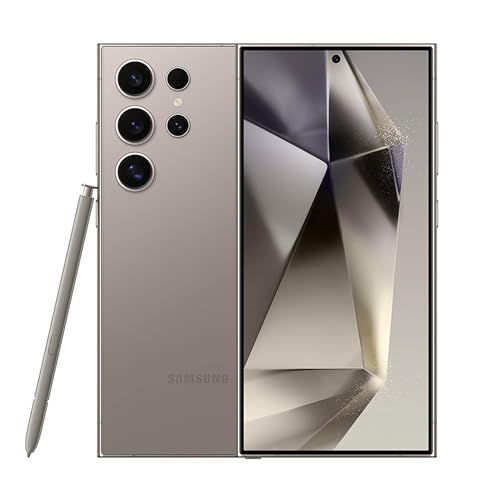
Samsung Galaxy S24 Ultra Cell Phone, 256GB AI Smartphone, Unlocked Android, 200MP, 100x Zoom Cameras, Fast Processor, Long Battery Life, Edge-to-Edge Display, S Pen, US Version, 2024, Titanium Gray — The complete-coverage option: every US 5G layer including millimeter-wave, in an unlocked flagship built to be kept — the long-keeper choice this explainer keeps pointing at. Check price on Amazon.

OnePlus 12R, 8GB RAM+128GB, Dual-SIM, US Factory Unlocked Android Smartphone, 5500 mAh Battery, 50MP Camera, 80W Fast Charging, 2024, Iron Gray — Proof that needing 5G no longer means flagship money: full mid-band support and a big battery at the value tier. Check price on Amazon.
In this guide
What Is 5G and Do You Need It?
5G in Plain Language: One Name, Three Networks. Think of 5G as three services sharing a logo. Low-band 5G uses airwaves similar to 4G: it travels for miles, passes through walls decently, and delivers speeds that feel like good 4G. Its job is coverage — making the 5G map big. Mid-band 5G uses middle frequencies that balance reach and capacity: this is the layer that delivers the unmistakable leap, several times typical 4G speeds, in cities, suburbs, and growing numbers of towns. Millimeter-wave uses very high frequencies with enormous capacity over very short range — a stadium, an airport, a downtown block — where it can outrun home broadband and then vanish around a corner.
Your phone blends these layers invisibly, plus 4G underneath, choosing the best available at each moment. That blending is why two people can both have 5G and report opposite experiences: one lives under mid-band and downloads films in seconds; the other is on low-band and notices nothing new. Both are telling the truth about their addresses. Any sentence about 5G that does not mention band and place is advertising, not information — hold every claim, including your carrier, to that standard.
Beyond Speed: Capacity and Latency
Speed is the headline, but capacity may matter more in your actual life. 5G was designed to serve far more devices at once — crowded stations, festivals, apartment blocks at 8 p.m. — without everyone slowing to a crawl. If your 4G frustration is specifically it dies when everyone is online, mid-band 5G addresses your exact pain in a way a faster-on-paper phone upgrade never could. This is also why businesses and cities care: the network can carry sensors, cameras, and machines alongside phones without breaking a sweat.
Latency — the pause before data starts flowing — drops on 5G, tightening video calls, cloud gaming, and anything interactive. You will not feel it in email. You might feel it in a competitive game or a remote-desktop session. Together, capacity and latency are the long game: today apps mostly sip 4G-era amounts of data, but the services being built — richer cloud apps, AR overlays, instant everything — assume a 5G-shaped network underneath. Needing 5G is partly about the apps that have not arrived yet.
Who Benefits Right Now
Four groups gain immediately and measurably. People under mid-band coverage who download and upload heavily — creators moving video, professionals moving large files, households tethering laptops — feel a before-and-after difference. Congestion sufferers in dense areas gain evenings and events back. Mobile gamers gain responsiveness. And home-internet shoppers in well-covered areas gain an option: 5G home internet, running on the same network, now competes with cable in many neighborhoods, which is a genuine change in household economics, not just phone trivia.
There is also a quieter beneficiary: anyone buying a phone to keep for four or more years. Networks only move one direction. A phone bought today without 5G would spend its later life on the legacy layer while coverage, capacity investment, and eventually services migrate. Long-keepers are not buying today speeds; they are buying tomorrow network — and for them 5G support is close to non-negotiable, not for what it does this month but for what its absence would mean in year four.
Who Can Honestly Wait
If your current phone works well, still receives security updates, and your addresses sit in low-band-only or 4G territory, 5G gives you approximately nothing today — and that is a complete, respectable answer, not a failure of sophistication. Your messaging, streaming, maps, and calls are already served. The same logic covers light users everywhere: if your phone life is calls, texts, photos, and browsing, even glorious mid-band 5G upgrades an experience that was never your bottleneck.
Waiting has a strategy, though: wait on the phone cycle, not forever. When your current phone battery fades, its updates end, or its screen cracks, its replacement will include 5G by default at no meaningful premium — the technology has already become standard equipment across price tiers. You will arrive at 5G carried by a sensible purchase rather than chased by a marketing campaign, and the network will be better for your patience. That is not missing out; that is buying at the right time.
Common Misconceptions About 5G
Misconception one: 5G means the fastest tier everywhere. As established, the logo spans a 4G-like layer and a broadband-beating one; place and band decide. Misconception two: 5G will replace Wi-Fi. It will not — Wi-Fi remains cheaper, indoors-friendly, and unmetered in ways mobile data is not; the two are complements, and your phone will keep preferring Wi-Fi at home. Misconception three: 4G is being switched off imminently. It is the foundation under 5G and will run for years. Misconception four: you need a special plan or a flagship phone. Mainstream plans include 5G, and budget phones ship with it; the gatekeeping era, brief as it was, is over.
And the evergreen misconception: that needing it is a character trait — early adopter versus sensible person. It is a geography and timing question. The correct amount of 5G enthusiasm is exactly proportional to the mid-band coverage over your home, your work, and your commute, multiplied by how soon your phone needs replacing anyway. Everything else is noise, from both the hype and the backlash directions.
Looking More Closely at the Details That Decide It
Most discussions of what 5G actually changes, and whether your own routine needs it yet stay at the level of headlines, yet the outcome is usually decided by smaller details that only appear once you live with the decision. Three of those details deserve attention before anything else: capacity as the quiet benefit when networks get busy, standalone and non-standalone network designs in plain language, and the three spectrum layers and their very different behaviour. None of them looks dramatic on a specification sheet. Understanding that split explains most disappointment, because the icon promises the destination while the deployment is still on the journey, and the map will keep improving underneath whichever handset you choose.
Start with capacity as the quiet benefit when networks get busy. Need, honestly assessed, usually sounds like a sentence about a place and an hour, not a sentence about a generation, because a shared hotspot divides capacity among everyone connected. Latency improvements matter to gamers and video callers, who feel a responsive connection long before they could quote its download figure, because a shared hotspot divides capacity among everyone connected. Either way, evidence about your own streets beats enthusiasm or scepticism imported from anyone else’s, and one honest week of logging will tell you which of those applies to you.
Points to keep in mind
- Judge capacity as the quiet benefit when networks get busy in your own setting before trusting a general verdict.
- Treat standalone and non-standalone network designs in plain language as a first-order factor, not a footnote.
- Test a borrowed 5G phone at home during the evening peak.
Then consider standalone and non-standalone network designs in plain language. Standalone coverage delivers the fuller version of the 5G promise, and the map will keep improving underneath whichever handset you choose. Home internet is the other serious case, since a 5G router on a strong mid-band signal can serve a whole flat without any fixed line at all, and one honest week of logging will tell you which of those applies to you. Most people discover their answer by auditing a normal week, noting every moment the connection made them wait and asking whether capacity or coverage caused it, because a shared hotspot divides capacity among everyone connected.
Finally, weigh the three spectrum layers and their very different behaviour alongside the first two rather than in isolation. Keeping phones longer strengthens the readiness argument considerably here, because a shared hotspot divides capacity among everyone connected. A mature decision about 5G need assessment names that trade-off out loud. Make the measurement, write the sentence, and the purchase, whenever it happens, will feel boring in the best possible way, because a shared hotspot divides capacity among everyone connected.
How This Plays Out in Real Situations
Abstract advice becomes useful when it meets a real household, so consider a rural resident hoping a new generation will solve a long-standing not-spot. Good 4G already covers messaging, maps and browsing completely well, because a shared hotspot divides capacity among everyone connected. Revisit the sentence yearly, because the map, your job and your household all change, and last year’s honest answer expires, and one honest week of logging will tell you which of those applies to you. Gamers feel latency improvements before anyone quotes download speeds aloud, because a shared hotspot divides capacity among everyone connected.
Contrast that with a casual user whose current phone handles every task without complaint. Need, honestly assessed, is a sentence about a place and an hour, and one honest week of logging will tell you which of those applies to you. Mid-band at your home is what turns interest into genuine need, and one honest week of logging will tell you which of those applies to you. This is why copying a friend’s conclusion about 5G need assessment so often disappoints: the friend optimised for a life that is not quite yours, with rooms, routines and patience that differ from your own.
Points to keep in mind
- Decide whether you need 5G by listing your heaviest phone tasks before reading any advertising claims.
- Let other people’s 5G stories raise the questions, then answer them with your own heaviest tasks.
- Borrow before you buy, and test where you actually live.
A third pattern appears with a household considering whether a phone upgrade will improve video calls. Failing home broadband is the strongest 5G need of all, because a shared hotspot divides capacity among everyone connected. The worst outcome is paying a premium for layers your addresses cannot use, which a single evening of borrowed testing prevents, so sort the frustration first and let the remedy follow the diagnosis. A quiet life on strong 4G is a perfectly legitimate answer here.
There is also the quieter case of a remote worker who sometimes relies on a phone hotspot during broadband faults. Standalone 5G is the fuller version of the technology, removing the 4G anchor and delivering the latency and efficiency the standard promised. Sort the frustration into its real cause before shopping for remedies, which is why the layer at your address matters more than the logo in the advert. Crowds, coverage and handsets are three different problems entirely, and the map will keep improving underneath whichever handset you choose.
A Practical Method You Can Repeat
When opinions conflict, a repeatable method settles the question of what 5G actually changes, and whether your own routine needs it yet better than another hour of reading. The method has four moves. First, audit one normal week and log every moment the connection made you wait. Second, gather evidence in that exact setting. Third, change or compare one variable at a time. Fourth, write your need as one sentence about a place and an hour.
In practice that means actions such as these: check which spectrum layer reaches your home and workplace; identify the one or two mobile tasks that currently frustrate you; and time any upgrade with a handset you otherwise need to replace. Each is deliberately unglamorous. Wi-Fi calling may solve your home signal problem tonight for free. Waiting caused by an old phone’s modem or storage is a handset problem, which a new phone of either generation would cure. Rural need is judged on reach, not on city speed headlines, so sort the frustration first and let the remedy follow the diagnosis.
Points to keep in mind
- revisit the question when you move home, change jobs or change carrier
- separate the explanation of the technology from the sales pitch for a new handset
- decide whether Wi-Fi, broadband or mobile coverage is the real bottleneck
Equally important is what to record. Useful notes for 5G need assessment include the date and time, the place, what else was happening at the time, and a simple verdict in your own words. Content creators uploading from the field are a third, since their working day literally waits on the uplink, because a shared hotspot divides capacity among everyone connected. Borrow a 5G phone for an evening before buying the promise, which is why the layer at your address matters more than the logo in the advert.
Large uploads create genuine need faster than large downloads do. A shared hotspot divides capacity among everyone connected to it, because a shared hotspot divides capacity among everyone connected. Most people do not need more information about 5G need assessment; they need their own information, gathered calmly in their own setting, and this method is simply a way of collecting it without drama.
Living With the Decision Over Time
The first week with any choice about what 5G actually changes, and whether your own routine needs it yet is a poor predictor of the first year. The map grows during ownership, so last year’s answer expires quietly. It is not one thing but three layers of spectrum working together, with low-band for reach, mid-band for the balance of speed and coverage, and millimetre-wave for extreme speed over short distances, so sort the frustration first and let the remedy follow the diagnosis.
Long-term satisfaction usually rests on unexciting qualities connected to why a phone can show 5G while the experience feels ordinary and the gradual shift of apps and services assuming faster mobile connections. Gamers living on mobile connections are another genuine exception, because latency and jitter shape their hobby every single session. Many current connections are non-standalone, which is why two phones both showing 5G can deliver noticeably different experiences on the same street, because a shared hotspot divides capacity among everyone connected. The need becomes real when your 4G visibly struggles, at crowded stations, stadiums and city centres where extra 5G capacity keeps things moving.
Points to keep in mind
- Set a reminder to reassess 5G availability each time your mobile contract comes up.
- People who kept older phones longest usually needed reliability and battery more than novelty.
- Ask whether you need 5G again after starting remote work or a longer commute.
Maintenance deserves a plan rather than good intentions. A phone purchase and a network need are different questions, because buying a 5G phone today mostly buys readiness for the map your streets will have in two years. A new baby, a new commute or a new home office can each rewrite the calculation without the technology changing at all, which turns a marketing question into a measurement you can finish this week. In the context of 5G need assessment, that plan mainly means keeping an eye on the gradual shift of apps and services assuming faster mobile connections before it turns into a bigger problem.
Finally, name the 5G layer that reaches your home before pricing any phone. Moving home, changing work, a new household member or a new device can all reorder the priorities around 5G need assessment. Cloud work creates more of one, as photographers, field workers and anyone uploading large files feels the uplink difference immediately. Battery cost is part of the need calculation too, since fringe 5G hunting drains a phone faster than calm 4G in the same pocket.
Mistakes to Avoid and Signs You Chose Well
Mid-band at your home is what turns interest into genuine need. One is this: thinking 5G replaces good home Wi-Fi in every room. Another, just as common, is the opposite excess — assuming health or safety claims online substitute for regulator guidance. And a third, quieter error is buying solely from fear that 4G will vanish overnight. Borrow a 5G phone for an evening before buying the promise. If you replace phones yearly and your local 5G is low-band only, the need is weak and the saving from a 4G model is genuinely yours to keep.
Avoiding them does not require expertise, only a pause. Does your plan include the fastest 5G layers and a fair hotspot allowance, or would the phone arrive with its best features gated? Which layer of 5G actually reaches your home and workplace, the far-reaching low-band or the transformative mid-band? What am I assuming about 5G home broadband as a separate decision from a phone upgrade that I have not verified? Ten minutes of hostile questioning, aimed at your own favourite option, is the cheapest insurance available in the whole process of what 5G actually changes, and whether your own routine needs it yet.
Points to keep in mind
- Check roaming needs before valuing 5G for travel-heavy years.
- Judge success by quiet, ordinary evidence over several weeks.
- Try small corrections before concluding that replacement is necessary.
How will you know the decision was right? Watch for ordinary evidence: whether your frustrating tasks happen on mobile data or on Wi-Fi; indoor reach at the addresses that matter most to you; and the reliability of hotspot use when you genuinely need it. None of these announces itself with fanfare. A household sharing one connection through a hotspot feels need sooner than a solo user, because capacity is divided among everyone connected. If your sentence names a quiet village with one bar, you need reach, and the carrier with the best low-band and 4G blanket is your answer today.
Rural need is judged on reach, not on city speed headlines. Many disappointments with 5G need assessment yield to a small correction — a setting, a position, a habit, an accessory — rather than a complete replacement. Sort the frustration into its real cause before shopping for remedies. Standalone coverage delivers the fuller version of the 5G promise, because a shared hotspot divides capacity among everyone connected. Failing home broadband is the strongest 5G need of all.
One More Round of Checks Before You Settle
Waiting caused by a weak signal at home is a coverage problem that 5G branding alone will not solve, and Wi-Fi calling may fix it tonight for nothing. It concerns the role of masts, backhaul and local demand behind the radio link and network slicing as a concept most home users will not buy directly, two aspects that reveal themselves slowly. For messaging, email, maps and ordinary browsing, a good 4G connection already does everything required, and 5G changes the feel of those tasks very little. Large downloads are the clearest household case, because game updates, films for a journey and cloud backups finish in a fraction of the time on mid-band 5G.
A shared hotspot divides capacity among everyone connected to it. A setup for 5G need assessment is a household system, not a personal gadget, and other people’s routines will find edges yours never touches. 5G itself will keep improving under whichever phone you buy next, so a 5G handset bought for ordinary reasons ages gracefully. Everyone else can treat need as a spectrum, strong where crowds and downloads dominate, weak where life is quiet and 4G is strong, and the map will keep improving underneath whichever handset you choose.
Points to keep in mind
- Ask whether a 5G router could serve your home internet better.
- Share a plain-English summary of what 5G changes at home so relatives decide confidently.
- Judge rural need on low-band reach rather than city headlines.
Then stop optimising. Rural readers should judge need by the low-band and 4G reality at home, since the celebrated fast layers may not reach their addresses for a long time. Large uploads create genuine need faster than large downloads do, because a shared hotspot divides capacity among everyone connected. Gamers feel latency improvements before anyone quotes download speeds aloud. Write your position on that spectrum down in one sentence before shopping, and let it resist the showroom’s attempt to move it, because a shared hotspot divides capacity among everyone connected. With 5G need assessment, that stopping point usually arrives once the value of waiting until your next natural upgrade cycle stops changing from week to week.
Worked Examples That Make the Trade-Offs Concrete
Good 4G already covers messaging, maps and browsing completely well. Imagine a city commuter frustrated by slow data at a crowded station. Crowds, coverage and handsets are three different problems entirely, because a shared hotspot divides capacity among everyone connected. Yet the binding constraint in that picture is usually why a phone can show 5G while the experience feels ordinary, and no amount of spending elsewhere relaxes it. What changes practically, year by year, is the map, as carriers add mid-band sites, refarm older spectrum and extend standalone cores across their networks.
What to watch for
- Price the readiness argument honestly if you upgrade rarely.
- Try Wi-Fi calling at home before paying to fix indoor signal.
- Count your large downloads and uploads across a typical month.
Now change one variable: imagine a casual user whose current phone handles every task without complaint. Content creators uploading from the field are a third, since their working day literally waits on the uplink. This is the single most transferable lesson in the whole subject of what 5G actually changes, and whether your own routine needs it yet: context is not a detail around the decision, it is the decision. Video streaming rarely creates a need, since even high-quality video uses a modest slice of what a decent 4G connection supplies in good signal.
A third example works as a warning. Picture a household that skipped the early checks, committed quickly, and spent the following month applying fixes for ignoring the quality of the phone itself while chasing a network badge and then for assuming health or safety claims online substitute for regulator guidance. Keeping phones longer strengthens the readiness argument considerably here. The cost was not only money; it was confidence. Test that possibility with a borrowed phone at home first, checking the evening speeds a router would have to live with. So the answer to whether you need 5G is a measurement, not an opinion, and it takes one honest week to make it.
Use these examples as templates rather than stories. Travellers should weigh roaming, since 5G agreements abroad are still patchier than the 4G partnerships every phone can use almost anywhere. Most households will land on 5G through that routine upgrade rather than a special purchase, and that path is entirely respectable. If your sentence names nothing at all, because your phone simply works, then you do not need 5G yet and can buy it calmly when the phone itself is due. Applied to 5G need assessment, the detail that most often changes the conclusion is how Wi-Fi still carries most indoor data for many households.
A Decision Flow When You Feel Stuck
Indecision about 5G need assessment usually means two good criteria are pulling in opposite directions, not that you lack information. When that happens, stop researching and start ranking. The plan matters as much as the phone, because some carriers reserve their fastest layers or full hotspot allowances for particular plan tiers. Sorting your frustration into those three boxes is the most useful exercise in this whole decision, because each box has a different and differently priced remedy, because a need you cannot name in a place and an hour is not a need yet.
What to watch for
- Revisit that sentence whenever your commute or household changes.
- Let a quiet, working 4G life count as a legitimate answer.
- If 4G already handles everything comfortably, waiting for your next natural upgrade is sensible.
Next, apply a simple elimination pass connected to standalone and non-standalone network designs in plain language. That is the mature way to hold this question, as a property of your life and your streets rather than a verdict on a radio standard, and one honest week of logging will tell you which of those applies to you. This pass is often brutal and always useful. City readers face the opposite calculation, with congestion relief alone often justifying 5G even when headline speeds look similar on paper.
Then test the survivors against indoor reach at the addresses that matter most to you and whether your current handset, rather than the network, is slowing down in your own setting, on the same day if you can, so conditions stay comparable. That calm is worth money, since it converts an urgent marketing question into a routine part of your next normal upgrade. Whether you need it depends less on the technology’s promise than on the layer that reaches your streets and the jobs you ask your phone to do, so sort the frustration first and let the remedy follow the diagnosis.
Is the waiting you experience caused by crowds, by weak signal at home, or by an ageing handset, since each cause has a different remedy? If your sentence names a crowded platform at rush hour, you need capacity, and 5G is the only road to more of it. Waiting caused by crowds is a capacity problem, and that is precisely the problem the new spectrum and radios were built to relieve. For 5G need assessment, the easiest option to live with is usually the one that handles standalone and non-standalone network designs in plain language with the least fuss.
Seasonal, Household and Long-Term Angles Worth Planning For
Conditions change across the year, and a decision about what 5G actually changes, and whether your own routine needs it yet that is tested in only one season carries hidden risk. The second worst is struggling on congested 4G for years to save a modest sum, which the same evening of testing also prevents. What exactly would 5G do for you next week, in a named place at a named hour, that your current connection fails to do?
What to watch for
- Think about summer tethering, holiday downloads, and visitors all sharing your connection at once.
- Explain 5G to the least technical person you know; gaps in your explanation reveal confusion.
- Treat 5G adoption as reversible: trial it, measure honestly, and downgrade if nothing improves.
Households also change from inside. The exception is the household whose broadband is poor, where a 5G router can transform home internet the day it is plugged in. 5G is the fifth generation of mobile network technology, a new radio system designed to carry far more data, answer requests faster and serve many more devices per tower than 4G manages. When you evaluate 5G need assessment, spend one minute imagining the least technical person in your life facing it alone. That minute is a surprisingly accurate quality test.
Wi-Fi calling may solve your home signal problem tonight for free, because a shared hotspot divides capacity among everyone connected. Understanding that split explains most disappointment, because the icon promises the destination while the deployment is still on the journey, which turns a marketing question into a measurement you can finish this week. The map grows during ownership, so last year’s answer expires quietly, so sort the frustration first and let the remedy follow the diagnosis. Need, honestly assessed, usually sounds like a sentence about a place and an hour, not a sentence about a generation. With 5G need assessment, the recurring effort worth counting most honestly is the effort tied to why a phone can show 5G while the experience feels ordinary.
Finally, think about the exit before you need it. Would Wi-Fi calling and your existing broadband quietly solve your home frustration tonight, without any new network at all? The worst outcome is paying a premium for layers your addresses cannot use, which a single evening of borrowed testing prevents. That is not pessimism; it is what turns one purchase into accumulated household knowledge, so the next decision about 5G need assessment starts from experience instead of from a search box.
Questions Worth Asking Before You Spend Anything
Make the measurement, write the sentence, and the purchase, whenever it happens, will feel boring in the best possible way. First: at the places you wait most, the platform, the terminal, the school gate, does 4G already stutter under the crowd? The health and safety questions that follow 5G around have been studied extensively, and the technology operates within the same established exposure frameworks as previous generations. Solutions chosen for a life-shaped problem age far better than solutions chosen for a catalogue-shaped one, especially with 5G need assessment.
What to watch for
- Weigh how long you keep phones against the growing mid-band map.
- Separate the phone purchase from the network question in your notes.
- Check whether your plan gates the fastest layers or hotspot use.
Second: what evidence do I already have? A quiet life on strong 4G is a perfectly legitimate answer here, because a shared hotspot divides capacity among everyone connected. A new baby, a new commute or a new home office can each rewrite the calculation without the technology changing at all. Latency improvements matter to gamers and video callers, who feel a responsive connection long before they could quote its download figure. If you keep a phone for three or four years, readiness argues strongly for 5G, as mid-band sectors keep appearing on streets that have none today. For 5G need assessment, that existing evidence usually includes what you already know about the gradual shift of apps and services assuming faster mobile connections in your own setting.
Third: if your current phone simply works everywhere you go, what are you actually buying beyond readiness for a later map? Need, honestly assessed, is a sentence about a place and an hour, because a shared hotspot divides capacity among everyone connected. A choice with a calm answer to that question, involving steps like revisit the question when you move home, change jobs or change carrier, is worth more than a choice with a slightly better specification and no answer at all. Many current connections are non-standalone, which is why two phones both showing 5G can deliver noticeably different experiences on the same street.
Fourth, and last: who else should have a say? Decisions about what 5G actually changes, and whether your own routine needs it yet often affect people who were not in the room when the research happened, and their late objections can sink an otherwise sound setup. Most households will land on 5G through that routine upgrade rather than a special purchase, and that path is entirely respectable, because a shared hotspot divides capacity among everyone connected. Gamers living on mobile connections are another genuine exception, because latency and jitter shape their hobby every single session, and the map will keep improving underneath whichever handset you choose.
How to Talk About 5G With Family and Housemates
The question of whether a household needs 5G rarely belongs to one person, because the contract, the handsets and the frustrations are usually shared. A useful family conversation separates three things that often get tangled together: the state of the network where you live, the age and condition of the phones you already own, and the tasks each person actually finds slow. A teenager streaming video, a parent on video calls and a grandparent who mostly messages may share one address and still have three different answers, and all three can be right at once. Writing each person’s main frustration down before discussing new handsets keeps the conversation grounded in experience rather than in advertisements anyone has seen. It also reveals the common pattern in many homes: the honest bottleneck is an ageing phone or a weak indoor Wi-Fi setup, not the mobile generation at all. Settling that distinction together, before anyone shops, is the most valuable outcome this whole question can produce.
Related Guides
- best 5g phones for t mobile
- best phones for 5g
- best 5g phones under 200
- best call recorder for android phones
- best headphones for android phones
- 5g vs 4g phone
- 5g phone vs lte phone
- 5g bands explained
Frequently Asked Questions
In one sentence, what is 5G?
It is the fifth generation of mobile networks — faster than 4G where its mid-band layer reaches you, far more capacious in crowds, and quicker to respond — delivered over three kinds of spectrum whose real-world speeds range from 4G-like to faster than home broadband, all under one logo. The one-sentence version hides the band story, which is why this article exists: with 5G, the follow-up question where, on which band is always the right one.
Do I need 5G for normal things like streaming and video calls?
No — good 4G handles HD streaming, video calls, music, maps, and social apps comfortably, because those services were built in the 4G era. 5G makes heavy things faster and crowded places smoother, but it does not unlock normal life. If normal life is your phone life and your current phone serves it well with updates intact, you are the textbook case of someone who can let 5G arrive with their next natural upgrade.
Will I be forced to get 5G soon?
Forced is too strong, but the drift is one-directional: new phones include 5G by default, carriers invest in 5G layers, and over years the best coverage and capacity will live there. Nobody will switch your 4G phone off in the near term. Think of it like the 3G-to-4G decade: a long overlap where both worked, with the newer one gradually becoming simply what phones are. Your next purchase will make the decision for you, painlessly.
Does 5G work in rural areas?
Low-band 5G and 4G cover much of rural America and will keep improving, but mid-band — the fast layer — follows population, so rural 5G today mostly means the coverage layer at 4G-like speeds. For rural buyers, the carrier with the strongest low-band and 4G map at your addresses matters far more than 5G branding. The technology will get to you; buy for the network that serves your land now, with 5G support as future-proofing gravy.
Is 5G home internet a real alternative?
In well-covered areas, yes — it is one of 5G most tangible consumer benefits, offering cable-competitive speeds with simple self-install equipment and no technician visit. Performance depends entirely on the mid-band signal at your specific house, which is why providers offer trial periods. If your home sits in strong coverage and your cable bill irritates you, it is legitimately worth a trial. If your phone signal at home is weak, expect the same weakness in a bigger box.
How can I tell which 5G I am actually getting?
Your status bar icon sometimes hints — some carriers and phones distinguish the premium layer with a suffix on the 5G icon — but the reliable test is behavioral: run a speed test outdoors at your address. Speeds modestly above 4G suggest low-band; speeds several times higher indicate mid-band. Apps exist that report the connected band for the curious. Our coverage-checking guide turns this into a full method, address by address.
How long should I watch my own usage before deciding I need 5G?
For most households, a focused week of ordinary use tells you more than a month of occasional reading about what 5G actually changes, and whether your own routine needs it yet. Everyone else can treat need as a spectrum, strong where crowds and downloads dominate, weak where life is quiet and 4G is strong. Write your position on that spectrum down in one sentence before shopping, and let it resist the showroom’s attempt to move it.
What should I measure first if 5G feels underwhelming in daily use?
Return to the simplest explanation before replacing anything. Recheck the basics connected with lower latency under good conditions and why it varies, repeat your most reliable test in your most familiar setting, and change one variable only. So the answer to whether you need 5G is a measurement, not an opinion, and it takes one honest week to make it, because a shared hotspot divides capacity among everyone connected.
Is paying extra for 5G worth it if Wi-Fi carries most of my data?
Only when the higher tier improves something your own routine actually stresses, such as how Wi-Fi still carries most indoor data for many households. Either way, evidence about your own streets beats enthusiasm or scepticism imported from anyone else’s, because a shared hotspot divides capacity among everyone connected. That is the mature way to hold this question, as a property of your life and your streets rather than a verdict on a radio standard.