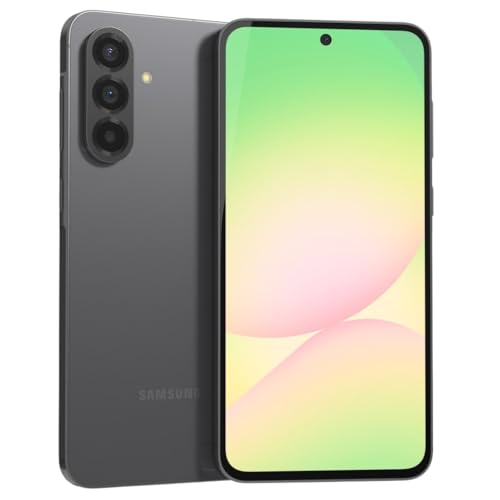
The samsung vs pixel android phones debate is the defining choice in Android, because these two lines represent genuinely different philosophies rather than the same phone with different logos. Samsung builds the everything device: the most hardware features, the brightest screens, the longest feature lists, and its own One UI layer packed with options. Google builds the smartest software experience: the cleanest interface, the most helpful AI features, and cameras that win on processing rather than hardware muscle.
Neither philosophy is wrong, which is why the honest answer depends on what you do all day. This comparison walks the criteria that actually separate them — camera behavior, software feel, updates, battery, extras, and value — so you can match the phone to your habits instead of to a spec sheet. Quick verdict first, then the detail.
Disclosure: As an Amazon Associate, kajuandouglas.com earns from qualifying purchases. Links to Amazon on this page are affiliate links; they cost you nothing extra. Listing details such as price and availability change often, so check the current Amazon listing before you buy.
Quick verdict: choose Pixel if you want the cleanest software, the most consistent point-and-shoot camera, and helpful AI features with minimal fuss. Choose Samsung if you want the most hardware — brighter displays, more zoom and lens options, a stylus on the Ultra, deeper customization, and features like desktop mode. Both now promise years of updates, so decide on daily experience, not longevity.
Gear for This Guide
Reference points for this comparison — the Samsung flagship in full, plus accessories that serve both camps.

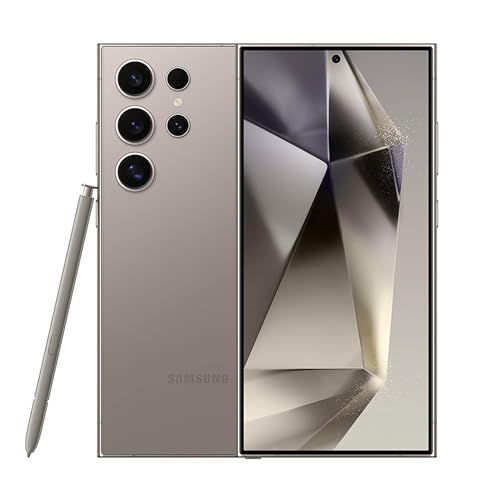
Samsung Galaxy S24 Ultra Cell Phone, 256GB AI Smartphone, Unlocked Android, 200MP, 100x Zoom Cameras, Fast Processor, Long Battery Life, Edge-to-Edge Display, S Pen, US Version, 2024, Titanium Gray — The Samsung flagship profile in one device: S Pen, long zoom, a very bright anti-reflective display, and a seven-year update commitment — the maximalist option fully realized. Check price on Amazon.

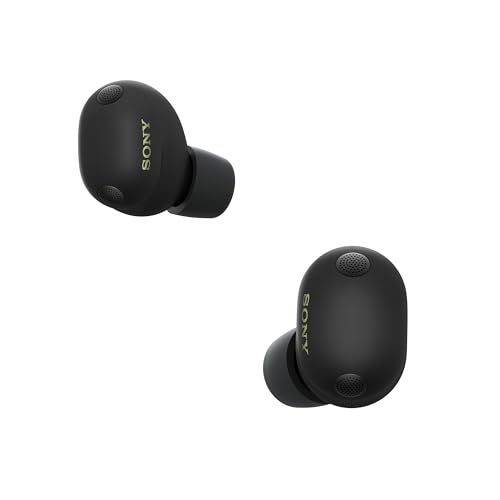
Google Pixel Buds Pro 2 – Wireless Bluetooth Earbuds – Hazel — Pixel Buds Pro 2 pair naturally with Pixel phones, with Google assistant and AI features built in — and they work happily with Samsung phones too, like most good earbuds. Check price on Amazon.
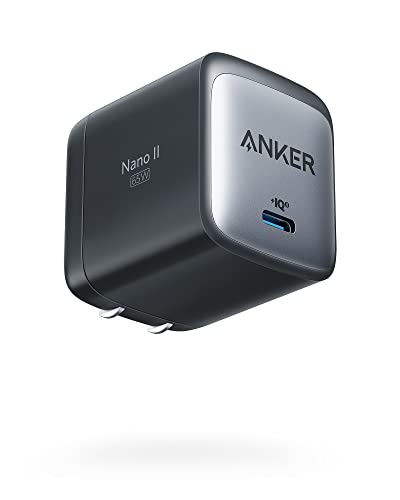
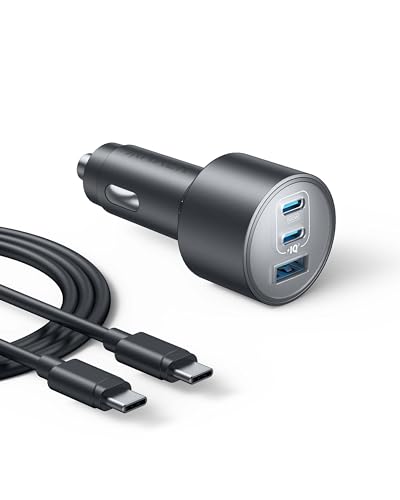
Anker Nano 65W GaN II PPS USB C Charger, Fast Compact Foldable Charger — Neither flagship ships with a charger; one good GaN USB-C charger serves either brand at full speed and ends the drawer-of-bricks era. Check price on Amazon.
In this guide
Side-by-Side: Samsung Galaxy vs Google Pixel
Exact models change yearly; the patterns in this table have held across several generations and are the reliable basis for choosing.
| Criterion | Samsung Galaxy (flagship line) | Google Pixel (flagship line) |
|---|---|---|
| Software feel | One UI: feature-rich, highly customizable, some duplicate Samsung apps alongside Google ones | Clean Google Android: minimal, fast, few duplicates, features arrive first |
| Camera approach | Versatile hardware: multiple lenses, long zoom on Ultra models, vibrant color style | Computational photography: superb consistency, natural color, excellent low light from the main camera |
| Displays | Among the brightest and most polished available, anti-reflective coatings on top models | Excellent displays, a step behind Samsung on peak brightness and coatings |
| AI features | Galaxy AI suite: translation, summaries, photo editing, growing each generation | Google AI deeply woven in: call screening, transcription, photo tools, assistant features |
| Updates | Long commitments on flagships — up to seven years on recent models | Long commitments — up to seven years, delivered first, on release day |
| Extras | S Pen on Ultra, DeX desktop mode, microSD on some A-series, huge model range | Simpler range, strong haptics, exclusive call and recorder features |
| Battery and charging | Large batteries, fast wired charging on flagships | Good battery life, historically slower charging speeds |
Camera: Hardware Versatility vs Computational Consistency
Samsung gives you more lenses and more reach — an Ultra model zoom range covers concerts and wildlife in a way a Pixel simply cannot match optically, and its color style is vivid and social-ready straight from the shutter. If you photograph varied subjects at varied distances, that flexibility is real value. Samsung video is also strong, with a deep set of manual controls for people who use them.
Pixel bets everything on the shot you take most: press the button, get a great photo. Its processing handles mixed lighting, skin tones, and moving kids and pets with a consistency that still sets the class standard, and its editing tools — removing photobombers, fixing blur, choosing the best face from a burst — solve problems after the fact. If your camera roll is people and everyday life, Pixel processing flatters your actual habits. If it is travel, sport, and zoom, Samsung hardware serves you better.
Software: One UI Depth vs Pixel Simplicity
One UI is a power user playground: split-screen done well, edge panels, routines that automate the phone by location or time, deep theme control, and a settings depth that rewards tinkering. The cost is complexity and duplication — two galleries, two assistants historically, two app stores — which some users ignore happily and others find noisy every single day.
Pixel software is the reference Android experience: clean, quick, and first to receive new features and versions. Its exclusives are quietly life-changing rather than flashy — call screening that answers spam for you, a recorder that transcribes in real time, hold-for-me assistance. If you want your phone to feel like one coherent product designed by one team, Pixel is that phone. If you want to shape your phone into exactly your tool, Samsung hands you more raw material.
Updates and Longevity
This used to be Pixel runaway win; it is now close to a draw at the flagship level, with both brands committing to as many as seven years of OS and security updates on recent flagships. The remaining differences are timing and texture: Pixel updates land first and all at once, while Samsung rolls out in waves by region and model, sometimes weeks later. Samsung mid-range and budget models carry shorter commitments than its flagships, so check the exact model promise either way — the brand name alone does not guarantee the long policy.
Practically, both will keep a flagship safe and current longer than most people keep phones. Longevity should therefore not decide this comparison for flagship buyers; daily feel should. For budget buyers, compare the specific models commitments carefully, because that is where the two brands still diverge.
Battery, Charging, and Daily Hardware
Samsung flagships pair large batteries with genuinely fast wired charging, so a short top-up meaningfully changes your day, and the Ultra line adds the S Pen — a real tool for note-takers, signers, and photo editors that Pixel has no answer for. Samsung DeX, which turns the phone into a desktop-like environment on a monitor, is another exclusive that matters to a small, devoted audience.
Pixel counters with efficiency and feel: adaptive battery management that learns your routine, excellent haptics, and a size range that usually includes a genuinely manageable model. Its charging has historically trailed Samsung speeds, so heavy users who live by the quick top-up should weigh that honestly. Both brands offer wireless charging and water resistance at the flagship tier; neither includes a charger in the box, so budget for one good USB-C charger either way.
Who Each Option Suits
Choose Samsung if…
You want the most complete hardware package: the brightest screen, the most camera reach, the fastest charging, and extras like the S Pen or DeX. You enjoy customizing, you keep phones for years and want the flagship update commitment, or you are buying mid-range, where Samsung A-series breadth gives you more choice at more sizes and feature mixes than Pixel smaller range.
Choose Pixel if…
You want the camera that simply delivers, every time, without thinking — especially of people, pets, and low light. You prefer clean software without duplicates, you value updates the day they release, and features like call screening and transcription genuinely fit your life. You are the person friends ask to take the group photo, and you would rather your phone be smart than stuffed.
Final Recommendation: Samsung vs Pixel Android Phones
For most buyers, the deciding question is embarrassingly simple: do you want your phone to do more things, or to do its things more gracefully? Samsung is the maximalist answer and Pixel the minimalist one, and both are excellent executions of their philosophy. Photographers of people lean Pixel; photographers of everything else lean Samsung. Tinkerers lean Samsung; set-it-and-forget-it owners lean Pixel.
Whichever you choose, buy the current or previous flagship generation, confirm the update commitment for the exact model, and pick storage one tier above your current usage. Then stop reading comparisons — the other phone would also have made you happy, and the best camera, screen, and assistant is the one in your pocket being used.
The Software Philosophies, Lived With Daily
The deepest difference between Samsung and Pixel phones is not hardware; it is what each company believes a phone should do for you. Samsung builds a feature-rich environment that tries to anticipate every possible want: extensive customisation, powerful multitasking, duplicate app ecosystems, and settings for things you did not know were settings. Pixel builds a restrained environment centred on Google’s services and on computational intelligence doing quiet work — screening calls, cleaning up photos, transcribing recordings — without asking you to configure anything. Neither philosophy is a trick. They suit different temperaments, and the honest way to choose is to ask whether you enjoy tailoring a device or prefer one that simply behaves.
Updates and the long view
Both makers now promise long update support on their flagship and many mid-range models, with Pixel historically receiving new Android versions first because Google writes the system. Samsung’s cadence has tightened considerably and its security patching on popular models is reliable. The practical difference for most owners is small but real: Pixel owners taste new features months earlier, while Samsung owners of older models sometimes wait. If you keep a phone for many years, confirm the specific model’s promised support window in writing at purchase, because promises vary by model tier within both brands, and the budget tiers of each receive shorter commitments than the flagships that headline the announcements.
Cameras: Two Valid Answers to the Same Question
Pixel’s camera reputation rests on processing: it takes the scene you point at and produces the photo you hoped you took, with particular strength in difficult light, skin tones, and point-and-shoot reliability. Samsung offers more hardware variety — more lenses, longer zoom on its top models, higher-resolution options — and a more vivid house style that many people prefer for sharing straight from the phone. The meaningful test is your album. If most of your photos are people indoors, the Pixel’s consistency is hard to beat. If you photograph from a distance — school stages, sports sidelines, wildlife on walks — Samsung’s top-tier zoom hardware does things no processing can imitate.
Video and the everyday details
Samsung has traditionally offered more manual video control and strong stabilisation, appealing to people who film deliberately. Pixel’s video has improved steadily and its audio and low-light handling are strong for casual filming. Beyond cameras, daily details accumulate: Samsung’s displays are typically excellent and bright, its top models offer stylus support in the Ultra line that Pixel does not match, and its ecosystem of watches, earbuds, and tablets is broad. Pixel counters with cleaner integration of Google services, call features that genuinely reduce spam misery, and a recorder and transcription capability that students and professionals quietly adore. Lists of features matter less than which three features you will actually touch daily.
Hardware Range and the Mid-Range Question
Samsung sells phones at nearly every price tier, which is both its strength and its confusion: the Samsung badge spans from basic budget models to the most elaborate foldables, and quality varies accordingly. Pixel’s range is narrower and more curated, with its mid-range A-series widely regarded as the value sweet spot of the whole Android market because it keeps the camera processing and update support of the flagships at a gentler tier. If your budget sits in the middle, the comparison is often Samsung’s feature breadth and frequent discounts against Pixel’s camera and software cleanliness. If your budget is at the top, it becomes Samsung’s maximal hardware — zoom, stylus, foldable options — against Pixel’s intelligence-led experience.
Foldables, and the option only one side offers
If you want a folding phone, Samsung is effectively the established choice, with multiple generations of both book-style and flip-style devices, mature software for the folding screens, and an accessory ecosystem. Pixel has entered the foldable space more recently and more cautiously. A buyer set on folding should weight Samsung’s maturity heavily; a buyer indifferent to folding should ignore the category entirely rather than letting it distort a slab-phone decision.
Ownership Over Three Years
Long-term, the ownership textures differ. Samsung’s richness means more to learn and occasionally more to tame — duplicate apps to choose between, settings to quiet — but also more ability to make the phone precisely yours, and repair services for Samsung are widely available. Pixel ownership is quieter, with fewer decisions and a tighter bond to Google’s services, which is bliss if you live in those services and limiting if you do not. Battery behaviour on both depends on model and usage more than brand. Resale values for both brands trail some rivals but Samsung’s flagships, helped by aggressive trade-in programmes, often work out better in upgrade maths than sticker comparisons suggest.
Switching costs if you change your mind
Moving between these two later is painless compared with changing operating systems entirely: your apps, photos, and accounts are all in the same ecosystem, and transfer tools handle the bulk. Brand-specific habits are the only real cost — Samsung users miss their customisations and multitasking tricks; Pixel users miss call screening and camera confidence. Knowing the switching cost is low should relax the decision. You are choosing a phone for the next few years, not a tribe for life, and both choices are defensible, well-supported ones.
Decision Shortcuts by Person
- The point-and-shoot parent: Pixel, for camera consistency on moving children in bad light and spam-call relief.
- The power customiser: Samsung, for the deepest settings, multitasking, and hardware variety.
- The long-keeper on a budget: Pixel’s mid-range, for flagship-grade updates and camera at a mid tier.
- The distant-subject photographer: Samsung’s top tier, for genuine optical zoom reach.
- The foldable-curious: Samsung, for maturity and choice of form factors.
- The Google-services devotee: Pixel, for the tightest integration and earliest features.
If you recognise yourself clearly in one line, your decision is made. If you recognise yourself in none, buy on the practicalities — the better offer, the size that fits your hand, the shop that will support you — because at that point the phones have tied, and the tiebreakers are logistical rather than philosophical.
Head-to-Head in the Scenarios That Actually Decide
Put the two brands into specific weeks of life and the abstractions resolve. A week of school events: the Pixel parent shoots indoors, in gyms and halls, and trusts the camera to freeze motion and balance ugly light; the Samsung parent at the same events zooms from the back row and films with confident stabilisation, accepting a little more processing character in exchange for reach. A week of business travel: the Pixel traveller leans on call screening in a foreign city, transcription of meetings, and the calm of a phone that manages itself; the Samsung traveller splits screens between documents and email, marks up a PDF with a stylus on the top model, and runs a laptop-like desktop mode from the phone in the hotel. Neither week has a loser. Each has a phone whose strengths were aimed at it.
A week of ordinary family life is the fairest test of all, because most weeks are ordinary. Messages, photos of nothing special, navigation, banking, a video call, a game in a waiting room. Here the differences shrink to texture: Samsung’s extra features surface as small conveniences — a routine that silences the phone at the office, a theme that pleases — while Pixel’s surface as small absences of friction — spam that never rang, a photo that fixed itself, a recording that transcribed itself. Texture is a legitimate basis for a multi-year decision, because texture is what you will actually experience ten thousand times.
The camera, judged by album rather than by launch event
Launch events photograph bridges at sunset; albums contain birthdays in kitchens. Judge both brands by kitchen light. Pixel’s processing has built its name on exactly that unglamorous competence — faces that stay faces, mixed lighting that stays balanced, a shutter that fires when tapped. Samsung’s recent generations have closed much of that gap while keeping hardware Pixel does not offer at the same tiers, particularly in zoom. The honest summary for most buyers is that both cameras are excellent, Pixel is more consistent for people, Samsung is more capable for distance, and your subject matter should break the tie. If your album is ninety percent family, consistency wins. If it is stages, sidelines, and scenery, reach wins.
Money, Deals, and the Shape of the Ranges
Samsung’s range sprawls from budget to luxury, and its pricing moves: launch prices soften quickly, trade-in offers are aggressive, and carrier deals are frequent, so the price you pay for a Samsung is often well below its headline. Pixel’s range is compact, its mid-range model is the value anchor, and its discounts arrive on a predictable rhythm around shopping seasons. The practical advice differs by brand. For Samsung, patience and trade-in maths are part of the product — never pay the first price you see without checking the trade-in value of your current phone. For Pixel, the decision is simpler: choose the tier, watch for the seasonal discount, and buy without drama. Both brands’ older flagships, discounted, compete directly with the other’s new mid-range, and that cross-shopping is where careful buyers find their best value.
Accessories and the ecosystem tax
Both brands sell watches, earbuds, tablets, and cases that work best within their own family, and both families interoperate with the wider Android world well enough that the tax for mixing is small but real: a Samsung watch gives a Pixel owner most but not all of its features, and Pixel’s buds are happiest with a Pixel. If you already own accessories, inventory their loyalties before choosing the phone, because replacing a watch to match a phone is an expense that belongs in the comparison. If you own nothing yet, the ecosystem argument should not drive the phone choice — buy the phone for the phone, and let accessories follow.
Reliability, Repair, and the Long Tail of Ownership
Both brands are serviced widely, with Samsung’s sheer market presence giving it an edge in walk-in repair availability in many regions, and screens and batteries for popular models of both are routine work for independent shops. Software support commitments on recent flagships from both are long and published; on budget models of both they shorten, Samsung’s vast range making model-by-model checking especially important. Battery longevity across a three-year span is comparable and governed more by your charging habits than by brand. Where the brands genuinely diverge over years is software character: Samsung owners accumulate a personalised system they have shaped, Pixel owners accumulate reliance on Google’s intelligent services, and both forms of accumulation make switching away feel costlier than the data transfer suggests — which is a reason to choose deliberately now, not a reason to fear choosing at all.
Myths on both sides
Retire two caricatures. The first says Samsung phones are bloated and slow; modern One UI on appropriate hardware is fast, and its extras are optional in a way critics understate. The second says Pixels are fragile experiments; recent generations are conventional, well-built phones whose beta-programme reputation belongs to enthusiasts who volunteer for early software. Both caricatures were once grounded in something real, which is how they survive, but buying on a five-year-old impression is how people miss the phone that currently suits them. Judge the models in the shop, on current software, against your own week of life.
The Verdict Framework
- Camera subjects are people in ordinary light: lean Pixel.
- Camera subjects are distant, or you want a stylus or a foldable: lean Samsung.
- You live inside Google’s services and hate spam calls: lean Pixel.
- You customise, automate, and multitask heavily: lean Samsung.
- Mid-range value with long support: compare Pixel’s A-series against Samsung’s discounted models with a calculator, not a slogan.
- You already own a watch or buds from one family: count replacing them in the other family’s price.
Work through the list honestly and a winner usually emerges by the third line. If it does not, the phones have tied for your life, and you should buy on price, size, and the shop’s service — the tiebreakers of a decision that has no wrong answer left in it.
Durability, Water, and the Real World Test
Both brands build their flagships to survive the ordinary accidents of life — rain, splashes, dust, the occasional short drop onto forgiving surfaces — and both publish water-resistance ratings that should be read as accident insurance rather than swimming permission, because seals age, repairs compromise them, and no warranty covers water. The differences that matter in practice are subtler. Samsung’s long presence in every market means its screens and backs are stocked by repairers everywhere, often making a cracked Samsung the fastest and cheapest flagship repair in a small town. Pixel parts availability has improved with the line’s maturity but still varies more by region. Cases change the equation for both: a good case on either phone makes most drop outcomes boring, and the buyer who plans to case the phone should weigh in-hand feel with the case on, since that is the phone they will actually hold for three years.
Buttons, ports, and the small hardware tells accumulate over ownership. Both brands have moved to sealed, port-light designs at the top, and both charge reliably over USB-C with the right accessories. Where owners report genuine divergence is in the accessories’ breadth: Samsung’s cases, covers with stylus storage, and watch bands form a deeper aftermarket simply because the volumes are larger, while Pixel’s official accessories are fewer but tightly integrated. Neither difference should headline a decision; together they form the texture of ownership, and texture, repeated daily for years, is a legitimate thing to buy.
Software support in the small print, compared honestly
Both makers publish long support commitments for their recent flagships, and both shorten those commitments as models step down in price — Samsung across a much wider range, so the checking burden is heavier on its side of the shop. The practical method is identical for both: find the exact model’s stated years for version upgrades and for security patches, note them against your intended ownership length, and let a shortfall disqualify a phone you otherwise love if you are a long keeper. A phone bought for two years can shrug at policy; a phone bought for five must be interrogated. This is the least exciting paragraph in the comparison and, for long keepers, the most consequential one.
The Camera, One Level Deeper: Consistency Versus Ceiling
Professional reviewers often summarise this rivalry as consistency against ceiling, and the summary survives because it is true. Pixel’s processing aims to make the fiftieth photo of an ordinary Tuesday as reliable as the first: skin tones stay honest, mixed indoor light stays balanced, and the shutter’s timing respects moving subjects. Its ceiling — the best photograph it can possibly take — is high, but its signature achievement is the floor: it rarely takes a bad one. Samsung’s top models raise the ceiling with hardware: longer genuine zoom, larger sensors in the Ultra line, more manual control for those who compose deliberately. Their floor has risen steadily toward Pixel’s, generation by generation. A buyer should therefore ask which distribution describes their album. If the album is ten thousand ordinary moments that must not fail, buy the floor. If it contains deliberate photography — trips, events, landscapes composed with intent — buy the ceiling. Both answers are respectable; confusing them is the only error.
Video calls, microphones, and the unreviewed essentials
Some of the most-used hardware on any phone is the least reviewed: the earpiece, the microphones, the front camera in bad light, the vibration motor that either whispers or buzzes like an insect on a table. Pixel’s investment in speech — call clarity, transcription, background-noise suppression on calls — shows in exactly these unglamorous places, and people who spend their days on calls feel it. Samsung counters with excellent speakers on its flagships and a mature multi-device audio story across its buds and watches. If your phone is primarily a telephone in the old sense — hours of voice daily — weight these details as headline features, because for you they are, whatever the launch events chose to celebrate.
Foldables and Tablets: The Wider Board
For buyers whose lives include a tablet or an interest in folding phones, the comparison widens beyond the handset. Samsung’s foldables are the mature option, with software that has spent generations learning the folding screen, multitasking that genuinely uses the inner display, and a repair network that has seen these devices before. Its tablets similarly form a complete, long-supported range with stylus support. Google’s tablet and foldable efforts are younger, charming in their integration with Google’s services, and thinner in accessories and track record. A buyer committed to a phone alone can ignore this entire section; a buyer building a small ecosystem should not, because the phone is the anchor purchase and the rest of the fleet follows its flag.
What owners say in year three
Long-term owner sentiment, gathered across forums and review follow-ups, converges on a pattern that spec sheets cannot show. Samsung owners in year three praise the hardware’s endurance and the features they grew into, and complain, when they complain, about software weight on lesser models and the discipline required to keep the system tidy. Pixel owners praise the camera’s continued reliability and the intelligence features that became habits, and complain, when they complain, about hardware quirks of specific generations and a narrower repair footprint. Both groups, notably, tend to buy the same brand again — not from captivity, since switching within Android is easy, but because each brand’s philosophy, once lived in, tends to confirm the temperament that chose it. That is the deepest truth in this comparison: the choice is less about which phone is better than about which set of priorities you would like to live inside.
The Tiebreakers, When Everything Else Is Equal
- Hold both. The hand’s verdict after ten honest minutes outweighs a month of reading.
- Price the whole purchase — trade-in, case, charger, watch compatibility — not the handset alone.
- Ask your household: if anyone will help you with this phone, their familiarity is a feature.
- Check the exact model’s support dates against your intended years of ownership.
- Photograph your actual subjects — children, pets, stages, kitchens — on both, in the shop’s unflattering light.
Work those five and the rivalry resolves into a purchase. Either phone will serve a considered buyer well for years; the considered part is what this guide has been selling all along.
The Retail Experience and After-Sales Reality
A factor rarely compared, because it lives outside the phones, is what happens when something goes wrong. Samsung’s scale means its service centres, authorised repairers, and spare parts are present in more towns, and its support operation handles a volume that makes most procedures routine. Google’s support for Pixel is centralised and generally well regarded when reached, with mail-in repair the norm in many regions and walk-in options concentrated in larger cities. For a buyer whose nearest city is small, that geography is a genuine specification: the best phone is partly the one that can be fixed within the week it breaks. Ask locally before buying either — one question to the town’s repair shop about which brand they can turn around fastest is worth a page of specifications, and the answer occasionally decides the whole comparison on the spot.
Trade-in programmes as a hidden feature
Both brands use trade-ins to keep owners loyal, but the programmes differ in generosity and rhythm, and for upgraders they function as a recurring discount that belongs in the purchase maths. Samsung’s offers at launch are famously aggressive, sometimes valuing an older Galaxy highly enough to change the effective price class of the new one. Google’s trade-in values are steadier and its store credit promotions predictable around its seasonal sales. An owner who upgrades every two or three years within one brand is, in effect, subscribing to that brand’s trade-in generosity, and comparing the programmes across a couple of cycles can outweigh a small difference in the phones themselves. Price the cycle, not the handset, if upgrading is your habit.
What This Rivalry Does to the Rest of Android
Step back and the Samsung–Pixel contest is best understood as Android’s two futures competing in public. Samsung argues the phone should be a maximal device: every feature, every form factor, hardware that anticipates needs users have not articulated yet. Google argues the phone should be an intelligent service: ordinary hardware elevated by software that removes friction invisibly. The rest of the Android world watches and borrows from both, which is why features pioneered on one side — call screening, advanced multitasking, long update promises — keep becoming platform expectations. For the buyer, this rivalry is pure benefit: whichever temperament you choose, the other side’s existence disciplines your brand’s pricing, support, and ambition. Choose your phone, enjoy the rivalry, and let the two futures keep arguing at their own expense rather than yours.
The Software Update Morning, Compared
There is a small ritual that reveals the brands’ characters more honestly than any keynote: the morning a major new Android version lands. On a Pixel it arrives first, quietly, with Google’s own features front and centre and the phone feeling refreshed within the week of the announcement. On a Samsung it arrives later, wearing One UI’s new coat — a more visible renovation, with Samsung’s features layered over the platform’s — and owners trade immediacy for a bigger reveal. Neither ritual is superior, but they suit different appetites, and over a five-year ownership you will attend this ritual several times, so its flavour is a legitimate part of the choice. The security patches underneath follow the same pattern in miniature: Pixel’s arrive like clockwork at the month’s start, Samsung’s close behind on supported models. For the long keeper, both rhythms are acceptable; what is not acceptable, on either side of the shop, is a model whose rhythm stops early — which is why the exact model’s written commitment, checked before purchase, remains the most important sentence in this entire comparison.
Resale day: the last comparison
When the phones are finally sold or traded, the rivalry has one last word. Both brands’ flagships retain respectable value, Samsung’s buoyed by its trade-in ecosystem and sheer demand, Pixel’s by its camera reputation and long support making older units still desirable. Mid-range models of both fade faster, Samsung’s vast range producing some steep fallers and some surprising holdouts. The practical lesson is to keep the phone cased, keep its box, and time the sale before its successor’s launch if maximising value matters to you. But the deeper lesson is that resale should be the last tiebreaker consulted, not the first: a phone bought to be lived with for years, chosen for its fit with your life, will return its value to you daily in use — the only currency that spends every single day of the ownership.
Choosing With a Clear Conscience
Both of these brands make phones that a thoughtful buyer can choose without a whisper of regret, and both make models within their ranges that the same buyer should avoid — which is why this guide has insisted throughout on the model, the policy, the scenario, and the hand, rather than the badge. Do the work at that level and the badge takes care of itself. Then stop comparing, because the comparison’s purpose was the purchase, and after the purchase its only remaining function is to manufacture doubt about a decision that was sound when you made it. Live in the phone you chose. In three years, when its successor beckons, you will run this comparison again with better questions — the surest sign that this one was answered well.
What to Do With This Comparison on the Day You Buy
On buying day, compress everything into a pocket procedure. Confirm the exact model’s support dates in writing. Price the whole purchase on both sides — handset, trade-in, case, charger, the watch you may one day want. Handle both phones for ten minutes each with your real tasks: type, photograph a moving face, find a setting. Ask the repair question of one local shop. Then choose, and — this is part of the procedure — stop reading comparisons that evening, because the post-purchase internet is an engine for manufacturing regret about decisions that were sound when made. Both of these phones will serve a deliberate buyer faithfully for years. The deliberateness was the product all along; the phone is merely where it gets delivered.
Related Guides
- best earbuds for android phones
- best prices for android phones
- best printer for android phones
- best tracking app for android phones
- best cases for android phones
- android vs ios for beginners
- stock android vs one ui
- what is the best android version
Frequently Asked Questions
Which has the better camera overall?
For point-and-shoot consistency — people, pets, restaurants, mixed light — Pixel processing still produces the most reliable results with zero effort. For versatility — zoom range, video controls, varied subjects at distance — Samsung Ultra hardware wins. Most buyers should judge by their own camera roll: if it is faces and everyday moments, Pixel; if it is travel, events, and reach, Samsung.
Which gets updates longer?
At the flagship level, recent models from both brands carry commitments up to seven years of OS and security updates, with Pixel delivering them first. The gap appears lower down the ranges, where specific Samsung models may carry shorter promises than Pixel a-series equivalents — so for non-flagship purchases, check the exact model policy rather than assuming the flagship promise applies.
Is One UI really that different from Pixel software?
Yes, in daily feel. One UI adds layers of customization, automation, and Samsung own apps and services; Pixel keeps the interface minimal and Google-centric. Neither is objectively better — people who love tweaking find Pixel limiting, and people who love calm find One UI noisy. If possible, spend ten minutes with each in a store, opening settings and the camera; your gut reaction is reliable data.
Which is better value?
Pixel flagships often launch positioned as the value flagship, and Samsung flagships discount aggressively a few months after launch and through carrier promotions, so the honest answer is: whichever is on promotion when you buy. Previous-generation models from both brands are superb value. Compare total cost including the charger neither box contains, and weight the update commitment remaining on an older model.
Can I switch between them without pain?
Yes — both are Android, so your Google account, photos, and most apps move with the standard transfer flow, and your purchased apps carry over. Brand-specific extras do not: Samsung notes and Pixel-exclusive features stay behind, and accessories like the S Pen obviously do not transfer. The switch cost is an afternoon, not a weekend, in either direction.
Which is better for gaming?
Samsung flagships typically pair top processors with bright, high-refresh displays and strong cooling in the Ultra line, making them the safer pick for long, demanding sessions. Pixel phones handle mainstream gaming well but have historically prioritized efficiency and AI over sustained graphics performance. Casual and mid-core gamers will be happy on either; marathon players of the heaviest titles should lean Samsung and a model with serious cooling.
Which is better for someone who keeps a phone for many years?
Both brands’ recent flagships and stronger mid-range models carry long, published support commitments, so the honest answer is model-specific rather than brand-specific: find the exact phone’s promised version upgrades and security years, and compare those against your intended ownership. Pixel’s range is narrower, making the check quicker, and its updates arrive first. Samsung’s range is wider, so its budget models need the check most of all, while its flagships match anyone. A long keeper served by either brand should buy the model whose written promise covers the whole intended life, with the patch calendar, not the launch event, as the authority.
Which camera should I choose for photographing children?
For the classic parental workload — moving children, indoor light, no second chances — consistency is the deciding virtue, and that has historically been Pixel’s signature strength: fast, reliable capture with processing that rescues difficult light and keeps faces honest. Samsung’s recent models have narrowed that gap considerably and add reach that Pixel cannot match at the same tiers, which matters when the children are on a stage or a pitch rather than across the kitchen. Photograph a walking person under a shop’s mixed lighting on both phones before deciding; the one whose shot survives that test is the camera your album needs.
Is it difficult to switch between Samsung and Pixel later?
No — it is among the gentlest migrations in technology, because both phones live in the same Android ecosystem: accounts, applications, photographs, and messages travel through standard transfer tools in an evening. What does not travel is arrangement — your home-screen architecture, Samsung’s routines or Pixel’s learned conveniences — and rebuilding that takes a week of small adjustments. Knowing the switching cost is this low should relax the original decision considerably: you are choosing a phone for the next few years, not swearing a permanent allegiance, and both choices remain revisitable at every upgrade.