Disclosure: As an Amazon Associate, kajuandouglas.com earns from qualifying purchases. Links to Amazon on this page are affiliate links; they cost you nothing extra. Listing details such as price and availability change often, so check the current Amazon listing before you buy.
A good headset buying guide should do one thing: turn a wall of similar-looking products into a short list matched to your life. Headsets fail their owners in predictable ways — they hurt after an hour, their microphones embarrass them on calls, their wireless refuses to talk to a console — and every one of those failures was predictable at purchase time from a handful of criteria that marketing pages do not emphasise.
This guide sets out those criteria in priority order, explains the specifications in plain language, shows how to prioritise differently for work, gaming and mixed use, and finishes with the tier framing and mistakes that help you spend once and spend well.
The short version: Prioritise in this order: platform and connection compatibility, fit for your longest sessions, microphone quality, then sound character, then extras. Buy the tier your hours justify — daily all-day use repays mid-tier and premium comfort quickly — and treat replaceable pads and cables as lifespan features worth paying for.
Headset Buying Guide
In this guide
Gear for This Guide

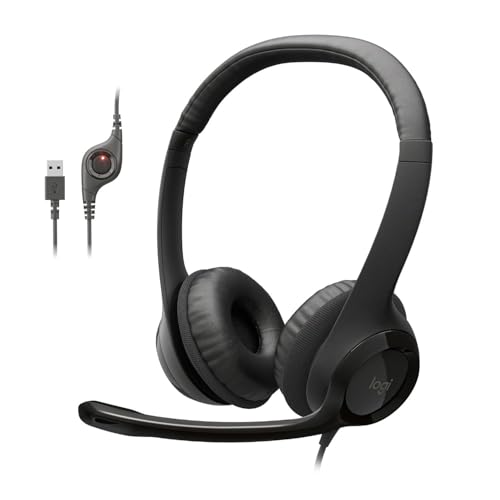
Logitech H390 Wired USB-A Headset — The entry tier done right for desk work: wired USB, a noise-cancelling mic and nothing you do not need. Check price on Amazon.
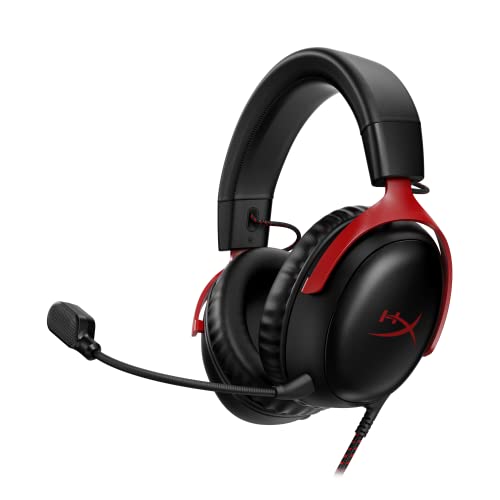
HyperX Cloud III Wired Gaming Headset — A mid-tier gaming reference: multi-platform wired connections and memory-foam comfort for long sessions. Check price on Amazon.

SteelSeries Arctis Nova 7 Wireless — A premium-tier wireless example: simultaneous 2.4 GHz and Bluetooth, aimed at players who live across devices. Check price on Amazon.

Jabra Evolve2 65 Wireless Headset — A premium work-tier example, where the money buys call clarity, comfort and meeting-ready controls. Check price on Amazon.
Criterion 1: Compatibility Before Everything
A headset that does not connect to your platform is not a bargain at any price, so compatibility is the first filter, applied before sound, before comfort, before budget. List your devices — PC, which console, phone, tablet — and the connection each accepts. USB suits PCs and PlayStation; Xbox wireless requires headsets built for its own protocol; 3.5 mm wired works almost everywhere including controllers; Bluetooth serves phones and computers but not, by itself, most consoles. Multi-platform households should shortlist models that state every one of their platforms explicitly, like the wired flexibility of the HyperX Cloud III in our PC gaming picks.
Compatibility also includes the small print: does the headset’s companion software run on your operating system, does the wireless dongle suit your ports, and does the microphone work over the connection you plan to use (some headsets restrict features by connection type)? Five minutes on the manufacturer’s specification page prevents the most common return in the category.
Criterion 2: Fit and Comfort for Your Longest Day
Judge comfort against your longest realistic session, not a typical one. Over-ear designs with deep, soft pads suit most people for multi-hour wear; lighter on-ear and single-ear designs suit shorter calls and roles needing awareness of the room. Weight, clamping force and pad material interact: memory foam distributes pressure kindly, fabric pads breathe better than leatherette in warm rooms, and replaceable pads matter because pads are both a comfort component and the first part to wear out.
Glasses wearers, people with larger or smaller heads, and anyone who has returned a headset for hurting before should treat fit as the deciding criterion and buy from somewhere with a painless return window, then test across a full day in the first week. No specification sheet can promise comfort — only a day of wear can. The comparison in over ear vs on ear headsets compared explains the over-ear and on-ear trade-offs in detail.
Criterion 3: Microphone Quality
If anyone else hears you through this headset, the microphone deserves a top-three place in your decision. Boom microphones beat ear-cup microphones for clarity because position beats processing. Noise-cancelling microphone technology helps in real rooms. Practical features — flip-to-mute, a mute you can find blind, sidetone so you hear yourself — separate professional-feeling headsets from frustrating ones across hundreds of calls.
Judge microphones by recordings in reviews rather than by adjectives, and weight them by your audience: a weekly team game tolerates an average mic, while client calls, teaching, streaming or recorded content should push microphone quality to the very top of your budget split. Work-focused ranges such as work headsets like the Jabra Evolve2 range exist because this criterion dominates for professional use.
Criterion 4: Sound Character, Not Sound Specifications
Ignore driver size as a quality signal. What matters is tuning: whether the headset’s balance of bass, midrange and treble suits your content. Gaming headsets lean into impact and detail retrieval; work headsets tune for natural voices; music-leaning models vary by taste. Virtual surround is processing you can often add in software or through your console, so it should rarely be the reason to choose one headset over another. An equaliser in the companion app is worth more than most headline features, because it lets the headset adapt to you.
If specifications are quoted, the useful ones are weight, battery runtime for wireless models, connection types and what is in the box. Frequency-response ranges and driver diameters, by contrast, are close to meaningless for comparing how two headsets will actually sound in your games and calls.
Criterion 5: Battery, Controls and Ownership Details
For wireless models, match runtime to your longest days with generous margin, and check the dead-battery behaviour: headsets that keep working over a cable never strand you mid-call. Controls should be physical where it matters — volume and mute you can operate by touch. Multipoint Bluetooth, staying connected to laptop and phone simultaneously, is the convenience feature hybrid workers praise most. Finally, check spare-part availability (pads, cables, dongles) and warranty length; they reveal how long the manufacturer expects the headset to live.
How to Prioritise by Use Case
For work-first buyers: microphone, comfort, USB or multipoint wireless, in that order; sound character a distant fourth. For gaming-first buyers: platform wireless compatibility or low-latency connection, comfort, then game/chat balance controls and sound tuning. For mixed use: accept a model that is genuinely good at both rather than perfect at one — usually a gaming headset with a detachable mic or a work headset with enjoyable sound. For travel and commuting: closed-back isolation or active noise cancellation jumps to first place, with foldability and battery behind it.
Notice that in every ordering, compatibility and fit hold the top positions. That is the central lesson of this guide: headsets are worn, connected objects before they are audio products, and the purchases people regret are almost never the ones with slightly worse sound — they are the ones that hurt, or would not pair, or made them sound like they were calling from a cave.
Tiers, in Words
Entry tier buys honest wired headsets for desks and consoles: expect competent sound, serviceable microphones and basic comfort — the right spend for occasional use and shared or spare headsets. Mid tier is where daily users belong: better pads and build, clearer microphones, wireless options that behave, and software support. Premium tier buys refinement rather than a different category of experience: superior comfort systems, the best microphones, simultaneous multi-device wireless, and materials that age gracefully. Spend in proportion to your weekly hours; a headset worn thirty hours a week repays premium comfort in a way a Saturday headset never will.
Mistakes to Avoid When Buying a Headset
- Filtering by price or driver size first, and by platform compatibility last — the order that produces returns.
- Buying a gaming headset for an all-day meeting job (or the reverse) because it was discounted.
- Assuming Bluetooth means console compatibility, especially with Xbox.
- Ignoring the dead-battery behaviour of wireless models you will wear all day.
- Skipping the full-day comfort test inside the return window.
- Paying a premium for surround branding instead of fit, microphone and build.
With criteria in hand, the shortlists write themselves: match the roundups to your use case — the best headsets for PC for PC-first buyers, the best wireless headsets for PC for wireless freedom — and let the framework above arbitrate between the final two or three. If your decision is really a sequence of smaller skills, start with how to choose a headset, step by step, which walks the choice step by step.
Reading Reviews Without Being Misled by Them
Reviews help most when you read them for your criteria rather than their conclusions. A reviewer who games competitively will score a headset’s microphone generously if it serves callouts, while your clients would judge the same mic harshly. Extract the evidence — microphone recordings, measured weights, battery results, pad dimensions — and re-judge it against your own priorities from this guide. Be especially careful with reviews of comfort: the reviewer’s head is not yours, and their ‘all-day comfort’ claim is a sample of one. Treat star-shaped summaries as entertainment and specifics as information.
Owner reviews add a different signal: patterns. One report of a cracked hinge is an anecdote; forty reports across a year describe a design. Search owner feedback for your top two candidates by the failure words — ‘cracked’, ‘peeling’, ‘dongle’, ‘battery’ — and read what the long-term owners say at month six rather than the unboxing enthusiasm of week one. That is where headsets tell the truth about themselves.
A Simple Decision Worksheet
Before you open a single product page, write five lines: my platforms, in order of hours; my longest session length; whether others hear me and how much it matters; my movement pattern (fixed desk, roaming, couch, travel); and my charging tolerance (never, nightly, weekly). Score each candidate headset against those five lines and eliminate any that fail line one. In practice this worksheet reduces a catalogue of hundreds to two or three finalists in minutes, and the final choice between near-equals can honestly be made on price, colour or which one is in stock — because at that point, the important questions have all been answered.
Keep the worksheet. Headsets are replaced every few years, and your five lines will have changed by then in ways worth noticing — a new console, a new job, a new intolerance for charging. The buyer who re-derives their criteria each time buys well every time; the buyer who re-buys the same model by habit eventually owns a headset perfectly suited to a life they no longer live.
Buying for a Team, a Classroom or a Family
Bulk and shared purchases rewrite the priorities. For a team or classroom, standardisation beats individual perfection: one model means one set of spare pads, one charging routine, one support conversation, and spares that fit everyone. Durability and replaceable parts climb the criteria list, wireless pairing complexity falls (shared wireless headsets get unpaired, lost and confused), and wired USB becomes the pragmatic default it is in most call centres. For a family, the calculus splits by age: volume-limited, robust models for children; a good personal headset for the working adult; and one decent shared wired pair by the computer that nobody has to pair, charge or own. Buying guides written for individuals rarely mention any of this, which is why shared purchases so often disappoint: they were individual purchases multiplied, rather than a decision made for the group that will actually live with the result.
Refurbished, Open-Box and the Second-Hand Question
Headsets are unusually good candidates for manufacturer-refurbished buying — the failure-prone parts are pads and batteries, which refurbishment programmes replace — and unusually poor candidates for casual second-hand buying, because pads carry a previous owner’s history and batteries carry their age invisibly. If you buy used, budget immediately for new pads, clean the headset thoroughly on arrival using the routine in our cleaning guide, and test the microphone with a friend before the return window closes. The discount should be large enough to fund those steps and still leave you ahead; if it is not, the new headset with its warranty was the better buy all along.
The Guide in One Breath
Compatibility first, because a headset that cannot connect is furniture. Fit second, because you wear the decision. Microphone third, because other people live with it. Sound fourth, because it is adjustable and forgiving. Battery, controls and spare parts as the supporting cast. Tiers by hours, not by aspiration. Reviews mined for evidence, not verdicts. And a full-day test inside a return window as the final judge. That is the whole of this buying guide, and it will still be true when every model mentioned in it has been replaced twice over — which is rather the point of buying by criteria instead of by catalogue.
Frequently Asked Questions
How much should I spend on a headset?
Spend in proportion to your hours. Occasional users are well served by entry-tier wired models. People wearing a headset daily for work or play should buy mid-tier at least, because comfort and microphone quality repay the difference quickly. Premium tiers buy refinement and multi-device convenience, which heavy users feel daily and light users rarely notice.
Which matters more, sound quality or microphone quality?
For anyone who is heard through the headset — calls, team games, streaming — the microphone matters more, because it is the part everyone else experiences. Sound quality is a private pleasure; microphone quality is your public voice. Solo players and music listeners can reverse the priority.
Is wireless worth it over wired?
Wireless is worth it if you move during use, game from a couch, or switch between rooms and devices. At a fixed desk, wired offers the same experience with no charging and no pairing, usually for less money. Judge by your movement pattern, not by which technology feels more modern.
What is the most commonly regretted headset purchase?
The headset that hurts after an hour. Comfort failures outnumber sound complaints in returns, because people test sound in minutes and comfort only across days. Buy with a return window, wear the headset for a full typical day immediately, and be willing to exchange it — fit is personal and no review can decide it for you.
Do I need a separate headset for work and gaming?
Only if your two uses pull in opposite directions — for example, all-day client calls plus competitive console gaming with platform-specific wireless. Many people are well served by one mid-tier model with a good detachable or retractable microphone. Buy one headset for your dominant use first and add a second only if a real friction remains.
Are replaceable parts worth paying for?
Yes, for daily users. Ear pads wear out in one to two years of heavy use, and cables are the most common failure point. A headset with replaceable pads and a detachable cable can serve twice as long as a sealed equivalent, which makes a modest premium cheaper over the headset’s life.
The Criteria That Matter, Weighed Honestly
A buying guide earns its keep not by listing features but by weighing them, because every headset advertises the same dozen virtues and the differences that matter are in the trade-offs nobody prints. Comfort against isolation, microphone polish against music tuning, features against battery, build against weight — every design is a set of choices, and buying well means choosing the set whose compromises land where you do not mind them. This section weighs the criteria in the order they affect ownership, explains what each tier jump genuinely buys, and covers the unglamorous purchase mechanics — trials, returns, warranty and wear-part availability — that decide whether a good choice stays a good choice in year three.
First Principles Worth Keeping in View
Read with the underlying principles in mind, this stops being a footnote and becomes the part of buying a headset that you will actually live with for work, play and everything between, day after ordinary day. Hold that thought alongside everything else in this guide, and buying a headset becomes a decision you can explain, defend and, most importantly, stop revisiting for work, play and everything between.
Anyone currently buying a headset eventually runs into the underlying principles, usually at the least convenient moment, so it deserves a clear-eyed look here rather than a surprised one later on. Last year’s model at a reduced price is the guide’s evergreen bargain, because headset progress is incremental and a former flagship usually keeps its comfort, build and sound. None of this needs to be perfect on day one; it needs to be understood well enough that buying a headset improves with familiarity instead of slowly unravelling.
Where the Details Start to Matter
It is easy to treat the finer details as an afterthought while buying a headset, yet experienced owners will tell you it decides more long-term satisfaction than the headline choice ever does. Firmware support matters for wireless models, because the app that tunes them today needs a maker who still updates it in three years. Trying a headset with your own glasses, your own hair and your own longest typical session is the closest thing buying advice has to a controlled experiment. That is the durable lesson here, and it will still be true of buying a headset long after the novelty of any particular model has worn completely off.
The honest way to approach the finer details while buying a headset is to think in months rather than minutes, because that is the timescale on which its effects quietly accumulate for work, play and everything between. Spend first on whatever cannot be upgraded later — fit and build quality — and let the accessories wait their turn. Keep the point in proportion, though: it refines buying a headset rather than replacing the fundamentals, and it rewards attention rather than anxiety for work, play and everything between.
The Decision Checklist Before You Commit
With buying a headset as the goal, this decision deserves its moment here. It sounds minor until the return window closes without it. File it under things worth checking once and benefiting from for years, which is the best bargain buying a headset has to offer anyone.
- Job description first: Write the headset’s job in one sentence — who uses it, where, for what, for how long at a stretch — and disqualify any candidate that does not serve that sentence, however decorated it is.
- Fit as a gate, not a score: Treat comfort as pass or fail rather than a points category, because a headset that hurts is not a slightly worse headset; it is an unused one.
- Microphone sample realism: Judge microphones from recordings made in ordinary rooms, not studio demos, and weight them by how much your voice matters in your actual week.
- Battery against your calendar: Compare real-world battery expectations against your longest uncharged stretch of use, with margin, rather than against the largest number on any box.
- Wear-part ecosystem: Confirm pads, cables and windscreens are sold, priced sanely and likely to remain available; this is the difference between maintenance and replacement.
- Returns as part of the plan: Buy where a home trial with a fair return route exists, because fit and microphone-in-your-room cannot be fully judged any other way, by anyone.
Read with this decision in mind, this stops being a footnote and becomes the part of buying a headset that you will actually live with for work, play and everything between, day after ordinary day. Last year’s model at a reduced price is the guide’s evergreen bargain, because headset progress is incremental and a former flagship usually keeps its comfort, build and sound. Hold that thought alongside everything else in this guide, and buying a headset becomes a decision you can explain, defend and, most importantly, stop revisiting for work, play and everything between.
Four Budgets of Attention: Where Tier Jumps Actually Land
Here is the part of buying a headset that owners learn latest: four budgets of attention: where tier jumps actually land. None of this needs to be perfect on day one; it needs to be understood well enough that buying a headset improves with familiarity instead of slowly unravelling.
Take a concrete everyday case: a buyer torn between a flagship with every feature and a mid-tier model that fits like it was moulded for them, where the honest winner is decided by a two-hour wear test. There is also a time dimension to this scenario. Six months after this purchase, the flagship’s extra features will matter less than whether the cheaper headset’s cups still seal comfortably, its battery still covers a working week, and its microphone still sounds like you on calls. Let the two-hour wear test outweigh the feature list, because fit is the specification you will re-read every single day.
It is easy to treat four budgets of attention: where tier jumps actually land as an afterthought while buying a headset, yet experienced owners will tell you it decides more long-term satisfaction than the headline choice ever does. That is the durable lesson here, and it will still be true of buying a headset long after the novelty of any particular model has worn completely off.
Picture the most common version of this in real life: a gift purchase for a teenager whose platform, habits and durability needs the buyer had to research like a detective before any product made sense. A gift purchase succeeds or fails on homework, not hardware: the matching happens before any box is opened. The teenager’s console, play space and rough-or-gentle handling need to line up with what the chosen headset is built to survive. Get that homework right and even a modest gift headset delights for years; skip it, and the most expensive model in the shop can still be the wrong platform, the wrong fit or the wrong durability for its new owner.
The honest way to approach four budgets of attention: where tier jumps actually land while buying a headset is to think in months rather than minutes, because that is the timescale on which its effects quietly accumulate for work, play and everything between. The first buying question is not which model but which job: the headset for eight-hour support shifts, the one for ranked matches and the one for films overlap less than marketing suggests. Keep the point in proportion, though: it refines buying a headset rather than replacing the fundamentals, and it rewards attention rather than anxiety for work, play and everything between.
Consider how this plays out in practice: a professional equipping a small team, where consistency, warranty handling and replaceable pads matter more than any individual’s dream specification. For a team rollout, what separates a smooth deployment from a returns queue is standardisation. One platform across the desks, one office acoustic to tune for, and one spares shelf need to suit the model’s replaceable parts and warranty terms. Standardise well and even mid-priced headsets feel like a considered fleet purchase; mix models carelessly, and support becomes a per-desk archaeology project, which is why the team’s routine — not any individual’s dream specification — should drive the shortlist.
Plenty of guides skip straight past four budgets of attention: where tier jumps actually land, which is a shame, since buying a headset tends to succeed or fail on exactly these unglamorous details in the long run. Last year’s model at a reduced price is the guide’s evergreen bargain, because headset progress is incremental and a former flagship usually keeps its comfort, build and sound. File it under things worth checking once and benefiting from for years, which is the best bargain buying a headset has to offer anyone.
Take a concrete everyday case: a second-time buyer replacing a loved headset whose pads were discontinued, determined that this purchase’s wear parts will still exist in four years. There is also a time dimension to this scenario. This buyer’s checklist is written by loss: will the pads still be sold in four years, will the cable detach instead of dooming the headset, and will the battery be replaceable or at least honestly specified for the long haul? Weight replaceable wear parts above launch-day excitement, because a headset you can refresh is a headset you can keep.
Read with four budgets of attention: where tier jumps actually land in mind, this stops being a footnote and becomes the part of buying a headset that you will actually live with for work, play and everything between, day after ordinary day. Hold that thought alongside everything else in this guide, and buying a headset becomes a decision you can explain, defend and, most importantly, stop revisiting for work, play and everything between.
The Purchase Itself: Timing, Trials and Returns
When buying a headset is the task, the purchase itself: timing, trials and returns is easy to underestimate. None of this needs to be perfect on day one; it needs to be understood well enough that buying a headset improves with familiarity instead of slowly unravelling.
Fit Considerations in the Long Run
It is easy to treat fit and comfort as an afterthought while buying a headset, yet experienced owners will tell you it decides more long-term satisfaction than the headline choice ever does. The first buying question is not which model but which job: the headset for eight-hour support shifts, the one for ranked matches and the one for films overlap less than marketing suggests. That is the durable lesson here, and it will still be true of buying a headset long after the novelty of any particular model has worn completely off.
The honest way to approach fit and comfort while buying a headset is to think in months rather than minutes, because that is the timescale on which its effects quietly accumulate for work, play and everything between. Last year’s model at a reduced price is the guide’s evergreen bargain, because headset progress is incremental and a former flagship usually keeps its comfort, build and sound. Replaceable cables and pads predict lifespan better than any brand promise, since the parts that wear are the parts you can renew on a model designed to let you. Keep the point in proportion, though: it refines buying a headset rather than replacing the fundamentals, and it rewards attention rather than anxiety for work, play and everything between.
Sound Considerations in the Long Run
Plenty of guides skip straight past sound quality, which is a shame, since buying a headset tends to succeed or fail on exactly these unglamorous details in the long run. Firmware support matters for wireless models, because the app that tunes them today needs a maker who still updates it in three years. File it under things worth checking once and benefiting from for years, which is the best bargain buying a headset has to offer anyone.
Read with sound quality in mind, this stops being a footnote and becomes the part of buying a headset that you will actually live with for work, play and everything between, day after ordinary day. Hold that thought alongside everything else in this guide, and buying a headset becomes a decision you can explain, defend and, most importantly, stop revisiting for work, play and everything between.
Connections Considerations in the Long Run
Anyone currently buying a headset eventually runs into connection behaviour, usually at the least convenient moment, so it deserves a clear-eyed look here rather than a surprised one later on. The first buying question is not which model but which job: the headset for eight-hour support shifts, the one for ranked matches and the one for films overlap less than marketing suggests. Returns policy is an audition policy in disguise, because comfort at hour three cannot be judged in a shop, and a seller who accepts returns is selling you certainty. None of this needs to be perfect on day one; it needs to be understood well enough that buying a headset improves with familiarity instead of slowly unravelling.
It is easy to treat connection behaviour as an afterthought while buying a headset, yet experienced owners will tell you it decides more long-term satisfaction than the headline choice ever does. Last year’s model at a reduced price is the guide’s evergreen bargain, because headset progress is incremental and a former flagship usually keeps its comfort, build and sound. That is the durable lesson here, and it will still be true of buying a headset long after the novelty of any particular model has worn completely off.
Battery Considerations in the Long Run
Battery life shapes wireless ownership more than any single specification, because it decides whether the headset is ready whenever you reach for it. Lithium cells notice both extremes: a headset left in a freezing car delivers a shorter winter commute, and one baked on a sunny dashboard ages faster, so storage belongs on the buying checklist. If the headset will sit unused for weeks, leave it around half charged in a cool place rather than full or flat.
The honest way to approach battery life and charging while buying a headset is to think in months rather than minutes, because that is the timescale on which its effects quietly accumulate for work, play and everything between. Small thing, large echo, as so often with buying a headset. Keep the point in proportion, though: it refines buying a headset rather than replacing the fundamentals, and it rewards attention rather than anxiety for work, play and everything between.
Care Considerations in the Long Run
Plenty of guides skip straight past care and upkeep, which is a shame, since buying a headset tends to succeed or fail on exactly these unglamorous details in the long run. Spend first on whatever cannot be upgraded later — fit and build quality — and let the accessories wait their turn. File it under things worth checking once and benefiting from for years, which is the best bargain buying a headset has to offer anyone.
Read with care and upkeep in mind, this stops being a footnote and becomes the part of buying a headset that you will actually live with for work, play and everything between, day after ordinary day. Hold that thought alongside everything else in this guide, and buying a headset becomes a decision you can explain, defend and, most importantly, stop revisiting for work, play and everything between.
Hearing Considerations in the Long Run
Anyone currently buying a headset eventually runs into listening levels and hearing, usually at the least convenient moment, so it deserves a clear-eyed look here rather than a surprised one later on. Last year’s model at a reduced price is the guide’s evergreen bargain, because headset progress is incremental and a former flagship usually keeps its comfort, build and sound. None of this needs to be perfect on day one; it needs to be understood well enough that buying a headset improves with familiarity instead of slowly unravelling.
It is easy to treat listening levels and hearing as an afterthought while buying a headset, yet experienced owners will tell you it decides more long-term satisfaction than the headline choice ever does. Firmware support matters for wireless models, because the app that tunes them today needs a maker who still updates it in three years. Trying a headset with your own glasses, your own hair and your own longest typical session is the closest thing buying advice has to a controlled experiment. That is the durable lesson here, and it will still be true of buying a headset long after the novelty of any particular model has worn completely off.
Platform Considerations in the Long Run
The honest way to approach platform and settings behaviour while buying a headset is to think in months rather than minutes, because that is the timescale on which its effects quietly accumulate for work, play and everything between. Spend first on whatever cannot be upgraded later — fit and build quality — and let the accessories wait their turn. Keep the point in proportion, though: it refines buying a headset rather than replacing the fundamentals, and it rewards attention rather than anxiety for work, play and everything between.
Plenty of guides skip straight past platform and settings behaviour, which is a shame, since buying a headset tends to succeed or fail on exactly these unglamorous details in the long run. The first buying question is not which model but which job: the headset for eight-hour support shifts, the one for ranked matches and the one for films overlap less than marketing suggests. File it under things worth checking once and benefiting from for years, which is the best bargain buying a headset has to offer anyone.
Going Further: Headset Details That Reward a Second Look
For buying a headset, the finer details matters more than its size suggests. Worth a sticky note, if buying a headset is a weekly ritual for you. Hold that thought alongside everything else in this guide, and buying a headset becomes a decision you can explain, defend and, most importantly, stop revisiting for work, play and everything between.
Anyone currently buying a headset eventually runs into the finer details, usually at the least convenient moment, so it deserves a clear-eyed look here rather than a surprised one later on. Firmware support matters for wireless models, because the app that tunes them today needs a maker who still updates it in three years. None of this needs to be perfect on day one; it needs to be understood well enough that buying a headset improves with familiarity instead of slowly unravelling.
It is easy to treat the finer details as an afterthought while buying a headset, yet experienced owners will tell you it decides more long-term satisfaction than the headline choice ever does. Spend first on whatever cannot be upgraded later — fit and build quality — and let the accessories wait their turn. A microphone test recorded on your own phone in the shop travels home with you far better than any polished demo track. That is the durable lesson here, and it will still be true of buying a headset long after the novelty of any particular model has worn completely off.
The honest way to approach the finer details while buying a headset is to think in months rather than minutes, because that is the timescale on which its effects quietly accumulate for work, play and everything between. The first buying question is not which model but which job: the headset for eight-hour support shifts, the one for ranked matches and the one for films overlap less than marketing suggests. Keep the point in proportion, though: it refines buying a headset rather than replacing the fundamentals, and it rewards attention rather than anxiety for work, play and everything between.
Plenty of guides skip straight past the finer details, which is a shame, since buying a headset tends to succeed or fail on exactly these unglamorous details in the long run. Last year’s model at a reduced price is the guide’s evergreen bargain, because headset progress is incremental and a former flagship usually keeps its comfort, build and sound. File it under things worth checking once and benefiting from for years, which is the best bargain buying a headset has to offer anyone.
Read with the finer details in mind, this stops being a footnote and becomes the part of buying a headset that you will actually live with for work, play and everything between, day after ordinary day. Firmware support matters for wireless models, because the app that tunes them today needs a maker who still updates it in three years. Hold that thought alongside everything else in this guide, and buying a headset becomes a decision you can explain, defend and, most importantly, stop revisiting for work, play and everything between.
Anyone currently buying a headset eventually runs into the finer details, usually at the least convenient moment, so it deserves a clear-eyed look here rather than a surprised one later on. Worth a sticky note, if buying a headset is a weekly ritual for you. None of this needs to be perfect on day one; it needs to be understood well enough that buying a headset improves with familiarity instead of slowly unravelling.
It is easy to treat the finer details as an afterthought while buying a headset, yet experienced owners will tell you it decides more long-term satisfaction than the headline choice ever does. The first buying question is not which model but which job: the headset for eight-hour support shifts, the one for ranked matches and the one for films overlap less than marketing suggests. That is the durable lesson here, and it will still be true of buying a headset long after the novelty of any particular model has worn completely off.
The honest way to approach the finer details while buying a headset is to think in months rather than minutes, because that is the timescale on which its effects quietly accumulate for work, play and everything between. Last year’s model at a reduced price is the guide’s evergreen bargain, because headset progress is incremental and a former flagship usually keeps its comfort, build and sound. Keep the point in proportion, though: it refines buying a headset rather than replacing the fundamentals, and it rewards attention rather than anxiety for work, play and everything between.
Plenty of guides skip straight past the finer details, which is a shame, since buying a headset tends to succeed or fail on exactly these unglamorous details in the long run. Firmware support matters for wireless models, because the app that tunes them today needs a maker who still updates it in three years. Trying a headset with your own glasses, your own hair and your own longest typical session is the closest thing buying advice has to a controlled experiment. File it under things worth checking once and benefiting from for years, which is the best bargain buying a headset has to offer anyone.
Related Guides
Explore the related guides linked throughout this article for the next step.
When is the best time to buy a headset?
When a model you have already chosen is replaced by its successor or discounted in a seasonal sale — in that order of preference. Choosing the model first and the moment second protects you from buying a bargain that does not fit your job, which is the most expensive purchase of all.
Should I buy last year’s model to save money?
Often, yes. Headset progress is incremental, and a previous flagship frequently offers better build, pads and tuning than a current mid-tier model at a similar level. Check battery age on wireless models and wear-part availability, and the strategy is sound.