kajuandouglas.com is reader-supported. When you buy through links on our site, we may earn an affiliate commission.
Where to Buy
Finding the best dome security cameras for parking lot duty means starting with the incident every lot owner eventually faces: a dented door, a broken window, a delivery van clipped at dawn — and footage that must answer the only question that matters, which is what actually happened. A parking lot is an unforgiving place to film. Headlights sweep the lens all night. Rain beads on every surface. The interesting event happens forty metres away, at the far row, in the dark, beside the one lamp that failed in March. A camera that performs in a sheltered porch test may contribute almost nothing out there, which is why this guide judges every pick by lot conditions rather than by showroom specifications.
The word “dome” also deserves an honest unpacking at the start. A true dome camera hides its lens inside a tinted or clear bubble, so nobody standing beneath it can tell where it is pointing, and the rounded housing shrugs off casual tampering better than an exposed bullet body. That concealment and toughness are the dome’s real gifts. Its honest limits matter just as much: the bubble can collect grime and infrared reflections outdoors, the lens behind it usually cannot zoom as far as a purpose-built long-range camera, and a dome mounted too low becomes a target rather than a deterrent. Picks one to four below are genuine dome designs, specified as prose-only briefs because true outdoor domes sit outside this site’s verified product pool. Picks five and six are different tools entirely — outdoor cameras from the verified pool, labelled plainly as alternatives rather than domes, for lots whose real problem is coverage or flexibility rather than concealment.
Where a pick carries a shopping link, that link exists because the exact model passed verification against this site’s pool. Where no link appears, the recommendation is a specification to take to a security installer or supplier: mounting height, lens reach, ingress protection, and low-light behaviour stated clearly enough to compare quotations line by line. Mixing the two kinds of pick in one guide is deliberate. A small business lot may genuinely be served by the linked alternatives, while a multi-storey car park needs the professional dome briefs — and pretending one product family covers both would serve nobody.
Lot size rewrites the answer more than brand preference ever will. A twelve-space forecourt behind a dental practice needs two forgiving cameras and a recorder a receptionist can search. A distribution yard with lorries reversing at 4 a.m. needs height, reach, and lighting planned together. A residents’ car park under a housing block needs discretion, neighbourly aim, and footage retention that respects the people who live above it. The sections that follow separate those duties instead of anointing one winner, because surveillance fails fastest when one camera is asked to watch every row, gate, and stairwell at once.
Key Takeaways
- A dome’s real advantages are concealment of aim and tamper resistance — buy it for those, not for a spec-sheet beauty contest.
- Mounting height decides everything in a lot: too low invites vandalism, too high turns faces and plates into guesswork.
- Night performance in a lot is a lighting story as much as a camera story, since headlights and failed lamps defeat careless setups.
- Four picks here are true dome designs written as prose-only installer briefs; domes are absent from this site’s verified pool.
- Two verified outdoor cameras close the list as labelled alternatives — useful lot cameras, but not domes and never described as domes.
- Retention, signage, and who may view footage are part of the purchase, not paperwork to invent after the first incident.
Taken together, those points describe a purchase closer to fitting exterior lighting than to buying a gadget. A lot camera is infrastructure that must survive weather, boredom, and the one bad night a year when everybody suddenly cares about it. Specify for that night, and the quiet months look after themselves.
In this guide
Quick Picks
| Badge | Pick | Why it stands out |
|---|---|---|
| The Forecourt Guardian | Fixed Vandal-Resistant Dome for Small Lots (prose-only) | A tough, discreet dome watching a compact forecourt from a wall or soffit. |
| The Far-Row Reach | Motorised Zoom Dome for Large Open Lots (prose-only) | Adjustable reach lets one mounting point cover distant rows without a ladder visit. |
| The Stairwell and Entrance Watch | Compact Low-Profile Dome for Covered Parking (prose-only) | Small, ceiling-friendly dome for undercroft bays, entrances, and payment points. |
| The Yard and Gate Sentinel | High-Mount Dome with Strong Night Vision for Service Yards (prose-only) | Height, weather sealing, and night reach for yards where lorries move before dawn. |
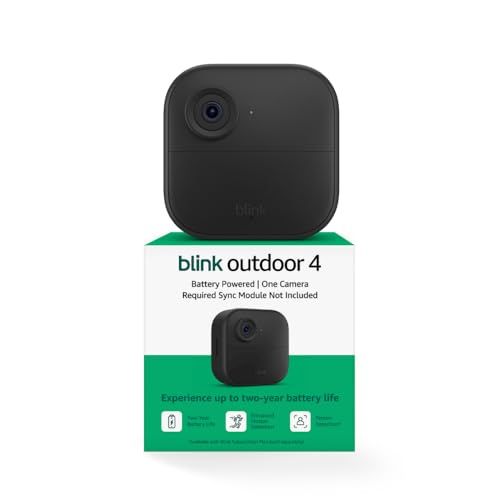
| Labelled Alternative — Not a Dome | Blink Outdoor 4 | A battery outdoor camera from the verified pool for small lots where wiring is impractical. |
| Labelled Alternative — Not a Dome | REOLINK Argus PT Ultra | A pan-and-tilt outdoor camera from the verified pool that can sweep a wide yard corner. |
Read the last two rows with the label attached. Neither alternative hides its aim inside a bubble, neither offers a dome’s tamper profile, and both are included because some lots — small, unwired, watched mainly for deterrence and alerts — are honestly better served by a flexible outdoor camera than by a professional dome installation. The first four rows remain the answer when the question is truly about domes.
How We Chose These Picks
Assessment began from incident reports rather than datasheets. The recurring lot stories are drearily consistent: a hit-and-run at the far row, a catalytic converter taken at 3 a.m., a dispute over a gate collision, a stranger trying door handles along a line of residents’ cars. Each candidate type was judged against those stories. Could its footage place a vehicle in a bay at a stated time? Could it follow a figure between rows without dissolving into glare and guesswork? Could the owner actually retrieve that clip at 9 a.m. the next morning, under stress, without an installer’s help?
Vandal resistance eliminated the merely decorative. Lots are public or semi-public, cameras are visible, and a housing that can be spun, sprayed, or knocked off aim with a thrown bottle cap fails the environment’s entrance exam. Dome briefs therefore specify impact-rated housings, recessed fixings, and mounts that keep cables unreachable, while the two linked alternatives were judged by a different, openly stated standard: they suit places where cameras sit high, supervised, or low-risk enough that a determined attack is unlikely.
Night behaviour formed the third filter, applied in the lot’s own terms. Headlights crossing a lens, wet tarmac throwing reflections upward, sodium and LED lamps mixing colour temperatures — these are the conditions, and a camera whose night mode collapses into white blooms and silhouettes under them was marked down regardless of its daylight charm. Preference went to designs with sensible infrared placement that does not bounce off a dome bubble, and to setups planned alongside the lot’s lighting rather than instead of it.
Why Do Parking Lots Defeat Cameras That Work Everywhere Else?
Distance is the first assassin. A porch camera watches a doorstep three metres away; a lot camera may be asked to make sense of a figure at fifty metres, across rows of reflective metal, in weather. Every weakness multiplies with range: a slightly soft lens becomes mush, a modest sensor’s night noise becomes fog, a small mounting wobble becomes a wandering frame. Lot buyers should therefore think in terms of what each camera is asked to prove at its actual distance — presence, vehicle identity, or personal description — and accept that one mounting point rarely proves all three across a whole site.
Light behaves badly in lots too. The scene contains the darkest shadows on the property and, seconds later, a pair of headlights aimed near the lens. Cameras exposed for the shadows blow out under the beams; cameras exposed for the beams lose the shadows where people actually move. Add rain on a dome bubble scattering infrared into a halo, and the gap between a camera’s brochure night and its real November night becomes the whole story. This is why the briefs below keep returning to mounting position and the lot’s own lamps: in outdoor surveillance, geometry and lighting are the product, and the camera is merely their witness.
Finally, lots are shared, contested spaces. Footage may involve employees, customers, neighbours, and passers-by who never entered the business at all. A system designed only to catch thieves, with no thought for signage, retention limits, or who holds the password, stores up legal and reputational trouble alongside its clips. The grown-up lot setup decides its viewing rules before the first incident forces the question in public.
Where Should Domes Actually Be Mounted in a Lot?
Height is a negotiation between two failures. Mount a dome within reach and it will be reached — spun away from its view, sprayed, or simply stolen by somebody who treats the attempt as sport. Mount it very high and it survives beautifully while recording the tops of heads and the roofs of cars, evidence of everything except identity. Most successful lot domes live in the band between those failures: high enough to demand a ladder and commitment, low enough that faces and plates still resolve at the distances the position serves. Entrances, exits, and payment points justify lower, closer cameras because identification happens there; open rows accept higher, wider views because their job is sequence and presence.
Corners and soffits outperform poles more often than installers admit. A building’s edge gives a dome shelter from the worst weather, a shorter cable run, and a view along the rows rather than across them, which keeps vehicles in frame longer as they move. Pole mounting has its place in genuinely open lots, but each pole is also a foundation, a power decision, and a lightning consideration, so poles should be earned by a coverage map rather than sprinkled by habit.
Draw the map before buying anything. Stand in the lot at night with the lamps as they are, note the dark seams between pools of light, the gate’s blind side, the far row where incidents cluster, and the stairwell door nobody watches. Cameras belong at those named places, aimed at named risks. A dome bought for a spot on that map will outperform a costlier dome bought for a spot on a ceiling plan, every night of its working life.
Fixed Vandal-Resistant Dome for Small Lots — The Forecourt Guardian
A small lot — the forecourt behind a clinic, the dozen bays serving a parade of shops, the staff car park at a primary school — needs watchfulness without theatre. This brief describes the workhorse: a fixed dome in an impact-rated housing, mounted on the building’s wall or soffit overlooking the bays, aimed once by somebody who stood in the lot and thought about it, then left alone for years. Its lens is chosen for the actual throw of the space, wide enough to hold the rows, tight enough that a vehicle in the far bay is a vehicle and not a suggestion.
Discretion is doing quiet work here. Staff and customers accept a small dome the way they accept a smoke detector, barely registering it after the first week, while a conspicuous camera bristling over a small forecourt can make a welcoming business feel like a checkpoint. The dome’s hidden aim helps too: a person testing door handles cannot glance up, read the lens direction, and simply choose the unwatched row, because from below, every row looks equally watched. For a small site whose realistic threats are opportunistic, that uncertainty is a genuine layer of protection.
Specify the unglamorous parts with care. The housing should carry a proper outdoor ingress rating, the fixings should be recessed or tamper-resistant, and the cable should enter the building immediately rather than touring the wall in reach of wire cutters. Ask how the bubble is cleaned and how often the installer recommends it; a dome that needs a specialist visit for a wipe will slowly film over until its night pictures soften into impressionism. A housing a caretaker can safely clean from a ladder, on a schedule written into the site’s maintenance calendar, keeps the camera honest.
Recording deserves the same plain thinking. Pair the dome with storage the owner can search by time and view from a phone, set a retention period that matches the site’s real incident rhythm — most small lots discover damage within days, not months — and write down who may see footage and who may share it. Bought and run that way, this pick disappears into the building’s furniture while quietly settling every dent dispute the forecourt produces.
- Housing: impact-rated dome with recessed, tamper-resistant fixings
- Mounting: wall or soffit overlooking the bays, cable entering indoors
- View: fixed lens matched to the lot’s actual depth
- Maintenance: bubble cleaning a caretaker can perform safely
- Home: small business forecourts and staff car parks
Strengths
- Discreet presence suits customer-facing small sites
- Hidden aim denies opportunists a readable blind row
- Simple fixed design asks little of staff after installation
Trade-offs
- Fixed view cannot be re-aimed when the lot is rearranged
- One dome covers a small lot only; growth needs more units
- Bubble needs scheduled cleaning to keep night images clear
Best for: small forecourts, clinics, shops, and staff lots with one clear area to watch. Not suited for: large open sites where distance defeats a fixed lens.
Motorised Zoom Dome for Large Open Lots — The Far-Row Reach
Scale changes the instrument. Across a big open lot — retail parking, a hospital’s visitor field, a park-and-ride — the far row sits at distances where a fixed lens must choose between seeing everything vaguely and something clearly. This brief answers with a dome whose lens zooms under power: set wide for the daily overview, tightened during setup onto the gate lane, the payment machines, or the remote corner where incidents keep happening, without sending an installer up a ladder each time the lot’s use changes. That adjustability, exercised rarely and deliberately, is the entire point.
Motorised reach also disciplines expectations. Zooming narrows the world; a dome tightened onto the far corner has stopped watching the near rows, which is why this pick belongs in a planned set rather than alone. Mature large-lot designs pair one or two zoom domes on the problem areas with wider fixed views holding the general scene, so an incident can be followed from context to detail. Buyers should ask a supplier to demonstrate that hand-off on a drawing of their own lot, with their own rows and lamps marked, before agreeing to quantities.
Night work at distance is where this brief earns or loses its money. At long throws, infrared and lens quality stop being specifications and become the difference between a registration plate and a bright smear. Demand a demonstration after dark on a comparable site, or a trial period with the actual unit on the actual pole, and judge the far row’s footage the way an insurer or a police officer would: could this identify the vehicle, at that distance, in that rain? A supplier confident in the answer will welcome the test.
Finally, plan the pole like civil engineering, because it is. Foundation, power, data route, and safe access for maintenance all belong in the quotation, alongside a surge and lightning conversation appropriate to an exposed metal mast in an open field of cars. The camera is the visible fraction of this pick’s cost; the honest quotation shows the rest, and the buyer who sees it whole will not be ambushed by it later.
- Lens: motorised zoom, set wide or tight without a ladder visit
- Role: problem areas inside a wider fixed-camera plan
- Mounting: engineered pole or high building position
- Proof: night trial judged at the far row’s real distance
- Home: retail, hospital, and park-and-ride scale lots
Strengths
- Reaches distant rows a fixed dome cannot resolve
- Re-aiming follows the lot when layouts or risks change
- Pairs with wide views to give context and detail together
Trade-offs
- A zoomed view abandons the wide scene while it is tight
- Pole, power, and access dominate the true installed cost
- Demands professional design rather than casual fitting
Best for: large open lots with known trouble spots at distance. Not suited for: small sites, or buyers wanting a fit-and-forget single camera.
Compact Low-Profile Dome for Covered Parking — The Stairwell and Entrance Watch
Covered parking changes every assumption. Under a deck or inside an undercroft, the sky disappears, distances shrink, ceilings drop, and the risks move indoors: the stairwell door, the lift lobby, the payment machine, the bicycle store, the corner where a rough sleeper or a dealer’s customer makes residents uneasy. This brief specifies a compact dome built for ceilings and soffits, small enough to sit unobtrusively over an entrance, tough enough to survive being noticed, and sensitive enough to work in the permanent twilight these structures keep.
Low ceilings invert the usual mounting problem. Here the camera is close to its subjects, which flatters identification — faces pass near the lens at doors and machines — but also puts the housing within reach of a tall person standing on a bumper. Impact rating and recessed mounting stop being virtues and become the specification itself. So does cable concealment: in a covered structure every run is visible, and a cable in a reachable tray is an invitation written in copper.
Light under a deck is a patchwork of fluorescent strips, dead tubes, and daylight leaking from the open sides. A dome for this world needs graceful exposure behaviour more than raw sensitivity, because people constantly walk from glare into gloom across a single frame. Ask for a demonstration at the worst transition in the structure — usually the entrance ramp at midday, where full sun meets interior dark — and judge whether a person crossing it remains a person throughout, rather than a silhouette followed by a ghost.
Residents judge these cameras socially as well as technically. In housing and mixed-use parking, aim cameras at doors, machines, and circulation routes, not at individual bays or windows, and say so in writing to the people who live there. A system residents understand and see as fair gets its incidents reported and its housings left alone; a system they experience as spying gets complaints, coverings, and eventually a management decision to remove it. The compact dome’s discretion, explained honestly, is a political asset as much as a physical one.
- Form: compact, low-profile housing for ceilings and soffits
- Mounting: recessed and impact-rated for reachable positions
- Exposure: graceful handling of glare-to-gloom transitions
- Aim: doors, machines, and routes rather than individual bays
- Home: undercroft bays, decks, stairwells, and payment points
Strengths
- Close-range positions give strong identification at doors
- Small housing suits low ceilings and resident sensitivities
- Covers the indoor risks open-lot cameras never see
Trade-offs
- Reachable mounting demands genuine impact resistance
- Deck lighting patchwork tests exposure on every frame
- Needs resident communication to stay socially accepted
Best for: covered parking, residential undercrofts, and deck entrances. Not suited for: open lots, where weather and distance rule instead.
High-Mount Dome with Strong Night Vision for Service Yards — The Yard and Gate Sentinel
A service yard keeps different hours from the business it feeds. Lorries arrive before dawn, shutters rattle at 5 a.m., forklifts cross between warehouse and gate in the dark, and the yard’s incidents — a clipped trailer, a missing pallet, a gate left open to the road — happen in that unlit working gloom. This brief puts a dome high on the warehouse wall or a yard mast, sealed hard against weather and dust, with night performance specified for a working space rather than a showroom’s darkened booth.
Height here serves coverage of movement. From above, the dome reads the yard as a map: which bay a lorry used, whether the gate sequence happened in the right order, where a pallet stood before it did not. That map view settles operational disputes that have nothing to do with crime, and yard managers often report it becomes the camera’s daily value, with security as the occasional dividend. Position the unit to include the gate in frame, because the boundary is where yard stories begin and end, and a yard camera that cannot see its own gate is a narrator missing the first chapter.
Night specification needs yard realism. Dust, diesel haze, and rain all scatter infrared, while high-vis clothing and pale trailer sides flare under it. The right setup balances the camera’s own night illumination with the yard’s working lights, which usually means improving one lamp rather than demanding miracles from the sensor. Buyers should walk the yard at the darkest working hour with the installer and agree the picture they are buying, in that light, before signing anything.
Abuse in a yard is industrial rather than mischievous. Housings meet pressure washers, forklift knocks travel up masts, and vibration from roller doors works fixings loose across a winter. The brief should therefore ask about mount reinforcement, connector protection, and a maintenance visit rhythm that includes re-torquing and bubble cleaning. A yard dome is plant equipment; treat its upkeep like the shutters’ and it will last like them.
- Position: high wall or mast covering yard and gate together
- Sealing: weather and dust protection for industrial outdoor life
- Night: balanced with the yard’s own working lights
- Upkeep: reinforced mounts and a scheduled maintenance rhythm
- Home: warehouses, depots, and delivery yards
Strengths
- Map-like coverage settles operational as well as security disputes
- Built for dust, washdowns, vibration, and pre-dawn work
- Gate-in-frame positioning captures every arrival and exit
Trade-offs
- High views identify vehicles and movements better than faces
- Industrial mounting and maintenance add running cost
- Night quality still depends on the yard’s lighting honesty
Best for: depots, warehouses, and yards with pre-dawn vehicle movement. Not suited for: customer lots where close identification matters most.

Blink Outdoor 4 — Labelled Alternative, Not a Dome: The Wire-Free Small-Lot Helper
This is not a dome camera, and nothing in this section will pretend otherwise. The Blink Outdoor 4 is a compact battery-powered outdoor camera from this site’s verified pool, included because a real class of small lots exists where a professional dome installation is genuinely out of reach: the rented forecourt where the landlord forbids cable runs, the seasonal overflow field used six weekends a year, the tiny staff yard behind a leased unit. In those places the practical choice is often between a wire-free camera this month and a perfect system never, and this pick serves the honest half of that choice.
Battery power is both the freedom and the contract. With no mains and no data cable, the camera can sit on a fence post, a gate pillar, or the building’s corner within the hour, watching the entrance lane or the single row that matters. In return, the owner accepts battery changes as a recurring chore and motion-based recording as the model: this camera wakes for events rather than narrating the lot’s whole day, which suits deterrence and alerting far better than continuous evidence. A small lot whose real need is knowing when somebody enters after closing, and having a clip of it, will find that bargain fair.
Placement discipline decides whether the bargain pays. Mount it high enough to discourage casual interference, angle it at the choke point every vehicle must use — the entrance, not the open middle — and accept its night view for what it is: useful identification at modest range, not far-row forensics. Pairing two units to cross-cover an entrance and the darkest corner costs less than one installed dome and, for a small site, may honestly cover the risk better.
Know the ceiling, though. There is no bubble, no hidden aim, no tamper rating to speak of, and a determined person can defeat this camera in ways the dome briefs above are designed to resist. If the lot holds valuable vehicles, handles cash, or has already suffered organised theft, treat this pick as a stopgap that buys time while a proper installation is quoted — and let the stopgap’s footage help design that installation, because a month of real alerts shows exactly where the lot’s risks live.
- Power: battery operation with no mains or data cable needed
- Recording: motion-triggered clips and alerts rather than continuous cover
- Placement: high mount aimed at the entrance choke point
- Nature: outdoor camera, openly not a dome design
- Home: rented, seasonal, or very small lots without wiring
Strengths
- Installs in an hour where cabling is impossible or forbidden
- Alerts tell a small owner about after-hours entry immediately
- Verified pool model with a real purchase link
Trade-offs
- No dome concealment, tamper rating, or hidden aim
- Battery changes and motion-only recording limit evidence
- Night identification range is modest, not far-row grade
Best for: small or rented lots needing quick, wire-free deterrence and alerts. Not suited for: high-value sites or anywhere a true dome’s toughness is the point.

REOLINK Argus PT Ultra — Labelled Alternative, Not a Dome: The Sweeping Corner Watcher
Again, the label first: this is a pan-and-tilt outdoor camera, not a dome. Its lens sits visibly in a moving head, it announces where it looks, and it comes from this site’s verified pool. It earns its place in a parking lot guide because some lots have the opposite problem from the dome’s: one awkward corner, an L-shaped yard, a side return where vehicles and people pass in two directions, and a budget that stretches to one camera where the geometry wants two. A head that can sweep between viewpoints, or track movement across a wide arc, answers that geometry in a way no fixed housing can.
Used wisely, the sweep is a patrol rather than a performance. Set the camera to rest on the entrance view, the position that matters most, and let its wider coverage serve as the supplement: a turn toward the side gate, a look down the return row. Owners should resist programming elaborate tours that leave the key view unwatched for minutes at a time, because incidents do not schedule themselves around a camera’s itinerary. The honest pattern is a home position with occasional excursions, and motion-triggered attention when the lot stirs at hours it should not.
The visible head cuts both ways, and this guide will not hide it. A camera that obviously turns to follow movement is a loud deterrent — delivery drivers, loiterers, and opportunist thieves all understand it instantly — and for some lots that theatre is worth more than a dome’s discretion. The same visibility tells a thoughtful wrongdoer exactly where the lens points, which is the dome’s home advantage. Choose based on your lot’s real adversary: the opportunist who should be scared off, or the planner who should be kept guessing.
Practical ownership is straightforward but not carefree. A moving head outdoors meets wind, ice, and grit, so mount it sheltered where possible and expect the mechanics to be the unit’s lifespan limit rather than its electronics. Power options for this class typically include battery with an optional solar panel, which suits a corner far from the building; a sun-starved north-facing corner in winter will test that arrangement, and the owner should plan the charging story before the first flat week. As with the previous pick, valuable or repeatedly targeted lots should treat this as one layer, with a professional dome brief covering the highest-risk view.
- Movement: pan-and-tilt head sweeping between set viewpoints
- Home position: entrance view held as the default watch
- Power: battery operation, with solar support where sun allows
- Nature: visible outdoor camera, openly not a dome design
- Home: L-shaped yards, corners, and side returns
Strengths
- One unit covers geometry that would otherwise need two
- Visible tracking acts as an immediate, understood deterrent
- Verified pool model with flexible power for remote corners
Trade-offs
- Advertises its aim, surrendering the dome’s core advantage
- Moving parts outdoors set the practical lifespan
- A sweeping camera is always not watching somewhere
Best for: awkward corners and L-shaped lots needing flexible coverage on a budget. Not suited for: sites where concealing the watched area is the whole strategy.
Before comparing the six side by side, one budgeting note deserves emphasis. Every quotation for the dome briefs should separate the camera from the installation — pole, power, cable route, recorder, and the first year’s maintenance — because the honest comparison between suppliers lives in those lines, not in the housing’s price. A cheap camera on an expensive pole and an expensive camera on a cheap pole are different purchases wearing similar totals.
Comparison Table
| Pick | Form | Coverage style | Lot home |
|---|---|---|---|
| Fixed Vandal Dome (prose-only) | True dome | One fixed view | Small forecourts |
| Zoom Dome (prose-only) | True dome | Adjustable reach | Large open lots |
| Compact Ceiling Dome (prose-only) | True dome | Close-range doors and machines | Covered parking |
| High-Mount Yard Dome (prose-only) | True dome | Wide map view with gate | Service yards |
| Blink Outdoor 4 | Outdoor camera — not a dome | Motion clips at a choke point | Unwired small lots |
| REOLINK Argus PT Ultra | Pan-tilt camera — not a dome | Sweeping views from one corner | L-shaped lots |
How Long Should a Parking Lot Keep Its Footage?
Retention is a promise in both directions. Keep footage too briefly and the slow-discovered incident — the dent noticed on Saturday from a knock on Wednesday — has already been overwritten. Keep it indefinitely and the system becomes a growing archive of neighbours’ and customers’ movements that nobody can justify holding. Most small lots settle on a window measured in weeks, matched to how quickly damage is realistically discovered, and larger sites write the period into policy alongside who may view, copy, or share a clip. The setting lives in the recorder’s menu, yet the decision belongs in a management conversation, ideally before the first request for footage arrives from an insurer, an employee, or the police.
Signage belongs in the same conversation. A visible notice that recording operates, who runs it, and how to contact them is a legal expectation in many places and a social one everywhere; it also does quiet deterrent work no camera can. Pair the signs with a named owner for the system — the person who checks monthly that every camera still records, every clock shows the right time, and every retention setting is what policy says it is. Systems fail silently far more often than they fail dramatically, and the monthly five-minute check is the difference between discovering a dead camera during a routine and discovering it during an investigation.
Which Mistakes Leave Lots With Useless Footage?
Mounting for the photograph rather than the evidence leads the list. A camera placed where it looks tidy on the building, instead of where the gate, the far row, and the dark seam actually are, will record a beautiful, irrelevant view for years. Every position should be defensible in one sentence naming the risk it watches; a position that cannot be explained should not be drilled.
Forgetting the lot’s own lighting comes next. Owners buy night cameras to compensate for failed lamps, then discover the footage still cannot resolve a plate because darkness is darkness. One repaired lamp often improves four cameras at once, and a lighting walk at the darkest hour belongs in every installation quotation. Cameras witness light; they do not manufacture it.
A third error is the unwatched system. Nobody owns the password, nobody tests playback, nobody knows the retention setting, and the first playback attempt happens in front of an insurer. Assign the system a person, rehearse an export on a quiet afternoon, and write the steps on a card kept with the recorder. The rehearsal feels excessive exactly once — the first time it is needed for real.
The last mistake is aiming at people instead of movements. In residential and staff lots especially, cameras framed on individual bays, windows, or a neighbour’s garden create grievance out of proportion to any security gain. Frame entrances, lanes, and shared routes; let the system watch how the lot is used rather than how one person lives. Fair systems survive complaints; intrusive ones get switched off, and a switched-off system protects nothing.
How Do You Review an Incident Without Making Things Worse?
Slow down and preserve first. Note the time window generously — memories of “about nine” routinely mean twenty minutes either side — and export the clip before doing anything else, because retention clocks do not pause for investigations. Save the export somewhere separate from the recorder, name it with the date and the lot area, and record who took it. That small chain of care is what turns a video file into evidence other people can rely on.
Watch the context, not just the moment. The thirty seconds before a collision often contain the speed, the signalling, and the pedestrian nobody remembered; the minute after contains the registration plate as the vehicle leaves through the gate camera’s view. Reviewing across cameras, in sequence, reconstructs an event; watching one dramatic clip in isolation reconstructs an argument.
Share narrowly. Send the clip to the insurer, the police, or the parties to the dispute, and resist the group-chat release that turns an incident into entertainment. Footage of identifiable people carries obligations in most places and decency in all of them. Owners who handle clips carefully find witnesses and neighbours cooperative when the next incident comes; owners who publish them find the lot’s community suddenly camera-shy and litigious.
What Should Businesses Tell Staff and Customers About Lot Cameras?
Silence is the policy most lots actually run, and it is the worst available. Staff who discover cameras by rumour assume the worst purpose — that management is watching them — while customers who notice a dome while paying at a machine wonder what happens to their image. A short, plain statement prevents both stories: why recording operates, which areas it covers, how long clips are kept, and who can view them. Put it where people actually read, near the entrance sign and in the staff handbook, and the system becomes part of the site’s ordinary honesty rather than a discovered secret.
Staff deserve one extra conversation, because they are the people footage most often protects. The attendant accused of waving a damaged car through, the cashier blamed for a shortfall at the payment machine, the night worker whose account of an incident nobody believed — lot cameras routinely vindicate employees, and staff who understand that become the system’s maintenance allies, reporting the knocked housing and the failed lamp. A workforce briefed to see protection rather than surveillance will also use footage requests properly, through the named owner, instead of filming a monitor with a phone in a moment of stress.
Customers need the practical half of the story: how to ask. A driver who finds damage should know whom to tell, how quickly, and what information helps — the bay, the time window, the vehicle. Sites that publish that small procedure beside the payment machine receive better reports, sooner, while the footage still exists. Sites that hide it receive solicitor’s letters in month two, after the retention window has quietly closed, and everybody’s position is worse. Transparency, in lot surveillance, is not a compliance garnish; it is what makes the evidence usable.
How Do Seasonal Changes Alter What a Lot Camera Sees?
A lot is four different places across a year, and cameras installed in one season meet their examination in another. Summer installation happens under long evenings, leafy trees, and dry tarmac; by November the same view contains bare branches whipping across the frame, low sun firing straight down the rows at closing time, and rain sitting on every bubble. Buyers who can should review footage from an installer’s comparable site in the worst month, or at least walk their own lot at dusk in the rain before finalising positions chosen on a bright June afternoon.
Vegetation is the slow saboteur. The hedge that framed the entrance view in spring reaches into it by August; the sapling planted by the council grows, with complete indifference to sightlines, directly in front of the far-row dome. A seasonal sightline walk — twice a year, ten minutes, a named person with secateurs or a works order — prevents the commonest silent failure in outdoor surveillance, which is not a dead camera but a healthy camera filming a bush. Build that walk into the same calendar as the lamp checks and the bubble cleaning.
Winter adds its own negotiations. Salt spray films housings near busy entrances, condensation can mist a bubble from inside if a seal has aged, and the lot’s busiest retail weeks coincide with its darkest afternoons, so the footage everyone needs most is gathered in the year’s worst light. None of this argues against lot cameras; it argues for specifying them in winter’s terms. A system that holds up in December will find the other eleven months easy, and a system bought on July’s evidence will spend every December apologising.
When Is One Camera Enough, and When Is It a False Economy?
One camera is enough when the lot has one story to tell. A single row of bays, one entrance, modest value, and an owner whose real need is deterrence plus a record of arrivals — that lot can be honestly served by a single well-placed dome or, where wiring forbids it, by one of the labelled alternatives aimed at the choke point. The test is narrative: if every incident the owner fears must pass through one frame, one camera can carry the site.
The false economy begins when the lot has several stories and the budget pretends otherwise. Entrance incidents, far-row damage, and stairwell trouble are different events in different geometries; a camera stretched to gesture at all three documents none of them well enough to settle a claim. Owners then pay twice — once for the inadequate system, once for the dispute it could not resolve — and conclude wrongly that cameras do not work. The cheaper honest path is phasing: install the entrance and highest-risk view properly now, run the cable routes for the second phase during the same visit, and add coverage when the budget returns, with the infrastructure already waiting.
Ask the question in terms of the costliest plausible night. If a single unwitnessed incident — a stolen vehicle, an injury claim, a ram-raid — would cost more than the second camera’s installation, the second camera is not an upgrade; it is the actual product, and the single camera was the decoration. Lots that run that arithmetic plainly rarely regret their systems, because the purchase was sized to the risk rather than to the catalogue.
Final Recommendation
Let the lot’s map choose.
A small forecourt should start with the fixed vandal-resistant dome over its bays and a recorder its owner can actually search. A large open lot should invest in the planned set — wide fixed views for context, a zoom dome on the proven trouble spot, and a night trial before the money moves. Covered and residential parking belongs to the compact ceiling dome, aimed at doors and machines with residents told plainly why. Yards should take the high-mount brief and fix one lamp while they are at it.
Where wiring, permission, or budget genuinely blocks an installation today, the two labelled alternatives earn their place as honest stopgaps: the Blink Outdoor 4 for quick wire-free alerts at an entrance, the REOLINK Argus PT Ultra for a corner whose geometry wants a sweeping eye. Neither is a dome, neither should be sold to yourself as one, and both can teach a lot owner where the real risks gather while a proper system is planned. That honesty — about form, about limits, about the night the footage must survive — is what separates a lot that is watched from a lot that merely owns cameras.
Frequently Asked Questions
Why choose a dome over a bullet camera for a parking lot?
Choose the dome when concealment and tamper resistance matter: the bubble hides which way the lens points, so nobody can read the blind spot, and the rounded housing resists being grabbed, spun, or knocked off aim. Choose other forms when reach, visibility as a deterrent, or easy cleaning matter more — the guide’s two labelled alternatives exist precisely for lots where those qualities outrank concealment.
How many cameras does an average parking lot need?
Count risks, not bays. Most small lots are honestly covered by an entrance view plus one view of the main rows; large lots need a wide context view per area plus closer cameras at gates and payment points where identification happens. A coverage map drawn at night, with the dark seams marked, gives a truer number than any per-space formula.
Can a dome camera read number plates at night?
Sometimes, at the right distance, with the right light — and that string of conditions is the honest answer. Plate capture is a specialised task depending on angle, speed, illumination, and shutter behaviour. If plates genuinely matter, say so in the brief, position a camera at a choke point where vehicles slow, and judge a night trial by the plates it actually resolves.
Do the two linked alternatives need Wi-Fi in the lot?
They need a wireless connection back to the building’s network, which in a large or metal-heavy lot may mean checking signal at the mounting point before committing. Small lots beside the building usually manage easily; a camera planned for the far fence of a big site should be signal-tested in place, in bad weather if possible, rather than assumed.
What is the best height for a lot dome?
High enough to require a ladder and commitment, low enough that faces and plates still resolve at the distance served. Entrances justify closer, lower positions because identification happens there; open rows accept higher, wider views. Any installer who quotes a height without asking what the camera must prove at its distance is guessing with your money.
How often should dome cameras be cleaned and checked?
Give the system a short monthly rhythm: confirm every camera records, check the time is right, wipe bubbles that face weather or traffic film, and confirm retention is overwriting as policy intends. Outdoor domes near busy roads may need their bubbles cleaned more often in winter, when salt and grime film over fastest.
Related Guides
Lot owners planning a wider system may also find our best outdoor security cameras useful, while gate and driveway coverage is covered in the best security cameras for driveways. For the indoor half of the premises, see the best indoor security cameras.


