kajuandouglas.com is reader-supported. When you buy through links on our site, we may earn an affiliate commission.
Where to Buy
A marketing camera is a business asset, and it should be interrogated like one. People searching for the best cameras for video marketing are rarely hobbyists chasing beauty; they are founders filming product stories, marketers feeding a content calendar, agencies protecting a client’s brand, and creators whose videos carry offers. The return on the purchase is measured in watch time, trust, enquiries, and sales — which means the right question is never which camera is finest, but which camera produces persuasive footage at the pace a business actually publishes.
That pace is the first filter in this guide. A brand that posts twice a week needs a camera that a small team can operate on a tired Thursday, not a cinema rig that demands a specialist and a prayer. Reliability, repeatable colour, and painless files outrank peak image quality for almost every marketing brief, because an unposted masterpiece earns exactly nothing while a good-enough video posted on schedule compounds for years in search and social feeds.
Brand consistency is the second filter. Marketing footage represents a company, so skin tones must look healthy, product colours must stay truthful, and episode twelve must match episode one closely enough that the channel feels like one voice. Cameras were favoured here for dependable colour science, sensible automatic modes for small teams, and log or profile options for businesses with an editor who can exploit them.
The third filter is versatility across formats. A modern marketing shoot produces a hero video, three vertical cutdowns, a handful of stills pulled or shot alongside, and behind-the-scenes material — often in one afternoon. Bodies that handle horizontal and vertical gracefully, stream for live selling or webinars, and double as serious stills cameras reduce the total kit a business must buy, insure, and learn.
Finally, this guide respects the difference between content that introduces a brand and content that closes a sale. Testimonials, founder stories, and product demonstrations each ask different things of a camera, and the six picks below are assigned to those jobs deliberately. Read the badges as departments in a small studio, and choose the department your business is actually missing.
Key Takeaways
- Marketing cameras are judged on publishing pace and brand consistency, not trophies.
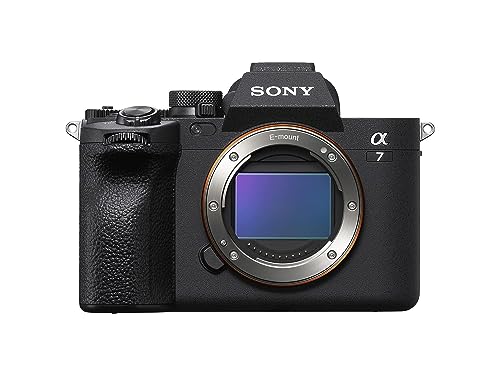
- Sony Alpha 7 IV anchors a serious content studio with hybrid stills strength.
- Canon EOS R6 Mark II serves fast-moving teams filming events and people.
- Panasonic LUMIX S5II suits high-volume production days and polished delivery.
- Sony ZV-E10 II gives solo marketers creator-first handling at a lean cost.
- Fujifilm X-T5 brings distinctive colour for lifestyle and product brands.
- Canon EOS R10 starts a small business channel without overcommitting capital.
One discipline separates businesses that benefit from video from businesses that merely own cameras: the content calendar is written before the equipment list. A founder who knows she publishes a weekly explainer, a monthly testimonial, and daily short clips can choose from this guide in minutes. A founder who buys first and plans later owns an expensive paperweight with excellent dynamic range. Let the publishing plan lead; the hardware will follow obediently.
In this guide
Quick Picks
| Badge | Pick | Why it stands out |
|---|---|---|
| Best Studio Anchor | Sony Alpha 7 IV | Full-frame hybrid polish for hero content, testimonials, and stills. |
| Best for Fast Teams | Canon EOS R6 Mark II | Swift autofocus and confident handling for events and people-led stories. |
| Best Production Workhorse | Panasonic LUMIX S5II | Fan-cooled stamina for batch filming days and client delivery. |
| Best Solo Marketer Pick | Sony ZV-E10 II | Creator-first autofocus and screens for one-person content operations. |
| Best Brand Character | Fujifilm X-T5 | Colour with personality for lifestyle, food, and craft brands. |
| Best Starter Investment | Canon EOS R10 | A capable, affordable body for a business’s first real channel. |
Together those six form a ladder rather than a contest: start on the lower rungs, anchor a studio on the upper ones, and notice that every rung shares footage gracefully with the others in an edit. Businesses outgrow cameras in this category predictably — the solo creator hires an editor, the editor requests a second angle, the second angle becomes a studio. Buying into mounts and habits that survive that growth is worth more than any single body’s specification advantage.
How Did We Judge Cameras as Business Assets?
Evaluation began with a content calendar simulation: a product explainer, a founder talking head, a customer testimonial, and a week of short vertical clips, all produced by a hypothetical two-person team. Cameras were scored on how much of that calendar they could carry without specialist help, extra crew, or footage that needed rescuing. The bodies that made ordinary Tuesdays productive rose; divas that only shone on flagship shoots fell.
Colour was judged as brand infrastructure. Skin had to stay healthy under mixed office light, product hues had to remain recognisable rather than artistic, and automatic white balance had to behave identically across a batch day. Businesses cannot re-grade their identity weekly, so dependability outranked the exotic colour ceilings that impress cinematographers and exhaust marketing teams.
The final test was economic. Total cost meant lenses, audio pathways, streaming behaviour, and the stills a marketing team inevitably needs for thumbnails and campaigns. A body that covers video and photography in one purchase, streams a webinar without a capture puzzle, and accepts affordable lenses earned its price differently from a body that wins a resolution contest and invoices you for everything else.
What Kind of Marketing Video Will This Camera Mostly Make?
Explainers reward clarity above all: a steady frame, a face lit kindly, slides or products shown without focus drama. Testimonials reward intimacy and truth — a longer lens, gentle background separation, and autofocus that holds an emotional speaker’s eyes while they move. Product films reward colour honesty and close-focus flexibility, because a handbag, a watch, or a plated dish must look like itself, only better lit. Naming your dominant format honestly eliminates half this guide instantly.
Live formats add a separate demand. Webinars, live shopping, and launch events need clean output, dependable long-session behaviour, and a camera that behaves as a citizen of streaming software rather than a guest resenting the invitation. The Panasonic’s stamina and the creator Sonys’ streaming manners were weighted heavily for businesses whose calendar leans live, because a dropped launch stream costs more than any camera in this list.
Short-form vertical content, finally, is no longer a side format. Brands discover products through vertical clips and only later meet the hero video. Bodies that frame, record, or crop vertically without punishing the operator serve the discovery layer of modern marketing, and teams should test that workflow explicitly before purchase — an afternoon of vertical filming reveals more than a month of specification comparison.
Why Does Colour Consistency Outrank Peak Quality for Brands?
A customer meeting your brand across twelve videos is unconsciously auditing coherence. When the founder’s face changes hue between episodes, when the product’s signature colour wanders, the channel reads as amateur regardless of each episode’s individual beauty. Consistency is therefore not a pedantic preference; it is the visual form of reliability, and reliability is what marketing exists to manufacture in a prospect’s mind.
Practical consistency comes from boring virtues: white balance that can be locked and trusted, colour profiles a small team can repeat, monitoring that shows the truth in the room rather than in the edit suite afterwards. The Fujifilm earns its place by offering characterful colour that is nonetheless repeatable through its film simulations — personality with a recipe — while the Sony and Canon bodies earn theirs through dependable, flattering defaults.
There is a staffing corollary. A business relying on one talented colourist owns a fragile pipeline; a business whose cameras produce near-finished colour owns a robust one. Unless your brand is genuinely cinematic, choose the camera whose footage a competent editor can finish quickly. Marketing departments are paid for output volume and conversion, not for the most demanding grade in the industry.
Which of the Best Cameras for Video Marketing Fits Your Content Operation?

Sony Alpha 7 IV — Best Studio Anchor
For a business building a real content studio — a corner of the office permanently dressed, lit, and ready — the Alpha 7 IV is the anchor tenant. Its full-frame image gives testimonials and hero product films a quiet authority, its autofocus holds a speaker’s eyes with near-total reliability, and its hybrid design shoots the campaign stills and thumbnails on the same body, in the same session, with the same colour. One purchase quietly covers three departmental needs.
The E-mount lens library deepens the business case over time. Affordable primes flatter a founder’s talking head, versatile zooms cover events, and specialist glass can be rented for a flagship shoot without changing bodies or habits. Files behave well in the editing tools small teams actually use, and the body’s streaming and connectivity manners suit webinars. It is the considered, grown-up choice for marketing that has stopped being an experiment.
Studio permanence is how the Alpha 7 IV repays its price fastest. Dress the corner once, mark the tripod position on the floor, save the colour and exposure as the house setting, and the body becomes infrastructure rather than equipment — switched on for a testimonial the way a tap is turned for water. Businesses that treat it as infrastructure publish relentlessly. Businesses that rebuild the set weekly publish apologetically, and the camera gets blamed for a workflow decision.
Thumbnail photography is the Alpha 7 IV’s quiet second income for a marketing team: the same session that films an episode can pause for the stills that will sell it, lit identically and coloured identically, so the click and the content promise the same experience. Teams that plan those stills into the shoot day, rather than screenshotting frames in desperation later, see the difference in click-through before they see it anywhere else.
- Sensor: full-frame hybrid for video and stills
- Focus: tenacious eye tracking for speakers
- Mount: deep E-mount lens selection
- Colour: dependable profiles for brand work
- Role: the studio’s permanent anchor body
Strengths
- Hero content and stills from one body
- Autofocus a small team can trust blindly
- Lens ecosystem grows with the department
Trade-offs
- Full-frame lenses raise the total investment
- Menu depth rewards an initial setup session
- Overkill for a single weekly talking head
Best for: established brands and agencies anchoring a permanent content studio. Not suited for: a solo creator who needs the lightest possible daily kit.

Canon EOS R6 Mark II — Best for Fast Teams
Event coverage, conference content, founder documentaries, customer stories filmed on location — marketing that moves quickly needs a camera that keeps up without a specialist operator, and the R6 Mark II’s autofocus and handling are built for exactly that tempo. Subjects are found and held decisively, Canon’s colour flatters people under the mixed lighting of real venues, and the body feels like an extension of a working photographer’s hand because, in spirit, it is one.
For people-led brands this matters commercially. A testimonial subject who feels at ease produces better sentences; an operator who trusts the camera stops interrupting for technical checks, and the conversation flows. The Canon’s stills pedigree also serves the social and press photography that trails every event. Teams filming humans in motion, in imperfect light, on unforgiving schedules will find this the most forgiving professional companion in the guide.
At events, the R6 Mark II rewards an operator who works in short, decisive bursts: film the handshake, the demonstration, the reaction, then lower the camera and actually network. Its autofocus makes those bursts reliable, which changes the operator’s whole posture from anxious to opportunistic. Carry it with the lens the venue’s light demands rather than the lens that impresses, and let Canon’s colour carry faces through the mixed lighting that defeats lesser automatic systems.
The R6 Mark II’s stills speed also serves the unglamorous backbone of content marketing: the conference report, the launch gallery, the team page refresh. A body that moves between motion and stills without a personality change lets one operator cover an event completely, which is often the difference between a business attending its own industry conversation and merely sponsoring it. Versatility of that kind rarely headlines a review and constantly headlines a content calendar.
- Focus: decisive tracking for moving people
- Colour: flattering skin under venue lighting
- Handling: fast, confident, event-ready
- Stills: professional photography alongside video
- Role: the location and events workhorse
Strengths
- People footage looks kind with minimal fuss
- Speed suits conferences and launch days
- One body covers event photos and film
Trade-offs
- Premium pricing for small teams
- Long studio days want power planning
- Creator-specific tricks live in other bodies
Best for: teams filming events, testimonials, and people-led brand stories on location. Not suited for: a fixed studio where its speed advantages go unused.

Panasonic LUMIX S5II — Best Production Workhorse
Batch production is where marketing budgets are truly won: one dressed set, one lighting arrangement, eight videos in a day. The S5II’s fan-cooled design removes the thermal ceiling from that arithmetic entirely, recording through a full production schedule in a warm studio without negotiation. Its monitoring tools show exposure truthfully, its image carries a polished, deliverable finish, and its stabilisation covers walk-through product tours without a gimbal ceremony.
Agencies and in-house studios billing by output will recognise the deeper virtue: predictability. The camera behaves the same in hour one and hour eight, across a testimonial marathon or a product catalogue sprint, and predictable tools make predictable quotes and calm clients. The L-mount lens alliance keeps glass options broad and competitively priced. For volume with polish, this is the guide’s professional recommendation without hesitation.
Production managers should note how the S5II changes quoting behaviour. When recording length stops being a negotiation, a batch day can be scheduled by content rather than by thermal anxiety — eight explainers, four testimonials, a product catalogue — and the day ends when the list ends. That predictability is a commercial feature clients feel in deadlines kept. Pair it with a written set bible and the studio’s output becomes boring in the way profitable operations are boring.
S5II studios should exploit its monitoring discipline as a training tool: junior operators who learn exposure on honest tools stop guessing within a month, and the studio’s footage tightens across every body it owns. Equipment that teaches while it works is underpriced by the market and overvalued by wise production managers, which is precisely the sort of inefficiency a growing marketing operation should hunt for.
- Cooling: fan design for full production days
- Monitoring: exposure tools a studio can trust
- Stabilisation: smooth walk-through footage
- Mount: L-mount alliance lens choice
- Role: batch filming and client delivery
Strengths
- All-day recording without thermal drama
- Footage arrives polished and consistent
- Built for teams billing by output
Trade-offs
- Largest commitment among these picks
- Lens system younger than Sony or Canon
- Solo creators may never use its stamina
Best for: agencies and content teams filming in batches and delivering client work. Not suited for: occasional creators filming one short video a week.

Sony ZV-E10 II — Best Solo Marketer Pick
The one-person marketing department — founder, freelancer, or creator building a business — needs a camera that acts as crew. The ZV-E10 II’s screen faces the presenter, its autofocus shifts gracefully from face to a product held toward the lens, and its whole design assumes nobody else is in the room. Product showcases, desk reviews, course teasers, and launch announcements all fall within its natural, unhurried competence.
Economics complete the argument. The body leaves budget for the microphone, the light, and the backdrop that audiences actually judge, while the E-mount system leaves a growth path when the one-person department becomes three. Footage cuts happily beside the Alpha 7 IV’s, so this camera graduates into a second angle rather than a drawer when the studio anchor arrives. For solo operators, it is the most rational first serious purchase in this guide.
The ZV-E10 II’s product-showcase focusing deserves one practical drill: practise the hand movement that presents a product to the lens — slow approach, brief hold, unhurried retreat — until the focus shift looks like choreography rather than luck. Solo marketers who master that ten-second gesture produce demonstration footage that viewers routinely mistake for crewed work. It is the single highest-return skill attached to any camera in this guide, and it costs one afternoon of rehearsals nobody will ever see.
The ZV-E10 II doubles gracefully as a webinar and live-selling camera, which matters to solo marketers whose recorded content and live presence feed each other. Its lens quality over a webcam is immediately visible to an audience deciding whether a seller is serious, and its autofocus removes the presenter anxiety that makes live formats feel risky. Solo operators building a live strand should test that chain early rather than treating it as a later upgrade.
- Screen: faces the solo presenter
- Focus: face-to-product shifts for showcases
- Mount: E-mount lenses shared with bigger Sonys
- Audio: microphone input and monitoring
- Role: one-person content operations
Strengths
- Demonstrations focus themselves politely
- Starts a solo shoot in minutes
- Graduates into a second studio angle
Trade-offs
- No in-body stabilisation for walking shots
- Compact grip on long handheld days
- Best results still want one good light
Best for: founders, freelancers, and solo creators producing regular marketing content alone. Not suited for: multi-camera client productions as the only body.

Fujifilm X-T5 — Best Brand Character
Some brands sell a feeling before they sell a product — a bakery, a boutique hotel, a craft workshop, a fashion label — and for them the X-T5’s colour character is a commercial asset. Fujifilm’s film simulations give footage a considered, editorial warmth straight from the camera, repeatable through named recipes rather than an editor’s mood. Lifestyle content shot on it looks like it belongs to a magazine the brand would happily be featured in.
The body’s stills strength serves the same identity across a feed: product photography and video sharing one colour language, one set of dials, one photographer’s habits. Its tactile controls slow a shoot down in the best way for considered brands, encouraging intention over volume. High-volume factories of content should look at the Panasonic instead; brands whose margin lives in taste should start here and build the calendar around the look.
Taste-led teams should build the X-T5’s recipes deliberately: choose one simulation for people, one for products, one for places, write them into the brand’s production notes, and forbid improvisation for a full quarter. That restraint is what converts a pretty camera into a recognisable channel — audiences begin identifying the brand from a thumbnail’s colour before reading its title. Revisit the recipes quarterly, as a deliberate act of brand management, rather than weekly as a mood.
X-T5 owners should protect their colour advantage operationally: the same recipes, the same two lenses, the same favoured locations, until the brand’s visual signature is unmistakable in a feed. Signature is repetition wearing confidence. The temptation to reinvent the look per campaign is the tax this camera’s owners must refuse, because the asset they bought was never a look — it was the recognisability that only consistency manufactures.
- Colour: film simulations with repeatable recipes
- Stills: high-resolution photography for campaigns
- Controls: tactile dials for deliberate shooting
- Sensor: APS-C with a broad X-mount range
- Role: lifestyle and product brand identity
Strengths
- Footage carries instant brand personality
- Photos and video share one colour voice
- Recipes keep the look consistent weekly
Trade-offs
- Autofocus trails the fastest rivals for sport-like motion
- Character colour is a commitment, not a neutral start
- Video-first teams may prefer larger bodies
Best for: lifestyle, food, hospitality, and craft brands selling taste and atmosphere. Not suited for: high-volume neutral content factories or fast event coverage.

Canon EOS R10 — Best Starter Investment
A business’s first real camera should be good enough to respect and cheap enough to survive the learning curve, and the R10 threads that needle precisely. Its autofocus borrows the intelligence of Canon’s professional line, its colour makes staff and founders look healthy in ordinary rooms, and its size encourages the habit that decides everything: actually bringing the camera to the customer visit, the workshop, the delivery, the moment the content was supposed to capture.
Treat it as the channel’s founding employee. It will film the weekly explainer, the product walkthrough, and the first testimonials competently while the team learns lighting and audio on forgiving equipment. When the operation outgrows it, the R10 remains useful as a second angle or a travel body inside the same lens family. Few starter purchases in business equipment age this gracefully, which is why it closes the list without apology.
The R10’s hidden curriculum is organisational. Because it is approachable, staff actually volunteer to film with it — the warehouse tour, the customer visit, the workshop process — and a business’s content library fills with the authentic material no studio session can stage. Guard that willingness carefully: keep the camera charged, cased, and bookable like a meeting room. The moment a shared camera becomes hard to borrow, the volunteer footage quietly stops, and the channel returns to announcements.
The R10 teaches a business its own content economics faster than any consultant: after a quarter of weekly filming, the team knows its real production pace, its audience’s real appetites, and the precise specification its next body must have. That knowledge is the starter camera’s deepest return. Businesses that skip the founding stage buy flagship bodies against imagined requirements, and the imagination, in marketing equipment, is a notoriously expensive adviser.
- Sensor: APS-C with Canon RF lenses
- Focus: smart tracking inherited from bigger bodies
- Size: light enough to travel to the story
- Colour: kind to people in ordinary light
- Role: a first channel’s founding camera
Strengths
- Professional-looking results while learning
- Travels to customers and workshops easily
- Stays useful after the studio upgrades
Trade-offs
- Battery life asks for spares on shoot days
- Kit lens limits low-light polish
- Advanced production features live higher up
Best for: small businesses and startups launching a serious video channel on a controlled budget. Not suited for: all-day studio production as the sole camera.
Arranged together, those six verdicts describe a growth story most successful content operations recognise: begin with the R10 or the ZV-E10 II, discover which format the audience rewards, then anchor the studio with the Alpha 7 IV or the S5II and let the starter body become the second angle. The Fujifilm and the R6 Mark II are the character choices — taste-led brands and people-led speed — and they reward businesses honest enough to know which one they are.
Departments of a Small Studio: The Comparison
| Pick | Primary job | Team size | Defining virtue |
|---|---|---|---|
| Sony Alpha 7 IV | Hero content and stills | Small studio | Authority across formats |
| Canon EOS R6 Mark II | Events and testimonials | Mobile team | Speed with flattering colour |
| Panasonic LUMIX S5II | Batch production days | Studio team | Volume without drama |
| Sony ZV-E10 II | Solo content calendar | One person | A crew inside one camera |
| Fujifilm X-T5 | Lifestyle brand films | Small team | Colour with a signature |
| Canon EOS R10 | First serious channel | One to two people | Capability per pound spent |
The comparison exposes a truth marketing leaders learn expensively: the camera is rarely the bottleneck. Lighting, audio, scripting, and publishing consistency each outrank body choice in audience impact, which is why every recommendation here leaves budget for those layers. A mid-tier body in a lit, quiet, well-run studio will outperform a flagship in a echoing spare room on every metric a business is paid to care about.
How Should a Business Split Budget Between Camera, Light, and Sound?
A workable rule for a first serious setup divides spending roughly into thirds across image, light, and audio-plus-room, then adjusts toward whichever layer the content format stresses. Talking-head brands lean into light and audio; product brands lean into lenses and colour; event teams lean into bodies and batteries. The error is always the same shape — everything on the camera, nothing on the room — and audiences punish it within seconds of pressing play.
Audio deserves its disproportionate reputation. Viewers describe good marketing video as trustworthy long before they can articulate why, and clean, close sound is usually the reason. Every body in this guide accepts a proper microphone; budget for one from the first purchase, not as a later refinement. A founder’s voice recorded well on a starter body will outsell a muffled flagship recording in any honest test a business can run.
What Does a Sustainable Weekly Shooting Rhythm Look Like?
Sustainable marketing production is a rhythm, not a series of heroic efforts. One batch day — set dressed once, lights fixed, four to eight pieces filmed in sequence — feeds a week of publishing and keeps the camera’s settings, and the presenter’s energy, consistent across the calendar. The fan-cooled Panasonic industrialises that rhythm; the creator bodies make it pleasant for a solo operator; even the starter R10 supports it with spare batteries and a written setup checklist.
The rhythm also protects quality from enthusiasm. Businesses that film whenever inspiration strikes produce irregular footage and an irregular channel, and algorithms and audiences both reward the opposite. Write the setup down, photograph the set, save the camera profile, and let repetition manufacture the polish. Creativity belongs in the scripts and the offers; the production layer should be proudly, profitably boring.
When Should Marketing Video Be Outsourced Instead?
Honesty about capacity is a business virtue this guide should model. A flagship launch film, a broadcast advertisement, or a production requiring actors, locations, and insurance may belong with an agency whose cameras never appear in consumer guides at all. The bodies here serve the ninety percent of marketing video that is recurring, personality-led, and schedule-driven — the content a business must own internally to publish at modern pace.
The hybrid pattern works best for many growing brands: own the weekly engine in-house on one of these picks, rent or commission the occasional flagship production, and let the in-house footage carry the relationship between launches. Customers bond with the recurring, human content; the flagship pieces merely introduce it to new audiences. Buy for the bond, rent for the introduction.
What Mistakes Waste Marketing Camera Budgets?
Buying for the rarest shoot leads the waste league: the annual gala determines the purchase, and the weekly explainer — the content that actually feeds the business — suffers under an oversized, intimidating rig nobody wants to set up on Thursdays. Invert the logic. Optimise for the recurring format, rent for the exception, and let the calendar rather than the highlight reel choose the camera.
Neglecting the operator’s learning runs second. A professional body in untrained hands produces worse marketing than a friendly body in practised ones, because framing, light, and confidence are skills before they are settings. Budget a training afternoon alongside any purchase in this guide, film the first ten pieces expecting them to be tuition, and judge the investment from piece eleven onward.
Finally, ignoring vertical and live workflows until the strategy demands them. Teams discover too late that their beautiful horizontal studio footage crops awkwardly for the feeds where discovery happens, or that a launch stream needs testing the body never received. Every pick here was screened for those modern duties; the mistake is failing to rehearse them before the audience is watching.
Final Recommendation
Anchor a serious studio on the Sony Alpha 7 IV, run batch production on the Panasonic LUMIX S5II, and send the Canon EOS R6 Mark II out with any team filming people at speed. Solo marketers should start with the Sony ZV-E10 II, taste-led brands with the Fujifilm X-T5, and new channels with the Canon EOS R10 — each choice matched to an operation, not to a ranking.
Whichever body the business buys, protect the investment with the unglamorous trio: a real microphone, one good light, and a written weekly rhythm. Marketing video succeeds as a system. The camera is simply the part of the system this guide was asked to choose, and any of these six, placed inside a disciplined system, will earn its budget back.
How Do Testimonials and Case Studies Change the Camera Brief?
A testimonial is a trust transfer filmed in real time, and the camera’s job is to disappear so completely that the customer’s hesitation, conviction, and relief all read as unmediated truth. That argues for a longer lens from a respectful distance, autofocus that never hunts across a face mid-sentence, and an operator disciplined enough to let an answer run past its tidy ending, because the unscripted sentence after the answer is frequently the one the edit keeps.
Logistics shape the choice as much as optics. Testimonials happen at the customer’s premises, in their light, on their schedule, which favours the mobile bodies in this guide and punishes studio divas. Arrive with the interview corner reproducible in any office: camera, one light, one microphone, fifteen minutes of setup. The R6 Mark II and Alpha 7 IV both serve that travelling ritual, and the business that masters it owns an asset competitors cannot copy — a library of believed customers.
Releases and honesty belong in a camera guide more than they might appear to. Film with permission documented, represent the customer’s words without editorial ventriloquism, and let the footage’s plain credibility do the persuading. Marketing that treats testimony ethically also films it better, because subjects relax when the process respects them, and relaxed subjects are the entire technical secret of the genre.
What Should a Product Film Show That a Product Page Cannot?
Scale, behaviour, and consequence — the three things still photography and copy cannot deliver. A hand entering the frame teaches size instantly. A mechanism operating, a fabric moving, a dish steaming teaches behaviour. A customer’s problem visibly dissolving teaches consequence. Cameras for product work are therefore judged on close focus, truthful colour under controlled light, and the patience of their autofocus while objects move toward and away from the lens.
The demonstration grammar matters more than the body operating it. Open on the problem in the customer’s own environment, bring the product in as the answer rather than the subject, and let hands — real, imperfect, working hands — perform the proof. The creator-focused picks in this guide automate the focus shifts that grammar requires, which is why solo sellers produce convincing product films on them while larger crews sometimes produce beautiful, unpersuasive ones.
Sound sells products quietly. The click of a mechanism, the texture of a material, the room tone of a workshop — these sensory details carry quality claims that adjectives cannot. Record them deliberately with the microphone the budget protected, and keep music low enough for the product to speak. A marketing camera’s audio pathway, mentioned in every verdict above, earns its keep most visibly in this genre.
How Do You Build a Content Library That Keeps Selling?
A library mindset changes filming decisions immediately. Every shoot should capture the evergreen layer beneath the campaign layer: the founder explaining the founding problem, the process filmed without seasonal dressing, the product answering its five eternal questions. Campaigns expire; those assets compound, re-edited into new offers for years. The consistent colour and repeatable setups praised throughout this guide are what make a five-year library cut together like a single voice.
Tagging and storage are the library’s unglamorous skeleton. Name footage by subject, product, and date at ingest; keep the camera’s file discipline boringly uniform across bodies; and store the house settings with the footage so a future editor can match new material to old. Businesses routinely discover their archive is unusable for want of that afternoon of organisation, and no camera purchase can retroactively fix it.
Review the library as an asset register twice a year. Which pieces still convert, which products lack a film, which testimonials have aged out with their speakers’ roles? That audit writes the next quarter’s shooting list more honestly than any brainstorm, and it steadily converts a camera from a cost centre into the most leveraged employee the marketing department owns.
When Is a Smartphone Still the Right Marketing Camera?
Honesty requires this section in a camera guide: for behind-the-scenes immediacy, staff-generated authenticity, and formats where the audience explicitly rewards rawness, the phone in a pocket remains a legitimate marketing instrument. The error is not using a phone; it is asking a phone to carry the flagship layer — the testimonial, the product film, the founder’s defining explainer — where light, sound, and depth separate believed brands from hopeful ones.
The practical settlement most successful teams reach is a division of labour. Phones own spontaneity and volume at the edges; the bodies in this guide own the recurring, revenue-bearing formats at the centre. Footage standards differ deliberately between the layers, and audiences read the difference correctly as intimacy versus authority rather than as inconsistency.
That settlement also protects the camera investment from fashion. Social formats will keep mutating, but the centre formats — a person explaining, a customer testifying, a product proving itself — have been stable for a century of commercial film. Buy the bodies here for the centre, let phones chase the edges, and the marketing operation survives every platform pivot with its library intact.
How Should Founders Film Themselves Without Sounding Like Actors?
Founder-led video converts because it is visibly unacted, so the production method should protect that quality deliberately. Film in the real workspace, in working clothes, with the founder explaining a decision the way they explained it to the team that morning. Cameras with flattering colour and trustworthy autofocus serve this honesty technically, by removing the operator whose presence would turn a conversation into a performance.
Script to the level of furniture: the problem, the decision, the evidence, the invitation. Anything more becomes recitation, and audiences detect recitation through a wall. Record two takes at most, keep the one with the better thinking rather than the smoother delivery, and let small imperfections stand as proof of a working business rather than a media department. The bodies in this guide were chosen partly for how little ceremony that method requires.
Cadence beats polish over a quarter. A founder who appears weekly in good-enough footage becomes a familiar industry voice, while a founder who appears quarterly in magnificent footage becomes an occasional advertiser. Choose the camera and the setup that make the weekly appearance nearly effortless — for most, that is the creator-bodied picks here — and let familiarity perform the persuasion that production value keeps promising and rarely delivering.
What Metrics Should Judge a Marketing Camera After Six Months?
Judge the purchase by output and outcome, never by admiration. Output means pieces published against the calendar, production hours per piece, and the proportion of footage usable without rescue. A camera that lowered hours per piece while raising publishable proportion has repaid its cost regardless of what any review said about its sensor, because it bought the marketing team its scarcest resource: finished content, on schedule, every week.
Outcome means the library’s working value: enquiries attributed to video, sales conversations that reference a testimonial, recruitment candidates who cite the channel. Those numbers belong to the whole system — scripts, offers, distribution — but the camera’s share is real, because none of them exist for content that was never filmed. Track them loosely, honestly, and in that order of importance.
The six-month review should end with one decision only: what is the system’s current bottleneck, and is it actually the camera? Usually it is audio in a new room, a second angle for batch days, or an operator’s training. Occasionally it genuinely is the body, and then this guide’s ladder — starter to anchor, creator to studio — describes the upgrade path with the old body retained as the second angle rather than sold in haste.
How Do You Keep Brand Video Human as the Team Grows?
Growth tempts businesses to sand the personality off their content: more approvals, safer scripts, presenters chosen for polish over knowledge. Resist with structure. Keep the people who do the work on camera, keep locations real, and let the house camera settings preserve the familiar look that early audiences trusted. The equipment’s consistency, praised throughout this guide, becomes a governance tool — the look stays human because changing it would require a deliberate decision.
New presenters should inherit the founding setup before inventing their own: same corner, same framing, same opening rhythm. Audiences extend trust to a format before they extend it to a new face, and the format’s stability carries the newcomer through their first episodes. Individual style can flower inside that frame over a season, which is how channels survive the transition from founder-led to team-led without an identity crisis.
Finally, archive the early, rougher videos rather than quietly deleting them. They are the brand’s founding documents, and returning customers read the improvement arc as evidence of a business that grew by serving people. A camera library kept honestly across years becomes a moat no competitor can purchase, because time is the one production budget that cannot be raised at short notice.
How Do Seasonal Campaigns Change the Shooting Plan?
Seasonal campaigns compress the calendar and multiply formats simultaneously: the flagship film, its cutdowns, the stills, the live launch, all inside a fortnight where the product and the weather refuse to wait. The studios that survive campaign season are the ones whose camera systems were boring in October — settings documented, batteries inventoried, the batch rhythm rehearsed on ordinary content — because November offers no afternoon in which to become organised.
Build the campaign around the anchor body’s strengths rather than around a mood board’s fantasies. If the studio’s grammar is the S5II’s batch discipline, shoot the season in disciplined batches; if it is the Fujifilm’s colour signature, let the season wear that signature proudly across every format. Campaigns fail visually when each asset is produced by a different improvisation, and they succeed when a customer scrolling quickly meets one unmistakable brand wearing seasonal clothes.
Campaign footage also has the longest afterlife in the library, because next year’s season will want this year’s as its foundation and its contrast. Archive with that reuse in mind: clean plates of locations, product beauty without dated dressing, founder pieces recorded in neutral terms. The camera cannot know the future, but a producer who archives generously gives the future something to work with, and seasonal marketing becomes cumulative instead of annually desperate.
Debrief the campaign within a week, while the bruises are informative: which setup slowed the day, which format consumed disproportionate hours, which footage the audience actually rewarded. Convert exactly one lesson into a permanent change to the house document. Campaigns that teach one durable lesson per season compound into an operation that gets visibly better every year, which is the only sustainable advantage in content marketing that competitors cannot simply purchase.
Protect the evergreen engine during campaign fever. The weekly explainer and the customer story must continue publishing while the flagship consumes the studio, because the audience’s habit is the asset the campaign exists to enlarge. That usually means the second body and the simpler setup carry the weekly rhythm for a fortnight — another reason this guide builds ladders of compatible cameras rather than crowning a single winner.
When the season ends, rest the system visibly: service the bodies, retire the tired batteries, and publish one honest piece of behind-the-scenes content from the campaign’s own footage. That closing ritual maintains the equipment, feeds the channel, and reminds the team that the library they are building is the business’s memory — worth tending with the same seriousness as the products it exists to sell.
Frequently Asked Questions
Do marketing videos need a full-frame camera?
Not inherently. Full-frame bodies help in dim venues, deliver shallower background separation for testimonials, and impress in flagship pieces, but a well-lit APS-C setup — the ZV-E10 II, X-T5, or R10 here — produces marketing footage audiences accept completely. Spend on light and sound first; graduate to full-frame when a specific recurring brief, not a vague aspiration, demands it.
Which camera is best for product demonstration videos?
For solo demonstrations, the ZV-E10 II’s face-to-product focus shift feels purpose-built. For studio product films, the Alpha 7 IV’s colour and lens choice lead, while taste-led products shine on the Fujifilm’s simulations. In every case the demonstration is won by framing and light on the product itself; the camera’s job is to stay out of the way reliably.
Can one camera handle webinars and live selling too?
Yes — that versatility was a screening condition for this list. The mirrorless picks connect as high-quality streaming cameras, and the Panasonic’s stamina suits long live sessions. Rehearse the full chain before a revenue-bearing stream, keep the recorded and live setups as identical as the room allows, and audiences will experience one continuous brand across both.
How important are vertical video features for marketing?
Increasingly decisive, because discovery happens in vertical feeds even when conversion happens elsewhere. Bodies that frame or record vertically gracefully, or capture enough quality to crop, protect a team’s output across platforms. Test the vertical workflow during your first week with any pick here rather than discovering its friction during a campaign.
Should a small business buy two cheaper cameras or one better one?
One better body first, almost always: a single trusted camera, properly lit and miked, builds the publishing habit and the back catalogue. The second angle earns its purchase when productions genuinely stall for want of it — usually when testimonials and batch days begin. At that point the starter body often becomes the second camera, which is why growth-friendly mounts matter in these recommendations.
How many cameras does a marketing team actually need?
One trusted body, properly supported, covers most teams until batch days and testimonials begin colliding in the calendar. The second purchase should answer a scheduling problem — simultaneity or a permanent studio corner — rather than a quality anxiety. Many excellent operations run for years on an anchor plus a creator body as its second angle, which is exactly the ladder this guide is built around.
Should marketing videos be filmed by staff or an agency?
Staff, for the recurring formats that carry the relationship: explainers, updates, demonstrations, and most testimonials, where authenticity and pace outrank spectacle. Agencies earn their fees on flagship launches and productions with actors, locations, or broadcast requirements. The hybrid pattern — internal engine, external flagships — gives most growing businesses the best economics and the most believable library.
Related Guides
Extend the marketing shelf with our adjacent guides on personal video, general production, and music content: start with best cameras for video email for one-to-one selling, widen out with best cameras for videos and media for mixed production work, and see best cameras for video recording music soloists when the brand story involves live performance.


