kajuandouglas.com is reader-supported. When you buy through links on our site, we may earn an affiliate commission.
Where to Buy a Camera for Image Quality, and What Image Quality Actually Means When You Print the File
The best cameras for image quality cannot be chosen from a specification table, because image quality is not a number — it is what remains of a photograph after real light, real editing, and a real print have each taken their share. This guide therefore judges cameras the way photographers eventually judge them all: by their files, opened at full size, pushed in processing, and printed at the sizes their owners actually use.
Where to buy: each linked name below leads to that camera’s Amazon listing, and the quality-minded order should reserve a serious share of the budget for the lens, because a sensor can only record what the glass in front of it resolves. The finest body on this page behind a mediocre zoom will lose, print after print, to a humbler body behind an excellent prime — the oldest arithmetic in photography.
The six picks divide by philosophy rather than rank. Sony’s all-rounder forgives everything. Canon’s colour finishes photographs at the moment of capture. Fujifilm wagers that presence and character are quality too, Nikon’s compact makes the attainable case, Panasonic serves the hybrid creator, and a pocket Sony defends the radical idea that the best file is the one that exists.
A word of honesty about charts: laboratory scores measure sensors under controlled light, and they are not lying — they are simply answering a narrower question than yours. Your question involves your light, your subjects, your editing patience, and your print sizes. This guide keeps returning to those, because that is where image quality actually lives.
So read the six verdicts that follow as profiles rather than a podium. Each names the kind of quality its camera maximises and the kind it concedes, because the mature purchase in this category is not the highest score — it is the profile whose strengths cover your subjects and whose concessions fall where you never look.
Key Takeaways
The file-first summary, for readers who print:
- Image quality is four virtues — detail, dynamic range, colour, and forgiveness in editing — not one score.
- The Sony Alpha 7 IV is the balanced default: no lighting condition embarrasses its files.
- Canon’s EOS R6 Mark II wins on colour that finishes portraits at the moment of capture.
- The Fujifilm X-T5 out-resolves bigger bodies and adds film colour with real character.
- Lenses decide more prints than sensors do — budget for glass before body upgrades.
- The Sony RX100 VII proves presence is a quality: the pocket camera’s files exist on days others miss.
In this guide
Quick Picks
Six philosophies of the good file, from the forgiving all-rounder to the pocket champion.
| Camera | Badge | Why it earns its place here |
|---|---|---|
| Sony Alpha 7 IV | Best All-Round Image Quality | The balanced full-frame file: detail, dynamic range, and colour that survive editing. |
| Canon EOS R6 Mark II | Best Colour Straight From Camera | JPEGs so good that many owners stop shooting raw for everyday work. |
| Fujifilm X-T5 | Best Resolution in a Travel-Size Body | A high-resolution APS-C sensor with film colours, in a body that goes everywhere. |
| Panasonic LUMIX S5II | Best Quality per Scene, Stills and Film | Full-frame stills quality matched to the strongest video colour and stabilisation here. |
| Nikon Z50 II | Best Image Quality per Size and Budget Class | Files with flagship manners — colour, range, and focus — in a compact crop body. |
| Sony RX100 VII | Best Image Quality That Fits a Pocket | A one-inch sensor and a real zoom producing files far beyond phone territory. |
How Did We Judge the Best Cameras for Image Quality?
We judged files, not launches. For each camera we weighed the same four tests: detail that survives a print, dynamic range that survives a badly-lit real scene, colour that survives a face, and behaviour under editing — because the modern photograph is finished in processing, and a sensor’s grace under adjustment is as real a quality as its sharpness at capture.
Second, we weighed quality at destination. A file destined for a gallery wall and a file destined for a family album are both entitled to excellence, but they are not the same excellence, and this list deliberately includes cameras whose quality peaks exactly where most photographs live. Laboratory extremes counted; so did Tuesday evenings.
What we discounted: pixel counts beyond a photographer’s print sizes, video headlines on stills-first bodies, and brand mythology in both directions. Every pick here earned its place on evidence a print can show.
A last methodological note: every camera here was also judged as a system, because a sensor is only as good as the lenses that exist for it and the files’ welcome in real software. A brilliant orphan body with three lenses loses, over a five-year ownership, to a slightly less brilliant body inside a deep, affordable lens range — quality compounds through the kit, not just the capture.
What Does Dynamic Range Do for an Ordinary Photograph?
Dynamic range is the quality nobody can name and everybody sees. It is the bright window that stays a window instead of a white hole behind your subject; the shadowed side of a face that holds expression instead of mud; the sunset sky that keeps its gradient while the foreground keeps its detail. Scenes in real life routinely contain more range than any sensor captures, so the practical question is how gracefully a camera’s files handle the excess — and that grace is exactly what separates the bodies on this page from the crowd below them.
In processing, range becomes freedom: the freedom to expose for the part of the scene that matters and recover the rest, to shoot the wedding in the harsh noon slot the schedule imposed, to print the landscape the way the morning felt. Photographers who have never pushed a file hard may underrate this; photographers who rescue photographs for a living rate it above resolution, and they are usually right.
Why Does Colour Count as Image Quality?
Because the most-viewed photographs in the world are of people, and people are colour critics by instinct. Skin that renders healthy, neither waxy nor sunburned; whites that stay neutral under mixed indoor light; greens that separate into their dozens of real shades instead of one digital green — these are quality judgments every viewer makes instantly, without vocabulary for them. The camera makers know it, which is why each house’s colour science is a guarded, decades-deep craft.
Colour is also identity. A photographer’s body of work becomes recognisable partly through palette, and the cameras here offer genuinely different ones: Canon’s warmth, Nikon’s naturalism, Fujifilm’s film-bred character, Sony’s cooperative neutrality. Choosing among them is not a test with a right answer; it is closer to choosing a film stock in the old days — a legitimate, personal part of image quality that no chart will settle for you.
Which Cameras Produce the Finest Files? The Six Picks in Detail
Judged on detail, range, colour, and forgiveness — in that order, at real destinations.

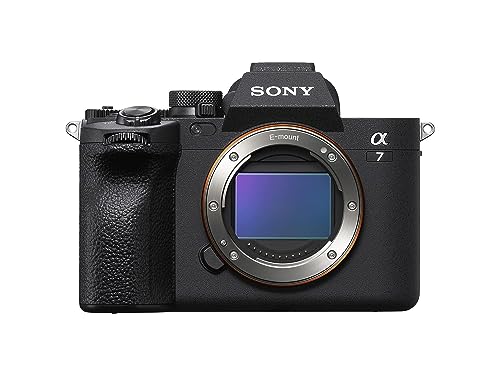
Sony Alpha 7 IV — Best All-Round Image Quality
Image quality is a phrase that hides four different virtues — resolution, dynamic range, colour, and grace under editing — and most cameras trade one against another. The Alpha 7 IV tops this list because it refuses the trade. Its full-frame files carry enough detail for serious prints, enough shadow and highlight room for real-world scenes that no meter reads perfectly, and a colour response that editors consistently describe as cooperative: skin stays skin, greens stay distinguishable, and a heavy crop degrades like a photograph rather than a photocopy.
The working habit this camera rewards is shooting for the edit without fear. Expose for the highlights on a bright morning, knowing the shadows will open up in processing without turning to mush; shoot the family event at whatever ISO the room demands, knowing the files clean up gracefully; crop the composition you should have taken, knowing the detail survives. Image quality, in practice, is mostly forgiveness — the distance between the photograph you planned and the one conditions allowed — and this sensor forgives more than most.
In daily rhythm it is the camera professionals quietly recommend to serious friends, because its files behave in every pipeline: they print cleanly, grade predictably, and match well with footage from its own strong video side when a project mixes stills and clips. Nothing about its image quality is a party trick; it is the absence of weaknesses, sustained across lighting that ranges from candlelit rooms to noon snowfields.
Its limits are the honest edges of balance. A higher-resolution body out-resolves it for gallery landscapes; a flagship out-cleans it at the most extreme sensitivities. Photographers whose work lives at those extremes should buy for the extreme. Everyone else is buying, in this body, the file that never becomes the reason a photograph failed.
One more consideration for the quality-obsessed: the lens in front of this sensor matters more than the last few percent of sensor score. A fine prime on the a7 IV will embarrass a mediocre zoom on a higher-resolution body in print after print, which is why this guide keeps pairing its praise with a plea to budget for glass.
A word about its files at the pixel level, for the photographers who look there: the detail is honest detail, not sharpening theatre. Edges hold without halos, fine textures like fabric and foliage stay textures instead of dissolving into the watercolour smear that betrays heavy noise reduction, and the files accept sharpening in print preparation gracefully. That restraint is a quality in itself — the mark of a sensor and processor that are not trying to impress a chart at the expense of a print.
It is also, quietly, the safest quality purchase on the page for a photographer who does not yet know their specialty. Landscapes, portraits, events, travel, the occasional wedding — the a7 IV’s files are welcome in all of them, and a camera whose quality never vetoes a genre is the right first serious body for most people.
- Type: full-frame mirrorless system
- Signature: balanced, forgiving files
- Range: shadows and highlights both open up
- Colour: cooperative in every editor
- Role: the quality default
Strengths
- Files survive cropping and editing.
- No lighting condition embarrasses it.
- Colour grades without fighting back.
Trade-offs
- Out-resolved by dedicated landscape bodies.
- Extreme-ISO crown belongs elsewhere.
- Needs good glass to show everything.
Best for: serious enthusiasts, mixed stills-and-video projects, and print makers.
Not suited for: gallery-scale landscape specialists chasing maximum resolution.

Canon EOS R6 Mark II — Best Colour Straight From Camera
Ask Canon shooters why they stay, and the answer is rarely a specification; it is the colour of a face in window light, rendered the way memory insists it looked. The R6 Mark II is the current fullest expression of that house virtue. Its straight-from-camera files — especially portraits and anything with skin in them — need less correction than any rival here, which is a form of image quality that specification charts measure badly and families measure instantly.
Confidence in each file arrives right at the moment of capture. Photographers who shoot events, weddings’ second cameras, and fast family life lean on its autofocus and its JPEGs together: the camera finds the eye, the colour science flatters honestly, and the photograph is finished when it is taken rather than after an evening of processing. For anyone whose bottleneck is time rather than talent, that is quality of the most practical kind.
Under the colour, the engineering is serious: dynamic range that handles a bright doorway behind a shaded subject, stabilisation that keeps handheld files critically sharp at speeds that used to blur, and low-light files that stay cleaner than its resolution class suggests. The R6 II’s images are not the most detailed on this page; they are, very often, the most liked.
The trade is printed in its resolution figure: for the largest prints and the deepest crops, other bodies keep more. Canon’s answer is that most photographs are viewed at sizes where colour and sharpness of focus beat pixel counts, and a season of real-world shooting tends to prove the point. Buy it if your subjects are people and your deadlines are real.
Event photographers add a practical footnote: the R6 Mark II’s files at reception-hall sensitivities hold colour saturation where lesser sensors go grey and tired, so the dance floor at midnight looks like the party felt. Colour that survives high ISO is a double quality — sensitivity and palette in the same frame — and it is the Canon’s least advertised, most used virtue.
There is also the matter of consistency across a long day. From the bright ceremony to the candlelit dinner, the Canon’s files sit together in an album without the colour corrections that eat an editor’s evening, and that consistency is why working photographers describe its quality with a word scientists avoid: reliable.
- Type: full-frame mirrorless system
- Signature: beloved colour science
- JPEGs: finished at capture
- Stabilisation: sharp handheld files
- Role: the people photographer’s quality
Strengths
- Skin tones flatter without fakery.
- JPEG workflow saves evenings.
- Focus and colour agree instantly.
Trade-offs
- Resolution trails quality rivals.
- Deep crops run out sooner.
- Raw files reward Canon software most.
Best for: portraits, events, family documentation, and deadline shooters.
Not suited for: maximum-detail landscape printing.

Fujifilm X-T5 — Best Resolution in a Travel-Size Body
The X-T5 makes the list’s most interesting argument: that image quality is partly a function of presence. Its high-resolution crop sensor out-details several full-frame bodies, its film simulations produce colour with genuine character rather than neutral accuracy, and it does all of it in a body small enough to be carried on the days when photographs actually happen — the walk, the trip, the ordinary Tuesday that turns out to matter.
The craft it teaches is deliberation at high resolution. Forty-megapixel-class files punish sloppy technique and reward care in equal measure: focus precisely, mind the shutter speed, and the reward is detail that prints large and crops deep. Landscape shooters use that resolution for reach inside the frame; street photographers use it to reframe after the moment; everyone uses the film simulations to give a body of work a consistent, recognisable palette without a processing preset in sight.
Around the sensor, the package supports the quality claim: a sharp viewfinder for exact focus, dual card slots for the irreplaceable trip, and a lens range whose small primes are good enough to show everything the sensor sees. Fujifilm’s colour science, tuned over decades of film, remains the differentiator photographers cite when they switch and the reason they give when they stay.
Its ceilings are a crop sensor’s ceilings: the very darkest scenes and the most extreme dynamic range still belong to the biggest glass. But the X-T5’s wager — that the best image quality is the quality of the camera you brought — wins more real-world comparisons than the laboratory kind.
Landscape shooters should know the X-T5’s high-resolution files reward a tripod with genuinely gallery-capable detail, while its in-camera cropping modes turn one prime lens into a small family of focal lengths without surrendering the file to mush. Quality, in the Fujifilm interpretation, includes the quality of options at the moment of exposure.
And a note for the film-curious: the simulations are not filters pasted over a neutral file but colour renderings with decades of emulsion research behind them, which is why X-T5 owners develop fierce loyalty to particular stocks for particular subjects. It is the only camera here whose colour choices feel like authorship rather than adjustment.
- Type: high-resolution APS-C mirrorless
- Signature: film-simulation colour
- Detail: out-resolves larger bodies
- Handling: dials for deliberate work
- Role: the travelling quality camera
Strengths
- Detail that prints genuinely large.
- Colour with character, in-camera.
- Small enough to be present daily.
Trade-offs
- Darkest scenes favour full-frame.
- High resolution punishes sloppy focus.
- Video plays second fiddle here.
Best for: travel, landscape, street work, and consistent personal style.
Not suited for: extreme low-light specialisation.

Panasonic LUMIX S5II — Best Quality per Scene, Stills and Film
Some photographers judge image quality in frames; others judge it in footage, and the S5II is the pick for anyone who refuses to choose. Its full-frame stills stand comparison with the Sony and Canon on this page — clean shadows, gentle highlight roll-off, colour that grades willingly — while its video quality, stabilisation, and recording stamina operate in a class the stills-first bodies do not attempt. A hybrid creator’s whole portfolio can rest on this sensor without an apology anywhere in it.
Morning stills of the same location, afternoon footage, and an evening edit flow together seamlessly, with no colour argument between the two halves. Its stabilisation deserves specific praise in a quality discussion, because sharpness is image quality too — handheld footage and slow-shutter stills from this body carry a steadiness that reads as production value, the invisible kind audiences feel rather than name.
For stills purists, the quiet virtues accumulate: a high-resolution mode for tripod landscapes that multiplies detail when the scene allows, files that tolerate aggressive grading, and a body built to work in the weather where dramatic light lives. The S5II does not top any single chart on this page; it is the only camera here that is near the top of all of them.
Costs are the system’s costs: L-mount telephoto shopping requires patience, and the body is a deliberate carry with a video-capable zoom. Creators who live in both media will call that a fair price for never having to ask which camera a project needs.
Hybrid shooters will appreciate a subtler quality: the S5II’s footage and stills share a colour character closely enough that a project’s gallery and its film feel made by one eye. Mixed-media portfolios usually betray their two cameras in the first minute; this one conceals the seam, and the concealment is a professional-grade quality all by itself.
Its high-resolution stills mode deserves a second mention for product and architecture shooters: on a tripod, with a patient subject, the S5II produces files in a detail class its price and size never promised. A camera that moonlights above its station, in the right hands, is a quality bargain of a rare kind.
- Type: full-frame hybrid mirrorless
- Signature: stills and video in one file quality
- Stabilisation: sharpness as quality
- Modes: high-resolution tripod landscapes
- Role: the hybrid creator’s quality
Strengths
- One sensor, two media, no apologies.
- Footage and stills colour-match easily.
- Stabilisation visibly lifts sharpness.
Trade-offs
- Lens range asks deliberate choices.
- Rig size is a real carry.
- Stills resolution is mid-pack here.
Best for: hybrid creators, filmmakers who print, and one-camera projects.
Not suited for: stills-only minimalists.

Nikon Z50 II — Best Image Quality per Size and Budget Class
Every quality list needs its reality check, and the Z50 II is this one: proof of how far a well-made crop sensor’s files now go. Nikon’s colour science — long the quiet favourite of landscape shooters for its greens and skies — renders scenes with a naturalism that needs little correction, its dynamic range handles the bright-window, dark-room scenes of real life, and its subject detection keeps the quality where it belongs, in focus, on the subject’s eye.
Think of it as the photographer’s everyday carry, upgraded to serious. It is the camera that goes to the school play, the weekend hike, and the family holiday, and returns files that print beautifully at the sizes families print. Quality discussions often ignore the photograph’s destination; the Z50 II’s files are excellent exactly at the destinations most photographs have — albums, walls at home, screens, and the occasional delighted large print.
Its processing headroom surprises photographers raised on older crop bodies: shadows lift respectably, highlights roll off politely, and high-ISO files from indoor events stay presentable rather than collapsing into smear. Paired with one of Nikon’s small bright primes, it produces low-light portraits that start arguments with full-frame owners.
The ceiling exists and honesty requires it: at the extremes — the deepest crops, the darkest rooms, the biggest prints — the bigger sensors on this page pull away. The Z50 II’s claim is different and, for most photographers, more relevant: at real sizes, in real light, its quality is the kind nobody at the slideshow will ever question.
Parents, the Z50 II’s natural constituency, should hear the practical version: this is the camera whose files make the school play look like the poster for it. Stage light, gym light, the terrible mixed light of a birthday venue — the Nikon renders all of it calmly, and its eye detection means the calm files are also the sharp ones.
It also teaches quality habits cheaply. Because its raw files are so workable, it is an ideal first camera for learning real processing — exposure recovery, colour grading, print preparation — skills that transfer unchanged when, or if, its owner ever steps up to the bigger bodies on this page.
- Type: APS-C mirrorless system
- Signature: natural Nikon colour
- Range: real-life scenes handled calmly
- Focus: subject detection keeps quality sharp
- Role: the attainable quality camera
Strengths
- Colour that needs little correction.
- Prints beautifully at family sizes.
- Bright primes unlock lovely low light.
Trade-offs
- Extremes belong to bigger sensors.
- Lens cupboard still growing.
- No in-body stabilisation to lean on.
Best for: enthusiasts upgrading from phones, family and travel quality.
Not suited for: extreme cropping or gallery-scale output.

Sony RX100 VII — Best Image Quality That Fits a Pocket
The RX100 VII exists to answer a specific quality question: how good can a photograph be from a camera that is genuinely always with you? Its one-inch sensor is far larger than any phone’s, its zoom lens covers the range from wide scenes to real portraits, and its files — detailed, well-coloured, and honest in mixed light — print and publish at levels that surprise people who assumed pocket cameras died a decade ago. They did not; they became this.
Out of that pocket presence grows a walk-around discipline: a real camera, with real controls and a real viewfinder, riding in a jacket pocket through the days that produce a life’s archive. Its autofocus, inherited from Sony’s flagship line, tracks eyes and action with an authority no other pocket camera matches, which means its quality is not limited to still subjects and good light — the two conditions under which every camera looks good.
Travel photographers know its particular joy: a full day’s shooting — old town at dawn, museum interiors, the portrait at lunch, the skyline at dusk — from a camera that never once made its owner think about carrying it. Quality per gram, nothing on this page is close, and quality per day-carried may favour it outright.
The format’s physics apply: the smallest sensor here sets the lowest ceiling for huge prints and the darkest scenes, and the small body asks for small-handed patience with its controls. Judge it as what it is — the quality champion of cameras that are actually present — and it has no rival on the list.
Pocket-camera sceptics should perform one test: print an RX100 VII frame from a dim restaurant at a modest size and place it beside the phone photograph of the same table. The difference — in texture, in shadow, in the faces’ modelling — is the entire argument for the one-inch sensor, and it does not require a laboratory to see.
Its quality story ends with a habit rather than a specification: owners actually learn it. A camera small enough to live in a pocket gets its menus explored, its modes mastered, its quirks befriended — and a mastered camera produces better photographs than a superior stranger. Familiarity is the last, least charted dimension of image quality.
- Type: premium pocket compact
- Signature: one-inch sensor, real zoom
- Focus: flagship-bred eye tracking
- Carry: jacket pocket, all day
- Role: the always-present quality camera
Strengths
- Files far beyond phone quality.
- Autofocus no pocket rival matches.
- Present on days big cameras skip.
Trade-offs
- Smallest sensor, lowest ceiling here.
- Controls are pocket-sized too.
- Battery sized for a day, not a week.
Best for: travel, everyday carry, and discreet quality.
Not suited for: maximum prints or darkest venues.
How Do the Six Compare at a Glance?
Detail, range, colour, forgiveness — here is how the six files stack when the charts are closed and the prints come out.
| Camera | Character | Watch out for |
|---|---|---|
| Sony Alpha 7 IV | Balanced full-frame quality | Resolution ceiling below landscape flagships |
| Canon EOS R6 Mark II | Colour-first full-frame body | Fewer pixels for deep crops |
| Fujifilm X-T5 | High-resolution APS-C with film colour | Low-light ceiling of the crop format |
| Panasonic LUMIX S5II | Hybrid full-frame all-rounder | Mid-pack stills resolution |
| Nikon Z50 II | Compact APS-C quality value | Extremes favour full-frame |
| Sony RX100 VII | Pocket one-inch quality champion | Sensor size sets the ceiling |
How Should You Test a Camera’s Image Quality Before Buying?
Ignore the shop’s lighting, which flatters everything, and test the conditions of your own life. Photograph a face beside a bright window — the dynamic range test. Photograph the same face under your kitchen’s mixed bulbs — the colour test. Raise the ISO to the level your venues demand and print the result at the size you actually print — the only low-light test that matters. Then crop one frame by half and print again; forgiveness, measured.
Finally, edit one file the way you edit everything. Push the shadows, warm the balance, add the contrast your style likes, and watch where the file resists. Every sensor has a personality under adjustment, and ten minutes of honest editing teaches more than a month of reviews — including this one, which is why the guide keeps insisting on the print as the final judge.
What Are the Most Common Mistakes When Chasing Image Quality?
The expensive classic is upgrading the body while keeping the lens that was limiting the old one — the new sensor faithfully records the same softness at higher resolution. The second is judging quality on a phone screen, where every camera on earth looks identical and the differences you paid for are literally invisible. Print, or at least view at full size on a real monitor, before concluding anything.
The third mistake is subtler: buying for the extreme you photograph twice a year and suffering the compromise daily. The landscape flagship’s weight that stays home, the low-light specialist’s resolution that caps your prints — quality is a profile, not a peak, and the wisest purchase matches the profile to your actual year of photography rather than its two most dramatic days.
How Do Lenses, Light, and Technique Rank Against the Sensor?
Ask a room of working photographers to rank the contributors to a great file and the sensor finishes third at best. Light comes first — its direction, its softness, its colour — because no sensor records what the light never revealed. The lens comes second, deciding what fraction of the scene’s detail reaches the sensor at all. Technique — focus placed exactly, shutter speed chosen knowingly, exposure set for the edit — shares the podium. The sensor’s job is to not waste what the other three delivered.
This ranking is liberating news for buyers. It means the quality gap between the bodies on this page is smaller than the gap between a thoughtful photographer and a careless one using the same body, and it means money spent on a workshop, a tripod, or one excellent lens usually lifts a portfolio further than money spent climbing one rung of sensor. Buy a good camera — any of these six — then invest in the three things that outrank it.
What Is the Honest Way to Read a Resolution Chart?
With respect and suspicion in equal measure. Charts measure a sensor photographing a test target in perfect light at base sensitivity — a real measurement of a scene that never occurs in your life. They tell you the ceiling of detail under ideal conditions, nothing about the file from a candlelit room at the sensitivity your venue demands, nothing about colour, and nothing about how the detail survives the noise reduction that real high-ISO files require.
Use charts the way engineers do: to confirm a camera is competently made, to compare within a generation, and then to stop. The photographers whose work fills galleries are not reading charts the night before a shoot; they are reading light. This guide’s rankings deliberately follow their example, which is why a pocket camera and a crop body share a page with full-frame flagships without embarrassment.
How Does Image Quality Change When the Destination Is a Screen?
Most photographs now live on screens, and screen quality is its own discipline. At phone and laptop sizes, resolution differences between these six cameras nearly vanish; what survives is colour, contrast handling, and focus accuracy — the qualities of the moment rather than the megapixel. A slightly soft, beautifully coloured frame beats a clinically sharp, badly coloured one on every feed and slideshow ever scrolled, which is why this guide weighs colour science as heavily as detail.
Screens also forgive noise and punish missed focus, the reverse of print’s preferences, so the screen-first photographer should weight autofocus and colour above resolution when choosing among these picks. The Canon and the pocket Sony rise on that weighting; the Fujifilm’s resolution buys cropping room for reframing verticals. Know your destination and the ranking rearranges itself honestly.
What Does a Quality Photographer’s First Year With a New Camera Look Like?
Month one is suspicion: every file is compared with the old camera’s, usually at full magnification, usually unfairly. By month three the comparisons stop because the new files have quietly won the only test that matters — the prints on the wall and the photographs the family asks for. The middle of the year belongs to the lens the owner swore they would not buy, and the end of it belongs to the discovery that the camera’s supposed weakness — the one the reviews repeated — never once appeared in their own work.
That arc is worth knowing before purchase because it predicts satisfaction better than any score. The cameras on this page were chosen partly for how they wear: controls that become reflexes, colour that becomes a signature, files that become a style. A camera you will love in month ten is a better quality investment than a camera that wins month one’s pixel-peeping, and the difference shows in a decade of photographs.
How Should You Store and Back Up Files Worthy of These Cameras?
Quality capture deserves quality custody. The working rule is three copies, two media, one off-site — a rule that sounds like paranoia until the first drive fails, which is an event with a date on it for everyone. Raw files from these bodies are large enough that storage planning is part of the purchase: budget the drives with the camera, because a full card deleted in haste is the most expensive image-quality failure of all.
Organisation is the quieter half: a folder discipline by date and event, ratings applied while memory is fresh, and an annual printed selection that forces the year’s best files to justify themselves on paper. Photographers who print annually improve faster than photographers who merely accumulate, because the print is the audit no screen can soften.
Why Do Two Photographers Get Different Quality From the Same Camera?
Because image quality is a collaboration between a sensor and a pair of eyes. One photographer exposes for the highlights they intend to keep; the other exposes hopefully and rescues. One knows their lens’s best aperture the way a driver knows a car’s brakes; the other shoots every frame at the extremes. One prints and learns; the other scrolls and wonders. The camera’s contribution is real but bounded, and its bound is set by design — which is why all six bodies here can produce exhibition files in practiced hands.
For the buyer, the implication is hopeful rather than humbling: choose any of these six, then spend the difference in price on becoming the photographer who deserves it. A year of deliberate practice will add more visible quality to your files than the gap between the first and last camera on this page, and it is the only upgrade that never depreciates.
How Does Weather Sealing Belong in a Quality Conversation?
Because the finest light in photography rarely arrives in fine weather. The luminous minutes after a storm, the fog that turns a wood into a painting, the sea spray at the harbour wall — these are quality conditions, and they are hard on equipment. A camera whose sealing lets its owner stay in those minutes without a plastic bag and a prayer produces better photographs than a superior sensor watching from the car, which is one reason the working bodies on this page treat sealing as part of their quality story.
It is also a longevity question. Dust on a sensor is an image-quality tax on every subsequent frame, and moisture is the slow enemy of electronics. The photographer planning a five-year relationship with a camera should weigh its sealing and its serviceability alongside its files, because quality that degrades is a subscription, not a purchase.
What Settings Protect Image Quality Without Slowing You Down?
A small defensive setup pays for itself in every shoot: raw capture for the frames that matter, a sensible auto-ISO ceiling tested in advance rather than discovered in disappointment, highlight-aware metering for scenes with bright windows or skies, and a shutter-speed floor matched to your lens and your hands. Set once, these guards let the camera’s quality survive your busiest moments, when nobody has time to think about settings at all.
Add one habit: review at full magnification occasionally, not constantly. A quick zoomed check after the first frames in new light confirms focus and exposure while there is still time to fix both; constant chimping, by contrast, costs moments and battery without adding information. Quality is protected by rhythm — set, verify once, then shoot the event instead of the screen.
How Do You Choose Between These Six in Ten Minutes?
Answer three questions honestly. What do you photograph most — people, places, or projects in two media? How large will you ever print — honestly, not aspirationally? And which camera will you actually carry on the ordinary days? People point to the Canon, two-media projects to the Panasonic, printing ambition to the Fujifilm or Sony full-frame, ordinary days to the Nikon or the pocket Sony. The answers rarely conflict, and when they do, carry-weight wins ties, because presence beats specification in every real archive.
Then hold the finalists. Quality has a haptic component nobody charts: the grip your hand trusts, the finder your eye settles into, the dials your fingers learn in a week. A camera that fits its owner gets used with a fluency that shows in the files, and ten minutes of honest handling is a legitimate quality test — the oldest one there is.
What Will the Next Generation Improve — and Should You Wait?
Sensors improve now in inches rather than leaps: a little more range, a little cleaner sensitivity, smarter processing of the same light. The practical consequence is that today’s quality leaders age slowly, and a photograph printed from any body on this page will not embarrass its owner when the next generation launches. Waiting has a cost measured in unphotographed years, and it compounds.
The wiser timing question is about lenses and ecosystems, which change slowly and reward commitment. Choose the mount whose glass suits your subjects, buy the current body without anxiety, and let the upgrade cycle spin without you. The photographers whose archives impress are never the ones who waited; they are the ones who were out in the good light while it lasted.
How Do You Get Gallery Quality From a Living-Room Shoot?
The unglamorous truth is that most admired photographs were made in ordinary places with extraordinary attention. A living-room portrait beside the big window at four in the afternoon, with the background tidied and the subject turned toward the light, will out-print a careless frame from a famous location on any camera here. Quality chases light and order before it chases geography, and the home — where the light’s moods are known by heart — is a better studio than beginners believe.
Work the room like a set: one window as the key light, a pale wall as the reflector, the clutter edited by moving two chairs. Shoot the same arrangement across a week of afternoons and you will learn more about your camera’s colour and range than a month of test targets teaches. The file quality you are buying reveals itself in exactly this repetition — the familiar scene, rendered better each time you understand it.
What Does Post-Processing Add — and What Can It Never Add?
Processing can reveal what the sensor captured: shadow detail that was always there, colour that needs steering, contrast that needs shaping for the print. It cannot invent detail the lens never resolved, focus that was never achieved, or light that never fell. That boundary is why capture quality — the subject of this entire guide — remains the foundation, and why the cameras here are praised most for forgiveness: they widen the territory processing can honestly work in.
Develop a light hand as a quality discipline. Files from these sensors rarely need rescue; they need finishing — a white balance decision, a tonal curve with intent, a crop that admits what the photograph is about. The photographers whose prints endure tend to process the least, because they exposed with the finished picture already in mind. Buy the camera whose files need the least from you, then give them exactly that.
What Buying Mistakes Ruin Image Quality?
Starving the lens budget is the first and costliest. Sensors have converged; glass has not, and the difference between an adequate zoom and an excellent prime is visible in every print either body makes. If the total budget is fixed, the quality-maximising split is rarely the one shops propose.
The second mistake is chasing the newest sensor for files that will never be printed beyond album size, while neglecting the unglamorous quality factors — a calibrated monitor, a decent printer profile, a tripod for the landscapes — that lift real-world results more than a generation of sensor progress does. Quality is a chain, and it breaks at its weakest link, which is seldom the camera.
A final mistake is letting a single number — any number — make the decision. Photographers who buy the chart-topper against their subjects’ needs end up with a superb instrument aimed at the wrong qualities: resolution where they needed colour, sensitivity where they needed detail. Read the profiles in this guide, match one to your own year of photographs, and let the numbers return to their proper job of confirming a decision your eyes already made.
Final Recommendation
Name one camera for the most photographers and it is the Sony Alpha 7 IV: the file that never fails, in light that always does. Portrait and event shooters should look hard at the Canon EOS R6 Mark II, whose colour is a quality no chart captures, while travellers and stylists will find the Fujifilm X-T5’s resolution and palette the most inspiring combination here.
The Panasonic LUMIX S5II serves the creator whose quality is judged in two media, the Nikon Z50 II proves how far attainable quality has come, and the Sony RX100 VII remains the answer whenever the alternative is no camera at all. Buy the profile that matches your year, feed it good glass, and print the results — the wall, not the chart, is where this argument ends.
One closing test, offered in the spirit of the whole guide: whichever camera you choose, print its tenth photograph — not its best, its tenth — at the largest size you honestly use, and hang it where you will see it daily. If it pleases you in month two, you bought image quality. If it does not, no chart will console you, and the honest response is a different lens or a different profile from this page — not a bigger number.
Related guides
- Best Cellphone Cameras Under 200: Budget Phones Judged on Their Main Camera
- Best Cameras for Picture Quality: Six Bodies Whose Files Survive Scrutiny
Frequently Asked Questions
Does more megapixels mean better image quality?
Only up to the size you print. Resolution is one component of quality alongside dynamic range, colour, and lens sharpness; beyond your largest print, extra pixels mostly buy cropping room. Many photographers find a balanced sensor’s forgiveness worth more than a high-resolution sensor’s detail.
Is full-frame always better than APS-C for quality?
At the extremes, yes — the darkest scenes, the deepest crops, the largest prints. At ordinary sizes in ordinary light, the best APS-C files, like the Fujifilm and Nikon here, are effectively indistinguishable to most viewers. The format gap is real but narrower than marketing suggests.
How much does the lens affect image quality?
More than any other single factor after light itself. A fine lens on a mid-range body out-prints a poor lens on a flagship in most comparisons, which is why this guide repeats the glass-first budget advice in nearly every section.
Should I shoot raw for the best quality?
Raw preserves the most editing freedom, and for difficult light it matters. But modern JPEG engines — Canon’s especially — are good enough that many professionals deliver JPEGs for everyday work. Shoot raw for the photographs that matter most; do not let processing dread stop you shooting at all.
What print size shows the difference between these cameras?
Differences in detail appear first in large prints viewed closely, and in heavy crops at any size. At album and moderate wall sizes, colour and dynamic range — where these six all excel — are what viewers actually perceive as quality.
Can a compact camera really have good image quality?
The RX100 VII’s one-inch sensor is several times larger than a phone’s, with a real zoom and raw capture. Its ceiling is lower than the big bodies here, but within its range — daylight to dim rooms, moderate prints — its files are genuinely good, and it is present for photographs the others miss.
Related Guides
Continue with our guides to lenses and printing, where image quality is finished: best prime lenses for full-frame mirrorless cameras how to print large photographs from crop-sensor files raw versus jpeg: an honest workflow guide


