Finding the best mini android phones that fits your setup is less about chasing the most expensive option and more about matching the right features to the way you actually use the device. A mini Android phone that looks strong on a spec sheet can still be the wrong choice if it is awkward to set up, hard to live with day to day, or missing the one feature you rely on most. That is why this guide focuses on practical fit: what each option does well, where it falls short, and who it suits best. Big phones are not for everyone. A mini Android phone slips into any pocket, weighs almost nothing, and still runs the apps you need for calls, messages, maps, and music. The picks in this guide are the smallest working Android phones you can buy, from tiny 3-inch models to compact 5-inch options. We reviewed the current listings for best mini android phones and narrowed the field to six options that cover the main use cases, from a straightforward everyday choice to more capable models for heavier demands. Each product below is linked to its listing so you can verify the exact configuration, included accessories, and availability before you buy. Use the comparison table further down the page to line the six picks up side by side, then read the buying guide if you want help weighing the trade-offs. The goal is simple: help you choose once, with confidence, and avoid paying for features you will never use or settling for a model that leaves you wanting more within a few months. The sections that follow explain how the picks were chosen, walk through each product in detail, and finish with the questions readers ask most often about best mini android phones. If you are short on time, the comparison table and the final recommendation give you the short version; if you want the reasoning, the buying guide and the per-product sections explain it.
In this guide
Quick picks: best mini android phones
| # | Product | Where to buy |
|---|---|---|
| 1 | TIQ mini M5 2025 Enhanced 4G Phone | Check on Amazon |
| 2 | AGM N2 Mini Phone Android 16 Go, T-Mobile 4G LTE, Removable 3000mAh Battery, 5 Inch | Check on Amazon |
| 3 | Mini Smartphone 3.0-inch Android Mini Phone, WiFi, GPS, Face ID, Expandable Memory | Check on Amazon |
| 4 | Mini Smartphone 3.0-inch HD Touchscreen Unlocked Android Compact Mobile Phone for Kids and Students | Check on Amazon |
| 5 | 4G Mini Smartphone for Kids, 32GB Unlocked Android 12 Phone, 2000mAh Battery, 3.7-inch Touchscreen, Dual SIM | Check on Amazon |
| 6 | Mini Phone 4G Unlocked 32GB Mini Smartphone, 3.7-inch Touch Screen, 2000mAh Battery | Check on Amazon |
How the picks were chosen
Every product in this guide was selected from current listings for best mini android phones, and each one had to meet the same bar before it earned a place. First, the product had to be the right kind of device for the keyword — a genuine mini Android phone, not an accessory, a part, or a loosely related item that happens to share a word in its title. Second, it had to come from a listing with clear, verifiable specifications, so the strengths and trade-offs below are grounded in what the listing actually states rather than guesswork. Third, the shortlist had to cover a range of needs: different sizes, capacities, and feature sets, so that readers with different budgets and different daily routines can all find a fit. The factors weighed most heavily were size and weight, Android version and apps, battery life, and network support — the four things that most often decide whether a mini Android phone ends up used every day or left in a drawer. Ease of setup and everyday usability counted alongside raw capability, because a device that is frustrating to install or maintain rarely gets used to its full potential. Listings that lacked enough detail to verify what you actually receive were left out, and any renewed listing included is clearly marked as renewed in its section. Where two listings described essentially the same product, only one was kept, so the six picks below are genuinely different options rather than variations on the same item. The result is a shortlist you can compare honestly: each product’s strengths are stated plainly, its trade-offs are stated just as plainly, and the recommendation at the end names the pick that suits most readers and the situations where a different option is the smarter buy. The shortlist is deliberately small: six options are enough to cover the real differences between models without turning the comparison into a catalogue, and every pick below earns its place on merit rather than on brand familiarity alone.
Top picks at a glance
Each pick below links to its listing so you can confirm the exact configuration and availability before ordering. The comparison table after the product sections lines all six up side by side.
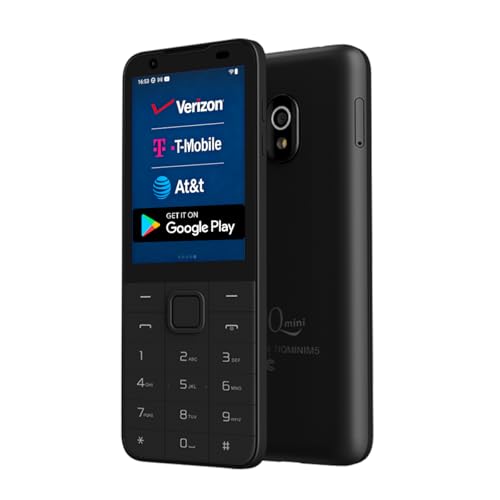
1. TIQ mini M5 2025 Enhanced 4G Phone

TIQ mini M5 2025 Enhanced 4G Phone earns its place in this roundup of best mini android phones by covering the essentials well: it does the core job reliably, it is straightforward to set up, and it fits the everyday use case most readers have in mind. The TIQ mini M5 2025 is an enhanced 4G phone running Android 13, with a compact body, longer battery life, and smooth performance for everyday apps. The 2025 revision adds a larger battery and better heat control than earlier mini phones in the same line. Install your essential apps first and keep the home screen simple on the small display. Keep the phone software updated, since mini-phone makers fix bugs through updates. Before ordering, check the listing for the exact configuration — model, size, and included accessories can vary between listings that look similar at a glance, and the model number is the surest way to confirm you are getting the version described here.
Strengths:
- Android 13 on a mini phone, with access to current apps.
- The enhanced 2025 model improves battery life and heat over earlier mini phones.
- A compact body that is easy to carry and use one-handed.
Trade-offs:
- The small screen makes typing and video cramped.
- Performance suits everyday apps, not demanding games.
- Availability and support are thinner than for big-brand phones.
This phone fits readers who want a current Android version in the smallest practical body.
Best for: buyers who want a current Android 13 mini phone
Not suited for: gamers, heavy typists, or video watchers
2. AGM N2 Mini Phone Android 16 Go, T-Mobile 4G LTE, Removable 3000mAh Battery, 5 Inch
Check price on Amazon: TIQ mini M5 2025 Enhanced 4G Phone

AGM N2 Mini Phone Android 16 Go, T-Mobile 4G LTE, Removable 3000mAh Battery, 5 Inch earns its place in this roundup of best mini android phones by covering the essentials well: it does the core job reliably, it is straightforward to set up, and it fits the everyday use case most readers have in mind. The AGM N2 is a mini phone running Android 16 Go on T-Mobile 4G LTE, with a removable 3000mAh battery and a 5-inch display, sold as a cheap backup smartphone. The removable battery is a rare feature that lets you carry a spare instead of a power bank. Carry a spare charged battery and the phone effectively never runs flat. Buy a spare battery with the phone so the swap is ready when you need it. Before ordering, check the listing for the exact configuration — model, size, and included accessories can vary between listings that look similar at a glance, and the model number is the surest way to confirm you are getting the version described here.
Strengths:
- A removable 3000mAh battery, rare in any modern phone and handy for long days.
- Android 16 Go keeps the interface light on modest hardware.
- The 5-inch display is the most usable size in this roundup.
Trade-offs:
- It is a T-Mobile 4G phone, so other carriers may not work.
- The Go edition of Android limits some heavier apps.
- The design is plain and rugged rather than stylish.
This phone fits T-Mobile users who want a compact backup phone with a swappable battery.
Best for: T-Mobile users who want a compact backup phone with a removable battery
Not suited for: users on other carriers, or anyone who wants a full Android flagship
3. Mini Smartphone 3.0-inch Android Mini Phone, WiFi, GPS, Face ID, Expandable Memory

Mini Smartphone 3.0-inch Android Mini Phone, WiFi, GPS, Face ID, Expandable Memory earns its place in this roundup of best mini android phones by covering the essentials well: it does the core job reliably, it is straightforward to set up, and it fits the everyday use case most readers have in mind. This mini smartphone has a 3.0-inch display and runs Android with Wi-Fi, app downloads, GPS, and face ID, with expandable memory for extra storage. The expandable memory slot takes a microSD card for photos and music beyond the built-in storage. Treat it as a calls-and-messages phone and it shines; load it with heavy apps and it struggles. A microSD card is cheap insurance against running out of storage. Before ordering, check the listing for the exact configuration — model, size, and included accessories can vary between listings that look similar at a glance, and the model number is the surest way to confirm you are getting the version described here.
Strengths:
- One of the smallest working Android phones you can buy.
- Wi-Fi, GPS, and face ID in a body that fits in a coin pocket.
- Expandable memory helps offset the small built-in storage.
Trade-offs:
- The 3.0-inch screen is very cramped for typing and reading.
- Battery life is short, so it needs charging often.
- The camera and speakers are basic.
This phone fits minimalists who want a working smartphone in the tiniest possible size.
Best for: minimalists who want the tiniest working Android phone
Not suited for: anyone who types, reads, or watches video for hours
4. Mini Smartphone 3.0-inch HD Touchscreen Unlocked Android Compact Mobile Phone for Kids and Students

Mini Smartphone 3.0-inch HD Touchscreen Unlocked Android Compact Mobile Phone for Kids and Students earns its place in this roundup of best mini android phones by covering the essentials well: it does the core job reliably, it is straightforward to set up, and it fits the everyday use case most readers have in mind. This mini smartphone has a 3.0-inch HD touchscreen and runs unlocked Android, sold as a compact mobile phone for kids and students. The HD touchscreen is sharper than most 3-inch displays, which helps with reading and typing. Add a small memory card at setup so storage never becomes a problem. Set the font size large at setup so the small screen stays readable. Before ordering, check the listing for the exact configuration — model, size, and included accessories can vary between listings that look similar at a glance, and the model number is the surest way to confirm you are getting the version described here.
Strengths:
- An unlocked Android phone small enough for a child pocket or a small bag.
- The HD touchscreen is sharper than most 3-inch displays.
- A low-cost first phone for a student.
Trade-offs:
- The tiny screen limits reading, typing, and video.
- Storage and battery are both modest.
- It is a basic phone, not a camera or gaming device.
This phone fits parents and students who want a small, simple, unlocked Android phone.
Best for: parents and students who want a tiny unlocked Android phone
Not suited for: heavy users, gamers, or photographers
5. 4G Mini Smartphone for Kids, 32GB Unlocked Android 12 Phone, 2000mAh Battery, 3.7-inch Touchscreen, Dual SIM

4G Mini Smartphone for Kids, 32GB Unlocked Android 12 Phone, 2000mAh Battery, 3.7-inch Touchscreen, Dual SIM earns its place in this roundup of best mini android phones by covering the essentials well: it does the core job reliably, it is straightforward to set up, and it fits the everyday use case most readers have in mind. This 4G mini smartphone runs Android 12 with 32GB of storage, a 2000mAh battery, a 3.7-inch touchscreen, and dual SIM slots. The dual SIM design suits travellers and anyone separating work and personal numbers. Set the screen timeout short and brightness low to make the battery last the day. Label the SIM slots so you know which number is which. Before ordering, check the listing for the exact configuration — model, size, and included accessories can vary between listings that look similar at a glance, and the model number is the surest way to confirm you are getting the version described here.
Strengths:
- The 3.7-inch screen is a useful step up from 3-inch models for typing.
- Dual SIM slots carry two numbers in one tiny phone.
- Android 12 with 32GB of storage covers everyday apps.
Trade-offs:
- The 2000mAh battery needs charging daily with normal use.
- Performance is for light apps, not games.
- The small screen still cramps long reading sessions.
This phone fits light users and parents who want a slightly larger mini phone with dual SIM.
Best for: light users and parents who want a 3.7-inch mini phone with dual SIM
Not suited for: power users, gamers, or all-day video watchers
6. Mini Phone 4G Unlocked 32GB Mini Smartphone, 3.7-inch Touch Screen, 2000mAh Battery
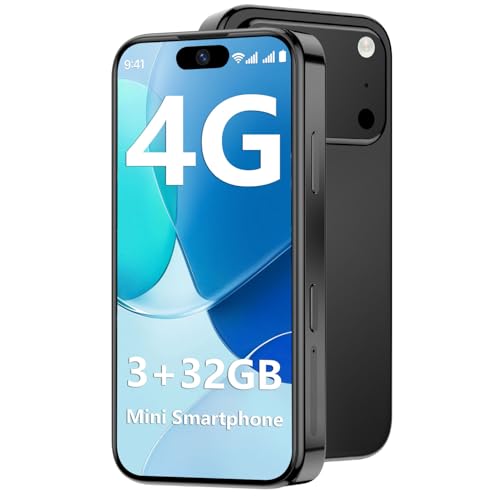
Mini Phone 4G Unlocked 32GB Mini Smartphone, 3.7-inch Touch Screen, 2000mAh Battery earns its place in this roundup of best mini android phones by covering the essentials well: it does the core job reliably, it is straightforward to set up, and it fits the everyday use case most readers have in mind. The Mini Phone 4G is an unlocked 32GB mini smartphone with a 3.7-inch touch screen and a 2000mAh battery, with app downloads and 4G connectivity. The compact body weighs far less than a normal phone, so it disappears into a pocket. Keep a charger at your desk and the small battery is rarely a problem. A small power bank in your bag covers the days you forget to charge. Before ordering, check the listing for the exact configuration — model, size, and included accessories can vary between listings that look similar at a glance, and the model number is the surest way to confirm you are getting the version described here.
Strengths:
- A compact 4G Android phone that fits in any pocket.
- The 3.7-inch screen balances size and usability well for a mini phone.
- Unlocked, with app downloads and expandable storage options.
Trade-offs:
- Battery life is modest with the 2000mAh cell.
- The camera is basic and the screen is small for video.
- 32GB of storage needs managing if you install many apps.
This phone fits readers who want a pocketable second phone or a light everyday phone.
Best for: second-phone buyers and light users who want a pocketable Android
Not suited for: anyone who needs a big screen, long battery, or strong camera
Comparison table
| # | Product | Key detail |
|---|---|---|
| 1 | TIQ mini M5 2025 Enhanced 4G Phone | Android 13, 4G, compact |
| 2 | AGM N2 Mini Phone Android 16 Go, T-Mobile 4G LTE, Removable 3000mAh Battery, 5 Inch | Android 16 Go, 5-inch, removable 3000mAh, 4G LTE |
| 3 | Mini Smartphone 3.0-inch Android Mini Phone, WiFi, GPS, Face ID, Expandable Memory | 3.0-inch, Android, Wi-Fi, GPS, face ID |
| 4 | Mini Smartphone 3.0-inch HD Touchscreen Unlocked Android Compact Mobile Phone for Kids and Students | 3.0-inch HD, unlocked Android, compact |
| 5 | 4G Mini Smartphone for Kids, 32GB Unlocked Android 12 Phone, 2000mAh Battery, 3.7-inch Touchscreen, Dual SIM | Android 12, 3.7-inch, 32GB, dual SIM, 2000mAh |
| 6 | Mini Phone 4G Unlocked 32GB Mini Smartphone, 3.7-inch Touch Screen, 2000mAh Battery | 4G, 3.7-inch, 32GB, 2000mAh |
What you give up with a mini phone, honestly
Mini phones are a trade-off, and it is better to know the cost before you buy. The screen is the biggest compromise: typing, reading, and video are all harder on a 3-inch display, and even the 3.7-inch models in this guide feel cramped after a full-size phone. Battery life is the second compromise, because a tiny body holds a tiny battery, so most mini phones need a charge every day. Cameras are basic, storage is modest, and performance suits everyday apps rather than games. What you gain is a phone that disappears into a pocket, weighs almost nothing, and stops demanding your attention. For a second phone, a festival phone, a first phone for a child, or a deliberate step away from screen time, that trade is worth it. For a main phone that you live on, a compact 5-inch model like the AGM N2 is the safer end of the range.
Mini phone or compact phone: where the line sits
The phones in this guide range from 3 inches to 5 inches, and the right size depends on how you will use it. A 3-inch phone is a true mini: it fits in a coin pocket and works best for calls, messages, music, and maps, with everything else feeling like a chore. A 3.7-inch phone is the middle ground, noticeably easier to type on while still pocketable. A 5-inch phone like the AGM N2 is compact rather than tiny, and it works as a real everyday phone for light users. If you plan to use the phone as your only device, start at 3.7 inches or larger; if it is a second phone or a digital-detox device, the 3-inch models are the most liberating. Either way, check the Android version and the network bands before ordering, because a mini phone that cannot run your apps or connect to your carrier is a paperweight no matter how small it is.
Battery life on a tiny phone
A mini phone cannot hide a big battery, and the 2000mAh cells in most of the picks here are a quarter of what a flagship carries. That sounds like a deal-breaker until you remember what the phone is for: calls, messages, maps, and music use far less power than gaming or video, and a mini phone used that way can still last a day. The habits that help are simple: keep brightness low, since the screen is the biggest drain; turn off Wi-Fi and Bluetooth when you do not need them; and close apps rather than leaving them running. The AGM N2 is the exception in this guide, with a removable 3000mAh battery that you can swap for a spare, which effectively doubles the phone day. If battery life is your main worry, carry a small power bank, which weighs less than the phone you gave up, and the mini phone stops being a compromise at all.
Apps and storage: making a small phone work
A mini phone runs the same Android apps as a big phone, but the small screen and modest storage change how you should set it up. Install only the apps you use weekly, and use the lite versions of social and messaging apps where they exist, since they take less space and less battery. Photos are the fastest way to fill 32GB, so turn on cloud backup and delete local copies regularly, or add a memory card where the phone supports one. The keyboard deserves attention too: a swipe keyboard is far faster than tapping on a 3-inch screen, and voice typing works well for longer messages. Keep the home screen to one page with your essential apps, and the phone stays quick and usable. Loaded with dozens of apps and games, any mini phone will slow down; kept lean, it feels surprisingly fast for its size.
Who should not buy a mini phone
Mini phones are a delight for the right buyer and a mistake for the wrong one. If your phone is your main screen for video, reading, and work, a mini phone will frustrate you within a week: the screen is too small for documents, the battery too short for long days, and the keyboard too cramped for long emails. If you game, shoot photos, or edit video on your phone, the hardware is simply not built for it. Older readers with poor eyesight will also struggle, since small text on a small screen is hard to read even with large fonts. The right buyers are people who want a second phone, a festival phone, a first phone for a child, or a deliberate break from screen time. If that is you, the picks in this guide are genuinely good. If it is not, a compact 5-inch phone like the AGM N2 is the smallest you should go, and a normal mid-range phone is the honest answer.
Buying guide
Start by defining the job the mini Android phone has to do. For best mini android phones, the right choice depends on where it will live, how often it will be used, and which features you will actually notice day to day. Measure the space first: a mini Android phone that is too large for its spot ends up moved, stored, or returned, while one that is too small for the task leaves you working around its limits. Next, list the features that matter to you and rank them. Size and weight, Android version and apps, battery life, and network support are the usual decision points, and different readers rank them very differently — there is no single right order. Check compatibility with what you already own: the devices, apps, and accessories it needs to work with. A pick that needs an adapter, a hub, or an extra purchase you did not expect is a worse deal than a slightly more expensive option that works out of the box. Read the listing carefully for what is included in the box and what is sold separately, and confirm the model number matches the one described here, since similar names can hide different configurations. Think about upkeep as well: consumables, batteries, cables, and software updates all add up over the life of a device. Finally, buy from a listing with a clear return policy, keep the packaging until you have used the device for a few days, and test the features you care about most during that window. If it does not fit your routine, exchanging it early is far easier than living with a compromise for years. A careful first week with the device tells you more than any amount of pre-purchase reading. It is also worth deciding in advance how much setup effort you are willing to accept: some readers enjoy configuring an app and linking devices, while others want something that works the moment it is unboxed. Neither preference is wrong, but it changes which pick is right for you, and it is better to know it before ordering than to discover it while staring at a setup screen.
How to use and care for your pick
Getting the most from your best mini android phones starts with setup. Unbox it somewhere with good light, lay out everything included, and read the quick-start guide before plugging anything in — ten minutes here saves a support call later. Place the mini Android phone where it has room to work: clear space around vents and sensors, a stable surface, and easy access to power. Run any firmware or software update the listing or companion app offers, then walk through the settings once, turning off features you do not need and enabling the ones you do. For day-to-day care, keep the device clean and dry, wipe surfaces with a soft cloth, and keep cables routed so they are not pulled or pinched. If the mini Android phone uses a battery, avoid leaving it fully drained for long stretches; if it uses a filter or a consumable part, note the replacement interval on a calendar so performance does not quietly degrade. Store accessories together in one place so they are easy to find. If something stops working, restart the device, check connections, and confirm the app or software is up to date before assuming a fault — most day-to-day problems trace back to one of those three. Keep the manual or a bookmark to the support page; the answer to an unusual question is usually there, and the manufacturer’s guidance is the authority for anything involving safety, power, or warranty. A short routine beats a long repair: a quick check every month or two catches most problems while they are still trivial, and it keeps the device performing the way it did on the day you bought it.
Common mistakes to avoid
The most common mistake when shopping for best mini android phones is choosing on a single headline feature and ignoring everything else. A big number on the box — capacity, resolution, range — tells you very little about whether the mini Android phone fits your space or your routine. The second mistake is skipping the compatibility check: assuming it will work with your existing devices, apps, or accessories without confirming. The third is ignoring size and placement, then discovering the device blocks a vent, crowds a desk, or needs an outlet that is not nearby. A fourth is buying the cheapest listing of a lookalike model and discovering it is a different configuration, a renewed unit, or missing an accessory the full version includes. A fifth is overlooking running costs — replacement parts, batteries, or a companion subscription — that change the real cost over a year or two. And a sixth is rushing the return window: using the device once, deciding it is fine, and only discovering its weak point after the exchange period has closed. Avoid all six by measuring first, reading the listing in full, confirming compatibility, and testing the features you care about within the first few days. A short checklist made before ordering — size, compatibility, included accessories, return policy — prevents most of these mistakes before they happen. The thread running through all six is the same: the purchase decision deserves the same care as the device itself. A few minutes spent measuring, reading, and confirming compatibility saves the time, cost, and frustration of a return.
Our final recommendation
If you want a single answer, start with the first pick in this guide — the TIQ mini M5 2025 Enhanced 4G Phone — and check whether it covers your main use case. It represents the best balance of capability, ease of use, and everyday practicality for most readers shopping for best mini android phones. If your needs are more specific, the other five picks each serve a clear purpose: one leans toward a larger capacity or display, another toward a simpler setup, and the rest toward particular features or budgets. Match the pick to the job, not to the ranking. Re-read the comparison table, confirm the listing matches the model described here, and order the one whose strengths line up with what you will actually use. Whichever you choose, the buying guide above will help you set it up well and avoid the mistakes that lead to returns. And if you are still torn between two picks, choose the one whose strengths match the feature you will use every day, not the one with the longest feature list — the device you reach for daily is the one that was worth buying.
Frequently asked questions
What should I look for first when choosing best mini android phones?
Start with fit: the size, capacity, and core features that match how you will use it every day. Compatibility with your existing devices comes next, followed by ease of setup and upkeep. The buying guide above walks through each factor in order.
Are the best mini android phones in this guide suitable for everyday use?
Yes. All six picks were chosen for regular, everyday use rather than occasional or specialist scenarios, and each section notes who the product fits best so you can judge the match for your own routine.
How do I know which model to order?
Use the product links in each section to open the listing and confirm the exact model, configuration, and included accessories. Similar names can hide different versions, so matching the model number to the one described here is the safest check.
Which pick is the best starting point?
For most readers, the TIQ mini M5 2025 Enhanced 4G Phone is the best place to start because it balances capability and ease of use. If you have a specific need — a larger space, a particular feature, or a tighter budget — one of the other five picks may suit you better.
Do I need one unit or several?
That depends on the size of your home and how many rooms need coverage. A single unit covers only its own area, so most homes need several — at least one per floor and one near each sleeping area. The kits in this guide are a practical way to cover a whole home at once.
What if the product I choose does not fit my setup?
Test it within the return window: check the features you care about most in the first few days, keep the packaging, and exchange it if it does not fit. The common-mistakes section above lists the checks that catch most mismatches early.
Related reading on Kajuandouglas: best dual SIM Android phones and best new Android phones and best mid-range smartphones.