Buying a new Android phone in 2026 means choosing between three very different ideas of what a phone should be. Samsung’s Galaxy S26 family pushes AI features, camera hardware, and long software support into every price tier. Google’s Pixel 10 leans on computational photography and the cleanest version of Android. And the foldable Z Fold8 argues that the phone itself should change shape. There is no single right answer — there is only the right answer for how you use a phone.
The phones below are the newest Android models with wide availability: current-generation flagships, a foldable, and budget options that carry the features that used to be flagship-only, like 120 Hz displays, multi-day battery expectations, and multi-year update promises. Every phone here is unlocked, so it works with the carrier of your choice, and every one runs the current generation of Android with the AI features that now define the platform.
When comparing them, keep three questions in mind. First, what does the camera need to do — casual snapshots, or serious low-light and zoom work? Second, how much do you value software: Samsung’s feature-packed One UI, or Google’s clean Pixel experience with the fastest updates? And third, how much phone do you actually want to carry — a compact flagship, a big-screen Ultra, or a device that unfolds into a tablet? The answers narrow this list quickly.
A final consideration before the details: think about how long you keep a phone. If you upgrade every year, the newest features and the trade-in value matter most, and a flagship makes sense. If you keep a phone for four years, software support length, battery health, and storage capacity matter far more than the launch-day camera ranking. Every phone in this roundup is built to last years, but they are not equal in what ages well — and that difference is worth weighing alongside the specifications.
In this guide
Quick picks: best new android phones
| # | Product | Where to buy |
|---|---|---|
| 1 | Samsung Galaxy S26 | Check on Amazon |
| 2 | Samsung Galaxy A37 5G (2026) | Check on Amazon |
| 3 | Samsung Galaxy Z Fold8 | Check on Amazon |
| 4 | Samsung Galaxy S26 Ultra | Check on Amazon |
| 5 | Samsung Galaxy S26+ | Check on Amazon |
| 6 | Samsung Galaxy A15 5G | Check on Amazon |
| 7 | Google Pixel 10 | Check on Amazon |
Quick Comparison
| Product | Key spec | Best for |
|---|---|---|
| Samsung Galaxy S26 | 256 GB, Galaxy AI, unlocked | Best all-round flagship |
| Samsung Galaxy A37 5G (2026) | 128 GB, AMOLED, triple camera, IP68 | Best value new Android |
| Samsung Galaxy Z Fold8 | 512 GB, foldable, unlocked | Best foldable phone |
| Samsung Galaxy S26 Ultra | 256 GB, AI camera, privacy display | Best camera and biggest screen |
| Samsung Galaxy S26+ | 256 GB, Galaxy AI, large display | Big screen without Ultra size |
| Samsung Galaxy A15 5G | 64 GB, 6.5-inch 90 Hz AMOLED, 50 MP camera | Cheapest new Samsung with 5G |
| Google Pixel 10 | 128 GB, Gemini, triple rear camera | Best camera software and clean Android |
Storage matters more than it used to: with AI features, large photo libraries, and offline maps, 128 GB fills up faster than expected. If you keep phones for three years or more, consider the 256 GB version of whichever model you choose.
Quick Picks
If you want the short version, here it is. The Samsung Galaxy S26 is the best all-round new Android phone for most people, with no weak points and years of support ahead of it. The Galaxy S26 Ultra is the pick for photography and big screens, the S26+ is the balanced big phone, and the Z Fold8 is the only one that unfolds into a tablet. The Google Pixel 10 wins on camera software and the cleanest Android experience, with the fastest updates of any phone here. On a budget, the Galaxy A37 5G delivers the modern essentials — AMOLED display, 5,000 mAh battery, and water resistance — for far less than a flagship, and the Galaxy A15 5G covers the basics at the lowest price. Buy the flagship if you keep phones for years, buy the A-series if you upgrade more often, and buy the Fold only if you will actually use the unfolded screen.
For readers who want a direct recommendation by budget, the picture is simple. Under a tight budget, the Galaxy A15 5G covers the essentials and the A37 5G is the better buy if the budget stretches that far, thanks to its AMOLED display, larger battery, and water resistance. At flagship money, the Galaxy S26 is the default for most people, the S26+ is the choice for big-screen lovers, and the S26 Ultra is for photography enthusiasts who want the best camera Samsung makes. The Pixel 10 is the pick for anyone who values clean software and computational photography over raw specifications, and the Z Fold8 is the only phone here that can replace a tablet. Match the phone to the budget first, then to the size and camera, and the decision makes itself.

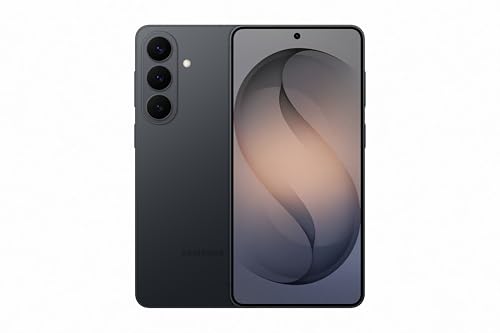
1. Samsung Galaxy S26
The Samsung Galaxy S26 is the default flagship Android phone, and it earns that position by doing everything well. It pairs a powerful processor with Galaxy AI features, an immersive display, and a camera system that handles everything from daylight landscapes to dim restaurants, all in a size that fits comfortably in one hand.
What makes the S26 the safe recommendation is the absence of weak points. The display is bright and smooth, the battery is sized for a full day of heavy use, the build is durable, and Samsung’s software support now stretches across many years of updates. Galaxy AI features — live translation, photo editing, and writing assistance — are genuinely useful rather than decorative, and they run on the device as well as in the cloud.
What stands out:
- Complete flagship package: fast processor, excellent display, strong cameras, and durable build with no obvious compromise.
- Galaxy AI: on-device AI for translation, photo editing, and productivity that works without a subscription for core features.
- Long software support: years of operating system and security updates, which makes the S26 a phone you can keep for a long time.
Trade-offs to weigh: It is not the most exciting phone here — the S26 Ultra has the bigger screen and the better zoom, and the Z Fold8 has the foldable display. It is also a premium-priced phone, so buyers who mostly browse, message, and take casual photos may find the A-series models below do the same job for less.
Who it fits: Almost anyone buying a flagship. If you want the best all-round Android phone without a foldable screen or an Ultra-sized body, this is the one.
Storage deserves a decision up front, because none of these phones lets you add a memory card later. Photo libraries, offline maps, downloaded video, and large games accumulate faster than most people expect, and 128 GB can feel tight within two years. If you shoot a lot of video or keep games installed, the 256 GB version is worth the extra cost at purchase — adding storage later is not an option.
Compared with the Samsung Galaxy A37 5G (2026) elsewhere in this roundup, the Samsung Galaxy S26 takes a different approach: where the Samsung Galaxy A37 5G (2026) emphasizes 128 GB, AMOLED, triple camera, IP68, this one leans on 256 GB, Galaxy AI, unlocked. Neither approach is better in the abstract — the right choice depends on whether best all-round flagship matters more to you than best value new android. If you are torn between the two, start with the one whose strength matches the thing you do most often, since that is the difference you will notice every single day.
Check price on Amazon: Samsung Galaxy S26
2. Samsung Galaxy A37 5G (2026)
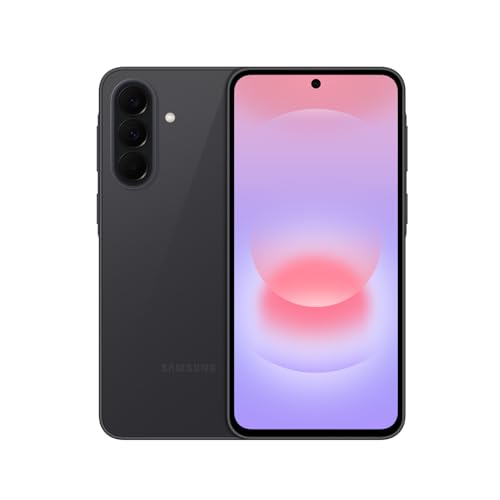
The Samsung Galaxy A37 5G (2026) is the pick for buyers who want a new phone without a flagship price. It brings an AMOLED display, a triple camera, IP68 water resistance, and a 5,000 mAh battery to the mid-range — a combination that would have been flagship-only a few years ago.
The A37’s appeal is how few compromises it asks for. The AMOLED display is bright and colorful, the triple camera covers wide, main, and depth duties, IP68 resistance means rain and splashes are not a worry, and the large battery is sized for two days of moderate use. It is a slim phone that feels more expensive than it is, and for everyday use — messaging, maps, streaming, casual photography — it is hard to tell apart from a flagship.
What stands out:
- AMOLED display: a bright, colorful screen that makes streaming and browsing noticeably nicer than budget LCD panels.
- IP68 resistance: dust and water protection that is rare at this price and genuinely useful in daily life.
- 5,000 mAh battery: a large battery that stretches comfortably through a full day and often into a second.
Trade-offs to weigh: The processor and camera are a step behind the S26 family, so heavy gaming and low-light photography show the difference. Storage starts at 128 GB, which fills up faster than the 256 GB flagships, and charging is slower than Samsung’s top models.
Who it fits: Value buyers, first-time smartphone owners, and anyone who wants a modern Android phone with a great screen and battery without paying flagship money.
Check carrier compatibility before buying an unlocked phone, particularly for the international models here. Most unlocked phones support the major US carriers, but band support varies, and a missing band can mean weaker signal in rural areas or inside buildings. Confirm the model works fully with your carrier, including 5G bands, rather than assuming that unlocked means universal.
It is worth comparing the Samsung Galaxy A37 5G (2026) with the rest of this roundup before deciding, because the differences are in the details rather than the headline specifications. The 128 GB, AMOLED, triple camera, IP68 here suits best value new android, while other picks in this list trade that strength for different priorities — a lower price, a different size, or a different feature set. Read the trade-offs for two or three finalists side by side, and the right choice usually becomes obvious: it is the one whose weaknesses you care about least.
Check price on Amazon: Samsung Galaxy A37 5G (2026)

3. Samsung Galaxy Z Fold8
The Samsung Galaxy Z Fold8 is the most ambitious phone here: a device that works as a regular phone when folded and opens into a small tablet when you need more screen. The new shape and content-native ratio make the unfolded display genuinely useful for reading, multitasking, and video, rather than a novelty you use once and forget.
Foldables have matured fast, and the Z Fold8 shows it. The hinge feels solid, the outer screen is fully usable on its own, and the inner display is bright and sharp enough for real work. With 512 GB of storage there is room for the large files and offline content that a tablet-sized screen invites, and the customized processor keeps multitasking smooth. It is still a premium device with premium pricing, but it is no longer an experiment — it is a real alternative to carrying both a phone and a tablet.
What stands out:
- Two devices in one: a phone that unfolds into a tablet-sized display for reading, multitasking, and video.
- 512 GB storage: ample room for apps, photos, offline video, and documents on a device designed to do more.
- Refined design: a new shape and improved ratio make the unfolded screen practical rather than merely impressive.
Trade-offs to weigh: It is expensive, heavier and thicker than a regular flagship, and the foldable display still demands more care than a glass slab. Battery life and camera performance are good but not class-leading — the S26 Ultra beats it on both if the foldable screen is not the priority.
Who it fits: Power users, readers, and multitaskers who want a tablet in their pocket. If you split your time between phone and tablet today, the Fold8 can replace both.
Budget for protection and longevity. A case and a screen protector cost little and prevent the cracked screen that ends a phone’s life early, and a battery that is kept between roughly 20 and 80 percent charge will age more slowly than one that is always charged to full and drained to empty. These small habits matter more for a phone you plan to keep for four years than any single specification.
One way to judge the Samsung Galaxy Z Fold8 is to ask what you would miss if you chose the cheapest option in this roundup instead. The answer is usually the 512 GB, foldable, unlocked and the best foldable phone that define this model. If those matter for how you use it, the step up is worth it; if they do not, the budget pick will serve you just as well. That test — what would I actually miss — is the most reliable way to avoid both overspending and regret.
Check price on Amazon: Samsung Galaxy Z Fold8
4. Samsung Galaxy S26 Ultra
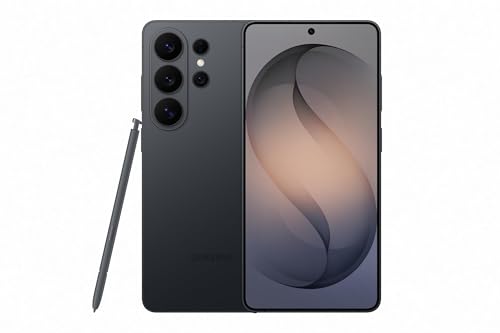
The Samsung Galaxy S26 Ultra is Samsung’s everything phone: the biggest screen, the most advanced AI camera, the longest zoom, and a privacy display that keeps shoulder-surfers out. It is the flagship for people who want the maximum of every specification and are happy to carry a large phone to get it.
The Ultra’s camera is its defining feature, with AI-assisted processing that handles zoom, low light, and fast-moving subjects better than any other phone here. The privacy display is a thoughtful addition for commuters and open offices, narrowing the viewing angle so the screen is harder to read from the side. Combined with the fastest processor in the lineup and a large battery, the Ultra is the phone for buyers who want no compromises at all.
What stands out:
- AI camera system: the most capable camera in the lineup, with strong zoom and low-light performance.
- Privacy display: a screen that resists shoulder-surfing, useful on trains, planes, and in offices.
- Maximum everything: the biggest display, the fastest processor, and the most storage headroom in the S26 family.
Trade-offs to weigh: It is large, heavy, and expensive — the biggest phone here by a clear margin, and the hardest to use one-handed. Buyers who do not need the extreme zoom or the huge screen will find the regular S26 does nearly everything the Ultra does in a smaller, cheaper body.
Who it fits: Photography enthusiasts, power users, and anyone who wants the biggest screen and the best camera Samsung makes. Accept the size, and there is nothing better.
Storage deserves a decision up front, because none of these phones lets you add a memory card later. Photo libraries, offline maps, downloaded video, and large games accumulate faster than most people expect, and 128 GB can feel tight within two years. If you shoot a lot of video or keep games installed, the 256 GB version is worth the extra cost at purchase — adding storage later is not an option.
Compared with the Samsung Galaxy S26+ elsewhere in this roundup, the Samsung Galaxy S26 Ultra takes a different approach: where the Samsung Galaxy S26+ emphasizes 256 GB, Galaxy AI, large display, this one leans on 256 GB, AI camera, privacy display. Neither approach is better in the abstract — the right choice depends on whether best camera and biggest screen matters more to you than big screen without ultra size. If you are torn between the two, start with the one whose strength matches the thing you do most often, since that is the difference you will notice every single day.
Check price on Amazon: Samsung Galaxy S26 Ultra

5. Samsung Galaxy S26+
The Samsung Galaxy S26+ sits between the regular S26 and the Ultra: a larger display and a bigger battery than the standard model, without the Ultra’s size, weight, or price. It is the sensible big-phone choice — the one for people who want more screen but do not need the extreme camera.
The S26+ shares the S26’s processor, Galaxy AI features, and software support, so the experience is identical in daily use. The difference is the display: larger, more immersive for video and reading, and easier on the eyes for long sessions. The battery is larger too, which translates into more screen-on time. It is the middle of the lineup in the best sense — the balanced choice rather than a compromise.
What stands out:
- Larger immersive display: more screen for video, reading, and gaming than the standard S26, without Ultra bulk.
- Same flagship performance: the same processor and AI features as the S26, so nothing is given up in speed.
- Better battery life: a bigger battery that stretches further through heavy days.
Trade-offs to weigh: The camera is a step behind the Ultra’s, particularly at long zoom, so photography enthusiasts should look up the range. It is also more expensive than the standard S26 for what is mostly a bigger screen and battery — a fair trade, but a real one.
Who it fits: Video watchers, readers, and anyone who wants a big-screen phone without the Ultra’s size and price. The balanced big phone in the lineup.
Check carrier compatibility before buying an unlocked phone, particularly for the international models here. Most unlocked phones support the major US carriers, but band support varies, and a missing band can mean weaker signal in rural areas or inside buildings. Confirm the model works fully with your carrier, including 5G bands, rather than assuming that unlocked means universal.
It is worth comparing the Samsung Galaxy S26+ with the rest of this roundup before deciding, because the differences are in the details rather than the headline specifications. The 256 GB, Galaxy AI, large display here suits big screen without ultra size, while other picks in this list trade that strength for different priorities — a lower price, a different size, or a different feature set. Read the trade-offs for two or three finalists side by side, and the right choice usually becomes obvious: it is the one whose weaknesses you care about least.
Check price on Amazon: Samsung Galaxy S26+

6. Samsung Galaxy A15 5G
The Samsung Galaxy A15 5G is the entry point to Samsung’s current lineup: a 6.5-inch 90 Hz AMOLED display, a 50 MP camera, and 5G connectivity in the most affordable new Samsung phone here. It covers the essentials — calls, messaging, maps, streaming, and casual photos — without asking for flagship money.
The A15’s strengths are the ones that matter most at this price. The AMOLED display is smooth and colorful, the 50 MP camera takes good photos in daylight, and 5G support means the phone will stay useful as networks evolve. It is an international model that is fully unlocked, so it works with a wide range of carriers, and its compact price makes it a sensible choice for a first phone, a backup phone, or a gift.
What stands out:
- 90 Hz AMOLED display: a smooth, colorful screen that is unusual at this price and makes everyday use feel more premium.
- 50 MP camera: a capable main camera for daylight photos, social media, and family snapshots.
- 5G connectivity: future-proof connectivity that keeps the phone useful as 5G coverage expands.
Trade-offs to weigh: Storage starts at 64 GB, which is tight once apps, photos, and offline content accumulate — a memory card helps, but it is a real limitation. Performance is modest, so heavy games and intensive multitasking will show the difference from the S26 family, and low-light photography is basic.
Who it fits: Budget buyers, first phones, and backup devices. If the budget is tight and the needs are everyday, the A15 delivers the essentials well.
Budget for protection and longevity. A case and a screen protector cost little and prevent the cracked screen that ends a phone’s life early, and a battery that is kept between roughly 20 and 80 percent charge will age more slowly than one that is always charged to full and drained to empty. These small habits matter more for a phone you plan to keep for four years than any single specification.
One way to judge the Samsung Galaxy A15 5G is to ask what you would miss if you chose the cheapest option in this roundup instead. The answer is usually the 64 GB, 6.5-inch 90 Hz AMOLED, 50 MP camera and the cheapest new samsung with 5g that define this model. If those matter for how you use it, the step up is worth it; if they do not, the budget pick will serve you just as well. That test — what would I actually miss — is the most reliable way to avoid both overspending and regret.
Check price on Amazon: Samsung Galaxy A15 5G
7. Google Pixel 10
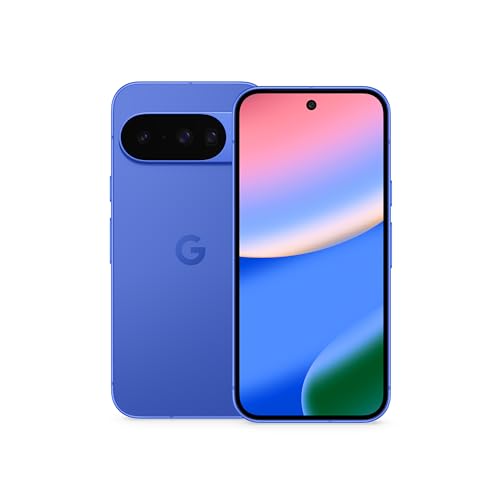
The Google Pixel 10 is the phone for people who care about software and photography more than specifications. It pairs Google’s Gemini AI with an advanced triple rear camera and the cleanest version of Android available, with updates that arrive first and a camera that does its best work through computation rather than hardware alone.
The Pixel 10’s camera is the standout: a triple rear system with up to 20x zoom, backed by Google’s image processing, which consistently produces excellent photos in difficult light. Gemini integration runs through the phone, helping with writing, summarizing, and searching photos by description. And because it is a Pixel, it receives Android updates the day they are released, with no carrier or manufacturer delay.
What stands out:
- Computational photography: a triple camera with strong zoom and low-light performance driven by Google’s image processing.
- Gemini AI built in: AI assistance woven through the phone, from writing help to photo search.
- Clean Android, fastest updates: the purest Android experience, with updates arriving before any other brand.
Trade-offs to weigh: Battery life and charging speeds trail Samsung’s flagships, and the hardware — while good — is less flashy than the S26 Ultra’s. Storage starts at 128 GB, and there is no expandable storage, so heavy users should consider the larger capacity.
Who it fits: Photography lovers, Android purists, and anyone who wants the fastest updates and the smartest camera software. The thinking person’s flagship.
Storage deserves a decision up front, because none of these phones lets you add a memory card later. Photo libraries, offline maps, downloaded video, and large games accumulate faster than most people expect, and 128 GB can feel tight within two years. If you shoot a lot of video or keep games installed, the 256 GB version is worth the extra cost at purchase — adding storage later is not an option.
Compared with the Samsung Galaxy S26 elsewhere in this roundup, the Google Pixel 10 takes a different approach: where the Samsung Galaxy S26 emphasizes 256 GB, Galaxy AI, unlocked, this one leans on 128 GB, Gemini, triple rear camera. Neither approach is better in the abstract — the right choice depends on whether best camera software and clean android matters more to you than best all-round flagship. If you are torn between the two, start with the one whose strength matches the thing you do most often, since that is the difference you will notice every single day.
Check price on Amazon: Google Pixel 10
Buying Guide
Flagship or mid-range: where the money goes
The difference between a flagship and a mid-range phone is narrower than it has ever been. Mid-range phones now have AMOLED displays, multi-camera systems, large batteries, and water resistance. What flagships still offer is the best camera hardware, the fastest processors, premium materials, and the longest software support. If you upgrade every two years, a mid-range phone is often the smarter buy. If you keep a phone for four or five years, the flagship’s longer support and faster hardware pay off.
Cameras: megapixels are not the story
A 50 MP camera is not automatically better than a 12 MP one. What matters is the sensor size, the lens quality, and — increasingly — the software processing. Google’s Pixel line proves this: its cameras win comparisons through computation, not raw megapixels. When comparing phones, look at sample photos in low light and at high zoom rather than the numbers on the box, and decide whether you shoot mostly in daylight, where every phone here is good, or in the dark, where the flagships pull away.
Battery and charging
Battery capacity is only half the story; the processor’s efficiency and the display’s refresh rate matter just as much. A 5,000 mAh battery in an efficient mid-range phone can outlast a larger battery in a power-hungry flagship. Also consider charging speed and whether the phone supports wireless charging — the flagships here do, the budget models may not. If you charge overnight, speed matters less; if you top up during the day, it matters a lot.
Software and updates
Samsung’s One UI is feature-rich, with extensive customization, multitasking tools, and Galaxy AI. Google’s Pixel software is cleaner, simpler, and updated first. Neither is objectively better — it is a matter of taste. What is objective is update length: Samsung now promises many years of updates even on its A-series phones, which makes even the budget models here a safe long-term purchase. Check the update promise before buying any phone you plan to keep for years.
Unlocked and storage
Every phone here is sold unlocked, which means it works with any compatible carrier and is easier to resell. Before buying, confirm the model supports your carrier’s bands — most unlocked US models do, but international variants can differ. On storage, 128 GB is workable if you stream everything and back up photos to the cloud, but 256 GB is the comfortable minimum for most people who keep a phone for three years.
AI features: useful or gimmick?
AI is the headline feature on every new phone, but its value depends on what you do. Live translation helps travelers, photo editing tools help anyone who takes pictures, and writing assistance helps people who type a lot on their phone. Features that sound impressive in a launch event but solve no problem you have are decoration. When comparing phones, try the AI features that match your actual routine, and ignore the rest — they should not decide the purchase.
Frequently Asked Questions
Which new Android phone is best overall?
The Samsung Galaxy S26 is the best all-round choice for most people: flagship performance, a great camera, a comfortable size, and long software support. Photography enthusiasts should consider the S26 Ultra or the Pixel 10, and value buyers should look at the Galaxy A37 5G.
Is a foldable phone worth it?
It is if you use both a phone and a tablet today. The Z Fold8 replaces both with one device, and its unfolded display is genuinely useful for reading and multitasking. If you only use a phone, a regular flagship is lighter, cheaper, and has a better camera for the money.
How long will these phones get updates?
Samsung promises many years of operating system and security updates across its current lineup, including the A-series models, and Google provides similarly long support for the Pixel 10. Either way, these phones are designed to stay current for years, not months.
Do I need 256 GB of storage?
Not necessarily, but it is the safer choice if you keep phones for three years or more, shoot a lot of photos and video, or download maps and media for offline use. With 128 GB, regular cloud backups and some storage management become part of the routine.
Should I buy the newest model or last year's flagship?
The newest models bring better AI features, improved cameras, and longer remaining support, which matters if you keep phones for years. Last year’s flagship can be a bargain if it is discounted, but check how many years of updates remain before deciding.
Is 5G worth paying for in a new phone?
Yes, as a matter of future-proofing rather than speed. 5G coverage is now widespread, and a phone bought today will spend most of its life on 5G networks. The speed difference over 4G is real but rarely the limiting factor for everyday use — the point is that a 5G phone stays current for years, while a 4G-only phone is already behind.
Conclusion
The best new Android phone depends on what you value. The Galaxy S26 is the best all-rounder, the S26 Ultra has the best camera and biggest screen, the S26+ is the balanced big phone, and the Z Fold8 is the only one that turns into a tablet. The Pixel 10 wins on camera software and clean Android, while the Galaxy A37 5G and A15 5G prove that a new Android phone does not need a flagship price to feel modern. Pick the size and the camera you will actually use, buy enough storage for three years, and whichever you choose, you are getting a phone that will stay current for a long time.
One final thought: the phone you buy matters less than the phone you keep. A flagship bought today and kept for four years costs less per year than a mid-range phone replaced every two, and it stays secure and capable for longer thanks to its update promise. Whatever you choose from this list, buy the storage you will need in three years rather than the storage you need today, put a case on it from day one, and the phone will still feel current long after the next launch event has been forgotten.