kajuandouglas.com is reader-supported. When you buy through links on our site, we may earn an affiliate commission.
Where to Buy
Start with the honest problem inside this search: the Sony A7R II is itself a camera — a high-resolution full-frame body that many owners still shoot with happily — so ‘best cameras for sony a7rii’ cannot mean what it means for a beach or a nursery. Read truthfully, it means two things, and this guide answers both. First: what completes an A7R II — the lenses that let its big sensor earn its keep. Second: what partners or succeeds it — the companion and upgrade bodies an A7R II owner should consider when one camera is no longer the whole story.
That double reading shapes the six picks below. Three are lenses, presented in prose without purchase links because they sit outside this guide’s verified camera pool — judge them on their fit for the A7R II’s particular character, which the next paragraphs describe. Three are cameras from the verified pool, linked normally: a modern full-frame successor for owners ready to move, a pocket companion for the days the big body stays home, and a small video specialist that covers the A7R II’s weakest flank.
The A7R II’s character decides everything here. Its sensor remains genuinely formidable — resolution that still embarrasses newer bodies, dynamic range that forgives hard light — while its era shows in autofocus speed, battery appetite, video manners and a menu system from a less merciful age. The right additions therefore do not chase its strengths, which need no help. They cover its flanks: fast glass that makes its resolution usable in low light, and partner bodies that do the jobs — video, travel-light, fast action — where a decade of progress is not a detail but the whole difference.
One more piece of honesty before the picks: an A7R II in 2026 is a decision, not a default. Owners keeping it should invest in glass, which outlives bodies and migrates to any successor. Owners feeling its limits weekly should read the upgrade pick first and the lenses as the kit that will follow them across. Either way, nothing below is filler — each item answers a named gap in a real A7R II owner’s bag.
Key Takeaways
- The A7R II is a camera, not a category — this guide reads the search as lenses that complete it plus bodies that partner or succeed it.
- Glass first: the A7R II’s sensor still rewards superb lenses, and lenses migrate to any future Sony body while bodies do not.
- The Sony Alpha 7 IV is the natural successor pick for owners whose limits are autofocus, battery and video rather than resolution.
- A pocket companion like the RX100 VII covers the days a full-frame body stays home — the photographs a big kit never takes.
- The ZV-E10 II partners the A7R II as a dedicated video body, covering the flank where the older camera’s age shows most.
- Three lens picks here are prose-only by design: they sit outside the verified camera pool, so they are argued on merit, not linked on faith.
In this guide
Quick Picks
| Badge | Pick | Why it stands out |
|---|---|---|
| The Standard Zoom That Renews the Body | Sony FE 24-70mm f/2.8 GM II Lens | Prose-only: the modern G Master standard zoom whose sharpness finally feeds the A7R II’s sensor at every focal length and aperture. |
| The Portrait Prime the Sensor Deserves | Sony FE 85mm f/1.4 GM II Lens | Prose-only: a fast portrait prime whose rendering gives the A7R II’s resolution a subject worthy of it — faces, at last, in full detail. |
| The Telephoto That Completes the Trinity | Sony FE 70-200mm f/2.8 GM II Lens | Prose-only: the fast telephoto zoom that gives A7R II owners reach — ceremonies, sport, wildlife and compressed landscapes — at G Master standard. |
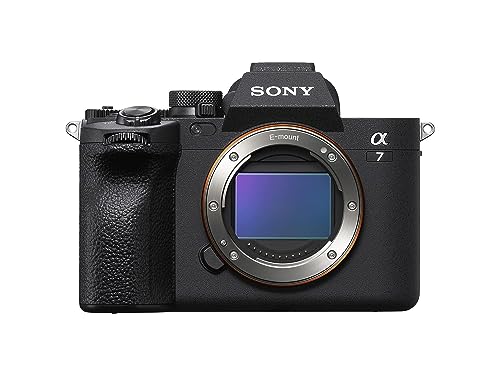
| The Natural Successor | Sony Alpha 7 IV | The modern full-frame body that answers the A7R II’s real taxes — autofocus intelligence, battery life and video — while keeping every lens you own. |
| The Pocket Companion | Sony RX100 VII | A one-inch compact with a real zoom and fast shooting that covers the days the full-frame kit stays home — which is where most photographs live. |
| The Video Partner Body | Sony ZV-E10 II | A small creator body that covers filming — the A7R II’s weakest flank — while sharing batteries of lenses via an adapter-free mount family logic and modern creator tools. |
How We Chose These Companions for the A7R II
We began from the body’s own report card. Independent of fashion, the A7R II’s enduring assets are resolution, dynamic range and a mature lens mount; its dated liabilities are autofocus acquisition in hard moments, battery endurance measured in hundreds rather than thousands of frames, video that predates modern creator expectations, and handling that asks patience of its owner. Every pick below had to strengthen a liability or exploit an asset. Items that merely duplicated what the body already does well — another slow zoom, another stills-only body of the same era — were refused.
Lens selection followed the sensor’s appetite. A high-resolution sensor is an unforgiving reviewer of glass: it rewards the modern G Master generation’s sharpness-to-the-corners and exposes older or cheaper optics at exactly the magnifications A7R II owners buy the body for. We therefore chose the standard zoom, portrait prime and telephoto zoom that working owners most often name as the kit that made the body feel new again, across the three focal territories most photography actually occupies.
Body selection followed the calendar rather than the catalogue. The successor pick had to be a clear generational answer, not a sideways step; the companion had to be small enough to change behaviour, not just weight; the video partner had to be cheap and capable enough to justify a two-body arrangement. Each is argued below against the specific A7R II it will live beside, because a recommendation that ignores the body already in the bag is a recommendation for a stranger.
What Does an A7R II Still Do Superbly, and Where Does Its Age Actually Show?
The sensor is the short answer to the first half. Forty-something megapixels of full-frame resolution with the dynamic range that made this body a landscape legend — files that tolerate aggressive cropping, shadow recovery that rescues exposures lesser sensors would file under regret, and detail that prints large without apology. Landscape, studio, architecture and careful portrait work remain its home ground, and on that ground a well-lensed A7R II in the present day is not a nostalgic compromise. It is a serious instrument whose images stand beside modern output without a footnote.
The age shows in tempo. Autofocus that was revolutionary in its year now feels deliberate beside modern subject-recognition systems, particularly with moving subjects, dim receptions and eyes that will not sit still. Battery life belongs to the era of carrying three spares without embarrassment. Video stops well short of current creator expectations. The rear screen, the menus, the general sense of the camera as a computer — all predate the polish owners now take for granted. None of this touches a tripod at dawn. All of it touches a wedding, a child, a deadline.
So the owner’s real question is not whether the A7R II is good — it is — but which of their photographs its era is taxing. Count honestly for a month: the missed-focus frames, the battery swaps mid-event, the video jobs declined or endured. If the tax is small, the lens picks below are the correct spending, because they raise the ceiling of the work the body already does well. If the tax is weekly, the successor pick is not an indulgence but a repair, and the lenses remain the right second purchase because they cross over with you.
Why Do Lenses Outrank a New Body for Most A7R II Owners?
Because glass is the permanent collection and bodies are the rotating exhibition. A G Master lens bought for an A7R II today mounts on its successor tomorrow and on the successor’s successor after that, holding both its usefulness and a startling share of its value across a decade. A body bought today begins ageing at the speed of the industry’s autofocus research. Owners who built their kit lens-first during the A7R II’s own era discovered this happily: their glass made the jump to each new body while the bodies themselves became the affordable part of the upgrade.
There is also the matter of what actually limits the photograph. At the A7R II’s resolution, the lens is the image’s first author — corner sharpness, contrast, the rendering of out-of-focus regions, flare behaviour into the sun. Upgrading a kit zoom to a G Master standard zoom changes every frame the owner will ever take with the body, in a way a body swap at the same resolution does not. The commonest sentence in A7R II owner forums, paraphrased across a decade, is some version of: the new lens made it feel like a new camera. It is a cliché because it keeps being true.
None of this argues against ever replacing the body — the successor pick below exists because tempo, battery and video are real taxes. It argues for sequence. Lenses first, while the body’s strengths still serve; the body when its tempo starts costing photographs rather than merely patience; and the companion cameras whenever a gap — pocket days, video days — is losing pictures that neither glass nor patience can recover. Sequence is the whole strategy of this guide, and the picks are ordered to be read as one.
Which of the Best Cameras for Sony A7RII Owners — and Which Lenses — Belong in the Bag?
Sony FE 24-70mm f/2.8 GM II Lens — The Standard Zoom That Renews the Body
If one purchase can make an A7R II feel contemporary, it is this lens. The second-generation G Master standard zoom is smaller and lighter than its predecessor while resolving with a consistency — centre to corner, wide open onward — that a high-resolution sensor demands and older standard zooms visibly fail to deliver at the frame’s edges. On the A7R II it covers the working heart of photography: environmental portraits at the wide end, events and travel through the middle, compressed detail at the long end, all at an aperture that keeps the body’s low-light dignity intact.
Owners upgrading from a kit zoom or a first-generation standard zoom should expect the difference in the files, not the spec sheet: corners that stop apologising, contrast that survives backlight, autofocus driven at the speed the lens’s modern motors allow even when the body’s own systems set the pace. For the A7R II’s home ground — landscape, travel, the considered photograph — this is simply the correct default lens, the one that lives on the body while the primes wait for their specific invitations.
Judge it as the investment it is. It costs like a decision because it is one: the lens most likely to still be an owner’s favourite through two future bodies. Buy it before any body upgrade, shoot it for a season, and let the A7R II’s remaining frustrations — which will now be purely about tempo and battery — tell you honestly whether a successor is still required. Many owners find the conversation ends here, with the old body suddenly sufficient and the lens quietly magnificent.
- Role: standard zoom for full-frame Sony bodies
- Coverage: wide to short-telephoto working range
- Aperture: fast constant aperture for low light
- Build: second-generation, lighter G Master design
- Fit: resolves for high-resolution sensors
Strengths
- Feeds the sensor’s resolution to the corners
- One lens covers most of the body’s home ground
- Migrates to any future Sony body unchanged
Trade-offs
- Costs like the long-term decision it is
- Still a substantial lens on a compact body
- Cannot fix the body’s tempo or battery
Best for: A7R II owners whose standard zoom is the file quality bottleneck. Not suited for: owners whose real frustration is autofocus speed or video
Sony FE 85mm f/1.4 GM II Lens — The Portrait Prime the Sensor Deserves
Resolution without a subject is arithmetic; the 85mm portrait prime is where the A7R II’s sensor finds its most flattering employment. The second-generation G Master at this focal length pairs biting sharpness on the eye — where a high-resolution file will be inspected, cropped and printed — with a background rendering smooth enough to make cluttered rooms disappear into colour. Weddings, portraits, performances, the family archive at its most deliberate: this is the lens that converts the body’s megapixels from a specification into a keepsake.
Its modernisation matters on an older body specifically. Faster, quieter focusing motors compensate in part for the A7R II’s deliberate autofocus temperament, because the lens arrives at the plane of focus sooner once the body decides where it is. The lighter build balances better on the A7R II’s compact frame than its predecessor did, which is not a footnote for a lens that gets carried to every portrait session by hand rather than by tripod.
Accept its specialisation with both eyes open. A fixed 85mm frames what it frames; the photographer zooms with their feet or not at all, and group photographs at arm’s length are somebody else’s lens. Buy it when portraiture is a real share of your work rather than an aspiration, and it will produce the frames by which the whole A7R II era of your archive gets remembered. Aspirations should rent first — a weekend with this lens will settle the question more honestly than any review, including this one.
- Role: fast portrait prime for full-frame Sony
- Focal length: classic short-telephoto portrait framing
- Aperture: very fast, for blur and low light
- Focus: modern fast, quiet motors
- Rendering: sharp eye, smooth background separation
Strengths
- The sensor’s detail spent on its best subject
- Modern motors flatter the body’s older focusing
- Portraits that anchor a whole archive
Trade-offs
- A fixed framing that refuses groups and rooms
- A specialist’s price for a specialist’s tool
- No help for the body’s video or battery limits
Best for: portrait and wedding photographers keeping the A7R II for its files. Not suited for: generalists who need one lens to do everything
Sony FE 70-200mm f/2.8 GM II Lens — The Telephoto That Completes the Trinity
Every A7R II kit built on the two picks above eventually hears the same request from the field: more reach, without giving back the quality. The second-generation 70-200mm G Master answers it in the form owners of this sensor should insist on — sharpness that survives the heavy cropping a telephoto invites, because a high-resolution body and a long lens are a conspiracy: shoot at the long end, crop into the file’s generous middle, and the effective reach stretches further than the barrel suggests. Compressed landscapes, ceremony details from the back of the room, wildlife at respectful distances, school sport from the correct side of the fence — this is the territory it annexes.
The generational lightness is the feature owners mention second and appreciate first. A telephoto zoom that can be hand-held through a ceremony or carried on a landscape walk without negotiation gets used; the heavier ancestors increasingly stayed home, and a lens at home has a resolution of zero. Stabilisation cooperation with the body steadies the long end, and the modern focusing drives track a subject as well as the A7R II’s systems permit anything to be tracked.
Price the trinity honestly before completing it: three G Master zooms are a system-level commitment, and owners whose telephoto needs are occasional should rent this lens for the season’s big events and spend the difference on the companion camera below. But for the owner whose work genuinely spans the three territories, this lens closes the argument — the A7R II, fully glassed, stops being an old body with good lenses and becomes simply a good system whose files ask forgiveness from nobody.
- Role: fast telephoto zoom for full-frame Sony
- Coverage: portrait-telephoto to genuine reach
- Aperture: fast constant aperture throughout
- Build: notably light for its class
- Synergy: resolution invites confident cropping
Strengths
- Reach that survives the crop-happy sensor
- Light enough to actually be carried
- Completes the professional three-zoom kit
Trade-offs
- A system-level price for the third lens
- Occasional users should rent instead
- Size still announces itself in a small bag
Best for: event, landscape and wildlife shooters completing an A7R II system. Not suited for: owners whose telephoto needs arise twice a year

Sony Alpha 7 IV — The Natural Successor
When an A7R II owner’s frustration diary fills with tempo rather than files, this is the body it points to. The Alpha 7 IV trades a measure of the older body’s resolution for a generational leap in everything that happens before the file exists: subject-recognition autofocus that finds eyes — human, animal, bird — and holds them through chaos, battery endurance from the modern large-cell era, menus and handling redesigned by a decade of complaint, and video that treats creators as citizens rather than smugglers. Every lens recommended above mounts on it the day it arrives, which is the entire lens-first strategy paying its dividend.
Frame the resolution trade honestly, because it is the one number that moves backwards. Owners whose work is cropping deeply into landscapes may feel it; owners whose work is people, events and deadlines will not, because their limiting factor was never pixels — it was the frames the old autofocus let escape and the moments the old battery declined to attend. The A7 IV’s stills remain thoroughly professional, its dynamic range keeps the family resemblance, and its files arrive accompanied by a far higher keeper rate, which is the resolution that actually reaches clients.
Buy it as the new main body and demote the A7R II with honour rather than selling it in haste: a high-resolution second body for the landscape trip, the studio session, the backup role at events where its files remain superb. Two bodies, one lens system, no duplicated glass — this is the end-state the whole guide has been quietly engineering, and owners who arrive here usually report that the A7R II’s second career is longer and happier than its first.
- Sensor: modern full-frame, slightly lower resolution
- Focus: subject and eye recognition across categories
- Power: modern large battery generation
- Video: creator-grade recording and handling
- Mount: accepts every lens in this guide
Strengths
- Ends the autofocus and battery taxes at once
- All existing glass crosses over on day one
- Keeper rate rises more than resolution falls
Trade-offs
- Fewer megapixels for the deep-cropping landscaper
- A body purchase that starts its own ageing
- Menus must be relearned after a decade
Best for: A7R II owners whose missed frames are tempo, not pixels. Not suited for: pure landscape shooters still delighted by the old files

Sony RX100 VII — The Pocket Companion
Ask A7R II owners which camera took their favourite photograph of last year and an embarrassing share will name their phone, because the big body was in its bag, in the car, at home. The RX100 VII exists to win those days back for real photography. It is a genuine camera — a one-inch sensor, a versatile zoom reaching from wide scenes to portrait telephoto, fast burst shooting with tracking that embarrasses its size — in a body that rides in the jacket pocket the A7R II’s smallest lens would not fit.
Its role in this system is behavioural, not technical. School events, family weekends, the walk that becomes a photograph, the trip where photography is the garnish rather than the purpose — the RX100 attends all of them, and attendance is the first specification of a companion camera. Its files sit honourably beside the big body’s at the sizes family and social life consume, its video covers the casual clip with stabilisation and a microphone input, and its pop-up viewfinder preserves the photographer’s dignity in bright sun.
Do not ask it to be the main body in miniature. Low light leans on its lens’s brightness and the sensor’s limits arrive sooner than full-frame’s; the controls are compact-camera small; and a serious session deserves the serious camera. But as the second instrument in an A7R II household — the one that is simply there — it will quietly accumulate an archive the flagship never had the chance to make, and its owner will stop apologising for phone pictures at family events.
- Sensor: one-inch, in a pocketable body
- Lens: versatile zoom, wide to portrait reach
- Speed: fast bursts with subject tracking
- Video: capable clips with microphone input
- Finder: pop-up viewfinder for bright days
Strengths
- Attends the days the big body misses
- Real zoom and tracking in a jacket pocket
- Files that sit honourably beside full-frame output
Trade-offs
- Low-light limits arrive sooner than the A7R II’s
- Controls sized for a compact, because it is one
- No lens changes, ever, by design
Best for: A7R II owners losing everyday photographs to their phones. Not suited for: shooters seeking a smaller main body for serious work

Sony ZV-E10 II — The Video Partner Body
The A7R II’s video belongs to its decade, and no lens fixes that. The ZV-E10 II is the flank guard: a compact creator body whose entire design serves filming — flip screen facing the presenter, product-showcase focusing for the object held to camera, modern recording formats and colour options, a proper microphone path — at a price that makes a dedicated video body rational even for owners who film monthly. Stills stay with the A7R II, where they belong; filming moves to the instrument built for it, and both bodies stop apologising.
Its APS-C sensor asks one honest accommodation: framing differs from the full-frame habit, and lenses behave a crop tighter than their A7R II manners. In practice the partnership divides cleanly — the ZV body wears a wide creator zoom and lives on its tripod or gimbal, while the full-frame lenses stay with the stills body — and the small body’s own lens catalogue is deep enough that the video kit can grow without borrowing from the stills bag at all. Battery and media are modern, cheap and plentiful, which suits production days.
Choose it over upgrading outright when the A7R II’s stills still delight you and only the filming chafes — a common and entirely coherent position. Choose the Alpha 7 IV instead when the stills tempo also taxes you, since one successor body then covers both complaints. What the ZV-E10 II guarantees, either way, is that the next video project stops being the argument for replacing a camera whose photographs you still love. Specialisation, in a mature kit, is cheaper than replacement.
- Form: compact APS-C creator body
- Screen: flips to face the presenter
- Focus: product showcase and face priority
- Audio: built-in array plus microphone input
- Role: dedicated video partner to a stills body
Strengths
- Filming covered without replacing a loved stills body
- Creator tools the A7R II era never offered
- A price that justifies a second, specialised body
Trade-offs
- Crop framing differs from full-frame habits
- Its stills will not replace the A7R II’s
- A two-body kit is a bag decision as well
Best for: A7R II owners whose only real complaint is video. Not suited for: owners ready to consolidate everything into one modern body
How Does the A7R II Behave Differently Across Its Owner Tribes?
Landscape owners are the body’s happiest tribe, because their work asks exactly what it gives: resolution, range, patience. Their additions are predictable — the standard and telephoto zooms, a tripod culture, batteries counted like film rolls — and their upgrade itch is the weakest, because a dawn hillside does not care how modern a menu is. Portrait owners split: the studio half shares the landscapers’ contentment, while the wedding and event half feels every tempo tax the body levies and usually leads the migration to the successor, lenses in hand, exactly as this guide’s sequence prescribes.
Family and travel owners are the tribe the companion picks were chosen for. Their A7R II produces the year’s best photographs and attends perhaps a tenth of the year’s photographable days, the rest defaulting to a phone. For them the RX100 VII is not an accessory but a rescue — of birthdays, school gates, wet weekends — and the correct order of purchase inverts the professional’s: companion first, glass second, successor when the children start playing sport faster than the old autofocus believes possible.
Creators are the tribe for whom the body’s era is simply over, and honesty requires saying so. A workflow built on filming oneself, delivering vertically, and publishing daily asks a dozen things the A7R II predates. The ZV-E10 II partner or the Alpha 7 IV succession are both honourable exits that keep the lens investment alive, and the A7R II retires to the stills work it remains superb at. Tribes are not ranks. The only error is buying for a tribe you do not belong to, which the audit exists to prevent.
How Do You Audit an A7R II Kit Before Spending Anything?
Run the audit on evidence, not on gear forums. For one month, keep the camera’s own statistics: note every shoot where a battery died before the light did, every sequence where focus arrived after the moment left, every job — video above all — that the body handled badly or that you declined because of it. Beside that list, keep the opposite one: the files that reminded you why this sensor has devotees, the prints that needed nothing newer. At month’s end the two lists, not the internet, will tell you whether your next purchase is glass, a successor, a companion, or nothing at all this year.
Then audit the glass by focal length actually used. Most cameras report it, and every owner’s archive confesses it: the focal lengths where your real work lives, which are rarely the ones the wish list emphasises. If eighty percent of your frames sit inside the standard zoom’s range, the GM II standard zoom is not a purchase but a correction. If the archive is a portrait album interrupted by landscapes, the 85mm outranks the trinity’s completion. Let the archive vote first; it has never once been swayed by a launch event.
Finally, price the whole path before the first step, because this guide’s strategy is a sequence and sequences have total costs. Lenses this year, successor when the tempo tax is proven, companion when the missed days are counted — written down, that is a plan a household budget can approve in stages. Bought impulsively in the wrong order, the same items become the familiar story of a new body wearing an old kit lens while the good glass waits for a someday that keeps receding. The A7R II rewards planners. It always did; that was its personality from the first day.
How Do the Six Additions Compare Side by Side?
Three of these complete the A7R II; three of them accompany or succeed it. The table’s real question is which of your frustrations each line item is hired to end.
| Pick | Form | Strongest suit | Watch out for |
|---|---|---|---|
| Sony FE 24-70mm f/2.8 GM II | Lens, prose-only | Everyday file quality, corner to corner | Body’s tempo remains |
| Sony FE 85mm f/1.4 GM II | Lens, prose-only | Portrait rendering at full resolution | Fixed framing discipline |
| Sony FE 70-200mm f/2.8 GM II | Lens, prose-only | Reach that survives cropping | System-level cost |
| Sony Alpha 7 IV | Body, linked | Autofocus, battery and video renewed | Slightly fewer megapixels |
| Sony RX100 VII | Body, linked | Everyday attendance in a pocket | One-inch low-light ceiling |
| Sony ZV-E10 II | Body, linked | A dedicated filming partner | Crop-sensor framing habits |
What Mistakes Do A7R II Owners Make When Adding to the Kit?
Replacing the body to fix a lens problem is the classic misdiagnosis. Soft corners, flat contrast and disappointing files at this sensor’s resolution are the lens’s confession far more often than the body’s, and owners who swap bodies while keeping the glass that limited them inherit the same files with faster autofocus. The audit in this guide exists to prevent exactly that purchase: prove which component is taxing the work before paying to replace one of them, because the two repairs cost similar money and only one of them is yours.
Buying glass for the photographer you intend to become, rather than the one your archive describes, is the second error — the macro lens for the studio that exists only in intention, the ultra-wide for landscapes your calendar never schedules. Aspirational purchases are not sins, but they should be labelled as tuition and rented first. The A7R II’s ecosystem is deep enough to indulge any direction eventually; sequence the indulgences behind the workhorses and the kit stays honest, used and insured against regret.
Neglecting the unglamorous accessories starves the system quietly. The A7R II’s era of batteries means spares are not optional, its sensor’s resolution means cards and storage fill at a modern rate, and a decade-old body deserves a sensor-cleaning routine and a strap that is not also a decade old. Owners budgeting for a lens should hold back a small, unexciting allowance for exactly this layer — it is the difference between a system that performs on the day and a collection that performs in the cupboard.
Selling the A7R II the week its successor arrives is the final, gentlest mistake. A high-resolution body with a mature lens mount has a long second career — backup at events, dedicated landscape and studio duty, the loaner that converts a relative to the system — and its resale value rarely matches its usefulness in any of those roles. Keep it a season after the upgrade. Most owners who do, keep it for years, and speak of the two-body arrangement as the purchase they should have made first.
How Long Can an A7R II Sensibly Remain a Main Body?
As long as its taxes stay smaller than its gifts, which for considered photography — landscape, studio, architecture, deliberate portraiture — can be a very long time indeed. Sensors age slowly; a file that was excellent in its launch year is excellent now, judged by the print rather than the calendar. The honest expiry dates arrive from the work’s tempo and the owner’s patience: the first season where missed focus, dead batteries or declined video jobs cost more — in money, in reputation, in temper — than a successor costs to buy. That season is recognisable when it comes, and no forum thread can call it earlier on your behalf.
There is also a respectable endgame beyond replacement: the A7R II as the deliberate, tripod-bound specialist in a kit whose faster body handles life. Many mature systems settle exactly there, resolution in one hand and tempo in the other, sharing one shelf of glass. An owner reading this guide in that spirit is not behind the times. They are at the stage of ownership where the equipment finally stops being the interesting part — which was, all along, the point of buying a sensor this good in the first place.
A Word About Firmware, Settings and the Second Setup
A decade-old body rewards one unglamorous afternoon: update the firmware to its final version, then rebuild the settings from a clean sheet rather than from accumulated habit. Assign the custom buttons for the way you shoot now — focus modes, silent shutter, the crop toggle that turns the big sensor into a teleconverter’s cousin — and save the configuration where the camera allows. Owners are routinely surprised how much of a body’s ‘age’ was actually a configuration fossilised from its first year, and how modern the same hardware feels with its controls arranged by the photographer it currently serves.
Do the same kindness for the successor or partner, when one arrives: set the two bodies to agree wherever agreement is possible — file naming, colour space, the meaning of each dial — so that swapping bodies mid-event does not mean swapping brains. A two-body system earns its keep in the moments it behaves as one camera with two sensors. That coherence is free, takes an evening, and is worth more on the day than another stop of anything.
What Should an A7R II Owner Photograph to Fall Back in Love With It?
When a body starts feeling like an appliance, the cure is rarely a purchase; it is an assignment matched to its gifts. Give the A7R II a dawn it was born for: a landscape at first light, the standard zoom on a tripod, exposures bracketed with intent, files processed slowly that evening and printed large. Or a portrait session with the 85mm’s rental weekend booked, one sitter, one window, no deadline. The sensor’s whole argument is contained in those two exercises, and owners who run them usually postpone the successor conversation by a year — not from nostalgia, but from evidence.
Print the results, because screens forgive and paper testifies. A large print from a well-lensed A7R II file settles arguments that specification tables keep reopening, including the argument with oneself at 1 a.m. over a successor’s product page. The body does not need defending. It needs using, at the work it was designed for, with glass that honours it — after which its owner’s next purchase, whenever it comes, will be a decision rather than a doubt.
How Should an A7R II Owner Think About Resale, Insurance and the Second-Hand Market?
The A7R II occupies a happy position in the used market: desirable enough that good examples find buyers quickly, affordable enough that buying one deliberately — as the high-resolution second body this guide keeps recommending — is a rational strategy rather than a compromise. Owners selling should sell honestly, shutter count disclosed and sensor photographed, because this body’s buyers are photographers who will check. Owners buying should check the same things, plus the mount’s wear and the battery door’s dignity, and should budget the savings against the new-body price into the lens fund where this guide believes money compounds.
Insure the system as a system. A schedule that lists bodies but not the G Master glass insures the depreciating half and forgets the appreciating one; list lenses by serial number, keep the purchase records with the camera map, and photograph the whole kit annually for the file. If the worst happens — theft from a car, a tripod’s betrayal at a cliff edge — the difference between a documented system and a remembered one is measured in months of argument. The A7R II’s longevity makes this more relevant, not less: a body kept a decade accumulates a decade of glass around it, and the glass is the estate.
Finally, let the second-hand market serve the sequence rather than shortcut it. A used GM II standard zoom in honest condition advances the plan exactly as a new one does; a used successor body with a disclosed history can be the rational tempo repair. What the used market should never do is reverse the order — a cheap newer body tempting an owner whose real tax was always the glass. The audit does not care where the equipment comes from. It cares, with complete indifference to bargains, about which gap gets closed first.
Final Recommendation
Sequence the spending the way this guide ordered it. Glass first — the standard zoom for most owners, the portrait prime for the portrait-led, the telephoto when the work truly reaches — because the A7R II’s sensor will reward it immediately and every future body will inherit it. Companions next, when the missed days are counted: the RX100 VII for the pocket days, the ZV-E10 II when filming becomes a real department of your work rather than an apology.
Replace the body when the audit convicts tempo rather than files, and then replace it with the Alpha 7 IV, keeping the A7R II in honourable second service instead of selling a legend for a fraction of its usefulness. Followed in that order, an A7R II stops being an ageing camera to apologise for and becomes what it always had the sensor to be: the stills heart of a system that grew around it, one honest gap at a time.
Frequently Asked Questions
Is the A7R II still worth using today?
Yes — for the work it was built for. Its resolution and dynamic range remain excellent for landscape, studio, architecture and deliberate portraiture, and modern G Master lenses make its files look contemporary. Its age shows in autofocus tempo, battery life and video. Owners whose photography lives on its home ground can keep it as a main body for years; owners whose work is fast, social or filmed will feel the case for the successor pick in this guide.
Which single lens improves the A7R II most?
For most owners, the FE 24-70mm f/2.8 GM II, because it covers the focal heart of everyday work at a sharpness the sensor can finally use everywhere in the frame. Portrait-led owners should invert the answer and take the 85mm GM II first. The archive audit described in this guide — your real focal lengths, counted over a season — settles the question more reliably than any general ranking, including this one.
Should I upgrade to the Alpha 7 IV or keep investing in lenses?
Diagnose before spending. If your lost photographs are lost to focus speed, battery endurance or video, the body is the repair and the Alpha 7 IV is the natural destination, with all your lenses crossing over. If your lost quality is lost in corners, contrast and rendering, the lenses are the repair and the body can wait. Owners who guess wrong buy both eventually and use one of them resentfully; owners who audit buy once.
Can the A7R II handle video work at all?
It can film, and for occasional, undemanding clips it remains serviceable. What it cannot offer is the modern creator package — current codecs and colour tools, confident autofocus for a presenter, screens and handling designed around filming. Owners whose video is occasional need nothing more. Owners whose video is a department should give the job to the ZV-E10 II partner body in this guide rather than asking a stills legend to moonlight badly.
Why are the lens picks not linked like the cameras?
Because this guide links only products inside its verified camera pool, and it will not invent a listing for the sake of a tidy page. The three lenses are recommended on their merits, in prose, for you to source from any reputable dealer with the exact model names given. The three camera picks are linked normally. A recommendation you can check is worth more than a link you cannot, and the distinction is deliberate.
What accessories does an A7R II owner actually need?
Fewer than the internet insists, in this order: spare batteries enough for your longest day, because this body’s era demands them; fast, capacious cards matched to its file sizes; a sensor-cleaning kit and the habit of using it; and a strap and bag that fit the kit you actually carry. Everything beyond that list should be hired by a specific photograph you are currently unable to take, not by a catalogue’s imagination.
Do third-party lenses make sense on the A7R II?
Many do, and the mount’s openness is one of the system’s genuine strengths — several third-party primes and zooms are excellent and kinder to budgets. Apply the same audit: at this sensor’s resolution, sample variation and corner performance matter, so buy from dealers with sane return terms and test your copy at the apertures you actually use. The G Master picks in this guide are the reference standard, not the only road.
How many batteries should an A7R II owner carry?
Enough for the longest day you actually shoot, plus one — for most owners that means three or four of the body’s smaller-era cells, rotated and labelled so age spreads evenly. Battery discipline is this body’s known tax; paying it cheerfully with a labelled pouch is cheaper than resenting it through a successor decision made in a temper. When the count starts needing a second pouch, let that be data for the audit, not just an errand.
Is it worth adapting older manual lenses to the A7R II?
For the deliberate tribes, enormously — the sensor’s resolution and the body’s focus aids make it a gracious host for classic glass, and the rendering variety is a creative library no single brand sells. For fast or commercial work, native autofocus lenses remain the professional answer. Many owners run both: native glass for the work, adapted glass for the pleasure, and the body — one of the great adapting platforms of its era — never complains about either.
Can I use my A7R II lenses on the Alpha 7 IV without adapters?
Yes — both bodies share Sony’s E-mount, and full-frame lenses move between them natively, which is the mechanical foundation of this guide’s whole lens-first argument. The A7R II’s glass is not a sunk cost tied to an ageing body; it is a collection that any current or future E-mount body inherits on the day it arrives. APS-C partner bodies like the ZV-E10 II also accept the same lenses, with the crop framing noted in its review.
Should I use the A7R II’s crop mode as a substitute for a telephoto lens?
As an occasional reach extender, yes — the sensor has resolution to spare and the crop mode frames honestly in the viewfinder. As a system, no: the 70-200mm GM II pick exists because optical reach with full aperture and stabilisation serves the work in ways cropping cannot, particularly in low light and at the long end. Use the crop as the bridge while the lens fund grows, and let the archive’s telephoto count tell you when the bridge has become a road.
What is the first thing to check on a newly bought used A7R II?
The sensor, with a stopped-down photograph of a plain bright surface that reveals dust and marks the small sensor will otherwise hide until a landscape sky exposes them; then the mount, the card slots, every dial’s honesty, and a full battery’s behaviour under a burst of shooting. An hour of methodical checking on day one is the difference between a bargain and a story, and this body rewards the methodical — it always has.
Does this guide’s advice apply to the A7R III or A7R IV too?
In spirit, largely yes: the same sequence — audit, glass, companions, successor — serves any high-resolution body whose sensor outruns its tempo. The specific successor step shortens as the bodies get newer, and the video argument weakens, but the discipline of diagnosing before spending is generation-proof.
Related Guides
Continue building the system with the best cameras for social media and posting the best cameras for scenery photography the best cameras for both photography and videography.


