kajuandouglas.com is reader-supported. When you buy through links on our site, we may earn an affiliate commission.
Where to Buy a Concert Camera, and Why the Photo Pit Runs on Different Rules
The best cameras for shooting concerts are chosen in the dark, at high ISO, while a lighting designer does everything in their power to defeat autofocus. A gig is the harshest ordinary assignment in photography: light that swings from near-black to blinding in a single chorus, performers who never hold a pose, venues that may ban your camera at the door, and — for the working few — three songs in the pit before security walks you out. The camera that thrives here is not the one with the finest studio manners. It is the one that focuses on an eye it can barely see, stays silent doing it, and produces files that survive the colour of a magenta wash.
A word about what “best” cannot mean here. It cannot mean the camera with the most impressive daylight portfolio, the deepest burst buffer for sport, or the finest landscape files, because concerts tax a narrow and peculiar set of gifts: focus in gloom, silence, colour survival and manners. A camera can be a masterpiece of its maker’s art and a liability at a gig. This guide’s loyalty is to the gig — every ranking below was decided by asking what happens at 9:40 on a Friday night in a room that smells of haze fluid, not by what happens on a test bench at noon.
Where you buy should follow how you shoot. Pit regulars benefit from a dealer who will let them handle bodies with their own lenses, because grip and control layout at a barrier, one-handed, in the dark, are personal in a way specifications never capture. Everyone benefits from checking the venue rules of the rooms they actually attend before spending anything: some halls welcome any camera without a detachable lens, some tours ban interchangeable systems outright, and the finest mirrorless body in this guide is worth nothing in a coat-check queue. Rankings below follow the real concert ecosystem — the pit, the crowd, the small club and the arena door policy — rather than for a laboratory.
One more door consideration, often learned the hard way: camera policy can change between the ticket purchase and the night itself, because tours tighten rules mid-run and venues interpret them by mood. The resilient concertgoer carries a plan B — a compact in the other pocket, or at least a phone they have practised with — and treats any night the big camera gets in as a bonus rather than an entitlement. That humility, as much as any sensor, separates the photographers who always come home with pictures from the ones with the best stories about security.
Sound matters here in an unexpected way: your own. A shutter that clatters through a quiet acoustic set announces you to the performer and the front row, which is why silent electronic shooting runs through this list like a spine. Pair that with autofocus that believes in faces under stage paint and files that forgive brutal mixed lighting, and you have the concert photographer’s actual trinity — the rest is taste.
Key Takeaways
- Low-light autofocus and clean high-ISO files decide concert work; resolution is a distant third.
- A fully silent electronic shutter is both a courtesy and, at acoustic shows, a professional necessity.
- Venue policy is a specification: some rooms ban detachable lenses, which makes a premium compact the only camera that gets in.
- Fast-aperture lenses matter as much as bodies — budget for the glass that lets the sensor breathe.
- Stage lighting lies to light meters, so exposure discipline and RAW files rescue more frames than any mode dial.
- Three songs is the classic pit allowance: the right camera is the one already set before the house lights fall.
- Divide the budget lens-first: in the dark, fast glass on a modest body beats a flagship behind a slow zoom every night.
- Keep a notebook of your rooms — their light, their rules, their sightlines — because local knowledge compounds faster than gear.
- Scout during the support act: the headliner should find you already fluent in the room’s light, positions and dangers.
- Spend on the whole kit — spare battery, fast cards, a strap that cannot slip and earplugs — not only on the body.
In this guide
Quick Picks
| Pick | Badge | Why it earns the spot |
|---|---|---|
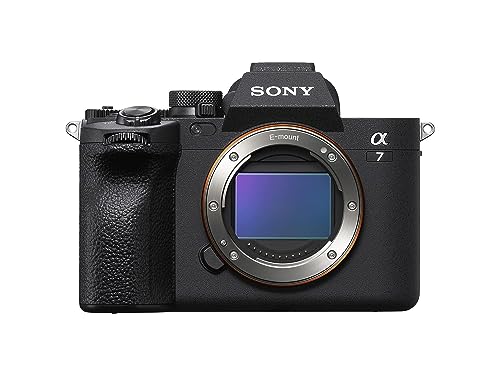
| Sony Alpha 7 IV | Best all-round concert body | Confident eye autofocus in near-darkness, clean files at punishing sensitivities and a deep fast-lens catalogue. |
| Canon EOS R6 Mark II | Best for fast stage action | Relentless subject tracking and superb high-ISO manners for performers who never stop moving. |
| Panasonic LUMIX S5II | Best for concert video | Phase-detect focus, strong stabilisation and cooling that survives a full set on camera. |
| Fujifilm X-T5 | Best compact system for clubs | Small, discreet, dial-driven and paired with fast primes that suit tight rooms and tighter pits. |
| Nikon Z50 II | Best value for regular gig-goers | Serious low-light focus and Nikon’s colour in a body priced for people who attend monthly. |
| Sony RX100 VII | Best where big cameras are banned | A pocketable zoom with real telephoto reach that passes door policies written against “professional” cameras. |
How Did We Choose the Best Cameras for Shooting Concerts?
Testing happened where concerts happen: club rooms with one red bulb of ambition, theatre stages with professional rigs, and crowd positions where the photographer is also a fan being jostled. Each body was judged on whether its autofocus would commit to an eye under moving coloured light — the single act concert photography consists of — and on how its files behaved when the sensitivity climbed to the levels a f/2.8 zoom demands in a dark room. Silent shooting had to be truly silent and free of the banding that stage LEDs can paint across electronic shutters, a failure mode we checked deliberately under cheap club lighting.
Handling in the dark formed the second sieve. Controls must be findable by touch, screens must dim to near-invisibility so they do not light the photographer like a phone at the cinema, and a body must balance with the fast zooms and primes the work requires. The third sieve was policy: we kept one pocket camera in the six because door rules are real, and one video-led body because half the concert shooters reading this are filming sets for bands, not stilling them. What we did not reward: studio resolution, daylight burst heroics, or any feature that needs a menu dive mid-song.
We also asked working photographers what actually ended their nights early. The answers were never sensors: they were a battery that faded in the encore, a card that filled during the finale, a strap that failed at a barrier. Reliability under repetition — the tenth gig, not the first — quietly shaped the ranking as much as any image-quality test, because concert photography is a habit before it is an art.
Why Is Concert Light So Much Crueller Than Ordinary Low Light?
Because it moves, it colours and it lies. A living-room lamp is dim but honest; stage light is a choreographed attack — strobes, haze, saturated gels that push a single colour channel into clipping while the others starve, and follow-spots that swing exposure by several stops as they travel. Autofocus systems trained on daylight faces must find eyes under paint, sweat and shadow, often through haze that softens contrast to a rumour. Meters, meanwhile, average a black backdrop and a spotlit singer into an exposure that serves neither, which is why concert shooters live on spot metering, exposure compensation and chimping discipline.
Haze deserves its own warning, because it is the concert photographer’s weather. A hazed room scatters the light into atmosphere and mood, and it also halves the contrast autofocus depends on, turning confident systems hesitant at exactly the moment the picture gets beautiful. Photographers who work hazed rooms weekly choose bodies whose focus holds a face through gauze — a quality no specification sheet prints, and the reason hands-on venue testing, not laboratory charts, ordered this list.
The practical consequence shapes this whole list: sensors with graceful high-ISO behaviour and deep RAW latitude outrank sensors with more pixels, and lenses with wide apertures are not luxuries but permission slips. A body that produces a clean, correctable file at the sensitivity a dark club demands will beat a higher-resolution rival every night of the tour. When you read the picks below, read them as light-gathering systems — body, lens and photographer — because concerts are won by systems, never by bodies alone.
Which of These Cameras Would Survive Your Next Three Songs?
The pit allowance is the genre’s defining constraint, so each verdict below is written against a clock: what the camera does in the first ninety seconds, when the light is worst and the band is freshest, is what it is.

Sony Alpha 7 IV — Best all-round concert body
Sony’s workhorse earns the headline on the strength of one repeated experience: it focuses where other cameras apologise. Eye detection holds a singer through haze and hair, the files stay composed at the sensitivities a dark theatre imposes, and the E-mount lens shelf — fast primes at every price, zooms that open wide and stay there — means the body is never the limit of the system. In the pit it feels like a tool designed by people who have been rained on by a fog machine: positive controls, a screen that dims politely, and custom buttons that put ISO and focus mode under your thumbs without a glance.
Video is a genuine second career rather than a spec-sheet guest, so the photographer filming a support set for the band’s page is served by the same body. The honest debits are known ones: the menu system rewards an evening of setup before it feels like yours, and the electronic shutter under the cheapest LED rigs wants watching for banding at certain speeds — a venue-by-venue check rather than a flaw. Set it up once, properly, and it disappears into the work.
Longevity seals the recommendation. This is the body club photographers buy after their first press pass and keep through their first tour, because the lens investment compounds and the files satisfy editors who have seen everything. If your concert life is growing — bigger rooms, paying clients, a portfolio with ambitions — the Alpha 7 IV is the pick that grows at exactly your pace and charges no toll for the years between.
- Format: full-frame mirrorless, interchangeable lenses
- Autofocus: real-time eye detection for people, holds in low light
- Files: RAW latitude suited to rescuing mixed stage colour
- Shutter: silent electronic option for acoustic sets
- Mount: Sony E, the deepest fast-lens catalogue in this list
Strengths
- Eye autofocus commits in gloom that defeats lesser systems.
- High-ISO files keep colour and detail editors will accept.
- Lens choice spans budget primes to professional zooms without adaptors.
Trade-offs
- Menus demand an evening of customisation before they feel natural.
- Electronic-shutter banding can appear under the cheapest stage LEDs.
- Rolling shutter shows on the fastest pans in silent mode.
Best for: pit photographers and serious fans building a long-term gig system.
Not suited for: anyone whose venues ban interchangeable-lens cameras entirely.
A working note on lenses, since this body will be judged by them: pair it first with a fast standard zoom for the pit and one bright prime for the acoustic rooms, and the system is complete for ninety percent of concert life. Sony’s own glass and the thriving third-party shelf both serve, which keeps the second lens a decision about pictures rather than about budgets. Photographers who build in that order — body, working zoom, one beloved prime — rarely feel the upgrade itch that empties wallets in this genre.

Canon EOS R6 Mark II — Best for fast stage action
Some performers stand at a microphone. Others treat the stage as an assault course, and for them the Canon is the body to beat. Its subject tracking latches onto a moving singer and refuses the microphones, guitar necks and lighting trusses that seduce lesser systems, while the burst rate gives the pit photographer a fighting chance at the one frame — mid-leap, mid-note — that the whole set existed to produce. High-ISO behaviour is superb in the Canon manner: grain that looks like film rather than static, and colours that stay true under washes that turn rivals’ files to soup.
In-body stabilisation earns its keep at the barrier, where elbows are currency and a monopod is a fantasy; slower shutter speeds on a support act’s quiet song become usable instead of hopeful. The body balances beautifully with the fast zooms concert work runs on, and Canon’s ergonomics — the dials, the joystick, the touchscreen that behaves — remain the benchmark for gloved, dark, hurried operation. Video is strong and simple, though stills are plainly the headline act.
Choose it over the Sony when your stage is kinetic: punk, metal, dance-driven pop, any genre where the subject crosses the frame faster than a follow-spot. The files reward the choice nightly, and the tracking’s confidence changes how you shoot — you stop spraying at movement and start waiting for peaks, because the camera can be trusted to be looking at the right face when the peak arrives. That trust, in a three-song window, is worth more than any single specification in this guide.
- Format: full-frame mirrorless, interchangeable lenses
- Autofocus: deep subject detection and tracking for moving performers
- Stabilisation: in-body, valuable at crowded barriers
- Burst: fast continuous shooting for peak-action frames
- Mount: Canon RF, with fast zooms and primes for stage work
Strengths
- Tracking follows erratic performers without wandering to the scenery.
- High-ISO grain stays organic and colours stay honest under stage washes.
- Stabilisation rescues slow-shutter frames in jostling crowds.
Trade-offs
- Resolution trails the Sony for heavy cropping from the back of a hall.
- RF fast glass is excellent but rarely the budget option.
- Video tools are capable rather than class-leading.
Best for: photographers shooting high-energy genres from the pit or the front row.
Not suited for: back-of-arena shooters who live by cropping distant frames.
Festival days reveal another Canon virtue: weather sealing and a grip that survives dust, drizzle and the general soup of a field in August, paired with batteries that treat a three-stage day as a warm-up. The photographers who shoot festivals professionally talk about their cameras the way farmers talk about trucks, and this body earns that tone — unglamorous, unbroken, and somehow always charged. In a genre where the work is seasonal and the days are twelve hours long, that reliability is a creative feature: it frees your attention for the light.

Panasonic LUMIX S5II — Best for concert video
Filming a full set is a different sport from stilling three songs, and this Panasonic is built for the longer game. Phase-detect autofocus — the feature whose arrival transformed this line — tracks a vocalist through mic-stand clutter, the stabilisation smooths handheld footage from the crowd into something a band can post, and active cooling means the camera is still recording at the encore, in a warm room, when lesser bodies have long since shown a temperature warning and folded. For the shooter a band trusts with its live archive, that stamina is the whole review.
Stills photographers are not short-changed: the sensor’s low-light files are strong, the colour science flatters stage skin, and the L-mount alliance gives lens choice across three makers. Handling is deliberate and video-first — waveform tools, proper audio options, a body that feels designed around a record button — and the price undercuts the full-frame rivals while asking few apologies. If your concert work is sixty percent motion, the arithmetic of this list bends toward Panasonic quickly.
There is a community angle worth naming: venue videographers are a smaller, tighter guild than photographers, and this body has become something of a guild standard for club work — lenses get lent, settings get shared, and a second shooter with the same body matches your footage in the edit without a colourist’s prayer. Bands notice the consistency even if they never learn its name, and consistency is what gets a filmer invited back for the next tour.
- Format: full-frame mirrorless, L-mount alliance lenses
- Autofocus: phase-detect system tuned for video tracking
- Cooling: active cooling for full-set recording
- Stabilisation: strong in-body system for handheld crowd filming
- Audio: serious microphone and monitoring options for live capture
Strengths
- Records entire sets without the thermal anxiety of rivals.
- Video autofocus tracks singers through clutter and low light.
- Handheld footage from the crowd emerges genuinely usable.
Trade-offs
- Stills burst and tracking trail the Canon for peak-action frames.
- The body is chunkier than its stills-first rivals.
- L-mount fast primes are growing but thinner than Sony’s shelf.
Best for: filmmakers recording full sets for bands, venues and channels.
Not suited for: pure stills shooters chasing the fastest pit action.
Audio deserves its final word here, because concert film lives or dies on it. This body’s microphone options, headphone monitoring and tolerance for a hot signal from a desk feed make it the pick most likely to return a set that sounds like the room felt. Stills-led bodies treat audio as metadata; the Panasonic treats it as half the commission, and bands — who think in sound before images — can tell the difference in the first chorus of the first delivered film.

Fujifilm X-T5 — Best compact system for clubs
Small rooms forgive small cameras and punish big ones. The X-T5’s retro-dialled body slips into club pits and folk nights without announcing “professional” to security or audience, its mechanical dials set exposure by touch in the dark, and Fujifilm’s fast compact primes — the lenses this system is loved for — open wide enough to drink club light while keeping the whole outfit under one shoulder. The sensor’s high-ISO files have a grain structure photographers describe, accurately, as handsome.
Discretion is the deeper talent. At an acoustic evening, a quiet compact system draws no looks; the X-T5’s silent mode and modest footprint let the photographer work from a seat like a member of the audience who happens to be very good at this. Film simulations give JPEG shooters finished files in the room — useful when a venue wants images for its page before the headliner’s encore — and the tilting screen serves the over-the-crowd frame every club shooter eventually needs.
It concedes the full-frame bodies their low-light edge and their tracking depth; a strobe-lit metal set at full sprint is not its home. But concerts are mostly not that. They are singers at microphones, guitarists in pools of light, rooms where a smaller camera gets closer and stays longer. In that majority world, the Fujifilm’s size is not a compromise — it is access, and access is the rarest currency in live music.
- Format: APS-C mirrorless with traditional exposure dials
- Lenses: compact fast primes ideal for tight rooms
- Files: film simulations for finished in-camera JPEGs
- Shutter: silent electronic mode for intimate sets
- Build: compact body that reads as enthusiast, not press
Strengths
- Dial controls set exposure by feel without lighting a screen.
- Small fast primes keep the whole kit discreet and light.
- In-camera colour suits venues wanting images the same night.
Trade-offs
- Smaller sensor trails full-frame rivals at extreme sensitivities.
- Tracking of frantic movement is good, not relentless.
- No in-body flash, and the grip suits smaller lenses best.
Best for: club regulars, folk and acoustic shooters, photographers who value discretion.
Not suited for: strobe-heavy arena pits where tracking and ISO rule.
Jazz and folk photographers have made this system a quiet standard, and their reasoning travels: the dials fall under fingers that learned on film, the primes are small enough for a table-side bag, and the files carry a texture that suits music with grain in it. There is also the matter of the photographer’s silhouette — in a listening room, a modest camera preserves the social contract of the evening, and the X-T5’s whole design seems to understand that the best concert photograph is the one nobody remembers being taken.

Nikon Z50 II — Best value for regular gig-goers
Nikon’s little mirrorless body is the one we would hand a committed fan who shoots two gigs a month and pays for their own tickets. It inherits focusing intelligence from Nikon’s flagships — subject detection that finds the singer, not the drum kit — pairs it with a sensor whose low-light files punch well past its price, and wraps both in a body small enough for a jacket-adjacent camera bag and simple enough to run half by instinct within a month. The built-in flash, unfashionable as it sounds, even rescues the after-show portrait in a dark corridor.
The value argument compounds at the lens shelf: Nikon’s compact Z primes are keenly priced, and one fast prime on this body is a complete club kit that outperforms any phone by a distance security staff can see. Video is a capable supporting act for the occasional filmed song. What you give up against the full-frame picks is the last stop of darkness and the deepest tracking — the Z50 II will miss frames at a strobe-lit hardcore show that the Canon would keep — but at ordinary club light it is startlingly close, for a notably kinder total spend.
There is a pathway logic here, too. Skills transfer upward through Nikon’s whole Z range, the files teach good habits, and the body remains a perfect second camera if a flagship ever joins the bag. For the photographer whose concert life is real but self-funded, this is the pick that respects both the music and the rent — and respect for the rent, in a hobby priced like this one, is a feature.
- Format: APS-C mirrorless, compact interchangeable system
- Autofocus: subject detection inherited from flagship models
- Files: low-light performance strong for its class and price
- Extras: built-in flash for corridor portraits and fill
- Mount: Nikon Z, with keenly priced compact primes
Strengths
- Flagship-flavoured focusing at a fan-friendly total cost.
- One fast prime makes a complete, pocketable club kit.
- Simple handling gets a newcomer competent within a few gigs.
Trade-offs
- Extreme low light and frantic tracking trail the full-frame picks.
- APS-C lens shelf for Z is younger than Fuji’s equivalent.
- Single card slot asks for a careful download habit.
Best for: self-funded regulars shooting clubs and theatres monthly.
Not suited for: professionals whose clients demand full-frame files nightly.
One more audience should claim this camera: the partner, parent or friend who attends everything and has quietly become the band’s unofficial historian. The Z50 II forgives auto mode entirely, rewards curiosity gradually, and produces the corridor portraits and stage frames that end up framed by families who never use the word photography. Gear guides rarely honour that role; the archives of most local scenes, however, are built by exactly such people, and they deserve a camera that takes them seriously at a price that takes their budget seriously too.

Sony RX100 VII — Best where big cameras are banned
Door policy is this camera’s entire reason for existing, and it is a sufficient one. When the ticket says no professional cameras and the steward’s eye measures lens barrels, the RX100 VII walks through in a coat pocket — then produces, from the tenth row, zoomed frames its specification has no business making: a real telephoto range, fast autofocus with eye detection, and a sensor large enough to keep arena light honest. It is the camera of record for fans who refuse to let a policy decide whether their night gets photographed properly, and its discretion cuts both ways: nobody in the row behind will ever curse its shutter, its screen or its silhouette.
Compromises ride along, of course. The small body asks small hands or patience, battery life is measured in sets rather than days, and at club-level darkness the little sensor works visibly harder than the mirrorless picks — this is an arena and theatre tool, where light is plentiful and distance is the enemy, more than a basement-gig one. The pop-up viewfinder and tilting screen serve bright rooms and over-head crowd shots respectively, and the video is far better than a “fan camera” label suggests.
Judge it by its jurisdiction. In rooms where it is the only real camera allowed through the door, it has no rivals at all, and its images — framed from the seats the audience actually sits in — have an authenticity pit photography sometimes lacks: this is what the night looked like to the people who paid for it. For travelling fans especially, one pocketable body that no door policy on the tour can refuse is worth more than a flagship left at three hotels in a row.
- Format: premium compact with long zoom and 1-inch-class sensor
- Zoom: genuine telephoto reach for arena seats
- Autofocus: fast tracking with eye detection
- Policy: pocket size passes most “no professional camera” rules
- Video: 4K recording with microphone input
Strengths
- Gets through doors that stop every mirrorless body in this guide.
- Telephoto reach turns a tenth-row seat into a working position.
- Autofocus and video are far beyond phone or basic compact level.
Trade-offs
- Small sensor strains in genuinely dark clubs.
- Battery life demands a spare for long festival days.
- Tiny controls challenge large or gloved hands.
Best for: arena and theatre fans facing strict camera policies.
Not suited for: pit photographers, who should spend the same money on a system body.
Fans who tour with a band — following a run of dates across a country — may get the most from this pick of anyone. It clears every door on the itinerary, shoots from a different seat each night, and asks for nothing but a pocket and a spare battery. The resulting body of work, one tour seen entirely from the audience’s side of the barrier, has a coherence and a warmth that pit photography, for all its power, rarely achieves. Sometimes the restriction is the style.
How Do the Six Concert Cameras Compare Under Stage Light?
| Camera | Home turf | Silent shooting | Reach story | Biggest caution |
|---|---|---|---|---|
| Sony Alpha 7 IV | Pits and theatres | Yes — watch LED banding | Lenses decide; shelf is deep | Menu setup evening required |
| Canon EOS R6 Mark II | High-energy stages | Yes | Fast RF zooms | Cropping headroom is modest |
| Panasonic LUMIX S5II | Full-set filming | Yes | L-mount choice across brands | Stills burst is secondary |
| Fujifilm X-T5 | Clubs and acoustic rooms | Yes | Compact fast primes | Extreme ISO trails full frame |
| Nikon Z50 II | Monthly club gigs | Yes | Affordable Z primes | One card slot |
| Sony RX100 VII | Arenas with camera bans | Yes | Built-in long zoom | Dark clubs strain the sensor |
Read the reach column as a map of working positions. Prime-led systems reward photographers who can choose their spot — pits, barriers, balconies — while the little Sony’s built-in zoom exists for photographers whose spot is chosen for them by a seat number. Neither is a lesser craft; they are different relationships to the same night, and the table’s job is to match the relationship you actually have, not the one the posters advertise.
The silent-shooting column deserves a second look, because it hides a trap: electronic shutters and LED stage lighting can conspire to stripe an image, and the trap springs venue by venue. Photographers who shoot silent nightly learn each room’s safe shutter speeds the way they learn its sightlines — one more reason the guide keeps returning to rehearsal over specification.
How Should You Set Up Before the House Lights Fall?
Arrive with decisions already made. Set the camera to RAW, continuous autofocus on faces, a minimum shutter speed your conscience accepts for moving performers, and auto sensitivity with a ceiling you have tested at home against your own tolerance — the pit is no place to discover your ceiling mid-chorus. Programme one custom mode for the support act’s dim wash and another for the headliner’s strobes, because the two lighting plots differ more than day differs from night. Format two cards, not one, and decide in advance which frames you are hunting: the wide establishing shot, the singer’s close portrait, the drummer’s one lit moment, the crowd’s hands at the chorus. A shot list sounds unromantic until the third song ends and security is smiling at you with intent.
Dress and kit discipline belong in the same briefing. Black clothing is the pit’s uniform for a reason — you are part of the room’s darkness — and a bag that stays zipped, low and behind the barrier keeps both the stewards and the front row on your side. Carry less than you own: one body, two lenses, and the confidence to leave the rest at home is the professional silhouette, and it moves through a crowd like one.
Etiquette is setup, too. No flash — ever, unless the band has asked for it — because a strobe in a performer’s eyes is both rude and, in a dark-adapted room, a small act of violence. Keep the screen dim, the review chimping brief, and your body out of the sightline of the fan who paid for the seat behind the barrier. The photographers venues invite back are the ones the audience never noticed.
What Mistakes Do Concert Photographers Make Again and Again?
Trusting the meter is the perennial first. A black backdrop and a spotlit face average into grey mush unless the photographer takes exposure by the hand — spot metering, compensation dialled by feel, and a histogram checked once the light plot reveals itself. Second comes flash, covered above and unforgivable anyway. Third is shooting the whole set from one spot: the pit’s left end and the sound desk and the balcony each tell a different story, and the photographers whose galleries feel alive are the ones who moved, even within three songs’ tight allowance.
Chimping through the headliner’s set is its own mistake: every glance at the screen is a glance away from the stage, and the genre’s decisive moments are unrepeatable by design. Review the support act’s frames to learn the room’s light, then shoot the headliner with your eyes up. A related trap is deleting in camera during a break — the frame that looks soft on a two-inch screen in a loud room is sometimes the one the band will love, and deletion is the only edit that cannot be undone.
Over-shooting the opener and under-shooting the headliner completes the classic set — nerves burn cards early, and the finale arrives with the photographer rationing frames. Pace the evening like the band paces the set: learn on the support, spend on the headliner, and keep a reserve of card and battery that the encore cannot embarrass. The encore, after all, is where the confetti, the guest appearance and the career frame reliably hide.
The quieter error is neglecting the quiet songs. Ballads offer the stillness, the single spot and the unguarded expression that posters are made of, while the strobing finale produces a hundred frames that all look like everybody else’s. Shoot the loud songs for the band’s page, by all means — but keep your best attention, and a full card, for the moment the room goes hushed and the light turns honest.
How Should the Budget Divide Between Body and Glass?
Concert photography inverts the usual buying order. In daylight genres the body leads and lenses follow; in the dark, the lens is the light-gathering instrument and the body is its accomplice, so a mid-range body behind a fast lens will outshoot a flagship behind a slow kit zoom on every song of every night. Shoppers with a fixed total should therefore price the system backwards: choose the fast zoom or the pair of primes the work demands, then buy the strongest body the remainder allows from this list. Every body here is good enough that the lens decides the ceiling.
Second-hand glass deserves a paragraph of its own, because concert lenses live pampered lives compared with sports or wildlife optics — carried at night, used indoors, retired by upgraders rather than by damage. A used fast prime from a reputable dealer can move a Nikon or Fujifilm kit from adequate to formidable for the price of a few tickets, and the mounts in this guide all have deep used shelves. Bodies, by contrast, earn their warranty: shutters, dials and sensors work hard in this genre, and a new body with a guarantee is the calmer purchase.
Accessories complete the honest budget: a second battery, two fast cards, a strap that cannot slip, and earplugs — the photographer’s most important accessory is the one that protects the ears the music is for. None of it photographs anything, and all of it decides whether the camera is working at the encore. Total the whole kit before falling for any single body; concert photography is a system purchase wearing a camera’s name.
How Do Genres Change the Camera You Need?
Classical and acoustic music invert the concert problem: the light is dim but steady, the audience is silent, and the photographer’s noise is the loudest failure available. Silent shutters, dim screens and the Fujifilm’s or Nikon’s discretion rule those rooms, and long lenses matter more than fast ones because the positions are fixed and distant. Rock and pop add strobes, haze and movement, handing the advantage to the Canon’s tracking and the Sony’s all-round nerve. Metal and punk compress everything into speed and sweat, where burst depth and weather sealing stop being specifications and start being the job.
Jazz sits between the worlds — intimate rooms, theatrical light, audiences who notice a shutter — while electronic music replaces performers’ faces with silhouettes and light shows, rewarding exposure discipline over autofocus heroics. The lesson for buyers is to name their genre honestly before naming their camera. A body bought for arena rock will serve a folk club adequately and joylessly; a body bought for the rooms you actually love will be carried nightly, and a carried camera outperforms a superior shelf ornament in every genre ever staged.
What Should You Do With the Files the Morning After?
Concert files reward speed of a different kind: cull within a day, while your memory of the light plot can still tell you which magenta frame was magenta on purpose. Back up before you edit, always, because a card failure after a one-off show is the genre’s oldest heartbreak. In the edit, white balance and the highlight recovery are the two tools that earn their keep; stage colour that clipped a channel in camera can often be persuaded back in RAW, and the frames that look ruined at midnight are frequently the portfolio by breakfast.
Deliver smaller than you shot. Bands and venues need files sized for their pages tonight, not an archive dump next week, and the photographer who sends twenty strong, finished images before noon owns the relationship. Keep the full set archived for the anniversary reissue, the obituary, the hall-of-fame induction — concert archives appreciate like few other photographs, because the rooms close, the bands split, and your files become the record. That long value is one more argument for buying the body your future self will thank you for.
How Do You Learn This Craft Across a Year of Gigs?
Start with the support acts. Their sets are shorter, their light is worse and nobody’s evening depends on your frames, which makes them the perfect laboratory: practise finding eyes through haze, learn what your camera’s files tolerate, and build the shot-list reflex before the headliner tests it. Photographers who serve this apprenticeship stop fearing dark rooms within a dozen gigs, because they have already survived the darkest ones on the bill.
Keep a notebook — physical, in the camera bag — of rooms and their light. Which club strobes at speeds that stripe your silent shutter, which theatre’s balcony rail steadies a long lens, which promoter allows the sound-desk position: this local knowledge compounds faster than any equipment upgrade and cannot be bought. A year of such notes turns a camera owner into the person bands ask for by name, and it costs nothing but attention.
Finally, print something. A wall of your own concert frames teaches your eye what the screen forgives — the almost-sharp hero shot, the colour that only worked at thumbnail size — and sends you back to the pit with stricter standards and better questions. The cameras in this guide can all produce a print worth framing from a good night. The year’s real project is becoming the photographer who reliably gives them one.
Final Recommendation
Buy for the rooms you actually enter. Pit and theatre regulars building a career should start with the Sony Alpha 7 IV, or the Canon EOS R6 Mark II when their stages move fast enough to need its tracking more than Sony’s resolution. Filmmakers belong with the Panasonic LUMIX S5II and its full-set stamina. Club devotees will find the Fujifilm X-T5’s discretion and dials feel like home, self-funded regulars get remarkable mileage from the Nikon Z50 II, and arena fans facing camera bans have exactly one correct answer in the Sony RX100 VII. If the budget stretches to exactly one body and the diary is already full of tickets, let the deciding question be the rudest one: which of these will still be focusing, silently, at the sensitivity your favourite room demands, three winters from now, with lenses you can afford to grow into? Answered honestly, that question picks between the Sony and the Canon for most readers, blesses the Fujifilm and Nikon for the rooms that suit them, and sends the Panasonic home with the filmmakers — a distribution this guide is content to stand behind.
Whichever body you carry through the door, set it before the lights fall and keep it silent after they do — the best cameras for shooting concerts are the ones the music never notices.
Frequently Asked Questions
Can I take a mirrorless camera into any concert?
No, and the variation is the point. Policies are set by venues and tours, not by law, and they commonly ban detachable lenses or anything that reads as professional. Check the specific event’s policy before travelling, and treat the RX100 VII in this guide as the insurance policy for strict rooms.
Why do my concert photos come out orange or magenta?
Stage gels are doing exactly what they were designed to do. Shoot RAW so white balance can be rebuilt at home, watch for the moments when white or daylight-balanced light appears in the plot, and consider that some frames are honestly better in black and white — a conversion concert photographers have leaned on since the film era.
A related question arrives with every ticket stub: should the second purchase be a wider lens or a longer one? Let the rooms answer. Club photographers run out of width first, because the barrier is close and the stage is wide; theatre and arena photographers run out of reach, because the seat is fixed and the singer is a rumour at the far end of it. Buy for the shortage you actually felt at the last three gigs, not the one a forum insists you will feel.
What lens should a concert beginner buy first?
A fast prime at the focal length of your usual position — a standard or short-telephoto prime that opens wide — teaches more and costs less than any zoom, and its low-light reach transforms a capable body into a concert system. Add the wide fast zoom when pits and festivals become regular.
Is it rude to photograph from the crowd?
It is rude to block, to flash and to live-review at full brightness. A compact or discreet body, screen dimmed, raised briefly and lowered again, is simply modern attendance. Venues that disagree say so in their policy — which returns us to checking it first.
Do I need a photo pass to use these cameras well?
No. A pass buys position, not pictures, and several picks here — the Fujifilm, the Nikon and the pocket Sony — were chosen precisely for photographers working from public positions. Shoot your local rooms brilliantly from the crowd first; passes tend to find the photographers whose crowd work already looks like pit work.
How do I avoid banding from LED stage lights?
Banding appears when electronic shutter speeds clash with the lights’ flicker. Test your silent mode during the support act, favour shutter speeds known to sit safely with mains-powered lighting in your region, and fall back to the mechanical shutter for the frames that matter most if stripes appear. Bands of colour can also be softened by shooting a fraction slower than the flicker’s worst frequency, so treat the support act as your laboratory: three test frames at three speeds will map the room’s danger faster than any advice, including this.
Carry one habit out of this guide even if you buy nothing from it: scout your room like a photographer before you shoot it like one. Arrive for the support act, note where the light pools and where the stewards stand, learn the plot’s bright mercy and its strobing cruelty, and let the headliner find you already fluent. Cameras can be rented, borrowed and upgraded; a room understood is yours for as long as it stands, and rooms, in live music, have a way of not standing forever — which is the last and best reason to photograph them properly while they do.
Related Guides
Concert work opens several doors. Photographers moving from crowd to pit should read our guide to getting your first photo pass, while those drawn to the dark more generally will find our low-light photography camera picks widen the same argument beyond music. And when the gigs become a portfolio, our concert editing and delivery workflow covers the morning after — the cull, the colour rescue and the gallery a band actually posts. However far the craft takes you, hold on to the fan’s seat occasionally — shoot one show a season purely for love, from the crowd, with no deadline attached. The photographs that keep photographers in this genre for decades are usually those ones. Music rooms reward the photographers who keep returning, and the archive you build across a hundred ordinary Fridays will, one day, be the history of a scene — treat even the smallest gig on the calendar as if somebody’s grandchildren will go looking for it, because eventually, somebody’s will.


