kajuandouglas.com is reader-supported. When you buy through links on our site, we may earn an affiliate commission.
Where to Buy a Wedding Camera, and an Honest Word About This Search
A quick honesty note before anything else: this guide exists because people search for the best cameras for recoeding weddings — yes, with that spelling — and the typo deserves a smile rather than a correction, because everyone who typed it knew exactly what they meant. Recording a wedding. Capturing the one day that cannot be reshot, in churches that ban flash, barns lit like caves, and dance floors lit like discos, with a couple who will judge the result for fifty years.
Wedding recording punishes cameras in ways no other genre combines. The ceremony demands silence and discretion; the speeches demand clean audio support and faces held in focus across a candlelit top table; the evening demands autofocus that works in light the eye barely manages. Add an eight-to-twelve-hour working day, weather that ignores the plan, and files that absolutely cannot be lost, and the shortlist of suitable cameras writes itself from professional requirements, not marketing ones.
This ranking therefore starts from the working wedding photographer’s and videographer’s non-negotiables: dual card slots or an equivalent backup discipline, low-light files that stay clean at the ISOs real venues force, autofocus that finds eyes in gloom without hunting, and batteries that respect a schedule with no gaps in it. Everything else — resolution contests, exotic video modes — is garnish, and the guide treats it that way.
Three working lives run through everything that follows, and the ranking makes most sense once you spot which one is yours. The enthusiast asked to record a friend’s wedding, who needs to know what ‘good enough’ honestly requires. The new professional building a first wedding kit on real money. And the established shooter choosing a second body, which at a wedding is not a luxury but the insurance policy that lets the day continue when — not if — something fails.
A word about the hybrid reality: most wedding clients now expect moving images somewhere in the package, even if it is only the ceremony and speeches recorded cleanly. Every pick below shoots respectable video as well as stills, and the guide weighs that dual competence openly rather than pretending the two crafts still live apart.
There is a final, unfashionable truth to state at the start: at a wedding, the camera is the least of it. Positioning, anticipation, discretion and stamina decide the photographs; the body merely has to be ready every single time the photographer is. That is why this ranking keeps returning to readiness — boot speed, battery honesty, focus certainty — rather than spectacle. A wedding camera is a promise kept three hundred times in one day.
Key Takeaways
- Weddings are unrepeatable: backup discipline matters more than any single specification.
- The Sony Alpha 7 IV is the safest pair of hands: autofocus, low light and lens choice in balance.
- The Canon EOS R6 Mark II handles dark receptions and fast candid bursts with the least fuss.
- For long ceremonies and speeches, the cooled Panasonic LUMIX S5II is the video-leaning pick.
- The Fujifilm X-T5 suits smaller, quieter weddings where files should need almost no editing.
- Whatever you choose, carry two bodies or a rigorous same-day backup ritual.
In this guide
Quick Picks
| Camera | Badge | Why it is here |
|---|---|---|
| Sony Alpha 7 IV | Best all-round wedding camera | Eye autofocus that holds in dim venues, plus dual slots for irreplaceable files. |
| Canon EOS R6 Mark II | Best for dark receptions | Clean high-ISO files and stabilisation for handheld evening candids. |
| Panasonic LUMIX S5II | Best ceremony video body | A cooling fan and strong stabilisation for hour-long recordings. |
| Fujifilm X-T5 | Best for intimate weddings | Beautiful colour straight from camera for small, gentle celebrations. |
| Sony ZV-E10 II | Best second-angle camera | Small, sharp and happy recording the ceremony from a fixed corner. |
| Nikon Z50 II | Best value wedding starter | Flagship processing and honest video at a price a new business survives. |
How Did We Choose These Cameras for Wedding Days?
Failure tolerance came first, because weddings forgive nothing. We favoured bodies with dual card slots writing mirrored files, weather sealing for the confetti-and-rain photograph, and a lens ecosystem with a fast prime bench — the 35mm, 50mm and 85mm equivalents that wedding work actually happens on. A camera that is brilliant but fragile, or superb but slot-poor, was marked down without sentimentality.
Low-light behaviour was judged at the ISOs venues impose, not the ISOs brochures prefer. Churches at dusk, barns with festoon bulbs, hotel ballrooms dimmed for romance: the working range is roughly ISO 1600 to 6400, and what matters is whether skin stays skin there — clean, correctly coloured, un-smudged — when the file is lifted and cropped for an album page.
Autofocus in gloom was the third test, and it eliminates more cameras than any other. The system must find an eye across a dark room, hold it while the subject moves toward the camera down an aisle, and do so without the visible hunting that ruins video of vows. Face and eye detection that works at light levels where the photographer is guessing is the modern wedding camera’s defining skill.
Endurance closed the assessment: battery life across a twelve-hour day, heat behaviour during a summer ceremony recorded in full, and the handling comfort of a body that will be raised to the eye a thousand times. We also weighed silent shooting — truly silent, without banding under venue LEDs — because the modern ceremony increasingly forbids the mechanical shutter’s small thunder.
One fashionable criterion was ignored on purpose: maximum resolution. Albums print beautifully from twenty-four megapixels, and couples share files on phones. Resolution earned credit only where it buys cropping freedom for a missed moment, never as a headline. Reliability, darkness and trust — that is the wedding hierarchy, and this ranking follows it.
Handling under emotion was the last lens applied. A wedding photographer works while moved, rushed and occasionally rained on, so controls must fall to hand without visual confirmation: a record button findable by thumb, an exposure dial that cannot drift in a bag, a screen that can be dimmed to invisibility during the vows. Cameras that demand menu-diving mid-ceremony were marked down, however lovely their files, because the day will not wait for a submenu.
We should also confess what the ranking cannot measure: how a camera feels to a particular pair of hands at hour ten of a wedding. Grip depth, button placement and sheer affection for a system decide real-world performance in ways no test chart captures, which is why the final section of this guide keeps urging a rental weekend. The six bodies here are the shortlist; your hands cast the deciding vote.

1. Sony Alpha 7 IV — Best all-round wedding camera
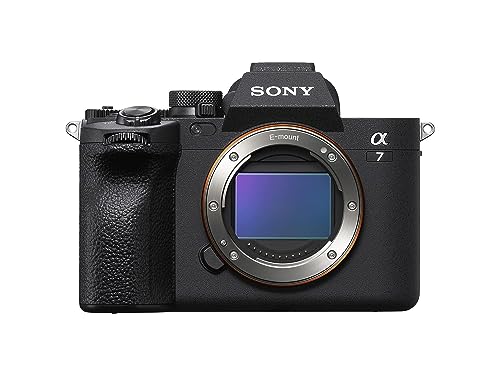
Ask working wedding photographers what they would grab if the venue caught fire metaphorically — schedule collapsed, light gone, rain horizontal — and the A7 IV is the answer that recurs. Its autofocus is the reason: eyes found and held in receptions so dark the guests are navigating by phone light, with a calm certainty that lets the photographer think about composition instead of focus points.
The professional infrastructure is complete. Dual slots mirror every frame, the lens bench includes every fast prime the craft uses, and the video is strong enough that a hybrid shooter can deliver ceremony footage from the same body. It is not the most romantic camera in this list, but weddings are not short of romance; what they are short of is mercy for equipment, and this body shows it least.
Insurance is written into the Sony Alpha 7 IV’s card bays: dual slots accepting fast modern cards, plus real-time eye autofocus for people and animals that finds eyes unerringly, for a wedding that cannot be reshot, cannot be staged twice, and cannot forgive a lost card or a missed glance at the altar.
The Sony Alpha 7 IV also brings a full-size HDMI port for external monitors and ten-bit 4K recording with respected colour science. There is also five-axis stabilisation inside the body, while a 33-megapixel full-frame sensor earns its keep when the first dance begins under festoon bulbs. Festoon bulbs, moving dancers and a top table lit by candles alone play directly into the Alpha 7 IV’s eye-autofocus strengths.
Seasoned shooters praise the A7 IV’s wedding temperament: it starts instantly, focuses without negotiation, and its files arrive in the edit with a consistency that makes a thousand-frame day feel processable. The dual-slot mirroring changes behaviour, too — photographers describe shooting more freely, taking the risky candlelit frame, because the backup is already written. Its size with a fast prime is the sweet spot for a twelve-hour day: substantial enough to balance, light enough that shoulders forgive it by the speeches.
The Sony Alpha 7 IV’s ownership highlights are reliable tethering for studio days, autofocus that rarely misses eyes and focus mapping aids video work; the honest debits are menus take time to master, heat on long summer shoots and rolling shutter in electronic mode. Menus demand study and summer heat demands respect, yet reliable tethering, focus mapping and autofocus that rarely misses an eye are exactly what a once-only ceremony keeps asking for.
Key specs
- 5-axis in-body stabilisation
- Dual card slots (CFexpress A / SD)
- Real-time Eye AF for humans, animals, birds
- Full-frame sensor, 33 megapixels
- 4K 60p video (Super 35 crop), 10-bit
Strengths
- Autofocus that rarely misses eyes
- Focus mapping aids video work
- Reliable tethering for studio days
Trade-offs
- Heat on long summer shoots
- Rolling shutter in electronic mode
- Menus take time to master
Best for: professionals and serious second shooters who need one body that never becomes the story
Not suited for: photographers who deliver heavily cropped albums and need forty-plus megapixels

2. Canon EOS R6 Mark II — Best for dark receptions
Evening is where the R6 Mark II earns its fee. When the DJ dims the room and the festoon bulbs take over, its files stay clean at sensitivities that would embarrass older bodies, and its stabilisation lets a shooter handhold candid frames at shutter speeds that keep backgrounds creamy rather than shaken. The first dance, the tears during speeches, the grandfather asleep upright — the moments couples actually frame — live in exactly this light.
Canon’s colour under mixed venue lighting is the other quiet gift: skin stays believable when tungsten, LED and the last of the daylight argue in the same frame. Bursts are fast enough for confetti and bouquet chaos, the slots are dual, and the sealing shrugs at champagne weather. If your weddings lean toward barns, ballrooms and winter afternoons, start here.
Buyers meeting the Canon EOS R6 Mark II should know first about a 24.2-megapixel full-frame sensor, in-body stabilisation rated up to eight stops, and that sensor-and-stabilisation pairing is built for receptions where the light gave up hours ago.
Deep-learning subject detection for people and animals, housed in a weather-sealed magnesium body, is the Canon EOS R6 Mark II’s insurance policy for the day. Further equipment includes dual card slots for instant backup, while 4K video at sixty frames with ten-bit colour earns its keep when a candlelit top table stretches into darkness. Darkness swallowing the top table is a working condition here, and the R6 Mark II’s low-light files are the reason second shooters keep requesting it.
The R6 Mark II’s field reputation rests on the last two hours of the day. When the reception drops into near-darkness and other bodies start hunting, owners describe a camera still quietly acquiring eyes across the dance floor. The stabilisation earns specific praise during speeches, where a slow handheld pan across the top table stays usable. Its warmth on very long video recordings is the one caution professionals repeat — for stills-led work it simply never becomes an issue.
Reviewers of the Canon EOS R6 Mark II keep returning to reliable eye autofocus in dim rooms, dual slots protect paid work and excellent high-ISO cleanliness; the honest debits are rF lenses cost real money, gets warm on long 4K days and accessories add up quickly. RF glass will stretch the budget and long 4K days run warm, while dual slots guard the paid work and high-ISO files stay clean enough for a candlelit first dance.
Key specs
- Dual Pixel CMOS AF II, deep-learning subject detection
- In-body stabilisation up to 8 stops
- 4K 60p video, 10-bit
- Dual SD card slots
- Full-frame sensor, 24.2 megapixels
Strengths
- Excellent high-ISO cleanliness
- Reliable eye autofocus in dim rooms
- Dual slots protect paid work
Trade-offs
- RF lenses cost real money
- Accessories add up quickly
- Gets warm on long 4K days
Best for: shooters whose weddings are mostly evening, winter or candlelit
Not suited for: videographers who need open-gate or high-frame-rate cinema features as their main act

3. Panasonic LUMIX S5II — Best ceremony video body
For the wedding film-maker, the ceremony is an endurance event disguised as a sacrament: forty-five minutes of continuous recording in a warm church, no second takes, no pauses to swap batteries or cool a body. The S5II was built for precisely that anxiety. Its internal fan removes the overheating cliff edge entirely, and its stabilisation smooths the slow handheld drift of a shooter repositioning during hymns.
As a stills camera it is thoroughly professional — dual slots, honest files, improving autofocus — and the L-mount’s lens bench spans sensible and exotic. Where it wins weddings is confidence: the speeches run long, the first dance is delayed, the room is hot, and the recording simply continues. Couples never know what that reliability cost you. Fellow videographers do.
The Panasonic LUMIX S5II’s story starts with an internal fan that ends overheating anxiety, open-gate 6K recording using the whole sensor, and a fan that never calls time plus a full-sensor image is what a long ceremony edit feeds on.
Backing it up in the Panasonic LUMIX S5II is a 24.2-megapixel full-frame sensor and active stabilisation that smooths walking shots. Add to that phase-detection autofocus, new for this line, while real-time LUT previews while filming tells you the most when the processional music starts and the aisle fills. Once the aisle fills and there is no second take, the S5II’s phase focus and trusted previews carry the ceremony without a bead of sweat.
Videographers who switched to the S5II for weddings use the word ‘boring’ as praise: boringly reliable across a full ceremony, boringly cool in a marquee in August. The real-time LUT preview wins couples over at the booking meeting, where a film-maker can show a look rather than describe one. Stills shooters adopting it as a second body report the stabilisation rescuing walking shots they would once have deleted, particularly the recessional filmed backwards down the aisle.
What earns the Panasonic LUMIX S5II its loyalty is video features rivals charge more for, excellent value full-frame hybrid and fan means long takes survive; the honest debits are menu depth intimidates beginners, autofocus still maturing versus Sony and l-mount lenses vary in price. Deep menus and still-maturing autofocus ask patience up front, in return for video features rivals charge more for and a cooling fan that lets the speeches run their full length.
Key specs
- 6K open-gate video
- Built-in cooling fan
- Full-frame sensor, 24.2 megapixels
- Phase-detection autofocus
- Active in-body stabilisation
Strengths
- Excellent value full-frame hybrid
- Fan means long takes survive
- Video features rivals charge more for
Trade-offs
- L-mount lenses vary in price
- Autofocus still maturing versus Sony
- Menu depth intimidates beginners
Best for: hybrid shooters and film-makers whose wedding income depends on long, unbroken recordings
Not suited for: photographers who want the absolute stickiest eye autofocus for stills above all else

4. Fujifilm X-T5 — Best for intimate weddings
Not every wedding is a ballroom production. For the registry-office ceremony, the garden party of thirty, the couple who asked for photographs that feel like the day actually felt, the X-T5 has a case no spec sheet captures: its colour. Fujifilm’s film simulations render skin, grass and wedding whites with a gentle, finished quality that suits small celebrations and minimal editing, and guests relax around a camera that looks like an heirloom rather than a broadcast rig.
The professional caveats must be stated plainly. The autofocus, while capable, is a step behind the Sony and Canon here in true darkness, and the buffer fills sooner during long confetti bursts. For a large, dark, fast wedding, choose a stablemate above. For an intimate one, shot with care, the X-T5 may produce the most-loved files of any camera in this guide.
Rain holds no threat for the Fujifilm X-T5: a weather-sealed body that shrugs at drizzle and 6.2K recording for reframing in the edit make it a quiet gift on unpredictable wedding days, when the couple’s schedule answers to the sky rather than the photographer and every dry minute counts double.
Beneath the handling story sits the Fujifilm X-T5’s hardware: a 40-megapixel APS-C sensor and retro dials for shutter, ISO and exposure that fall under the fingers without menus. Add to that seven stops of in-body stabilisation, while film simulations with a loyal following proves its worth when confetti falls faster than anyone planned. Confetti falling faster than anyone planned barely ruffles the X-T5, whose simulations hand the couple a look before the gallery is even promised.
X-T5 wedding files have a recognisable softness of palette that couples describe, unprompted, as ‘like film’. Owners lean into it: deliver JPEGs alongside RAW, and watch clients choose the in-camera versions for sharing. The dials slow the ceremony work by a fraction — some shooters call that mindfulness, others set the custom modes and forget the dials exist. Either way, the camera’s discretion is real: guests pose less and behave more around it.
Talk to Fujifilm X-T5 owners and they mention pixel-shift mode for huge stills, compact for its capability and colour science photographers adore; the honest debits are small buffer for long bursts, video rolling shutter present and autofocus behind the best rivals. Buffer depth limits long confetti bursts and rolling shutter shapes its video, whereas pixel-shift stills, beloved colour and compact handling suit a shooter who edits lightly and delivers fast.
Key specs
- Weather-sealed retro body
- Film Simulation modes
- 6.2K video recording
- APS-C sensor, 40.2 megapixels
- In-body stabilisation up to 7 stops
Strengths
- Compact for its capability
- Colour science photographers adore
- Pixel-shift mode for huge stills
Trade-offs
- Small buffer for long bursts
- Autofocus behind the best rivals
- Video rolling shutter present
Best for: photographers shooting small, daylight-rich, documentary-style weddings
Not suited for: lead shooters on large evening weddings where autofocus certainty is the whole job

5. Sony ZV-E10 II — Best second-angle camera
Every experienced wedding videographer eventually learns the value of the camera nobody operates: locked off at the back of the ceremony, framing the couple and the celebrant, recording everything while the main camera roams. The ZV-E10 II is close to perfect for that post — small enough to be invisible, sharp enough to crop, with autofocus that manages faces at distance and a tally light that confirms from afar that it is still rolling.
It also serves the budget-conscious beginner as a main camera for video-led packages, with interchangeable lenses and creator tools that punch above its price. The honest limits are the single slot and the lack of a viewfinder, which is why this guide assigns it the supporting role it performs superbly rather than the lead role its marketing suggests.
Breathing compensation with supported lenses and product-showcase focus that snaps to held objects give the Sony ZV-E10 II focus manners borrowed from the creator desk — manners that suit a second-angle wedding role beautifully, exactly where a quiet second camera earns its invitation.
Under the Sony ZV-E10 II’s creator styling sits a 26-megapixel APS-C sensor and 4K sixty with ten-bit colour depth for flexible grading later. Still in the locker: 759 phase-detection points across the frame, while a directional microphone built into the top plate shapes daily behaviour when a barn reception drops into near darkness. Barn receptions dropping into near darkness are where this little second camera earns its hire, its top-plate microphone catching speeches its size belies.
As an unattended camera, the ZV-E10 II’s virtue is that nobody notices it — including, crucially, the couple, whose ceremony expressions stay unperformed because the corner camera reads as furniture. Operators check it between hymns with a glance at the tally light and otherwise forget it, which is exactly the job description. Its battery endurance on a fixed recording surprises people used to earlier creator bodies, and its files cut acceptably against full-frame footage in daylight ceremonies.
Seasoned Sony ZV-E10 II hands list creator tools that actually save takes, background-defocus switch for beginners and excellent autofocus for faces; the honest debits are no viewfinder at all, screen washes out in sun and kit lens is merely fine. Working without a viewfinder under bright sun takes practice, and the kit lens is only fine, though creator tools, a background-defocus switch and sharp face autofocus rescue beginner wedding footage regularly.
Key specs
- 759 phase-detection AF points
- APS-C sensor, 26 megapixels
- Real-time Eye AF and tracking
- Product Showcase and Breathing Compensation
- 4K 60p video, 10-bit 4:2:2
Strengths
- Creator tools that actually save takes
- Background-defocus switch for beginners
- Excellent autofocus for faces
Trade-offs
- Screen washes out in sun
- Kit lens is merely fine
- No viewfinder at all
Best for: videographers building a two-camera ceremony setup, and video-first beginners
Not suited for: stills photographers needing dual slots and a viewfinder as their only body

6. Nikon Z50 II — Best value wedding starter
The first wedding season is survived on margins: deposits small, packages underpriced, kit bought with money that had other homes. The Z50 II respects that arithmetic while refusing to behave like a compromise. Its processor comes from Nikon’s flagships, its subject detection is genuinely modern, and its video is good enough that a starter can sell a highlight film in season one.
The discipline it demands is backup: with a single card slot, the professional ritual is a same-evening copy to two drives before sleep, no exceptions, plus small cards swapped at natural breaks so no single failure can take the day. Build that habit and the Z50 II will shoot weddings beautifully while the business grows into a dual-slot body — at which point it becomes the second camera every wedding kit needs anyway.
Flagship processing reaches a starter kit in the Nikon Z50 II: the EXPEED 7 processor from Nikon’s flagships drives a 20.9-megapixel APS-C sensor, which is how a modest body punches at reception weight, all afternoon and long into the evening’s dancing.
Compact Z-mount handling with a firm grip and subject detection covering nine kinds of subject make the Nikon Z50 II easy to carry through a long reception. There is also 4K thirty with full sensor width, while a bright viewfinder that flatters outdoor work matters most when the speeches run long in a warm room. Long speeches in a warm room test patience more than hardware, yet the Z50 II’s bright finder keeps a starter’s framing honest to the last toast.
Starters who chose the Z50 II describe relief more than excitement: relief that the autofocus handles the aisle walk, that the video holds up in the highlight film, that the bill left money for the fast prime that actually transforms wedding files. Its viewfinder, bright and honest, helps during the sun-blasted group photographs where screens fail. The camera asks for the backup discipline described in its review, and rewards it by never being the reason a moment was missed.
In the field, the Nikon Z50 II earns praise for autofocus inherited from bigger Nikons, strong video for its class and punchy colour straight from camera; the honest debits are 4K 60p is cropped, native DX lens range still growing and no headphone jack. Cropped 4K at sixty frames and a missing headphone jack are genuine gaps, set against autofocus inherited from bigger Nikons and punchy colour that needs little grading before delivery.
Key specs
- EXPEED 7 processor
- Subject-detection AF for nine subject types
- Bright electronic viewfinder
- 4K 60p video (cropped), 4K 30p full-width
- APS-C sensor, 20.9 megapixels
Strengths
- Strong video for its class
- Autofocus inherited from bigger Nikons
- Punchy colour straight from camera
Trade-offs
- 4K 60p is cropped
- No headphone jack
- Native DX lens range still growing
Best for: new wedding photographers and videographers building a first paid kit
Not suited for: established professionals who require mirrored cards as a contractual standard
How Do the Six Compare on a Wedding Day?
| Camera | Badge | Standout trait | Watch out for |
|---|---|---|---|
| Sony Alpha 7 IV | Best all-round wedding camera | Autofocus certainty and lens bench | Menus reward setup time |
| Canon EOS R6 Mark II | Best for dark receptions | High-ISO cleanliness and stabilisation | Warms on very long video |
| Panasonic LUMIX S5II | Best ceremony video body | Cooling fan and walking stabilisation | Stills autofocus still maturing |
| Fujifilm X-T5 | Best for intimate weddings | Finished colour, discreet body | Buffer and dark AF trail rivals |
| Sony ZV-E10 II | Best second-angle camera | Invisible fixed-angle recording | Single slot, no viewfinder |
| Nikon Z50 II | Best value wedding starter | Flagship processor at starter price | Backup ritual is on you |
What Settings Survive a Whole Wedding Day?
Build the day around two custom modes and change almost nothing else. Mode one, the ceremony: silent or near-silent shutter, eye autofocus with continuous tracking, aperture priority around the lens’s sweet spot, auto ISO with a ceiling you have tested in a dark room at home. Mode two, the reception: flash-friendly settings, a slower minimum shutter speed for ambient drag, and focus behaviour biased to stick with dancing subjects. Photographers who fiddle per-moment miss moments; photographers who turn one dial catch them.
White balance deserves a decision rather than a default. Auto does well in daylight and the golden hour, then wanders under venue LEDs and DJ colours. Many professionals fix a warm daylight balance for the evening and let the atmosphere be what it was, correcting the few hero frames individually. Whatever you choose, consistency across a sequence matters more than perfection in any single frame, because albums are read as stories.
File discipline is a setting too. RAW to both slots, mirrored, with card pairs rotated at the meal break so the ceremony and the reception live on different physical media. Every body ranked here supports some version of that ritual. The camera is configured before the shoes are on; the day itself is for people, not menus.
How Do You Record a Ceremony Without Becoming Part of It?
Position is courtesy. Agree your spots with the celebrant at the rehearsal or by phone: the aisle end for the entrance, a side position for the vows, never behind the couple facing the guests unless invited there. The best ceremony frames come from two or three pre-agreed positions moved between only during hymns or music, when movement reads as part of the service rather than a distraction from it.
Silence is a technical feature now. Electronic shutters on these bodies are genuinely silent, but check for banding under the venue’s lighting during the pre-ceremony test frames — LED and fluorescent sources can stripe a silent frame. Where banding appears, the mechanical shutter at a distance, or a different position under different light, solves it. Test before the bride arrives; there is no second entrance.
For recorded audio of vows, the camera’s microphone is the last resort, not the plan. A small recorder on the celebrant’s lectern, or a wireless microphone on the groom — whose channel carries both voices at the altar distance — transforms ceremony footage. Sync in the edit with the camera audio as guide. Couples forgive soft focus in a wide shot; they do not forgive unintelligible vows.
One more courtesy belongs in this section: tell the couple’s parents where you will be standing. The front rows relax when the photographer’s positions are known and predictable, and a mother who is not wondering whether the camera blocks her view of the vows watches the ceremony instead of the photographer. Discretion is partly geometry and partly communication, and both are free.
Which Lenses Do Wedding Cameras Actually Need?
The craft’s working trio has not changed in decades: a wide standard zoom for the day’s narrative, a fast standard prime for darkness and portraits, and a short telephoto for ceremony discretion and compressed, flattering frames. In practice most shooters here will pair a 24-70mm-class zoom with an 85mm-class prime and cover ninety percent of a wedding beautifully, adding a wider zoom for tight preparation rooms as budget allows.
Aperture is the wedding photographer’s low-light strategy. An f/1.8 prime gathers roughly four times the light of a kit zoom at the long end, which is the difference between ISO 1600 elegance and ISO 6400 apology in a candlelit barn. Every system in this ranking offers affordable fast primes; buying one before upgrading any body is the oldest and truest advice in this guide.
Carry the second body wearing the second lens. The two-body harness looks like a affectation until the confetti moment: wide on one shoulder for the couple’s exit, telephoto on the other for the guests’ faces, no lens change in the crush. That workflow — more than any single camera — is what professional wedding coverage actually is, and it is why this guide treats second bodies as standard equipment.
How Should You Handle the Reception’s Impossible Light?
Accept the darkness and photograph it honestly. The reception’s mood is the product: festoon bulbs, candles, the DJ’s colour wash. Flash fired directly flattens that mood into a passport photo, so the craft standard is bounce — flash aimed at a ceiling or wall, softening the light and preserving the room’s glow behind the subjects. All six bodies here handle a modern speedlight well; the skill is in the aiming, not the camera.
Drag the shutter for the dance floor. A slower shutter speed with flash freezing the subject gives the classic wedding-party frame: sharp dancers, streaked lights, energy visible. It is a technique, not a setting — practise it at home with a willing victim — and the stabilised bodies in this list make the slow speeds far more forgiving than they were a generation ago.
Know when to put the flash away. During speeches and the first dance, many couples prefer the room as it felt, and modern sensors — the R6 Mark II above all — can render candlelit faces beautifully at sensitivities that were fantasy fifteen years ago. Shoot both ways during the speeches if time allows: one honest ambient set, one flash-lit insurance set. Redundancy is the wedding photographer’s love language.
What Does a Sensible Wedding Workflow Look Like Afterwards?
Backup before bed, without exception and without negotiation. Cards to computer, computer to a second drive, one copy leaving the building or reaching the cloud before the photographer sleeps. Weddings are the one genre where the files are literally irreplaceable, and every professional horror story in this industry begins with a tired person postponing a copy. The cameras here help — mirrored slots mean the day already exists twice — but the ritual finishes the job.
Cull ruthlessly, edit consistently. A wedding delivers hundreds of frames, not thousands; couples drown in near-duplicates. Work in passes: technical rejects first, then duplicates, then the story. Edit with one restrained recipe per lighting chapter of the day — ceremony, portraits, reception — so the album reads as one narrative rather than a competition between filters.
Deliver the moments in the order they will be loved: a small preview set within days, while the day is still warm, then the full gallery, then the album design. The preview set is marketing as much as kindness — it is what the couple shares, tags and cries over — and cameras whose JPEGs are already close, the Fujifilm especially, make that fast turnaround almost effortless.
How Much Should a Wedding Kit Cost, and Where Should the Money Go?
Bodies are the visible expense and rarely the wisest one. The professional order of spending runs: reliable body with dual slots, fast prime, standard zoom, second body, then everything else. A starter who buys the Z50 II, one fast prime and a flash owns a more capable wedding kit than a starter who buys a flagship wearing a slow kit zoom, and the difference will be visible in every dark reception photograph.
Insurance and backup are line items, not afterthoughts: spare batteries in multiples, cards in rotation, a second drive, and liability cover if you shoot professionally. Budget for it in the package price from the first wedding, because the tenth wedding’s disaster is paid for by the first nine’s discipline.
Finally, rent before you leap. Every body in this ranking can be hired for a weekend, and one real wedding as a second shooter will teach you more about your hands, your light and your temperament than a month of reviews.
What Mistakes Ruin Wedding Photographs Most Often?
The missed moment caused by a full card or a dead battery is the classic, and it is always a preparation failure wearing an accident’s clothes. Format cards the night before, charge everything, carry spares on your person rather than in the car. The cameras here report their status honestly; the professional’s job is to look before the processional, not during it.
Over-directing is the artistic version of the same sin. A photographer who stops the day to manufacture moments steals the day from the couple. The modern wedding style — and the style these cameras’ quiet shutters and fast autofocus enable — is documentary patience: be positioned, be ready, let the day perform.
Trusting one copy of anything — one body, one card, one drive, one battery type — completes the trio. Build it into the kit list from the first paid wedding and it will quietly save a career at least once.
How Do You Photograph the Details Without Losing the Story?
The detail photographs — rings, shoes, the order of service, the cake before its execution — are the album’s punctuation, and they are best shot early, in the morning’s calm, with a prime lens and window light.
Resist turning details into a catalogue. A ring photograph matters because hands will wear them; a shoe photograph because they will dance in them. Include the human context where you can — the dress hanging in the room it was chosen in, the bouquet beside the handwritten vows — and the details stop being inventory and start being evidence of the day’s texture.
Light for details is the photographer’s one fully controlled chapter, so use it to establish the day’s visual signature: the same window, the same gentle contrast, the same restraint that the later chapters will inherit. Couples flipping an album feel that coherence without naming it, and it begins with a pair of rings on a windowsill at nine in the morning.
How Do You Work With a Second Shooter or Videographer?
Two professionals at one wedding either multiply the coverage or multiply the collisions, and the difference is a five-minute conversation before the ceremony. Agree who owns the aisle, who owns the balcony or the side, and who never crosses whose frame during the vows. The couple should experience one calm presence, not a media scrum, and guests should never have to choose which lens to look at.
Technical harmony helps the marriage of the two coverages: sync the cameras’ clocks at the start of the day so the merged gallery sorts itself, agree a white-balance approach for the shared chapters, and decide whose audio recording is the master for the ceremony.
How Does a Wedding Day Actually Unfold Behind the Camera?
Morning is preparation: details, dresses, nerves, coffee going cold. Shoot it quietly with a prime lens and available light, because the photographs everyone wants from this chapter are the unguarded ones. Check the ceremony space during this lull — test the silent shutter for banding, mark your positions, set the unattended camera if you are running one.
The ceremony itself is a forty-minute exercise in pre-decided discipline: positions agreed, settings locked, cards fresh. Shoot the entrance generously — it is the one sequence with no rehearsal on the day — then settle into the rhythm of vows, rings, and the faces of the people watching.
Afternoon belongs to groups and portraits, the day’s logistics peak. Work from a written list agreed with the couple beforehand, fastest combinations first, and keep the couple’s own portraits for the best light of the day even if that means stealing them from the reception for ten golden minutes.
Evening is endurance and opportunism: speeches, cake, first dance, then the long documentary tail of the party. Rotate batteries and cards at the meal, back up the ceremony cards to a laptop in a quiet corner if the kit allows, and keep one camera ready until the couple leave. The exit photograph — sparklers, headlights, confetti in the dark — is often the album’s last page and its most-shared frame.
The handover begins before you leave the venue: cards out of cameras and into a case on your person, never in the kit bag that could be left in a taxi. More than one career has been saved by the simple rule that the only copy of a wedding never travels in checked, stored or borrowed anything — it travels in a pocket, against a heartbeat, until it exists twice.
What Are the Most Common Wedding Recording Mistakes?
Arriving without having visited or called the venue. Light, rules and positions all ambush the unprepared. A ten-minute call with the celebrant prevents the classic disasters: banned positions, banned flash, and a ceremony layout nothing like the one imagined.
Shooting the ceremony on a single card in a single body. It works until the day it defines your reputation. Mirror the cards, or swap media at the meal and keep the morning’s cards on your person until they are copied.
Letting autofocus choose during the vows. Tracking modes can wander to a brighter face in the front row at the worst moment. Use eye detection with a chosen subject, or focus deliberately and hold the position.
Forgetting the guests while chasing the couple. The couple’s favourite photographs are often of their people: parents during vows, friends mid-laugh. Schedule your attention across the room, especially during the speeches.
Promising a highlight film from one static camera. One angle cannot carry a film. If video is sold, staff it properly — at minimum a roaming camera plus the locked-off wide the ZV-E10 II performs so well.
Final Recommendation
Forced to hand one camera to one wedding shooter, this guide hands over the Sony Alpha 7 IV: the most complete wedding tool here, with autofocus that behaves in the dark, files that survive the edit, and a lens bench with no dead ends. The Canon EOS R6 Mark II is the choice when evenings dominate, and the Panasonic LUMIX S5II when the moving image pays the mortgage.
But the honest final recommendation is a system, not a body: two cameras, mirrored cards, fast glass, spare power, and a backup ritual you perform tired, drunk on cake and in the dark without thinking. Choose any two of these six as that system, in the order your budget allows, and the couples will never know how close the day came to anything. That invisibility is the job.
Check current prices on Amazon before committing — wedding kit money is business money, and the difference between bundles often buys the fast prime that matters more than the body it mounts on.
One more consideration for the couple reading over a photographer’s shoulder: ask any wedding photographer what they shoot with, and listen less to the model name than to what follows it — the second body, the card ritual, the prime lens for the dark. The six cameras here are all capable of a beautiful wedding. The professional is the one who can explain, in one breath, what happens when one of them stops.
And if you are the couple rather than the photographer: bookmark this page, send it to whoever holds the camera on your day, and have the backup conversation early. It is the least romantic wedding planning there is, and the most protective.
Frequently Asked Questions
Can a beginner record a friend’s wedding with one of these cameras?
Yes, with honest expectations and preparation. Choose the Z50 II or the R6 Mark II, add a fast prime, practise in a comparably dark room, attend the rehearsal, and agree a shot list. The couple gets a devoted friend’s full effort; what they do not get is a professional’s redundancy, so say that plainly beforehand and back up files the same night.
Do wedding photographers still need flash in 2026?
For receptions, mostly yes. Modern sensors handle ceremonies and speeches beautifully without it, but a bounced flash remains the reliable way to render a dark dance floor with the room’s atmosphere intact. The skill is restraint: flash as seasoning, lifting faces, never as the main light source that flattens the evening.
How many photos and how much footage should a wedding deliver?
Professionals commonly deliver several hundred edited photographs and, for film packages, a highlight film plus full ceremony and speeches recordings. The exact count matters less than the story’s completeness: every key moment, every important face, nothing padded with near-duplicates. Agree the shape of the delivery in writing before the day.
Is 4K necessary for wedding video?
It is useful rather than necessary. Couples watch on phones and televisions where good 1080p looks lovely, but 4K capture buys cropping freedom in the edit — turning one locked-off wide shot into a wide and a close-up. The S5II and A7 IV make that workflow easy; it is a reason to prefer them for film-led packages.
What is the single most important backup habit?
The same-night copy, performed before sleep, to two separate places. Everything else — mirrored slots, second bodies, spare cards — supports that one ritual. Weddings cannot be reshot, rescheduled or recreated, and the industry’s saddest stories are all, without exception, backup stories.
Should the second camera match the main camera?
Matching bodies simplify batteries, cards, colour and muscle memory, and professionals prefer it for those reasons. It is not essential: a ZV-E10 II recording the ceremony corner, or an X-T5 shooting the intimate chapters, pairs happily with any main body here as long as the operator tests the combination before the day, not during it.
How do I handle a venue that bans photography during the ceremony?
Obey it completely, and agree the alternative in advance: photographs from the doorway at the entrance and exit, a posed signing photograph afterwards, and the couple informed before the day so it is the venue’s rule, not your failure. No frame is worth a celebrant stopping a service, and discretion is a professional credential couples pass on by word of mouth.
What should I do if my camera fails mid-ceremony?
Keep photographing. Switch to the second body if you carry one; if you do not, shoot the remainder on whatever you have — a guest-grade camera or a phone — with the same positioning and calm, and tell the couple afterwards with the finished work already in hand. Failures are forgiven when the photographs exist; panic is what couples remember. This is also the strongest argument in this entire guide for the two-body habit.
Related Guides
Wedding coverage continues in our guides to wedding films, low-light street work and portrait video. best cameras for wedding films best cameras for low light street photography best cameras for portraits and video.


