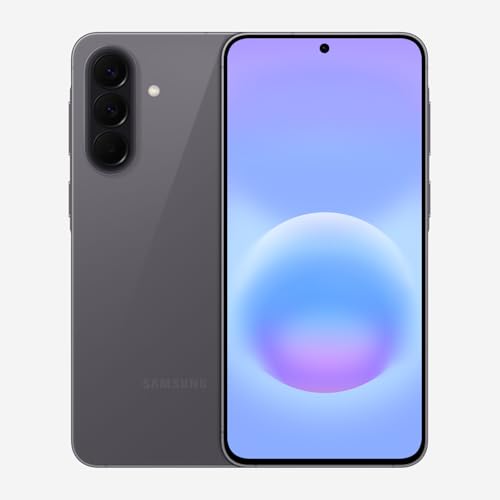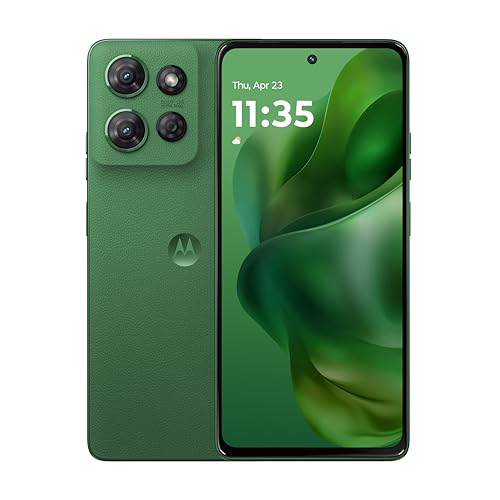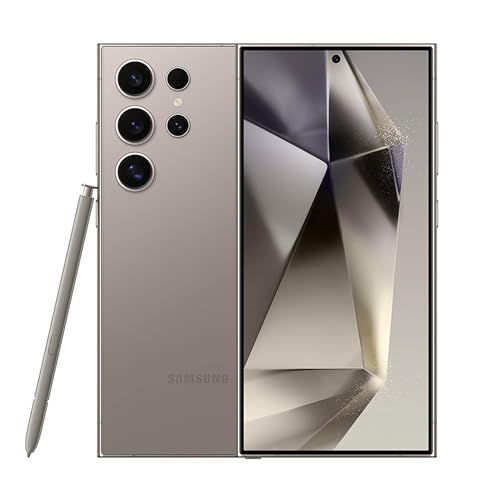
With phone camera sensor size explained in plain terms, you gain the single most useful tool for judging any camera phone: the ability to see past megapixel marketing to the physical thing that decides image quality. The sensor is the light-sensitive chip behind the lens, and its size governs how much light the camera can gather — and light is the raw material every photograph is made from.
This explainer decodes the confusing way sensor sizes are written, explains why bigger sensors take cleaner photos, how pixel size fits into the picture, and why phones cannot simply use enormous sensors. It ends with how to use sensor size when comparing phones, alongside the other factors that share the credit.
Disclosure: As an Amazon Associate, kajuandouglas.com earns from qualifying purchases. Links to Amazon on this page are affiliate links; they cost you nothing extra. Listing details such as price and availability change often, so check the current Amazon listing before you buy.
The Short Answer
A larger sensor gathers more light, producing cleaner images with less noise, wider dynamic range and more natural background blur. Phone sensor sizes are written as fractions like 1/1.3 inch, where a larger fraction means a bigger sensor — the opposite of intuition. Pixel size matters too: on the same sensor, fewer, larger pixels gather more light each. Judge a camera by sensor size first, then lens aperture and stabilisation, and only then by megapixels.
In this guide
Gear for This Guide
These flagships pair some of the largest sensors fitted to phones with serious lenses — the combination this explainer is about.

Samsung Galaxy S24 Ultra Cell Phone, 256GB AI Smartphone, Unlocked Android, 200MP, 100x… — A flagship built around a large main sensor and multiple lenses, an example of sensor size used as the foundation of a camera system. Check price on Amazon.

Apple iPhone 15, 128GB, Black – Unlocked (Renewed Premium) — An iPhone whose camera pairs a generously sized sensor with strong processing, showing the hardware-plus-software balance. Check price on Amazon.
Phone Camera Sensor Size Explained: What the Sensor Actually Does
The sensor is a grid of millions of light-sensitive sites called pixels, sitting behind the lens. When you take a photograph, the lens projects the scene onto this grid for a fraction of a second, each pixel records how much light landed on it and of what colour, and the phone assembles those recordings into an image. Everything a camera is — its clarity in darkness, its handling of bright skies, its noise in shadow — flows from how well that grid captures light.
A bigger sensor helps in two ways at once. Its total area collects more light for the whole image, and it gives each pixel more room, so individual pixels can be larger and collect more light each. More light means a stronger signal relative to the electronic noise every sensor produces, and that signal-to-noise ratio is, in plain terms, image quality.
This is why professional cameras with modest megapixel counts outperform phones in hard conditions: their sensors are many times larger. Within phones, the flagship race of recent years has been a sensor-size race conducted quietly behind the megapixel headlines, and it is the main reason phone low-light photography has improved so dramatically.
Decoding Sensor Size Numbers
Phone sensors are described with inch fractions inherited from old video-camera tubes, and the numbers do not mean what they appear to mean. A sensor labelled 1/1.3 inch does not measure 1/1.3 of an inch across; the fraction is a legacy naming convention where the actual diagonal is considerably smaller than the fraction suggests. What matters for comparison is simple: within this system, a larger fraction means a larger sensor. So 1/1.3 is bigger than 1/1.56, which is bigger than 1/2.5, even though the written numbers look backwards.
Because the notation confuses everyone, detailed specification sites and good reviews often state the sensor’s actual dimensions in millimetres or its area, which compare honestly. When shopping, note the main camera’s sensor fraction for each phone you compare and rank them by it; that ranking predicts low-light quality better than the megapixel ranking beside it.
Also check which lens each size belongs to. Manufacturers advertise the main camera’s sensor prominently while ultrawide and telephoto cameras use smaller sensors, sometimes much smaller. A phone whose secondary lenses have respectably sized sensors produces more consistent quality when you switch lenses, which reviews reveal in side-by-side samples.
Pixel Size and Pixel Binning
Pixel size, measured in micrometres, completes the picture. On a given sensor, dividing the area into more pixels makes each one smaller, and a smaller pixel collects less light, producing a noisier recording. This is the fundamental tension of camera design: resolution wants many small pixels; quality wants fewer, larger ones. Sensor size is what lets a camera have both — a large sensor can host many pixels and keep each one reasonably fed with light.
Phones cheat the tension with pixel binning, grouping neighbouring pixels into one effective larger pixel for the saved photograph. A high-resolution sensor therefore behaves like a lower-resolution, large-pixel sensor for everyday and low-light shots, while retaining its full resolution for bright conditions. When you see a phone advertise both a huge megapixel count and a large effective pixel size, binning is the bridge between the two claims.
The practical reading rule: compare sensors by size first, then look at the effective pixel size after binning for everyday shots. A large sensor with sensible binning beats a small sensor with any pixel arrangement, because total light gathered is the budget everything else spends.
Why Phones Cannot Just Use Huge Sensors
If bigger is better, why do phones not use camera-sized sensors? Physics and fashion answer together. A larger sensor needs a larger lens projecting an image circle big enough to cover it, and lens size grows quickly with sensor size. In a phone a few millimetres thick, there is no room for the lens a truly large sensor demands — the camera bump on modern flagships is this battle made visible.
Larger sensors also bring shallower depth of field: less of the scene is in focus at once. Dedicated cameras treat that as an artistic tool; phone makers, whose customers expect everything sharp, must counteract it with smaller apertures or computational tricks. Cost rises too, in the sensor itself and in the precision optics before it.
So phone design is an optimisation within a thin slab: the largest sensor a modest bump can house, the brightest lens that fits, stabilisation to buy back shutter time, and computation to stretch the result. Understanding that triangle explains every flagship camera decision you will ever read about.
Using Sensor Size When You Shop
When comparing camera phones, find the main sensor size for each — from detailed spec listings or thorough reviews — and let it anchor your expectations for low-light quality, dynamic range and editing flexibility. Pair it with the lens aperture and the presence of optical stabilisation; those three together are the hardware verdict on the camera.
Then let sample photographs arbitrate the rest, because processing can elevate or squander hardware. A slightly smaller sensor with excellent processing can out-photograph a larger one with clumsy software in the conditions you shoot most. Sensor size tells you the ceiling; processing decides how close everyday photos get to it.
Finally, keep proportion. Sensor differences between phones of the same tier are real but modest, and both will delight in daylight. The sensor-size lens matters most when choosing between tiers, when low light dominates your photography, and when a maker’s megapixel marketing asks you to believe a small sensor performs miracles.
Sensor Size Across the Other Lenses
Everything this explainer says about the main camera applies with interest to the supporting lenses, where sensor sizes shrink quickly. The ultrawide on a flagship may carry a sensor a class smaller than the main camera, and the telephoto smaller still, which is why switching lenses on many phones visibly changes image character: the ultrawide’s night shots are noisier, the telephoto’s files less flexible. Premium phones narrow this gap with respectable sensors across the set; budget phones widen it until the extra lenses feel like different, lesser cameras sharing a body.
When comparing phones as complete camera systems, ask for all the sensor sizes, not just the headline one. A phone whose ultrawide and telephoto sensors are close in size to its main sensor produces the coherent, any-lens confidence that keen photographers value, and reviewers who publish per-lens samples are again your best source. The main sensor’s size wins the launch presentation; the set’s consistency wins the ownership.
Front cameras sit at the far end of this hierarchy, with the smallest sensors of all, which is why selfie quality depends so heavily on processing and screen-flash assistance, and why front cameras struggle first as light falls. If video calls and self-portraits matter to you, judge the front camera by samples in indoor light, where its sensor’s limits, not its megapixels, write the review.
The Future: Stacked Sensors and Smarter Silicon
Sensor design has not stood still while phones shrank around it. Stacked sensor architectures layer the circuitry beneath the light-sensitive surface instead of beside it, freeing more area for light capture in the same footprint and enabling much faster readout — which improves everything from rolling-shutter distortion in video to the speed of the multi-frame bursts computational photography depends on. The flagship sensors of recent years owe their performance as much to this architecture as to raw size.
Variable and dual-conversion techniques let a single pixel behave like a large pixel in darkness and a detailed one in daylight, narrowing the resolution-versus-light trade that this explainer described. Combined with ever-faster processors merging ever more frames, the practical gap between phone sensors and larger cameras keeps narrowing for the scenes phones shoot most — while the physics of total light gathered keeps the larger formats ahead where they have always been ahead.
For the buyer, the trajectory carries a simple reassurance: sensor size will keep mattering, and the method in this guide — size first, then pixel behaviour, then samples — will keep ranking cameras correctly through whatever the next generation names its technology. Marketing vocabulary changes annually; light does not.
Sensor Size and Video: The Forgotten Half
Sensor discussions centre on photographs, but the same physics governs video, where the sensor’s size shapes low-light footage, depth of field and the processing burden. Video cannot use the stills camera’s tricks as freely: frames must be captured dozens of times per second, so the multi-second gathering that rescues night photographs is unavailable, and the sensor’s honest light-gathering is exposed. This is why phones that tie in stills comparisons separate in dim video, and why the larger sensor’s owner sees cleaner footage at the same party where both phones’ photographs looked equal.
Readout speed — how fast the sensor can deliver each frame — is the video-specific virtue, and modern stacked sensors excel at it. Fast readout reduces the rolling-shutter wobble that bends vertical lines when panning, enables higher frame rates for slow motion, and feeds stabilisation systems the data they need. When a phone advertises dramatic slow-motion or strikingly steady video, sensor architecture deserves as much credit as the processor receiving the applause.
Video also crops: electronic stabilisation and some recording modes use only part of the sensor, shrinking the effective size and with it the light gathered. A phone whose video modes lean heavily on cropping may behave like a smaller-sensor device when filming, whatever its stills pedigree. Reviewers who test video at night reveal this instantly; the specification sheet never mentions it.
For the buyer whose camera phone is half camcorder, the sensor questions therefore double: size for the light, architecture for the speed, and samples of actual night footage before money changes hands. The stills hierarchy and the video hierarchy are cousins, not twins.
Judge the sensor as the foundation of both crafts and the explanations in this guide will serve your video as faithfully as your photographs — because to the sensor, there is only light, arriving either way.
Common Mistakes to Avoid
- Reading 1/2.5 as bigger than 1/1.3. In sensor notation the larger fraction is the larger sensor: 1/1.3 beats 1/1.56 beats 1/2.5. The written decimals run opposite to intuition.
- Comparing megapixels across different sensor sizes. Fifty megapixels spread over a large sensor and the same count squeezed onto a small one are different cameras. Size first, count second.
- Assuming every lens shares the main sensor’s size. Ultrawide and telephoto cameras usually use smaller sensors. Check each lens if you shoot with all of them.
Pro Tips
- Detailed specification databases list sensor size and pixel size for every phone; two minutes there tells you more than a launch presentation.
- A quick field test: photograph the same dim room with two phones and zoom in. The larger sensor’s file stays cleaner in the shadows.
- When a maker will not state sensor size anywhere, that silence is itself information about where the camera sits.
Worked Numbers: Reading a Sensor Specification Like an Engineer
Take a typical flagship main camera: a sensor described with a fraction near one over one point three inches, paired with a high pixel count that bins down to a smaller output count. The fraction is a historical artefact from video tube diameters, so the literal division misleads; what matters is comparing the fraction between phones, where a larger denominator means a smaller sensor. The binned pixel size, usually quoted in micrometres after binning, is the more honest figure for light gathering per output pixel, and comparing it between two phones tells you more in one glance than the sensor fraction and the megapixel count combined.
A comparison you can do in a shop
Line up three phones on paper: note each main sensor’s binned pixel size, its lens aperture, and whether it has optical stabilisation. Those three numbers predict low-light behaviour better than any other trio on the sheet. A phone with slightly smaller pixels but a wider aperture and stabilisation may match or beat a bigger-sensored rival handheld at night, because the system, not the sensor alone, makes the photograph. This is not an argument that sensor size does not matter — it is the demonstration that it matters as part of an equation the shopper can actually compute.
Daylight reverses some weightings. With light abundant, the bigger sensor’s advantages shrink and lens quality, processing and colour decide. This is why two phones can trade victories between a noon street scene and a midnight one, and why a buyer whose photography is mostly travel daylight should not pay a large premium for low-light hardware they will rarely stress, while a buyer whose life is photographed indoors at night should pay it gladly.
Depth of Field: The Aesthetic Consequence of Size
Sensor size quietly governs how a photograph looks, beyond noise and sharpness, through depth of field. Larger sensors, at equivalent framing and aperture, render shallower focus: backgrounds melt, subjects separate. Phone sensors, being small, keep nearly everything sharp, which is wonderful for landscapes, groups and documents, and limiting for portraits that want a subject lifted from a busy background. Portrait modes exist precisely to synthesise what the small sensor cannot do optically, and their artefacts — confused hair, glasses, bicycle spokes — are the visible price of that synthesis.
Why some photographers prefer the phone’s deep focus
Deep focus is not merely a compromise. Street photographers, documentary shooters and anyone photographing children in motion benefit from a camera where focus depth forgives: more of the scene is sharp, fewer photographs are ruined by a focus miss, and the aesthetic of everything-in-focus has a distinguished history in photography long before phones. The compact and large-sensor look is one taste, not the definition of quality. Understanding that sensor size carries an aesthetic, not just a performance, frees buyers to choose the look they actually love rather than the one specification culture applauds.
Video inherits the same geometry. A phone’s deep focus keeps moving subjects sharp without heroic autofocus, which is why casual phone video looks so reliably focused, while larger-sensor cameras produce cinematic shallowness at the cost of focus that must be actively managed. Creators choosing between systems for video are choosing, in part, between those two focus philosophies, and should choose with their subjects — a single presenter, or a moving family — plainly in mind.
The Lens Half of the Equation
A sensor can only record what the lens delivers, and phone lenses labour under a brutal constraint: they must be thin. Aperture, the lens’s light-gathering opening, is quoted as an f-number, and smaller numbers gather more light — a difference that can offset a sensor-size disadvantage entirely. Lens sharpness across the frame, flare control when shooting towards light, and minimum focus distance for close work all vary between models in ways no sensor figure captures. Two phones with identical sensors and different lenses are different cameras, a fact that specification comparisons routinely flatten.
Stabilisation: the silent light multiplier
Optical stabilisation deserves promotion to first-rank specification. By compensating for hand movement, it permits slower shutter speeds handheld, which in low light is equivalent to gathering more light — sometimes more than a sensor-size step would provide. Sensor-shift systems, which move the sensor itself, extend the benefit across lenses. When comparing phones for night photography, a model with excellent stabilisation and a modest sensor can legitimately outperform a bigger sensor with poor stabilisation in handheld use, while the ranking reverses on a tripod, where stabilisation’s gift is no longer needed.
The practical synthesis: read sensor size together with aperture and stabilisation as a single low-light system, and read it together with pixel-binning behaviour for daylight detail. Reviewers who publish identical night scenes from competing phones are showing you the system’s product; trust the scene over any single number, and use the numbers to understand why the scene looks as it does rather than to predict it in isolation.
Sensor Size in the Other Cameras You Own on the Same Phone
The ultra-wide and telephoto cameras in a phone almost always use smaller sensors than the main camera, and the gap explains their behaviour: weaker low-light performance, more aggressive processing, and a quality step down that surprises owners who expected one camera system’s quality at every focal length. Some makers narrow the gap on flagships with genuinely capable secondary sensors; others spend nearly everything on the main camera. If you shoot wide or zoomed often, the secondary sensors’ sizes are your specification, and the main sensor’s glory is nearly irrelevant to your photographs.
Front cameras and the video-call era
The front camera’s sensor is the smallest of all and its light the worst — faces lit by screens in dim rooms — yet it carries selfies and the modern ritual of video calls. Improvements here come as much from processing and screen-as-flash tricks as from sensor growth. Buyers whose front camera works as hard as their rear ones should test it in a dim room on both candidate phones; specification sheets will not warn you which flagship neglected its front sensor this generation, but a thirty-second test in bad light will.
Across all of a phone’s cameras, remember the hierarchy the makers themselves use: main first, then telephoto or ultra-wide depending on the brand’s philosophy, then the rest. Your own usage should mirror or deliberately defy that hierarchy. A zoom-led photographer buying a phone whose budget went to its ultra-wide has misread the map, and sensor sizes, honestly compared per lens, are how that mistake is avoided before money moves.
Where Sensor Development Goes Next
Sensor progress now comes from architecture as much as area: stacked designs that read out faster, reducing distortion in electronic shutters and enabling better merging; improved colour filters that waste less light; and pixels that handle bright highlights without saturating, extending dynamic range from within. Each generation, the honest low-light gain from these refinements rivals what a modest size increase would bring, without the thickness cost. This is why year-on-year camera improvements continue even though phone thickness, and therefore maximum sensor size, has plateaued.
What this means for a buyer today
Buy the system, not the trajectory. A phone’s sensor will not grow during your ownership, but its processing may improve, and its maker’s commitment to camera updates is worth a question at purchase. More usefully, let the plateau reassure you: because size has stabilised, a well-chosen current phone will not be humiliated by next year’s sensors, and the differences that will actually date your photographs are the ones this guide has covered — light, lenses, stabilisation and the photographer’s own growing eye, which remains the largest sensor in the whole system.
Sensor Size and Dynamic Range: The Highlight Story
Dynamic range — the span between the darkest detail and the brightest a sensor can hold in one exposure — grows with pixel size, because larger pixels can collect more light before saturating. In practice this is the difference between a sky that graduates to white gracefully and one that clips to a featureless slab, between shadow detail that editing can lift and shadow that lifts into noise. Phones cheat the limit computationally, merging exposures so the file’s range exceeds the sensor’s, and the cheat is most visible exactly where range matters: faces against bright windows, performers against darkness, landscapes whose sky and foreground live several stops apart.
Why highlights and shadows fail differently
Highlights fail by saturation, an absolute wall: once a pixel is full, no information remains to recover, which is why exposing for the highlights and lifting shadows is the professional habit that phone processing quietly imitates. Shadows fail by noise, a gradient rather than a wall, and noise is where pixel size speaks plainly — larger pixels, cleaner shadows. When you compare two phones’ difficult-light photographs, look at the shadows for the sensor’s signature and at the highlights for the processing’s manners, and you will be reading the file the way an engineer would.
Video narrows the sensor’s natural advantage, because frames must be read fast and merging opportunities shrink, which is why a phone can be a stills champion and merely good at video in the same difficult light. Buyers whose priority is video in dim venues should weight video-specific tests accordingly, and not let a stills reputation — however earned — stand proxy for a different discipline with different physics.
Reading Real Photographs for Sensor Evidence
You can learn to see sensor size in finished photographs without any chart. Look at night skies and shadowed foliage for the smoothness or grain of the noise; look at skin in dim interiors for the waxy smoothing that betrays heavy noise reduction compensating for a small sensor; look at the transition where bright light meets shadow for the grace or abruptness of the roll-off. Then look at the same scenes from a larger-sensored phone and watch those same places relax. The differences are not night and day — processing sees to that — but they are consistent, and consistency across a hundred photographs is what a camera purchase actually buys.
The print test and the phone-screen test
Judge at your destination. On a phone screen, small-sensor photographs are magnificent, because the screen is small, bright and forgiving, and the merging has been tuned for exactly that jury. In a large print, the same files show their reconstruction and noise while the larger sensor’s files hold together. Neither jury is wrong; they are different courts. The buyer who prints rarely should not pay heavily for print virtues, and the buyer who prints their best work large should not be talked out of sensor size by screen-sized evidence. Match the evidence to the destination and the argument resolves itself.
There is a corollary for sharing: photographs sent through messaging compression surrender much of any sensor’s advantage before they arrive, which is why the family group chat is not where flagship sensors justify themselves. They justify themselves in the archive — the original files, kept, printable, croppable in a decade — and buyers should decide whether they are purchasing for the chat or for the archive, because both are legitimate and they price differently.
Sensor Size Myths That Refuse to Die
Myth one: megapixels measure quality. They measure sampling, which helps cropping and large printing up to the point where pixel size, lens and processing become the limits — usually sooner than marketing suggests. Myth two: the biggest sensor always wins. It wins its categories — low light, natural depth, dynamic range — and can lose the system contest to better lenses, stabilisation and processing around a smaller sensor. Myth three: sensor size is a new obsession. Photographers have chosen formats by exactly this trade-off for a century, from miniature to large format, and the phone era has merely compressed the same old physics into smaller fractions and stranger arithmetic.
The honest one-line summary
If the whole subject must survive in one line, let it be this: sensor size sets the ceiling on what light can be gathered, and everything else in the camera decides how close to that ceiling your photographs get. Buy a ceiling appropriate to your light — high for the dim interiors and nights of real life, modest without shame for daylight and travel — and then judge the everything-else with the seriousness it deserves, because most phones live well below their ceilings and the distance is made of lenses, stabilisation and software, not silicon area alone.
Exercises: Learning Your Own Sensor in an Afternoon
Take your current phone and shoot one scene four ways: bright daylight, indoor lamplight, true darkness with a single lamp, and a face against a bright window. Examine each at full size and write down where it struggled. That page is your personal sensor report, and it tells you whether your next phone needs a bigger sensor, a wider aperture, better stabilisation or merely better habits. Shoppers who arrive at a comparison carrying their own evidence cannot be sold a specification they do not need, and they recognise the one they do need the moment a test scene shows it. An afternoon’s experiment, costing nothing, is the highest-value research in this entire subject.
Sensor Size in the Wild: Four Scenes Decoded
Scene one: a candlelit dinner. The larger sensor’s pixels drink the scarce light, skin renders with texture intact, and the background falls softly away. The smaller sensor answers with a longer merge, a brighter but flatter rendering, and skin its processing has smoothed in self-defence. Scene two: a noon beach. Both sensors are flooded with light, the contest equalises, and lens flare control and colour decide the better photograph. Scene three: a child’s indoor birthday, movement in lamplight. Stabilisation and shutter decisions matter as much as area, and the phone with the braver processing — willing to accept grain to freeze the moment — wins the memory. Scene four: a landscape at dusk for a large print. Here the larger sensor’s clean shadows and honest detail compound across every inch of the print, and its advantage, modest on a screen, becomes the whole story on the wall.
What the four scenes teach
Sensor size is decisive in proportion to the scene’s difficulty and the output’s size, and nearly irrelevant in easy light at small sizes. That sentence, carried into a shop, converts the entire subject from theology into shopping: inventory your difficult scenes and your large outputs, and you have measured your need for sensor area with your own life as the instrument. Buyers whose four scenes resemble the first and fourth should pay for size; buyers living in the second and third should spend on stabilisation, lenses and processing, and pocket the difference without a moment’s insecurity.
Cropping, Zoom and the Sensor as a Reserve
A large, high-resolution sensor is also a reserve to draw on: cropping into its centre for a zoom effect spends resolution to buy reach, and the quality of that transaction depends on how much detail the sensor and lens captured in the first place. This is why two phones with the same headline zoom can produce such different results at it — one is using a dedicated lens, the other is spending its main sensor’s reserve, and a third is enlarging digitally beyond any reserve it honestly holds. Ask, for any zoom claim, what is being spent: glass, pixels or processing, and judge the results at the zoom you will use, on the subjects you will use it on.
Detail recovery and the honest crop
The same reserve serves the photographer after the fact: a photograph composed loosely in a hurried moment can be cropped into the photograph intended, if the file holds the detail. Larger sensors with honest pixels forgive more cropping, which is a practical, unglamorous virtue that working photographers value above exotic modes. When you test phones, crop a test photograph hard and look at what survives; you are examining the reserve your future mistakes will draw on, and its depth is a sensor story that megapixel headlines only begin to tell.
Heat, Readout Speed and the Sensor’s Other Duties
Sensors work at more than stills. Their readout speed governs rolling-shutter distortion in video and fast pans — the leaning buildings and wobbling verticals of hurried footage — and stacked architectures have improved it dramatically, independent of size. Their thermal behaviour governs how long high-resolution video can run before the phone protects itself. Their behaviour at high sensitivity governs not just noise but autofocus in darkness, because the focus system reads the same starved signal. A sensor, in short, is the camera’s foundation in every mode, and size is one axis of its quality among several that a thoughtful buyer learns to read together.
The foundation metaphor, kept honest
Foundations matter most when the building is ambitious. A photographer whose ambitions are family, travel and the occasional print asks less of the foundation than one shooting concerts, wildlife and wall-sized landscapes, and both are right to spend differently. The sensor-size conversation, conducted honestly, always ends at the same place: not with a number, but with a description of the photographs you intend to take, the light they live in, and the size at which they will be judged. Write that description before you shop, and the fractions on the specification sheets will finally be answering a question you actually asked.
A Buyer’s Drill: Comparing Two Phones in Fifteen Minutes
Bring the subject to ground with a drill you can perform in any shop. Photograph the same detailed, shadowy corner with both phones’ main cameras; photograph a face under the shop’s mixed light; photograph the brightest window or sign against the room’s interior; then crop each result hard and compare at the size you will actually use. Note, alongside, each phone’s stabilisation behaviour in a short handheld video walk. Fifteen minutes of this, on your candidate pair, teaches more about their sensors-in-systems than a month of specification comparison, because it converts every abstraction in this guide — pixel size, aperture, merging, stabilisation — into evidence your own eyes have judged. Shops expect it, good ones encourage it, and the drill’s results, photographed and kept, are the most honest review you will ever read.
Sensor Size and Colour: The Forgotten Dividend
One dividend of larger pixels rarely headlines: colour quality in difficult light. When a pixel gathers more light, its colour information is measured with less noise mixed in, so colours stay purer and more separable in shadows and under artificial light, where small sensors’ files can turn muddy or shift strangely. Skin under party lighting, product colours in a dim shop, the green of a forest floor at dusk — these are colour tests as much as brightness tests, and they are where a sensor’s size whispers rather than shouts. When comparing test photographs, look past brightness to the shadows’ colours: the phone whose dim corners still know what colour things are is showing you its pixels’ honest advantage, and for photographers of people and products, that advantage may be the one that matters most.
Keeping Perspective: The Photographer Is the Largest Variable
Close the subject with the truth every honest engineer will confirm: between two competent phones, the photographer’s decisions — where to stand, when to press, what light to seek — outweigh the sensor difference in almost every photograph ever taken. Sensor size is real, measurable and worth understanding, and it is also the most convenient excuse available for photographs that actually failed on composition, timing or a dirty lens. Learn what the sensor does, buy the size your light demands, and then spend the rest of your attention where photographs are truly made: in front of the camera, not inside it.
Related Guides
- best camera phones for photography
- best phones for camera and battery life
- best camera phones under 500
- best camera phones under 300
- best smartphones for photography
- smartphone camera megapixels explained
- what is computational photography
- how to choose a camera phone
Frequently Asked Questions
What is a good sensor size for a phone camera?
As a guide to the current landscape, flagship main cameras cluster around the larger fractions in the notation — roughly the 1/1.3 to 1/1.6 range — while mid-range phones commonly sit a step smaller and budget phones smaller still. Rather than memorising thresholds, compare the specific phones on your shortlist: the one with the larger main sensor, paired with stabilisation and a bright lens, holds the low-light advantage.
Why do sensor sizes use such confusing fractions?
The notation is a historical inheritance from video camera tubes of the last century, where the fraction described the tube the sensor could replace rather than the sensor itself. The industry never replaced it, so the numbers persist with their backwards feel. The reliable approach is to compare fractions directly — bigger fraction, bigger sensor — or find the dimensions in millimetres from a detailed specification source.
Does a bigger sensor mean better photos in daylight too?
In bright light every modern sensor receives plenty of light, so the practical gap narrows and processing, lens quality and your own technique dominate. The larger sensor still offers advantages in dynamic range — holding detail in bright skies and shadows simultaneously — and in natural background blur for portraits. But the dramatic sensor-size differences appear as light falls, which is why night and indoor samples are the honest test.
How does sensor size affect background blur?
Larger sensors, used with bright lenses, naturally produce shallower depth of field, so backgrounds melt away behind a sharp subject. Phone sensors are small, so phones simulate this blur in portrait mode by detecting the subject and blurring the rest computationally. A flagship’s larger sensor gives the simulation a head start and more natural transitions, but the effect on phones remains mostly software — which is why portrait mode edge errors, not sensor size, are the usual complaint.
Is sensor size more important than the lens?
They work as a pair and neither rescues the other. A large sensor behind a poor lens receives a soft, flare-prone image no processing fully repairs; a superb lens on a tiny sensor is starved of light. In practice, manufacturers pair them sensibly within each tier, so comparing sensor size between phones of similar class is a fair shortcut. Aperture and stabilisation are the lens-side numbers to check alongside.
Will phone sensors keep growing?
Slowly, within the limits of phone thickness. Makers have pushed main sensors to sizes that would have seemed impossible in a phone a decade ago, accepting prominent camera bumps to house them and their lenses. Further growth collides with physics and with customers’ patience for ever-larger bumps, so much future progress is expected from lens design and computation working on sensors near their current practical ceiling.
Does a bigger sensor drain the battery faster?
Not meaningfully by itself. Camera power consumption is dominated by the screen, the processor’s imaging work and stabilisation, and any sensor-size effect is lost in that noise. Heavy photography drains any phone; the practical defences are the same regardless of sensor: brightness discipline, a power bank on long days, and closing the camera between scenes.
Why do manufacturers not simply state sensor dimensions in millimetres?
Because the industry inherited the inch-fraction system from early video camera tubes, whose nominal sizes did not match their actual imaging areas, and the convention stuck. Some makers do publish true dimensions or the sensor’s diagonal in detailed specifications, and comparison sites maintain tables translating the fractions. Until the convention changes, comparing fractions between phones — smaller denominator, bigger sensor — is the working skill.
Is a one-inch-type sensor in a phone always better?
It is a genuine advantage for light gathering and natural depth of field, but it demands a larger lens assembly, which can mean a thicker camera area, a lens that uses only the centre of the sensor in some modes, or compromises elsewhere. Phones using such sensors well are excellent; the badge alone does not guarantee the lens, stabilisation and processing around it are equals. Judge the whole camera, as always.