This smartphone buying guide exists because phone shopping has become a spec-sheet blizzard: dozens of models, overlapping names, headline numbers chosen for marketing rather than meaning. Cut through it and the decision is simpler than it looks. A phone is a screen you stare at, a battery you depend on, a camera you reach for and software you live inside — get those four right for your habits and the rest is detail.
The guide explains each criterion in plain language, shows how to prioritise by the way you actually use a phone, frames the tiers without fixating on prices, and lists the mistakes that lead buyers astray. Finish it and you can walk into any shop or browse any listing and judge a phone in minutes.
Disclosure: As an Amazon Associate, kajuandouglas.com earns from qualifying purchases. Links to Amazon on this page are affiliate links; they cost you nothing extra. Listing details such as price and availability change often, so check the current Amazon listing before you buy.
The Short Answer
Prioritise in this order: carrier compatibility and operating system, because they bound everything else; then battery life and screen, which you experience every minute; then cameras matched to how you really photograph; then storage sized for at least two years; and finally the update commitment, which decides how long the phone stays safe and useful. Buy the tier your habits justify — heavy photographers and long keepers gain from flagships, most everyone else is best served by the mid-range.
In this guide
Gear for This Guide
Three verified listings mark the tiers: an affordable all-rounder, a performance mid-ranger and a flagship, so you can see what each level adds.

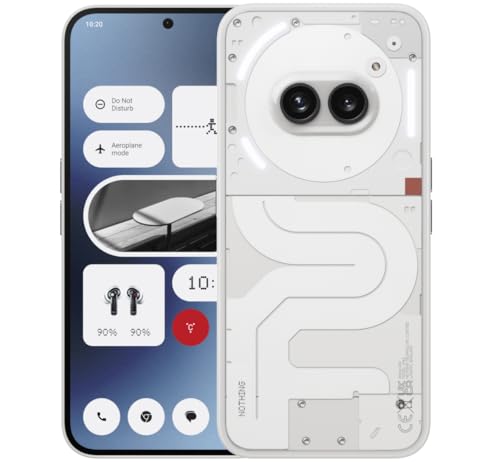
Nothing Phone (2a) — An affordable phone with clean software and a distinctive design — the entry point done sensibly. Check price on Amazon.

OnePlus 12R, 8GB RAM+128GB, Dual-SIM, US Factory Unlocked Android Smartphone, 5500 mAh… — A mid-range performance model with a big battery and fast charging, the tier most buyers should start from. Check price on Amazon.

Samsung Galaxy S24 Ultra Cell Phone, 256GB AI Smartphone, Unlocked Android, 200MP, 100x… — A flagship with the full camera system, stylus and premium build, for buyers whose habits justify the top tier. Check price on Amazon.

Apple iPhone 15, 128GB, Black – Unlocked (Renewed Premium) — A recent iPhone in renewed premium condition, an alternative route to flagship quality through certified refurbishment. Check price on Amazon.
Smartphone Buying Guide: The Criteria That Matter, in Plain Language
Processor names are coded by generation and tier, and the only rule you need is that newer generally beats older at the same tier, and efficiency matters as much as speed. For everyday use, any current mid-range chip is fast; flagship chips earn their keep in gaming, heavy multitasking and lasting an extra year or two before feeling slow. Memory, or RAM, supports that multitasking: more helps heavy users, but software optimisation matters as much as the number.
Storage is the criterion buyers most often under-buy. It holds your photos, videos, apps and the system itself, it cannot be expanded on most phones, and running short actively slows the device. Buy for the phone’s whole life, not its first month: check your current usage and at least double it. Battery capacity is quoted in milliamp hours, but real endurance depends on screen size and efficiency, so trust independent battery tests over the raw figure.
Screens should be judged on brightness for outdoor use, refresh rate for smoothness, and panel type for contrast. Cameras should be judged on sensor size, optical stabilisation, the lens set — main, ultrawide, telephoto — and sample photos in your kind of light, never on megapixel counts alone. Finally, the update commitment, stated in years by the manufacturer, quietly determines the phone’s safe lifespan.
How to Prioritise by Use Case
If you photograph constantly, especially children, events or travel, put the camera system first: a large main sensor, stabilisation and a real telephoto if subjects are distant. Spend less on processor than your instincts suggest, because camera hardware, not chip speed, is your bottleneck. Storage follows closely, since photographers fill phones fastest.
If the phone is a work tool, prioritise battery, screen brightness for outdoor reading, update support for security compliance, and storage for offline files. Business buyers should also weigh the maker’s enterprise support and how easily the phone joins their organisation’s management systems. A dual SIM or eSIM capability is invaluable if you carry separate work and personal numbers.
If you game, the priorities invert: processor and cooling first, then a fast, bright screen, then battery and charging speed for long sessions. If you simply communicate, stream and browse, almost everything modern works, so prioritise battery, screen comfort and value, and let price decide. Parents buying for teenagers usually do best with durable mid-range phones, good cases and strong parental controls rather than flagship hardware.
Understanding the Tiers Without Prices
Entry-tier phones handle communication, browsing, social apps and casual photography competently. Their compromises are camera quality in low light, shorter update support and screens that struggle outdoors. They suit light users, first phones and anyone whose phone is a tool rather than a hobby, provided the update promise is checked carefully, because this tier contains both honest bargains and abandonware.
Mid-range phones are the sweet spot for most buyers: bright OLED screens, capable main cameras, all-day batteries, fast charging and respectable update commitments. What they trim versus flagships is zoom cameras, premium materials, wireless charging and the last increment of processor speed — losses most owners never notice in daily use.
Flagships add the best camera systems, the brightest screens, premium build, full water resistance, wireless charging and the longest support. They justify themselves for photographers, gamers, professionals whose phone is their office, and anyone keeping a phone for four or more years. Judged per year of supported life, a flagship kept long can rival a mid-range phone replaced sooner.
Buying Smart: Timing, Condition and Total Cost
Timing helps. Prices on a model ease after launch and again when its successor approaches, and previous-generation flagships become compelling when their remaining update life is still long. Carrier deals deserve arithmetic: compare the plan’s total cost over its term against buying unlocked, including the value of being free to switch networks.
Certified refurbished phones from the manufacturer or a reputable programme offer flagship quality at mid-range money, with tested hardware and a warranty. The checks are battery health standards, warranty length and return policy. Uncertified used phones are a gamble on battery wear and hidden damage that only confident buyers should take.
Count the total cost of ownership: the phone, a case and protector, possibly a charger if none is included, cloud storage for backups, and a battery replacement if you keep it for years. A slightly more expensive phone with everything included and longer support can be the cheaper purchase over its life.
A Buyer’s Walkthrough: From Shortlist to Decision
Put the criteria together in a real sequence. Begin by eliminating every phone that fails a non-negotiable: wrong network bands, the wrong operating system for your household, storage below your floor, or an update commitment shorter than you intend to keep the phone. This pass is brutal and quick, and it usually halves the market. What survives is a shortlist of phones that cannot be wrong in any way that matters, which is the correct definition of progress in a confusing market.
Next, rank the survivors by your top two experiential criteria — for most people some pair of camera, battery and screen. Use independent reviews with measured tests rather than launch coverage, and read the sections about weaknesses with more attention than the celebrations, because a phone’s flaws are what you will live with while its strengths become invisible through familiarity. If a review’s chief complaint is a feature you never use, that phone just moved up your list.
Finish with the ownership arithmetic: total cost over your realistic keeping period, including case, storage subscription if you will need one, and the trade-in or resale you can expect at the end. Then buy the phone at the top of the ranking without reopening the question. Decision fatigue is a real cost in phone shopping, and a shortlist built on non-negotiables plus your two criteria cannot produce a bad outcome — only slightly different good ones.
Buying for Someone Else: Children, Parents and Partners
Buying for another person inverts the usual priorities, because the best phone is the one its owner can use confidently and you can support from a distance. For an older parent, prioritise a large, bright screen, simple software with a consistent interface, strong battery, and the platform the rest of the family uses — because family tech support flows through shared familiarity, and a phone nobody else in the family understands becomes a phone nobody can help with over the phone.
For a child or teenager, durability and replaceability outrank specifications: a mid-range phone in a serious case, with a screen protector treated as a consumable, parental controls configured before handover, and storage modest enough to discourage hoarding a thousand videos. Agree the charging, bedtime and breakage rules at the moment of the gift, not after the first incident, and enable location sharing and backup from day one.
For a partner, the honest shortcut is to ask about their two criteria rather than guessing from your own — photographers and battery-anxious travellers live in different worlds — and then apply this guide’s sequence on their behalf. And whoever the phone is for, set it up completely before handing it over: accounts signed in, backup running, updates automatic, case fitted. A phone delivered truly ready is a gift; a phone delivered as a project is a chore wearing a ribbon.
Reading Reviews Without Being Mislead
Reviews are the buyer’s best tool and a subtle trap, because reviewers test phones as reviewers — benchmarking processors, photographing test scenes, draining batteries with scripts — while you will live with the phone as an owner. Use reviews for what they measure well: battery endurance under a defined test, screen brightness in numbers, camera samples in controlled comparisons, and the update commitment stated plainly. These are facts, and they transfer to your life regardless of the reviewer’s taste.
Discount what reviews cannot measure for you: whether the software’s character suits your patience, whether the size fits your hand, whether the camera’s colour taste matches yours. Reviewers also overweight novelty — the new feature gets the headline — while owners live with the unglamorous constants of weight, grip, speaker clarity and how the phone behaves at month eighteen. Read the sections about weaknesses and long-term notes twice; they are written for owners, while the celebrations are written for launch day.
Beware the single-review decision. Camera comparisons between the same two phones reach different verdicts in different publications because scenes and tastes differ, so sample several, especially for the criteria at the top of your personal list. Where reviews agree — a battery champion, a camera disappointment, a support promise — believe them. Where they split, the difference is taste, and your own hands and eyes in a shop are the tiebreakers.
User reviews add a different signal: patterns of failure. A phone whose owner reports cluster around a swollen battery, a fragile hinge or an update that broke charging is telling you something no launch review could know. Read for repeated specifics rather than star averages, and weight reports from owners at six months over the first-week impressions that dominate the counts.
Assembled this way — measured facts from professionals, failure patterns from owners, hands-on judgement from yourself — reviews become what they should be: evidence in a decision you own, rather than a verdict you obey.
Common Mistakes to Avoid
- Buying storage for today instead of the phone’s lifetime. Photos and apps grow relentlessly and storage cannot be added to most phones. Under-bought storage is the most common and most permanent buying regret.
- Chasing headline numbers like megapixels and peak brightness. These are chosen for marketing. Sensor size, sustained brightness, stabilisation and sample results predict your experience far better.
- Ignoring the update commitment. The phone becomes unsafe for banking when patches stop, whatever its hardware condition. The commitment in years is a core specification.
- Comparing phones only on launch prices. Deals, trade-ins, refurbished options and cost per supported year change the real ranking. Do the whole-life arithmetic.
Pro Tips
- Write your three priorities before shopping and refuse to be upsold past them; spec creep is how budgets die.
- If two phones tie, choose the one with the longer update commitment and more storage — the two things you cannot fix later.
- Check the phone works on your carrier’s bands using the exact model number, especially when buying imported or refurbished.
Building Your Shortlist: A Method That Works at Any Budget
Random browsing produces anxiety; a method produces a shortlist. Begin by fixing the constraints that are not negotiable: your carrier or network, your maximum size in the hand, your minimum storage, and your budget ceiling including a case and any charger you need to buy. Those four lines eliminate most of the market instantly, which is a kindness, because the remaining field can then be compared on the qualities that differentiate phones rather than on whether they fit your life at all. Write the constraints down; a written brief survives a persuasive sales conversation far better than a vague intention.
Next, rank your top two experiences. Cameras, gaming, battery endurance, screen quality, durability for physical work, compact size for small hands: every phone is a compromise that favours some of these, and the models that favour your top two are your shortlist, whatever their other specifications say. Three to five models is the right size for a shortlist. Fewer and you may miss the value outlier; more and you will start deciding by whichever review you read last. Compare those few on full-size camera samples of your subjects, on update end dates, and on total cost with the storage tier you actually need.
Finally, interrogate the deal rather than the phone. The same model varies enormously in real cost depending on trade-in values, carrier lock-in, bundled subscriptions you will forget to cancel, and whether the headline price assumes a three-year contract on an expensive tariff. Calculate the total cost of ownership across the contract or the years you will keep the phone, including the plan premium, and compare that figure across sellers. The best phone bought badly can cost more than a better phone bought well.
Specifications Translated: What Each Line Buys You in Daily Life
Processor names are codes, so translate them into generations and tiers. A current mid-range processor handles everyday life beautifully; a flagship processor buys gaming headroom, faster photo processing and longer relevance. Memory translates into how many apps stay alive when you switch between them, and storage into how many years of photos fit before management begins. These translations matter because sellers will happily let you pay for a spectacular number in a category you never stress while quietly fitting the base tier in the category you stress daily.
Display specifications translate into environments. Brightness is your outdoor readability, refresh rate is your scrolling and gaming smoothness, and resolution beyond a comfortable sharpness at your viewing distance is largely invisible. Battery capacity translates only loosely into endurance, because screen size, processor efficiency and software decide how fast the tank empties; trust measured endurance in reviews of your usage pattern more than the raw capacity figure. Charging speed translates into lifestyle: a fast system rewards short top-ups, while a slow one rewards an overnight routine, and neither is wrong if it matches yours.
Camera specifications need the most translation of all. Sensor size and lens quality predict low-light results; megapixel counts predict cropping flexibility; the number of lenses predicts versatility only if the extra lenses are good enough to use. Water resistance ratings translate into rain and spill confidence, not swimming permission. Update promises translate into the date your phone stops being safe for banking, which for a long keeper is the most important date in the entire specification sheet.
Questions to ask about any phone before it joins your shortlist
- Until what year will it receive security updates, in writing from the maker?
- What does a screen and a battery replacement cost locally, and how long does it take?
- Does the price quoted include the storage tier and charger you actually need?
- How does its camera handle your subjects, in full-size samples, indoors?
- Can you return it within a real trial window if the size or screen bothers you?
Buying Channels, Timing and Avoiding Expensive Regrets
Where you buy shapes what you own. Manufacturer stores offer clean unlocked devices, clear update information and straightforward returns, sometimes at the highest headline price. Carriers offer monthly spreading and trade-in theatre that can be genuinely valuable or quietly expensive depending on the tariff attached. Independent retailers compete on price for identical unlocked hardware. Refurbished programmes from manufacturers offer tested devices with warranties and graded batteries. None of these is automatically best; the discipline is to compare the same phone, same storage, same total cost, across at least two channels before deciding.
Timing is worth real money in this market. Prices step down when successors launch, during major sale seasons, and quietly a few months into a model’s life when launch demand fades. If your current phone still works, buying one generation behind the announcement cycle is the most reliable saving in consumer technology. If your phone has failed, the saving from waiting is theoretical and a fair price today beats a perfect price next quarter. Either way, avoid buying a model days before its known successor announcement unless its price has already fallen in anticipation.
The return window is your final quality control. Use it deliberately: test the camera at your family dinner, the signal at your desk and your commute, the size in your pocket and car holder, the screen in your bed and your garden. Phones reveal their mismatches in your environments, not in a shop. A buyer who tests honestly inside the window and returns without embarrassment when a phone is wrong will end up happier than one who keeps a mismatched flagship out of pride.
After the Purchase: Setup Choices That Shape the Next Three Years
The first evening with a new phone echoes for years. Restore or set up fresh with intention: install the apps you use, not the hundred you had, sign into accounts with your password manager and authenticator ready, and set up backup before the first irreplaceable photo exists. Choose your default apps, your notification rules and your privacy permissions while you are in a deciding mood, because defaults accepted in a hurry become habits you will live inside. Photograph your receipts and warranty details into a backed-up folder the same day.
Protect the investment physically and financially in proportion to its value and your accident history. A case and screen protector bought on day one are cheaper than a screen on day forty. Check whether your bank, card or household insurance already covers accidental damage before buying duplicate cover at the till. Register the device, enable find-my-device, and record its identifiers in your password manager, all while the box is still on the table.
Then give the phone a fair settling period. Indexing, photo analysis and battery learning make the first days unrepresentative, so judge endurance and speed after several normal days. If something still feels wrong, you are inside the window where a return or exchange is a right, not a favour. A buying guide’s job is not finished at the checkout; it is finished when the phone has survived your real life for a fortnight and you have stopped thinking about it, which is the highest compliment a tool can earn.
Buying for Someone Else: Children, Parents and Partners
Buying a phone for another person multiplies every mistake you could make for yourself, because their hands, eyes, habits and patience are not yours. Start by watching them use their current phone and asking what frustrates them about it, then believe the answer even when it is not a specification. A parent who says the phone is confusing needs clarity, larger text and a set-up session more than they need a faster processor. A teenager who says the camera is embarrassing needs the camera, the storage for their creative chaos, and a case that survives their life, in that order.
Set the phone up as part of the gift, because an unconfigured phone handed over in a box transfers a weekend of work to the person least equipped for it. Transfer their data with them present, sign into their accounts with their passwords recorded in their own safe place, enable backup and find-my-device, install their essential apps, and delete the promotional clutter before they ever see it. Then spend twenty minutes teaching the three gestures and settings they will use daily. That afternoon is the actual present; the phone is merely its container.
Choose durability and support over brilliance for dependent users. A mainstream model your family already knows how to help with, with cheap cases available locally and an update window covering its whole planned life, will serve a parent or child better than a superior exotic that nobody nearby can troubleshoot. Agree the plan for loss and breakage in advance, insurance, a spare, or a repair budget, while everyone is calm. A phone bought for someone else succeeds when its owner forgets it exists and simply lives through it, and that outcome is designed, not accidental.
Contracts, Finance and Reading the Small Print Without Fear
The phone’s price and the deal’s price are different animals, and the small print is where they diverge. A monthly figure that looks gentle can conceal a long commitment, a tariff with more data than you will ever use priced as if it were a gift, insurance added by default, and a trade-in credit paid as small monthly discounts that vanish if you leave early. None of these are necessarily bad; all of them should be visible. Ask for the total amount payable across the whole term, the cost of the tariff alone elsewhere, and what happens if you want to settle early, and write the three answers down before signing anything.
Interest-free finance from manufacturers and retailers is often exactly what it claims, and it spreads cost without inflating it, provided the term fits your ownership plan and you are disciplined about the payments. Carrier deals earn their keep when trade-in values are genuinely inflated beyond the second-hand market, which happens often enough to check every time. They lose their shine when the discount requires a premium tariff you would never otherwise buy, because the tariff premium over two or three years can quietly exceed the handset saving it was meant to justify.
Protect yourself in the transaction’s final details. Confirm the phone is new or graded as described, that it is not locked in ways that will surprise you, that the warranty is the maker’s own, and that the return window is measured in days you can actually use. Keep every document in one backed-up folder. Deals in this market are designed to be compared quickly and understood slowly; the buyer who slows the last five minutes down, totals in hand, almost never regrets the signature.
Sustainability and the Case for Keeping, Refurbishing and Choosing Well
Every phone carries an environmental cost paid mostly before it reaches you, in mining, manufacturing and shipping, which makes longevity the greenest specification of all. A phone chosen well, with enough storage, a replaceable battery path, a long update window and a case from day one, can serve one owner for four years and another for two more, halving its footprint per year of use. The refurbished market deserves a permanent place in your buying method for the same reason: a manufacturer-refurbished phone with a graded battery and a warranty is not a compromise but a mature product with its early life already survived.
When you do replace a phone, complete its story responsibly. Wipe it properly after signing out of every account, then sell, gift or trade it while it still has update life and value to give, rather than drawer-hoarding it into worthlessness. Recycle genuinely dead devices through proper electronic-waste routes so their materials re-enter use and their batteries stay out of landfill. Chargers and cables multiply in drawers for the same reason; buy fewer, better ones, as this guide’s companion pieces advise, and the household’s whole electronic footprint shrinks without a single sacrifice of convenience.
Let sustainability inform the choice without hijacking it. A phone you love, keep and repair beats a theoretically greener phone you replace in frustration after a year. Buy once, buy well, maintain honestly, and pass it on: that sequence, followed by millions of ordinary buyers, is worth more than any single material innovation, and it has the pleasant side effect of being the cheapest way to own phones ever discovered.
Buying for Someone Else: Children, Parents and Partners
Buying a phone for another person multiplies every mistake you could make for yourself, because their hands, eyes, habits and patience are not yours. Start by watching them use their current phone and asking what frustrates them about it, then believe the answer even when it is not a specification. A parent who says the phone is confusing needs clarity, larger text and a set-up session more than they need a faster processor. A teenager who says the camera is embarrassing needs the camera, the storage for their creative chaos, and a case that survives their actual life, in that order, and will trade every benchmark in the shop for those three things.
Set the phone up as part of the gift, because an unconfigured phone handed over in a box transfers a weekend of work to the person least equipped for it. Transfer their data with them present, sign into their accounts with their passwords recorded in their own safe place, enable backup and find-my-device, install their essential apps, and delete the promotional clutter before they ever see it or learn to ignore it. Then spend twenty minutes teaching the three gestures and settings they will use daily, slowly, with them doing the tapping. That afternoon is the actual present; the phone is merely its container, and the confidence you install outlasts the handset.
Choose durability and support over brilliance for dependent users. A mainstream model your family already knows how to help with, with cheap cases available locally and an update window covering its whole planned life, will serve a parent or child better than a superior exotic that nobody nearby can troubleshoot at a kitchen table. Agree the plan for loss and breakage in advance, insurance, a spare handset, or a repair budget, while everyone is calm and the phone is still in its box. A phone bought for someone else succeeds when its owner forgets it exists and simply lives through it, and that outcome is designed in advance, not accidental.
Contracts, Finance and Reading the Small Print Without Fear
The phone’s price and the deal’s price are different animals, and the small print is where they diverge. A monthly figure that looks gentle can conceal a long commitment, a tariff with more data than you will ever use priced as if it were a gift, insurance added by default, and a trade-in credit paid as small monthly discounts that vanish if you leave early. None of these are necessarily bad; all of them should be visible before you sign. Ask for the total amount payable across the whole term, the cost of the tariff alone elsewhere, and what happens if you want to settle early, and write the three answers down where the salesperson can see you writing.
Interest-free finance from manufacturers and retailers is often exactly what it claims, and it spreads cost without inflating it, provided the term fits your ownership plan and you are disciplined about the payments arriving on time. Carrier deals earn their keep when trade-in values are genuinely inflated beyond the second-hand market, which happens often enough to check every time rather than assume. They lose their shine when the discount requires a premium tariff you would never otherwise buy, because the tariff premium over two or three years can quietly exceed the handset saving it was meant to justify, leaving you paying flagship money for a mid-range experience.
Protect yourself in the transaction’s final details. Confirm the phone is new or graded exactly as described, that it is not locked in ways that will surprise you later, that the warranty is the maker’s own, and that the return window is measured in days you can actually use for testing. Keep every document in one backed-up folder from the first evening. Deals in this market are designed to be compared quickly and understood slowly; the buyer who slows the last five minutes down, totals in hand, asking plain questions in a friendly voice, almost never regrets the signature, and the buyer who hurries those minutes funds the difference.
Sustainability and the Case for Keeping, Refurbishing and Choosing Well
Every phone carries an environmental cost paid mostly before it reaches you, in mining, manufacturing and shipping, which makes longevity the greenest specification of all. A phone chosen well, with enough storage, a replaceable battery path, a long update window and a case from day one, can serve one owner for four years and another for two more, halving its footprint per year of use without any sacrifice of experience. The refurbished market deserves a permanent place in your buying method for the same reason: a manufacturer-refurbished phone with a graded battery and a real warranty is not a compromise but a mature product with its early life already survived and its infant faults already found by someone else.
When you do replace a phone, complete its story responsibly. Wipe it properly after signing out of every account, then sell, gift or trade it while it still has update life and value to give, rather than drawer-hoarding it into worthlessness beside its own charger. Recycle genuinely dead devices through proper electronic-waste routes so their materials re-enter use and their batteries stay out of landfill and water. Chargers and cables multiply in drawers for the same reason phones do; buy fewer, better ones, as this guide’s companion pieces advise, and the household’s whole electronic footprint shrinks without a single sacrifice of convenience or capability.
Let sustainability inform the choice without hijacking it. A phone you love, keep and repair beats a theoretically greener phone you replace in frustration after a year, every time, on every ledger that matters. Buy once, buy well, maintain honestly, and pass it on while it is still useful: that sequence, followed by millions of ordinary buyers, is worth more than any single material innovation a manufacturer will announce this year, and it has the pleasant side effect of being the cheapest way to own phones ever discovered, which is not a coincidence but a consequence.
A Word on Patience as a Buying Strategy
The most underrated tool in this entire guide costs nothing: a waiting period between deciding and paying. Write your shortlist, your storage tier and your maximum total price on paper, then wait a week unless your current phone has failed. In that week, prices move, long-term reviews appear, and the urgency manufactured by launches and countdown timers evaporates, leaving the decision you actually believe in. Buyers who institutionalise patience buy the same phones for less money and with fewer regrets than buyers who shop in a single excited evening, and the difference compounds across a lifetime of devices into a sum worth having.
Related Guides
- best smartphones under 300
- best smartphones under 500
- best smartphones under 600
- best smartphones for photography
- best smartphones for business
- best smartphones for seniors
- how to choose a smartphone
- flagship vs mid range smartphone
- android vs iphone
Frequently Asked Questions
How much should I spend on a smartphone?
Spend according to use and ownership length, not habit. Light users are genuinely well served by entry and lower mid-range phones. Most people belong in the mid-range, where screens, cameras and batteries are strong and support is respectable. Flagship money is justified by serious photography, gaming, professional use or keeping the phone four-plus years. Judge cost per year of supported life rather than the sticker, and never finance a phone longer than you will keep it.
Which specifications should I check first?
Start with the non-negotiables: carrier band compatibility and the operating system you want. Then check the update commitment in years, storage size, battery test results from independent reviews, screen brightness and the camera system’s lenses and stabilisation. Processor generation matters for longevity and gaming. If a listing leads with megapixels and little else, treat that as a warning about the rest of the phone.
Is it better to buy last year’s flagship or this year’s mid-range phone?
It depends on remaining update life and price. A previous flagship offers better cameras, build and screens, but part of its support runway is spent; a current mid-range phone starts with full support, a fresh battery and a warranty. If the old flagship still has three or more years of updates promised and costs similar money, it is often the richer device. If its support is nearly over, the new mid-ranger is the safer buy.
How long will a new smartphone stay usable?
With a battery replacement at some point, quality phones serve four to five years. The binding limit is software support: once security updates end, the phone should retire from sensitive use. That is why the update commitment is worth prioritising at purchase. Physical longevity is helped by a case, sensible charging habits and avoiding chronic heat, but no care extends a phone past its patch window for safe banking.
Should I buy from my carrier or unlocked?
Carrier purchases spread cost and bundle trade-in deals but tie you to that network and its update schedule, and the plan total can exceed the phone’s price. Unlocked phones cost more up front yet offer freedom to switch carriers for better deals, cleaner software and usually faster updates. If you travel internationally or change networks, unlocked wins. If a carrier deal’s total genuinely undercuts the unlocked price, take it with your eyes open.
Are extended warranties and protection plans worth it?
They are worth it when the phone is expensive, the user is accident-prone or works in damaging environments, and the plan covers accidental damage including screens with a reasonable excess. They are poor value for inexpensive phones or careful users with a good case, where self-insuring costs less over time. Read what is excluded — liquid damage and loss are commonly separate — before assuming you are covered.
When is the best time of year to buy a phone?
The reliable moments are just after a successor is announced, when the outgoing model is discounted and still fully supported, and during the major sale seasons, when retailers compete on identical hardware. A few months into any model’s life is the quiet third window, when launch pricing has softened and long-term reviews exist to buy by. If your current phone has failed, a fair price today beats a perfect price next quarter, because a phone is a tool you use hourly. If it has not failed, patience is the highest-yield accessory in this entire guide.
Should I buy the previous year’s model?
Often, yes, and it is one of the soundest moves in phone buying. Last year’s flagship at a reduced price frequently beats this year’s mid-range phone on cameras, build and screen, provided its remaining update window still covers your planned ownership. Check that end date in the maker’s published policy, confirm the storage tier is the one you need, and, on refurbished units, confirm the battery health standard and warranty in writing. Bought with those three checks done, a previous-generation phone is not a compromise but a strategy.
How much storage should I buy if I keep a phone for four years?
Look at your current phone’s usage, double it, and then buy the tier above that figure if the price step is tolerable, because libraries only grow and four years is a long accumulation of photos, videos, messages and apps. Storage is the one specification you cannot change later, and a phone that fills in year three slows, refuses updates and forces monthly housekeeping on its owner. Of all the upgrades offered at checkout, this is the one that owners consistently report being glad they bought, long after they have forgotten what the others were.