The flagship vs mid range smartphone question has become the hardest decision in phone buying, because mid-range phones have absorbed most of what flagships used to monopolise: OLED screens, multiple cameras, all-day batteries and fast processors. The flagship premium now buys refinement — the best cameras, the brightest displays, premium materials and the longest support — rather than basic competence.
This comparison breaks down exactly what the extra money buys, criterion by criterion, and where the mid-range quietly wins, including battery life and charging speed. It ends with recommendations by use case, so you can decide whether the flagship premium is worth it for your life, not in the abstract.
Disclosure: As an Amazon Associate, kajuandouglas.com earns from qualifying purchases. Links to Amazon on this page are affiliate links; they cost you nothing extra. Listing details such as price and availability change often, so check the current Amazon listing before you buy.
The Short Answer
For messaging, browsing, social media, streaming and casual photography, a good mid-range phone delivers ninety percent of the flagship experience. Pay for a flagship if you photograph seriously, especially in low light or at zoom, if you game at the highest settings, want the longest update support, or keep phones for four-plus years. Mid-range phones often beat flagships on battery size and charging speed, so the premium is not better at everything.
In this guide
Gear for This Guide
These verified listings bracket the comparison: a current flagship, a strong performance mid-ranger and an affordable all-rounder.

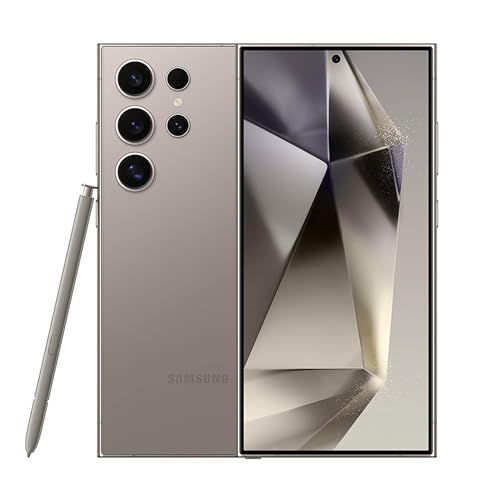
Samsung Galaxy S24 Ultra Cell Phone, 256GB AI Smartphone, Unlocked Android, 200MP, 100x… — A flagship Android phone with a stylus, top-tier cameras and the brightest class of display — the full premium package. Check price on Amazon.

OnePlus 12R, 8GB RAM+128GB, Dual-SIM, US Factory Unlocked Android Smartphone, 5500 mAh… — A performance-focused model below flagship level with a big battery and very fast charging, showing where mid-range fights back. Check price on Amazon.

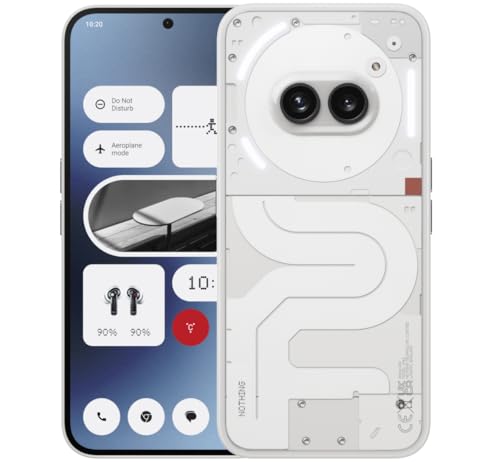
Nothing Phone (2a) — A stylish mid-range phone with clean software, representing the affordable end of sensible. Check price on Amazon.
Flagship vs Mid-Range Smartphone at a Glance
A summary of where the money goes and what it returns.
| Criterion | Flagship | Mid-Range |
|---|---|---|
| Display | Brightest OLED panels, highest refresh rates, best outdoor visibility | Good OLED on most models now, slightly dimmer and simpler |
| Processor | Fastest available chip, best for gaming and longevity | Capable chips that handle everyday apps and most games smoothly |
| Cameras | Large sensors, real telephoto zoom, best low-light and video | Good main camera in daylight; weaker zoom, night and video |
| Build | Premium materials, highest water resistance, wireless charging | Plastic or glass-look bodies, basic splash resistance, wireless charging rare |
| Updates | Longest commitments, often the maker’s best promise | Shorter support, varies widely by brand and model |
| Battery and charging | Good endurance, sometimes slower charging | Often larger batteries and faster charging than flagships |
Performance in Everyday Use
In everyday tasks — messaging, email, browsing, maps, social apps — a current mid-range phone and a flagship feel remarkably similar, because these tasks stopped challenging processors years ago. Apps open quickly on both, scrolling is smooth on both now that high-refresh screens have reached the mid-range, and the differences hide in the extremes: heavy games at maximum settings, editing large videos, or juggling many demanding apps at once.
Where the flagship processor quietly wins is time. A top chip has performance headroom, so in three or four years, when apps are heavier, it still feels responsive while a mid-range chip of the same age starts to labour. If you upgrade every two years, that headroom is wasted on you. If you keep phones until they die, it is one of the best reasons to buy the flagship.
Memory and storage follow the same pattern: flagships offer more RAM and faster storage, which helps heavy multitasking and large file work, but makes little difference to a typical day of calls, photos and feeds.
Cameras: Where the Premium Really Lives
Cameras are the flagship’s strongest argument. The main cameras differ in sensor size and processing, which shows most in difficult light: evening restaurants, concerts, indoor family moments. Flagships hold detail and colour where mid-range photos turn soft or noisy. The gap narrows to almost nothing in bright daylight, where any modern phone takes a pleasing photo.
Zoom is the clearest divide. Flagships carry dedicated telephoto lenses with optical zoom that keep portraits and distant subjects sharp. Mid-range phones mostly crop digitally from the main sensor, which is fine for a small amount of zoom and visibly soft beyond it. If you photograph children on stage, wildlife or sport from the stands, the flagship telephoto is a feature you will use weekly.
Video follows the same pattern: flagships stabilise better, record in more formats and handle mixed lighting with fewer artefacts. For social clips in good light, mid-range video is perfectly serviceable; for anyone creating content seriously, the flagship earns its price here.
Screens, Build and the Feel of the Thing
Hold both and the flagship feels more expensive: tighter construction, better materials, slimmer bezels, a brighter screen that stays readable in direct sun. These are real pleasures if you use your phone for hours daily, but they are luxuries rather than capabilities, and a case — which most people fit immediately — hides most of the material difference anyway.
Water resistance is a functional difference worth noting. Flagships typically carry full IP ratings that survive immersion accidents; mid-range phones often offer splash resistance only, or none. If your phone lives around pools, boats, building sites or small children with drinks, the flagship’s sealing is practical protection, not vanity.
Extras cluster at the top too: wireless and reverse wireless charging, the best stereo speakers, ultrasonic fingerprint readers, stylus support on some models. None is essential; together they form the flagship’s convenience layer. List the ones you would genuinely use — for many people it is zero or one, which settles the argument.
Battery, Charging and Long-Term Support
Here the mid-range strikes back. Freed from thinness targets and premium materials, mid-range phones often carry larger batteries and much faster wired charging than flagships, some refilling in well under an hour. For users whose top priority is never worrying about the battery, a good mid-ranger can be the objectively better phone.
Support is the flagship’s counter-punch. The longest operating system and security update commitments attach to flagship lines, and that support determines how many years the phone stays safe for banking and compatible with demanding apps. Mid-range support has improved but still varies from generous to minimal depending on brand, so check the exact model.
Total cost of ownership narrows the price gap for long keepers. A flagship kept for five supported years can cost less per year than a mid-range phone replaced after three because its updates ended. Run the maths over your realistic ownership period, not the sticker prices.
Who Each Option Suits
Buy the flagship if photography matters to you, especially zoom and low light; if you game seriously; if you want wireless charging, full water resistance and premium build; or if you keep phones four years or more and need the update runway and performance headroom to match.
Buy the mid-range phone if your use is communication, media and casual photos; if battery life and fast charging top your list; if you upgrade every two or three years; or if the money saved is better spent on storage, a good case, earbuds or simply kept. For the majority of buyers, this is now the rational default.
The worst buy is the compromised middle: an old flagship sold at mid-range money with most of its update life already spent, or a mid-range phone priced near flagships on the strength of one headline feature. Compare current models at honest prices and the right tier usually becomes obvious.
The Hidden Middle: Previous Flagships and Refurbished Models
Between the tiers sits an option many buyers miss: the previous generation’s flagship, discounted after its successor launches, or the same phone bought as a certified refurbished unit. These offer flagship cameras, screens and build at mid-range money, and for photographers on a budget they are often the smartest purchase in the entire market. The camera hardware that defined last year’s reviews does not stop being excellent because a newer model exists.
The discipline is checking what time has taken. Count the remaining years of promised updates from today, not from the model’s launch, and compare that figure against a new mid-range phone’s full commitment. Check battery health standards on refurbished units — a certified programme should state them — and confirm the warranty and return window. A previous flagship with three or more supported years remaining and a healthy battery is a bargain; one with eighteen months of support left is a false economy wearing a premium badge.
There is also the base model of the current flagship line to consider, which makers quietly position as the tier-bridger: it keeps the main camera, screen quality and update commitment of its expensive siblings while trimming zoom lenses, materials and charging extras. For many buyers this, rather than either pole of the comparison, is the correct answer — flagship where it is felt daily, mid-range where it is not.
Running the Numbers Over Your Ownership
Sticker prices mislead because the tiers are kept for different lengths of time. Work an honest example with your own figures: a flagship kept for five supported years, with one battery replacement along the way, against a mid-range phone replaced after three years when its updates end, followed by another. Spread over the same six-year window, the two strategies often land surprisingly close in total cost, while delivering different experiences — the flagship path gives you the better camera throughout, the mid-range path gives you a newer phone sooner.
Add the resale correction. Flagships, iPhones especially, retain meaningful value at trade-in, which refunds part of their premium to upgraders. Mid-range phones depreciate to near zero, which is fine if you run them into the ground and wasteful if you upgrade early. Your realistic behaviour — keeper or upgrader — changes which tier is cheaper for you, and it is knowable in advance from your history with your last two phones.
The conclusion most buyers reach after this arithmetic is that the tiers are closer than the marketing suggests, and the decision should be made on experience rather than fear: choose the camera and screen you will enjoy for the years you will actually keep the phone, verify the update runway covers those years, and let the spreadsheet confirm rather than dictate.
Durability, Repairs and the Years After Year One
Ownership past the first year separates the tiers in ways reviews rarely revisit. Flagships are built with tighter tolerances, better sealing and stronger materials, and they tend to survive their years with fewer failures — but when they do fail, their repairs cost flagship money: the finest screens and camera modules are the most expensive parts in the industry, and a flagship screen replacement can approach the price of an entire respectable mid-range phone. The mid-range phone is cheaper to buy and cheaper to mend, and its simpler construction often makes battery replacement straightforward.
Battery ageing is democratic — both tiers’ batteries fade on the same chemistry — but the flagship’s longer software support means its battery is more likely to be worth replacing, extending a phone that remains secure and current. The mid-range phone may reach the end of its update support with a healthy body, at which point a fresh battery buys performance the software no longer underwrites. Plan the battery replacement as part of each tier’s true cost and the flagship’s longevity argument strengthens while the mid-range’s value argument survives intact.
Water resistance follows the same pattern of flagship advantage with a caveat owners learn late: the seals that earn the rating age, and a phone that has been repaired, dropped hard or simply used for years should not be trusted to its original rating on either tier. Treat water resistance as protection against the accidents of the first years, not a permanent property, and the tier difference matters less than the habit of keeping phones away from deliberate immersion.
Accessory ecosystems favour whichever phone sells in volume, which usually means both tiers are well served by their big brands and poorly served by obscure ones. Before choosing an unusual model from either tier, check that cases, protectors and parts exist for it; a phone you cannot protect or repair cheaply is expensive at any price.
The long view therefore refines rather than reverses the comparison: flagships are built and supported to be kept, mid-range phones are priced to be replaced. Decide which owner you are first, and the tier chooses itself.
Common Mistakes to Avoid
- Assuming flagship means better at everything. Mid-range phones regularly beat flagships on battery size and charging speed. Compare the specific criteria you care about.
- Buying last year’s flagship without checking update life. A discounted old flagship may have fewer supported years left than a new mid-range phone. Check the remaining commitment.
- Paying for camera hardware you will not use. If your photos are daylight snaps for social media, flagship zoom and night modes will rarely be opened. Spend the saving on storage instead.
Pro Tips
- The sweet spot for many buyers is the flagship’s smaller sibling or the top mid-range model from the same brand; compare those two first.
- If you keep phones a long time, price per supported year is the fairest comparison between tiers.
- Try the cameras in a shop in the worst light available; daylight samples flatter every phone.
Where the Extra Money Actually Goes on a Flagship
Flagship pricing is not one feature; it is a bundle of small superiorities that add up. The display is brighter outdoors and often more colour-accurate, the body uses premium materials with tighter tolerances, the speakers are fuller, the vibration motor is crisper, and the radios support more bands and faster peak speeds. Individually, none of these justifies the gap. Together they create the intangible sense that everything on the phone is slightly better, all the time. The honest way to value that is to ask how many hours a day you hold the device. For someone whose phone is their primary computer, those small superiorities are experienced for thousands of hours; for a light user, they are experienced barely at all.
Some flagship spending is invisible insurance rather than daily pleasure. Longer update commitments, better water resistance, stronger glass and priority repair networks pay out only when something goes wrong or when year four arrives and the phone still receives security patches. Mid-range phones have closed much of this gap, with several makers now promising respectable update windows on their mid-tier lines, so check the specific promise for the specific model rather than assuming the tier decides it. A mid-range phone with a long published commitment can be a safer three-year buy than an older flagship whose support clock started long ago.
Finally, flagships carry the experimental features: satellite messaging, advanced computational photography modes, desktop modes, stylus support and the fastest charging systems. Most buyers use one or two of these and ignore the rest, which is fine, provided the one or two they use are the ones they paid for. List the flagship-only features of the model you are considering and mark which you would use weekly. If the answer is none, the flagship premium is buying you specifications, not experiences, and a mid-range phone plus the money saved is the better purchase.
The Mid-Range Sweet Spot and How to Find It
The best mid-range phones succeed by spending their budget where daily life happens: a bright screen, a reliable main camera, a big battery, enough performance for mainstream apps and games, and software that stays supported. They save money on the second and third cameras, on exotic materials, on wireless charging and on peak processor speed that most owners never request. Understanding that pattern lets you shop the tier intelligently: compare main cameras and screens closely, forgive modest ultra-wide cameras, and treat headline processor differences within the tier as minor unless you game seriously.
Timing is the mid-range buyer’s superpower. Last year’s flagship, discounted after its successor launches, often competes directly with this year’s mid-range phone while offering better cameras, build and displays, at the cost of a shorter remaining update window. Previous-generation mid-range models drop further still. A buyer who is flexible about having the newest nameplate can routinely get a class above their budget by shopping one generation back, provided they check the update end date and battery condition on renewed units.
Storage and memory tiers are where mid-range value is won or lost at checkout. The base configuration is advertised; the comfortable configuration costs a little more and is almost always worth it, because storage cannot be added later on most models and a cramped phone ages badly. Conversely, the very top configuration of a mid-range phone often costs flagship money while delivering mid-range cameras and support, so if your chosen options carry you into flagship territory, stop and compare against actual flagships before paying.
Tasks where mid-range phones now match flagships for most people
- Messaging, email, browsing and social apps at everyday speeds.
- Daylight photography and casual indoor photos from the main camera.
- Navigation, music and video streaming, including long journeys.
- Mainstream games at sensible settings, and older or lighter titles at full settings.
- All-day battery life, where mid-range phones frequently lead outright.
Long-Term Ownership: Two Years, Four Years, and Handing Down
Your intended ownership length should decide this contest more than any benchmark. On a two-year cycle, a mid-range phone spends its whole life in its prime, receives updates throughout, and is replaced before its battery fades or its processor feels old. The flagship’s advantages in longevity never get used, so its premium buys only the daily refinements. On a four-year plan the maths inverts: the flagship’s faster processor, extra memory, better battery management and longer support are exactly what year four demands, and its higher price divided by twice the service life can make it the cheaper phone per year of good experience.
Handing down extends the same logic. A flagship passed to a parent or teenager in year three still feels respectable, photographs well and remains secure, which makes it a genuinely useful gift rather than a drawer-filler. A mid-range phone at the same age is closer to the edge, though a fresh battery can revive one surprisingly well. Families who plan hand-downs should buy the first phone with that second life in mind: more storage than the first owner needs, a mainstream model with cheap cases and available parts, and an update window that covers both owners.
Resale follows the same curve. Flagships from major brands retain a meaningful fraction of their value because demand for them used is strong. Mid-range phones depreciate faster in percentage terms but cost so much less initially that the cash lost can still be smaller. Run the numbers for your actual pattern rather than by slogan: purchase price, minus realistic resale or trade-in, divided by years of use. That single calculation, done honestly, settles most flagship-versus-mid-range arguments for most households.
Decision Scenarios: Who Should Buy Which, Honestly
Buy the flagship if photography is a hobby rather than a record, if you game with demanding titles, if your phone is your work computer, or if you keep devices for four years and hate the feeling of a phone ageing under you. Buy it also if a specific flagship capability is your hobby’s core tool: the long zoom for birding from paths, the stylus for sketching and notes, the desktop mode for travel without a laptop. In those cases the premium is not indulgence; it is the price of the right instrument, and a mid-range substitute would frustrate you daily.
Buy mid-range if your days are messaging, browsing, navigation, music, video and family photos, if you upgrade every two or three years, or if losing or breaking a phone would be a financial event rather than an annoyance. Buy it also for teenagers, for parents whose needs are communication and photos, and as a second or work phone. The money saved is real and can fund storage upgrades, a good case, a tablet, or simply stay in the bank, none of which a spec sheet will mention.
The mistake to avoid is buying by anxiety: flagship because mid-range might feel cheap, or mid-range because flagship feels wasteful, without reference to your actual tasks. Phones are tools used for hours a day, and the right tier is the one whose strengths match your heaviest regular tasks while its weaknesses sit in areas you rarely touch. Match the tool to the life, and both tiers contain excellent answers.
Where the Extra Money Actually Goes on a Flagship
Flagship pricing is not one feature; it is a bundle of small superiorities that add up across every hour of use. The display is brighter outdoors and often more colour-accurate, the body uses premium materials with tighter tolerances, the speakers are fuller, the vibration motor is crisper, and the radios support more bands and faster peak speeds. Individually, none of these justifies the gap. Together they create the intangible sense that everything on the phone is slightly better, all the time, in every lighting condition and every app. The honest way to value that bundle is to ask how many hours a day you hold the device: for someone whose phone is their primary computer, those small superiorities are experienced for thousands of hours; for a light user, they are experienced barely at all, and the premium buys almost nothing they will ever notice.
Some flagship spending is invisible insurance rather than daily pleasure. Longer update commitments, better water resistance, stronger glass and priority repair networks pay out only when something goes wrong or when year four arrives and the phone still receives security patches while its cheaper contemporaries have been retired. Mid-range phones have closed much of this gap, with several makers now promising respectable update windows on their mid-tier lines, so check the specific promise for the specific model rather than assuming the tier decides it. A mid-range phone with a long published commitment can be a safer three-year buy than an older flagship whose support clock started long ago and whose remaining window is quietly shorter than the newcomer’s.
Finally, flagships carry the experimental features: satellite messaging for emergencies beyond coverage, advanced computational photography modes, desktop modes that turn the phone into a small computer, stylus support and the fastest charging systems their makers offer. Most buyers use one or two of these and ignore the rest, which is perfectly fine, provided the one or two they use are the ones they paid for. List the flagship-only features of the model you are considering and mark which you would use weekly in your real life. If the answer is none, the flagship premium is buying you specifications rather than experiences, and a mid-range phone plus the money saved, spent on storage, a tablet, or nothing at all, is the better purchase by your own evidence.
The Mid-Range Sweet Spot and How to Find It
The best mid-range phones succeed by spending their budget where daily life happens: a bright screen, a reliable main camera, a big battery, enough performance for mainstream apps and games, and software that stays supported for a respectable number of years. They save money on the second and third cameras, on exotic materials, on wireless charging and on peak processor speed that most owners never request. Understanding that pattern lets you shop the tier intelligently: compare main cameras and screens closely, forgive modest ultra-wide cameras, and treat headline processor differences within the tier as minor unless you game seriously, because within a tier the experience differences are usually smaller than the marketing suggests.
Timing is the mid-range buyer’s superpower. Last year’s flagship, discounted after its successor launches, often competes directly with this year’s mid-range phone while offering better cameras, build and displays, at the cost of a shorter remaining update window that must be checked honestly. Previous-generation mid-range models drop further still, and manufacturer-refurbished units add a warranty to the saving. A buyer who is flexible about having the newest nameplate can routinely get a class above their budget by shopping one generation back, provided they verify the update end date and, on renewed units, the battery health standard the programme guarantees.
Storage and memory tiers are where mid-range value is won or lost at checkout, quietly and permanently. The base configuration is the one advertised; the comfortable configuration costs a little more and is almost always worth it, because storage cannot be added later on most models and a cramped phone ages badly, slowing as it fills and forcing monthly housekeeping. Conversely, the very top configuration of a mid-range phone often costs flagship money while delivering mid-range cameras and support, so if your chosen options carry you into flagship territory, stop and compare against actual flagships before paying, because at that price the flagship’s cameras, build and longevity usually win the argument you were trying to avoid.
Tasks where mid-range phones now match flagships for most people
- Messaging, email, browsing and social apps at everyday speeds.
- Daylight photography and casual indoor photos from the main camera.
- Navigation, music and video streaming, including long journeys.
- Mainstream games at sensible settings, and older or lighter titles at full settings.
- All-day battery life, where mid-range phones frequently lead outright.
Cameras Compared Honestly: Daylight Parity, Midnight Reality
The camera is where the tier gap still shows, but it shows selectively rather than everywhere. In daylight, a good mid-range main camera and a flagship are close enough that most viewers, shown both photos on a phone screen, will choose by colour taste rather than quality. The flagship pulls away as conditions deteriorate: indoors at night, at concerts, in candlelit restaurants, where its larger sensors, better stabilisation and more powerful processing hold detail and colour that the mid-range phone smears into watercolour. It pulls away again at distance, where a genuine telephoto lens replaces the digital cropping that mid-range phones disguise as zoom, and in video, where flagship stabilisation, audio and consistency across lenses remain a class apart.
The buyer’s task is to price their own darkness and distance rather than a reviewer’s. Count your last month of photos honestly: how many were indoors in poor light, how many needed reach across a hall or a pitch, how many disappointed you when you zoomed or printed? If the count is low, the flagship camera premium buys insurance against rare events, and insurance should be priced calmly, not emotionally. If your life is school concerts, evening sport, travel to dim old cities and family milestones in restaurants, the flagship camera is not a luxury at all; it is the correct tool for the exact moments you will reprint and re-share for decades, and the mid-range phone would tax every one of them.
One more camera truth belongs here: consistency. Flagships tend to produce similar colour and exposure from all their lenses, so a set of photos from one event hangs together like a story. Mid-range phones often pair a fine main camera with weak companions, so the ultra-wide and zoomed shots from the same evening look as if they came from a different, cheaper phone, because optically they did. If you shoot whole events rather than single frames, judge a phone by its weakest lens that you will actually use, not by its strongest, and the tier decision often makes itself in the shop.
Build, Software and the Quiet Costs of Each Tier
Flagships feel expensive for structural reasons: rigid metal frames, precisely fitted glass, tight buttons, dense and balanced weight, and water resistance engineered and tested to a high standard. Mid-range phones increasingly imitate this well, and the best of them feel genuinely premium for the first year. The differences emerge with age and accidents, when premium frames survive drops that crack plastic ones and flagship water resistance, while never a guarantee, is built with more margin. For a phone that works on building sites, farms, boats or simply in clumsy hands, build quality is not vanity; it is the repair bill you do or do not pay in year two.
Software is where some mid-range savings are quietly recovered from you later. Certain cheaper phones subsidise their price with pre-installed promotional apps, advertising inside system utilities, and notification spam from the maker’s own store, all of which can usually be disabled with an evening’s patience, but which return the price difference in the currency of your attention. Flagships from the same makers are typically cleaner, and some mid-range lines are commendably free of this behaviour, so the defence is research: read long-term reviews specifically for mentions of advertising and bloat on the exact model, because this trait varies by line and region rather than by tier alone, and it is almost never mentioned on a box.
Size and weight cut across the tiers in the buyer’s favour if chosen well. Flagships have grown large and heavy, and some mid-range lines now offer the compact, light phones that flagship ranges abandoned, which small hands, shirt pockets, runners and anyone with grip difficulties may find to be their best device for ergonomic reasons alone. The best phone is the one that fits the hand that holds it for hours a day, that survives the life that hand lives, and whose software respects its owner. Neither tier has a monopoly on that fit, which is why this comparison ends, as it began, with your life rather than with a league table.
Gaming and Heavy Apps: Where the Processor Gap Becomes Visible
For most tasks the processor difference between the tiers is a rumour, but games tell the truth. Demanding titles at high settings separate the tiers within minutes: the flagship sustains its frame rates as it warms, holds higher resolutions and effects, and keeps doing so in year three as games grow heavier, while the mid-range phone asks for compromises in settings sooner and feels its age in this one arena before anywhere else. If gaming is a daily, serious hobby, this is the flagship’s clearest functional argument, stronger than its cameras for many buyers, and it should be tested with your actual games rather than with a benchmark, because thermal behaviour over twenty minutes matters more than a peak score over twenty seconds.
Video editing, high-resolution recording and augmented-reality apps form the second heavy brigade, stressing sustained performance, storage speed and heat in combination. Creators who publish from their phones will feel the flagship’s headroom as saved minutes on every export and as reliability during long recordings. Everyone else should note how small the heavy brigade is in their own week before paying its admission price. A phone bought for a hobby you practise twice a year is a very expensive ticket to those two afternoons, and the mid-range phone plus a dedicated device for the hobby is often the smarter household arithmetic.
The Decision, Compressed: A Five-Question Finish
If the preceding pages have left you balanced between the tiers, five questions usually break the tie honestly. Do you photograph in the dark or at a distance every week? Do you play demanding games most days? Will you keep this phone for four years or hand it down to family? Is your phone your primary work computer? Would a repair bill or a replacement this year be a financial event in your household? The first four questions point toward the flagship with each yes; the fifth points firmly toward the mid-range, and it outranks the others, because a phone should never be a source of financial anxiety in the pocket it lives in.
Answer them in writing, for your actual life rather than your aspirational one, and the tier chooses itself. Then execute the purchase with the same discipline this guide has applied throughout: the storage tier you need, the update window verified, the total cost compared across channels, and the return window used as a testing period in your real environments. Tier anxiety dissolves under that process, because the decision stops being about status or fear and becomes what it always should have been: a tool, matched to a life, at a price that life can carry comfortably for years.
Related Guides
- best smartphones under 500
- best smartphones under 600
- best smartphones under 300
- best smartphones for photography
- best smartphones for business
- android vs iphone compared
- smartphone buying guide
- how to choose a smartphone
Frequently Asked Questions
How much better are flagship cameras really?
In bright daylight, barely — any modern phone takes good photos in good light. The flagship advantage appears in low light, at zoom ranges beyond a small crop, in fast-moving subjects and in video stabilisation and quality. If your photography is mostly outdoors and social, the mid-range camera will not hold you back. If you shoot concerts, evening events or children on stage, the flagship difference is obvious in every album.
Do mid-range phones last as long as flagships?
The hardware can, but software support usually decides. Flagships receive the longest update commitments, keeping them secure and compatible for more years. Some mid-range lines now promise respectable support too, so check the specific model. A mid-range phone with four or five promised years of updates can be a perfectly good long-term buy; one with two years cannot, whatever its hardware.
Is a flagship worth it for gaming?
For the most demanding games at the highest graphics settings and refresh rates, yes — flagship chips sustain performance longer without overheating and slowing down, and flagship screens and speakers complete the experience. For the majority of popular games, which are designed to run on everything, a performance-focused mid-range phone plays them smoothly. Serious competitive players benefit most from the flagship; casual players will not feel the difference.
Why do mid-range phones have bigger batteries?
Mid-range phones are usually thicker and built from cheaper materials, leaving more internal room, and their makers compete on headline battery and charging numbers because those are easy wins. Flagships spend internal space on camera hardware, wireless charging coils and premium components, and chase thinness. The result is a genuine mid-range advantage in endurance and charging speed that surprises many buyers.
Should I buy a flagship on a long payment plan?
Spreading the cost is reasonable if the plan’s total matches the phone’s price and you will keep the phone for the plan’s length. Be cautious when the monthly figure hides a total well above the unlocked price, or when the plan outlasts the phone’s update support. Compare the plan total against buying a mid-range phone outright; the difference often funds years of service.
What is the best compromise between the two tiers?
Look at the models just below flagship from the major brands — sometimes called flagship killers or the base model of the flagship line. They keep the main camera quality, screen and update support while trimming zoom lenses, materials or charging extras. For many buyers this tier delivers the flagship experience where it matters and mid-range pricing where it does not.
Do mid-range phones receive updates for as long as flagships?
Increasingly, the better mid-range lines come close, with makers publishing multi-year commitments for security updates and several major system versions. The cheapest models still lag, sometimes receiving only brief support that ends while the hardware is perfectly capable. The rule is to check the written commitment for the exact model rather than trusting the tier: a mid-range phone with a long published window can outlast an older flagship whose clock started earlier. That end date, more than the launch specification, decides how long either phone can be trusted with your accounts.
Is the camera difference visible if I only share photos on social media?
Less than you might expect in daylight, where both tiers produce images that survive compression gracefully and look near-identical on a phone screen. The difference appears in the photos social sharing cannot rescue: the dim restaurant, the distant stage, the moving child indoors, where the flagship’s larger sensors and better processing hold detail that no filter can invent afterwards. If your shared life is mostly daylight and food, the mid-range camera will serve you happily. If it is evenings, events and travel, the flagship’s advantage is exactly where your memories are.
Which tier is better value over four years?
Run the arithmetic for your own pattern rather than trusting a slogan. A flagship kept for four years, with one battery replacement, often costs less per year of good experience than two mid-range phones bought in sequence, and it photographs, performs and stays secure at a higher level throughout. A mid-range phone kept for the same four years, if its update window covers them, can beat both figures. The tier that wins is the one whose support window matches your keeping period, which is why this guide keeps returning to that single, unglamorous, decisive date.