Disclosure: As an Amazon Associate, kajuandouglas.com earns from qualifying purchases. Links to Amazon on this page are affiliate links; they cost you nothing extra. Listing details such as price and availability change often, so check the current Amazon listing before you buy.
Where to buy
Here is the shortlist for the best sound system for android phones. Every pick below is a Bluetooth speaker that pairs with an Android phone in seconds and is sold on Amazon, so you can check the current price, availability and delivery estimate on the listing before you order. Orders are placed and fulfilled through Amazon, and this site may earn a commission on qualifying purchases at no extra cost to you. Start with the speaker that matches your room and listening habits, then read the full review before you buy.
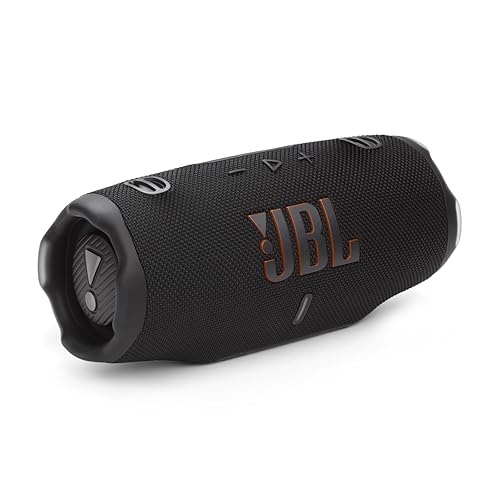
- JBL Charge 6 — the balanced all-rounder with the longest endurance in this list, plus a powerbank trick for your phone.
- Bose SoundLink Flex (2nd Gen) — the polished compact for listeners who prize clear voices and tidy, controlled sound.
- Anker Soundcore 2 — the proven budget staple with a full day of playtime and proper water resistance.
- JBL Flip 7 — the clip-it-and-go speaker for bags, bikes and day trips.
- Soundcore Boom 2 — the loud, floatable party speaker with app-controlled EQ and lights.
- Ultimate Ears Boom 4 — the drop-it-anywhere speaker that spreads sound in every direction.
Read the full guide ↓
If you are searching for the best sound system for android phones, the honest answer is that your phone is only half of the system. The speaker you pair with it decides how full your music sounds, how clear voices are on podcasts and calls, and whether the setup survives a shower, a picnic or a weekend trip. This guide treats the phrase practically: a sound system for an Android phone means a Bluetooth speaker, or a matched pair of them, that connects without cables, holds its charge, and sounds good at the volumes you actually use.
The six speakers here cover the realistic range of that search. There is a dependable all-rounder that suits most people, a polished premium compact for listeners who care about vocal clarity, a simple budget speaker that has stayed popular because it just works, a grab-and-go portable for bags and bikes, a louder party speaker for yards and group listening, and a rugged round speaker built to be knocked around outdoors. Each one pairs with Samsung Galaxy, Google Pixel, Motorola and other Android phones through standard Bluetooth, and none of them needs a special app before it will play, even though several offer an optional app for equalizer adjustments.
What separates a good phone sound system from a disappointing one is rarely a single headline feature. Battery life matters because a speaker that dies mid-evening stops being a system at all. Water resistance matters because phones follow us to kitchens, bathrooms and poolsides. Driver size and tuning matter because a small speaker that distorts at half volume is worse than a modest one that stays clean. The reviews below weigh those everyday factors first, then the extras, so you can match a speaker to the way you really listen instead of buying the loudest box in the list.
One more framing note before the picks: a phone sound system is modular in a way traditional hi-fi never was. The same speaker can be a kitchen radio in the morning, a video-call amplifier at noon and a garden speaker in the evening, because the source — your phone — moves with you and the speaker only needs to be wherever listening happens. That flexibility is why this guide weighs placement, water resistance and battery as heavily as sound quality itself: the best system is the one that is present, charged and playing in the moments you actually want music, not the one with the most impressive specification in a room you rarely use.
Key Takeaways
- A single quality Bluetooth speaker is the sound system most Android phone owners actually need; a matched pair adds true stereo only when both speakers support pairing with each other.
- The JBL Charge 6 is the safest all-round pick here, while the Bose SoundLink Flex (2nd Gen) is the choice when vocal clarity matters most.
- Water resistance is worth prioritizing for kitchen, bathroom and outdoor listening; every pick in this guide carries a meaningful water-resistance design.
- Battery figures are maker figures for moderate volume; expect less endurance when you listen loudly for long stretches.
- Check the listing for the exact color and bundle before ordering, because speaker lineups include near-identical models with different accessories.
In this guide
Quick Picks
The table below is the short version of this guide. Badges match the full reviews further down, and the order is deliberate: start at the top unless a later badge describes your listening more precisely.
| Badge | Pick | Why it stands out | Link |
|---|---|---|---|
| Best Overall | JBL Charge 6 | Long playtime, rugged waterproof build and a built-in powerbank make it the easiest speaker here to recommend to almost anyone. | Check price on Amazon |
| Best for Vocal Clarity | Bose SoundLink Flex (2nd Gen) | A refined, dustproof and waterproof compact that flatters voices, podcasts and acoustic music. | Check price on Amazon |
| Best Budget | Anker Soundcore 2 | A long-running budget favorite with 12W stereo sound, IPX7 water resistance and a full day of rated playtime. | Check price on Amazon |
| Best Portable | JBL Flip 7 | A tough, clip-on portable with an IP68 dustproof build that is made to travel daily. | Check price on Amazon |
| Best for Parties | Soundcore Boom 2 | 80W output, floating waterproof body and app EQ make it the group-listening pick. | Check price on Amazon |
| Best Rugged 360 Sound | Ultimate Ears Boom 4 | A floating, waterproof speaker with long Bluetooth range that sounds even from any side. | Check price on Amazon |
How These Picks Were Chosen
These speakers were chosen by matching verified Amazon listings against the jobs people actually give a phone-based sound system: filling a bedroom or kitchen with music, making podcasts and audiobooks easy to follow, carrying sound outdoors, and hosting small gatherings. Each pick had to pair over standard Bluetooth with Android phones, come from a brand with an established speaker lineup, and offer a clear reason to exist next to the other five rather than duplicating them.
Specifications in the mini tables come from the verified listing details for each model, and battery numbers are the makers’ own figures, which assume moderate volume. Prices move too often to print responsibly, so every pick uses a check-price link instead. Where a speaker supports an optional companion app, that is noted as a convenience, never as a requirement, because a phone sound system should work the moment Bluetooth connects.
- Standard Bluetooth pairing that works with any modern Android phone, with no proprietary receiver required.
- Sound that stays clean and listenable at everyday volumes, not just impressive for the first thirty seconds.
- Battery endurance matched to the speaker’s size and intended use, stated as the maker’s figure.
- Water and dust resistance appropriate to where the speaker will live, from kitchen counter to poolside.
- Controls and charging that make sense in 2026, with USB-C charging across this list.
- A distinct role in the lineup, so each pick is the right answer for a different listener.
The Best Sound System for Android Phones
The six reviews below follow the same order as the buying box and the Quick Picks table. The first speaker is the one most readers should buy; the rest earn their place by serving a narrower job better.

JBL Charge 6
Badge: Best Overall
| Form | Portable Bluetooth speaker |
| Sound | JBL Pro Sound with AI Sound Boost |
| Battery | Up to 28 hours of playtime (maker figure) |
| Build | Waterproof and drop-proof |
| Extra | Built-in powerbank function |
The JBL Charge 6 is the speaker to buy when you do not want to think too hard about the decision. It is sized for a kitchen counter, a desk or the side pocket of a backpack, and its waterproof and drop-proof build means the places your phone goes are the places it can go too. Pairing with an Android phone is the standard Bluetooth routine, and once paired it reconnects without fuss when you turn it on.
Sound is the reason it leads this list. The listing highlights JBL Pro Sound with AI Sound Boost, and in practical terms that means a fuller, more confident presentation than the smallest speakers here, with enough weight for music to feel complete in a medium room and enough clarity for voices to stay intelligible at low volume in the evening. It is still a single portable speaker, not a hi-fi separates system, but within its class it asks for very few compromises.
Living with the Charge 6 day to day is where its case strengthens. The controls are glove-friendly enough for kitchen use, the body stays put on a counter rather than wandering with vibration, and the long battery figure changes your habits: instead of planning listening around charging, you charge it when you happen to remember, the way you treat a good flashlight. Owners who run a small business from a phone — market stalls, food trucks, workshop benches — tend to love this class of speaker for the same reason: it plays all day, survives the environment and asks for nothing. If your Android phone is effectively your stereo, your radio and your podcast player in one, the Charge 6 is the speaker that keeps up with all three jobs without rotating through chargers or excuses.
Strengths
- Longest playtime in this guide, so it suits weekends away as well as daily use
- Waterproof and drop-proof build shrugs off kitchen splashes and outdoor knocks
- Built-in powerbank function can top up the phone that is feeding it music
Trade-offs
- Larger and heavier than the mini speakers here, so it is a bag carry rather than a pocket carry
- No speakerphone focus; it is tuned for music first
- The powerbank feature drains the same battery your music depends on
Choose it if you want one speaker that handles home, garden and travel without a second purchase. Skip it if you need the smallest possible speaker for a jacket pocket or a tiny shower shelf.
Best for: Most Android owners who want one dependable speaker for home and travel / Not suited for: Listeners who need true stereo separation from a single box
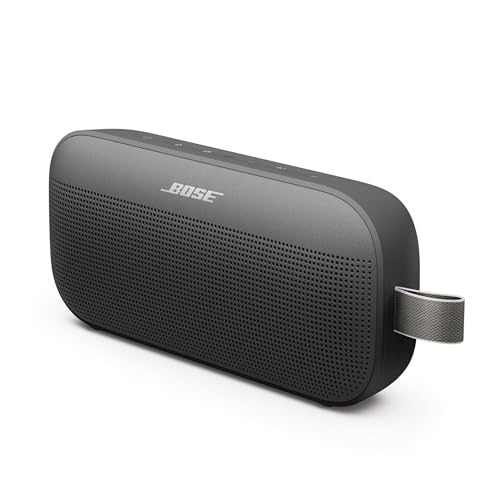
Bose SoundLink Flex (2nd Gen)
Badge: Best for Vocal Clarity
| Form | Portable outdoor Bluetooth speaker |
| Sound | Hi-fi audio positioning (maker description) |
| Battery | Up to 12 hours of battery life (maker figure) |
| Build | Waterproof and dustproof |
| Charging | USB-C |
The Bose SoundLink Flex (2nd Gen) is the pick for listeners who notice how voices sound. Podcasts, audiobooks, talk radio and singer-songwriter records all benefit from its tidy, controlled presentation, and its compact body sits happily on a bathroom shelf, a bedside table or a narrow kitchen windowsill where the bigger speakers here would crowd the space.
The trade for that refinement is endurance and scale. Twelve hours of maker-stated battery life is fine for a day of listening but not the strongest figure in this guide, and a speaker this size will not fill a large yard the way the party pick below can. What it does instead is sound composed at the volumes people actually use indoors, and its waterproof and dustproof build means the polish does not come with fragility. For an Android phone that doubles as your main music and podcast source, it is a very easy speaker to live with.
The SoundLink Flex also earns quiet praise for how it behaves at the edges of the day. At the low volumes of early mornings and late evenings, many portable speakers turn thin or lopsided; this one keeps voices present and music coherent without needing to be turned up to feel complete. That makes it a considerate speaker for shared homes, apartments with thin walls and anyone whose listening happens while others sleep. Its dustproofing, easy to overlook next to the waterproof headline, matters in real homes too: kitchen flour, workshop dust and beach sand are the slow enemies of speaker grilles, and a body sealed against them ages more gracefully. Choose it for the listening you do most, not the loudest listening you can imagine.
Strengths
- Clear, controlled sound that suits voices and detailed music
- Compact body fits shelves and small surfaces the larger picks cannot
- Waterproof and dustproof build despite the premium positioning
Trade-offs
- Shortest battery figure in this guide, so heavy users will charge it often
- Less low-end weight than the Charge 6 or Boom 2 for dance and hip-hop playlists
- Premium positioning means the budget picks undercut it sharply on value
Choose it if you listen mostly indoors and care more about clarity than sheer volume. Skip it if you need a speaker to power outdoor parties or multi-day trips between charges.
Best for: Podcast, audiobook and acoustic listeners with an Android phone / Not suited for: Party hosts who need maximum loudness outdoors

Anker Soundcore 2
Badge: Best Budget
| Output | 12W stereo sound |
| Battery | 24-hour playtime (maker figure) |
| Build | IPX7 waterproof |
| Sound | BassUp technology |
| Pairing | Wireless stereo pairing with a second unit |
The Anker Soundcore 2 has been the default budget answer for years, and it stays in this guide because the basics it covers are exactly the basics that matter. It pairs with an Android phone over Bluetooth in seconds, its IPX7 waterproofing makes it a relaxed choice for showers and rainy walks, and its 24-hour maker-figure playtime means most owners charge it occasionally rather than constantly.
Its 12W stereo output will not match the authority of the JBL or Bose picks, and nobody should expect it to energize a big room. In a bedroom, home office or small kitchen, though, it plays music and podcasts at comfortable levels without strain, and the option to pair a second unit for wireless stereo gives it an upgrade path the other budget speakers rarely offer. As a first speaker, a spare speaker or a gift, it remains very hard to argue with.
There is a particular virtue in a product that has been on the market long enough for its weaknesses to be fully mapped, and the Soundcore 2 has that virtue. Its behavior is predictable: the pairing is painless, the buttons are obvious, the waterproofing is genuine, and the battery figure is honest at normal volumes. It is the speaker teachers put in classrooms, families leave in kitchens and travelers toss in a suitcase as the backup that becomes the main speaker more often than expected. It will not be the most exciting object you own, and that is precisely its appeal. When the brief is simply that music and podcasts from an Android phone should sound pleasant anywhere in the house, this little speaker has been answering it correctly for years.
Strengths
- A 24-hour maker figure for playtime matches speakers several times its size class
- IPX7 waterproofing suits showers, pools and wet weather
- Can pair with a second Soundcore 2 for genuine stereo separation
Trade-offs
- 12W output limits how large a room it can fill convincingly
- Sound is pleasant rather than detailed next to the Bose pick
- Design and controls are functional rather than refined
Choose it if you want a dependable first speaker and would rather save money for other gear. Skip it if you listen critically and want the clearest, fullest sound in this guide.
Best for: Budget buyers, students and anyone needing a spare room speaker / Not suited for: Listeners filling large or noisy spaces

JBL Flip 7
Badge: Best Portable
| Form | Portable Bluetooth speaker |
| Battery | Up to 16 hours of playtime (maker figure) |
| Build | Waterproof and drop-proof, IP68 dustproof |
| Carry | Clip-on loop |
| Audio | USB-C lossless audio support (per listing) |
The JBL Flip 7 is the speaker in this guide designed around movement. Its clip-on loop attaches to a backpack strap, a bike bag or a belt loop, and the combination of waterproofing, drop-proofing and an IP68 dustproof build means sand, rain and trail dust are non-events. For Android owners who listen on walks, rides and work sites, that carry-anywhere design matters more than a spec-sheet contest.
Sixteen hours of maker-stated playtime covers long days out, and the sound is confidently voiced for outdoor listening, where a little extra presence helps music compete with wind and traffic. Indoors it is perfectly enjoyable, though the Charge 6 offers more scale for the same brand’s money. Buy the Flip 7 for the life you will actually use it in: outside, attached to something, playing without anxiety.
The Flip 7’s design makes most sense once you picture a week of use rather than a product photo. Monday it hangs off a gym bag, Tuesday it clips to a bike bag for the ride home, Wednesday it stands on a workbench, and the weekend finds it by a tent or a riverbank — and at no point did its owner have to decide whether it was safe to bring. That is what the dustproof and drop-proof build actually buys: not survival of a single dramatic accident, but the absence of a hundred small hesitations. Sound-wise it stays lively at the moderate volumes outdoor listening uses, and its battery figure covers the longest of those days. For Android owners whose life happens outside, it is the speaker that will actually be there.
Strengths
- Clip-on loop and rugged build make it the natural daily-carry pick
- IP68 dustproofing goes beyond the water-only resistance of most rivals
- Solid 16-hour rated playtime for full days away from a charger
Trade-offs
- Smaller body means less bass weight than the Charge 6 at home
- No powerbank function for topping up your phone
- Outdoor-friendly tuning is less subtle for quiet indoor listening
Choose it if your listening happens on the move and your speaker needs to clip on and cope. Skip it if your speaker will live permanently on a desk or kitchen counter.
Best for: Walkers, cyclists, commuters and outdoor workers / Not suited for: Home listeners who want the fullest sound per speaker

Soundcore Boom 2
Badge: Best for Parties
| Output | 80W outdoor Bluetooth speaker |
| Battery | 24H playtime (maker figure) |
| Build | IPX7 waterproof and floatable |
| Sound | BassUp 2.0 with custom EQ via the Soundcore app |
| Extras | RGB lights |
When the audience is a group rather than a person, the Soundcore Boom 2 is the right tool in this list. Its 80W output is in a different league from the compact picks, the body floats if it goes in the pool, and the RGB lights lean into the party brief without apology. An Android phone connects over Bluetooth as usual, and the Soundcore app adds custom EQ for owners who like to tune bass for a yard or tame it for a campsite.
That scale comes with size: this is a carry-it-by-the-handle speaker, not a slip-it-in-a-bag one, and at indoor volumes its party tuning can feel like using a festival rig to play a podcast. Battery life carries a maker figure of 24 hours, which suits long events, and the floatable IPX7 build removes the usual poolside worry. If your Android phone regularly becomes the DJ source for gatherings, this is the pick built for that job.
A party speaker should be judged partly on social mechanics, and the Boom 2 handles them well. One phone connects as the source, the speaker is loud enough that nobody needs to crowd it, and the lights give a gathering a focal point that a phone screen cannot. The floatable body removes the poolside negotiation about where the speaker may sit, and the app EQ lets the host tame the bass for neighbors or unleash it for a field. It is also the pick most likely to be borrowed, which says something about how groups perceive it. If your Android phone is the household’s default music source and your gatherings happen outdoors, this is the speaker those gatherings have been waiting for.
Strengths
- 80W output fills yards and group spaces the compact picks cannot
- Floatable IPX7 body is made for pool and beach duty
- App-based custom EQ lets you tune it for the space
Trade-offs
- Biggest and heaviest speaker here; not a casual carry
- Party-first tuning is overkill for quiet indoor listening
- Lights and maximum volume shorten real-world battery endurance
Choose it if you host gatherings and your phone is the music source for the group. Skip it if you mostly listen alone at moderate volume in small rooms.
Best for: Party hosts, pool owners and group outdoor listening / Not suited for: Solo listeners in small apartments

Ultimate Ears Boom 4
Badge: Best Rugged 360 Sound
| Form | Portable Bluetooth speaker |
| Sound | 360-degree style coverage with balanced audio and bass (maker description) |
| Battery | 15-hour battery (maker figure) |
| Build | Waterproof and floating |
| Range | 147 ft (45 m) Bluetooth range (maker figure) |
The Ultimate Ears Boom 4 takes a different approach to the phone sound system problem: instead of aiming sound at a listener, it spreads balanced audio in every direction, which suits a speaker placed in the middle of a picnic, a workshop bench or a campsite. It floats, it is waterproof, and its maker-stated Bluetooth range of 147 feet means your Android phone does not need to stay beside it while it plays.
Fifteen hours of rated battery life sits mid-pack here, and listeners who sit in one sweet spot may prefer the more focused presentation of the JBL Charge 6. The Boom 4 earns its place for shared spaces and rough handling: it is the speaker you toss in the car, stand in the grass and stop worrying about. For group listening where people move around the speaker rather than sitting in front of it, that even coverage is a genuine advantage.
The Boom 4’s all-around sound changes group dynamics in a subtle way: nobody gets the bad seat. Directional speakers reward whoever sits in front of them and shortchange everyone else, which is fine for a desk and wrong for a circle of friends. Around this speaker, the picnic blanket, the workshop and the campsite all hear roughly the same balance, and the long Bluetooth range means the person whose phone is playing DJ can still move, cook and socialize. It is also the speaker in this guide most likely to survive being knocked off a table onto grass, decking or sand, because its whole design assumes that Tuesday will happen. Buy it for shared spaces and shared listening.
Strengths
- Even, all-around sound suits groups gathered around the speaker
- Waterproof and floating, with a build made for outdoor knocks
- Long maker-stated Bluetooth range frees your phone from the speaker’s side
Trade-offs
- Mid-pack battery figure next to the 24- and 28-hour picks
- All-around dispersion is less focused for solo desk listening
- No powerbank or party-light extras
Choose it if your speaker sits in the middle of the action and takes some knocks. Skip it if you listen alone in one seat and want the most directed, detailed sound.
Best for: Campers, picnics, workshops and shared outdoor spaces / Not suited for: Critical solo listening at a desk
Comparison Table
Use this table to compare the practical differences that matter day to day. Full specifications and current bundles are on each Amazon listing.
| Pick | Form | Key audio point | Rated battery |
|---|---|---|---|
| JBL Charge 6 | Portable Bluetooth speaker | AI Sound Boost tuning | Up to 28 hours (maker figure) |
| Bose SoundLink Flex (2nd Gen) | Compact Bluetooth speaker | Hi-fi audio tuning | Up to 12 hours (maker figure) |
| Anker Soundcore 2 | Compact Bluetooth speaker | 12W stereo output | 24 hours (maker figure) |
| JBL Flip 7 | Clip-on portable speaker | IP68 dustproof build | Up to 16 hours (maker figure) |
| Soundcore Boom 2 | Outdoor party speaker | 80W output with BassUp 2.0 | 24 hours (maker figure) |
| Ultimate Ears Boom 4 | All-around portable speaker | Balanced 360-style coverage | 15 hours (maker figure) |
Buying Guide: How to Choose a Sound System for an Android Phone
Start with the room and the routine, not the wattage. A speaker for a bedroom or home office needs clarity at low volume and a footprint that fits the furniture; a speaker for a yard needs output and weather resistance; a speaker for travel needs a battery and a build that tolerates being packed. Writing down where the speaker will spend most of its life eliminates half the market immediately, because a party speaker on a bedside table and a mini speaker at a pool party are both the wrong tool, however good they are at their own job.
Next, understand what Bluetooth does and does not give you. Every speaker in this guide pairs with any modern Android phone, and the connection is the easy part. What differs is what happens around it: whether the speaker can pair with a twin for stereo, whether an app adds EQ, and how far the phone can wander before the music stutters. If stereo separation matters to you, plan for two of the same model from the start rather than hoping two different speakers will cooperate; stereo pairing is a same-family feature, not a Bluetooth universal.
Finally, treat battery figures as best-case guides. Makers rate playtime at moderate volume, and bass-heavy music played loudly can cut real endurance dramatically. A speaker with a full-day battery figure will comfortably cover an evening at any volume, while a speaker rated around twelve hours suits daily indoor use with regular charging. Match the battery figure to your longest realistic session, add headroom, and you will not be caught out.
One practical test before you commit: borrow ten minutes with your current phone speaker in the room where the new speaker will live, play the podcast or playlist you use most, and notice what you strain to hear. If words disappear at conversational volume, prioritize clarity models like the Bose. If the room swallows everything, prioritize output and size. That tiny experiment, done in your actual space with your actual content, predicts satisfaction better than any specification table, because it measures the gap the purchase needs to close rather than the gap a marketing page imagines.
- Decide the primary location first: desk, kitchen, yard or bag.
- Pick stereo pairing only if you will genuinely buy two of the same speaker.
- Match water resistance to the location: splashes, rain or full poolside duty.
- Add battery headroom for loud, bass-heavy listening.
- Confirm USB-C charging if you want one cable for phone and speaker.
What Speaker Size and Output Really Mean for Phone Listening
Speaker marketing loves big output numbers, but the honest relationship is between size, volume and space. A compact speaker with modest output fills a bedroom convincingly because the walls are close and the listener is near. The same speaker in an open yard is fighting physics: sound spreads, bass dissipates, and no tuning trick fully compensates. That is why this guide separates the party pick from the indoor picks rather than declaring one winner for every space.
Bass deserves a special warning. Small speakers can produce the impression of bass with tuning and passive radiators, and the best compacts do it convincingly at moderate volume. Push them hard and the impression collapses into distortion or a speaker that quietly turns its own bass down to protect itself. If deep, loud bass is your priority, buy the bigger speaker; if balanced listening at normal volume is the priority, the compacts here will satisfy you and take up far less of your life.
Checking the Listing Before You Order a Speaker
Speaker lineups are full of near-twins, so read the listing title and variant selector carefully. Generations share names, colors hide in dropdowns, and some listings bundle a case or a second speaker while others sell the bare unit. Confirm the exact model generation, the color you want and what is in the box before ordering, and check whether the listing is for a single speaker if you are planning a stereo pair.
Also check the charging cable situation and the app story. All six picks here charge over USB-C, but a cable is not always included, and your phone’s charger becomes the shared solution. If you plan to use EQ or stereo pairing, confirm the maker’s app supports your Android version. A minute on the listing prevents the two most common disappointments: the wrong generation arriving, and a feature you wanted living in an app you cannot use.
Stereo Pairs, Speakerphone Calls and Other Second-Order Questions
Once a first speaker is chosen, buyers usually ask about pairs. A stereo pair of the same model genuinely transforms a room: instruments and voices take positions, and music stops sounding like it comes from a point. It is worth doing in the one room where you listen most, and wasteful everywhere else, because a single speaker in the kitchen outperforms a stereo pair you never assemble. If a pair is in your future, buy both units in the same order so generations and colors match exactly.
Calls are the other second-order question. A speaker playing call audio is convenient in a quiet room, but your voice still travels to the phone’s microphone unless the speaker has one of its own, so distance quietly degrades you to your caller. Treat speakerphone use as a bonus for short, quiet calls, and keep a headset from this site’s other guides for conversations that matter. Judged as music and media systems — their actual job — every pick here performs without that caveat.
How Do You Pair a Bluetooth Speaker with an Android Phone for the First Time?
Pairing follows the same pattern for every speaker in this guide, and once a speaker is paired, your phone will remember it and reconnect automatically on later uses. Work through the steps in order, and keep the phone within a few feet of the speaker during the first connection.
- Charge the speaker first. A speaker with a nearly empty battery may pair and then drop the connection mid-song.
- Turn the speaker on and put it into pairing mode. Most models enter pairing mode automatically the first time; on later uses, hold the Bluetooth button until the indicator flashes.
- On your Android phone, open Settings, then Connected devices or Bluetooth, and turn Bluetooth on if it is off.
- Tap Pair new device (the wording varies slightly by brand) and wait for the speaker’s name to appear in the list.
- Tap the speaker’s name and confirm any pairing prompt. A chime or a steady indicator light on the speaker confirms the connection.
- Play a song or podcast and walk the phone a short distance away to confirm the connection holds at your normal listening range.
- If you bought two of a stereo-capable model, complete the pairing for the second speaker inside the maker’s app after the first speaker is connected to the phone.
Problem: The speaker does not appear in the phone’s Bluetooth list → move the phone closer, make sure the speaker is actually in pairing mode rather than merely on, and check that it is not still connected to another phone or tablet nearby.
Problem: Music stutters when the phone is in another room → walls and metal appliances shorten real Bluetooth range; move the speaker or keep the phone in the same space for demanding listening.
Problem: The speaker connects for calls but plays no music, or the reverse → open the speaker’s entry in Bluetooth settings and confirm the media audio toggle is enabled for that device.
Problem: A stereo pair will not link → confirm both speakers are the same model and generation, update both through the maker’s app, and build the pair in the app rather than in phone settings.
Common Buying Mistakes
Buying for the biggest number. Output figures are not comparable across brands and say nothing about how a speaker sounds in your room. Role, size and tuning predict satisfaction far better than a wattage contest.
Expecting stereo from one speaker. A single box can sound wide, but genuine left-right separation needs two speakers that support pairing with each other. Plan the pair at purchase time.
Ignoring where the speaker will live. A non-resistant speaker by a pool or in a steamy bathroom is living on borrowed time. Match the water and dust resistance to the location from day one.
Trusting battery figures at full volume. Maker figures assume moderate listening. Loud, bass-heavy sessions can halve real endurance, so buy headroom if you listen hard.
Ordering the wrong generation. Speaker names repeat across years with different features and apps. Check the exact model and generation in the listing title before you pay.
Skipping the app check. EQ, stereo pairing and updates often live in the maker’s app. Confirm it supports your Android version if those features are part of your plan.
Final Recommendation
For most readers, the JBL Charge 6 is the sound system to buy for an Android phone: it sounds full, lasts the longest between charges, shrugs off water and knocks, and can even top up your phone. The Bose SoundLink Flex (2nd Gen) is the runner-up and the better buy when voices and indoor clarity matter more than endurance, while the Anker Soundcore 2 remains the sensible budget route into phone-based listening.
Choose the Flip 7 if the speaker travels daily, the Boom 2 if your phone plays DJ for groups, and the Boom 4 if your listening happens in shared outdoor spaces. Whichever you pick, confirm the exact generation and bundle on the Amazon listing, charge it fully before the first session, and pair it once carefully; after that, your phone and speaker will find each other on their own.
A last practical note: whichever speaker you choose, place it before you judge it. A speaker on a hard surface near a wall sounds fuller than the same speaker stranded in the middle of a room, and thirty seconds of repositioning fixes more disappointing first impressions than any return ever has. Give your pick a day in its real home, at your real volumes, with your real playlists — that is the test this guide’s recommendations were built to pass.
Related Guides
- best bluetooth headphones for android phones
- best bluetooth earbuds for android phones
- best earphones for android phones
- best bluetooth for android phones
- best dac for android phones
- best android phones for music lovers
Frequently Asked Questions
Can any Bluetooth speaker work with any Android phone?
Yes. Bluetooth audio is a standard connection, and every speaker in this guide pairs with Samsung Galaxy, Google Pixel, Motorola and other Android phones the same way. Brand-specific apps can add EQ or stereo pairing, but basic playback never depends on owning a matching brand of phone.
Is one speaker enough, or do I need two for a sound system?
One good speaker covers most listening: rooms, desks, showers and small gatherings. Two of the same stereo-capable model add genuine left-right separation, which matters most for focused music listening in one room. Buy the pair together so the models and generations match exactly.
What does IPX7 or IP68 actually protect against?
These are water and dust resistance codes from the verified listings. In practical terms, speakers carrying these codes tolerate rain, splashes and brief immersion or dusty environments as described by their makers. Rinse off salt water or sand after outdoor use and let the speaker dry before charging.
Why does my speaker sound worse outdoors?
Outdoors there are no walls to reinforce the sound, so bass dissipates and volume feels lower. A larger or party-focused speaker compensates with output and tuning. Positioning helps too: placing a speaker near a wall or corner, even outside on a patio, noticeably strengthens its sound.
How long will the battery really last?
Maker figures assume moderate volume. Expect the rated playtime for everyday indoor listening, and noticeably less for loud, bass-heavy sessions. If your longest sessions run all day, choose one of the picks rated at 24 hours or more so you keep comfortable headroom.
Can I use these speakers for phone calls and video calls?
Most Bluetooth speakers can play call audio, but their built-in microphones, where fitted, are rarely as clear as the phone’s own. For call-heavy use, keep the phone near you or choose a headset instead. For music, podcasts and video sound, every pick here works well.