Finding the best mid-range smartphones in the Philippines means balancing three things that matter more here than almost anywhere else: a camera that works in bright sunlight and dim restaurants, a battery that survives a long day of commuting and messaging, and a price that leaves room in the budget for a case, a charger and a data plan. The phones in this guide all sit in that middle ground where the hardware is genuinely good without reaching flagship prices, and every one of them is sold as an unlocked model, which is how most Filipino buyers actually shop.
Each phone below was checked in the site catalogue with its full product title, so the exact brand and model named in the heading is the product linked, with no Renewed listing and no accessory standing in for the phone itself. The six picks cover the brands most buyers in the Philippines already trust, from Samsung and Google to Xiaomi, Motorola, Nothing and realme alternatives, and they range from practical daily drivers to phones with unusually strong cameras or battery life. Read the comparison first, then the individual sections, and finish with the buying guide if the choice still feels close.
In this guide
Quick picks: best mid range smartphones philippines
| # | Product | Where to buy |
|---|---|---|
| 1 | Samsung Galaxy A56 5G | Check on Amazon |
| 2 | Samsung Galaxy A57 5G | Check on Amazon |
| 3 | Google Pixel 10a | Check on Amazon |
| 4 | Nothing Phone (4a) Pro | Check on Amazon |
| 5 | Xiaomi Redmi Note 15 5G | Check on Amazon |
| 6 | Motorola Moto G Stylus 5G | Check on Amazon |
How the picks were chosen
Every pick in this guide is a mid-range smartphone, meaning a phone with a modern processor, a large high-refresh display and a capable multi-lens camera, sold well below flagship prices. Phones that only appear cheap because they are Renewed or locked to a carrier were left out, because a mid-range guide should recommend phones a buyer can purchase new and use on any network. The listings used here name the exact model, storage size and network status in their titles.
The shortlist was built around what Filipino buyers actually ask for. Dual-SIM support matters, because many people carry a work SIM and a personal SIM, or switch between networks for the best signal. A large battery matters, because a phone that dies before dinner is a phone that fails at its job. A bright display matters under the Philippine sun, and a camera that handles food, family and travel photos without fuss matters more than benchmark scores that never show up in daily use.
Finally, each phone was checked against the site catalogue to confirm the exact brand and model, the storage configuration and the unlocked status. Listings that turned out to be cases, screen protectors or replacement screens were excluded, as were Renewed Pixel 8a listings that looked tempting at first glance. What remains are six phones that can be bought new with confidence.
Each pick was also judged on how it behaves on a long day away from a charger, because a phone that needs a top-up by dinner is a phone that fails at its job. The models in this guide were chosen partly because their batteries and efficiency hold up under real use, not just on a specification sheet, and because their displays stay readable in bright sunlight, which matters for a country where much of life happens outdoors.
Finally, the catalogue listing for each pick was verified in full, including the complete product title, to confirm the exact model and to exclude Renewed or used listings. Several Pixel 8a listings that looked tempting at first glance turned out to be Renewed, and they were not used, even though the model itself is good, because a mid-range guide should recommend phones a buyer can purchase new with confidence.
Quick comparison
| Product | Key detail | Best for |
|---|---|---|
| Samsung Galaxy A56 5G | 8GB RAM, 256GB storage, 6.7-inch 120Hz AMOLED, dual SIM | Everyday use, dual-SIM buyers and Samsung fans |
| Samsung Galaxy A57 5G | 128GB storage, AMOLED display, triple camera, IP68, 5000mAh battery | Buyers who want the latest Galaxy A phone with IP68 protection |
| Google Pixel 10a | 128GB storage, 30+ hour battery, Camera Coach, Gemini, 7 years of updates | Photography, clean Android and long software support |
| Nothing Phone (4a) Pro | 8GB RAM, 128GB storage, 6.83-inch 144Hz AMOLED, 5080mAh battery | Design lovers, smooth displays and clean software |
| Xiaomi Redmi Note 15 5G | 256GB storage, 8GB RAM, 6.77-inch 120Hz display, 108MP triple camera | Value for money, big storage and a large display |
| Motorola Moto G Stylus 5G | 8GB RAM, 128GB storage, 50MP camera, built-in stylus, unlocked | Note-taking, sketching and clean Android |

Samsung Galaxy A56 5G — The Balanced All-Rounder
The Samsung Galaxy A56 5G is the safest recommendation in this guide, and that is a compliment rather than a criticism. It pairs 8GB of RAM with 256GB of storage, a large 6.7-inch 120Hz AMOLED display and dual-SIM support, which is exactly the combination most buyers in the Philippines want from a mid-range phone. It runs Android 15, it is water resistant, and it carries the Galaxy A series reputation for reliable cameras and long software support, which matters when a phone is expected to last three or four years.
The A56 also benefits from Samsung's long software support and the Galaxy ecosystem, which means accessories, cases and repair shops are easy to find in the Philippines. Its water resistance is a practical advantage in a country where sudden rain is common, and its camera system is consistent across daylight, food and family photos, which are the three subjects most Filipino buyers photograph most. It is not the most exciting phone in this guide, but it is the one most buyers will still be happy with in three years.
For a buyer in the Philippines, the A56's dual-SIM support is a practical advantage that should not be underestimated. Many Filipinos carry a work number and a personal number, or switch between networks for the best signal, and a phone that handles two SIMs without fuss makes that easy. Combined with 256GB of storage, it is a phone that can be bought once and used for years without running out of space or patience.
Key specs: Samsung Galaxy A56 5G, unlocked, 8GB RAM + 256GB storage, dual SIM, 6.7-inch 120Hz AMOLED display, water resistant, Android 15.
Strengths:
- Large 256GB storage leaves room for photos, apps and offline video
- Bright 6.7-inch 120Hz AMOLED display stays readable outdoors
- Dual-SIM support suits work and personal numbers on one phone
Trade-offs:
- No charger in the box with many listings, so budget for one
- Camera is capable rather than class-leading in low light
- Large screen makes one-handed use a stretch for smaller hands
The A56 fits a buyer who wants a dependable phone for everything — messaging, photos, video and banking — without learning a new brand or interface.
Best for: Everyday use, dual-SIM buyers and Samsung fans
Not suited for: Buyers who want the fastest charging or the best night camera in this price range
Check price on Amazon: Samsung Galaxy A56 5G
Samsung Galaxy A57 5G — The Newer Galaxy Pick
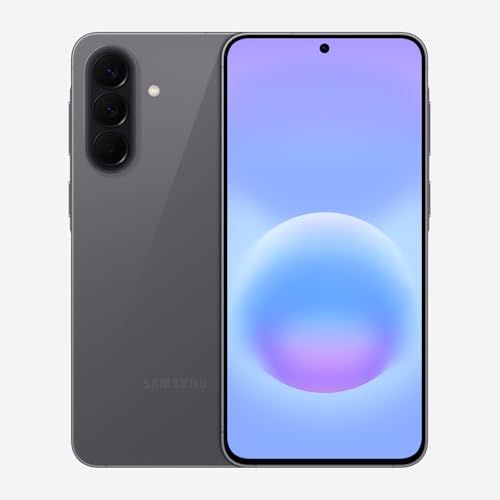
The Samsung Galaxy A57 5G is the newer Galaxy option in this guide, a 2026 model with 128GB of storage, an AMOLED display, a triple camera and an IP68 rating, backed by a 5000mAh battery and a one-year manufacturer warranty. It is the phone to choose when the A56 feels like last year's news and the buyer wants the latest Galaxy A series hardware with the same familiar One UI experience. The IP68 rating is a genuine advantage in a country where sudden rain is a fact of life.
The A57 is the newest Galaxy A phone in this guide, and its IP68 rating is the feature that most separates it from older mid-range phones. A phone that survives a drop in a puddle or a sudden downpour is a phone that lasts longer in daily use, and the 5000mAh battery means it will still have charge left at the end of a long day. Its triple camera handles everyday photography well, and the AMOLED display stays readable in bright sunlight, which matters for a phone used outdoors as much as indoors.
The A57's 128GB of storage is its main limitation, and buyers should be honest about whether it is enough. A buyer who streams music and video, backs photos up to the cloud and keeps only a few games installed will be fine, but a buyer who records a lot of video or keeps a large offline library should choose the 256GB A56 or the Redmi Note 15 instead. Storage cannot be added later, so the choice should be made carefully.
Key specs: Samsung Galaxy A57 5G (2026), unlocked, 128GB storage, AMOLED display, triple camera, IP68 rating, 5000mAh battery, US version with 1-year warranty.
Strengths:
- IP68 water and dust resistance for rain and daily accidents
- 5000mAh battery comfortably covers a full day
- Triple camera setup handles everyday photos well
Trade-offs:
- 128GB storage fills faster than the 256GB A56
- Newer model means fewer long-term user reports to check
- Charging speed is modest next to Chinese rivals
The A57 fits a buyer who wants the newest Samsung mid-range phone with proper water resistance and is happy with 128GB of storage.
Best for: Buyers who want the latest Galaxy A phone with IP68 protection
Not suited for: Heavy media collectors who need 256GB or more out of the box
Check price on Amazon: Samsung Galaxy A57 5G

Google Pixel 10a — The Best Camera in This Price Range
The Google Pixel 10a is the camera-first pick in this guide. Its listing promises more than 30 hours of battery life, a Camera Coach that helps frame better photos, Gemini built in, and seven years of Pixel Drops, which is the longest software promise attached to any phone here. The 128GB Obsidian model is the one linked, and it is the phone to buy when photography matters more than raw specifications, because Pixel cameras consistently produce the most pleasing photos in this price range with the least effort.
The Pixel 10a's greatest strength is that it makes photography effortless. Its computational photography handles difficult light, moving subjects and night scenes better than any other phone in this guide, and the Camera Coach feature helps a buyer frame better photos without learning photography. Seven years of Pixel Drops is the longest software promise here, which means the phone will keep improving long after the others have stopped receiving updates.
The Pixel 10a's 128GB of storage is also its main limitation, and the same advice applies: buyers who shoot a lot of video should manage their files regularly or choose a 256GB phone. What the Pixel gives back is photography and software support that no other phone here can match, and for a buyer who photographs constantly, that trade is worth making.
Key specs: Google Pixel 10a, Obsidian, 128GB storage, 30+ hour battery, Camera Coach, Gemini, 7 years of Pixel Drops, Call Screen and car crash detection.
Strengths:
- Outstanding computational photography for the price
- Seven years of Pixel Drops keeps the phone current for years
- 30+ hour battery life covers long days easily
Trade-offs:
- 128GB storage with no expansion, so heavy shooters should manage files
- Charging is slower than rival mid-range phones
- Fewer hardware features than Samsung at the same price
The Pixel 10a fits a buyer who takes a lot of photos and wants them to look good straight out of the camera, without editing or fuss.
Best for: Photography, clean Android and long software support
Not suited for: Buyers who need maximum storage or the fastest charging
Check price on Amazon: Google Pixel 10a

Nothing Phone (4a) Pro — The Distinctive Choice
The Nothing Phone (4a) Pro is the most distinctive phone in this guide, and it earns its place on hardware rather than looks alone. It combines 8GB of RAM with 128GB of storage, a large 6.83-inch 144Hz AMOLED display, a triple-lens camera and a 5080mAh battery, with the Glyph Matrix light system on the back that gives notifications a visual language of their own. It runs Android 16, it is dual-SIM, and it is the pick for a buyer who wants a phone that feels different every time it is picked up.
The Phone (4a) Pro stands out in a way no other phone here does, and that distinctiveness is part of its appeal. The Glyph Matrix on the back turns notifications into light patterns, so the phone can be used face-down without missing anything important, and the 144Hz AMOLED display is the fastest in this guide. Its clean Android 16 software has fewer pre-installed apps than most rivals, which keeps the phone feeling fast and uncluttered over time.
The Phone (4a) Pro's 5080mAh battery is large enough to cover a full day of heavy use, and its 6.83-inch display is the largest in this guide, which suits video and games. Its dual-SIM support and unlocked status make it easy to use in the Philippines, and its distinctive design means it is a phone that gets noticed, which is either a pleasure or a problem depending on the buyer.
Key specs: Nothing Phone (4a) Pro, Android 16, 8GB RAM + 128GB storage, 6.83-inch 144Hz AMOLED display, triple-lens camera, 5080mAh battery, dual-SIM, Glyph Matrix.
Strengths:
- Fast 144Hz AMOLED display makes scrolling feel exceptionally smooth
- Glyph Matrix gives notifications a genuinely useful visual cue
- Large 5080mAh battery and clean Android 16 experience
Trade-offs:
- Nothing is a smaller brand with fewer service centres
- Camera is good rather than best in class
- Distinctive design will not suit buyers who prefer plain phones
The Phone (4a) Pro fits a buyer who wants standout design and a fast display, and who enjoys a phone that starts conversations.
Best for: Design lovers, smooth displays and clean software
Not suited for: Buyers who want the widest service network or the best camera
Check price on Amazon: Nothing Phone (4a) Pro

Xiaomi Redmi Note 15 5G — The Value Heavyweight
The Xiaomi Redmi Note 15 5G is the value heavyweight of this guide. For its price it offers 256GB of storage with 8GB of RAM, a 6.77-inch 120Hz display with NFC, and a 108MP triple camera, in an unlocked model that works on global networks. Redmi Note phones have long been the default recommendation for buyers who want the most hardware for their money, and this model continues that tradition with a large screen, a big storage allowance and a camera that handles daylight photography with ease.
The Redmi Note 15 5G is the phone to buy when the budget is fixed and the specification sheet matters most. Its 256GB of storage is double what many rivals offer at the same price, its 108MP camera takes detailed photos in daylight, and its large 6.77-inch display suits video and games. Xiaomi's software has more pre-installed apps than Pixel or Samsung, but the hardware value is undeniable, and the phone is easy to find in the Philippines.
The Redmi Note 15 5G's 6.77-inch 120Hz display is one of the best in this price range, and its NFC support means it can be used for contactless payments where supported. Its international model status means buyers should check network bands before ordering, but for a buyer who wants the most hardware for the money, it is the clearest value in this guide.
Key specs: Xiaomi Redmi Note 15 5G, unlocked, 256GB storage + 8GB RAM, 6.77-inch 120Hz display, NFC, 108MP triple camera, model 25098RA98G, dual SIM.
Strengths:
- 256GB storage and 8GB RAM at a very competitive price
- 108MP triple camera takes detailed photos in good light
- Large 6.77-inch 120Hz display suits video and games
Trade-offs:
- Software has more pre-installed apps than Pixel or Samsung
- Low-light photography lags behind the Pixel 10a
- International model, so check network bands before buying
The Redmi Note 15 5G fits a buyer who wants the biggest specification sheet for the money and is comfortable with Xiaomi software.
Best for: Value for money, big storage and a large display
Not suited for: Buyers who want the cleanest software or the best night photos
Check price on Amazon: Xiaomi Redmi Note 15 5G

Motorola Moto G Stylus 5G — The Phone With a Pen
The Motorola Moto G Stylus 5G, in its 2024 edition, is the only phone in this guide with a built-in stylus, and that single feature changes how it is used. It pairs 8GB of RAM with 128GB of storage and a 50MP camera, and the stylus turns the phone into a pocket notebook for quick notes, sketches and signing documents. It is unlocked and made for the US market, and it suits a buyer who writes, draws or annotates more than the average phone owner.
The Moto G Stylus 5G is the only phone here with a pen, and that pen changes the phone from a communication device into a pocket notebook. Quick notes, sketches, annotations on photos and signatures on documents are all faster with a stylus than with a finger, and the phone's clean, near-stock Android keeps it feeling fast. Its 50MP camera handles everyday photos well, and its unlocked status means it works on any network.
The Moto G Stylus 5G's stylus is a niche feature, and buyers should be honest about whether they will use it. A buyer who takes notes by hand, sketches, or signs documents on the go will use it daily and wonder how they lived without it, while a buyer who never writes by hand will forget it exists. Either way, the phone itself is a solid mid-range device with a good camera and clean software.
Key specs: Motorola Moto G Stylus 5G (2024), unlocked, 8GB RAM + 128GB storage, 50MP camera, built-in stylus, Caramel Latte colour.
Strengths:
- Built-in stylus is genuinely useful for notes and sketching
- Clean, near-stock Android with few unwanted apps
- 50MP camera handles everyday photos well
Trade-offs:
- Software update support is shorter than Samsung or Google
- Display and charging are solid rather than standout
- Stylus is a niche feature many buyers will rarely use
The Moto G Stylus 5G fits a buyer who takes notes by hand, signs documents on the go, or simply likes having a pen built into the phone.
Best for: Note-taking, sketching and clean Android
Not suited for: Buyers who want the longest update support or the fastest phone
Check price on Amazon: Motorola Moto G Stylus 5G
Best mid-range smartphones in the Philippines: what matters most
Storage is the first thing to get right, because it is the hardest to fix later. A phone with 128GB is fine for a buyer who streams music and video and backs photos up to the cloud, but it fills quickly for someone who records a lot of video or keeps games installed. The 256GB models in this guide, the Galaxy A56 and the Redmi Note 15, cost little more in practice and remove storage anxiety for years.
Battery life is the second deciding factor. Every phone here promises a full day, but the way that promise is kept differs: the Pixel 10a leans on efficiency and a 30-hour claim, the Galaxy A57 and the Nothing Phone (4a) Pro carry 5000mAh-class batteries, and the Redmi Note 15 pairs a large display with a large battery. A buyer who travels, commutes long distances or works outdoors should treat battery capacity and real-world endurance as more important than charging speed.
Camera quality is where mid-range phones differ most. The Pixel 10a wins on computational photography, the Galaxy A56 and A57 win on consistency across lenses, and the Redmi Note 15 wins on resolution in good light. A buyer who photographs food, family and travel in daylight will be happy with any of the six, while a buyer who shoots at night should lean toward the Pixel.
Display quality also shapes daily use more than most buyers expect. A bright AMOLED display with a high refresh rate makes everything from messaging to video feel smoother and easier to read, and the difference between a 60Hz display and a 120Hz or 144Hz display is visible the first time the phone is scrolled. The Nothing Phone (4a) Pro has the fastest display here at 144Hz, while the Galaxy A56 and Redmi Note 15 both offer 120Hz, which is the sweet spot for most buyers.
Buying guide: choosing mid-range smartphones in the Philippines
Start by checking network compatibility. The phones in this guide are sold as unlocked models, which is the right starting point for the Philippines, but an international model can still miss a local network band. Dual-SIM support is worth having even for a single-SIM buyer, because it leaves the second slot free for a travel SIM or a second number later.
Next, decide how much storage is genuinely needed. Count the apps, games and offline videos already on the current phone, add the photos taken in a typical month, and multiply by the number of years the new phone should last. If the total passes 100GB, buy the 256GB model rather than hoping cloud storage will cover the gap.
Finally, buy from a listing that names the exact model, storage size and colour, and check the warranty terms before ordering. A phone sold as an international version may carry a different warranty from a locally distributed unit, and a listing that hides the model number or storage size is a listing to avoid.
Consider the charger and accessories before ordering. Many phones in this guide are sold without a charger in the box, so a USB-C charger and cable should be budgeted alongside the phone, along with a case and a screen protector. Buying those accessories with the phone means it is protected from the first day, rather than the first week.
Consider buying a case and screen protector with the phone, rather than later. A new phone is most likely to be dropped in its first week, when the owner is still getting used to its size and weight, and a case fitted from day one prevents the most common damage. A tempered glass screen protector is cheap insurance against the cracks that turn a good phone into an expensive repair.
Using and caring for your mid-range smartphones in the Philippines
Protect the phone from day one. A tempered glass screen protector and a case cost little and prevent the two most common repairs: cracked screens and dented corners. The Galaxy A57 has an IP68 rating, but water resistance is not waterproofing, and no phone in this guide should be taken swimming or used in the shower.
Charge the battery with habits that help it last. Avoid leaving the phone on a fast charger overnight every night, and avoid letting it sit at zero charge for days. Most modern phones manage charging well on their own, but keeping the battery between roughly a fifth and four fifths of charge most of the time is still the kindest routine for long-term health.
Keep the software updated and the storage tidy. Security updates arrive regularly for the Samsung and Google phones in this guide, and installing them promptly is the simplest way to keep banking apps and personal data safe. Clear cached files and move old photos to cloud storage every few months so the phone stays fast.
Common mistakes to avoid
Buying a Renewed phone by accident is the most expensive mistake in this category. Several search results for popular models, including the Pixel 8a, are Renewed listings that look identical to new ones at first glance. Always read the full title before buying, and treat any listing that mentions Renewed, refurbished or pre-owned as a different product.
Choosing a phone for one specification is another common error. A 108MP camera sounds impressive, but the Pixel 10a takes better photos with a lower-resolution sensor because its software is better. A 144Hz display is lovely, but it matters less than battery life for most buyers. Judge the whole phone, not the headline number.
Finally, do not ignore the warranty and return policy. An international model can be a good buy, but it may not be serviced locally, and a seller with no clear return policy is a risk that is not worth taking for a device used every day.
Budget and value
Mid-range phones reward careful spending. The cheapest phone in this guide is not the worst, and the most expensive is not the best for everyone: the Redmi Note 15 gives the most storage and the largest screen for the money, while the Pixel 10a costs more per specification but returns it in photography and software support. Set the budget first, then choose the phone that does the most with it.
Remember the total cost of ownership. A case, a screen protector, a charger and possibly a data plan add to the price of any phone, and a phone with a longer software promise, such as the Pixel 10a with seven years of updates, stays useful longer, which spreads its cost over more years.
Mid-range phones and mobile data in the Philippines
Mobile data is the primary internet connection for many Filipinos, which makes a mid-range phone's modem and dual-SIM support more important than they might seem. A phone that holds a stable 5G or 4G connection in a crowded mall or a moving bus is worth more than a phone with a faster processor but a weaker radio. All six phones in this guide support modern networks, and the dual-SIM models make it easy to keep a backup network ready.
Data habits also shape storage needs. Buyers who download series for offline viewing, keep large chat histories or record long videos will fill 128GB faster than they expect. The 256GB models in this guide are the safer choice for heavy downloaders, while lighter users who stream everything can save money with 128GB and a cloud backup plan.
What to do with the old phone
Before switching, back up contacts, photos and chat histories, and check that banking apps and two-factor authentication are set up on the new phone before wiping the old one. A phone that still works has value as a trade-in, a gift to a family member or a backup device, and keeping it as a spare is often more useful than selling it for a small amount.
When the old phone is retired, remove the accounts, reset it to factory settings and take out the SIM and memory card. A phone that still holds personal data is a privacy risk even when it is sitting in a drawer, so a proper wipe is worth the few minutes it takes.
Keeping a mid-range phone fast for years
A mid-range phone stays fast when its storage is kept tidy and its software is kept updated, and the habits that keep it fast are simple. Uninstall apps that are no longer used, clear cached files every few months, and move photos and videos to cloud storage before the phone fills up, because a phone with almost no free space slows down noticeably. Restart the phone once a week, which clears temporary files and keeps the system responsive.
Battery health also deserves attention. Avoid leaving the phone in a hot car or in direct sunlight, because heat ages a battery faster than any other factor, and avoid charging it to full and leaving it plugged in overnight every night. Most modern phones manage charging well on their own, but a little care extends the battery's useful life by a year or more, which is a meaningful saving on a phone expected to last three or four years.
Finally, use the phone's built-in tools to stay safe. Set up a screen lock, enable remote tracking and wiping, and keep banking apps behind biometric authentication. A phone holds more personal information than a wallet, and a few minutes spent on security settings is the cheapest insurance a buyer can arrange.
Final recommendation
For most buyers in the Philippines, the Samsung Galaxy A56 5G is the best starting point: it has the storage, the display, the dual-SIM support and the brand backing that make a phone easy to live with for years. Buyers who photograph constantly should choose the Google Pixel 10a instead, and buyers who want the most hardware for the least money should choose the Xiaomi Redmi Note 15 5G.
Whichever phone is chosen, buy the exact model linked here, read the full listing title before ordering, and set the phone up properly on arrival: update the software, add a case and screen protector, and move data over with the manufacturer's transfer tool. A mid-range phone bought carefully is a phone that should serve well for three or four years.
Frequently asked questions
Are these phones available in the Philippines?
The phones in this guide are sold as unlocked models, which is how most buyers in the Philippines shop, either through online stores or import sellers. Availability and warranty terms vary by seller, so check the listing and the seller's return policy before ordering, and confirm that the model supports the local network bands.
Is dual-SIM important for a phone in the Philippines?
Dual-SIM is useful for many Filipino buyers, because it allows a work number and a personal number on one phone, or a backup network when one carrier has poor signal. The Samsung Galaxy A56, the Nothing Phone (4a) Pro and the Xiaomi Redmi Note 15 all support dual SIM.
Which mid-range phone has the best camera?
The Google Pixel 10a has the best camera in this guide for most people, thanks to computational photography that produces pleasing photos with little effort. The Samsung Galaxy A56 and A57 are close behind and more consistent across their lenses, while the Redmi Note 15 excels in bright daylight.
How much storage do I need on a mid-range phone?
128GB is enough for a buyer who streams music and video and backs photos up regularly, while 256GB is the safer choice for anyone who records video, keeps games installed or plans to keep the phone for three or more years. Storage cannot be added later on these phones, so buy more than the current need.
Should I buy an international version of a phone?
An international version can be good value, but check the network bands, the warranty terms and the seller's return policy first. A phone that lacks a local band may have poor signal, and an international warranty may not be honoured by local service centres.
Do mid-range phones get software updates?
Yes, and the length of support varies widely. The Google Pixel 10a promises seven years of Pixel Drops, Samsung's Galaxy A series receives several years of updates, and Motorola and Xiaomi offer shorter but still useful support periods. Longer support means a phone stays secure and useful for longer.
Can I use these phones with any network in the Philippines?
Yes, provided the model supports the local network bands. The phones in this guide are sold as unlocked models, which means they are not tied to a carrier, but an international version can still miss a band used by a local network. Check the listing and the network bands before ordering, and prefer a seller who confirms compatibility.
Which phone is best for mobile gaming?
The Nothing Phone (4a) Pro has the fastest display here at 144Hz and a large battery, which suits gaming, while the Galaxy A56 and Redmi Note 15 both offer 120Hz displays and large storage for game libraries. For most mobile games, any of the six phones is fast enough, and battery life matters more than raw speed.
How long will a mid-range phone last?
A good mid-range phone should last three to four years with normal use. The Google Pixel 10a promises seven years of software updates, Samsung's Galaxy A series receives several years of updates, and the other phones here offer shorter but still useful support. Battery health and storage are usually what limit a phone's life, rather than its processor.
Is 5G important on a mid-range phone in the Philippines?
5G is useful in cities where coverage is good, but 4G remains the workhorse network in much of the country, and all six phones here support both. A buyer should not pay extra for 5G alone, but a phone with 5G is a sensible choice for a device that will be used for three or four years, because coverage will only improve.