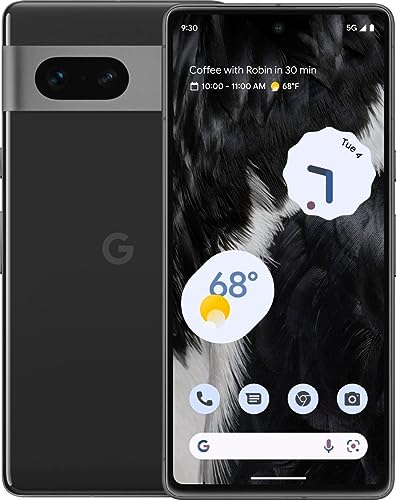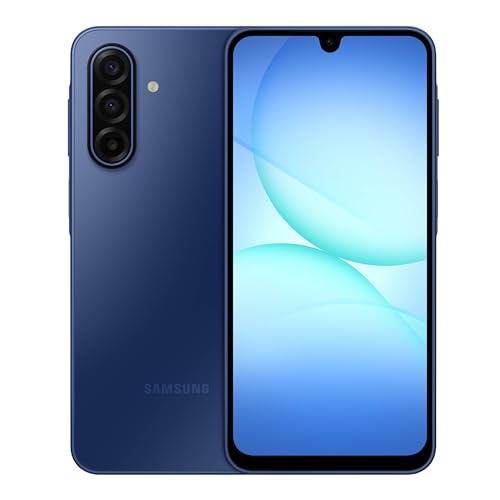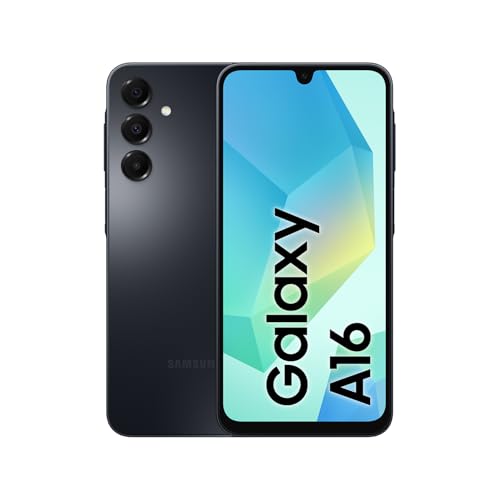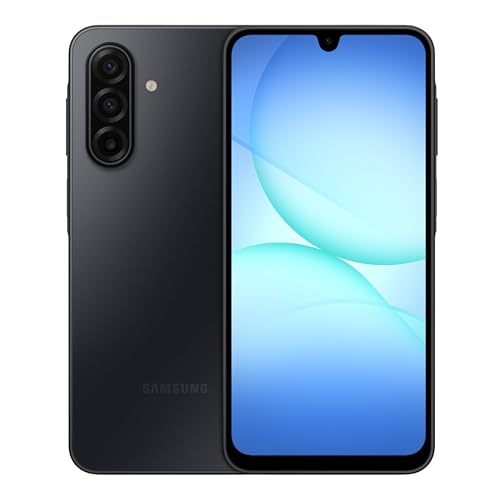
The best bargain 5G phones prove that fast mobile data no longer requires a flagship budget. A few years ago, 5G was a premium feature reserved for expensive phones. Today it arrives in affordable handsets with large screens, multi-day batteries, and cameras that handle everyday photography without fuss. The six phones in this guide all connect to 5G networks, all cost far less than a flagship, and each one suits a different kind of buyer, from the Samsung loyalist to the unlocked-phone enthusiast.
Bargain does not have to mean compromise, but it does mean knowing where the compromises are. Affordable 5G phones typically trade a flagship processor for a capable mid-range chip, a glass body for durable plastic, and a periscope camera for a solid main sensor. For everyday use — messaging, maps, streaming, social media, and photography — those trades are invisible. They only show up in demanding games or professional photography, which is not what most buyers use a bargain phone for anyway.
Every phone here is reviewed for the things that decide daily satisfaction: screen quality, battery life, camera reliability, storage, and carrier freedom. Carrier locks matter in this price class, since several bargain phones arrive tied to a prepaid carrier, and this guide flags those clearly. Read the comparison table first, then the detailed reviews, and use the buying guide to check carrier compatibility before ordering.
In this guide
Quick picks: best bargain 5g phones
| # | Product | Where to buy |
|---|---|---|
| 1 | Samsung Galaxy A17 5G | Check on Amazon |
| 2 | Samsung Galaxy A37 5G | Check on Amazon |
| 3 | TCL 60 XE NXTPAPER 5G | Check on Amazon |
| 4 | Samsung Galaxy A26 5G | Check on Amazon |
| 5 | BLU Bold N4 5G | Check on Amazon |
| 6 | Motorola Moto G Play 2026 | Check on Amazon |
How the Picks Were Chosen
Each phone on this list was selected for value in real daily use. The first filter was 5G connectivity: the phone had to support 5G networks, not just 4G LTE, since 5G is now the standard for fast downloads, smooth video calls, and responsive maps. The second filter was the screen, because a bargain phone is used for hours every day, and a dim or low-resolution display makes every interaction worse. Large displays with good brightness earned a place, and phones with high refresh rates earned extra credit for smoother scrolling.
Battery life came next. A bargain phone should last a full day of heavy use without hunting for a charger, and the picks here favor large batteries and efficient processors that stretch a charge. Storage mattered too: 128GB is the practical minimum for a phone that holds photos, apps, and offline maps, while 64GB models need careful management. Camera quality was judged on the main sensor, since that is the camera used for nearly every photo, and phones with a capable main camera and a sensible secondary lens scored better than phones with four mediocre lenses.
Finally, each pick had to be a real phone with a clear brand and model, stated storage, and a stated carrier arrangement. No refurbished listings, no phone parts, and no listing that hid a carrier lock behind vague language made the cut. The result is six phones that cover the main buying decisions: the Samsung value pick, the unlocked all-rounder, the big-screen media phone, and the maximum-storage bargain.
Quick Comparison
| Phone | Storage | Screen | Carrier | Standout Feature |
|---|---|---|---|---|
| Samsung Galaxy A17 5G | 128GB | Large AMOLED | Unlocked | AMOLED display and durable design |
| Samsung Galaxy A37 5G | 128GB | AMOLED | Unlocked | IP68 rating and triple camera |
| TCL 60 XE NXTPAPER 5G | 256GB | 6.8-inch 120Hz NXTPAPER | Unlocked | Paper-like display and 256GB storage |
| Samsung Galaxy A26 5G | 128GB | 6.7-inch FHD+ 120Hz | Tracfone | 50MP OIS camera and 120Hz display |
| BLU Bold N4 5G | 512GB | 6.78-inch curved | Unlocked | 512GB storage and rear display |
| Motorola Moto G Play 2026 | 64GB | 6.7-inch 120Hz HD+ | Verizon Prepaid | Long battery and clean software |
1. Samsung Galaxy A17 5G

The Samsung Galaxy A17 5G is the classic bargain Samsung: a large AMOLED display, a high-resolution camera, a durable design, and 128GB of storage, all in a phone that costs far less than a flagship. It carries a one-year manufacturer warranty, and its AMOLED screen is the feature that stands out most in daily use. Colors are vivid, blacks are deep, and the display stays readable outdoors, which makes everything from maps to video look better than on a budget LCD.
Samsung A-series phones have earned their reputation by getting the basics right year after year. The A17 follows that pattern with a capable processor for everyday apps, a camera that handles daylight photography well, and a battery that covers a full day. The durable design resists the knocks of daily life, and Samsung software support means security updates keep arriving long after purchase. For buyers who want a Samsung without the flagship price, the A17 is the most straightforward choice on this list.
Strengths
- Large AMOLED display with vivid colors and deep blacks.
- 128GB of storage with room for photos, apps, and offline maps.
- Durable design with a one-year manufacturer warranty.
Trade-offs
- Mid-range processor is not built for demanding games.
- Camera performs best in good light and struggles in very dark scenes.
- Charging speed is modest compared with faster-charging rivals.
Who it fits: the Samsung buyer who wants a bright AMOLED screen and reliable daily performance at a bargain price. Best for: everyday use, media, and photography in good light. Not suited for: heavy gaming or low-light photography.
The AMOLED screen is the reason to choose the A17 over cheaper LCD phones. Once a bright, high-contrast display becomes normal, going back to a dim panel feels like a downgrade, and the A17 screen makes video, photos, and reading noticeably more pleasant. Keep the software updated, use the built-in battery care settings, and the phone will stay smooth for years. It is the safe, sensible bargain 5G phone, and for most buyers that is exactly the right choice.
The A17 display deserves a closer look, because it is the feature that shapes every interaction with the phone. AMOLED panels produce true blacks by switching individual pixels off, which makes the screen look richer and saves battery when dark mode is enabled. That matters for a phone used for hours every day: dark mode on an AMOLED screen is not just a style choice, it is a battery strategy. The display also stays readable in bright sunlight, which is where cheaper LCD panels struggle most. For buyers who watch video, read, or navigate outdoors, the screen alone justifies choosing the A17 over a dimmer rival, and it is the feature most owners notice first and appreciate longest.
2. Samsung Galaxy A37 5G
Check price on Amazon: Samsung Galaxy A17 5G
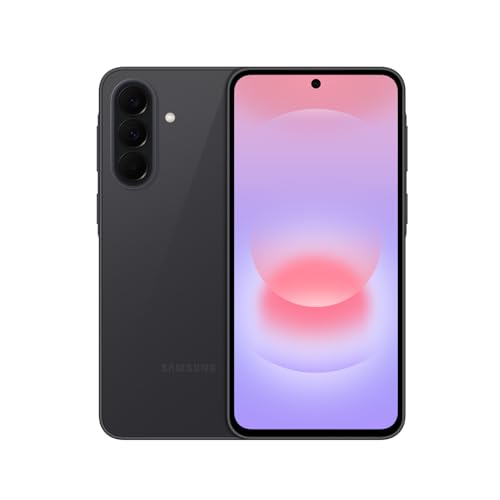
The Samsung Galaxy A37 5G is the toughest bargain phone on this list. It pairs an AMOLED display and a triple camera with an IP68 rating, which means it resists dust and survives submersion in water. That rating is rare in this price class, and it changes how the phone can be used: rain, splashes, and accidental drops in water stop being emergencies. The 128GB of storage, 5000mAh-class battery, and slim design round out a phone that feels more premium than its price suggests.
An IP68 rating is the feature that separates the A37 from every other phone here. Most bargain phones survive a splash; the A37 is built to survive a dunk. For buyers who work outdoors, live in rainy climates, or simply drop their phone often, that durability is worth more than a slightly faster processor. The triple camera covers wide, ultrawide, and close-up shots, and the AMOLED display keeps everything vivid. Samsung software support and a slim, modern design complete a package that punches above its price.
Strengths
- IP68 dust and water resistance, rare at this price.
- AMOLED display and triple camera for versatile photography.
- Large battery and slim design for all-day use.
Trade-offs
- Mid-range performance is fine for daily use but not for heavy gaming.
- IP68 protects against accidents, not deliberate underwater use.
- Camera quality drops in low light compared with flagship phones.
Who it fits: the active buyer who needs a tough, water-resistant phone for outdoor life. Best for: outdoor use, rainy climates, and accident-prone owners. Not suited for: heavy gamers or professional photographers.
Think of the IP68 rating as insurance rather than an invitation. The phone survives accidents, but it is not a diving camera, and the rating can degrade if the phone is dropped hard enough to crack the seals. Use a case and a screen protector anyway: the rating protects against water, not against a cracked screen. For buyers who have lost a phone to water before, the A37 is the bargain pick that makes that worry disappear.
The 5000mAh-class battery in the A37 works together with the efficient processor and AMOLED display to deliver genuinely long battery life. A phone that survives a full day of heavy use without a top-up changes how it is carried: no power bank, no charger anxiety, and no mid-afternoon hunt for an outlet. The slim design keeps the large battery from making the phone bulky, which is a neat piece of engineering in this price class. Buyers should still use battery care settings and avoid leaving the phone in hot cars, since heat ages batteries faster than any other factor. With sensible habits, the A37 battery will still hold a strong charge well into its second and third year.
3. TCL 60 XE NXTPAPER 5G
Check price on Amazon: Samsung Galaxy A37 5G

The TCL 60 XE NXTPAPER 5G is the most unusual phone on this list, and its NXTPAPER display is the reason. The 6.8-inch 120Hz screen uses a paper-like technology that reduces glare and eye strain, making it unusually comfortable for long reading sessions. It pairs that display with 256GB of storage, an octa-core processor, AI tools, and a 50MP camera, all in an unlocked phone that works across carriers.
Eye comfort is a real differentiator for heavy readers. Most phone screens are bright and glossy, which causes fatigue during long sessions. The NXTPAPER display is matte and soft, closer to reading on paper, and the 120Hz refresh rate keeps scrolling smooth. The 256GB of storage is generous for the price, leaving room for books, podcasts, offline maps, and photos without constant cleanup. For buyers who read for hours on their phone, the TCL is the pick that protects the eyes while delivering full 5G performance.
Strengths
- NXTPAPER display reduces glare and eye strain for long reading.
- 256GB of storage, double the capacity of most rivals here.
- 120Hz refresh rate keeps scrolling smooth.
Trade-offs
- Paper-like display looks less vivid than AMOLED for video and photos.
- TCL software support is shorter than Samsung support.
- Large 6.8-inch body needs two hands for comfortable use.
Who it fits: the heavy reader who spends hours on the phone and wants a comfortable screen. Best for: reading, browsing, and long screen sessions. Not suited for: buyers who want the most vivid video display or the longest software support.
The NXTPAPER screen is a feature to try before judging. It looks different from a standard display, and some buyers love the matte finish immediately while others miss the punch of AMOLED. For reading, the difference is clear: less glare, less strain, longer comfortable sessions. Pair the phone with a good e-reader app and a blue-light schedule, and it becomes the best reading phone in this price class by a wide margin.
The AI tools on the TCL 60 XE add practical value beyond the display. They help with writing, translation, and organization, which suits students and professionals who use the phone for work as well as media. The octa-core processor handles everyday apps smoothly, and the 50MP camera covers daylight photography well. What makes the TCL distinctive is the combination: a comfortable screen, generous storage, and AI assistance in a single unlocked phone. It is the pick for buyers who read and work on the phone for hours and want the screen to be kind to their eyes while the software helps with the workload.
4. Samsung Galaxy A26 5G
Check price on Amazon: TCL 60 XE NXTPAPER 5G

The Samsung Galaxy A26 5G is the camera pick of the Samsung value range. Its 50MP main camera uses optical image stabilization, which keeps photos sharp in low light and steadies video during movement. The 6.7-inch FHD+ display runs at 120Hz for smooth scrolling, and the 128GB of storage holds plenty of photos and apps. This is the Tracfone version, which means it arrives as a prepaid smartphone bundled for Tracfone service, and buyers should understand that arrangement before ordering.
Optical image stabilization is the feature that matters most here. Many bargain phones rely on software alone to steady photos, which works in bright light and fails in dim rooms. The A26 hardware stabilization keeps the sensor steady, so evening photos and indoor shots come out sharper. The 120Hz display makes the phone feel fast and responsive, and the large screen is good for video and maps. The Tracfone bundle includes prepaid service, which suits buyers who want a phone and a plan together, but it is not the right choice for someone who wants to use a different carrier immediately.
Strengths
- 50MP camera with optical image stabilization for sharper photos.
- 6.7-inch FHD+ 120Hz display for smooth scrolling and video.
- 128GB of storage and a large, bright screen.
Trade-offs
- Tracfone carrier arrangement limits immediate carrier choice.
- Prepaid bundle suits Tracfone users best.
- Mid-range processor is not built for demanding games.
Who it fits: the Tracfone user who wants the best camera in the Samsung value range. Best for: photography, smooth scrolling, and prepaid bundles. Not suited for: buyers who need an unlocked phone for another carrier.
Read the carrier terms before ordering. The A26 is sold as a Tracfone prepaid smartphone, and the bundle includes service time. Buyers already on Tracfone, or planning to switch to it, will find the bundle convenient and good value. Buyers on another carrier should choose an unlocked model from this list instead, since a carrier-locked phone that cannot be used on the preferred network is a false economy no matter how good the camera is.
The 120Hz display on the A26 changes how the phone feels in a way that specifications rarely capture. Scrolling through a feed, swiping between apps, and navigating maps all feel smoother at 120Hz, and once that smoothness becomes normal, a 60Hz screen feels sluggish by comparison. Samsung includes this feature on a value phone, which is generous, and it pairs well with the large 6.7-inch screen for video and reading. The camera stabilization and the smooth display together make the A26 feel more premium than its price, and for Tracfone users it is the strongest camera phone in the carrier value range.
5. BLU Bold N4 5G
Check price on Amazon: Samsung Galaxy A26 5G

The BLU Bold N4 5G is the storage king of this list, with 512GB of internal storage and 8GB of RAM in an unlocked phone. It also has the most distinctive design: a 6.78-inch curved display on the front and a small 1.74-inch rear display on the back, plus a 50MP main camera and a 16MP selfie camera. For buyers who keep everything on the phone — photos, videos, music, offline maps — the Bold N4 removes storage anxiety entirely.
Five hundred twelve gigabytes is four times the storage of most phones here, and it changes how the phone is used. There is no need to delete photos, no need to choose which playlists to keep offline, and no need to manage storage at all. The rear display is a conversation piece that also serves practical purposes, showing notifications and acting as a viewfinder for rear-camera selfies. The curved display looks premium, and the unlocked design works across carriers. BLU software support is shorter than Samsung, but the hardware value is hard to ignore.
Strengths
- 512GB of storage, far more than any rival on this list.
- Unlocked design works across carriers.
- Rear display for notifications and rear-camera selfies.
Trade-offs
- Curved display is more fragile and harder to protect with a case.
- Software support is shorter than Samsung phones.
- Rear display is a novelty that some owners will rarely use.
Who it fits: the heavy media user who keeps everything on the phone and never wants to manage storage. Best for: photos, videos, offline media, and maximum storage. Not suited for: buyers who want the longest software support or the toughest screen.
The Bold N4 is the right phone for a specific buyer: someone with a large photo library, a lot of offline music, or a habit of recording long videos. For that buyer, 512GB is not a luxury, it is the feature that makes the phone work. Use a case and a screen protector, since curved displays are more vulnerable to drops, and keep the software updated. The storage alone justifies the price for the right owner.
The rear display on the BLU Bold N4 is easy to dismiss as a gimmick until it is used for a selfie. Holding the phone with the rear camera facing the subject and framing the shot on the small rear screen produces noticeably better selfies than the front camera, since the main 50MP sensor does the work. Notifications on the rear display also let the phone sit face down on a table while still showing incoming messages, which is a small but genuine convenience. The curved front display looks premium and makes the phone feel more expensive than it is, though it needs a case more than a flat screen does. For the buyer who wants maximum storage and a distinctive design, the Bold N4 delivers both.
6. Motorola Moto G Play 2026
Check price on Amazon: BLU Bold N4 5G

The Motorola Moto G Play 2026 is the simplest phone on this list, and its simplicity is its appeal. It offers a 6.7-inch 120Hz HD+ display, 5G connectivity, 64GB of storage, and Motorola clean software in a Verizon Prepaid bundle. The Moto G Play line has always been about honest value: a big screen, a long-lasting battery, and software that stays out of the way, at a price that leaves room in any budget.
Motorola software is the quiet advantage here. It is close to stock Android, with few preinstalled apps and a clean interface that stays fast over time. The 120Hz display makes scrolling smooth, which is unusual at this price, and the large battery covers a full day of use. The 64GB of storage is the smallest on this list, so owners should use cloud storage or a microSD card for photos and media. This is the Verizon Prepaid version, so it suits Verizon Prepaid users best, and buyers on other carriers should choose an unlocked model instead.
Strengths
- Clean Motorola software with few preinstalled apps.
- 6.7-inch 120Hz display for smooth scrolling.
- Long battery life for all-day use.
Trade-offs
- 64GB of storage is the smallest on this list.
- Verizon Prepaid arrangement limits carrier choice.
- HD+ resolution is lower than the FHD+ displays on rivals.
Who it fits: the Verizon Prepaid user who wants a simple, clean phone with a big smooth screen. Best for: everyday use, clean software, and prepaid value. Not suited for: buyers who need large storage or an unlocked phone.
The Moto G Play is at its best as a first smartphone, a backup phone, or a simple daily driver for calls, messages, maps, and light media. Set up cloud backup for photos on day one, since 64GB fills quickly, and the phone will serve reliably for years. It is the least flashy phone on this list, and for many buyers that is exactly the point: it does the job, it does it well, and it never gets in the way.
Motorola clean software is the feature that keeps the Moto G Play feeling fast over time. Many bargain phones slow down as preinstalled apps accumulate and background services multiply, but the near-stock Android on this phone stays lean. That leanness matters most in the second and third year, when a cluttered phone starts to lag and a clean one still responds quickly. The 120Hz display adds smoothness that is rare at this price, and the large battery covers a full day without fuss. For buyers who want a phone that stays simple and reliable, the Moto G Play is the honest choice: it does less, but everything it does, it does well.
Buying Guide: Choosing a Bargain 5G Phone
Carrier freedom comes first. Several bargain phones arrive tied to a prepaid carrier, and that arrangement suits some buyers perfectly while trapping others. Check whether the phone is unlocked, which carriers it works with, and whether it supports the bands used by the preferred carrier. An unlocked phone costs a little more upfront but works everywhere, while a carrier-locked phone is only a bargain if the carrier is the right one. Read the listing carefully: prepaid bundles include service time, and the total value depends on using that service.
Screen quality is the next decision. AMOLED displays offer vivid colors and deep blacks, LCD displays are cheaper and still good, and paper-like displays such as NXTPAPER reduce eye strain for readers. A 120Hz refresh rate makes scrolling smoother, and a larger screen is better for video and maps but harder to use one-handed. Brightness matters for outdoor use: a dim screen is frustrating in sunlight, no matter how good the rest of the phone is.
Storage and battery follow. One hundred twenty-eight gigabytes is the practical minimum for most buyers, while 64GB demands cloud storage and careful management, and 512GB removes storage worries entirely. A large battery matters more than fast charging for most users, since a phone that lasts the day is more useful than one that charges quickly but dies early. Camera quality should be judged on the main sensor and on optical stabilization, which matters more than the number of lenses. Finally, check software support: Samsung phones receive updates for years, while smaller brands update for a shorter period, and that difference affects how long the phone stays secure and smooth.
Think about how the phone will be used in two years, not just on day one. A phone with 128GB of storage and long software support will still feel capable when apps have grown larger and the operating system has moved on, while a phone with minimal storage and short support will feel old much sooner. That long view favors Samsung models for their update policy and the BLU Bold N4 for its storage, and it is worth paying a little more now for a phone that lasts an extra year. The cheapest phone is rarely the best bargain when total ownership time is counted.
Check price on Amazon: Motorola Moto G Play 2026
How to Use and Care for Your Bargain Phone
Set the phone up properly on day one. Transfer data from the old phone, sign in to cloud backup, and turn on automatic photo backup before taking a single picture. Keep the operating system and apps updated, since updates include security fixes that protect accounts and data. Use a case and a screen protector from the start: bargain phones are just as vulnerable to drops as flagships, and a cracked screen costs more to repair than the case that would have prevented it.
Look after the battery by avoiding constant full discharges and by keeping the phone out of extreme heat, such as a car dashboard in summer. Use the built-in battery care settings, and charge overnight with a standard charger rather than fast charging every time. Clean the charging port gently if lint builds up, and keep the phone dry even if it carries a water resistance rating, since ratings protect against accidents rather than deliberate exposure.
Water and dust protection is worth understanding before relying on it. An IP68 rating, such as the one on the Galaxy A37, means the phone is tested against dust and submersion, but the rating applies to fresh water in lab conditions and can degrade after drops or repairs. Treat water resistance as protection against accidents, not as permission to use the phone underwater, and rinse the phone with fresh water if it is exposed to saltwater or chlorine. A case and a screen protector remain the best protection for any phone, rated or not.
Common Mistakes to Avoid
The most common mistake is buying a carrier-locked phone without reading the terms. A phone that cannot be used on the preferred carrier is not a bargain at any price, and unlocking a prepaid phone often requires meeting service conditions first. Another frequent error is choosing the smallest storage option to save money, then spending the next two years deleting photos and apps. Storage is cheap at purchase time and expensive in frustration later.
Many buyers also ignore software support. A phone from a brand with short update support may feel fine on day one and become insecure or sluggish within two years, while a phone with long support stays smooth and safe. Finally, do not judge a phone by its camera count. A single good main sensor with optical stabilization beats four mediocre lenses, and the phones on this list were chosen for the quality of the main camera rather than the quantity of cameras.
Final Recommendation
For most buyers, the Samsung Galaxy A17 5G is the best all-round bargain: its AMOLED display, 128GB of storage, and Samsung support cover everyday use without fuss. Buyers who need toughness should choose the Galaxy A37 5G for its IP68 rating, heavy readers should choose the TCL 60 XE NXTPAPER for its eye-friendly screen, and Tracfone users should choose the Galaxy A26 5G for its stabilized camera. The BLU Bold N4 is the right call for anyone who needs 512GB of storage, and the Motorola Moto G Play 2026 suits Verizon Prepaid users who want clean software and simple value. Check the carrier terms, pick the screen that fits the way the phone is used, and the bargain will keep paying off for years.
Finally, remember that a bargain phone is a long-term companion, not a disposable gadget. Choose the carrier arrangement, screen, and storage that will still suit daily life in two years, set the phone up with backups on day one, and it will reward the careful choice with years of reliable service.
Frequently Asked Questions
Is 5G worth it on a bargain phone?
Yes. 5G is now standard on affordable phones, and it brings faster downloads, smoother video calls, and more responsive maps and streaming. A bargain phone without 5G will feel dated sooner, since carriers continue to expand 5G coverage and prioritize it for new services. All six phones in this guide support 5G, so there is no reason to buy a 4G-only phone in this price class.
What is the difference between an unlocked phone and a prepaid bundle?
An unlocked phone works with any compatible carrier, while a prepaid bundle is tied to a specific carrier and often includes service time. Unlocked phones cost more upfront but offer freedom to switch carriers. Prepaid bundles are good value for buyers who plan to use that carrier anyway, but they are a poor choice for anyone who needs a different network.
How much storage do I need in a bargain phone?
128GB is the practical minimum for most buyers, covering apps, photos, and offline maps without constant management. 64GB works only with cloud storage and regular cleanup, while 256GB and 512GB suit heavy media users who keep large photo and video libraries on the device. Buy more storage than the current need, since apps and photos grow every year.
Are bargain phone cameras good enough?
Yes, for everyday photography. Modern bargain phones take sharp, well-exposed photos in good light, and models with optical image stabilization, such as the Galaxy A26, handle low light better than most. They do not match flagship cameras for night photography or zoom, but for social media, family photos, and travel snapshots, they are more than capable.
How long will a bargain 5G phone last?
Three to four years is a reasonable expectation with care. Software support length varies by brand: Samsung phones receive updates the longest, while smaller brands update for a shorter period. A case, a screen protector, regular updates, and good battery habits all extend the useful life of the phone well beyond the first year.
Should I buy a phone with 64GB of storage?
Only if the budget is very tight and cloud storage is part of the plan. 64GB fills quickly with apps, photos, and system files, and managing storage becomes a regular chore. Most buyers are happier with 128GB, which is the practical minimum for comfortable use. If the price difference is small, choose the larger storage option: it costs little now and saves frustration for the whole life of the phone.
Do bargain 5G phones get software updates?
Yes, but the length of support varies by brand. Samsung provides the longest update support in this price class, with several years of operating system and security updates. Smaller brands update for a shorter period, which means the phone may stop receiving new features sooner. Check the promised update period before buying, since it decides how long the phone stays secure and current.
Related reading on Kajuandouglas: Best Android Phones Under 100 Dollars, Best Smartphones for Under 100, and Best Unlocked Smartphones Under 150.