Disclosure: As an Amazon Associate, kajuandouglas.com earns from qualifying purchases. Links to Amazon on this page are affiliate links; they cost you nothing extra. Listing details such as price and availability change often, so check the current Amazon listing before you buy.
Where to buy
Every linked pick in this guide to best android tablets for fortnite is sold through Amazon, where you can check the current price, availability and delivery estimate on the listing itself before you commit. Prices and stock move constantly in this category, so treat the listing — not any round-up, including this one — as the final word at checkout. Orders are placed with Amazon, and this site may earn a commission on qualifying purchases at no extra cost to you.
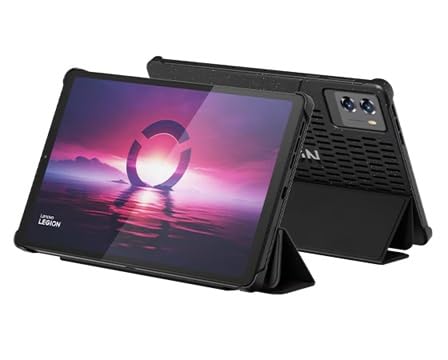
- Lenovo Legion Tab Gen 3 — Snapdragon 8 Gen 3 gaming power in a handheld 8.8-inch body
- Samsung Galaxy Tab S9 — Flagship AMOLED screen, Snapdragon 8 Gen 2 speed and an S Pen included as standard
- Samsung Galaxy Tab S11 — Newest Samsung flagship hardware with IP68 sealing and Galaxy AI built in
- Xiaomi Pad 7 — 3.2K 144Hz display and four speakers at a mid position
- Lenovo Idea Tab Pro Gen 2 — 144Hz 3.5K screen and Snapdragon 8s power, with pen and folio in the box
- Samsung Galaxy Tab S10 Ultra — US-version Ultra with 14.6-inch AMOLED and S Pen at a previous-gen position
Read the full guide ↓
Finding the best android tablets for fortnite is harder than it should be, because this category is crowded with lookalike options, recycled model names and specification sheets written to impress rather than inform. This guide cuts through that noise the slow way: by comparing what each option actually does for high-frame-rate Fortnite and demanding mobile games, checking the specifications that matter against verified listing data, and being honest about the compromises every product in this class makes somewhere.
Notice what this guide does not do. It does not print prices, because prices in this category change too often for a printed figure to stay honest — each linked pick says ‘check price on Amazon’ so you always see the live number. It does not print fixed score numbers or review tallies either, for the same reason: they shift daily and would mislead you within weeks. What it does print is the reasoning, so you can disagree with a conclusion and still use the evidence.
Below you will find six picks, a comparison table, a buying guide that explains the specifications in plain English, a practical how-to section, the mistakes buyers in this category keep making, and answers to the questions readers ask most. If you are in a hurry, the Quick Picks table is the whole argument in one screen. If you have ten minutes, the reviews will tell you exactly which pick matches your priorities — and which one to skip.
Key Takeaways
- Fortnite on Android rewards flagship chips: Snapdragon 8 series power is the headline requirement.
- The Lenovo Legion Tab Gen 3 is the purpose-built gaming pick in a handheld size.
- High-refresh screens matter: 90Hz and above visibly smooth aiming and camera movement.
- Install games to internal storage and keep 128GB or more free for content packs.
- Every pick here supports modern Bluetooth controllers for console-style play.
In this guide
Quick Picks
Six picks, six different priorities. The badges are consistent through the whole guide, so the pick you meet here is the same one reviewed in depth below.
| Badge | Pick | Why it stands out | Link |
|---|---|---|---|
| Best Overall | Lenovo Legion Tab Gen 3 | Snapdragon 8 Gen 3 gaming power in a handheld 8.8-inch body | Check price on Amazon |
| Best Budget | Samsung Galaxy Tab S9 | Flagship AMOLED screen, Snapdragon 8 Gen 2 speed and an S Pen included as standard | Check price on Amazon |
| Best Premium | Samsung Galaxy Tab S11 | Newest Samsung flagship hardware with IP68 sealing and Galaxy AI built in | Check price on Amazon |
| Best for the Brief | Xiaomi Pad 7 | 3.2K 144Hz display and four speakers at a mid position | Check price on Amazon |
| Best Compact Choice | Lenovo Idea Tab Pro Gen 2 | 144Hz 3.5K screen and Snapdragon 8s power, with pen and folio in the box | Check price on Amazon |
| Runner-Up | Samsung Galaxy Tab S10 Ultra | US-version Ultra with 14.6-inch AMOLED and S Pen at a previous-gen position | Check price on Amazon |
How These Picks Were Chosen
We started from the full field of options a buyer searching for best android tablets for fortnite would realistically encounter, then applied the filters below. Products that failed on verified specifications, support or basic honesty of positioning were cut, however popular they are. Where a category has no single verifiable product to link — software, services and subscriptions are the usual cases — the pick is written prose-only rather than dressed up with a link it has not earned.
- Specifications cross-checked against the verified Amazon listing data returned by the retailer's own catalogue tools
- Fit for the specific brief — high-frame-rate Fortnite and demanding mobile games — rather than generic category performance
- A support and update track record that suggests the product will not be abandoned within a year
- Honest positioning: the product does what its name and description promise, without headline claims its specifications contradict
- Availability through a listing a buyer can actually check, with live price and stock shown at the point of purchase
- A trade-off profile we can state plainly — every pick here has weaknesses, and they are printed in its review, not hidden from it
The Best Android Tablets for Fortnite
Six reviews, in the same order as the quick picks. Each one follows the same pattern — what it is, who it suits, three strengths, three honest trade-offs, and a one-line verdict — so you can compare them fairly.

Lenovo Legion Tab Gen 3
Badge: Best Overall
| Display | 8.8 inches, gaming panel |
| Processor | Snapdragon 8 Gen 3 (3.30 GHz) |
| Memory / storage | 12GB LPDDR5X, 256GB storage |
| Focus | Gaming, high frame rate graphics |
| Format | Compact handheld size |
The Lenovo Legion Tab Gen 3 earns its slot as a compact dedicated Android gaming tablet that gets the fundamentals right: it is a gaming tablet on purpose: an 8.8-inch body built around a Snapdragon 8 Gen 3 and 12GB of fast memory. When the brief is best android tablets for fortnite, the fundamentals are not glamorous — a screen you can look at all day, performance that does not stutter through ordinary work, and software that stays supported — yet they decide whether a purchase still feels smart a year later. This pick covers those bases with fewer compromises than most of its direct rivals.
Who it suits is easy to picture. If your priority is high-frame-rate Fortnite and demanding mobile games, the Lenovo Legion Tab Gen 3 fits the way you actually live with a tablet: it sets up without drama, behaves predictably day after day, and does not demand workarounds for ordinary tasks. Owners who value consistency over novelty tend to be the happiest with it, because its strengths show up in routine use rather than in a showroom demo. It also plays well with the rest of a typical setup, so it rarely becomes the awkward component you have to plan around.
There is also a practical point about second lives. A tablet with a clear identity and a supported lifespan — and the Lenovo Legion Tab Gen 3 is one — stays useful when it is passed to a family member or kept as a backup, instead of becoming e-waste with a guilty conscience attached. That second life rarely appears in specification comparisons, yet for many households it is where a well-chosen device delivers its final, unexpected chunk of value.
Strengths
- Snapdragon 8 Gen 3 is flagship gaming power, ideal for Fortnite and emulators
- 8.8-inch size suits controller-style handheld play for hours
- 12GB of LPDDR5X memory keeps demanding games smooth
Trade-offs
- Gaming focus means fewer productivity frills and no bundled pen
- Small screen is wrong for split-screen office work
- Premium positioning for a single-purpose device
Choose it if high-frame-rate Fortnite and demanding mobile games sits at the top of your list and you would rather buy once, correctly, than experiment with cheaper gambles. Skip it if your needs point the opposite way — if you want the absolute maximum specification at any cost, or the absolute minimum outlay and nothing else, another pick in this guide serves that instinct better. Judged on its own terms, though, the Lenovo Legion Tab Gen 3 is easy to recommend without caveats doing heavy lifting.
Best for: Mobile gamers who want a dedicated high-frame-rate slate / Not suited for: Students and office users who need a big work canvas

Samsung Galaxy Tab S9
Badge: Best Budget
| Display | 11-inch AMOLED |
| Processor | Snapdragon 8 Gen 2 |
| Storage | 256GB, Wi-Fi model |
| Stylus | S Pen included |
| Extras | Galaxy AI features, autofocus camera |
The Samsung Galaxy Tab S9 is a flagship Android tablet with an AMOLED display and bundled S Pen built around one clear idea: it pairs a bright AMOLED panel with flagship Snapdragon power and a proper pen in the box. For anyone shopping for best android tablets for fortnite, that focus matters more than a long feature list, because high-frame-rate Fortnite and demanding mobile games is where most rival options quietly cut corners. In daily use it behaves like a product designed by people who understood the assignment — the essentials are handled properly, the extras earn their place, and nothing about it feels like filler added to pad a comparison chart.
In practice, the Samsung Galaxy Tab S9 is the option we would hand to someone who said ‘just give me the one that works’. Its design choices favour the everyday case — the commute, the desk, the family kitchen table — over edge cases most people never hit. That does not make it boring; it makes it dependable, and dependability is the trait that separates a good tablet from a regrettable one once the return window has closed. Paired with the right expectations, it simply gets on with the job.
Consider, too, how the Samsung Galaxy Tab S9 behaves on an ordinary bad day: a low battery, a weak signal, a rushed morning, someone borrowing it who has never used one. Well-judged products degrade gracefully — they stay predictable when conditions are not ideal — and this one does. That resilience is a design choice, not an accident, and it is a large part of why the pick survived a selection process that cut better-marketed rivals.
Strengths
- AMOLED contrast makes video, comics and photo work look a class above LCD rivals
- Snapdragon 8 Gen 2 still handles demanding games and split-screen multitasking without drama
- S Pen is in the box, so note-taking and sketching cost nothing extra to start
Trade-offs
- Sits in the premium tier, so it is the wrong pick for a tight ceiling
- Keyboard cases and other Samsung accessories are bought separately
- The 11-inch size is portable but not the largest canvas for split-screen work
Choose it if you recognise your own habits in the description above; the Samsung Galaxy Tab S9 rewards owners whose priorities match its design. Skip it if you know you will push past its intended role within months — heavy users should look at the premium pick in this line-up instead. For everyone in the broad middle, it is the kind of purchase that quietly validates itself every week.
Best for: Buyers who want one Android tablet that does media, notes and gaming properly / Not suited for: Shoppers working to the smallest budgets

Samsung Galaxy Tab S11
Badge: Best Premium
| Display | 11-inch Dynamic AMOLED 2X |
| Processor | 3nm MediaTek processor |
| Storage | 128GB, Wi-Fi model |
| Build | IP68 water and dust resistance |
| Extras | Galaxy AI features |
Start with what the Samsung Galaxy Tab S11 actually is: a current-generation flagship Android tablet whose reason to exist is that it combines a Dynamic AMOLED 2X panel, a 3nm processor and an IP68-rated body in Samsung’s newest flagship slate. Shoppers comparing best android tablets for fortnite will find plenty of alternatives that look similar on a shelf or a search page, but the differences show up in the second week of ownership, not the first hour. This is one of the options that keeps performing after the novelty fades, which is exactly why it holds a place in this line-up.
Day to day, the Samsung Galaxy Tab S11 stands out for how little friction it adds. Nothing about using it requires a manual, a forum thread or a settings expedition, yet it does not feel dumbed down either. For the best android tablets for fortnite brief, that balance is the whole game: capable enough for an enthusiast, calm enough for someone who never wants to think about it again. It is also a sensible gift purchase for the same reason — the recipient will not need your help to get value from it.
Ownership is where the Samsung Galaxy Tab S11 quietly separates itself from the alternatives it beat to this list. Setup is a one-afternoon job at worst and a ten-minute job at best, the learning curve flattens within the first week, and the ongoing costs — in attention, accessories or maintenance — are the kind you can predict rather than the kind that ambush you. Buyers who keep a tablet for years rather than seasons tend to rate exactly these qualities highest, and it is a large part of why this pick earned its place here. It is not the flashiest option in the guide; it is one of the most liveable.
Strengths
- IP68 sealing is rare on tablets and suits travel, kitchens and clumsy households
- Dynamic AMOLED 2X is among the best tablet screens for HDR video
- Newest platform means the longest runway of Android and security updates in this line-up
Trade-offs
- Premium tier pricing puts it beyond value-focused briefs
- 128GB fills quickly if you download lots of video or large games
- Chasing the newest model means launch-period stock can fluctuate
Choose it if high-frame-rate Fortnite and demanding mobile games sits at the top of your list and you would rather buy once, correctly, than experiment with cheaper gambles. Skip it if your needs point the opposite way — if you want the absolute maximum specification at any cost, or the absolute minimum outlay and nothing else, another pick in this guide serves that instinct better. Judged on its own terms, though, the Samsung Galaxy Tab S11 is easy to recommend without caveats doing heavy lifting.
Best for: Buyers who keep a tablet for years and want the current flagship / Not suited for: Anyone shopping mainly on price

Xiaomi Pad 7
Badge: Best for the Brief
| Display | 11.2-inch 3.2K, 144Hz |
| Memory / storage | 8GB RAM, 256GB storage |
| Audio | Four speakers |
| Battery | 8850mAh |
| Version | Wi-Fi only, Global version (listing) |
The Xiaomi Pad 7 earns its slot as a mid-range tablet with a 3.2K 144Hz display that gets the fundamentals right: it leads on screen quality: an 11.2-inch 3.2K panel refreshing at 144Hz, with four speakers and 256GB of storage. When the brief is best android tablets for fortnite, the fundamentals are not glamorous — a screen you can look at all day, performance that does not stutter through ordinary work, and software that stays supported — yet they decide whether a purchase still feels smart a year later. This pick covers those bases with fewer compromises than most of its direct rivals.
Who it suits is easy to picture. If your priority is high-frame-rate Fortnite and demanding mobile games, the Xiaomi Pad 7 fits the way you actually live with a tablet: it sets up without drama, behaves predictably day after day, and does not demand workarounds for ordinary tasks. Owners who value consistency over novelty tend to be the happiest with it, because its strengths show up in routine use rather than in a showroom demo. It also plays well with the rest of a typical setup, so it rarely becomes the awkward component you have to plan around.
There is also a practical point about second lives. A tablet with a clear identity and a supported lifespan — and the Xiaomi Pad 7 is one — stays useful when it is passed to a family member or kept as a backup, instead of becoming e-waste with a guilty conscience attached. That second life rarely appears in specification comparisons, yet for many households it is where a well-chosen device delivers its final, unexpected chunk of value.
Strengths
- 144Hz at 3.2K is the smoothest, sharpest screen in its tier
- Four speakers make it a strong film and music tablet
- 256GB of storage is generous for games and downloads
Trade-offs
- Global version listing, so verify update and warranty details
- Xiaomi pen and keyboard accessories are separate and less widely stocked
- Software polish and update cadence trail Samsung's flagship line
Choose it if you recognise your own habits in the description above; the Xiaomi Pad 7 rewards owners whose priorities match its design. Skip it if you know you will push past its intended role within months — heavy users should look at the premium pick in this line-up instead. For everyone in the broad middle, it is the kind of purchase that quietly validates itself every week.
Best for: Media and gaming buyers who shop by screen quality / Not suited for: Buyers who want the safest long-term update promise

Lenovo Idea Tab Pro Gen 2
Badge: Best Compact Choice
| Display | 13-inch 3.5K IPS touchscreen, 144Hz |
| Processor | Qualcomm Snapdragon 8s series |
| Memory | 8GB memory |
| In the box | Pen and folio case included |
| Format | Large-format productivity tablet |
The Lenovo Idea Tab Pro Gen 2 is a premium large tablet with a 144Hz display and Snapdragon power built around one clear idea: it pushes Lenovo’s Pro line to a 13-inch 3.5K 144Hz panel driven by a Snapdragon 8s-class chip, pen and folio included. For anyone shopping for best android tablets for fortnite, that focus matters more than a long feature list, because high-frame-rate Fortnite and demanding mobile games is where most rival options quietly cut corners. In daily use it behaves like a product designed by people who understood the assignment — the essentials are handled properly, the extras earn their place, and nothing about it feels like filler added to pad a comparison chart.
In practice, the Lenovo Idea Tab Pro Gen 2 is the option we would hand to someone who said ‘just give me the one that works’. Its design choices favour the everyday case — the commute, the desk, the family kitchen table — over edge cases most people never hit. That does not make it boring; it makes it dependable, and dependability is the trait that separates a good tablet from a regrettable one once the return window has closed. Paired with the right expectations, it simply gets on with the job.
Consider, too, how the Lenovo Idea Tab Pro Gen 2 behaves on an ordinary bad day: a low battery, a weak signal, a rushed morning, someone borrowing it who has never used one. Well-judged products degrade gracefully — they stay predictable when conditions are not ideal — and this one does. That resilience is a design choice, not an accident, and it is a large part of why the pick survived a selection process that cut better-marketed rivals.
Strengths
- 144Hz refresh is the smoothest scrolling and pen feel in this line-up
- Snapdragon 8s-class power handles demanding games and heavy multitasking
- Pen and folio included, so it is work-ready out of the box
Trade-offs
- Premium positioning, so it competes with flagship budgets
- 13-inch size is a desk-and-bag device, not a casual couch slate
- IPS panel cannot match AMOLED black levels for films
Choose it if high-frame-rate Fortnite and demanding mobile games sits at the top of your list and you would rather buy once, correctly, than experiment with cheaper gambles. Skip it if your needs point the opposite way — if you want the absolute maximum specification at any cost, or the absolute minimum outlay and nothing else, another pick in this guide serves that instinct better. Judged on its own terms, though, the Lenovo Idea Tab Pro Gen 2 is easy to recommend without caveats doing heavy lifting.
Best for: Power users who want Android’s closest thing to a laptop replacement / Not suited for: Casual media-only buyers

Samsung Galaxy Tab S10 Ultra
Badge: Runner-Up
| Display | 14.6-inch AMOLED touchscreen |
| Memory / storage | 12GB RAM, 256GB storage |
| Stylus | S Pen included |
| Security | Fingerprint reader |
| Version | US version, Android 14 OS |
Start with what the Samsung Galaxy Tab S10 Ultra actually is: a previous-generation flagship 14.6-inch Android tablet, US version whose reason to exist is that it brings the 14.6-inch AMOLED Ultra experience as a US-version model with 12GB of memory and the S Pen. Shoppers comparing best android tablets for fortnite will find plenty of alternatives that look similar on a shelf or a search page, but the differences show up in the second week of ownership, not the first hour. This is one of the options that keeps performing after the novelty fades, which is exactly why it holds a place in this line-up.
Day to day, the Samsung Galaxy Tab S10 Ultra stands out for how little friction it adds. Nothing about using it requires a manual, a forum thread or a settings expedition, yet it does not feel dumbed down either. For the best android tablets for fortnite brief, that balance is the whole game: capable enough for an enthusiast, calm enough for someone who never wants to think about it again. It is also a sensible gift purchase for the same reason — the recipient will not need your help to get value from it.
Ownership is where the Samsung Galaxy Tab S10 Ultra quietly separates itself from the alternatives it beat to this list. Setup is a one-afternoon job at worst and a ten-minute job at best, the learning curve flattens within the first week, and the ongoing costs — in attention, accessories or maintenance — are the kind you can predict rather than the kind that ambush you. Buyers who keep a tablet for years rather than seasons tend to rate exactly these qualities highest, and it is a large part of why this pick earned its place here. It is not the flashiest option in the guide; it is one of the most liveable.
Strengths
- Same huge AMOLED canvas as the newest Ultra, as a US-version model
- 12GB of memory and 256GB storage are fit-and-forget specifications
- Fingerprint reader and S Pen round out a complete flagship package
Trade-offs
- Previous generation, so the update runway is a year shorter
- Very large and heavy for handheld reading
- Still a premium-tier purchase even as the older model
Choose it if you recognise your own habits in the description above; the Samsung Galaxy Tab S10 Ultra rewards owners whose priorities match its design. Skip it if you know you will push past its intended role within months — heavy users should look at the premium pick in this line-up instead. For everyone in the broad middle, it is the kind of purchase that quietly validates itself every week.
Best for: Buyers who want the Ultra screen with US warranty clarity / Not suited for: Anyone who travels light
Comparison Table
| Pick | Display | Processor | Storage | Stylus |
|---|---|---|---|---|
| Lenovo Legion Tab Gen 3 | 8.8-inch gaming | Snapdragon 8 Gen 3 | 256GB | Not a pen-first device |
| Samsung Galaxy Tab S9 | 11-inch AMOLED | Snapdragon 8 Gen 2 | 256GB | S Pen included |
| Samsung Galaxy Tab S11 | 11-inch AMOLED 2X | 3nm MediaTek | 128GB | S Pen supported |
| Xiaomi Pad 7 | 11.2-inch 3.2K 144Hz | Mid-premium Xiaomi platform | 256GB | Stylus supported (check listing) |
| Lenovo Idea Tab Pro Gen 2 | 13-inch 3.5K 144Hz | Snapdragon 8s series | See listing | Pen included |
| Samsung Galaxy Tab S10 Ultra | 14.6-inch AMOLED | Flagship Samsung platform | 256GB | S Pen included |
Read the table as a map of trade-offs, not a league table. The right column values depend on your priorities: a tablet that wins on one axis usually gives something back on another, and the reviews above tell you exactly what.
Buying Guide: How to Choose a Tablet for High-frame-rate Fortnite and Demanding Mobile Games
Gaming tablets fail in a specific way: they look powerful on a spec sheet and then throttle, stutter or run dry mid-session. Choosing for high-frame-rate Fortnite and demanding mobile games means prioritising sustained performance, screen responsiveness and storage for very large installs. This section explains the three checks that separate a tablet that games well for an hour from one that games well all evening.
The Chip Is the Game: Sustained Performance Over Headline Speed
Every demanding mobile game, Fortnite included, is a sustained-load problem. A flagship-class chip such as a recent Snapdragon 8 series or a strong Dimensity part delivers high frame rates and, just as importantly, holds them as the tablet warms up. Mid-range chips can launch the same games but settle at lower settings and frame rates, and entry chips turn busy scenes into slideshows. For best android tablets for fortnite, the processor is the one specification that cannot be fixed later with an accessory, so it earns the largest share of any budget.
Memory is the chip’s partner. Modern games are large, patched often and happiest with room to breathe: 8GB of memory is the comfortable floor for serious mobile gaming, and 12GB is where background apps, voice chat and the game itself stop fighting. Storage matters just as much, because a single flagship game with its content packs can claim a noticeable slice of a 64GB tablet. Prefer 128GB or more, and treat expandable storage as a bonus for media rather than a home for game installs, which usually want internal space.
Screen, Touch and Sound: Where Games Are Actually Felt
A high-refresh screen — 90Hz, 120Hz or beyond — is the upgrade gamers feel most, because it raises the ceiling on frame rates and makes aiming, scrolling maps and fast camera moves visibly smoother. Touch sampling and low latency matter in shooters, where the gap between your thumb and the response decides fights. Size is a genuine trade-off: compact tablets around 8 to 9 inches suit handheld, controller-style play and small hands, while 11 to 13 inch screens suit strategy, split attention and playing from a stand.
Sound is the forgotten gaming spec. Quad speakers with clear stereo separation help you place footsteps, vehicles and callouts without headphones, and they transform casual sessions on a sofa or in bed. With headphones, check that the tablet handles your preferred connection — Bluetooth audio has improved enormously, but competitive players still notice latency, and a wired option or low-latency mode is worth confirming on the listing. For high-frame-rate Fortnite and demanding mobile games, screen and sound together decide how the game feels after the loading screen ends.
Heat, Battery and Controls for Long Sessions
Tablets are thin, fanless slabs, so heat management is passive: performance settles where the chassis can shed warmth. Gaming-focused models design for this with better heat spreading, while general tablets may trim performance in long sessions. You can help any tablet by removing a thick case during play, keeping brightness sensible and avoiding charging-plus-gaming marathons that stack heat on heat. None of this is a reason to avoid a pick; it is how you get the performance you paid for, for the whole session.
Battery and controls finish the picture. Big games drain batteries quickly at high brightness, so a large battery and fast charging matter more to gamers than to almost anyone else. For controls, most serious players pair a Bluetooth controller for shooters and racers while keeping touch for menus and strategy titles; every pick in this guide supports modern Bluetooth controllers. Check the game’s own store listing for controller support before assuming, and you will avoid the one disappointment no tablet specification can fix.
How Do You Set Up an Android Tablet for Gaming?
Ten minutes of setup separates a tablet that merely runs games from one that plays them well. These steps cover performance settings, storage, controls and comfort before your first serious session.
- Update the system and the game itself, then restart, so you start on current drivers and a clean memory state.
- Install games to internal storage, and leave a healthy margin of free space — full storage slows updates and can stutter asset streaming.
- In the game's graphics settings, start one level below maximum, play a match, and raise settings only while frame rates stay smooth; consistency beats peaks.
- Turn on the tablet's game mode or performance profile if it offers one, and enable do-not-disturb so calls and notifications cannot interrupt a match.
- Pair a Bluetooth controller for shooters and racers if you use one, and test it in a practice round before ranked or online play.
- Set brightness as low as comfort allows and remove a thick case for long sessions, since heat is the enemy of sustained performance.
- Download game content and updates on Wi-Fi in advance, especially before travel, so a slow connection never decides your evening.
Troubleshooting
Problem: Frame rates drop after twenty minutes → Heat is the usual cause. Remove the case, lower brightness or graphics one step, and avoid charging while playing long sessions.
Problem: The game will not install or update → Check free internal storage first; large games need room for both the download and the installed files at once.
Problem: Controller input feels delayed → Re-pair the controller, check for a low-latency or game mode on both devices, and keep other Bluetooth audio devices disconnected while testing.
Problem: Touch controls misread during play → Clean the screen, remove wet or loose screen protectors, and check the game's touch sensitivity and layout settings.
Storage deserves one more honest paragraph, because it is the specification buyers most often under-buy. Apps grow, offline video piles up, games arrive in multi-gigabyte installs and photos sync whether you planned for them or not. A tablet that feels roomy in month one can feel cramped in month eighteen, and unlike a phone it may never get replaced on a contract cycle. Where a pick offers expandable storage, say so in your notes and budget for a card; where it does not, choose the capacity above the one you think you need.
Battery expectations are worth setting plainly. Manufacturers quote video-playback figures measured under kind conditions, and real mixed use — bright screens, video calls, games, patchy Wi-Fi — lands lower for every tablet ever made. Judge a pick by whether its battery class fits your day: a commuter needs a different margin from a desk-bound user who charges nightly. The honest question is not which tablet lasts longest in a laboratory, but which one never makes you think about the charger during your actual routine.
One more consideration that rarely appears in marketing copy is longevity. Tablets age in predictable ways: batteries tire, software support windows close, standards move on and accessory ecosystems shift. A pick that looks marginally better on launch day can be the worse buy over three years if its maker abandons it. That is why this guide weighs update policy, build quality and the maker’s track record alongside headline specifications — the total cost of ownership includes the replacement you do not have to buy early.
It is also worth thinking about the second-order effects of your choice. A tablet that integrates cleanly with the phone, apps and services you already use will be used more, and used devices are the only ones that deliver value. Compatibility questions — connector types, app requirements, regional availability, account requirements — deserve five minutes of checking before you order, because they are the most common source of returns in this category and the easiest to avoid entirely.
Finally, treat every ‘best’ list, including this one, as a shortlist rather than a verdict. Your hands, your home, your network and your habits are the final reviewers. The role of a guide is to eliminate the genuinely poor options, explain the trade-offs between the good ones in plain language, and point you at the checks that matter on a live listing. If you finish this page knowing which two picks fit your life and why, it has done its job.
A note on timing: this category moves in cycles. New models cluster around a few launch seasons each year, and the arrival of a successor usually makes the outgoing model the smarter buy for anyone not chasing the newest badge. Nothing in this guide depends on launch-week excitement; every pick was chosen because it will still make sense when the next wave of announcements lands, and the checks in the buying-guide section will help you judge newcomers against these proven options.
Support and warranty deserve a sentence of their own. Before ordering, glance at the maker’s support pages for your region: Is there a real warranty process? Are software updates still being published for older models? Companies that maintain their back catalogue tend to maintain their current products too, and that pattern is one of the most reliable quality signals available to a buyer who cannot test everything in person.
Common Buying Mistakes
Buying on screen size alone. A big screen with a weak chip, little memory or a short update runway disappoints daily, while a balanced smaller tablet satisfies for years. Size is one spec among six that matter.
Ignoring pen support until you need it. Pen technology cannot be added later. If notes, markup or drawing are even a future possibility, choose a tablet with a proper active pen from the start.
Under-buying storage. Apps, downloads and system updates grow every year. A tablet that feels roomy in month one can feel cramped in month eighteen, and most models cannot be upgraded.
Trusting a printed price or score from any round-up. Prices, stock and scores change constantly. Use guides for reasoning and shortlists, and check the live listing for the number that actually matters at checkout.
Skipping the listing checks. Model variants, renewed condition, international versions and device-only boxes all hide in listings. Five minutes of reading prevents the most common returns in this category.
Forgetting the accessories budget. Cases, keyboards, pens and chargers can cost as much as a specification upgrade. Price the whole kit you will actually use, not the bare device.
Final Recommendation
Start with the Lenovo Legion Tab Gen 3. It is the pick that matches this brief most completely, and for most readers it ends the search: the specification is right where it matters, the trade-offs are the kind you can state and accept, and it will still feel like the correct purchase when the novelty has worn off. If it is unavailable or its listing terms do not suit you, the Samsung Galaxy Tab S9 is the deliberate second choice rather than a consolation — it trades a little of the leader’s polish for strengths of its own that some readers will honestly prefer.
Choose the Galaxy Tab S11 for the newest flagship all-rounder, the Xiaomi Pad 7 if a big high-refresh screen matters more than raw chip class, and the Tab S10 Ultra only if you play from a desk or stand and want the largest canvas in Android gaming. Whatever you pick, set graphics one step below maximum first and raise them while frame rates stay smooth — consistency wins matches.
Related Guides
- best android software for tablets
- best android tablets for business
- best android tablets for students
- best software for android tablets
- best android antivirus for tablets
Frequently Asked Questions
What chip do I need for Fortnite and other demanding games?
For high settings and smooth frame rates, look for flagship-class silicon: a recent Snapdragon 8 series chip or an equivalent Dimensity flagship part, paired with at least 8GB of memory. Mid-range chips run the same games at reduced settings, which many players happily accept, while entry chips struggle in busy scenes. The Legion Tab and flagship Samsung picks in this guide exist precisely for players who refuse that compromise.
Does screen refresh rate really matter on a tablet?
Yes, for gaming it is one of the most felt specifications. A 90Hz or 120Hz panel raises the frame-rate ceiling and makes camera movement, aiming and fast scrolling visibly smoother than a standard 60Hz screen. It does not create performance the chip cannot deliver, which is why this guide pairs refresh with processor class in every review. Together they decide whether a game merely runs or actually feels fast.
How much storage do games need?
More than most buyers expect. A single flagship mobile title with its content packs can occupy a large share of a small tablet, and updates need temporary room on top. Treat 128GB as the gaming floor and 256GB as comfortable, install games to internal storage rather than a memory card, and keep a margin free so patches never fail at the worst moment. Media can live on a card; games should not have to.
Is a small gaming tablet better than a big one?
For handheld play, often yes: an 8 to 9 inch tablet suits controller-style grips, small hands and long sessions without arm fatigue, which is why dedicated gaming tablets choose that size. Bigger screens suit strategy games, split attention and playing from a stand at a desk. Neither is universally better; match the size to how you actually hold the device during your longest sessions, not to the showroom impression.
Can I use a controller with these tablets?
Modern Bluetooth controllers pair with Android tablets readily, and most major games support them for movement and combat while keeping touch for menus. Pair and test the controller in a practice round before online play, check the game's own store page for its controller support statement, and keep firmware on both devices current. A controller plus a compact tablet is the closest thing mobile gaming has to a console setup.
Why are there no prices or scores printed for the best android tablets for fortnite?
Prices and scores in this category change constantly, and a stale figure printed in a guide helps no one at checkout. Picks here are positioned by tier — entry, mid or premium — and each linked pick says check price on Amazon so you see the live number, stock and delivery estimate on the day you order. The reasoning, specifications and trade-offs in the reviews are the durable part of the guide.

