Where to buy
Two different trucks wear the 2007 Silverado badge, and they do not take identical audio advice. Work out which generation is parked in your driveway first; every recommendation after this paragraph assumes you have done that one piece of homework.
Each linked model here is sold through Amazon, so use the listing to check price on Amazon, confirm the mounting depth and screw pattern, and read the fitment notes before the box goes in your cart. Orders happen on Amazon itself, and this site may earn a commission from qualifying purchases. On a split-year truck the cheap mistake is ordering quickly; the listing check takes two minutes and prevents a return.
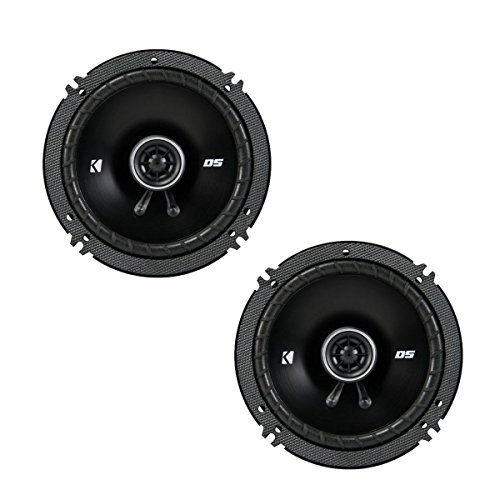
- KICKER DSC650 6.5-Inch Coaxial Car Speakers (Pair, 43DSC6504) – best overall choice; check price on Amazon.
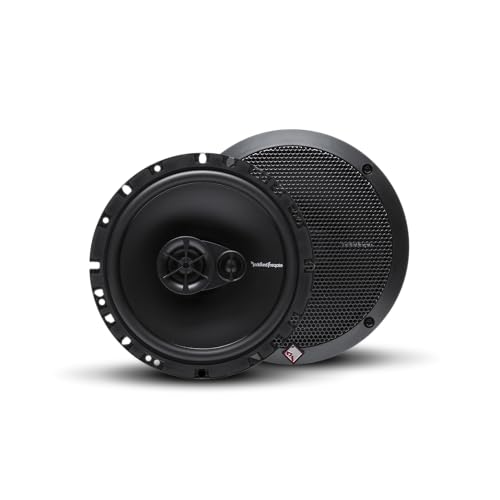
- Rockford Fosgate Prime R165X3 6.5-Inch 3-Way Car Speakers (Pair) – best for clarity choice; check price on Amazon.
- Pioneer TS-A6880F 6×8-Inch 4-Way Car Speakers (Pair) – best for oval rear doors choice; check price on Amazon.
- KICKER KM65 6.5-Inch Marine Coaxial Speakers (Pair, 45KM654) – best for work trucks choice; check price on Amazon.
- 6.5-inch component speaker system (prose-only pick, no single model linked) – best for a built system choice.
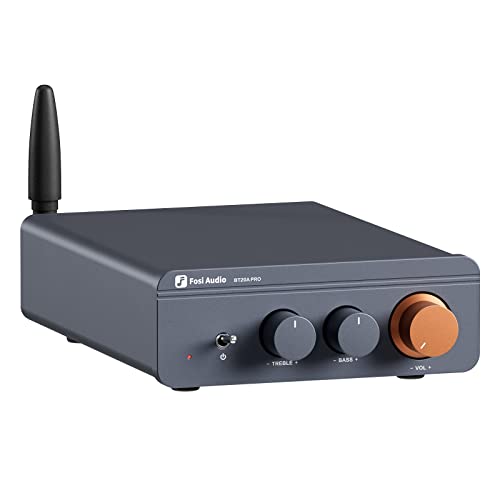
- Compact four-channel amplifier (prose-only pick, no single model linked) – best power upgrade choice.
Everything below follows from that identification.
Disclosure: As an Amazon Associate, kajuandouglas.com earns from qualifying purchases. Links to Amazon on this page are affiliate links; they cost you nothing extra. Listing details such as price and availability change often, so check the current Amazon listing before you buy.
Picture a ranch outside Lubbock in August. The Silverado idles by the barn with the doors hanging open, radio fighting a crosswind, while fencing wire gets loaded into the bed. That scene, repeated in a thousand variations, explains why factory speakers in these trucks sound tired: paper cones baked by cab heat, foam surrounds crumbled to dust, and a decade of door slams shaking every joint loose. Chevrolet built the original drivers to a unit cost, not to survive eighteen summers. The good news is that the door cavities are generous, the wiring is simple, and the head units of both generations will happily drive a modern efficient pair. You are not restoring a museum piece. You are giving a working truck back its voice, and the parts required are ordinary, proven and easy to live with.
Consider what a driver actually hears in a GMT800 Classic versus the newer GMT900. The cabs differ in trim and dash layout, yet the listening problem is identical: seats close to the doors, a wide glasshouse leaking road rumble, and speakers aimed at your shins. A well-chosen coaxial answers that geometry by lifting the tweeter’s output into the cabin instead of burying it behind a sagging factory grille. Podcasts become intelligible at seventy miles an hour. A fiddle line in a country track stops smearing into the tyre drone. None of this demands exotic hardware; it demands a speaker whose sensitivity suits modest factory power and whose cone material shrugs off the humidity that collects inside a door after every rainstorm.
Work duty shapes the shortlist as much as sound does. A truck that hauls a landscaping crew Monday to Friday and tows a camper on Saturday cannot baby delicate components. Grilles get kicked by boots caked in jobsite mud. Door pockets swallow tape measures that rattle against trim. So the picks below favour robust baskets, surrounds that tolerate temperature swings, and designs a owner can install on a driveway in an afternoon without cutting sheet metal. Fancy is not the goal here. Durable clarity is.
Age deserves one honest paragraph. A 2007 truck today has usually passed through several owners, at least one fender repair, and a long apprenticeship of deferred maintenance. Its speakers are rarely the worst thing about it, yet they are the flaw you notice every single mile. Replacing them is among the cheapest quality-of-life repairs available for these pickups, cheaper than tyres, kinder than suspension work, and finished before lunch. That is the spirit of the list that follows: modest money, permanent improvement, no drama.
Key Takeaways
- Two trucks share the 2007 badge: name your generation and cab style before a single part is ordered.
- Front doors carry the whole improvement, so the DSC650 and R165X3 contest that job on character alone.
- Rear locations in certain cabs are oval, and the Pioneer TS-A6880F exists precisely for those openings.
- A Silverado working outdoors in real weather can justify the marine-built KM65 without apology.
- Sequence the spending: fronts first, rears on evidence, amplification only when volume exposes the need.
In this guide
Quick Picks
Start with the front doors whichever generation you own; add the oval pair only if your cab’s rear doors call for it, and treat the marine set as the outdoor worker’s alternative.
| Buyer type | Pick | Why it stands out | Link |
|---|---|---|---|
| Best Overall | KICKER DSC650 | Drop-in 6.5-inch fit for a huge range of doors and decks | Check price on Amazon |
| Best for Clarity | Rockford Fosgate R165X3 | Midrange separation that survives road noise | Check price on Amazon |
| Best for Oval Rear Doors | Pioneer TS-A6880F | Correct 6×8 footprint for Ford, Mazda and similar cars | Check price on Amazon |
| Best for Work Trucks | KICKER KM65 Marine | Sealed build that treats rain as a design condition | Check price on Amazon |
| Best for a Built System | 6.5-inch component speaker system (Prose-Only Pick) | Ear-level imaging transforms the big cabin | Prose-only – see review |
| Best Power Upgrade | Compact four-channel amplifier (Prose-Only Pick) | Transforms volume, control and bass discipline | Prose-only – see review |
How These Picks Were Chosen
Selection began on a spreadsheet of the truck itself rather than the speaker market. We listed both generations, three cab styles, the factory radio and the amplified option, then crossed off any candidate that demanded cutting, unusual impedance, or power the stock head unit cannot supply. What survived were mainstream sizes from makers with long support histories, speakers a parts counter in any state would recognise. Only then did sound character enter the discussion, because a beautiful speaker that does not fit a Classic’s door is decoration, not an upgrade.
Verification stayed deliberately boring. Every linked model was cross-checked against its confirmed Amazon listing, matching the returned title to the exact variant named in the review, so the DSC650 in this guide is the 43DSC6504 pair and not a near-namesake. Models that could not be confirmed to that standard were demoted to prose-only descriptions, where you get shopping criteria instead of a link. Prices were left out on purpose, since a printed figure would be stale within weeks.
- Verified Amazon listing and manufacturer specifications
- Efficiency on the factory head units fitted across the 2007 range
- 4-ohm load matched to standard factory systems
- Fit guidance that respects the split model year and cab variations
- Construction and grilles suited to a working truck’s cabin life
- Honest flags where factory-amplified variants change the advice
The Best Aftermarket Speakers For 07 Chevy Silverado
The reviews run in the order most owners should buy: front-door pairs first, the oval answer second, weatherproofing third, and the hobbyist routes last of all.

KICKER DSC650 6.5-Inch Coaxial Car Speakers (Pair, 43DSC6504)
Badge: Best Overall
6.5-inch (160-165 mm) 2-way coaxial car speakers, pair; 4-ohm impedance; 240W peak power per pair; polypropylene woofer cone with ribbed surround; drop-in factory-upgrade design for doors and rear decks
Fit the DSC650s on a Saturday morning and the first drive tells the story. The polypropylene cone keeps its shape where the factory paper driver had gone soft, so kick drums land with a defined edge instead of a thud. Vocals step forward out of the door instead of mumbling behind the panel. KICKER voices this pair on the lively side, which suits a cab full of wind noise; detail that might seem assertive in a quiet sedan reads as simple clarity once a diesel soundtrack and all-terrain tyres join in. On factory power it plays convincingly loud without the strained, glassy edge tired speakers develop near the top of the volume dial.
Long-term manners matter more than first impressions, and here the DSC650 earns its keep quietly. The ribbed surround resists the cracking that kills older foam designs, the basket tolerates being pulled and refitted when a window regulator eventually needs attention, and the whole unit asks for nothing: no amplifier courtship, no crossover boxes to hide, no settings to babysit. Owners who later add a compact amplifier will find the pair wakes up further rather than reaching its ceiling, which makes it a sensible first stage of a longer build. If your truck still runs its original speakers, this is the single change most likely to make passengers comment unprompted, usually some version of asking when you got a new radio. You did not. You simply replaced the part that had been quietly failing for years.
Key specs: 6.5-inch (160-165 mm) 2-way coaxial car speakers, pair; 4-ohm impedance; 240W peak power per pair; polypropylene woofer cone with ribbed surround; drop-in factory-upgrade design for doors and rear decks.
Strengths
- Drop-in 6.5-inch fit for a huge range of doors and decks
- Clean, forward voicing that wakes up tired factory systems
- Handles a future amplifier upgrade without complaint
Trade-offs
- Bass depth is limited by door-speaker physics
- Plastic factory-style basket rather than a cast frame
- Grilles are not the focus; many installs reuse factory covers
Best for: the majority of 2007 Silverado owners wanting the front doors transformed / Not suited for: owners seeking subwoofer depth from door speakers alone

Rockford Fosgate Prime R165X3 6.5-Inch 3-Way Car Speakers (Pair)
Badge: Best for Clarity
6.5-inch 3-way full-range coaxial car speakers, pair; 45W RMS (90W peak) power handling per speaker; 4-ohm impedance; vacuum-formed polypropylene cone; grilles included; direct factory-replacement design
Rockford Fosgate tunes the Prime series for separation, and in a Silverado that trait shows up as space between instruments. Three drivers share the work in each door, so a mandolin part no longer fights the singer for the same cone travel. On long interstate hauls, where listening fatigue is the real enemy, that composure counts: you arrive having enjoyed the album rather than endured it. The stated 45 watts RMS per speaker is an honest working figure, useful when matching an amplifier later, and on the factory radio the pair still delivers because its design brief assumed exactly that modest diet.
There is a particular test this speaker passes that flatters few rivals: talk radio and podcasts at dawn, volume low, coffee in the console, frost still on the mirrors. Lesser speakers turn a presenter’s voice woolly at gentle levels, forcing constant volume fiddling. The R165X3 keeps consonants crisp down low, then holds the same balance when a motorway merge demands more. Included grilles help trucks whose factory covers are cracked or missing, a small mercy on interiors that have lived hard. Choose it over the KICKER if your listening leans vocal and acoustic; choose the KICKER if you want the warmer, bolder presentation. Neither answer is wrong, and that is precisely why both earned a place here.
Key specs: 6.5-inch 3-way full-range coaxial car speakers, pair; 45W RMS (90W peak) power handling per speaker; 4-ohm impedance; vacuum-formed polypropylene cone; grilles included; direct factory-replacement design.
Strengths
- Midrange separation that survives road noise
- Honest RMS figure that makes amplifier matching simple
- Grilles included, ready for working doors
Trade-offs
- Clarity is unforgiving of poor recordings
- Needs an adapter ring in some mounting patterns
- Warmth seekers should look to the KICKER instead
Best for: long-distance drivers who value clarity in the cab / Not suited for: owners wanting the softest possible presentation

Pioneer TS-A6880F 6×8-Inch 4-Way Car Speakers (Pair)
Badge: Best for Oval Rear Doors
6×8-inch 4-way coaxial car speakers, pair; also fits 5×7 locations with included adapters; 350W max (80W nominal) power handling; carbon and mica reinforced IMPP cone; A-series Open & Smooth sound design.
Some extended and crew cabs hide an oval speaker behind the rear door trim, and owners discover it only after ordering four identical round pairs. The TS-A6880F exists for that moment. Its 6×8 footprint fills the factory opening properly, sealing against the door instead of leaking bass around an undersized round driver in a wobbly adapter. Rear passengers, usually teenagers with strong opinions, get genuine treble from the four-way layout rather than the muffled wash a tired factory oval produces.
Pioneer’s IMPP cone, stiffened with carbon and mica, shrugs off the condensation cycles that turn lesser cones soggy inside a door. Season after season it keeps its piston shape, which is why A-series speakers so often outlive the vehicles around them. A word of proportion, though: rear doors contribute fullness and passenger goodwill, not the main event. Buy these after the fronts are sorted, or alongside them if the budget genuinely stretches, and resist judging them on a solo audition with the fader thrown backwards. In balanced service, supporting a strong front pair, they complete the cabin rather than compete with it.
Key specs: 6×8-inch 4-way coaxial car speakers, pair; also fits 5×7 locations with included adapters; 350W max (80W nominal) power handling; carbon and mica reinforced IMPP cone; A-series Open & Smooth sound design.
Strengths
- Correct 6×8 footprint for Ford, Mazda and similar cars
- Adapters for 5×7 openings included in the box
- Clean IMPP-cone midrange at factory power levels
Trade-offs
- Smaller cone than a 6×9 caps ultimate bass
- Audience is specific to 6×8 and 5×7 vehicles
- Four-way detail rewards a clean source
Best for: cabs whose rear doors take the 6×8 or 5×7 oval format / Not suited for: trucks whose locations are all round

KICKER KM65 6.5-Inch Marine Coaxial Speakers (Pair, 45KM654)
Badge: Best for Work Trucks
6.5-inch marine coaxial speakers, pair; 3/4-inch tweeter; 4-ohm impedance; 65W RMS power handling; UV-resistant cones with Santoprene surrounds; rustproof stainless steel hardware; charcoal and white grilles included; sealed marine-grade construction
Now consider the Silverado that sleeps outside in Galveston, doors opened daily into salt air and sideways rain. Its door speakers live a boat’s life without the boat. The KM65 was engineered for exactly that punishment: sealed construction, UV-resistant cones, Santoprene surrounds and stainless hardware that will still unbolt cleanly in five years. Fitted to a work truck, those marine credentials stop being a gimmick and become the whole argument. It plays with a presence-led balance, favouring intelligibility over deep bass, which suits a cab where the radio competes with site noise through open windows.
Imagine the same truck across four seasons with the KM65 fitted. Spring brings pollen and open windows on the farm-to-market road. Summer parks it at a boat ramp, doors wide, music carrying across the water while the trailer is winched up. Autumn turns it into a hunting shuttle before dawn, headlamps in fog, the radio low and clear. Winter means frozen seals and doors pulled hard against ice, a test that shatters brittle surrounds in ordinary speakers. The marine pair simply continues, which is the entire review in one sentence: it continues. Garaged trucks in gentle climates will never cash in this durability, and for them the standard pairs above make more sense. For a truck that genuinely works outdoors, overbuying weather resistance is the frugal move, because the cheapest speaker is the one you only fit once.
Key specs: 6.5-inch marine coaxial speakers, pair; 3/4-inch tweeter; 4-ohm impedance; 65W RMS power handling; UV-resistant cones with Santoprene surrounds; rustproof stainless steel hardware; charcoal and white grilles included; sealed marine-grade construction.
Strengths
- Sealed build that treats rain as a design condition
- Stainless hardware that removes without a fight years later
- Two grille colours to match consoles and fairings
Trade-offs
- Costs more than the car speaker it outlives
- Output is presence-led rather than bass-led
- White grilles show dock and road grime honestly
Best for: work trucks living outdoors in all weathers / Not suited for: garaged trucks in mild climates
6.5-inch component speaker system (Prose-Only Pick)
Badge: Best for a Built System
Component sets separate woofer and tweeter with a crossover. In these trucks, choose an efficient 4-ohm set and confirm the cab offers a sensible tweeter location before committing.
The component route is for the owner who has started saying ‘soundstage’ without irony. Moving the tweeter up toward the sail panel or A-pillar lifts the whole performance to ear level, and in a tall Silverado cab that relocation is dramatic: singers stand on the dashboard instead of hiding by your ankles. The cost is an afternoon of careful fitting, crossover boxes to mount securely, and trim work that rewards patience. Do it after an amplifier enters the plan, because separates reveal both the best and the worst of whatever feeds them.
Shopping for a component set, interrogate the crossover first. A proper external network with documented slopes tells you the maker engineered the pairing; a single capacitor dangling off the tweeter tells you they did not. Confirm the woofer’s depth against the window glass travel in your specific cab, demand the sensitivity figure rather than a peak wattage boast, and check that tweeter mounts include a surface option in case your trim lacks factory pods. The maker’s own specification page settles every one of these questions, so treat any listing that dodges them as a warning.
Key specs: Component sets separate woofer and tweeter with a crossover. In these trucks, choose an efficient 4-ohm set and confirm the cab offers a sensible tweeter location before committing..
Strengths
- Ear-level imaging transforms the big cabin
- Grows with an amplifier later
- Crossover quality above coaxial level
Trade-offs
- Needs tweeter locations and install time
- Wasted on a purely factory system
- Costs more of the budget per location
Best for: owners building a staged system with factory tweeter locations / Not suited for: owners wanting a simple like-for-like swap
Compact four-channel amplifier (Prose-Only Pick)
Badge: Best Power Upgrade
A compact four-channel amplifier delivers clean RMS power to front and rear speakers. Judge by per-channel RMS at 4 ohms matched to your speakers, size for under-seat mounting, and a proper wiring kit.
When does a Silverado actually need an amplifier? Not on day one. Fit efficient speakers first, live with them a month, and notice whether your remaining complaint is specifically about composure at towing volume: bass thinning, voices hardening, the whole picture tightening as the dial climbs. That symptom, and only that symptom, is an amplifier’s job description. A compact four-channel unit under the seat answers it without turning the truck into a show build, feeding fronts and rears honest RMS power while the factory radio keeps its steering-wheel controls and stock appearance.
Read an amplifier listing the way you would read a hire contract. The RMS figure per channel at four ohms is the salary; everything else is perks. Ignore peak numbers entirely. Check the physical dimensions against the flat space beneath your seat, confirm the wiring kit is genuinely included or budget for one, and look for speaker-level inputs if the factory head unit is staying. A maker who publishes distortion figures and fuse ratings is telling you the truth about the rest, in our experience, while a listing built on adjectives alone usually disappoints in August heat.
Key specs: A compact four-channel amplifier delivers clean RMS power to front and rear speakers. Judge by per-channel RMS at 4 ohms matched to your speakers, size for under-seat mounting, and a proper wiring kit..
Strengths
- Transforms volume, control and bass discipline
- Serves front and rear in one unit
- The pairs in this guide are ready for it
Trade-offs
- Adds wiring and installation to the project
- Pointless before the speakers themselves are sorted
- Gains need careful setting to protect speakers
Best for: owners ready to add clean power after the speakers / Not suited for: owners keeping the factory system entirely stock
Comparison Table
Read the table by seat and by job, not by brand loyalty. The two round pairs contest the front doors on character; everything else answers a specific location or a specific kind of abuse.
| Pick | Type | Connection / fit | Power | Standout |
|---|---|---|---|---|
| KICKER DSC650 | 6.5-inch 2-way coaxial pair | Speaker wire / factory harness | Passive – head unit or amplifier | 4-ohm; 240W peak per pair |
| Rockford Fosgate R165X3 | 6.5-inch 3-way coaxial pair | Speaker wire / factory harness | Passive – head unit or amplifier | 45W RMS per speaker; grilles included |
| Pioneer TS-A6880F | 6×8-inch 4-way coaxial pair | Speaker wire / factory harness | Passive – head unit or amplifier | Fits 6×8 and 5×7; adapters included |
| KICKER KM65 Marine | 6.5-inch marine coaxial pair | Speaker wire / harness | Passive – head unit or amplifier | Marine grade; 65W RMS; stainless hardware |
| 6.5-inch component speaker system (Prose-Only Pick) | 6.5-inch component set | Speaker wire / factory harness | Passive – head unit or amplifier | For system builders with tweeter locations |
| Compact four-channel amplifier (Prose-Only Pick) | Compact car amplifier | Speaker wire / factory harness | Passive – head unit or amplifier | For owners who outgrow factory power |
Classic or New Body? Identifying Your 2007 Silverado Before You Spend
Identification takes five minutes and saves a fortnight of returns. The Classic is the older design carried into 2007, recognisable by its earlier dash architecture and the styling of the previous generation. The new-body truck wears the squarer, more upright face Chevrolet launched that year, with a thoroughly redesigned interior. Your build sticker, door jamb label and VIN decoding all settle the question if the visuals leave doubt. Write the answer on the same note as your cab style, because trim clips, speaker access and rear locations all follow from those two facts.
Cab style then decides how much of the truck your budget must cover. A regular cab is a two-speaker problem with a small, easily filled space, and owners of these trucks get the cheapest complete victory in this guide. Extended cabs add rear doors that are sometimes oval, sometimes round, always worth checking before ordering. Crew cabs are family rooms on wheels: rear passengers hear their own speakers at close range, so skimping there merely relocates complaints to the back seat. Measure twice, photograph each location with the trim off, and let evidence outrank any forum chart, including ones that agree with us.
The third identifier is the factory audio tier. Trucks with the upmarket amplified system route their speakers through processing that assumes factory drivers, so a replacement pair inherits equalisation meant for somebody else. The swap still usually improves matters, since aged speakers are the weakest link regardless, but expectations should be set a notch lower and the amplifier question arrives sooner. Plain radio trucks are the simpler patients: what the head unit sends is roughly what the speaker receives, and the reviews above apply at full strength. Either way, identify before you spend.
Truck Doors Are a Hard Workplace for a Speaker
A car door is a hostile enclosure; a truck door is that, plus a workbench. It flexes when slammed, floods at the bottom seal in heavy rain, freezes in January and bakes in July, all while a window mechanism moves through the space behind the speaker. Factory drivers die of this routine slowly, which is why a fifteen-year-old Silverado so often sounds like a radio in another room. The replacements recommended here survive the routine because their materials were chosen for it: synthetic cones, rubber-family surrounds, and baskets that do not mind being handled.
Vibration deserves its own sentence in the truck context. Firm suspension, unloaded beds that hop over expansion joints, and diesel idle all feed energy into the door skins, and a loosely mounted speaker spends its life buzzing sympathetically instead of playing music. The cure is unglamorous: foam gasket tape behind the mounting flange, screws snug and even, and any adapter ring checked for flex before the trim goes back. Ten minutes of this discipline separates an install that sounds expensive from one that rattles its way into being redone.
Then there is the human weather. Boots swing into lower door panels. Wet dogs shake themselves against trim. A crew’s worth of gloves, bottles and tools migrates around the footwells. Speakers in this service need grilles or factory covers in good order and cones that a glancing knock will not crease. It is another reason the shortlist favours mainstream designs from high-volume makers: when life eventually damages one, a matching replacement is a phone call away rather than an archaeological expedition.
Fronts First: A Sensible Upgrade Order for a Big Cabin
Budget discipline in a big cab means sequencing, not starving. Put the proper pair in the front doors first, because the driver and front passenger sit directly before them and every mile is judged from those seats. Live with the result for a few weeks. Many owners discover the rears, though tired, contribute so little at normal fader settings that replacement slides down the list behind tyres and brakes. That discovery is valuable: it converts a four-speaker bill into a two-speaker bill with no audible regret.
Rear speakers earn their turn in specific households. Crew cabs carrying kids on school runs, trucks pooling workers to distant sites, and anyone whose passengers have started bringing their own Bluetooth speaker as a protest should move the rears up the queue. Match their character to the fronts rather than chasing a bargain bin mismatch, keep the fader honest, and remember the oval check before ordering. A balanced cabin, front to back, is what makes a long truck feel finished inside.
Amplification sits last in the order because it amplifies whatever exists, including problems. On fresh efficient speakers it adds ease and headroom; on dying factory drivers it adds louder dying. So the sequence in this guide is deliberate: identify the truck, replace the fronts, judge the rears, and only then consider power. Owners who follow it spend once and smile. Owners who reverse it usually spend twice and post on forums at midnight, asking questions this page has already answered.
Towing, Highway Roar and the Volume a Truck System Really Needs
Picture towing a loaded trailer up a grade on Interstate 10, mirrors full of your own cargo, exhaust brake working, tyres singing on coarse chip seal. This is the Silverado’s hardest listening test and the one your system must be sized for. Conversation-level clarity at that workload requires headroom in reserve, which is why sensitivity figures matter more to truck owners than to sedan owners: an efficient pair reaches the needed loudness while the amplifier section is still loafing, and loafing electronics sound calm. Choose for the towing hour and the school run takes care of itself.
The cab itself quietly helps. Compared with a cavernous SUV, a pickup cabin is a small, stiff, well-sealed box with listeners seated close to the speakers, so modest power produces satisfying levels and stereo imaging survives better than expected. Regular cabs especially can feel almost intimate once the doors are playing properly. This is also why chasing subwoofer depth from door speakers is a misunderstanding: the cabin rewards midrange truth and treble clarity, the frequencies of voices and instruments, far more than it rewards heroic low-end claims on a box.
If, after efficient speakers, the towing hour still runs the system ragged, the honest escalation is the compact amplifier described earlier, not a more exotic speaker. Power buys composure. Set its gains conservatively, keep the factory radio’s tone controls near flat, and resist loudness buttons that flatter at parking-lot volume and distort at speed. One owner we would happily quote towed through two summers on that recipe and reported the radio simply stopped being something he thought about, which is the highest praise a working truck can give any upgrade.
Fleet, Family and Resale: The Truck’s Other Stakeholders
Few Silverados serve a single master. The same truck may carry a foreman’s paperwork, a family’s holiday luggage and a teenager learning to drive, sometimes in the same week. Audio choices land differently on each constituency. A system voiced for private enthusiasm, all boom and sizzle, irritates passengers on a long family haul; a system chosen for balance pleases everyone moderately and offends nobody at hour five. That is a genuine argument for the mainstream pairs in this guide over extrovert alternatives: they are diplomatic speakers, and a truck cab is a small democracy.
These pickups change hands constantly, and a tidy speaker upgrade travels well. Keep the receipts, note the models and the date in the service folder, and retain any factory parts you remove if storage allows. The next owner inherits a truck whose radio simply works properly, which reads as care, and care is what sells an eighteen-year-old vehicle above its twins. Butchered wiring and mystery holes in the trim read as the opposite, so reversible work protects value twice: once in the listening, once in the selling.
There is also the crew to consider, the rotating cast of colleagues, cousins and neighbours who ride in this truck across a year. Shared miles are scored by shared sound: the game on the radio heading to a site, the playlist on the way back from a lake, the weather report everyone leans into during a storm. A clear, easy system serves those small social moments without ever being discussed. It is a modest ambition for a speaker guide, perhaps, but an honest one, and it explains why reliability keeps outranking spectacle in every ranking above.
The Quarter-Million-Mile Test
Apply the test the odometer applies. These trucks routinely pass a quarter of a million miles, so ask of any speaker not whether it dazzles in week one but whether it will still be playing, unremarked and intact, at the next hundred thousand. That question favours boring virtues: proven cone materials, surrounds with a long service record, hardware that resists corrosion, and a maker who will still exist when you want a matching pair for the other doors. Every linked pick in this guide was chosen under that interrogation, and the prose-only routes were described so you can apply the same questions to candidates we could not verify.
Owners who adopt the long test find their shortlist shrinking in a healthy way. Novelty brands with heroic claims fall away. Speakers demanding perfect conditions fall away. What remains is a small set of unglamorous, well-documented options, each defensible in a sentence. If the decision then feels almost anticlimactic, that is the sign it has been made correctly. Drama in a purchase usually means the marketing department did the choosing. A Silverado deserves better, having itself been chosen, by most of its owners, on exactly the same unshowy criteria.
Two Generations, One Standard of Care
The split year, properly understood, is reassuring rather than annoying. Classic and new-body trucks differ in sheet metal, dashboards and trim, yet both were built on the same philosophy of straightforward serviceability, and both reward the same audio approach: identify precisely, replace the fronts with an efficient mainstream pair, respect the rear locations, add power only when evidence demands it. One standard of care covers two generations because the underlying machine never changed its character. Your five minutes of identification at the start simply tells you which dialect of the same language your particular truck speaks.
It is also why the guide’s recommendations converge despite the split. Both generations were built by the same philosophy: mainstream sizes, honest electrics, and a cabin designed for work. A speaker programme that honours the philosophy, efficient, 4-ohm, standard-fitting, properly constructed, serves a Classic regular cab and a new-body crew cab with equal fidelity. The trucks differ; the standard of care does not, and an owner who internalises the standard can walk from one generation to the other, or to the next truck entirely, without relearning anything except the measurements.
The Truck as a Listening Room That Hauls
Strip away the work rhetoric for a moment and a Silverado cab is also a private listening room that happens to haul plywood. It is where its owner hears the news first, learns songs by heart, and takes phone calls that matter. Hours accumulate there: commutes, school runs, the long thoughtful drive home after a difficult day. Few rooms in a life are occupied so faithfully. Upgrading its sound is therefore not an indulgence bolted onto a tool; it is maintenance of a space where a significant fraction of a life is actually lived, and it deserves the same seriousness as good seats or working air conditioning.
Owners who make that mental shift describe the result in outsized terms, and the disproportion is real. The truck feels younger, because our sense of a vehicle’s age is largely acoustic: rattles, tinny radio and road roar read as old, while calm clarity reads as kept. A speaker swap cannot fix worn suspension or faded paint, yet it changes the first impression of every journey, including the impression the truck makes on a prospective buyer in the first thirty seconds. Perception is not everything, but in an eighteen-year-old pickup it is a great deal.
Cab Noise, Tyres and the System’s Real Opponent
Know the opponent. A Silverado’s soundtrack includes all-terrain tread pattern hum, wind pressure around mirrors and door seals, exhaust note under load, and the drumming of an empty bed. Against that orchestra, a speaker’s showroom virtues can evaporate; a delicate, laid-back pair that charms in a quiet demo room will be steamrollered by seventy-mile-an-hour reality. This guide therefore weighted forward, efficient presentations heavily, because in this cabin clarity is not an audiophile luxury. It is the minimum requirement for the music to exist at all over the noise floor the truck itself sets.
That reasoning also explains our indifference to a certain kind of specification boasting. Enormous peak wattage figures promise nothing about the towing hour. Extended treble specifications describe frequencies the cab’s noise and the listeners’ age render academic. What survives contact with the real opponent is sensitivity, cone control and honest midrange output, and those are the columns to read first in any listing you compare against this shortlist. Judge speakers the way the truck will judge them: at working volume, in weather, over distance.
Set against that opponent, success has a plain description. The news is intelligible without leaning toward the dash. A favourite record keeps its shape from driveway to motorway. Passengers talk at conversational level instead of competing with a strained radio turned up to compensate. Nothing about that outcome requires exotic parts or a four-figure bill; it requires the right mainstream speakers, fitted carefully, in the right order. Which is, in the end, the whole thesis of this guide, and the reason it began with identification rather than with a product name.
How Do You Choose Between the Front-Door Pairs for a Silverado?
Between the two linked front pairs, decide by listening diet. The DSC650 presents music boldly, with a forward character that flatters rock, country and anything mixed for the radio; it is the pair for owners who want the improvement to announce itself. The R165X3 is the analyst, separating voices and instruments with more air around them, better suited to podcasts, acoustic sets and long spoken-word drives. Both fit the same job and the same doors. Your programme material, not our ranking, should cast the deciding vote.
Then let the truck itself veto. A Silverado that lives outdoors in a wet climate may overrule both and send you to the marine KM65, sacrificing a shade of refinement for a decade of indifference to weather. A cab with oval rears already decided needs its Pioneer answer regardless of front-pair debates. And an owner quietly planning an amplifier and components later should buy the front pair as a first stage, not a final answer. The guide’s structure mirrors that logic: preferences first, then the truck’s own facts, which always win.
How to Fit Front Door Speakers in a 2007 Silverado
Big doors mean good access and heavy trim, so work methodically, support the door card as it releases, and keep every clip and screw in a magnetic tray rather than trusting memory.
- Identify and prepare. Confirm your truck’s generation and cab type, gather trim tools, harness adapters for the truck and a parts tray. Photograph the door before touching it.
- Remove the door card. Release fasteners and clips in the order your generation’s trim requires, support the card’s weight as it frees, and disconnect switches and cables with the card rested, not dangling.
- Compare old and new. Remove the factory speaker and compare diameter, mounting pattern, depth and connector against the new pair on the bench. Confirm clearance to the window mechanism with the glass down.
- Mount with gasket and adapter. Fit the harness adapter, add the foam gasket, and mount the speaker with even pressure. Add sound deadening to the door skin behind the speaker while access is free.
- Test thoroughly. Play music across genres at moderate volume, check for rattles and imbalance, and run the window through its full travel. Correct everything before the card returns.
- Refit and repeat. Refit the card, confirm every switch works, then repeat on the other side. Set tone controls flat for the first week and let the new pair teach you its voice.
Note the speaker models, adapters and the generation and cab facts you confirmed, and keep the note with the truck’s paperwork; the next person to open that door, possibly you in six years, will be grateful.
Common Mistakes
Ordering before identifying the generation. Classic and new-body trucks share a badge and a year, not an interior, so five minutes with the VIN saves a parcel’s round trip.
Assuming every location takes the same size. Certain cabs mix round fronts with oval rears, and the mismatch is discovered with the trim already off unless you check first.
Ignoring the factory amplifier question. Amplified trucks feed speakers a processed signal, and fitting parts as though the system were a plain radio invites avoidable disappointment.
Skipping gasket foam and basic door treatment. Large flat door skins love to resonate, and an unsealed speaker leaks the very bass it was bought to produce.
Replacing everything at once on a tight budget. Four compromised speakers satisfy less than one proper front pair, and the fronts are where the driver actually listens.
Final Recommendation
For most 2007 Silverado owners the answer is a front pair of KICKER DSC650s, fitted with gaskets and patience, on whichever generation you identified. It is the upgrade with the widest margin of improvement per dollar and per hour in this entire guide, it asks nothing of the factory radio, and it leaves every future option open. Owners whose listening leans vocal should take the Rockford Fosgate pair instead with equal confidence; the reasoning differs, the quality of the outcome does not.
Build from there only as the truck asks. Oval rear doors call for the Pioneer; outdoor life argues for the marine KICKER; a genuine system ambition justifies components and the compact amplifier in that order. Resist completing the set for symmetry’s sake. A Silverado rewards owners who fix what is actually tired, and after the front doors, what is tired is usually nothing at all.
Related Guides
- Best 6.5 speakers for bass
- Best car speakers for bass
- Best 6.5 speakers for clarity
- Best car speakers for under $200
Frequently Asked Questions
How do I know if my 2007 Silverado is the Classic or the new body style?
Look at the truck’s face and its cabin together. The Classic continues the previous generation’s styling and dashboard, while the new-body 2007 wears the redesigned front end and an entirely different interior. If the truck still leaves doubt, decode the VIN or read the build date on the door jamb label and compare it with the two production runs; dealers and parts catalogues split the year exactly this way. Confirm before ordering, because trim and mounting details follow the generation.
What size are the front door speakers in a 2007 Silverado?
The front doors of both generations take the mainstream 6.5-inch class of speaker, which is why both linked front pairs are that size and why the swap is a driveway job rather than a fabrication project. Rear locations vary with cab style, including the oval format covered by the Pioneer pick, so verify your rear doors physically before assuming symmetry. When a listing offers fitment checking by model year, run it for a 2007 and select the correct body style.
My truck has the factory Bose system. Does this guide still apply?
Mostly yes, with one adjustment to expectations. An amplified factory system sends its speakers a shaped signal, so a replacement pair inherits tuning intended for the original drivers; the improvement from fresh, efficient speakers is still real, but the result may lean brighter or leaner than the same pair in a plain-radio truck. Fit the fronts first, listen for a week, and let that evidence decide whether an amplifier conversation is needed. Do not let the badge talk you out of replacing speakers that are visibly perished.
Are marine speakers overkill for a pickup?
It depends entirely on where the truck sleeps. A garaged Silverado in a dry climate will never use the KM65’s sealing, and its owner pays for weatherproofing that stays theoretical. A truck parked outside in coastal air, opened daily in rain, or used around boat ramps and farms lives the marine use case on land, and for that truck the marine pair is not overkill but correct specification. Judge by your weather and your parking, not by the word marine on the box.
Should I replace front and rear speakers together?
Only when the budget buys quality in both places at once. The front doors dominate everything the driver hears, so a strong front pair with tired rears still in place outperforms four mediocre speakers chosen to complete a set. Crew cabs with regular rear passengers are the exception that justifies doing all four together. Otherwise, sequence the purchase: fronts now, rears when funds allow, and enjoy the improvement in the order your ears will notice it.
Will the factory head unit drive these speakers well?
Yes. The linked pairs are efficient, 4-ohm designs chosen for factory systems, and they will play clearly at the volumes a truck cabin needs. Owners wanting more can add a compact amplifier later; the pairs’ RMS handling is ready for it whenever they are.
Do extended cab and crew cab trucks take the same speakers?
Front doors follow the same pattern across regular, extended and crew cabs, so the linked front pairs apply throughout the range. Rear locations are where cabs diverge: some take round speakers, some the oval format, and regular cabs may have no rear door speakers at all. That is why this guide keeps returning to physical verification. Ten minutes with a trim tool tells you more than any chart, and it tells you about your truck rather than somebody else’s.
Is a 2007 Silverado too old to be worth upgrading?
These pickups are among the longest-lived vehicles on their roads, and a sound system is judged against the truck’s remaining life, not its birth year. If the engine, frame and cab are sound enough to keep, they are sound enough to deserve working speakers, especially since the parts cost is small beside any mechanical repair on your list. Many owners report the upgrade changing how old the truck feels more than any other single job. Age is an argument for the swap, not against it.