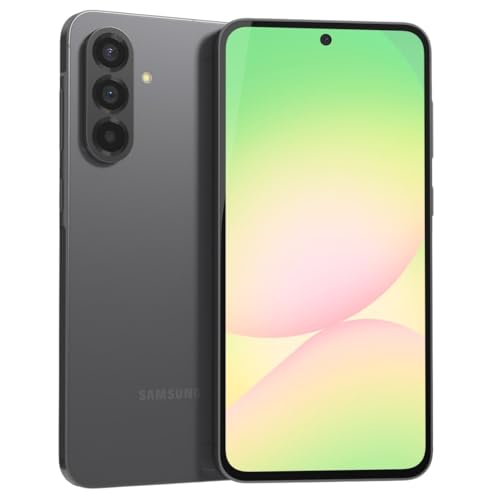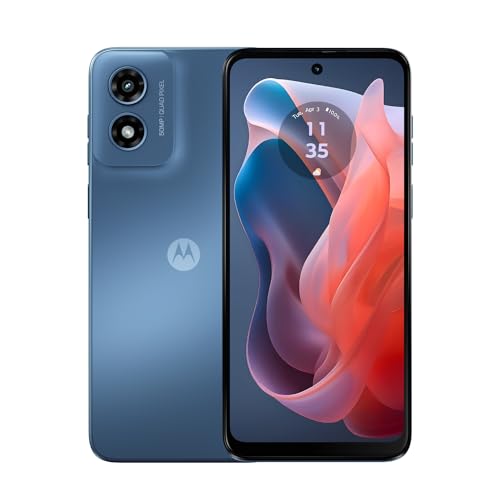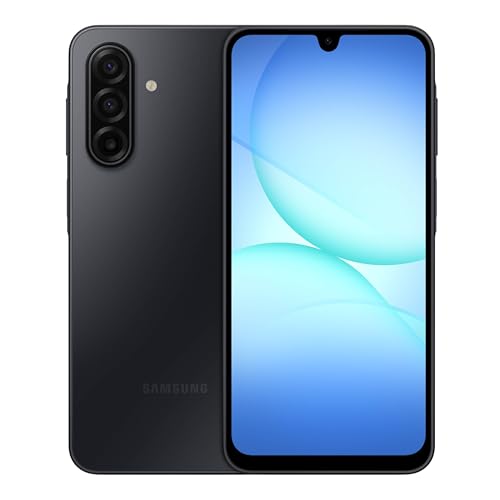
The best octa core smartphones are the phones that keep up with a busy day without stuttering, and an octa core processor is the reason most of them can do it. An octa core chip has eight processor cores, which lets the phone split work between efficient cores for light tasks and powerful cores for demanding ones, so scrolling, messaging, video, and games all stay smooth while the battery lasts longer than it would on a less balanced chip. This guide covers six octa core smartphones from Samsung, Motorola, Xiaomi, Google, Nokia, and UMIDIGI, each one checked against current listings with verified product details.
Every phone here runs on an octa core processor, and each one serves a different buyer: a budget phone that covers the basics well, a mid-range phone with a strong camera, a clean Android phone that stays fast for years, and a value pick that punches above its price. Choose by the way you actually use a phone.
In this guide
Quick picks: best octa core smartphones
| # | Product | Where to buy |
|---|---|---|
| 1 | Samsung Galaxy A15 5G | Check on Amazon |
| 2 | Motorola Moto G Power 2025 | Check on Amazon |
| 3 | Xiaomi Redmi Note 13 Pro 4G | Check on Amazon |
| 4 | Google Pixel 8a | Check on Amazon |
| 5 | Nokia G400 5G | Check on Amazon |
| 6 | UMIDIGI Power 5 | Check on Amazon |
How the picks were chosen
We started with phones that are explicitly built around an octa core processor, because the chip is the whole point of this guide. A phone with a quad core chip or a different processor layout does not belong here, even if it looks similar on the outside, and we excluded those even when they appeared in the same search results. We also excluded renewed and used listings, since a used phone is a different purchase from a new one, with a different warranty and condition.
Performance in daily use came next. A good octa core phone should open apps quickly, switch between them without reloading, scroll smoothly through feeds and web pages, and play video without dropping frames. We favored phones with enough memory to keep several apps open at once, because a fast chip paired with too little memory still stutters when you switch tasks. Storage mattered too, since a phone that runs out of space slows down and forces constant cleanup.
Finally, we balanced the list by maker, price, and purpose. The six phones cover Samsung, Motorola, Xiaomi, Google, Nokia, and UMIDIGI, with a mix of budget and mid-range models, large and compact screens, and different camera setups, so a buyer can choose by budget, screen preference, and camera needs rather than settling for whatever is available.
Quick comparison
| Product | Standout feature | Best for |
|---|---|---|
| Samsung Galaxy A15 5G | 6.5-inch 90Hz AMOLED, octa-core, 50MP triple camera | everyday use where a bright screen and long software support matter |
| Motorola Moto G Power 2025 | 8GB + 128GB, 50MP camera, made for US networks | heavy multitaskers who keep many apps open at once |
| Xiaomi Redmi Note 13 Pro 4G | 512GB + 12GB, 6.67-inch screen, 200MP triple camera | buyers who want maximum storage, memory, and camera resolution |
| Google Pixel 8a | Dual SIM, 128GB + 8GB, clean Android with Google camera software | photography and buyers who want clean Android with long updates |
| Nokia G400 5G | 3-day battery claim, 6.58-inch screen, 48MP triple camera | buyers who want the longest battery life and carrier flexibility |
| UMIDIGI Power 5 | Helio G25 octa-core, 6150mAh battery, infrared thermometer | buyers who want a big battery and the infrared thermometer |

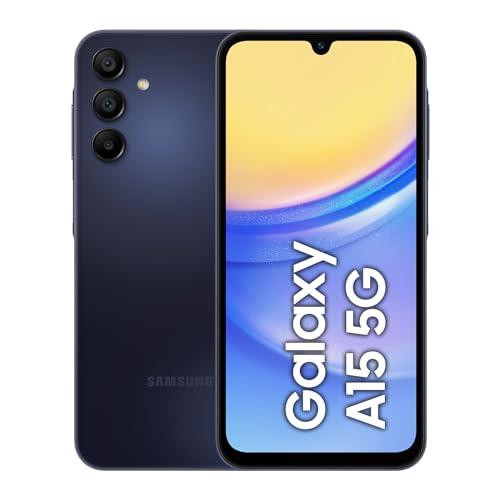
SAMSUNG Galaxy A15 5G (128GB, 4GB) 6.5-inch 90Hz AMOLED, Octa-Core, 50MP Triple Camera
The Samsung Galaxy A15 5G is the best all-round pick in this guide, and the listing gives the reasons plainly: a 6.5-inch 90Hz AMOLED screen, an octa-core processor, a 50MP triple camera, and 128GB of storage with 4GB of memory, all in a fully unlocked phone that works with the major carriers. The AMOLED screen is the standout at this level, with bright colors and deep blacks that make video and photos look better than on a standard LCD, and the 90Hz refresh rate makes scrolling feel smoother than on a 60Hz panel. Model A156U is the version listed here, and it arrives as a new, unlocked device rather than a renewed one.
What makes the A15 a good daily phone is the balance. The octa-core chip handles messaging, browsing, video, and social apps without stuttering, and 128GB of storage gives room for apps and photos without constant cleanup. The 50MP triple camera covers everyday photos well in daylight, and the 5G connection keeps data fast where 5G is available. Samsung update support is a real advantage too, since the phone will keep receiving security patches for longer than most budget phones, which keeps it safe and useful for more years.
Key specifications: Samsung Galaxy A15 5G with 128GB storage and 4GB RAM; 6.5-inch 90Hz AMOLED display; octa-core processor; 50MP triple camera; 5G; fully unlocked; model A156U.
Check that the phone is the unlocked version for your carrier, then insert the SIM, connect to Wi-Fi, and install the latest software update before moving apps and data over. Set up the fingerprint sensor with a backup PIN, turn on automatic photo backup, and fit a case and screen protector early, since the screen is the part most likely to meet the floor first.
Strengths
- Bright 6.5-inch 90Hz AMOLED screen with better colors than a standard LCD
- Octa-core processor with 128GB of storage and a 50MP triple camera
- Fully unlocked for the major carriers with Samsung update support
Trade-offs
- 4GB of memory reloads apps more often than phones with 6GB or 8GB
- The 50MP camera is good in daylight but weaker in low light
- The listing bundles an SD card, so check the box contents on arrival
A buyer who wants a reliable, well-supported octa core phone with a good screen and a solid camera will find the Galaxy A15 the right starting point. It is the best all-round phone in this list.
Best for: everyday use where a bright screen and long software support matter / Not suited for: heavy multitaskers who need 8GB of memory
Check price on Amazon: Samsung Galaxy A15 5G

Motorola Moto G Power 2025, Unlocked, Made for US, 8GB + 128GB, 50MP Camera
The Motorola Moto G Power 2025 is the memory pick of this list, with 8GB of memory and 128GB of storage in an unlocked phone made for US networks. That 8GB of memory is the difference you feel every day: more apps stay open in the background, switching between messaging, maps, music, and browsing happens without reloading, and the phone stays smooth when several things run at once. The 50MP camera covers everyday photos, and the Leaf Green finish gives the phone a distinct look without a case hiding it.
The Moto G Power name has always meant a phone that lasts the day, and the 2025 model keeps that focus with a clean Android experience that has few preinstalled apps and a simple settings layout. Motorola software stays close to stock Android, which makes the phone easy to set up and easy to live with, and the unlocked US version works with the major carriers without the band worries that come with imported models.
Key specifications: Motorola Moto G Power 2025 with 8GB RAM and 128GB storage; 50MP camera; unlocked, made for US networks; Leaf Green.
Insert the SIM and check the signal, connect to Wi-Fi, and install the latest software update before moving data over. Set up the fingerprint sensor with a backup PIN, turn on automatic photo backup, and fit a case and screen protector, since the phone is easiest to protect on the first day.
Strengths
- 8GB of memory keeps more apps open than most phones at this level
- Clean, near-stock Android with few preinstalled apps
- Unlocked US version that works with the major carriers
Trade-offs
- The camera is good in daylight but not a low-light specialist
- No screen size or refresh rate is stated in the listing, so check before buying
- Motorola update support is shorter than Samsung or Google
A buyer who switches between many apps and wants a phone that keeps up without reloading will pick the Moto G Power 2025. It is the memory pick here.
Best for: heavy multitaskers who keep many apps open at once / Not suited for: buyers who want the longest software update promise
Check price on Amazon: Motorola Moto G Power 2025

Xiaomi Redmi Note 13 Pro 4G LTE (512GB + 12GB) 6.67-inch 200MP Triple Camera
The Xiaomi Redmi Note 13 Pro 4G is the specification leader in this list, with 512GB of storage, 12GB of memory, a 6.67-inch screen, and a 200MP triple camera, all in a globally unlocked phone. That 12GB of memory is more than most buyers will ever use, which means apps stay open, games load quickly, and the phone stays fast even with a full home screen of widgets and background apps. The 512GB of storage is equally generous: photos, offline video, and large apps fit without the storage warnings that plague smaller phones.
The 200MP triple camera is the other headline. A high-resolution main camera captures more detail in daylight, and the large screen makes photos and video look good when you review them. The global bands version listed here is unlocked for use with the carriers named in the listing, so check the bands against your own carrier before buying. The Midnight Black finish keeps the phone understated, and the large screen suits video and reading better than a compact phone.
Key specifications: Xiaomi Redmi Note 13 Pro 4G LTE with 512GB storage and 12GB RAM; 6.67-inch display; 200MP triple camera; global bands unlocked; Midnight Black.
Confirm the bands against your carrier before buying, then insert the SIM, connect to Wi-Fi, and install the latest software update. Set up the fingerprint sensor with a backup PIN, turn on automatic photo backup, and fit a case and screen protector, since the large screen is the part most exposed to drops.
Strengths
- 512GB of storage and 12GB of memory, the most in this list
- 200MP triple camera with a large 6.67-inch screen
- Global bands unlocked version for use with several carriers
Trade-offs
- 4G LTE only, with no 5G in this version
- Check the bands carefully, since this is a global version
- The large screen makes the phone harder to use one-handed
A buyer who wants the most storage, memory, and camera resolution for the money will pick the Redmi Note 13 Pro. It is the specification pick here.
Best for: buyers who want maximum storage, memory, and camera resolution / Not suited for: buyers who need 5G or a compact phone
Check price on Amazon: Xiaomi Redmi Note 13 Pro 4G

Google Pixel 8a Dual SIM, 128GB + 8GB RAM, Blue, Unlocked
The Google Pixel 8a is the camera and software pick in this list, with 128GB of storage, 8GB of memory, dual SIM support, and the clean Android experience that Pixel phones are known for. The Pixel camera software is the reason this phone is here: it takes sharp, well-balanced photos in daylight and usable photos indoors without any fiddling, and the software processing does the work that a bigger sensor would do on another phone. The Blue finish is a pleasant change from the black and grey that dominate the budget market.
Software is the other half of the Pixel advantage. The phone runs clean Android with no duplicate apps and no heavy skin, and Google update support keeps it receiving security patches and feature updates for longer than most phones at this level. Dual SIM support is useful for a buyer who carries a work number and a personal number, or who travels and uses a local SIM alongside the home one. The 128GB of storage suits most buyers, and the 8GB of memory keeps apps open through a busy day.
Key specifications: Google Pixel 8a with 128GB storage and 8GB RAM; dual SIM; unlocked; Blue.
Insert the SIM or set up the eSIM, connect to Wi-Fi, and install the latest software update before moving data over. Set up the fingerprint sensor with a backup PIN, turn on automatic photo backup, and fit a case and screen protector early.
Strengths
- Pixel camera software that takes reliable photos without fiddling
- Clean Android with long Google update support
- Dual SIM support for work and personal numbers or travel
Trade-offs
- 128GB of storage with no microSD slot stated in the listing
- No camera resolution or screen size is stated in the listing
- The Pixel 8a is an older model than the newest Pixel phones
A buyer who wants the best camera software and the cleanest Android experience in this list will pick the Pixel 8a. It is the camera and software pick here.
Best for: photography and buyers who want clean Android with long updates / Not suited for: buyers who need more than 128GB of storage
Check price on Amazon: Google Pixel 8a

Nokia G400 5G, Android 12, 3-Day Battery, US Version, 4GB + 64GB, 6.58-inch Screen, 48MP Triple Camera
The Nokia G400 5G is the battery pick in this list, with a 3-day battery claim, a 6.58-inch screen, a 48MP triple camera, and 5G in a US version that works with Verizon, AT&T, and T-Mobile. A phone that lasts three days between charges changes how you use it: you stop checking the battery percentage, stop carrying a charger everywhere, and stop worrying about the phone dying before the day ends. The 6.58-inch screen is large enough for video and reading without making the phone hard to hold.
The G400 runs Android 12 and carries 4GB of memory with 64GB of storage, which covers the basics well: calls, messaging, browsing, video, and social apps all run smoothly, though heavy multitaskers will notice the 4GB limit sooner than on a phone with more memory. The 48MP triple camera takes sharp photos in daylight, and the Meteor Grey finish is understated. Nokia build quality has always been solid, and the G400 keeps that reputation with a phone that feels well put together.
Key specifications: Nokia G400 5G with 4GB RAM and 64GB storage; 6.58-inch screen; 48MP triple camera; 3-day battery; Android 12; US version; Meteor Grey.
Insert the SIM, connect to Wi-Fi, and install the latest software update before moving data over. Set up the fingerprint sensor with a backup PIN, turn on automatic photo backup, and fit a case and screen protector, since the large screen is the part most exposed to drops.
Strengths
- 3-day battery claim, the longest in this list
- US version that works with Verizon, AT&T, and T-Mobile
- Large 6.58-inch screen with a 48MP triple camera
Trade-offs
- 4GB of memory and 64GB of storage are tight for heavy users
- Android 12 is an older version than on newer phones
- The camera is good in daylight but weaker in low light
A buyer who wants a phone that lasts days between charges and works on any major US carrier will pick the Nokia G400. It is the battery pick here.
Best for: buyers who want the longest battery life and carrier flexibility / Not suited for: heavy multitaskers who need more memory and storage
Check price on Amazon: Nokia G400 5G

UMIDIGI Power 5 Smartphone, Helio G25 Octa-Core, 6150mAh Battery, 3GB + 64GB, 6.53-inch HD Display
The UMIDIGI Power 5 is the unusual pick in this list, and it earns its place with a combination no other phone here offers: a Helio G25 octa-core processor, a 6150mAh battery, and an infrared thermometer built into the phone. The large battery is the main attraction, giving the phone the stamina for long days away from a charger, while the octa-core chip handles calls, messaging, browsing, and video smoothly. The 6.53-inch HD display is large enough for video and reading, and the 16MP and 8MP cameras cover everyday photos.
The infrared thermometer is a genuine extra, not a gimmick for everyone but a real tool for a buyer who wants to check temperatures without a separate device. Fingerprint and AI face unlock give two quick ways into the phone, and dual SIM support covers a work number and a personal number. The 3GB of memory and 64GB of storage are modest, so this phone suits a buyer who uses the basics and values the battery and the thermometer more than heavy multitasking.
Key specifications: UMIDIGI Power 5 with Helio G25 octa-core processor; 6150mAh battery; 3GB RAM and 64GB storage; 6.53-inch HD display; 16MP + 8MP cameras; 4G dual SIM; infrared thermometer; fingerprint and AI face unlock.
Insert the SIM, connect to Wi-Fi, and install the latest software update before moving data over. Set up the fingerprint sensor with a backup PIN, turn on automatic photo backup, and test the infrared thermometer against a known temperature so you know how it reads before relying on it.
Strengths
- Large 6150mAh battery for long days away from a charger
- Built-in infrared thermometer, unique in this list
- Helio G25 octa-core chip with fingerprint and face unlock
Trade-offs
- 3GB of memory is modest and reloads apps more often
- UMIDIGI is a smaller maker with a shorter update record
- The cameras are basic compared with the other phones here
A buyer who wants a long-lasting phone with a built-in thermometer and does not need heavy multitasking will pick the UMIDIGI Power 5. It is the battery and value pick here.
Best for: buyers who want a big battery and the infrared thermometer / Not suited for: heavy multitaskers or buyers who want a strong camera
Check price on Amazon: UMIDIGI Power 5
Best octa core smartphones: what matters most
The processor is the first thing to confirm, because the octa core name is what this guide is about. Check that the listing says octa core, and look at the chip name as well, since not all octa core chips perform the same. A newer octa core chip with faster cores will feel quicker than an older one, even though both have eight cores, so the chip generation matters as much as the core count. A phone that hides the chip name in small text or describes it only as fast or powerful is a warning sign.
Memory decides how the phone behaves when you switch between apps. A phone with 4GB of memory can handle the basics, but it will reload apps more often when you move between them, while a phone with 6GB or 8GB keeps more apps open and ready. If you use your phone for work, messaging, maps, and music at the same time, more memory makes a real difference to how smooth the day feels. Storage works the same way: 128GB is a comfortable minimum for most buyers, and a microSD slot is a bonus if you keep a lot of photos or offline video.
The screen is what you look at all day, so it deserves as much attention as the chip. A bright screen with good colors makes video and photos look better, and a higher refresh rate makes scrolling feel smoother. Size is a personal choice: a larger screen is better for video and reading, while a smaller phone is easier to hold and fits in a pocket. Check the size and refresh rate before buying, and hold a similar phone in a shop if you can.
Battery life is the other daily reality. A phone with a large battery will usually last a full day of normal use, but the chip, the screen, and the way you use the phone all affect the result. An efficient octa core chip helps here, since it can hand light work to its efficient cores and save power. Charging speed matters too: a phone that charges quickly is more forgiving when you forget to plug it in overnight, so check whether fast charging is included and whether the charger comes in the box.
The camera rounds out the decision. Most buyers want a camera that takes sharp photos in daylight and usable photos indoors, and a phone with a good main camera and a sensible software setup will do that. Extra lenses are useful only if you actually use them, so do not pay for a macro or depth lens you will never open. Check sample photos from the exact model you are buying, and remember that software processing matters as much as the lens, so a phone from a maker with good camera software can beat a phone with a bigger sensor and weaker software.
Buying guide: choosing octa core smartphones
Start with the budget, because the octa core market covers a wide price range and the right phone depends on what you are willing to spend. A budget octa core phone covers calls, messaging, browsing, and video well, and it is the right choice if the phone is mainly a communication tool. A mid-range octa core phone adds a better camera, a smoother screen, and faster charging, which is worth it if the phone is also your camera, your entertainment screen, and your work tool. Decide the budget first, then compare phones inside it, rather than stretching for a feature you will not use.
Check the network bands and the carrier compatibility before buying. A phone that does not support your carrier bands will have weak signal or no service at all, and an imported model may miss the bands your carrier uses for 5G or for rural coverage. Confirm that the phone is unlocked if you plan to use it with your own SIM, and check that it supports the network generation you need, since a 4G phone is fine for most buyers but a 5G phone is the better choice if you keep phones for several years.
Storage and memory are the next checks. Buy the storage size that fits your photos, apps, and offline video, and remember that the operating system and preinstalled apps take a share of the advertised storage. A phone with 128GB of storage suits most buyers, while 64GB is tight once photos and apps build up. If the phone has a microSD slot, a smaller storage size is less of a problem, but check the slot type, since some phones share the second SIM slot with the memory card.
Software support is easy to overlook and hard to fix later. A phone that receives regular security updates and at least one or two major Android updates will stay safe and useful for longer, while a phone that stops receiving updates becomes a risk sooner. Check the maker update record for the exact model, and favor makers with a clear update promise. A clean Android experience with few preinstalled apps is also easier to live with than a heavily skinned version full of apps you cannot remove.
Finally, check the seller and the listing details before paying. Confirm the exact model name, including the storage size and the color, since one letter or one storage tier can mean a different phone. A listing that says renewed or used is a different purchase from a new phone, and the warranty and condition are different too. Buy from a listing that names the exact model you want, and keep the box and receipt in case the phone needs warranty service.
Using and caring for your octa core smartphones
Set the phone up carefully on the first day. Install the latest software update before you start, then move your apps and data over and check that contacts, photos, and messages arrived correctly. Set up the fingerprint sensor or face unlock with a backup PIN, and turn on automatic backup for photos so a lost phone does not mean lost memories. A screen protector and a case are cheap insurance against the first drop, so fit them early rather than after the first scratch.
Keep the phone running well by managing storage and apps. Uninstall apps you do not use, clear the cache of apps that grow large, and move photos to cloud backup or a computer when the storage fills up. Restart the phone once a week to clear temporary files and refresh the system, and keep the software updated, since updates often include battery and performance fixes as well as security patches.
Look after the battery and it will look after you. Avoid leaving the phone in a hot car or in direct sun, since heat ages a battery faster than anything else. Charge with a charger that matches the phone, and do not worry about charging to a full battery every night, since modern phones manage charging to protect the battery. If the battery starts draining quickly, check which apps use the most power in the battery settings before assuming the battery itself is worn out.
Protect the phone and your data. Use a lock screen, keep the software updated, and only install apps from the official store. Turn on the find-my-device feature so a lost phone can be located, locked, or wiped, and keep a backup of anything you cannot afford to lose. A phone is easy to replace, but photos, contacts, and messages are not, so the backup matters more than the case.
Common mistakes to avoid
The most common mistake is buying a phone for the core count alone. An octa core chip is a good starting point, but the chip generation, the memory, and the software all decide how fast the phone actually feels. A phone with an older octa core chip and too little memory will stutter even though it has eight cores, so check the full specification, not just the headline. A phone that hides the chip name or the memory size is a warning sign.
Another common mistake is ignoring the network bands. An imported phone that looks like a bargain can miss the bands your carrier uses, which means weak signal, slow data, or no service in some areas. Check the bands against your carrier before buying, and confirm the phone is unlocked if you plan to use your own SIM. A phone that cannot connect properly is no bargain at any price.
A third mistake is buying too little storage. A phone with 64GB of storage fills up faster than most buyers expect, once the system, apps, photos, and offline video are counted, and a full phone runs slower and needs constant cleanup. Buy 128GB if you keep photos and apps on the phone, and check whether the phone takes a microSD card before you decide that a smaller size is enough.
Finally, do not skip the update record. A phone from a maker with a poor update history will stop receiving security patches sooner, which leaves it exposed and shortens its useful life. Check how long the maker supports the exact model you are buying, and favor a phone with a clear update promise, even if a cheaper phone with no updates looks tempting. The updates are part of the purchase, not an extra.
Budget and value
A budget octa core phone makes the most sense when the phone is mainly for calls, messaging, browsing, and video, and when the buyer wants a reliable device without paying for a flagship camera or screen. Pair it with a case, a screen protector, and a cloud backup plan, and the result is a phone that covers the daily basics well for far less than a flagship. The money saved can go to a better data plan or a pair of earbuds, which affect daily use more than a faster chip.
Spending a little more on a mid-range octa core phone buys a better camera, a smoother screen, faster charging, and often longer software support, which is worth it if the phone is also your camera and your main entertainment screen. The jump from budget to mid-range is the best value step in the market, since it brings the features most buyers actually notice every day. Spending more than that buys refinements rather than big changes, so choose by the screen, the camera, and the update promise, not by the specification sheet alone.
Final recommendation
For most buyers, the Samsung Galaxy A15 is the best all-round choice among the best octa core smartphones: a proven octa core chip, a bright screen, a solid camera, and Samsung update support in a phone that covers the basics well. If the budget is tight, the Motorola Moto G Power offers a large battery and a clean Android experience for less. If the camera matters most, the Google Pixel 8a takes the best photos in this list. Any of the six phones here will handle daily use smoothly, so choose by the budget, the screen size, and the camera, and check the network bands before you buy.
Frequently asked questions
What does octa core mean in a smartphone?
Octa core means the phone processor has eight cores. The cores are usually split between efficient cores for light tasks like messaging and browsing, and powerful cores for demanding tasks like games and video editing. The split lets the phone stay fast when it needs to be and save battery when it does not.
Is an octa core phone faster than a quad core phone?
In general, yes, because an octa core chip can handle more work at once and can use efficient cores for light tasks. The chip generation matters too, so a newer octa core chip will feel faster than an older one, and a phone with more memory will keep more apps open. Core count alone does not decide speed, but it is a good starting point.
How much memory do I need in an octa core smartphone?
For most buyers, 6GB of memory is a comfortable amount, and 8GB is better if you switch between many apps or play demanding games. A phone with 4GB can handle the basics, but it will reload apps more often. Storage matters separately: 128GB suits most buyers, while 64GB fills up quickly once photos and apps build up.
Do octa core phones use more battery?
Not necessarily. An octa core chip can save battery by handing light work to its efficient cores, which use less power than the powerful cores. Battery life depends on the screen, the chip generation, and the way you use the phone, so a phone with a large battery and an efficient chip will usually last a full day of normal use.
Will an octa core smartphone run games well?
Most octa core phones handle popular games well, especially at medium settings, and the stronger chips in this list handle demanding games at higher settings too. Check the exact chip and the memory for the game you play, and remember that the screen refresh rate and the cooling also affect how smooth a long gaming session feels.
Octa core vs other processor layouts
An octa core processor sits in the middle of the phone market: more cores than the older quad core chips, and the same core count as most flagship chips, which are also octa core. The difference between a budget octa core phone and a flagship is not the number of cores but the speed of those cores, the graphics processor, and the manufacturing process. A flagship octa core chip is faster, cooler, and more efficient, while a budget octa core chip covers the same tasks more slowly and with more heat.
For daily use, the gap is smaller than the numbers suggest. Messaging, browsing, video, and social apps do not need a flagship chip, and a budget octa core phone handles them well. The gap shows in demanding games, in video editing, and in heavy multitasking, where the faster chip finishes sooner and stays cooler.
Battery and heat follow the same pattern. A newer, more efficient octa core chip does the same work with less power and less heat, which means a cooler phone and a longer battery life. An older chip works harder for the same result, which drains the battery faster and warms the phone. If you keep a phone for several years, a newer chip is worth the extra cost, since it will stay fast for longer as apps become more demanding.
Matching an octa core phone to your daily use
A phone should match the way you actually use it, because the best phone for a heavy gamer is not the best phone for a light user. A light user who mainly calls, messages, and browses will be happy with a budget octa core phone with a large battery, and the money saved can go to a case, a screen protector, and a better data plan. A heavy user who watches a lot of video, plays games, and takes photos will notice the better screen, the faster charging, and the stronger camera of a mid-range phone.
Photography is a good example. A buyer who takes photos every day should choose the phone with the best camera software and the best main lens, even if it costs more, since the camera is used every day and the photos last for years. A buyer who rarely takes photos can save money on the camera and spend it on storage or battery instead. The same logic applies to the screen: a buyer who watches video on the phone every evening will notice a bright, smooth screen, while a buyer who mainly listens to music will not.
Choose by the day you actually live, not by the specification sheet.
More guides from KajuanDouglas
Best Mid-Range Smartphones Best Android Phones Comparison Best IPS LCD Smartphones