This best Android phones comparison puts six Android handsets side by side, from a flagship Samsung to a budget-friendly Galaxy, so you can see exactly what extra money buys and where it stops mattering. Android is the most varied phone platform in the world, and the gap between the best and the rest is smaller than the price tags suggest.
The six phones here span four brands and a wide range of sizes, cameras and prices. At the top sits the Galaxy S25 Ultra, a large flagship with 12GB of RAM and a 6.9-inch display. At the other end sits the Galaxy A35, a modest handset that covers the essentials for far less money. Between them are the Pixel 10, the OnePlus 13, the Motorola Edge 60 Pro and the Xiaomi 15, each with a different strength.
Comparing Android phones is harder than it looks, because the same headline spec can hide very different experiences. A 50MP camera means little without good processing, and a large battery means little if the software wastes power. This guide compares what the phones actually do: how they feel in the hand, how their cameras handle everyday scenes, and how long they keep working at full speed.
Use the comparison table to see the field at a glance, then read the full section for any phone that fits your budget and habits. Every pick links to the exact model listed, and the buying guide explains how to weigh the trade-offs that matter most for the way you use a phone.
One note before you start: prices change constantly and are left out on purpose, so this comparison stays useful whenever you read it. What matters is the hardware, the software and the support behind each phone, and those are the things each section covers in detail.
The comparison below is organised to make choosing easy. The table gives the short version, the six product sections give the full detail on each phone, and the guides that follow cover the things that matter across all of them: memory, cameras, displays, software support and network compatibility. Read the whole guide or jump straight to the phone that fits your budget; either way, the detail is there when you need it.
In this guide
Quick picks: best android phones comparison
| # | Product | Where to buy |
|---|---|---|
| 1 | Samsung Galaxy S25 Ultra | Check on Amazon |
| 2 | Google Pixel 10 | Check on Amazon |
| 3 | OnePlus 13 | Check on Amazon |
| 4 | Motorola Edge 60 Pro | Check on Amazon |
| 5 | Samsung Galaxy A35 5G | Check on Amazon |
| 6 | Xiaomi 15 | Check on Amazon |
How the picks were chosen
Every phone in this comparison had to clear the same bar. First, the listing had to describe a genuine new Android handset with the brand and model spelled out in full. Renewed and refurbished listings were left out, as were carrier-locked models and listings that only mentioned a model name in passing.
Second, the phone had to be a complete everyday device. That meant a modern processor, at least 8GB of RAM where stated, and at least 128GB of storage. A phone that looks good on a spec sheet but stutters when you switch apps would not earn a place here.
Third, the comparison had to cover real budgets. The list runs from an affordable Galaxy to a top-tier Samsung flagship, so a buyer who wants a good Android phone without flagship spending has options, and a buyer who wants the best available hardware has one too.
Fourth, variety mattered. The six phones come from four different brands and span compact and large displays, clean Android and heavily customised Android, and camera-first and value-first designs. If one pick does not suit your hand or your habits, another one probably will.
Finally, each phone had to offer something distinct. There is no point comparing six near-identical handsets, so the list includes a camera-first flagship, a software-first Pixel, a memory-heavy OnePlus, a stylish Motorola, a compact Leica-tuned Xiaomi and a budget Samsung. The differences between them are the point of the comparison.
Battery life was considered as part of the whole package rather than as a single number. A large battery means little if the software wastes power, and a smaller battery can last longer in a well-tuned phone. The picks here all come from manufacturers with a record of sensible power management, and each one is built to last a full day of normal use.
Quick comparison
| Product | Standout feature | Best for |
|---|---|---|
| Samsung Galaxy S25 Ultra | 6.9-inch 120Hz display, 12GB RAM, dual SIM | Power users and travellers |
| Google Pixel 10 | Triple camera with 20x zoom and Gemini AI | Buyers who want the newest Pixel |
| OnePlus 13 | 12GB RAM and 256GB storage, unlocked flagship | Heavy multitaskers and gamers |
| Motorola Edge 60 Pro | Clean software, 256GB storage, Pantone finish | Value seekers who want style |
| Samsung Galaxy A35 5G | Budget Samsung with 5G and dual SIM | First-time buyers and families |
| Xiaomi 15 | Leica camera in a compact flagship body | Photographers who dislike large phones |

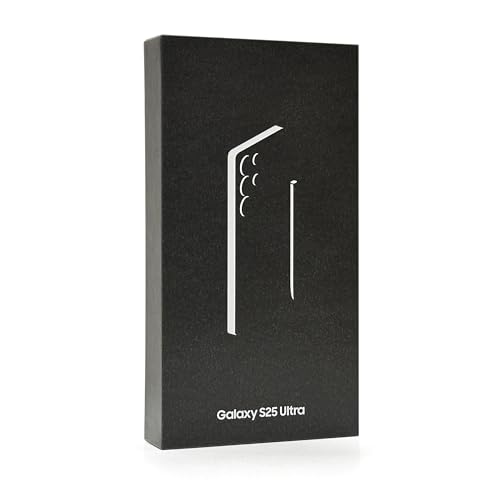
Samsung Galaxy S25 Ultra (256GB, 12GB RAM, Dual SIM)
The Galaxy S25 Ultra is the flagship of this comparison, and this listing is the factory GSM-unlocked international model SM-S938B/DS with 256GB of storage and 12GB of RAM. It is the largest and most powerful phone here, built around a 6.9-inch 120Hz AMOLED display. If you want the most capable Android phone in this guide, this is the benchmark the others are measured against.
Key specifications: Model SM-S938B/DS; 256GB storage; 12GB RAM; dual SIM; 6.9-inch 120Hz AMOLED display; 5G; factory GSM unlocked, international model.
The S25 Ultra is built for heavy use: split-screen multitasking, photo editing, gaming and long video sessions all feel effortless with 12GB of RAM behind them. The 120Hz display makes scrolling and animation feel fluid, and the large screen is a genuine advantage for reading documents, watching video and working on the go. Dual SIM support is handy for travellers and for anyone separating work and personal lines.
Insert one or two SIM cards, connect to Wi-Fi, and sign in to your Samsung and Google accounts. Run the first software update, then check that 5G is enabled in the mobile network settings. Because this is an international dual-SIM model, confirm compatibility with your carrier's bands before ordering if you rely on a specific network feature.
Strengths
- Huge 6.9-inch 120Hz AMOLED display with smooth, vivid output.
- 12GB of RAM and 256GB of storage handle heavy multitasking with ease.
- Dual SIM support plus factory-unlocked GSM flexibility.
Trade-offs
- A large, heavy phone that is not comfortable in small hands or pockets.
- The international model may lack some carrier-specific features.
- Premium pricing puts it out of reach for budget buyers.
The S25 Ultra fits power users, mobile photographers and travellers who want one phone to do everything. It is the pick for buyers who use their phone as a primary computer and want the largest screen and the most memory available.
Best for: Power users who want the biggest screen, most RAM and most capable Android flagship. / Not suited for: Buyers who prefer compact phones or need carrier-specific model variants.
Check price on Amazon: Samsung Galaxy S25 Ultra
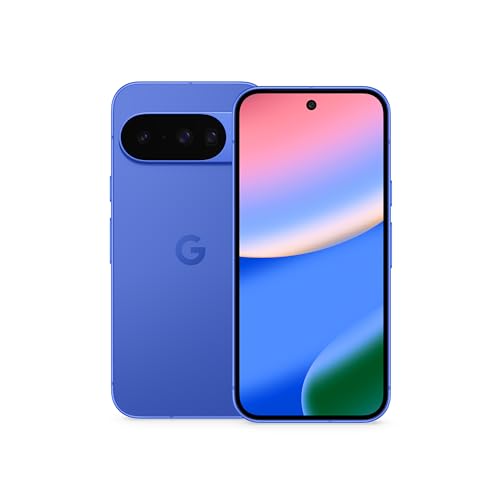
Google Pixel 10 (128GB, Gemini, Unlocked)
The Pixel 10 is Google's current mainstream flagship, and this listing is the 128GB model in Indigo, unlocked and built around Gemini, Google's AI assistant. It brings a triple rear camera with 20x zoom, a fast current-generation chip, and full 5G support. In this comparison it is the software-first pick: the phone for buyers who value clean Android and smart features over raw hardware excess.
Key specifications: 128GB storage; Gemini AI; advanced triple rear camera with 20x zoom; 5G; unlocked; Indigo finish.
The Pixel 10 handles everything a modern flagship should: demanding games, 4K video, heavy multitasking and long video calls. Gemini can summarise messages, help draft replies and answer questions on the fly, and the triple camera covers wide, standard and zoomed shots without reaching for another device. It is a phone that stays fast for years rather than months.
Sign in with your Google account, restore your data, and spend a few minutes with the Gemini setup to choose how much assistance you want. Confirm 5G is active on your plan, then test the camera zoom and night mode early so you know what it can do. A USB-C fast charger is worth having, as the box does not include one.
Strengths
- Triple rear camera with 20x zoom covers nearly any everyday scene.
- Gemini AI assistance is built in, not bolted on as an afterthought.
- Current-generation performance with full unlocked 5G support.
Trade-offs
- 128GB of storage may feel tight for heavy 4K video shooters.
- The Indigo finish shows fingerprints more than darker colours.
- No charger in the box, so budget for one if you do not own a USB-C charger.
This phone fits buyers who want the latest Pixel and plan to keep it for three or more years. It suits photographers, heavy users and anyone who leans on AI features daily, and it works well as a primary phone for work and travel.
Best for: Buyers who want the newest Pixel flagship experience with a versatile camera. / Not suited for: Anyone who needs 256GB or more of built-in storage.
Check price on Amazon: Google Pixel 10

OnePlus 13 (256GB, 12GB RAM, Unlocked)
The OnePlus 13 is the speed-focused flagship of this comparison. This listing is the unlocked 2025 model in Black with 256GB of storage and 12GB of RAM. It pairs a fast current-generation chip with clean, responsive software, and it is built for people who want a phone that never keeps them waiting, whether they are gaming, editing or switching between a dozen apps at once.
Key specifications: 256GB storage; 12GB RAM; unlocked; 2025 model; Black finish.
With 12GB of RAM, the OnePlus 13 keeps many apps in memory at once, so switching between a game, a browser, a map and a chat app feels instant. The 256GB of storage swallows large games, offline maps and years of photos without complaint. It is a phone built for people who use their handset hard and hate waiting, and its clean, fast software stays out of the way.
Insert your SIM or set up an eSIM, connect to Wi-Fi and sign in to restore your data. Run the first system update, then spend a few minutes tuning the display refresh rate and battery settings to your taste. A USB-C fast charger is worth having so you can top up quickly between uses.
Strengths
- 12GB of RAM and 256GB of storage handle heavy use with ease.
- Unlocked 5G flexibility with fast, clean software.
- Fast, responsive performance that stays smooth under heavy loads.
Trade-offs
- No dual SIM support stated in this listing.
- Camera output is strong but tuned differently from Pixel and Samsung.
- The large storage and memory come at a flagship-level outlay.
The OnePlus 13 fits heavy users, gamers and anyone who keeps a phone for years and wants plenty of headroom. It suits buyers who run many apps at once and who want a fast, clean flagship without the largest screen in this guide.
Best for: Heavy multitaskers who want a fast, clean Android flagship. / Not suited for: Buyers who need dual SIM support or the smallest possible phone.
Check price on Amazon: OnePlus 13

Motorola Edge 60 Pro (256GB, 8GB RAM, Dual SIM)
The Motorola Edge 60 Pro is the stylish middleweight of this comparison. This listing is the factory-unlocked 5G model with 256GB of storage, 8GB of RAM and dual SIM support, finished in a Pantone colour. Motorola has built its recent reputation on clean software, good displays and fair pricing, and the Edge 60 Pro continues that run with a well-rounded package that undercuts the flagships.
Key specifications: 256GB storage; 8GB RAM; dual SIM; GSM only, no CDMA; factory unlocked 5G smartphone; Pantone finish.
Day to day, the Edge 60 Pro is a smooth, pleasant phone. The display is bright and fluid, the near-stock Android software is free of clutter, and the battery comfortably lasts a full day of mixed use. The camera handles everyday scenes well, and the Pantone finish gives the phone a distinctive look without shouting about it. It is the kind of phone you stop thinking about, which is a compliment.
Insert your SIM, connect to Wi-Fi and sign in to transfer your data from an old phone. Confirm your carrier uses GSM networks, since this model is GSM only. Check for a system update, then set up fingerprint unlock and the gesture shortcuts Motorola is known for.
Strengths
- Clean, near-stock Android with useful Motorola gestures.
- 256GB of storage gives comfortable headroom at a mid-range level.
- Distinctive Pantone finish with a bright, fluid display.
Trade-offs
- GSM only, so check carrier compatibility before ordering.
- Camera is good rather than class-leading in low light.
- Software support may be shorter than Pixel or Samsung.
The Edge 60 Pro fits buyers who want a well-rounded Android phone without flagship pricing. It suits commuters, students and professionals who value clean software and a good display, and it works well as a reliable daily driver.
Best for: Buyers who want clean software, good storage and a distinctive design for less. / Not suited for: Anyone on a CDMA carrier or who needs the longest software support.
Check price on Amazon: Motorola Edge 60 Pro

Samsung Galaxy A35 5G (128GB, Dual SIM)
The Galaxy A35 is the budget pick of this comparison, and this listing is the A356E model with 128GB of storage and dual SIM support, GSM unlocked and compatible with US LTE networks. It is a Latin-variant model, which keeps the outlay down, and it covers the essentials well: 5G, a good Samsung display, and the familiar One UI software that millions of people already know.
Key specifications: Model A356E; 128GB storage; dual SIM; GSM unlocked Android smartphone; Latin variant, US compatible LTE; 5G.
The A35 handles everyday life without fuss: calls, messaging, email, maps, streaming and social apps all run smoothly. Its display is bright and colourful, its battery lasts a full day, and Samsung's software includes the useful extras, such as secure folder and good parental controls, that budget buyers often miss. It is not a gaming flagship, and it does not pretend to be.
Insert your SIM and connect to Wi-Fi, then sign in to your Samsung and Google accounts to restore your data. Confirm LTE and 5G work on your carrier, since this is a Latin-variant model, and run the first software update before settling in. A case is worth adding, as the glossy back is slippery.
Strengths
- Genuine Samsung quality and software at a budget-level outlay.
- Dual SIM support with 5G and US LTE compatibility.
- Bright, colourful display with reliable all-day battery life.
Trade-offs
- 128GB of storage with no larger option in this listing.
- Performance is adequate rather than fast for demanding games.
- Latin-variant model may lack some carrier-specific features.
The A35 fits first-time smartphone buyers, families buying for teenagers, and anyone who needs a dependable second phone. It suits buyers who want the Samsung experience without flagship spending, and it works well as a sensible upgrade from an older 4G handset.
Best for: Budget buyers who want a dependable Samsung Android phone with 5G. / Not suited for: Gamers and power users who need flagship speed and memory.
Check price on Amazon: Samsung Galaxy A35 5G

Xiaomi 15 (512GB, 12GB RAM, Leica Camera, 5G)
The Xiaomi 15 is the photography pick of this comparison, and this listing is the 512GB model with 12GB of RAM. The headline feature is a 50MP triple Pro Leica camera, tuned with the German camera maker for a distinctive, contrast-rich look. Paired with a compact 6.36-inch display, it is the phone for buyers who want serious photography without carrying a large handset.
Key specifications: 512GB storage; 12GB RAM; 50MP triple Pro Leica camera; 6.36-inch display; 5G.
The Xiaomi 15 is at its best in the hand and in the camera app. The 6.36-inch screen keeps the phone pocketable, while the Leica-tuned lenses produce photos with real character straight out of camera. With 12GB of RAM and 512GB of storage, it handles games, editing and multitasking without breaking stride, and 5G keeps everything moving on the go. It is a flagship that happens to be compact, rather than a compact phone that compromises.
Insert your SIM and connect to Wi-Fi, then sign in and update the system software. Explore the Leica camera modes early, including the portrait and night settings, to learn which look suits you. Check that your carrier supports the bands this global model uses, and confirm 5G appears in a coverage area before relying on it.
Strengths
- Leica-tuned 50MP triple camera with a distinctive photographic look.
- Compact 6.36-inch size with flagship speed and huge storage.
- 512GB of storage and 12GB of RAM at a competitive level.
Trade-offs
- This global model may lack some carrier-specific features in the US.
- Software takes some learning if you are new to Xiaomi's interface.
- Service and warranty support can be less straightforward than domestic brands.
The Xiaomi 15 fits photography enthusiasts who dislike oversized phones. It suits travellers, street photographers and anyone who wants flagship speed and a great camera in a compact body, and it rewards buyers willing to learn its camera system.
Best for: Photography lovers who want a Leica camera and flagship speed in a compact phone. / Not suited for: Buyers who need guaranteed carrier-specific features or local warranty support.
Check price on Amazon: Xiaomi 15
What the comparison really shows
Start the comparison with the processor and memory, because they decide how the phone feels in year two, not just on day one. All six phones here are fast today, but the ones with 12GB or 16GB of RAM will age better as apps grow heavier. Storage matters the same way: 128GB is enough for light users, while 256GB or 512GB suits anyone who shoots video or keeps large games installed.
The camera is where Android phones differ most. Megapixel counts tell only part of the story; the software processing behind the sensor matters at least as much. Pixel phones lean on computational photography, Samsung leans on versatility, and Xiaomi leans on the Leica look. Think about the photos you take most, and match the phone to them rather than to a number.
Display quality is easy to underestimate. A high refresh rate makes every interaction feel smoother, an AMOLED panel gives deeper blacks, and good outdoor brightness matters more than resolution on a spec sheet. The S25 Ultra has the largest and most impressive screen here, but the Xiaomi 15 shows that a smaller display can still be excellent.
Software support is the quiet long-term cost. Pixel and Samsung now offer the longest update windows, which keeps a phone secure and current for years. Shorter support does not make a phone bad, but it does shorten its useful life, so weigh it alongside the upfront saving when you compare.
Finally, check the practical details: whether the model is unlocked, which networks it supports, and whether it is a global or Latin-variant model. The S25 Ultra, OnePlus 13 and Edge 60 Pro listings here are international or GSM-only models, so a quick compatibility check with your carrier is worth the effort before you order.
Charging speed is worth a look too, because it changes how you live with a phone. A handset that tops up in half an hour is more forgiving than one that needs two hours on the charger, especially on travel days. Wireless charging is a convenience rather than a necessity, but it is worth knowing which phones in a comparison offer it before you choose.
Buying guide: choosing best android phones comparison
Begin with your budget and your habits, not with the top of the range. If your days are calls, messages, maps and streaming, the Galaxy A35 or the Edge 60 Pro covers everything and leaves money in your pocket. If you edit photos, play demanding games or use your phone as a work computer, the S25 Ultra, OnePlus 13 or Xiaomi 15 justifies its higher standing.
Next, decide how much phone you actually need in your hand. A 6.9-inch phone is wonderful for video and reading but tiring to hold and hard to pocket. A 6.36-inch phone disappears into a pocket and works one-handed. If possible, hold a phone of similar size before ordering, or measure against your current handset.
Think about the camera realistically rather than by megapixel count. A 50MP sensor with good processing often beats a higher-megapixel sensor with poor software, and features such as night mode and optical zoom matter more than raw resolution. Compare the camera notes in this guide against the photos you take most: people, food, landscapes or low-light scenes.
Check the listing carefully before you buy. Confirm the exact model name, storage size and network compatibility, confirm the listing says new rather than renewed, and confirm the phone is unlocked if you want carrier freedom. Listings for the same model can differ in colour, storage, region and condition, so read the full title rather than the thumbnail.
Finally, plan for the extras. A case, a screen protector and a USB-C charger are the three add-ons most buyers need, and buying them with the phone means the handset is protected from day one. If you move from an older phone, set aside time for data transfer and for checking that banking and messaging apps work on the new device.
Consider the size of the ecosystem as well. Samsung, Google, Motorola and Xiaomi each offer watches, earbuds and tablets that pair neatly with their phones, and staying in one ecosystem can make setup and sharing easier. It should not decide the purchase on its own, but if you already own a watch or earbuds from one brand, the matching phone is worth a closer look.
Using and caring for your best android phones comparison
Keep the phone's software current. System updates bring security fixes, camera improvements and modem tweaks that can improve 5G performance, so install them when they arrive rather than postponing them for months. Back up photos and important data before any major update, just in case.
Look after the battery the way you would any rechargeable device. Avoid leaving the phone in a hot car, and do not leave it at 0% or 100% for long stretches if you can avoid it. Fast charging is convenient, but overnight slow charging is gentler when you have the time.
Protect the display and the camera lenses. A tempered glass protector and a case with a raised edge cost little and prevent the two most common repairs. Clean the lenses with a soft cloth before important photos, and keep the phone out of sand and grit that can scratch glass.
Manage storage before it manages you. Turn on cloud backup for photos, delete downloaded videos you have already watched, and uninstall apps you no longer use. A phone with 15 to 20 percent free storage runs noticeably better than one that is completely full.
Keep the charging port clean and dry. Pocket lint is the most common cause of loose cables, and compressed air is the safest way to clear it. Avoid charging in steamy bathrooms and dusty workshops where moisture and grit can work into the port and speakers, and keep the phone out of direct sun on hot days.
Common mistakes to avoid
The most common mistake is buying on megapixels or on the 5G label alone, without checking the bands and the processing behind the camera. A handset that lacks your carrier's main mid-band frequencies will spend most of its life on slower connections, and a high-megapixel camera with poor software will disappoint. Always check band support and read camera notes before ordering.
Another frequent error is choosing the cheapest storage option to save money, then running out of space within a year. Storage cannot be added later on most modern phones, so the 256GB and 512GB models in this guide are the safer choice for anyone who shoots video or keeps a large music library offline.
Buyers also overlook the difference between new and renewed listings, and between global, Latin-variant and carrier models. A renewed phone can be good value, but it is not the same as a new one, and an international model may lack features your carrier expects. Confirm the listing says new, and check the model variant before checkout.
Finally, many people forget to check their plan. A 5G phone on a plan without 5G access, or with a SIM that was never provisioned for it, will not show a 5G connection. A quick call or chat with your carrier before the phone arrives saves a frustrating first day.
Budget and value
At the affordable end, the Galaxy A35 gives you a genuine Samsung Android phone with 5G for the least money in this guide. It is the right choice if the phone is a tool rather than a hobby, and if you would rather spend the difference on accessories or keep it in your pocket.
The middle of the range is where the value sits. The Edge 60 Pro and the Xiaomi 15 both deliver modern performance, good cameras and full 5G, each with a different personality. Most buyers will be happiest here, because the jump to flagship prices buys refinements rather than a different experience.
At the top, the Pixel 10, OnePlus 13 and Galaxy S25 Ultra are for buyers who use their phone hardest and keep it longest. Their cameras, displays and memory justify the outlay if you edit photos, game heavily or work from your phone, but they are luxuries rather than necessities for everyone else.
Final recommendation
If one phone had to win this comparison, the Pixel 10 takes it for most buyers: current software, a versatile triple camera, Gemini assistance and genuine 5G in a well-sized package. It is the easiest recommendation in the group, because it does nothing badly and most things well.
Buyers who want more should look at the Galaxy S25 Ultra for the biggest screen and the most memory, or the OnePlus 13 for fast, clean flagship performance. Photography enthusiasts who prefer a smaller phone should consider the Xiaomi 15, value seekers should look at the Edge 60 Pro, and budget buyers will be well served by the Galaxy A35.
Whichever pick you choose, confirm the model, the storage size and the network compatibility on the listing before ordering, and check your carrier plan includes 5G. Do those two things and any of these six phones will serve you well for years, wherever you travel in the world.
One last note: buy the phone for the next two or three years, not for this month. Check that the model still receives software updates, that its battery is large enough for your longest days, and that its storage leaves room to grow. The six phones above all clear that bar, which is why they earned their places in this comparison.
Frequently asked questions
Which Android phone is best overall in this comparison?
For most buyers, the Pixel 10 is the best all-rounder: a versatile triple camera, Gemini AI, clean software and full 5G. Power users should consider the Galaxy S25 Ultra for its larger display and 12GB of RAM, while heavy multitaskers will appreciate the OnePlus 13 and its 16GB of RAM.
Is 512GB of storage worth it?
512GB is worth it if you shoot a lot of 4K video, keep large games installed, or plan to keep the phone for three or more years. For light users who stream media and back up photos to the cloud, 128GB or 256GB is enough, and the money is better spent elsewhere.
Do I need a special plan to use 5G?
Yes, in most cases your mobile plan must include 5G access, and your SIM or eSIM must be provisioned for it. A 5G phone on a 4G-only plan will connect at 4G speeds. Check with your carrier before the phone arrives so you can activate 5G on day one.
What is the difference between the international and Latin-variant models?
International and Latin-variant models are built for markets outside the US, so they may support different network bands and lack some carrier-specific features. They are usually cheaper, and they work well on GSM carriers, but you should confirm band compatibility with your carrier before ordering.
How long will these phones stay current?
Pixel and Samsung flagships now receive several years of system and security updates, which keeps them current the longest. Other brands offer shorter support windows, so a phone from those brands may stop receiving major updates sooner. If you keep phones for four or more years, the length of software support should weigh heavily in your choice.
Can I use an unlocked Android phone on any carrier?
An unlocked Android phone works on any carrier whose network bands it supports, which in practice means the major GSM carriers for the models in this guide. Before switching, check that the phone supports the bands your new carrier uses in your area, and ask the carrier whether your SIM or eSIM needs to be provisioned for 5G.
More guides from KajuanDouglas
Best Android Phones Under 100 Best Android Phones Under 1000 Best Dual SIM Android Phones