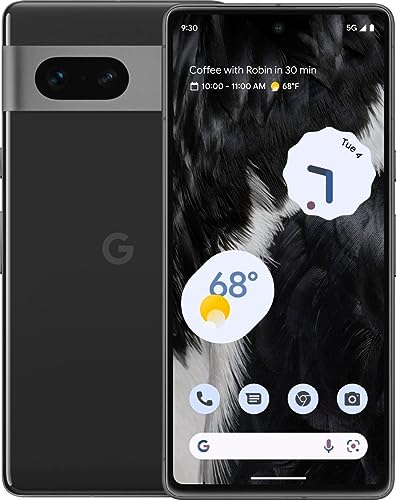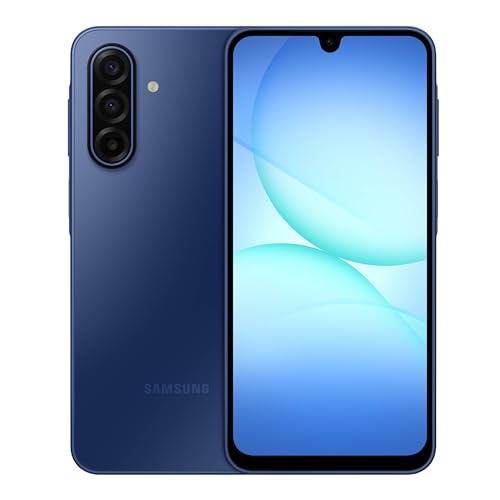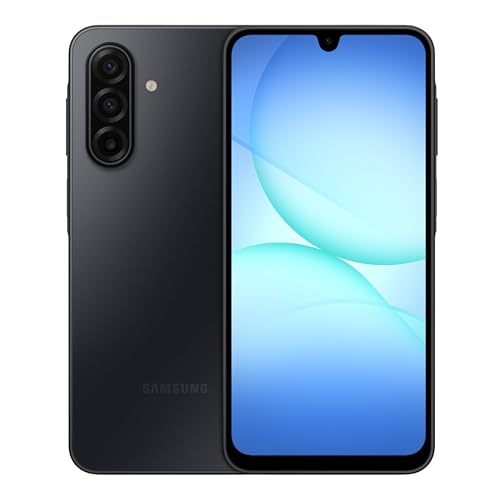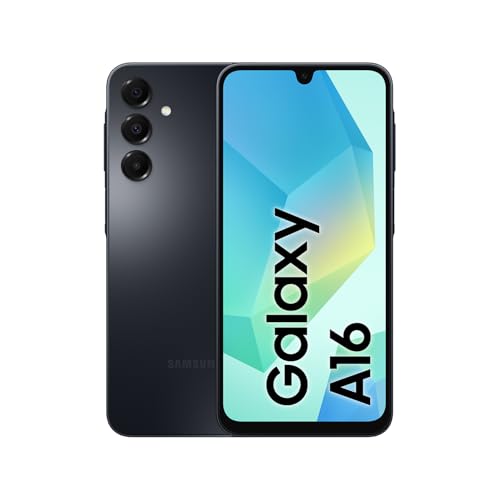
Finding the best non 5g phones that fits your setup is less about chasing the most expensive option and more about matching the right features to the way you actually use the device. A non-5G phone that looks strong on a spec sheet can still be the wrong choice if it is awkward to set up, hard to live with day to day, or missing the one feature you rely on most. That is why this guide focuses on practical fit: what each option does well, where it falls short, and who it suits best. Not everyone needs 5G. If your area has patchy 5G coverage, if you mostly use Wi-Fi, or if you simply want a cheaper phone that lasts longer per charge, a good 4G phone is the smarter buy. The phones in this guide skip the 5G modem and put the savings into battery life, screens, and cameras you will actually use. We reviewed the current listings for best non 5g phones and narrowed the field to six options that cover the main use cases, from a straightforward everyday choice to more capable models for heavier demands. Each product below is linked to its listing so you can verify the exact configuration, included accessories, and availability before you buy. Use the comparison table further down the page to line the six picks up side by side, then read the buying guide if you want help weighing the trade-offs. The goal is simple: help you choose once, with confidence, and avoid paying for features you will never use or settling for a model that leaves you wanting more within a few months. The sections that follow explain how the picks were chosen, walk through each product in detail, and finish with the questions readers ask most often about best non 5g phones. If you are short on time, the comparison table and the final recommendation give you the short version; if you want the reasoning, the buying guide and the per-product sections explain it.
In this guide
Quick picks: best non 5g phones
| # | Product | Where to buy |
|---|---|---|
| 1 | Samsung Galaxy A16 4G LTE 128GB+4GB SM-A165F/DS Factory Unlocked, Black | Check on Amazon |
| 2 | Samsung Galaxy A17 4G AI (128GB + 4GB) Unlocked | Check on Amazon |
| 3 | Rogue R67S Unlocked 4G LTE Smartphone, Android 15 Go, 6.8-Inch HD+ Display, 3GB RAM | Check on Amazon |
| 4 | Mini Phone 4G Unlocked 32GB Mini Smartphone, 3.7-inch Touch Screen, 2000mAh Battery | Check on Amazon |
| 5 | 4G Mini Smartphone for Kids, 32GB Unlocked Android 12 Phone, 2000mAh Battery, 3.7-inch Touchscreen, Dual SIM | Check on Amazon |
| 6 | Nokia C100 4G TA-1484 32GB Storage 3GB RAM Unlocked Smartphone 5.45-inch HD+ Display | Check on Amazon |
How the picks were chosen
Every product in this guide was selected from current listings for best non 5g phones, and each one had to meet the same bar before it earned a place. First, the product had to be the right kind of device for the keyword — a genuine non-5G phone, not an accessory, a part, or a loosely related item that happens to share a word in its title. Second, it had to come from a listing with clear, verifiable specifications, so the strengths and trade-offs below are grounded in what the listing actually states rather than guesswork. Third, the shortlist had to cover a range of needs: different sizes, capacities, and feature sets, so that readers with different budgets and different daily routines can all find a fit. The factors weighed most heavily were 4G LTE performance, battery life, camera quality, and screen and storage — the four things that most often decide whether a non-5G phone ends up used every day or left in a drawer. Ease of setup and everyday usability counted alongside raw capability, because a device that is frustrating to install or maintain rarely gets used to its full potential. Listings that lacked enough detail to verify what you actually receive were left out, and any renewed listing included is clearly marked as renewed in its section. Where two listings described essentially the same product, only one was kept, so the six picks below are genuinely different options rather than variations on the same item. The result is a shortlist you can compare honestly: each product’s strengths are stated plainly, its trade-offs are stated just as plainly, and the recommendation at the end names the pick that suits most readers and the situations where a different option is the smarter buy. The shortlist is deliberately small: six options are enough to cover the real differences between models without turning the comparison into a catalogue, and every pick below earns its place on merit rather than on brand familiarity alone.
Top picks at a glance
Each pick below links to its listing so you can confirm the exact configuration and availability before ordering. The comparison table after the product sections lines all six up side by side.
1. Samsung Galaxy A16 4G LTE 128GB+4GB SM-A165F/DS Factory Unlocked, Black

Samsung Galaxy A16 4G LTE 128GB+4GB SM-A165F/DS Factory Unlocked, Black earns its place in this roundup of best non 5g phones by covering the essentials well: it does the core job reliably, it is straightforward to set up, and it fits the everyday use case most readers have in mind. The Samsung Galaxy A16 4G LTE comes factory unlocked with 128GB of storage and 4GB of RAM, in black, for use on 4G LTE networks without a 5G modem. The large display and Samsung software make everyday tasks feel familiar, even at this price. Check carrier compatibility for your network before ordering an international model. A case and screen protector cost little and protect the phone from the first drop. Before ordering, check the listing for the exact configuration — model, size, and included accessories can vary between listings that look similar at a glance, and the model number is the surest way to confirm you are getting the version described here.
Strengths:
- A well-known Samsung phone with a large 128GB of storage at a budget size.
- Factory unlocked, so you can use it on compatible 4G carriers.
- A big-screen everyday phone with the polish of Samsung software.
Trade-offs:
- 4GB of RAM is modest for heavy multitasking.
- There is no 5G, so it will not use faster 5G networks where they exist.
- The international model may lack some carrier-specific features.
This phone fits buyers who want a familiar Samsung experience on 4G at a low cost.
Best for: buyers who want an affordable unlocked Samsung on 4G
Not suited for: heavy multitaskers, or anyone who needs 5G speeds
2. Samsung Galaxy A17 4G AI (128GB + 4GB) Unlocked
Check price on Amazon: Samsung Galaxy A16 4G LTE 128GB+4GB SM-A165F/DS Factory Unlocked, Black

Samsung Galaxy A17 4G AI (128GB + 4GB) Unlocked earns its place in this roundup of best non 5g phones by covering the essentials well: it does the core job reliably, it is straightforward to set up, and it fits the everyday use case most readers have in mind. The Samsung Galaxy A17 4G AI is an unlocked 4G phone with 128GB of storage and 4GB of RAM, with AI features and a large display, compatible only with T-Mobile, Mint, Tello, and global carriers. The AI features help with photos and text, and the phone ships with a clean, current Samsung interface. Confirm your carrier is on the compatible list before you buy. Back up your photos to the cloud so a lost phone does not mean lost memories. Before ordering, check the listing for the exact configuration — model, size, and included accessories can vary between listings that look similar at a glance, and the model number is the surest way to confirm you are getting the version described here.
Strengths:
- A newer Samsung model with AI features and 128GB of storage.
- Unlocked for use on compatible 4G networks.
- A large display for video, reading, and everyday apps.
Trade-offs:
- Carrier compatibility is limited, so check your network first.
- 4GB of RAM keeps heavy gaming and multitasking modest.
- No 5G modem, so it cannot use 5G networks.
This phone fits T-Mobile-family users who want a current Samsung phone without paying for 5G.
Best for: T-Mobile, Mint, or Tello users who want a current Samsung 4G phone
Not suited for: users on other carriers, or anyone who needs 5G
3. Rogue R67S Unlocked 4G LTE Smartphone, Android 15 Go, 6.8-Inch HD+ Display, 3GB RAM
Check price on Amazon: Samsung Galaxy A17 4G AI (128GB + 4GB) Unlocked

Rogue R67S Unlocked 4G LTE Smartphone, Android 15 Go, 6.8-Inch HD+ Display, 3GB RAM earns its place in this roundup of best non 5g phones by covering the essentials well: it does the core job reliably, it is straightforward to set up, and it fits the everyday use case most readers have in mind. The Rogue R67S is an unlocked 4G LTE smartphone running Android 15 Go, with a 6.8-inch HD+ display and 3GB of RAM, for T-Mobile and AT&T networks. The 6.8-inch display is the largest in this guide, which suits video and reading on a budget. Keep the app count low and the phone stays responsive on 3GB of RAM. A 32GB memory card is a cheap way to add room for photos and music. Before ordering, check the listing for the exact configuration — model, size, and included accessories can vary between listings that look similar at a glance, and the model number is the surest way to confirm you are getting the version described here.
Strengths:
- A large 6.8-inch display for video and reading at a low cost.
- Android 15 Go is tuned for smooth use on modest hardware.
- Unlocked for T-Mobile and AT&T networks.
Trade-offs:
- 3GB of RAM limits heavy apps and multitasking.
- The camera and build are basic compared with big-brand phones.
- No 5G, and no support for carriers outside the listed networks.
This phone fits buyers who want a big-screen, low-cost phone for calls, messages, video, and light apps.
Best for: budget buyers who want a big screen and simple Android
Not suited for: gamers, photographers, or anyone who needs 5G
4. Mini Phone 4G Unlocked 32GB Mini Smartphone, 3.7-inch Touch Screen, 2000mAh Battery
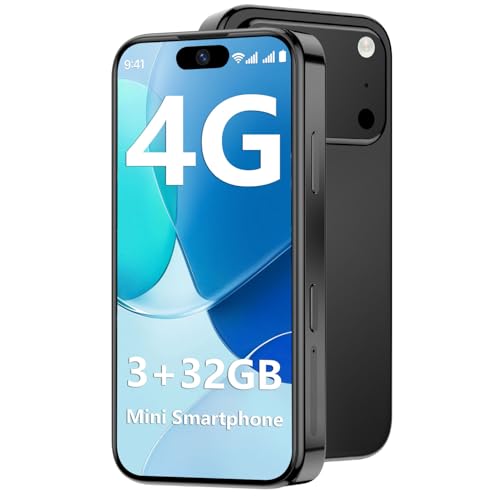
Mini Phone 4G Unlocked 32GB Mini Smartphone, 3.7-inch Touch Screen, 2000mAh Battery earns its place in this roundup of best non 5g phones by covering the essentials well: it does the core job reliably, it is straightforward to set up, and it fits the everyday use case most readers have in mind. The Mini Phone 4G is an unlocked 32GB mini smartphone with a 3.7-inch touch screen and a 2000mAh battery, a compact 4G Android phone for calls, apps, and downloads. The compact body weighs far less than a normal phone, so it disappears into a pocket. Use Wi-Fi for downloads and keep the screen brightness down to stretch the small battery. A small power bank in your bag covers the days you forget to charge. Before ordering, check the listing for the exact configuration — model, size, and included accessories can vary between listings that look similar at a glance, and the model number is the surest way to confirm you are getting the version described here.
Strengths:
- A genuinely pocket-sized phone that fits anywhere and weighs very little.
- Full Android with app downloads, Wi-Fi, and GPS in a tiny body.
- A good second phone or a first phone for a child.
Trade-offs:
- The 3.7-inch screen is cramped for typing and video.
- 32GB of storage fills up fast with apps and photos.
- Battery life is short compared with full-size phones.
This phone fits readers who want the smallest possible working smartphone, or a light second phone.
Best for: minimalists and second-phone buyers who want a tiny Android phone
Not suited for: anyone who types a lot, watches video, or needs all-day battery
5. 4G Mini Smartphone for Kids, 32GB Unlocked Android 12 Phone, 2000mAh Battery, 3.7-inch Touchscreen, Dual SIM

4G Mini Smartphone for Kids, 32GB Unlocked Android 12 Phone, 2000mAh Battery, 3.7-inch Touchscreen, Dual SIM earns its place in this roundup of best non 5g phones by covering the essentials well: it does the core job reliably, it is straightforward to set up, and it fits the everyday use case most readers have in mind. This 4G mini smartphone runs Android 12, with 32GB of storage, a 2000mAh battery, a 3.7-inch touchscreen, and dual SIM slots, aimed at kids and light users. The dual SIM design suits travellers and anyone separating work and personal numbers. Set up parental controls and a storage routine before handing it to a child. Label the SIM slots so you know which number is which. Before ordering, check the listing for the exact configuration — model, size, and included accessories can vary between listings that look similar at a glance, and the model number is the surest way to confirm you are getting the version described here.
Strengths:
- Dual SIM slots let one tiny phone carry two numbers.
- Android 12 with app downloads in a pocket-sized body.
- A sensible first phone for a child, with a small screen and light weight.
Trade-offs:
- The small screen and modest battery limit heavy use.
- 32GB of storage needs regular tidying.
- Performance suits light apps, not demanding games.
This phone fits parents buying a first phone for a child, or anyone who wants a tiny dual-SIM backup.
Best for: parents buying a first phone, or dual-SIM backup users
Not suited for: heavy users, gamers, or anyone who wants a large screen
6. Nokia C100 4G TA-1484 32GB Storage 3GB RAM Unlocked Smartphone 5.45-inch HD+ Display

Nokia C100 4G TA-1484 32GB Storage 3GB RAM Unlocked Smartphone 5.45-inch HD+ Display earns its place in this roundup of best non 5g phones by covering the essentials well: it does the core job reliably, it is straightforward to set up, and it fits the everyday use case most readers have in mind. The Nokia C100 4G is an unlocked smartphone with 32GB of storage, 3GB of RAM, and a 5.45-inch HD+ display. This listing is a renewed unit, so check the listing for its condition and warranty details. The Nokia name carries a reputation for durability, and the compact size suits one-handed use. Inspect the renewed unit on arrival, check the battery, and confirm the return window. Check the renewed warranty terms on arrival and keep the paperwork. Before ordering, check the listing for the exact configuration — model, size, and included accessories can vary between listings that look similar at a glance, and the model number is the surest way to confirm you are getting the version described here.
Strengths:
- A Nokia phone with a clean, simple Android experience.
- The 5.45-inch HD+ display is comfortable for one-handed use.
- A renewed unit at a lower cost than a new phone of the same size.
Trade-offs:
- This listing is renewed, so condition and battery health can vary.
- 3GB of RAM and 32GB of storage are modest by current standards.
- No 5G, and the camera is basic.
This phone fits buyers who want a simple, compact Nokia on 4G and are comfortable with a renewed unit.
Best for: buyers who want a simple compact Nokia and accept a renewed unit
Not suited for: anyone who wants a new phone, heavy apps, or 5G
Comparison table
| # | Product | Key detail |
|---|---|---|
| 1 | Samsung Galaxy A16 4G LTE 128GB+4GB SM-A165F/DS Factory Unlocked, Black | 4G LTE, 128GB, 4GB RAM, unlocked |
| 2 | Samsung Galaxy A17 4G AI (128GB + 4GB) Unlocked | 4G, 128GB, 4GB RAM, AI features |
| 3 | Rogue R67S Unlocked 4G LTE Smartphone, Android 15 Go, 6.8-Inch HD+ Display, 3GB RAM | 4G LTE, 6.8-inch HD+, Android 15 Go |
| 4 | Mini Phone 4G Unlocked 32GB Mini Smartphone, 3.7-inch Touch Screen, 2000mAh Battery | 4G, 3.7-inch screen, 32GB, 2000mAh |
| 5 | 4G Mini Smartphone for Kids, 32GB Unlocked Android 12 Phone, 2000mAh Battery, 3.7-inch Touchscreen, Dual SIM | 4G, Android 12, 3.7-inch, dual SIM, 32GB |
| 6 | Nokia C100 4G TA-1484 32GB Storage 3GB RAM Unlocked Smartphone 5.45-inch HD+ Display | 4G, 5.45-inch HD+, 32GB, renewed |
Why a 4G phone can be the better buy in 2026
5G sounds like a must-have, but the real-world benefit depends on where you live and how you use data. In many areas 5G coverage is still patchy indoors, and a phone that constantly hunts for a weak 5G signal can drain its battery faster than one that stays on a steady 4G connection. If most of your data use happens on Wi-Fi at home, at work, or at school, the mobile network speed barely matters. A 4G phone also costs less to buy and often lasts longer per charge, because the modem is simpler and the hardware is a generation or two more efficient at the same task. The trade-off is future-proofing: a 4G phone will not get faster as networks improve, and some carriers are already refarming spectrum. For a phone you plan to keep for two or three years on a budget, though, 4G remains a sound choice, and the picks in this guide show how much phone you can get without the 5G premium.
What to check before buying an unlocked 4G phone
Unlocked phones give you freedom, but they also put the compatibility check on you. First, confirm the phone supports the LTE bands your carrier uses, because an unlocked phone that lacks your carrier bands will drop calls or crawl on data. The listings in this guide name their compatible carriers, and the international Samsung models in particular only work on certain networks. Second, check whether the phone is sold as new or renewed, and what warranty the seller offers, since renewed units vary. Third, confirm the storage and RAM: 32GB fills quickly, so a phone with a memory-card slot or 128GB is worth the difference if you keep photos and apps. Finally, check the Android version and whether the maker still issues security updates, because an out-of-date phone is a weak link even if the hardware is fine.
Battery life: the quiet advantage of skipping 5G
The most practical benefit of a non-5G phone is rarely mentioned on the box: the battery lasts longer. A 5G modem draws noticeably more power than a 4G modem, especially when the phone hunts for a weak 5G signal, and that drain shows up as a shorter day. A 4G phone with the same battery often ends the evening with charge to spare, which matters more in daily use than a faster download you rarely need. The effect is biggest in areas with patchy 5G, where the phone keeps switching between networks and burning power on every switch. If you charge overnight and use Wi-Fi most of the day, the difference shrinks, but for travellers, festival-goers, and anyone far from a charger, a 4G phone is the lower-stress choice. Pair it with the battery-saving habits that help any phone, like dimming the screen and closing unused apps, and the gap grows wider still.
Cameras and screens at the budget end
Budget 4G phones make their compromises in the camera and the screen, so it helps to know what to expect. The cameras in this price range take good photos in daylight, where even a modest sensor has plenty of light, but they struggle indoors and at night, where noise and blur appear quickly. The trick is to use the light you have: step near a window, hold the phone steady, and let the camera take its time. Screens are the other compromise: most budget phones use LCD panels rather than the vivid AMOLED screens of flagships, which means colours are calmer and contrast is lower, but the picture is still clear for reading, video, and maps. A larger screen, like the 6.8-inch display on the Rogue, makes video and reading easier, while the smaller screens on the mini phones trade viewing comfort for pocketability. Neither is wrong; it depends on whether the phone is your main screen or a companion to a bigger device.
How long will a 4G phone stay useful
The honest question about any 4G phone is how long it stays useful as networks change. Carriers are still investing in 4G, and LTE will remain the fallback network for years even as 5G spreads, because 5G coverage indoors and in rural areas is still uneven. A 4G phone bought today should work well for two to three years, and likely longer in areas where 5G is thin. The bigger limit is usually software: budget phones get fewer years of security updates than flagships, so check the Android version and the update promise before you buy. The Samsung models in this guide have the strongest update record of the picks here, while the smaller brands are thinner. If you replace phones every two years anyway, a 4G phone is an easy saving. If you keep a phone for five years, weigh the saving against the chance that 5G becomes essential where you live.
Buying guide
Start by defining the job the non-5G phone has to do. For best non 5g phones, the right choice depends on where it will live, how often it will be used, and which features you will actually notice day to day. Measure the space first: a non-5G phone that is too large for its spot ends up moved, stored, or returned, while one that is too small for the task leaves you working around its limits. Next, list the features that matter to you and rank them. 4g lte performance, battery life, camera quality, and screen and storage are the usual decision points, and different readers rank them very differently — there is no single right order. Check compatibility with what you already own: the devices, apps, and accessories it needs to work with. A pick that needs an adapter, a hub, or an extra purchase you did not expect is a worse deal than a slightly more expensive option that works out of the box. Read the listing carefully for what is included in the box and what is sold separately, and confirm the model number matches the one described here, since similar names can hide different configurations. Think about upkeep as well: consumables, batteries, cables, and software updates all add up over the life of a device. Finally, buy from a listing with a clear return policy, keep the packaging until you have used the device for a few days, and test the features you care about most during that window. If it does not fit your routine, exchanging it early is far easier than living with a compromise for years. A careful first week with the device tells you more than any amount of pre-purchase reading. It is also worth deciding in advance how much setup effort you are willing to accept: some readers enjoy configuring an app and linking devices, while others want something that works the moment it is unboxed. Neither preference is wrong, but it changes which pick is right for you, and it is better to know it before ordering than to discover it while staring at a setup screen.
How to use and care for your pick
Getting the most from your best non 5g phones starts with setup. Unbox it somewhere with good light, lay out everything included, and read the quick-start guide before plugging anything in — ten minutes here saves a support call later. Place the non-5G phone where it has room to work: clear space around vents and sensors, a stable surface, and easy access to power. Run any firmware or software update the listing or companion app offers, then walk through the settings once, turning off features you do not need and enabling the ones you do. For day-to-day care, keep the device clean and dry, wipe surfaces with a soft cloth, and keep cables routed so they are not pulled or pinched. If the non-5G phone uses a battery, avoid leaving it fully drained for long stretches; if it uses a filter or a consumable part, note the replacement interval on a calendar so performance does not quietly degrade. Store accessories together in one place so they are easy to find. If something stops working, restart the device, check connections, and confirm the app or software is up to date before assuming a fault — most day-to-day problems trace back to one of those three. Keep the manual or a bookmark to the support page; the answer to an unusual question is usually there, and the manufacturer’s guidance is the authority for anything involving safety, power, or warranty. A short routine beats a long repair: a quick check every month or two catches most problems while they are still trivial, and it keeps the device performing the way it did on the day you bought it.
Common mistakes to avoid
The most common mistake when shopping for best non 5g phones is choosing on a single headline feature and ignoring everything else. A big number on the box — capacity, resolution, range — tells you very little about whether the non-5G phone fits your space or your routine. The second mistake is skipping the compatibility check: assuming it will work with your existing devices, apps, or accessories without confirming. The third is ignoring size and placement, then discovering the device blocks a vent, crowds a desk, or needs an outlet that is not nearby. A fourth is buying the cheapest listing of a lookalike model and discovering it is a different configuration, a renewed unit, or missing an accessory the full version includes. A fifth is overlooking running costs — replacement parts, batteries, or a companion subscription — that change the real cost over a year or two. And a sixth is rushing the return window: using the device once, deciding it is fine, and only discovering its weak point after the exchange period has closed. Avoid all six by measuring first, reading the listing in full, confirming compatibility, and testing the features you care about within the first few days. A short checklist made before ordering — size, compatibility, included accessories, return policy — prevents most of these mistakes before they happen. The thread running through all six is the same: the purchase decision deserves the same care as the device itself. A few minutes spent measuring, reading, and confirming compatibility saves the time, cost, and frustration of a return.
Our final recommendation
If you want a single answer, start with the first pick in this guide — the Samsung Galaxy A16 4G LTE 128GB+4GB SM-A165F/DS Factory Unlocked, Black — and check whether it covers your main use case. It represents the best balance of capability, ease of use, and everyday practicality for most readers shopping for best non 5g phones. If your needs are more specific, the other five picks each serve a clear purpose: one leans toward a larger capacity or display, another toward a simpler setup, and the rest toward particular features or budgets. Match the pick to the job, not to the ranking. Re-read the comparison table, confirm the listing matches the model described here, and order the one whose strengths line up with what you will actually use. Whichever you choose, the buying guide above will help you set it up well and avoid the mistakes that lead to returns. And if you are still torn between two picks, choose the one whose strengths match the feature you will use every day, not the one with the longest feature list — the device you reach for daily is the one that was worth buying.
Frequently asked questions
What should I look for first when choosing best non 5g phones?
Start with fit: the size, capacity, and core features that match how you will use it every day. Compatibility with your existing devices comes next, followed by ease of setup and upkeep. The buying guide above walks through each factor in order.
Are the best non 5g phones in this guide suitable for everyday use?
Yes. All six picks were chosen for regular, everyday use rather than occasional or specialist scenarios, and each section notes who the product fits best so you can judge the match for your own routine.
How do I know which model to order?
Use the product links in each section to open the listing and confirm the exact model, configuration, and included accessories. Similar names can hide different versions, so matching the model number to the one described here is the safest check.
Which pick is the best starting point?
For most readers, the Samsung Galaxy A16 4G LTE 128GB+4GB SM-A165F/DS Factory Unlocked, Black is the best place to start because it balances capability and ease of use. If you have a specific need — a larger space, a particular feature, or a tighter budget — one of the other five picks may suit you better.
Do I need one unit or several?
That depends on the size of your home and how many rooms need coverage. A single unit covers only its own area, so most homes need several — at least one per floor and one near each sleeping area. The kits in this guide are a practical way to cover a whole home at once.
What if the product I choose does not fit my setup?
Test it within the return window: check the features you care about most in the first few days, keep the packaging, and exchange it if it does not fit. The common-mistakes section above lists the checks that catch most mismatches early.
Related reading on Kajuandouglas: best bargain 5G phones and best mid-range smartphones and best 5G phones Verizon network.