kajuandouglas.com is reader-supported. When you buy through links on our site, we may earn an affiliate commission.
Where to Buy a Camera for Landscape and Nature, and Why the Genre Is Decided at Dawn
The best cameras for landscape and nature are chosen in the dark, at a viewpoint, with the light about to do something unforgiving — because that is where the genre lives. A landscape camera must hold a sky and a shadowed valley in one honest frame, resolve a hillside’s worth of detail for the print, survive the weather that makes the light interesting, and still be there — carried, charged, willing — at the end of the walk that made the photograph possible. Nature adds its own clause: the landscape moves, and the camera must sometimes move with it.
Where to buy: each linked name below leads to that camera’s Amazon listing, and the landscape basket should be completed with the genre’s unglamorous sacraments — a tripod that does not tremble, a polarising filter, a headtorch for the walk in, and a dry bag for the weather that will certainly audition. Money spent on those four will improve more landscape photographs than the difference between any two bodies on this page.
The six divide by the photographer’s terrain and temperament. Sony’s all-rounder owns the classic dawn; Fujifilm’s high-resolution traveller owns the ridge walk; Canon’s fast full-frame owns the living landscape; Panasonic’s hybrid owns the moving one; Olympus owns the far and foul-weather places; and Nikon’s value pick owns the road trip. Every great landscape tradition is represented, because the genre has several and they are all correct.
One honesty before the list: landscape photography is the genre where the camera matters least and presence matters most — where getting up, getting there, and waiting outrank every specification. These cameras were chosen to serve presence: to be carried, to survive, and to not waste the light when it finally performs. The rest is walking.
Read the six as six answers to the same alarm clock: the complete system, the light traveller, the living valley’s witness, the river’s filmmaker, the expedition’s survivor, and the road trip’s economist. Your terrain has already voted; the sections below merely count the ballots.
Key Takeaways
The dawn summary, for photographers packing tonight:
- Landscape is decided at dawn and in weather: dynamic range for the sky’s argument with the valley, sealing for the mornings everyone else cancels, and being there — carried, charged, willing — before either of them starts.
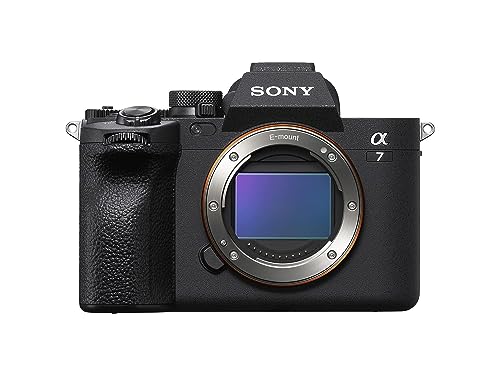
- The Sony Alpha 7 IV is the classic default for a reason: dawn range, print-worthy detail, animal detection for the nature half, and the deepest lens range on this page for everything the outdoors invents next.
- The Fujifilm X-T5 wins the ridge walk: gallery detail and film colour at a hiker’s weight.
- Living landscapes belong to the Canon EOS R6 Mark II; moving ones to the Panasonic LUMIX S5II.
- The OM SYSTEM OM-5 Mark II owns the far, wet places; the Nikon Z50 II funds the trips with its value.
- Spend on the tripod that does not tremble, the filter that tames the water, the boots and the fuel before the body’s last specification — presence is the genre’s real specification, and it is bought with logistics, not with glass alone.
- Adopt a viewpoint and become its regular — the third morning at the same valley teaches more, and photographs better, than a tour of ten famous ones.
In this guide
Quick Picks
Six terrains, six cameras — the dawn, the ridge, the living valley, the river, the far place, the road.
| Camera | Badge | Why it earns its place here |
|---|---|---|
| Sony Alpha 7 IV | Best All-Round Landscape and Nature Camera | Dynamic range for dawn skies, detail for prints, and a lens range that covers the whole outdoors. |
| Fujifilm X-T5 | Best Resolution and Colour for Travel Landscapes | High detail, film colour, and a body light enough to reach the viewpoints other cameras skip. |
| Canon EOS R6 Mark II | Best for Nature Action Within the Landscape | The landscape camera that also catches the eagle, the wave, and the weather moving. |
| Panasonic LUMIX S5II | Best for Landscape Film and Long Exposures | Stabilisation, video craft, and a high-resolution mode for the moving landscape. |
| OM SYSTEM OM-5 Mark II | Best for Wild Weather and Remote Places | Serious sealing, tiny lenses, and computational tricks for landscapes other cameras never reach. |
| Nikon Z50 II | Best Landscape Value With Real Reach | Nikon colour for landscapes, crop reach for nature, and a price that leaves budget for the trips. |
How Did We Choose the Best Cameras for Landscape and Nature?
We judged the dawn test first: a bright sky over a dark foreground, the genre’s eternal examination, where dynamic range and highlight manners separate the bodies that need bracketing heroics from the bodies that simply record. Detail for print came second — not pixel counts in the abstract, but the resolution a wall-sized landscape actually uses — and colour third, because a landscape’s palette is its signature and each house here signs differently.
Field reality weighted heavily: sealing against the weather that produces the light, weight against the walk that reaches it, battery against the cold that drains it, and controls that work in gloves at a tripod. Nature capability — detection, burst, telephoto economics — counted as the brief’s second half rather than an afterthought, because the keyword asks for both and the meadow does not care which half of the keyword brought you.
What we discounted: studio virtues, fashion, and action speed beyond the eagle’s needs. The landscape is patient and the camera should be too — present, sealed, and honest in the first light.
A final criterion, applied quietly throughout: each camera had to be one a photographer could settle into for a decade — lenses to grow into, a service story, a control layout that becomes reflex. Landscape photography is a long marriage with a few viewpoints and one system, and this list was drafted by matchmakers, not by novelty.
What Actually Makes a Landscape Photograph Great?
Light with a direction, a foreground with an opinion, and a photographer who was there before both. The technical part of that trinity is small — a camera that holds the sky, a tripod that holds the camera, a filter that tames the reflections — and every body here clears it. The rest is the genre’s open secret: the great landscape is usually the third morning at the same viewpoint, not the first, because light repeats its themes with variations and only attendance collects them all.
That is why this guide keeps ranking carry, sealing, and battery alongside sensors. A landscape system is a logistics operation for being present at improbable hours in unkind weather, and its failures are almost never optical. They are the alarm not set, the ridge not climbed, the rain that sent the unsealed camera back to the car. Choose the kit whose logistics you will actually perform, and the photographs follow with a reliability that feels like talent.
How Do Landscape and Nature Photography Differ in a Camera?
In tempo and in reach. The landscape half wants deliberation: low sensitivities, exact focus, filters, time. The nature half wants readiness: detection that finds the animal in the meadow’s clutter, a burst for the four seconds it performs, and focal length — the expensive millimetres, or the crop sensor’s multiplication of affordable ones. A camera for the combined brief must hold both tempos without making either feel like a compromise mode.
The picks here solve the duality differently: the Canon by speed within a landscape body, the Nikon by crop reach within a value body, the Sony by doing both at full-frame level, and the Olympus by serving nature’s intimate scale — flora, fungi, ice — where reach matters less than closeness. Read your own outings honestly: the ratio of waiting to seizing in your last season is the specification that should choose among them.
Which Cameras Earn the Dawn? The Six Picks in Detail
Matched to terrain and temperament — be honest about your mornings, and the list chooses itself.

Sony Alpha 7 IV — Best All-Round Landscape and Nature Camera
Landscape photography is an argument between a sky and a foreground conducted at dawn, and the Alpha 7 IV is the camera that settles it most often. Its dynamic range holds the brightening horizon and the shadowed valley in one honest exposure more gracefully than any rival here, its resolution prints at the sizes landscape photographers actually hang, and its lens ecosystem — wide zooms, fast primes, long telephotos for the nature half of the brief — is the deepest on this page. It is the default recommendation for a reason: there is no landscape or nature assignment it cannot accept.
Dawn rewards patience and a considered approach here. On the tripod, with the histogram respected and the highlights guarded, the Sony’s files reward the discipline with editing room that feels unfair: shadows that open like curtains, skies that hold their gradient into print, and detail in the middle distances where landscapes are won. Nature work rides on the same sensor — the deer at the field’s edge in first light, the heron in the marsh’s gloom — with animal detection keeping the living subjects as honest as the still ones.
Its weather manners suit the genre’s reality: sealing that shrugs off the mountain’s mood swings, a body that balances on a tripod for hours and in the hand for the walk between viewpoints, and a battery economy that respects a full day above the treeline. Landscape photographers are logisticians of light, and this body’s logistics never become the story of the day.
The honest concessions: it is not the resolution ceiling of its generation, and its menus ask an evening of customisation before they feel like home. Photographers who print beyond the large into the enormous should weigh the Fujifilm’s crop-resolution trick and the dedicated high-resolution bodies beyond this list; everyone else will find the Sony’s balance — range, detail, system, sanity — the landscape argument’s most complete answer.
Choose it as the one-camera landscape and nature kit: the dawn, the valley, the wildlife at the valley’s edge, and the print on the wall, all from one body that never becomes the reason a morning failed.
Print makers give it a specific compliment: its files need the least rescue of any camera they own. A landscape archive built on exposures that were right in the camera grades in an evening rather than a week, and time, in this genre, is mornings — the currency everything else is exchanged for.
Its customisation repays the landscape ritual directly: a dawn mode, a nature mode, and a night mode on recall, so the camera changes parish with a dial rather than a menu. Photographers who shoot all three in one outing — most of this genre, in season — describe the arrangement as the difference between a tool and a companion.
- Type: full-frame mirrorless system
- Signature: dynamic range at dawn
- System: deepest lens range here
- Nature: animal detection on board
- Role: the landscape default
Strengths
- Skies and shadows in one frame.
- Prints at real wall sizes.
- A lens for every horizon.
Trade-offs
- Not the resolution ceiling.
- Menus reward an evening’s setup.
- Full kit is a real carry.
Best for: serious landscape shooters, nature generalists, and print makers.
Not suited for: ultralight backpackers counting grams.

Fujifilm X-T5 — Best Resolution and Colour for Travel Landscapes
The X-T5 makes the landscape list’s most interesting argument: that the best landscape camera is the one at the viewpoint, and viewpoints are reached on foot. Its high-resolution APS-C sensor out-details bodies far larger, its film simulations give mountains and coasts a colour character that followers recognise across a feed, and the whole package — body and small primes — crosses a ridge in a hip pack. Photographers who hike to their light will find no rival here; the resolution-per-gram figure is not close.
Altitude rewards deliberate framing more than hurried shooting. Dials for shutter, ISO, and exposure sit where cold fingers find them; the tilting screen composes from the tripod’s low crouch without the photographer joining it in the mud; and the sensor’s detail rewards the discipline of the landscape method — exact focus, patient light, a foreground chosen like a thesis. Its in-camera aspect ratios and film stocks turn the walk down into a second shoot, the day’s frames already wearing their final colour.
Nature within its reach is the intimate kind: the flora, the fungi, the landscape’s small citizens at close range, where its lens range’s macro-leaning options and the crop’s depth of field serve beautifully. Birds and distant mammals belong to longer systems, and the X-T5’s owner accepts that border the way a poet accepts a form — as the condition of the work’s character.
Limits are a crop sensor’s at the extremes — the darkest dawns, the most violent dynamic range — softened by the fact that landscape light, properly awaited, rarely tests them. Its video is a supporting act. Neither matters on the ridge at sunrise, which is where this camera’s argument is conducted and won.
Choose it for travel landscapes, mountain work, and any nature photography whose first specification is arrival. It is the camera that proves presence is a resolution too.
Its small primes have a mountain virtue beyond weight: they render a ridge’s atmosphere with a clarity that makes weather visible — the rain curtain two valleys away, the mist’s exact edge. Travel landscapes are often weather portraits, and this is the weather’s favourite lens kit.
Botanists and fungi photographers have adopted its close work as a field standard: the crop’s depth holds a specimen and its habitat in one frame, which is how the science and the art of the intimate landscape shake hands.
- Type: high-resolution APS-C mirrorless
- Signature: detail per gram
- Colour: film stocks for landscapes
- Handling: dials for gloved dawns
- Role: the hiking landscape camera
Strengths
- Detail that prints genuinely large.
- Colour with unmistakable character.
- Reaches viewpoints heavy kits skip.
Trade-offs
- Darkest dawns favour full-frame.
- Wildlife reach is another system’s.
- Video plays second fiddle.
Best for: hiking landscape photographers, travel diarists, and intimate nature work.
Not suited for: distant wildlife specialists.

Canon EOS R6 Mark II — Best for Nature Action Within the Landscape
Landscapes are still; nature is not — and the photographer whose brief is both needs a camera that refuses to choose. The R6 Mark II is that refusal in Canon form. Its full-frame files carry the dawn’s range and colour with the house’s beloved warmth, its stabilisation steadies the handheld frames between tripod positions, and when the landscape animates — the eagle off the cliff, the deer crossing the meadow, the wave arriving at the composition’s invitation — its subject detection and burst turn the landscape camera into a nature camera without a bag change.
Readiness sits inside patience throughout a long wait. The landscape method is waiting; the nature method is seizing; this body lets a photographer practise both in one outing, tripod planted for the valley’s light while the camera’s detection keeps a second attention on the sky. Its pre-shooting buffer forgives the human half-second that birds specialise in punishing, and its colour renders autumn and coast the way memory insists they looked.
Around the edges it serves the expedition completely: sealing for the weather that makes the photographs, video for the landscape’s moving portrait — the river, the storm’s approach — and a lens range whose telephotos reach the nature half without apology. It is the generalist’s generalist, in a genre where generality is usually a euphemism; here it is a specification met.
The concession is resolution: for the largest landscape prints and the deepest crops, the detail ceiling sits below the Fujifilm’s and the dedicated landscape flagships’. Canon’s answer — that range, colour, and the caught moment print better than pixels admired at magnification — is one a season of mixed work tends to endorse.
Choose it when your nature will not sit still for your landscapes: coasts with birds, meadows with deer, mountains with weather. It is the camera for the living landscape.
Seascapes are its secret parish: the burst for the wave’s exact arrival, the sealing for the spray that arrives with it, and colour that keeps a grey sea’s hundred greys distinct. Coastal photographers who shoot weather as much as views rate it first on this page.
Its video has quietly become the landscape diary’s standard for the moving insert — thirty seconds of the river inside the stills essay — because its footage cuts against its photographs without a colour negotiation. Projects, not clips, are the unit of modern landscape work.
- Type: full-frame mirrorless system
- Signature: action inside the landscape
- Detection: birds, animals, the moment
- Colour: beloved Canon warmth
- Role: the living-landscape camera
Strengths
- Catches what the landscape releases.
- Range and colour serve dawn.
- One body, both genres, no swap.
Trade-offs
- Resolution ceiling for murals.
- Telephoto reach costs weight.
- Cold dawns tax batteries.
Best for: coastal, meadow, and mixed nature photographers.
Not suited for: maximum-detail stillness specialists.

Panasonic LUMIX S5II — Best for Landscape Film and Long Exposures
A landscape moves if you watch it properly: rivers, clouds, tides, grass in weather. The S5II is the camera for photographers who have started filming that motion — or stacking it into long-exposure stills — as seriously as they frame the static view. Its stabilisation is the class’s argument for handheld work at the viewpoint, its video toolkit is the deepest here, and its high-resolution mode, on the tripod, multiplies detail for the print when the scene allows the patience. It treats the landscape as a duration, and durations are its home ground.
Arrive for the still, stay for the sequence — the tide’s advance in time-lapse, the cloud shadow’s geography crossing the valley, the river’s long exposure rendered as silk by a patient shutter — and the viewpoint becomes a filmed one. Hybrid landscape work is a growing genre with a real audience, and this body serves both halves from one bag, with colour that matches its stills to its footage so a project feels authored rather than assembled.
Its stills need no defence: full-frame range for the dawn argument, files that grade willingly, and a body sealed for the weather in which dramatic light does its work. Landscape photographers who add waterfalls, coasts, and night skies to their parish will find its long-exposure manners — live composite-style aids and a calm thermal temperament on long nights — quietly excellent.
Costs are the hybrid’s: a deliberate carry with its zooms, a lens range that asks telephoto shoppers to plan, and stills resolution that is mid-pack here. For the photographer whose landscape practice is becoming cinema-adjacent, those are the correct prices; for the stills purist, the Sony and Fujifilm divide the crown above.
Choose it when the landscape’s motion is half your subject — rivers, tides, storms, and the filmed journey between viewpoints. It is the landscape camera as a duration artist.
Waterfall country is its demonstration county: the live ND effect slows the falls without a filter kit’s fumble, in rain that its sealing treats as a rumour. Photographers who learned long exposures on neutral-density glass describe the conversion experience as losing a religion and gaining a morning.
Its high-resolution modes, handheld or tripod, serve the hut-to-hut traveller’s dilemma — gallery ambitions, hostel luggage — better than any rival here. The far viewpoint and the large print, reconciled, is this camera’s whole thesis statement.
- Type: full-frame hybrid mirrorless
- Signature: the landscape as duration
- Modes: high-resolution tripod detail
- Stabilisation: handheld at viewpoints
- Role: the moving-landscape camera
Strengths
- Films and photographs one viewpoint.
- Long exposures stay composed.
- Colour matches across media.
Trade-offs
- A deliberate carry fully dressed.
- Lens range asks planning.
- Stills resolution is mid-pack.
Best for: hybrid landscape creators, river and coast specialists.
Not suited for: stills-only purists chasing resolution.

OM SYSTEM OM-5 Mark II — Best for Wild Weather and Remote Places
The finest landscape light lives where the weather is worst and the walk is longest, and the OM-5 Mark II is built for exactly that real estate. Its weather sealing is the genuine article, its Micro Four Thirds lenses shrink a full landscape kit to a size a mountain day barely notices, and its computational repertoire — handheld high-resolution, live neutral-density effects for silky water without filters, focus stacking for the foreground-to-infinity problem — reads like a landscape photographer’s wish list written by an engineer who hikes.
Far viewpoints stop feeling out of reach entirely. Because the kit is light, it goes on the speculative walks — the ridge beyond the ridge, the shore past the car park — where the unphotographed landscapes live. Its stabilisation is strong enough to make the tripod optional on many days, which changes the arithmetic of exploration entirely: more ground, more light, more chances, in the hours when landscape photography is actually decided.
Nature at its scale is the intimate landscape again — flora, fungi, ice, the small architecture of a place — served by macro-leaning lenses and the format’s generous depth of field, which keeps a foreground flower and a background peak in one honest frame more easily than any rival here. That depth is a compositional signature, and photographers who love it produce work the full-frame world cannot casually imitate.
The sensor’s size sets the standing trade: the darkest dawns and the most extreme prints belong to bigger glass, and its menus reward a setup evening. On the mountain, in the rain, three valleys from the car, those trades read very differently than they do in a shop — which is the OM-5’s whole argument, and it is a strong one.
Choose it for expeditions, foul weather, and the landscapes at the end of long walks. It is the camera that arrives, and arrival is the genre’s first virtue.
Road-trip photographers praise its battery honesty across a fortnight of dawns: a system that sips rather than gulps, charged from the car, ready at every lay-by the light recommends. Landscape photography is mostly driving and waiting; this body respects both halves.
Its greens deserve the landscape-specific praise: meadow, forest, and fell rendered as themselves rather than as a single digital green — the failing that empties lesser landscape files of their geography. A valley should be identifiable by its colour, and on this camera it is.
- Type: Micro Four Thirds mirrorless
- Signature: sealing plus computation
- Tricks: live ND, handheld high-res
- Depth: foreground to infinity, honestly
- Role: the expedition landscape camera
Strengths
- Weather never cancels the shoot.
- Kit weight opens far viewpoints.
- Computational aids replace filters.
Trade-offs
- Smallest sensor, earliest dawn limit.
- Menus reward homework.
- Print ceiling below full-frame.
Best for: expedition, mountain, and foul-weather landscape work.
Not suited for: gallery-scale dawn printing.

Nikon Z50 II — Best Landscape Value With Real Reach
Every landscape list needs its reality check, and the Z50 II is this one: proof that the genre’s essentials — colour that renders a valley honestly, range that survives a dawn, a viewfinder for exact work, and lenses that reach nature’s distances through the crop’s multiplication — are available at a price that leaves money for the only landscape accessory that truly matters, which is travel. A camera and three trips will out-photograph a flagship and a driveway, every year, in every portfolio.
A light kit that goes in the car, on the train, up the moderate hill, and produces files whose colour — Nikon’s landscape-leaning naturalism, beloved for its skies and greens — needs little persuasion defines the travelled landscape this camera serves. Its subject detection keeps the nature half honest when the meadow animates, and its handling, grip-first and dial-sane, suits the gloved dawns of real viewpoints.
Its crop is a nature photographer’s quiet subsidy: the affordable telephoto frames like a costly one, so the deer, the heron, and the distant summit detail enter the portfolio of a photographer whose budget went on petrol and permits instead. Landscape and nature together, at this station, stop being two hobbies’ worth of glass.
The ceilings are stated plainly: the extremes of dawn range and mural printing belong to the bigger sensors above, and the lens shelf is still growing. Within the real economy of the genre — trips taken, mornings attended, prints at home sizes — the Z50 II’s quality is not the compromise in the system; it is the enabler of everything else.
Choose it when the landscape budget should be spent on landscapes. It is the camera that funds its own subject matter.
One more economy deserves naming: because the body leaves budget intact, its owners tend to own the genre’s real instruments sooner — the serious tripod, the filter set, the second lens — so the Z50 II system, as actually assembled in the field, often out-photographs costlier bodies still waiting for their accessories. Systems are bought whole or not at all.
And its stills have a gateway virtue for families: the landscape camera that also photographs the trip’s people beautifully gets carried on more trips. A body that serves the holiday as well as the viewpoint multiplies its own mornings, which is the only multiplication that matters in this genre.
- Type: APS-C mirrorless system
- Signature: Nikon landscape colour
- Reach: crop multiplies telephotos
- Value: budget left for travel
- Role: the travelled landscape camera
Strengths
- Colour renders valleys honestly.
- Reach without telephoto prices.
- Light kit, more mornings attended.
Trade-offs
- Extremes belong to bigger sensors.
- Lens shelf still maturing.
- No in-body stabilisation.
Best for: travelling landscape photographers and nature generalists on a budget.
Not suited for: mural printers and dawn extremists.
How Do the Six Compare at a Glance?
Six terrains in one table — the dawn each camera owns, and the price in weight, reach, or resolution it charges.
| Camera | Character | Watch out for |
|---|---|---|
| Sony Alpha 7 IV | Full-frame landscape all-rounder | Resolution below dedicated flagships |
| Fujifilm X-T5 | High-resolution travel landscape body | Extreme range belongs to full-frame |
| Canon EOS R6 Mark II | Action-capable landscape body | Detail ceiling below X-T5 |
| Panasonic LUMIX S5II | Hybrid duration landscape camera | Mid-pack stills resolution |
| OM SYSTEM OM-5 Mark II | Sealed computational expedition camera | Sensor size sets extremes |
| Nikon Z50 II | Value landscape and reach camera | Extremes favour full-frame |
How Do You Photograph a Landscape Like a Regular, Not a Tourist?
Adopt a viewpoint. The photographers whose landscapes deepen over years are regulars of a few places — the same valley in all weathers, the same coast across the tides — because familiarity converts scenery into subject: you learn where the light enters, which foreground the frost improves, when the mist performs. A camera serves this practice by being the same, configured, uncomplaining instrument across a hundred mornings, which is why this guide favours systems a photographer can settle into rather than chase.
Keep the ritual small and repeatable: the same bag packed the night before, the headtorch in its pocket, the tripod’s marks worn smooth. Landscape photography’s romance is real, but it runs on administration — and the mornings that produce the portfolio are the ones where nothing, including the camera, required a decision more complex than go.
What Are the Most Common Mistakes in Landscape and Nature Photography?
The first is noon: arriving when the light is vertical, the shadows are holes, and the landscape is a postcard of itself, then blaming the camera for the flatness. The genre’s hours are the day’s edges, and no sensor repeals them. The second is the empty foreground — a magnificent distance photographed over a nothing of grass or water, so the eye has no way into the frame. Walk until something near is worth including; the landscape will wait, it is good at that.
The third is weather cowardice: cancelling for the forecast that promised drama. The sealed bodies in this list exist because the hour after rain, the morning of mist, and the day of storm light are the genre’s high holidays. Photographers who learn to love a forecast’s threats find their portfolios filling with the light everyone else stayed home from.
How Do You Use a Polarising Filter Without Ruining the Sky?
Gently, and never at the widest angle on a clear day. The polariser’s gifts are real — reflections off water and wet rock subdued, foliage’s sheen turned into colour, haze cut on the middle distances — but its party trick on a wide lens is an uneven sky, dark at the centre and pale at the edges, which no editor can forgive. Work at moderate focal lengths, turn the ring while watching the foreground rather than the sky, and stop the moment the water goes honest; the sky’s gradient is the landscape’s signature and the filter is not invited to forge it.
Keep the filter’s other cost in mind at dawn: it eats light the exposure wanted. On the tripod that cost is a longer shutter, often a gift; in the hand it is a higher sensitivity, which the dawn bodies here forgive and the small sensors forgive less. The landscape kit is a system of trades, and the polariser is its most instructive one.
How Should a Landscape Photographer Handle the Blue Hour and Night?
Stay. The genre’s second shift begins when the day photographers leave: the blue hour’s balance of sky and lamplight, the valley’s mist reforming, the stars’ slow arrival over a foreground the dusk has simplified. The full-frame bodies here own this shift, but every pick can work its first act, and the photographs have a stillness the dawn — for all its glory — rarely matches, because the night landscape is composed rather than chased.
Work methodically against the cold: focus and compose while light remains, mark the tripod’s feet, fix the exposure manually as the light falls, and let the camera’s patience do what eyes cannot. Batteries in an inside pocket, a headtorch’s red mode, and a thermos are the night kit’s sacraments — and the walk down, in the dark, over known ground, is why the viewpoint should always be a regular’s.
What Does a Year of Landscape Photography Actually Cost?
Less in equipment than in mornings. After the kit in this guide — body, two lenses, tripod, filters — the genre’s real budget is fuel, permits, boots, and the alarm clock’s toll on a life. Photographers who grasp that spend accordingly: the value pick and the trips, the sealed body and the weather wardrobe, the system whose second lens was chosen by a season of the home terrain rather than by a catalogue. The portfolio at year’s end is a ledger of attendance, and its currency is dawns.
Protect the investment with the archive’s discipline: every outing filed, the keepers printed at a size that argues back, the failures reviewed for their one-sentence lessons. A landscape year reviewed that way compounds — the same viewpoints, revisited by a better photographer, which is the genre’s whole method of improvement stated as a filing habit.
How Do You Photograph Wildlife Ethically Within a Landscape Trip?
By letting the animal set the terms the landscape taught you: distance first, patience always, and no photograph worth a flushed bird, a moved nest, or a baited encounter. The reach in this list — the crop’s multiplication, the telephotos the systems offer — exists precisely so that ethics and framing stop competing: photograph the deer at the distance the deer chose, and crop with a clear conscience. Locations deserve the same discretion; a rare site’s coordinates are not a caption’s job.
The reward is the genuine article — behaviour undisturbed, in habitat, at dawn — which is both the ethical photograph and, not coincidentally, the one that wins the wall space. Nature photography’s best practitioners are its most patient guests, and the cameras here, with their silent modes and detection, are built to be guests’ instruments.
How Do Seasons Change the Landscape Kit?
Winter asks for batteries in inside pockets, dials a gloved hand can read, and a tripod whose legs do not weld themselves to frozen fingers — the dial-led and grip-honest bodies here earn their winters. Spring and autumn ask for sealing and for macro’s patience as the intimate landscape wakes and fruits. Summer asks for the polariser, the early alarm, and the discipline to be finished by breakfast, because the genre’s summer hours are a dawn raid, not a day out.
The kit that serves all four is a system rather than a camera, which is the deepest reason this guide ranks ecosystems alongside sensors. A landscape photographer marries a mount the way they adopt a viewpoint — for the seasons it will see — and the six here each bring a family of lenses and habits large enough for a decade of weather.
What Should a Landscape Photographer Print, and How Often?
Monthly, and at the largest size the house allows. The landscape is the print’s native genre — its detail, range, and patience were all invented for paper — and a photographer who prints monthly receives the genre’s real education: which files hold a wall, which dawns were honest, which compositions survive at scale. Screens flatter landscapes into postcards; paper cross-examines them into art or into evidence of a morning that needed one more visit.
Keep the year’s best twelve as the standing exhibition and let each month’s print argue for its place on the wall. That small, ruthless gallery is the portfolio’s true draft, and it will tell the photographer — more accurately than any review, including this one — which of these six cameras their work has been waiting for.
How Do You Scout a Landscape Without a Camera?
On foot, at the wrong hours, with a notebook — because scouting is where landscape photography is actually composed. Walk the valley at noon to learn its bones, note where the sun will enter in the season you intend, find the foregrounds the paths hide, and mark the tripod positions against the morning you are planning. The photographers whose dawns look lucky have usually visited the luck in advance, in daylight, without the pressure of the performance.
The phone earns its keep here — as the sketchbook, the compass, the light’s diary — before the real camera is promoted for the performance itself. That division of labour, sketch and record, is the genre’s working method, and it flatters both devices: the phone for its tirelessness, the camera for its dawn.
How Does Fog Rewrite the Landscape Brief?
Completely, and in the photographer’s favour. Fog dismisses the distance that dominates ordinary landscapes and promotes the middle ground to protagonist: the single tree, the wall’s line, the herd’s shapes at the edge of visibility. It also forgives the unphotogenic — the pylons, the clutter, the scarred hillside — by simply removing them from the record. The sealed bodies here can stay out in it; the technique is to expose for the fog’s brightness rather than the meter’s confusion and to compose in layers the mist has already drawn.
Keep the lens dry and the patience long: fog moves, thins, and performs on a schedule of minutes, and the landscape it reveals at the third thinning is rarely the one the first promised. Fog mornings are the genre’s purest attendance test, and their portfolios are the ones other photographers ask about — usually in the tone of people who stayed home.
How Do You Carry a Landscape Kit Without Resenting It?
By auditing it against the last season’s actual photographs rather than the next trip’s fantasies. The lens that made no keeper in a year stays home; the filter that lives on the wide zoom earns its glass; the tripod is the lightest one that does not tremble, because a heavier one will be left at the exact viewpoint where it was needed. Every camera system in this list can be assembled into a one-bag kit a fit walker forgets by the second mile — and that forgetting, not any specification, is what a landscape kit is for.
Distribute the rest with the same honesty: batteries and cards in the warm pockets, the dry bag where the weather will look for the camera, the headtorch where the dark will look for you. Landscape logistics are a solved problem the moment they are treated as part of the photography rather than as its commute.
What Is the Landscape Photographer’s Relationship With Failure?
Professional, frequent, and instructive. Most dawns do not perform; most viewpoints keep their secrets for the fourth visit; the genre’s portfolios are built from a minority of mornings, and everyone in the genre knows the ratio. The cameras here serve failure as faithfully as success — same configuration, same files, same honest record of a grey morning — because the discipline of reviewing the failures is where the regular’s advantage compounds.
Keep the grey mornings in the archive, labelled and unashamed. Reviewed across a year, they are a map of the light’s habits at your viewpoints — the education no tutorial sells — and the morning the sky finally performs will find a photographer who has rehearsed it eleven times.
What Buying Mistakes Do Landscape Photographers Make?
Buying resolution and skipping the tripod is the expensive classic: a high-detail sensor on a trembling support produces expensive blur, while a modest body on a serious tripod produces prints that shame it. In landscape economics, the support is part of the sensor; budget it in the same breath, or the megapixels are a rumour.
The second mistake is buying for the trip of a lifetime instead of the terrain of a lifetime — the expedition rig for a photographer whose actual kingdom is the home county’s hills, carried twice and resented forever. The home terrain, photographed weekly, produces the deeper portfolio; buy the camera that serves the weekly, and rent the expedition its hero when the year truly comes.
A third mistake completes the set: processing the landscape into a place that never existed — saturation as a substitute for weather, clarity as a substitute for light. The files from these cameras need conviction in the field more than conviction in the software; a dawn honestly recorded grades in minutes and ages for decades, while the overcooked version dates like a filter fashion, because it is one.
And pack for the walk down, which beginners forget is part of the assignment: the headtorch charged, the route known in the dark, the thermos that makes the wait a pleasure rather than a penance. Landscape kits fail at their edges — cold hands, dead batteries, a tripod leg that will not lock — far more often than at their sensors, and the edges are cheap to defend in advance.
Final Recommendation
For most landscape and nature photographers, the answer is the Sony Alpha 7 IV: the dawn, the valley, the wildlife at the valley’s edge, and the print, all served by one complete system. Hikers and travellers should take the Fujifilm X-T5 and its detail-per-gram; photographers whose landscapes breathe should take the Canon EOS R6 Mark II; and those filming the moving world, the Panasonic LUMIX S5II.
The OM SYSTEM OM-5 Mark II owns the far weather, the Nikon Z50 II owns the road and the budget that funds it, and every one of the six will reward the only investment that never depreciates in this genre: attendance. Set the alarm, pack tonight, and be at the viewpoint before the light — the camera has done its part by then, and the rest is the oldest technique there is.
Pack the bag tonight, whatever the forecast says. The genre’s entire history is a record of photographers who went anyway, and the light has never once rewarded the ones who stayed in bed.
And if the choice still feels large, shrink it to the next outing: borrow the question your own terrain asks — weight, weather, motion, or money — and let the answer pick its camera from the six. Landscape photographers are made by landscapes, and yours has been waiting with the patience it teaches.
The light, as always, will decide the rest — your only task is to be standing in it, camera ready, when it does.
Related guides
Frequently Asked Questions
Do I need a full-frame camera for landscapes?
It helps at the extremes — the most violent dawn range, the largest prints — and the Sony, Canon, and Panasonic here prove it. But the Fujifilm’s high-resolution crop files and the Olympus’s computational modes produce serious landscape work, and presence at the viewpoint outranks format in every real portfolio.
What lens matters most for landscape and nature?
A wide zoom for the landscape half — the valley, the coast, the sky — and, for the nature half, a telephoto whose reach the crop bodies here multiply kindly. Most combined-brief photographers build exactly that pair and add a fast prime for night skies when the parish demands it.
How important is weather sealing, really?
Decisive, because landscape light and bad weather are the same appointment. Sealing does not make a camera immortal — rain covers and dry bags remain wise — but the sealed bodies here can stay at the viewpoint through the weather that produces the year’s best mornings, while unsealed kits watch from the car.
Is a tripod still necessary with modern stabilisation?
For the landscape’s core work — dawn exposures, long exposures, exact compositions, high-resolution modes — yes. Stabilisation has freed the walk between viewpoints, and the Olympus and Panasonic here exploit that beautifully, but the tripod remains the genre’s altar: the place where patience becomes a photograph.
Which camera is best for night skies and the aurora?
The full-frame bodies, for their low-light calm with a fast wide lens — the Sony and Canon especially — with the Panasonic’s long-exposure manners close behind. Technique matters more than the badge: dark skies, a steady tripod, and manual focus checked before the cold sets in.
Can one camera really do both landscape and wildlife?
At the generalist level this guide addresses, yes — the Canon and Sony here detect and track animals credibly while serving the dawn. Dedicated wildlife at professional distances remains a specialist’s game of long glass, but the deer in the meadow and the eagle off the cliff are well inside these six cameras’ parish.
Related Guides
Complete the landscape kit with our guides to tripods, filters, and dawn technique: how to choose a tripod that does not tremble polarising and ND filters for landscape photographers the dawn routine: a landscape photographer’s field method


