kajuandouglas.com is reader-supported. When you buy through links on our site, we may earn an affiliate commission.
Where to Buy
The best cameras for both photography and videography refuse the old bargain in which a camera was a stills tool that happened to film, or a cinema tool that grudgingly took photographs. The best cameras for both photography and videography are genuine hybrids: sensors that resolve a printable still and a clean 4K frame, autofocus that tracks a face whether the shutter is firing or the record light is on, stabilisation that steadies a portrait session and a walking shot alike, and ergonomics that let one person switch crafts in seconds without switching bodies. Buy through the Amazon listings linked in this guide, confirm the exact model name before ordering, and budget honestly for the hybrid tax — a microphone, a cage or grip, and fast cards — because a hybrid camera is the centre of a small system, not the whole of it.
Hybrid shooting is a workflow before it is a specification. The wedding shooter who delivers a gallery and a highlight film, the travel creator whose one bag must serve a channel and a print portfolio, the parent who wants the school play filmed and the birthday photographed — all of them are buying the same thing: the absence of the moment where the wrong camera was in hand. The six picks below divide that promise by emphasis, because no hybrid is balanced at exactly fifty-fifty, and pretending otherwise would make this guide useless. Each verdict names which craft the camera quietly favours, so you can match it to the craft you quietly favour too.
Key Takeaways
- The Sony Alpha 7 IV is the balanced benchmark: strong stills resolution, mature video autofocus and the deepest lens shelf for both crafts.
- Canon’s EOS R6 Mark II leans toward speed and low light, serving event shooters who cross between galleries and films all day.
- The Panasonic LUMIX S5II is the video-leaning hybrid, with stabilisation and recording stamina filmmakers notice first.
- Fujifilm’s X-T5 leans toward stills, with resolution and colour that make its photographs the headline and its video a strong supporting act.
- The Sony ZV-E10 II is the creator’s compact hybrid — small, video-savvy, and still a real stills camera when the thumbnail needs a photograph.
- Nikon’s Z50 II brings hybrid competence to a walkable crop kit, with handling that serves run-and-gun days in both modes.
In this guide
Quick Picks
| Pick | Badge | Why it earns its place |
|---|---|---|
| Sony Alpha 7 IV | Best balanced hybrid | Stills resolution, video autofocus and lens choice in equal, serious measure. |
| Canon EOS R6 Mark II | Best for events | Speed and low-light strength for shooters crossing crafts under pressure. |
| Panasonic LUMIX S5II | Best video-leaning hybrid | Stabilisation and recording confidence filmmakers build a kit around. |
| Fujifilm X-T5 | Best stills-leaning hybrid | Resolution and film colour for photographers who also film well. |
| Sony ZV-E10 II | Best compact creator hybrid | A small body with creator video features and honest stills. |
| Nikon Z50 II | Best walkable hybrid kit | Handling and subject detection in a crop system that travels light. |
How Did We Choose These Hybrid Cameras?
We scored both crafts at full seriousness and refused to average away a fatal weakness. On the stills side: sensor resolution and dynamic range, autofocus for moving subjects, burst behaviour and the lens catalogue for portrait, event and travel work. On the video side: 4K quality and the frame rates that matter, autofocus that holds a face without hunting, stabilisation that survives walking, recording limits and heat behaviour on real takes, and audio options — because hybrid video without a microphone plan is home movies with better resolution. Then we scored the seam between the crafts, where hybrids actually live: how fast the camera switches modes, whether settings carry intelligently, whether the same battery and cards serve a full day of both. A camera can win a specification in each craft and still fail the seam, and two of the most famous names in this category were ranked by exactly that test.
We also weighted the ecosystem’s hybrid depth — lenses that serve both crafts, with quiet focus motors and minimal breathing for video and fast apertures for stills — because a hybrid body on stills-only glass is a promise half kept. Every system below passes that test at some budget, which is part of why they are here.
What Does Hybrid Shooting Actually Demand Day to Day?
It demands a brain organised in two grammars. Stills thinking is decisive and singular — the moment, frozen well. Video thinking is durational — the moment, allowed to unfold, with sound. The hybrid shooter switches grammars constantly, and the cameras that help are the ones with custom modes that store each craft’s settings separately, a stills/video switch that does not bury the change in a menu, and displays that tell the truth in both modes. It also demands logistical doubling: cards fast enough for video and capacious enough for a RAW gallery, batteries budgeted for the hungrier craft, and a bag organised so the microphone lives where the hand expects it. None of this is difficult; all of it is the difference between owning a hybrid camera and practising hybrid shooting, and the picks below were judged as partners in the practice.

Sony Alpha 7 IV — Best balanced hybrid
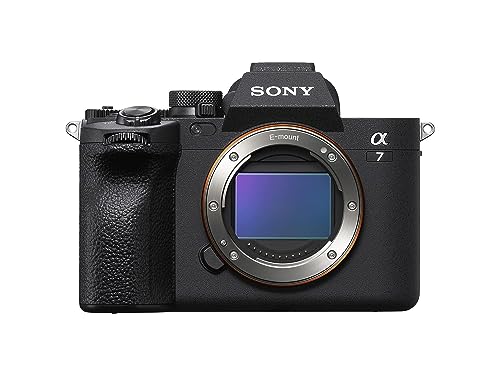
The Alpha 7 IV is the hybrid against which balance is measured. Its sensor resolves stills with room to crop and prints without apology, while its video autofocus — face, eye, animal, unhesitating — is the system creators cite when they say a camera just handles it. The lens catalogue serves both crafts at every budget, including the quiet-focusing, low-breathing glass hybrid work prefers. It is not the fastest stills body here nor the most specialised video tool, and its menus take an afternoon to make your own; its rolling shutter asks for care with fast pans. But as a single body asked to be a professional at two crafts on the same day, it remains the reference answer, and the aftermarket of grips, cages and knowledge around it is the deepest in this guide.
- Format: full-frame mirrorless, E mount
- Stills: high-resolution sensor, strong dynamic range
- Video: 4K with mature subject-tracking autofocus
- Stabilisation: in-body for both crafts
- Audio: microphone input and digital audio options
Strengths
- The most even two-craft competence in this guide.
- Lens choice for every hybrid budget and specialism.
- Autofocus that frees attention for the shoot itself.
Trade-offs
- Menus reward customisation before they feel fast.
- Fast pans in video show rolling-shutter care is needed.
- Not the burst-speed leader for pure sports stills.
Best for: professionals and serious creators whose work is genuinely half and half. Not suited for: specialists who know one craft pays and the other is a hobby.

Canon EOS R6 Mark II — Best for events
Events are where hybrid promises get audited — the vows and the first dance will not repeat for a camera that overheated, hunted or filled its buffer — and the R6 Mark II is built for that audit. Its stills speed and low-light cleanliness carry the gallery; its video is dependable, colour-rich Canon footage with autofocus that understands faces in a crowd; and its pre-shooting and burst depth rescue the moments human reflexes file late. Heat management on long ceremonies deserves the usual professional respect — test your settings, mind the ambient temperature — but as an event hybrid it has earned its ubiquity. Canon’s colour remains the shortcut clients love, arriving at the edit ninety percent finished in both crafts.
- Format: full-frame mirrorless, RF mount
- Stills: fast bursts, pre-capture, clean high-ISO files
- Video: dependable 4K with strong face tracking
- Colour: Canon skin tones in stills and footage
- Build: weather-sealed event workhorse
Strengths
- Performs under the one-take pressure of live events.
- Files in both crafts that need minimal correction.
- Speed reserves for the unscripted moment.
Trade-offs
- Stills resolution is the modest part of its spec.
- Long hot ceremonies still demand thermal planning.
- RF’s best hybrid glass is a serious investment.
Best for: wedding, event and documentary shooters billing for both crafts. Not suited for: landscape-first photographers who need maximum resolution.

Panasonic LUMIX S5II — Best video-leaning hybrid
The S5II is what happens when a video-first maker takes stills seriously: phase-detect autofocus that finally matches its video ambition, stabilisation so composed that walking footage looks gimballed, and recording behaviour — cooling, formats, reliability — designed by people who shoot long takes for a living. Its stills are entirely professional: the same full-frame sensor class as its rivals, honest colour, and a body that handles like a tool rather than a jewel. Where it concedes ground is burst speed for action stills and the L-mount’s lens shelf, which is growing and shared across brands but not yet the deepest. For the creator whose income is video and whose portfolio is photography, the emphasis is exactly right.
- Format: full-frame mirrorless, L mount
- Video: filmmaker-grade formats and cooling
- Stabilisation: class-leading for handheld footage
- Focus: phase-detect autofocus for both crafts
- Stills: full professional stills capability
Strengths
- Handheld video stability that changes what one person can shoot.
- Recording stamina for ceremonies, interviews and long takes.
- Stills quality that never embarrasses the video reputation.
Trade-offs
- Action-stills burst speed is not its party trick.
- Lens catalogue is capable but still maturing.
- Video riches mean menus with real depth to learn.
Best for: filmmakers and creators who photograph seriously on the side. Not suited for: sports and wildlife stills specialists.

Fujifilm X-T5 — Best stills-leaning hybrid
The X-T5 makes no secret of its priorities: a high-resolution sensor, film simulations that give stills a signature, and dials that keep photography tactile — and then, almost as a flex, video specifications that outrun many video-led rivals. Photographers who film will find its footage detailed and its colour as characterful as its stills; filmmakers who photograph will find the stills irresistible and the video ergonomics — no dedicated mode switch philosophy, dials that serve exposure first — a matter of taste. Its autofocus has matured into genuine subject-tracking competence without quite matching the Sony and Canon systems’ inevitability on chaotic subjects. Buy it as a photographer’s camera that films beautifully, and it will never disappoint; buy it as a cinema tool that takes stills, and the S5II is waiting.
- Format: APS-C mirrorless, X mount
- Stills: high resolution, film simulations
- Video: high-resolution recording with strong colour
- Controls: traditional dials, stills-first ergonomics
- Size: compact system with a deep lens range
Strengths
- Photographs with a look clients and editors recognise.
- Video quality far beyond a token feature.
- A system light enough to carry for both crafts all day.
Trade-offs
- Tracking autofocus trails the class leaders slightly.
- Video ergonomics serve photographers first.
- Crop sensor asks more of lenses in low light.
Best for: photographers whose films should look like their photographs. Not suited for: video-first creators who want cinema ergonomics.

Sony ZV-E10 II — Best compact creator hybrid
The ZV-E10 II compresses the hybrid idea into a body that fits a jacket pocket and a creator’s desk: creator-bred video features — product showcase focus, background defocus control, a directional microphone mindset — wrapped around the same sensor family that makes its stills entirely respectable. For the hybrid whose work is a channel plus a feed, it is the pragmatic champion: photographs good enough for thumbnails, covers and the printed zine; video good enough to build the audience on. Its concessions are physical: no viewfinder, so stills are composed on screen in all weathers; a crop sensor; and ergonomics tuned for the tripod-and-desk world more than the gloved field. Within its intended world, it is close to unbeatable value.
- Format: APS-C mirrorless, E mount, no viewfinder
- Video: creator features and strong autofocus
- Stills: capable sensor shared with stills-led siblings
- Audio: microphone input, creator-focused sound
- Size: the smallest serious hybrid here
Strengths
- Hybrid competence at a size and price that lower every barrier.
- Shares the vast E-mount lens catalogue.
- Video features that save beginners months of learning.
Trade-offs
- No viewfinder for bright-day stills work.
- Not weather-sealed for field abuse.
- Stills ergonomics are secondary by design.
Best for: creators whose hybrid life happens online and at a desk. Not suited for: photographers who compose through an eyepiece by religion.

Nikon Z50 II — Best walkable hybrid kit
The Z50 II is the hybrid for people whose shoots are walks: a crop body with a proper photographer’s grip and controls, subject detection that serves a vlogging walk and a wildlife ambush with the same composure, and video features — including creator-friendly touches like product review modes — that respect the second craft. Nikon’s colour and the Z system’s growing lens shelf make it a system to commit to, and its size means the hybrid kit actually leaves the house, which is the first feature every hybrid needs. It yields to the full-frame picks on low-light ceiling and to the S5II on video specialisation, and its burst stamina is a traveller’s rather than an event professional’s. As the one-camera answer for a hybrid life lived outdoors and on foot, it is deeply convincing.
- Format: APS-C mirrorless, Z mount
- Handling: deep grip, direct controls
- Focus: subject detection across people and animals
- Video: strong 4K with creator-friendly modes
- Kit: compact lenses for genuine portability
Strengths
- The hybrid most likely to be carried, every day.
- Controls that serve both crafts without menu-diving.
- Nikon colour and an expanding lens system.
Trade-offs
- Crop-sensor low-light limits versus full-frame rivals.
- Not the event professional’s burst or buffer.
- Third-party lens support still catching up.
Best for: travelling hybrids, family documentarians and walk-around creators. Not suited for: paid event work in dark venues as a main body.
How Do You Set Up a Hybrid Camera So Switching Crafts Is Instant?
The professional hybrid setup is built in the custom modes. Dedicate one to stills as you shoot them — your drive mode, your RAW settings, your subject detection — and one to video with its frame rate, picture profile and audio levels, so the mode dial becomes the craft switch and nothing needs rebuilding mid-shoot. Assign the buttons asymmetrically: the controls your stills hand uses should not be the ones video needs mid-take. Set the displays differently too — a clean stills view with a histogram, a video view with audio meters and focus aids visible — because each craft’s truth-telling instruments differ. Then rehearse the switch at home until it is one motion: dial, check the audio, roll. On the day, the couple does not wait, the light does not wait, and the hybrid shooter’s whole value proposition is not making them. Every body in this guide supports this discipline; the ones with a physical stills/video switch and deep customisation — the Sony pair and the S5II especially — make it feel designed rather than improvised.
What Mistakes Do Hybrid Shooters Make?
The first is buying a hybrid and shooting it as two strangers — stills settings that fight the video settings, cards formatted for one craft and starving the other, a bag organised for photography with the microphone in a different postcode. The second is neglecting audio: audiences forgive soft footage and abandon bad sound in seconds, so the microphone and the habit of monitoring levels outrank any lens upgrade. Third is ignoring heat and media reality on the video side — testing ceremony-length takes at home, at the settings you will actually use, before a client does the testing for you. Fourth is letting one craft’s standards colonise the other: video graded like a still, stills composed like frames from a film, each slightly wrong. Fifth, and commonest, is forgetting that hybrid is a service decision before a gear decision — clients and audiences must actually want both crafts from one person, or the second craft is an expensive hobby wearing a business costume.
Why Does Audio Deserve a Section in a Camera Guide?
Because hybrid work is judged by audiences who experience the video half with their ears. A still photograph is silent by nature; a film with scratchy, distant, wind-torn sound reads as amateur no matter how beautiful its frames, and the difference between the camera’s built-in microphones and even a modest external microphone is the largest quality jump available in this entire guide for the least money. The working pattern: an on-camera shotgun microphone for general work, a wireless lavalier for interviews and ceremonies, headphones or at least a level check for anything that cannot be repeated. Every pick here accepts external microphones — the creator-led ZV-E10 II builds its design around them — and the hybrid shooter should budget the microphone with the body, not after it. Sound is also the seam’s secret glue: room tone and real voices laid under a slideshow of your stills is the oldest hybrid format there is, and it still outperforms most of what the internet publishes daily.
How Do You Match Colour Between Your Stills and Your Footage?
Clients notice when the gallery and the film look like different weddings. The disciplines that prevent it are unglamorous: fix a white balance rather than trusting auto across both crafts, choose a stills profile and a video profile that are cousins rather than strangers — each system here offers a gentler, flatter option in both worlds — and expose footage with the same respect for skin tones you bring to portraits. Fujifilm shooters have a shortcut in film simulations that span both crafts; Canon shooters have colour that arrives pre-matched by reputation; everyone else builds a small preset pair, one per craft, tested on the same scene at home. Do the test once, on a person, in mixed light, and save the results as your house look. The hybrid’s commercial promise is a unified visual voice, and unity is a settings decision made in advance, not a hope expressed in the edit.
What Does a Hybrid Shoot Day Actually Look Like?
Take a small wedding as the type specimen. The stills grammar owns the morning — details, preparations, portraits — with the camera in its stills mode and the day’s light scouted like a photographer. The ceremony flips the seam: video rolling from a considered position, stills fired in the gaps the service allows, the custom modes earning their existence every ninety seconds. The reception alternates by instinct — speeches belong to video and audio, the dance floor to stills speed and flash — and the hybrid shooter is reading the room in two grammars at once, which is tiring in a way single-craft shooters underestimate. The lesson generalises to travel days, family days and commercial days alike: hybrid work is not two jobs halved but one job doubled in attention, and the cameras in this guide earn their prices by reducing the mechanical friction so the attention can go where it belongs. Arrive with the switch rehearsed, the audio planned and the cards budgeted for the hungrier craft, and the day feels like fluency rather than juggling.
How Should a Hybrid Kit Grow Over Two Years?
Year one is the body, the standard zoom, the microphone and the discipline — custom modes, matched colour, a backup routine that treats video files with the same paranoia as RAW galleries. The second lens is the fast prime, because both crafts ask for it weekly. Year two adds by evidence: the wider or longer zoom your subjects kept requesting, the second body if simultaneous work has become real — often a previous pick from this very list, demoted to B-camera and backup — and the lighting, because hybrid shooters discover that light serves both crafts with one purchase. What never appears on the sensible list is a second system: hybrid economics depend on one lens shelf serving everything, and the shooter who splits systems splits the budget that made hybrid attractive. Grow deep, not wide, and the kit compounds.
How Do You Learn Both Crafts Without Learning Neither?
The fear is legitimate: hybrid shooters can become the person who is adequate at two things and dangerous at none. The antidote is sequencing. Spend a season stills-first, shooting photographs daily and video weekly, until composition and exposure are reflexes — because video is photography twenty-five times a second plus sound, and the visual grammar transfers wholesale. Then spend a season video-first, letting stills ride along, and learn duration: when to hold a shot, when movement is the camera’s and when it is the subject’s, how a sequence is built from wides and details exactly as a gallery is. Alternate projects rather than mixing randomly, and critique each craft by its own masters — the photograph by great photographs, the film by great films — not by the easier standard of the other. Shooters who train this way end up bilingual; shooters who dabble in both from day one end up with a phrasebook. The cameras here will not be the bottleneck in either path, which is precisely what a learning camera should be.
What About Vertical Video and the Feed-Shaped World?
Hybrid work now includes a third orientation. Clients and platforms ask for vertical cuts alongside the film and the gallery, and the hybrid shooter’s craft is planning for it at capture: framing with headroom, keeping the essential action central, and using the open-gate or high-resolution modes some of these bodies offer to extract vertical versions without wrecking the horizontal master. The ZV-E10 II’s creator lineage shows here, but every pick can serve the workflow with foresight. Treat vertical as a deliverable to be shot for, not a crop to be apologised for, and it stops being the edit’s recurring emergency. The stills parallel is identical — the cover crop and the square crop planned at the portrait session — and photographers who already think in multiple frames will find video’s version of the discipline familiar rather than foreign.
How Do Batteries, Cards and Heat Really Budget a Hybrid Day?
Plan for the hungrier craft and the other will always be fed. Video drains batteries several times faster than stills and writes data at rates that turn card arithmetic into a real discipline: know your settings’ appetite per hour, carry twice the day’s estimate, and treat a battery as spent at the swap rather than at the warning. Heat is the third budget, paid in ambient temperature and take length — shade the body between setups, open the screen away from the body where the design allows, and prefer several considered takes to one heroic continuous roll in summer sun. The full-frame picks here are all working professionals’ tools with known behaviours; the amateur mistake is discovering those behaviours on a client’s day. A home rehearsal — an hour of your real settings, in your real climate — converts every one of these budgets from folklore into numbers you own.
When Should a Hybrid Shooter Add a Second Body?
When simultaneity becomes the job: the ceremony that must be filmed and photographed in the same unrepeatable minutes, the commercial day where the client watches both crafts happen at once, the travel assignment where a failure would end the story. The sensible second body shares the mount — a ZV-E10 II behind an Alpha 7 IV, a Z50 II behind a future full-frame Nikon — so lenses, batteries and colour science carry across. Until simultaneity is real, a second body is usually a lens you did not buy, and this guide’s consistent advice applies: deepen the one-body system first, and let paid evidence, not launch-day envy, write the expansion list.
How Do You Price and Promise Hybrid Work Honestly?
For readers turning the craft into income, the hybrid offer needs honest arithmetic. Two crafts from one person is not two fees from one day — the attention is shared, the deliverables multiply in the edit rather than on the day, and the editing is where hybrid work is truly sold: a gallery and a film is a week of post-production wearing a day’s costume. Price the post, promise timelines that respect it, and show prospective clients matched pairs — the photograph and the film of the same moment — because that pairing is the hybrid’s unique product and no two-specialist team replicates it casually. The cameras in this guide are all credible at the paid level; the business risk was never the equipment. It is the hybrid shooter who discovers, three weddings in, that they love one craft and tolerate the other — which argues for the leaning picks, honestly chosen, over the balanced one chosen by default.
What Does Each System’s Future Look Like for a Hybrid Buyer?
A body is a five-year relationship with a mount. Sony’s E-mount offers the broadest present — lenses at every price, bodies at every level, a second-hand market like a library. Canon’s RF is the curated garden: superb glass, a deliberate roadmap, prices that assume commitment. Nikon’s Z has momentum and a growing third-party embrace. Panasonic’s L-mount alliance shares lenses across brands, an insurance policy written into the mount itself. Fujifilm’s X is the APS-C specialist that has made a virtue of never chasing full frame. None of these is a trap; all of them reward the buyer who chooses by the lenses they will actually own in year three. Read lens roadmaps the way you would read a lease — because that, more than the body, is what you are signing.
How Do You Keep a Hybrid Kit Light Enough to Enjoy?
The hybrid promise dies in an overweight bag. Audit ruthlessly: the body, two lenses that cover ninety percent of the day, the microphone, and the small rigging that serves both crafts — one tripod with a video-leaning head that still locks off for stills, one bag that organises by craft rather than by object. Every additional item must argue against a real memory of needing it. The crop picks in this guide exist as the pressure valve: a Z50 II or ZV-E10 II kit can halve the carried weight of the full-frame systems while keeping both crafts honest, and for travel, family and walking work that halving is not a compromise but the entire point. Photographers carry intentions; the kit that leaves the hotel is the only kit you own.
What Is the First Month With a Hybrid Camera For?
Week one belongs to stills alone: learn the sensor, the colour, the focus behaviour on your real subjects, and set the stills custom mode in stone. Week two belongs to video alone: frame rates, profiles, audio levels, a full rehearsal take at your longest intended duration. Week three is the seam: build the video custom mode, match the colour pair, and rehearse the switch until it is boring. Week four is a complete small project in both crafts — one subject, one gallery, one short film — edited and delivered as if a client waited. A shooter who completes that month owns a hybrid practice; a shooter who spends it reading comparison tables owns a camera and a familiar anxiety. The bodies in this guide are all, deliberately, cameras that reward the month and then get out of its way.
How Do Stills and Video Change Each Other’s Craft?
Shoot both long enough and each starts tutoring the other. Video teaches the stills shooter patience with a scene — to let the moment develop rather than snatching at its first frame — and an editor’s sense of sequence that turns a gallery from a pile into a story. Stills teach the filmmaker the decisive frame: where to place the camera before the action, how a single composition can hold a whole scene’s meaning, and the discipline of the exposure triangle under pressure. Hybrid shooters consistently report that the second craft, learned seriously, improved the first more than another year of the first alone would have. That cross-training is the deepest argument for the hybrid camera as a category — not convenience, not bag weight, but the education. Choose the body whose lean matches your primary craft, and let the secondary craft make you better at it than you planned to become.
What Should You Check in a Shop Before Committing?
Handle the switch. In the shop, with the camera unboxed and awake, perform the hybrid shooter’s core motion ten times: stills to video, focus a face, roll, stop, back to stills, fire a burst. Time it in your hands, not in your imagination, and notice where your thumb hunts. Check the viewfinder against the screen in the shop’s mixed light; check the microphone port’s position against where your hand grips; check whether the custom modes hold the settings you actually configured. Ergonomics is the specification that cannot be patched by firmware, and the hybrid’s ergonomics are doubled — two crafts’ worth of habits must fit one set of hands. The right body disappears in both modes. The wrong one nags in both, forever, at professional volume.
How Do You Back Up a Hybrid Day’s Two Kinds of Treasure?
A hybrid day produces two archives with different appetites: a RAW gallery measured in thousands of frames and video measured in hours, and both are irreplaceable by definition. The working rule is the photographer’s old 3-2-1 discipline adapted to the field — copy cards to a laptop and a portable drive before sleep, never format a card until two copies exist elsewhere, and let the cloud have the finished work rather than the raw day. Video’s volume makes the discipline harder and more necessary; a wedding film’s only copy should never spend a night on a card in a camera bag in a car. Build the backup into the day’s rhythm — the transfer runs during dinner, the verification during the speeches’ lull — because a backup routine that depends on end-of-day willpower fails on exactly the longest days. Every camera in this guide writes to media that makes this easy; the routine, as ever, is the photographer’s own firmware.
Which Hybrid Should a Family Documentarian Choose?
Family life is hybrid work in its purest unpaid form: the birthday photographed, the first steps filmed, the school play demanding both in the same ten minutes from a seat in the dark. The priorities reorder themselves accordingly — autofocus that finds a child’s face without being asked, low-light behaviour for halls and living rooms, a size that survives being grabbed one-handed, and controls a partner can use without a briefing. The Z50 II and the ZV-E10 II divide this household between them by taste — viewfinder and grip versus pocket and creator tricks — while the R6 Mark II waits for the family whose documentarian is also a serious hobbyist with events to shoot. What the family hybrid should never be is intimidating: the camera that needs a manual at the party photographs the party’s second hour, after the moment has gone.
How Does Weather Sealing Matter When Both Crafts Happen Outdoors?
Travel, documentary and event hybrids live outdoors, and the crafts punish water differently: stills can be snatched between showers, while video asks the camera to sit in the weather and keep rolling. The sealed full-frame bodies here — the Alpha 7 IV, R6 Mark II and S5II — are built for that sustained exposure in a way the compact creator bodies are not, and the difference should be priced into any outdoor professional’s decision. Sealing is a system property, completed only by sealed lenses, and it buys risk reduction rather than invincibility: rain covers on long takes, a dry cloth ritual at day’s end, and desiccant in the bag remain professional habits on every body in this guide.
What Is the Hybrid Shooter’s Relationship With the Smartphone?
Complementary, and best kept that way. The phone is the hybrid workflow’s scout, meter, behind-the-scenes camera and emergency backup; it publishes the day’s teaser while the real files wait for the real edit. What it should not become is the reason the hybrid camera stays home — the moment the phone’s convenience wins a paying or precious moment, its ceilings on light, lens and sound become the work’s ceilings. Several picks here court the phone generation deliberately, with fast transfer and vertical-friendly workflows, because the healthiest hybrid practice treats the phone as the distribution department of a production whose cameras do the producing. Keep each tool in its department and both will flatter the other.
How Do You Choose Between Crop and Full Frame as a Hybrid?
The hybrid frame-size question has a cleaner answer than the stills-only version, because video reframes it. Full frame buys low-light authority in both crafts and the shallow-focus look clients associate with cinema, at the price of heavier lenses doing double duty all day. Crop buys a kit that travels, focuses its budget on glass, and — for video — often reads out faster with less rolling shutter to manage. The working rule: if your paid or precious work happens in dark venues, go full frame and accept the bag; if it happens on mountains, streets and journeys, go crop and accept the night. The presence of genuinely professional bodies on both sides of this guide’s divide — the S5II and Alpha 7 IV against the X-T5, Z50 II and ZV-E10 II — is the market admitting the rule has no universal winner, only a correct answer per shooter.
What One Accessory Serves Both Crafts Best?
The variable ND filter makes a late claim for the hybrid’s best friend: it lets the video craft hold its shutter discipline in bright light without stopping the lens down, and it serves the stills craft’s long-exposure and wide-aperture daylight work with the same piece of glass. Close behind, a cage or grip that adds mounting points without adding a rebuild between crafts — microphone on, monitor on, stills grip unimpeded — turns the body into the small rig hybrid days actually use. Buy the accessory that removes a daily friction you can name, in both crafts, and refuse the rest of the catalogue until it can make the same argument.
How Should a Hybrid Shooter Think About Resale and Longevity?
Bodies depreciate; systems endure. The hybrid buyer protects their money by spending it where value persists — lenses first, then the body tier that professionals also buy, because professional demand floors the second-hand price. Keep boxes, keep the sensor clean, keep shutter counts honest, and a body sold in year four funds a meaningful share of its successor. The deeper longevity is skill: a hybrid practice built on one mount’s colour, menus and glass survives every body swap intact, which is why this guide keeps steering readers toward commitment. The most expensive hybrid camera is the second one bought in a different system, eighteen months after the first, by a shooter who chose the first by headline rather than by hand.
Comparison Table
| Camera | Leans toward | Hybrid strength | Watch out for |
|---|---|---|---|
| Sony Alpha 7 IV | Evenly balanced | Two professional crafts, one body | Menu customisation homework |
| Canon EOS R6 Mark II | Stills speed | Events where nothing repeats | Thermal planning on long takes |
| Panasonic LUMIX S5II | Video | Handheld footage and long takes | Lens shelf still growing |
| Fujifilm X-T5 | Stills | Signature photographs, strong film | Video ergonomics are secondary |
| Sony ZV-E10 II | Creator video | Small, fast, audience-building | No viewfinder at all |
| Nikon Z50 II | Travel balance | Carried everywhere, capable at both | Crop-sensor ceilings |
Final Recommendation
Match the lean to your income or your joy. The genuinely split professional takes the Alpha 7 IV. The event shooter takes the R6 Mark II and its colour. The filmmaker who photographs takes the S5II; the photographer who films takes the X-T5; the online creator takes the ZV-E10 II; the travelling documentarian takes the Z50 II. Then invest in the seam — the microphone, the custom modes, the rehearsed switch — because that is where hybrid work is actually won, and it costs less than any lens in any of these systems.
Related guides
Frequently Asked Questions
Is one hybrid camera really better than two specialised cameras?
For one pair of hands, usually yes: the hybrid is present for both crafts in the same moment, shares lenses, batteries and muscle memory, and halves the weight of the bag. Two specialised bodies win when two people shoot, when the work is simultaneous — filming the ceremony while photographing it — or when one craft’s demands are truly extreme. Most hybrid buyers are buying presence and simplicity, and for them the single body is the honest answer.
What lens should a hybrid shooter buy first?
A fast standard zoom is the hybrid’s foundation — it covers the stills day and the video day without a lens change, and the current generation focuses quietly with minimal breathing for footage. Add a fast prime second for portraits and low light, and a wider or longer zoom third, as your subjects dictate. Buy lenses that serve both crafts deliberately; a stills-only bargain that pulses and breathes on video is not a bargain in a hybrid kit.
How important is in-body stabilisation for hybrid work?
Very — it is the feature that serves both crafts in every hour of use: slower handheld stills in real light, and walking footage that does not need a gimbal for honesty. The S5II shows the current ceiling, but every pick here stabilises usefully. Treat it as a core requirement rather than a bonus, and learn its limits — it steadies the camera, not the subject.
Can these cameras record a full wedding or event on video?
With planning, yes: test your exact settings for ceremony-length takes, manage heat with airflow and sensible frame rates, power externally where the day demands it, and record audio with the seriousness of a second shooter. Professionals do this work on the R6 Mark II and S5II class of body routinely — the planning, not the badge, is what makes it reliable.
Do I need to shoot log video and RAW stills to be a “real” hybrid?
No — you need files that serve your delivery. Log and RAW buy grading latitude at the cost of time on every single job; many working hybrids shoot gentler profiles and finished-looking JPEGs for all but their flagship work. Choose per assignment, and let the deadline vote. The cameras here all offer the full range when the work justifies it.
Which of these is best for a beginner who wants to learn both crafts?
The ZV-E10 II if the destination is online creation, the Z50 II if the destination is photography with film alongside — both are priced and sized to be learned on without fear. Beginners should value the autofocus systems in this class highly: when the camera handles focus, the student can spend their attention on light, composition and story, which are both crafts’ actual curriculum.
Can a hybrid camera replace a dedicated cinema camera for client films?
For the great majority of client work — brand films, events, interviews, documentaries — yes, and the S5II in particular was designed to close exactly that question. Dedicated cinema bodies still win on set-built productions with crews, rigging and monitoring at scale. The hybrid’s domain is the one-to-three-person production, and that domain now includes most of the paid video work in the world.
How long will a hybrid body stay relevant?
Longer than its launch cycle suggests. Autofocus, stabilisation and 4K quality have reached a plateau where a body like the Alpha 7 IV remains professionally sufficient for many years; the churn is in features at the margins. Buy the current body for the work you have, maintain it, and expect the lens shelf — not the body — to be the appreciating asset of the system.
Do hybrid cameras overheat more than specialised ones?
They ask more of one body, so thermal discipline matters more: the stills half rarely troubles any camera, while sustained high-resolution video in heat is the stress case for the whole category. The S5II’s active cooling shows where the category is heading. For most hybrid patterns — clips among stills, takes among scenes — every body here runs cool enough; the continuous-take professional should test, as this guide keeps advising, before the client’s day becomes the experiment.
Is a gimbal necessary for professional hybrid video?
No — it is a look, not a requirement. The stabilisation in these bodies covers walking, following and handheld work at a professional standard, and many clients prefer the grounded feel of handheld footage to the float of a gimbal. Add the gimbal when the work’s grammar calls for long, smooth travelling moves, and not as a subscription to a style your subjects never asked for.
What frame rate should a hybrid beginner standardise on?
Standardise on your region’s broadcast-friendly base rate for ordinary work, and reserve higher rates for deliberate slow motion. Consistency simplifies everything downstream — editing, audio sync, delivery — and the beginner’s scarcest resource is attention, which belongs on light and story rather than on a settings matrix. The cameras here make the standard rates effortless; mastery is knowing when the exception earns itself.
Should I worry about shutter count on a hybrid body?
Less than folklore suggests. Electronic shutters carry much of the hybrid’s stills load, mechanical shutters are rated for professional volumes, and video hours do not consume the shutter at all. Buy the body whose work you have, maintain it sensibly, and let the count be a resale footnote rather than a shooting anxiety — photographs not taken for fear of a counter are the only true waste in this entire guide.
Can these cameras live-stream a hybrid event?
Several can, cleanly, via USB or HDMI to a computer — the creator-bred bodies treat streaming as a first-class feature. For a one-person hybrid event, streaming the programme while the same body or its sibling covers stills is exactly the two-body scenario this guide describes; rehearse the chain at home, because live work forgives nothing.
Related Guides
Keep exploring: best cameras for blogs, best cameras for birding photos, and best cameras for bracketing.


