kajuandouglas.com is reader-supported. When you buy through links on our site, we may earn an affiliate commission.
Where to Buy and How This Guide Is Organized
Nobody shops for the best additions for cameras because their main camera failed. They shop because of a specific afternoon: the mirrorless body stayed in the hotel safe while everyone else jumped off the boat, or the family video came back seasick because a full-size camera on a travel tripod cannot follow a toddler, or a birthday produced forty technically perfect files and not one photograph anyone could hold. An addition is not a replacement and it is not an upgrade. It is a second tool bought for the jobs your primary camera performs reluctantly.
That distinction changes how the money should be spent. A replacement camera competes with the one you own, so it has to win everywhere. An addition only has to win somewhere — underwater, in a coat pocket, in one hand while the other holds a railing, in the thirty seconds after a goal when nobody will wait for a lens swap. Every camera in this roundup was chosen because it owns one of those somewheres completely, and because it asks almost nothing from the kit you already carry: no new lens mount, no new editing workflow, no second bag.
Where to buy: the six models below are current, widely stocked cameras, and each linked name leads to its Amazon listing so you can confirm the exact bundle, since several of these ship in creator kits with extra batteries or cases that change the value calculation. Treat any unlinked mention in this guide as a category description rather than a product endorsement. Availability on the more fashionable models can swing with demand, so if a listing shows a long wait, that is a market signal about the model, not a flaw in it.
It helps to picture the six as a small crew rather than a ranking. The gimbal camera walks, the 360 camera watches everything, the action camera endures, the rugged compact swims and peers into tide pools, the instant camera socializes, and the fixed-lens compact observes quietly. A crew is hired member by member, as the work demands — and most photographers, honestly assessed, need two members of this crew at most.
One ground rule before the picks: an addition earns its place only if it gets carried. A camera that doubles the weight of your bag is not an addition, it is a second system, and second systems are how good cameras end up listed for sale a year later with a shutter count in the hundreds. Everything here fits in a jacket pocket, a belt pouch, or the corner of a bag that was already packed.
A note on honesty in what follows: each pick below is praised for one job and criticized, in its trade-offs, for the jobs it refuses. That asymmetry is deliberate. Addition cameras are specialists, and a review that pretends a pocket gimbal is also a portrait system, or that an instant camera competes on resolution, would send you home with the wrong tool wearing the right badge.
Key Takeaways
- Buy an addition for one named job — water, motion, prints, reach, stealth — never as a vague second body.
- Pocketability is the whole point: if the addition needs its own bag, it will stay home.
- The strongest additions shoot in ways a mirrorless body cannot: 360 reframing, stabilized one-handed video, instant prints.
- Match the addition to your gaps, not your strengths — duplicating your main camera’s best trick wastes the money.
- Creator bundles matter on small cameras; an extra battery often beats a small discount.
- One addition, well chosen, gets used weekly. Three impulse additions get used never.
In this guide
Quick Picks
Six additions, six different jobs. None of them replaces a main camera; each one covers a situation where the main camera is the wrong shape, the wrong weight, or simply too precious to risk.
| Pick | Badge | Why It Earns Its Place |
|---|---|---|
| DJI Osmo Pocket 3 | Best for Smooth Walking Video | A gimbal the size of a chocolate bar that turns walking footage into dolly shots. |
| Insta360 X4 | Best for Shoot-First, Frame-Later Coverage | Captures everything in every direction, so the framing decision happens calmly at home. |
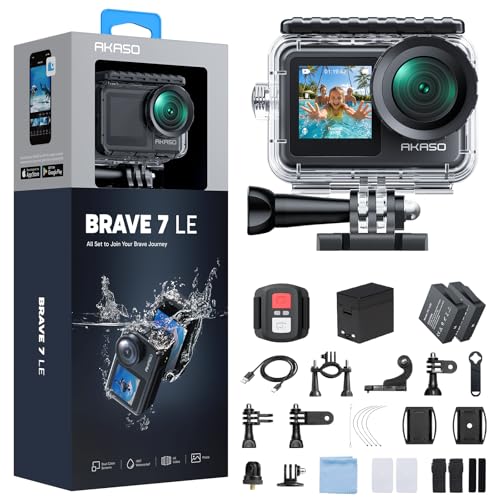
| GoPro HERO13 Black | Best for Mount-It-and-Abuse-It Action | The default action camera: waterproof, mountable everywhere, and nearly impossible to kill. |
| OM SYSTEM Tough TG-7 | Best for Water, Sand, and Dropping Things | A genuinely rugged compact with a macro mode that borders on the scientific. |
| Fujifilm Instax Mini 12 | Best for Prints at the Moment of the Memory | Point, shoot, hand someone a photograph. The oldest magic trick in the medium, perfected. |
| Fujifilm X100VI | Best for Quiet, Deliberate Everyday Stills | A fixed-lens camera with film-era manners that disappears into daily life and formal rooms alike. |
How Did We Choose the Best Additions for Cameras?
We started from complaint stories rather than spec sheets — the recurring accounts photographers give of the shot that got away. The pattern is remarkably consistent: the camera was too big for the moment, too fragile for the environment, too slow to deploy, or too formal for the room. Each candidate addition had to answer one of those complaints directly, and general-purpose cameras, however excellent, were excluded for failing the only test that matters here: being different enough from a typical mirrorless kit to justify existing beside it.
Survivability formed the second filter. Additions live in pockets with keys, in beach bags with sunscreen, on handlebars and helmet mounts. Two of the six are built to be submerged or dropped without a housing or a prayer, and the rest are small enough that their protection is simply being somewhere padded and close. A delicate addition is a contradiction, so anything that demanded babying was cut.
The third filter was friction at the moment of use. An addition that needs a menu dive, a lens change, or a phone app negotiation before it records will miss the unrepeatable seconds it was bought for. Every pick here wakes fast, shoots with one hand or none, and produces files that drop into an ordinary phone-and-laptop workflow without conversion rituals. Depth of menus counted against a camera; a single decisive control counted for it.
Finally, we checked each model against the verified pool for this site and linked only exact matches. Where a category deserved mention but no verified model fit, we describe it in prose rather than attaching a name we could not stand behind.
We also weighted the calendar test: how many days in a typical year would this camera plausibly leave the house? A technically brilliant addition used twice a year loses to a humble one used weekly, because cost per photograph is the only price metric that survives contact with real life. Every pick here cleared a high bar on expected days carried, across the different lives — athletic, aquatic, social, contemplative — that additions serve.
Price discipline ran through the selection as well, though not in the way flagship reviews apply it. An addition should cost a clear fraction of the main system it supports; when a candidate’s price crept toward a second body, we asked whether it still behaved like an accessory — instantly ready, casually carried, cheap to insure against loss by simply not worrying. The six survivors all pass that test, each in a different price mood from impulse-friendly to considered purchase.
What Makes a Camera a Good Addition Rather Than a Second System?
The line between an addition and a second system is the lens mount. The moment an added camera invites you to buy lenses for it, it stops being an accessory and becomes a commitment with its own budget, its own bag, and its own upgrade path. True additions are closed worlds: a fixed lens, an integrated gimbal, a sealed body, a printer built into the back. Their completeness is what keeps them light in every sense — financially finished the day they arrive, and mentally finished too, because there is nothing left to research.
Consider the four classic gaps an addition fills. The first is environment: water, sand, mud, and impact, where a main camera needs a housing that costs more than some cameras on this page. The second is perspective: a 360 camera or a chest-mounted action camera sees angles a handheld body physically cannot, including the angle that includes you. The third is output: an instant camera produces a physical object at the moment of the memory, which no raw file, however beautiful, can imitate. The fourth is presence: some rooms — a quiet ceremony, a street market, a recital — punish conspicuous equipment, and a small fixed-lens camera walks into them unnoticed.
Budget logic differs as well. Because an addition is a finished purchase, its honest comparison is not against other cameras but against the rental, housing, or missed moment it replaces. A rugged compact that survives six beach holidays has outperformed a housing bought for one. A pocket gimbal camera that turns shaky family clips into footage people actually rewatch has paid for itself in a currency spec sheets do not track.
There is also a creative argument that experienced photographers make quietly: constraint sharpens seeing. A fixed focal length, a tiny sensor, a print that cannot be edited — these limits push the photographer back onto composition, timing, and proximity. Several additions on this list are beloved not despite their restrictions but because of them, and more than one professional keeps one in the bag precisely to escape the obligation of the perfect file.
Ask, before buying any of them, where the camera will physically live. Glovebox, jacket pocket, the top compartment of the everyday backpack, a hook by the door — an addition with an assigned home gets grabbed on the way out. An addition stored in a cupboard with the main kit competes with the main kit, loses, and gathers dust. Assign the home first; the right model usually becomes obvious immediately after.
One more distinction matters: additions age differently from main cameras. A flagship body is chased by its successor within a few years, while a sealed rugged compact, an instant camera, or a gimbal can serve unchanged for a long stretch because the job it does barely evolves. Tide pools, birthdays, and walking tours are stable subjects. That longevity quietly improves the economics of the whole category — the addition bought this year is very likely still the right tool several summers from now, which cannot honestly be said of most hero products in photography.
Finally, judge every candidate addition against your phone, because the phone is the incumbent it must beat. The phone is already carried, already charged, and increasingly capable — so an addition must win on survival, stabilization, perspective, output, or discretion by a margin large enough to feel in the first week. All six picks clear that bar in their assigned territory, which is why they are on this page and dozens of pleasant but redundant compacts are not.
Which Six Additions Cover the Most Gaps?
Ordered by the gap they fill, from moving video through water, prints, and quiet stills. Read the verdicts honestly — each of these is deliberately bad at somebody else’s job.

DJI Osmo Pocket 3 — Best for Smooth Walking Video
The Osmo Pocket 3 exists because of one embarrassing truth about mirrorless video: the camera is fine and the human holding it is the problem. Walking shake, breathing sway, the little dip at every footstep — in-body stabilization softens these and a gimbal erases them, and DJI miniaturized the gimbal until the whole apparatus fits where a sunglasses case would go. As an addition, it takes over the single most common video job in family and travel life, the walking shot, and it does that job better than a camera costing many times more.
The rotating touchscreen is the detail owners mention most, because it collapses the setup ritual to nothing: twist, and the camera wakes already level, already framing, in vertical or horizontal depending on the direction of the twist. Face tracking keeps a walking presenter centered without a camera operator, which quietly converts solo travelers and market vendors and grandparents into people who can film themselves properly. Footage lands on a memory card in ordinary files your phone editor already understands.
As a stills camera it is a courtesy feature rather than a reason to buy, and the fixed wide framing means portraits carry the stretched corners of a wide lens. Buy it as a motion specialist and those limits never bite. Buy it hoping to replace a stills camera and they will bite weekly. In the addition role — pulled from a pocket for the market walk, the school corridor, the harbor promenade — it has no serious rival on this page.
Ownership teaches one more lesson: the Pocket 3 changes how its owner scouts. Walks become rehearsals, corridors become tracking shots, and the camera’s quiet competence at faces encourages short interviews with shopkeepers, guides, and relatives who would freeze in front of a large rig. Keep the tiny case on it, learn the swipe shortcuts for exposure and white balance, and treat vertical framing as a first-class mode rather than an afterthought — for many families the vertical clips are the ones that actually get shared, rewatched, and saved.
In the bag it displaces nothing, which is its quietest virtue: the main camera keeps its place, the lenses keep theirs, and the Pocket simply occupies the slot a sunglasses case used to fill.
- Form: pocket camera on an integrated three-axis gimbal
- Screen: rotating touchscreen for vertical or horizontal framing
- Tracking: automatic face and subject tracking
- Role in kit: dedicated walking and talking video
- Carry: jacket pocket or belt pouch
Strengths
- Gimbal footage looks professionally crewed, not merely stabilized
- Wakes and levels itself in about the time a phone unlocks
- Solo creators get a tracking camera operator for free
Trade-offs
- Fixed wide perspective flatters landscapes, not faces
- Stills are a bonus feature, not a strength
- Small body means small battery — long events want a spare
Best for: travelers, parents, and solo creators whose main camera produces seasick walking video.
Not suited for: still photographers, or anyone wanting zoom reach from their addition.

Insta360 X4 — Best for Shoot-First, Frame-Later Coverage
Every photographer knows the geometry of regret: the camera pointed at the graduate while the toddler behind them did something unforgettable. The Insta360 X4 abolishes that geometry by recording in every direction at once, leaving the choice of framing for the edit, where it can be made slowly, repeatedly, and differently for a vertical clip and a wide one from the same original moment. As an addition it is the insurance policy of the kit — the camera you mount, start, and forget, precisely because forgetting is safe.
The practical magic is the invisible selfie stick: the software stitches the stick out of existence, so a raised camera produces floating, drone-like third-person footage of hikes, rides, and boat trips with nobody visibly holding anything. For group travel this is transformative, because the person who always ends up behind the camera finally appears in the film, framed as generously as everyone else. Mounted on a car, a bike, or a backpack strap, it keeps gathering usable angles while its owner pays attention to the road, the trail, or the conversation.
The honest cost is time in the app. Reframing is genuinely enjoyable — closer to directing than editing — but it is a step, and shooters who want finished files straight from the card will resent it. The two exposed lenses also demand a moment of care in bags, since the optics bulge on both faces. Neither caveat dents the core proposition: no other addition on this page can retroactively fix a missed moment, because no other addition was looking everywhere when it happened.
Practical ownership notes: enable the higher-quality capture mode for the moments that matter and accept the larger files, because reframing flexibility is the whole purchase. Protect the lenses with the covers whenever the camera rides in a bag, wipe them before rather than after a session, and learn the app’s keyframing early — smooth virtual pans are what separate X4 footage that looks directed from footage that looks merely wide. A small power bank doubles the useful life of a full day’s shooting.
Think of it as the kit’s wide-angle conscience. Scenes a photographer would normally narrate later — you had to be there — can instead be shown, from inside the moment, with the storyteller finally visible in frame.
- Form: dual-lens 360 action camera
- Capture: full-sphere video, reframed later in the app
- Signature trick: selfie stick erased automatically in the stitch
- Mounting: standard action-camera ecosystem mounts
- Role in kit: insurance coverage and impossible angles
Strengths
- Never misses the moment happening behind the camera
- One recording becomes several differently framed clips
- Floating third-person look without a drone or a crew
Trade-offs
- Every clip asks for a reframing session afterward
- Bulging lenses want guarding in a packed bag
- Battery and card discipline matter on long outings
Best for: group travelers, riders, and parents who refuse to choose which child to point at.
Not suited for: shooters who hate editing, or who need finished vertical clips instantly.

GoPro HERO13 Black — Best for Mount-It-and-Abuse-It Action
There is a reason action footage as a visual language is basically GoPro footage: the HERO13 Black is the current form of the camera that invented the category, refined into a small waterproof brick that mounts to helmets, handlebars, surfboards, chest straps, dog harnesses, and the occasional rocket. As an addition to a stills kit, it contributes the one thing no mirrorless body offers — a camera you can bolt to the action itself and treat as expendable, while producing footage stabilized well enough to intercut with far more expensive material.
The accessory system is the real product. Magnetic latch mounts move the camera from a bike to a helmet in seconds, specialty lens mods widen or correct the view, and media mods add the microphone and light sockets that turn the brick into a small production camera. Owners accumulate these pieces over years, which is why the HERO line holds its value in a kit: the camera refreshes, the ecosystem persists. Voice control and glove-friendly operation sound like gimmicks until the camera is on a helmet in sleet, at which point they are the entire interface.
Its limits are the category’s limits. The fixed wide lens flattens faces at conversational distance, the small rear screen is a framing aid rather than a monitor, and low-light footage cleans up acceptably rather than beautifully. None of that matters for the addition’s actual job description — the descent, the wave, the mud run, the moment the main camera is safe in a dry bag onshore, watching its cheaper colleague have all the fun.
Ownership rewards a little preparation. Learn which frame rate your editing software prefers before the trip, not during it, and set the camera’s color profile to match how you grade your main camera’s footage so cuts interleave cleanly. The HERO13’s replaceable lens cover is an underappreciated mercy after a season of spray and grit. And because the camera is effectively waterproof as sold, resist the urge to add a housing for ordinary water work — bulk is the enemy this addition was bought to defeat.
It also teaches shot discipline to stills photographers who borrow it: pre-visualize the line, commit to the mount position, and let the action come to the camera instead of chasing it with a zoom.
- Form: waterproof action camera, mount-ready out of the box
- Stabilization: advanced electronic smoothing for high-motion footage
- Mounts: magnetic latch plus the full GoPro accessory ecosystem
- Extras: lens mods and media mods extend the system
- Role in kit: POV and mounted action coverage
Strengths
- Survives water, mud, and drops that end other cameras
- Mount ecosystem is deeper than every rival combined
- Stabilization holds up at speeds that defeat handheld bodies
Trade-offs
- Wide fixed view is unflattering for talking-head work
- Low light is serviceable, never lovely
- The best accessories add up over a season
Best for: riders, paddlers, skiers, and anyone whose best footage happens at speed.
Not suited for: interview shooters, or anyone wanting shallow depth of field.

OM SYSTEM Tough TG-7 — Best for Water, Sand, and Dropping Things
The Tough TG-7 is the addition for photographers whose main camera triggers a bodyguard instinct — the ones who leave the good body in the car at the beach, shoot the tide pools on a phone, and regret it by dinner. This compact is built to be submerged, dropped, stepped on, and frozen without a housing, and it pairs that armor with optics that focus so closely the camera offers a dedicated microscope mode, turning shells, frost, insects, and rock-pool life into frame-filling subjects. It is the rare rugged camera designed by people who also cared about photographs.
Field-sensor logging is the sleeper feature: the camera records location, altitude or depth, and temperature alongside images, so a snorkeling route or a mountain traverse comes home with its own data trail. Underwater white balance modes keep reef colors honest without post-processing heroics, and the control ring around the lens works with wet or gloved hands. On a boat it lives in a pocket rather than a dry bag, which means it is actually present for the whale, the squall, and the sunset harbor shot.
The small sensor sets a ceiling that no amount of armor removes: dusk files are modest, and dynamic range asks for care with bright skies. That is the correct trade for this role. The TG-7 is not competing with your main camera on quality; it is competing with the phone in a waterproof pouch and with the shot never taken at all, and against those rivals it wins on optics, handling, and survival simultaneously.
Two ownership habits unlock the TG-7. First, shoot macro constantly for the first month — garden insects, frost patterns, coin details, the weave of a jacket — because close-focus competence is what separates this camera’s keepers from phone snapshots. Second, rinse it in fresh water after salt exposure and let it dry before opening any door, the one ritual its toughness still requests. The field-sensor log becomes more valuable over time: a year of walks, swims, and climbs assembles itself into a mapped diary almost without effort.
Families report an unexpected pattern: the TG-7 becomes the children’s first real camera, because it can be handed over without a lecture about fragility — and several young photographers have started exactly there.
- Form: waterproof, shock-resistant, freeze-resistant compact
- Macro: microscope mode for extreme close-ups
- Logging: GPS plus depth, altitude, and temperature sensors
- Controls: lens control ring usable with gloves
- Role in kit: the camera that goes in the water
Strengths
- No housing needed for swimming, snorkeling, or downpours
- Macro mode opens a whole tide-pool genre of photographs
- Sensor log turns trips into mapped, measurable stories
Trade-offs
- Small sensor limits dusk and high-contrast scenes
- Fixed screen is less flexible for odd angles
- Zoom range is modest compared with travel compacts
Best for: beach families, snorkelers, hikers, and accident-prone photographers of all ages.
Not suited for: low-light specialists, or anyone expecting mirrorless file quality.

Fujifilm Instax Mini 12 — Best for Prints at the Moment of the Memory
The Instax Mini 12 is the only addition on this page whose output cannot be improved by a better screen, because its output is a small warm print that exists in the physical world shortly after the shutter fires. At parties, weddings, reunions, and hostel common rooms, that print outperforms every file on every phone in the room: it gets passed hand to hand, signed, stuck to fridges, and kept. Photographers who dismiss instant film as a toy have usually not watched a table of adults cheerfully argue over who keeps the photograph.
Fujifilm’s achievement here is the removal of skill from the equation. Automatic exposure reads the scene, the lens twists on and out to a close-up mode for arm’s-length selfies, a small mirror beside the lens frames them, and the flash behaves itself indoors. Hand the camera to a child, a grandfather, or a wedding guest who has never held anything but a phone, and the hit rate stays high. The addition’s role in a serious kit is exactly that hand-off: it is the camera you can share, which no other camera in a photographer’s bag can claim.
The economics deserve honesty: film makes every frame a small decision, and the credit-card-sized prints will never satisfy a pixel-peeper. Both facts are also the charm. Scarcity restores intention — people pose properly, the photographer waits for the moment — and the soft, bright rendering flatters faces in a way clinical sharpness does not. Budget for film as the real purchase and the camera as its delivery mechanism, and the Mini 12 becomes the most socially powerful object in the bag.
The Mini 12 rewards hosts who stage it properly. Put the camera where guests gather, leave a marker beside it for signing prints, and budget film generously for the first event so nobody rations frames during the best hour. Keep spare batteries in the film box, since the camera is most often borrowed at the exact moment its cells fade. Photographers who shoot weddings professionally often carry one purely for the couple’s table — the prints made during the party become, years later, the photographs from that day that are still on a fridge.
Keep a small album or a string with clips wherever the prints accumulate. The Mini 12’s photographs multiply quietly, and giving them a home turns a party trick into a household archive.
- Form: instant camera with built-in printer
- Exposure: fully automatic, indoor-friendly flash
- Modes: standard plus close-up and selfie setting with framing mirror
- Output: credit-card-sized instant prints
- Role in kit: the shareable camera and the party camera
Strengths
- Prints create keepsakes no phone photo ever becomes
- Anyone can use it successfully within one frame
- Close-up mode and mirror make selfies genuinely easy
Trade-offs
- Film cost per frame disciplines every press of the shutter
- Small prints reward moments, not fine detail
- No digital file unless you photograph the print
Best for: parties, weddings, families, and travelers who collect people rather than sights.
Not suited for: archivists, detail hunters, or anyone allergic to per-shot costs.

Fujifilm X100VI — Best for Quiet, Deliberate Everyday Stills
Some additions earn their place by being beneath notice. The Fujifilm X100VI pairs a large sensor and a fast fixed lens with the silhouette of a film camera from another century, and the combination walks into weddings, galleries, street markets, and family kitchens without changing the temperature of the room. People relax around it in a way they never do around a gripped mirrorless body with a zoom, and relaxed people are the entire secret of the candid photography this camera exists to make. As an addition, it is the stills conscience of the kit: the camera carried on days when photography is not the plan.
The fixed focal length is a discipline disguised as a limitation. Owners describe a few weeks of reaching for a zoom ring that is not there, followed by a permanent change in seeing — scenes get read at one honest, human perspective, and feet do the reframing. Fujifilm’s film simulations give finished-looking color straight from the camera, which suits the addition role perfectly: these are photographs meant to be shared the same evening, not raw files awaiting a weekend of editing. A leaf shutter keeps flash work quiet and flexible, and the hybrid viewfinder serves both screen shooters and traditionalists.
Demand for this camera has famously outrun supply at times, and its single focal length will genuinely frustrate photographers who live at telephoto lengths. Neither fact changes its standing here. Among additions it is the connoisseur’s choice — the one bought not for a hostile environment or a video trick, but for the daily carry that keeps a photographer’s eye trained between assignments, trips, and occasions.
Living with the X100VI reshapes a photographer’s bag discipline: one camera, one focal length, a spare battery, and nothing else to decide. Set the film simulation and JPEG preferences carefully once, because the addition bargain is finished photographs with minimal editing. The lens hood and adapter ring many owners add are about weather and filters rather than vanity. And give the fixed length a full month before judging it — the reframing instinct it builds transfers back to zoom lenses as visibly stronger compositions at every focal length.
Street photographers praise one further trait: the camera’s shutter is discreet enough for quiet interiors, so the photographs keep the room’s natural sound and behavior intact.
- Form: fixed-lens premium compact with hybrid viewfinder
- Sensor class: large APS-C format for low-light stills
- Lens: fast fixed wide-normal prime, leaf shutter
- Color: Fujifilm film simulations for finished JPEGs
- Role in kit: everyday carry and unobtrusive candid work
Strengths
- Room-friendly presence produces natural, unposed photographs
- Finished color from the camera shortens the path to sharing
- Build and dials reward slow, deliberate shooting
Trade-offs
- One focal length — composition is done on foot
- Availability can require patience or a waitlist
- Video features are secondary to the stills mission
Best for: street photographers, wedding guests with standards, and daily-carry devotees.
Not suited for: telephoto wildlife shooters, or anyone who zooms by habit.
How Do the Six Additions Compare Side by Side?
Read the table by gap rather than by merit. Each row is the champion of a different failure mode of a main camera, so the honest question is never which addition is best — it is which failure mode costs you the most photographs.
| Pick | Type | Standout Trait | Watch Out For |
|---|---|---|---|
| DJI Osmo Pocket 3 | Pocket gimbal camera | Mechanical three-axis stabilization in a pocket body | Fixed wide view; not a stills camera first |
| Insta360 X4 | 360 action camera | Full-sphere capture with reframing in the app | Reframing is an editing step you must enjoy |
| GoPro HERO13 Black | Action camera | Rugged waterproof body with the deepest mount ecosystem | Tiny screen and wide look are not for interviews |
| OM SYSTEM Tough TG-7 | Rugged compact camera | Waterproof, crush-resistant build with microscope-style macro | Small sensor; quality ceiling below mirrorless |
| Fujifilm Instax Mini 12 | Instant camera | Automatic exposure with prints in hand in minutes | Every frame costs film — spray-and-pray is expensive |
| Fujifilm X100VI | Premium fixed-lens compact | Large sensor, leaf-shutter lens, and film simulations | Fixed lens means your feet are the zoom |
Notice what the table quietly reveals: only two of the six shoot their best work handheld in the conventional sense. The others want to be mounted, submerged, handed to a stranger, or carried unnoticed — which is precisely the point. An addition that behaves like your main camera duplicates it; an addition that behaves like nothing else you own multiplies the kit.
Budget sequencing follows from the same logic. Buy first for the gap that occurs most often in your actual calendar, not the most exotic one. Most households swim and celebrate more than they descend mountains, which is why the rugged compact and the instant camera outsell their glamour — while the creator who publishes weekly walking videos will correctly reach for the gimbal camera before everything else on the page.
One row deserves a second look from skeptics: the instant camera, surrounded here by sophisticated electronics, holds its place because its competitor is not another camera at all — it is the forgotten folder of phone photographs nobody prints. Measured against oblivion rather than against resolution charts, the Mini 12 is the most productive device on the page.
How Do You Integrate an Addition Into Your Shooting Routine?
Start with a two-week trial: carry only the addition on ordinary days, leaving the main camera home, and notice which photographs it makes easy and which it refuses. This sounds like deprivation and functions as diagnosis. By the end of the fortnight you will know the addition’s native subjects — the ones it should be assigned permanently — instead of guessing from a spec sheet. Photographers who skip this courtship tend to carry both cameras, use the familiar one, and conclude wrongly that the addition was a mistake.
Charging deserves its own sentence because it is where additions quietly fail. Their batteries are small, their owners are busy, and a camera discovered flat at the trailhead teaches a resentment that has nothing to do with its optics. The fix is boring and total: charge on return, not on departure. The addition goes home, the battery goes on its cable, and readiness stops depending on memory.
Assign storage and charging like a professional, because additions die of neglect, not defects. Each gets a fixed home, a cable that lives there, and a place in the pre-trip checklist between batteries and weather. Small cameras have small batteries, so the checklist matters more for them than for the main body. A printed card in the bag — camera, card, battery, mount — sounds excessive until the first time it saves a dive trip.
Finally, build the addition into your sharing workflow. The gimbal camera’s clips, the 360 camera’s reframed exports, the instant camera’s prints, and the fixed-lens camera’s finished JPEGs all want a same-day path to the people in them. Additions thrive on immediacy; their files age faster than the main camera’s carefully archived raw work, and that is fine. Their job is the living present tense of your photography, and the main camera keeps the archive.
There is a social protocol worth learning too. Small cameras disarm, but they do not exempt anyone from courtesy: ask before the close portrait, show the print or the clip afterward, and let people decline gracefully. The instant camera’s great social trick — handing over the photograph — is also a model for the others. Sharing the gimbal clip or the 360 reframe with the people in it, the same day, converts an addition from a gadget into part of the group’s memory machinery, and it is warmly remembered at the next gathering.
A last integration trick: give the addition its own small ritual in your archive — a folder, an album, a naming habit. Additions generate photographs in a different emotional register from the main camera’s work, and keeping that register visible, rather than dissolving it into the main library, is what lets you audit the purchase honestly at year’s end and choose the next gap with evidence instead of appetite.
What Mistakes Do Buyers Make When Adding a Camera?
The classic error is buying a smaller version of the main camera — a compact with the same perspective, the same handling, and merely worse files — then wondering why it never leaves the drawer. Duplication feels safe and delivers nothing. The additions that earn their keep are the ones that initially feel like toys or specialists, because difference is the entire value proposition. If a candidate addition makes you slightly unsure how you would use it, that uncertainty is often the sound of a genuine gap being named.
The second error is accessorizing the addition into a second system: cases that need cases, rigs, cages, and lens attachments until the pocket camera requires a backpack. Every addition on this page has a thriving accessory market, and nearly all of it should be resisted beyond a spare battery, a protective essential, and one mount or strap that serves the core job. The moment an addition needs packing, it competes with the main camera for the bag, and it will lose that contest on quality every time.
The third error is judging the addition by the main camera’s metrics — pixel counts, dynamic range charts, menu depth — instead of by photographs that would not otherwise exist. The correct archive test is brutal and simple: scroll the last year of the addition’s output and count the keepers that no other camera you own could have made. If that count is high, the addition was cheap at twice the price. If it is near zero, sell it without sentimentality and buy the gap that is actually costing you pictures.
A fourth error is subtler: buying the addition for a fantasy calendar instead of the real one. The dive camera purchased for a certification course never taken, the 360 rig bought for a channel never launched — these are tributes to an imagined life, and they depreciate in a drawer. Audit last year’s photographs before spending. The gaps visible in that archive, in the trips actually taken and the events actually attended, are the only shopping list that will still make sense next year.
There is also the mistake of the duplicate gift: additions are popular presents, and households end up with two action cameras and no plan. If you are buying for someone else, buy for the gap you have watched them suffer — the phone-in-a-pouch at the beach, the shaky birthday video — and include the spare battery. A well-aimed addition is remembered as the gift that understood the recipient’s actual life.
Final Recommendation
So the shortlist resolves into a single question, asked six ways: what does your main camera refuse to do? Answer with a memory rather than a specification, and the correct row of the table lights up on its own.
If forced to name one default, we would send most households to the DJI Osmo Pocket 3, because shaky walking video is the most common photographic regret in modern family archives and this small gimbal abolishes it outright. Swimmers and beach households should override that default with the Tough TG-7, party households with the Instax Mini 12, and riders with the GoPro or the X4 depending on whether they prefer to frame in the moment or in the edit.
The deeper recommendation is to buy the gap, not the gadget. Name the photograph or clip that got away last season — the one still mildly annoying to remember — and let that memory choose from the six. An addition bought against a named regret gets carried, charged, and used for years. An addition bought on general enthusiasm becomes next spring’s listing, described, accurately, as barely used.
Whichever of the six you choose, protect the purchase with the simplest of resolutions: the addition leaves the house on the next ordinary day, not the next special one. Cameras bought for occasions wait for occasions; cameras carried on errands become companions. The best additions for cameras are, in the end, the ones that stop being additions at all and become simply the camera that was there.
Carried, charged, and aimed at the right gap, any one of these six will quietly produce the photographs your archive is currently missing.
Frequently Asked Questions
Does an addition camera make my main camera less necessary?
No — it makes it more specialized. Once walking video, water, and party prints are covered by small tools, the main camera is free to do the deliberate work it is best at, and it gets carried on the days that work is planned rather than as insurance on every outing.
Which addition should a traveling family buy first?
The one matching their most repeated regret. Beach and pool families gain most from the Tough TG-7, families who film trips gain most from the Osmo Pocket 3, and families who host and visit constantly often find the Instax Mini 12 produces the objects everyone actually keeps.
Are the files from these cameras good enough to print?
For the stills-focused additions — the X100VI, the TG-7 in daylight, and the compacts generally — yes, at the sizes family prints are actually made. The action and 360 cameras are video-first tools whose stills serve sharing rather than wall art, and the Instax prints are the finished product by design.
How many additions is too many?
When two of them answer the same regret. One camera per gap is a kit; two cameras per gap is a collection. Most photographers settle at one or two additions and use them for years, which is why choosing against a named gap matters more than choosing the technically finest model.
Do additions need their own memory cards and batteries?
Yes, and budgeting for a spare battery and a fast card per addition is part of the honest purchase price. Small cameras live or die on readiness, and a flat addition in the bag is worse than none, because it displaced the phone or camera that would have worked.
Can one addition cover both water and video well?
Partially. The GoPro HERO13 Black is waterproof and shoots strong action video, so it straddles both gaps for sporting households. It will not match the TG-7 for macro stills and snorkeling photographs, nor the Pocket 3 for calm walking footage, but as a single compromise addition for an active family it is the most defensible two-gap choice on this page.
How do you decide whether an addition earns its place in the bag?
Apply the three-trip rule: an addition joins the kit permanently only if it would have improved the last three shoots you actually did — not the imaginary assignments you keep meaning to take. Most camera bags accumulate gear bought for a single anticipated day that never arrives, while the unglamorous pieces that earn their space are the ones solving a problem you have already felt: the second angle you missed at a family event, the pocket camera that would have gone where the big body stayed home, the instant camera that turned a gathering into prints people took away. Weight is the second test. Every addition competes with the kit you already carry, and a bag that grows past comfortable becomes a bag that gets left behind, which quietly converts your best camera into your least-used one. The additions in this guide were chosen because each one opens a category of shot your main camera structurally cannot take — underwater, aerial-feeling, instant, invisible — rather than duplicating it slightly worse. If a candidate purchase merely does what your current body does at eighty percent quality, it is not an addition; it is a spare, and spares belong in a drawer, not on your shoulder.
Related Guides
Keep building the kit with our companion guides to choosing a main camera body, understanding action-camera mounts and accessories, and picking a travel camera for your next trip: How to Choose a Main Camera That Pairs Well With Specialty Additions Action Camera Mounts and Accessories Explained for Beginners Travel Cameras Compared: Pocket, Rugged, and Mirrorless