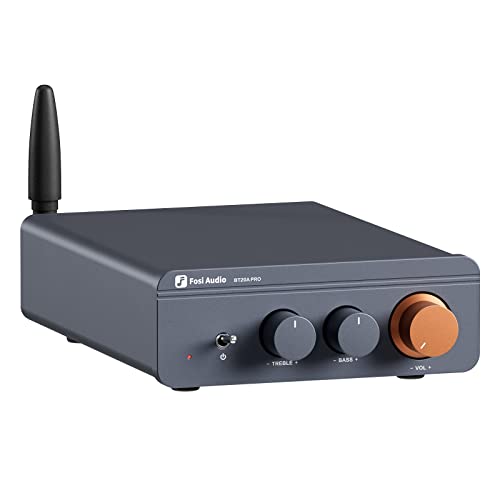
Where to buy
The best aftermarket car speakers for 1995 Geo Prizm owners are the ones chosen for a thirty-year-old car’s sizes, power and wiring rather than for a modern showroom, and this guide begins with the car itself. The linked pairs below are sold on Amazon; follow their links to confirm current listing details before ordering. The remaining picks are categories described with checks, because on a car of this age the correct example depends on measurements only your own doors can provide.
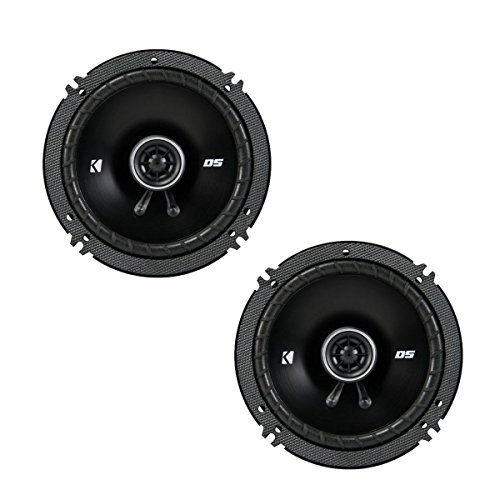
- KICKER DSC650 6.5-Inch Coaxial Car Speakers (Pair, 43DSC6504) – the leading recommendation for most surviving Prizms; check price on Amazon.
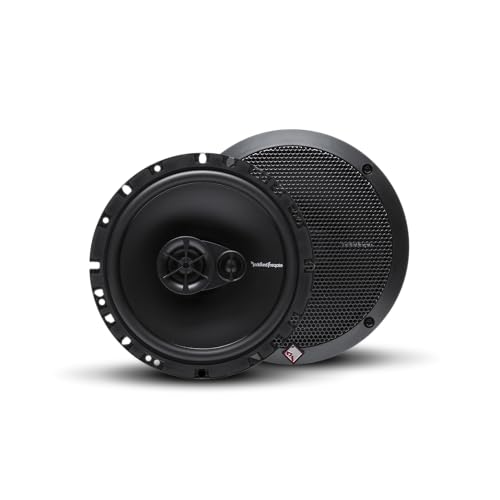
- Rockford Fosgate Prime R165X3 6.5-Inch 3-Way Car Speakers (Pair) – the clarity choice for an old cabin; check price on Amazon.
- Shallow-mount 6.5-inch coaxial pair (prose-only pick, no single model linked) – for doors that measure tight.
- KICKER KM65 6.5-Inch Marine Coaxial Speakers (Pair, 45KM654) – for Prizms that live outdoors; check price on Amazon.
- 6.5-inch component speaker system (prose-only pick, no single model linked) – for higher-trim cars and patient installers.
- Harness adapters, speaker wire and trim clips (prose-only pick, no single model linked) – the supporting spend that makes the job reversible.
Read the full guide below.
Disclosure: As an Amazon Associate, kajuandouglas.com earns from qualifying purchases. Links to Amazon on this page are affiliate links; they cost you nothing extra. Listing details such as price and availability change often, so check the current Amazon listing before you buy.
There is a particular sound a 1995 Prizm makes in 2026, and it is not the engine. It is the buzz that arrives with bass notes, the rattle behind vocal passages, the sense that one front speaker retired years ago and the other is covering both shifts. The cause is rarely mysterious. The factory speakers in these cars were built from paper cones and foam surrounds with a design life measured in years, and three decades of summers have collected the debt. What remains in most surviving doors is a speaker-shaped object going through the motions.
The car underneath those speakers deserves better press. The 1995 Prizm came out of the NUMMI joint venture in California, built alongside the Toyota Corolla it shares its bones with, and it inherited that car’s virtues: honest engineering, standard-sized everything, and a stubborn refusal to die. Survivors today are student cars, second cars, inherited cars and beloved beaters, often with mileages that would retire lesser machinery. Their owners are not restoring classics; they are keeping a faithful tool musical, and the budget logic of this guide respects that completely.
So the shortlist is built around the car’s realities rather than the catalogue’s ambitions. Power from a nineties head unit is scarce, so efficiency outranks wattage. Trim plastic is old and brittle, so standard fit outranks exotic sizes. Wiring is thirty years old, so harness adapters outrank cutting. The two linked pairs lead because they satisfy all three constraints at once; the prose-only routes handle the cars whose doors, seals or ambitions argue for something more specific.
Key Takeaways
- Speakers of this age are worn out physically, so a verified modern pair changes the car rather than merely upgrading it.
- The DSC650 and the R165X3 lead the list because both are efficient, 4-ohm and shaped for standard openings.
- Measure the speakers actually fitted to your car before ordering anything, because previous owners rewrite fitment tables.
- Spend a little on harness adapters and clips; on an old car, reversibility is a feature worth paying for.
In this guide
Quick Picks
A shortlist for one specific car, kept short on purpose. Two verified pairs do the heavy lifting; the other rows answer the questions old cars ask.
| Buyer type | Pick | Why it stands out | Link |
|---|---|---|---|
| Best Overall for the Prizm | KICKER DSC650 | Standard fit that honours factory holes and factory wiring | Check price on Amazon |
| Best for Clarity in an Old Cabin | Rockford Fosgate R165X3 | Three-way design keeps the midrange intelligible at volume | Check price on Amazon |
| Best if Your Doors Measure Shallow | Shallow-mount 6.5-inch coaxial pair (Prose-Only Pick) | Goes where a standard basket would meet the window glass | Prose-only – see review |
| Best for Outdoor-Lived Prizms | KICKER KM65 Marine | Sealed marine build with stainless hardware throughout | Check price on Amazon |
| Best for Higher-Trim Cars | 6.5-inch component speaker system (Prose-Only Pick) | Raises the image to ear level in a small cabin | Prose-only – see review |
| Best Supporting Spend | Harness adapters, speaker wire and trim clips (Prose-Only Pick) | Keeps every connection clean, reversible and documented | Prose-only – see review |
Owners in a hurry can order the first row and stop reading. Owners whose car has quirks — and at thirty, they all have quirks — will find their row further down.
How These Picks Were Chosen
Selection started from the car’s specification rather than from speaker fashion. A mid-nineties compact of this class left the factory with standard 6.5-inch locations, a head unit producing modest power, and wiring intended for exactly that load. Candidates were therefore filtered for 4-ohm impedance, for sensitivity high enough to sing on factory power, and for dimensions that respect unmodified openings. Anything requiring door surgery, an amplifier as a precondition, or a leap of faith about fitment was excluded from the linked positions.
The linked pairs earned their status through verification: each model was confirmed against Amazon’s Creators API through this site’s provider, title matched to product, before a link was permitted. Their specifications in the reviews trace to those verified listings and the makers’ own published figures. One earlier candidate listing was set aside during that process in favour of the API-confirmed listing used here, because a guide for an old car has enough uncertainties without adding doubtful product identities.
The prose-only rows exist because old cars diverge. Door depth after decades of repairs, seals that have stopped sealing, trim levels with factory component layouts — each variable changes the right answer, so those reviews give measurements and checks instead of a model number. That is not indecision; it is the honest shape of advice for a vehicle old enough to have a biography.
The Best Aftermarket Car Speakers For 1995 Geo Prizm
The verified pairs come first, in the order most owners should consider them. The specialist routes follow, and the supporting spend closes the list, because on a car of this age the small parts decide whether the big parts ever get installed properly.

KICKER DSC650 6.5-Inch Coaxial Car Speakers (Pair, 43DSC6504)
Badge: Best Overall for the Prizm
Key specs: Sold as a pair of 6.5-inch (160-165 mm) 2-way coaxial car speakers; the impedance is 4 ohms and the pair carries a 240W peak power figure; the woofer cone is polypropylene with a ribbed surround; the whole design is a drop-in factory upgrade shaped for doors and rear decks.
If one pair of speakers could be issued with every surviving Prizm, this would be the pair. The DSC650’s virtues read like the car’s own requirements list written back to it: efficient enough to sound alive on a nineties head unit, 4-ohm so the old wiring and amplifier see the load they were built for, and standard in its dimensions so the door cards go back on without persuasion. The polypropylene cone matters more than it sounds, because it will not perish the way the factory paper cones did; this is a repair intended to be done once.
The listening change is the sort owners describe to sceptical friends. Voices step forward out of the buzz, the bass that remains is the bass that was recorded rather than the buzz that accompanied it, and the volume control gains a useful range it has not had in years. Nothing about the presentation is exotic, and that is the point: the DSC650 makes a Prizm sound like a healthy small car with a decent stereo, which is all the car ever aspired to be.
Strengths
- Drops into standard openings without modifying elderly trim
- Makes the most of feeble factory power instead of complaining about it
- Materials chosen for survival in hot, damp door cavities
Trade-offs
- Deep bass is beyond any door speaker’s brief, this one included
- A stamped basket rather than a cast one, as its class dictates
- It hides behind factory grilles, offering no visual reward
Best for: the majority of Prizm owners wanting the transformation in one afternoon / Not suited for: owners expecting modern subwoofer weight from a nineties compact
Ownership reports for this pair follow a pattern so consistent it becomes reassuring: fit them, spend a week rediscovering albums, then forget them entirely for years while they simply work. The terminals accept ordinary spade connectors or a harness adapter, the surround tolerates the condensation that forms inside doors on cold mornings, and the pair’s modest electrical demands mean that if a fault ever does appear, the culprit is almost always the car’s ageing wiring rather than the speakers — a diagnosis the DSC650 makes easy by eliminating itself from suspicion.
Fit the pair in the front doors first if the budget only stretches to one pair this month. The front seats are where the car’s life is lived, and a healthy front stage with tired rear speakers sounds far better than the reverse arrangement. The rear deck can have its turn later, ideally with a matching pair, and the system will grow in the order its listeners actually notice.

Rockford Fosgate Prime R165X3 6.5-Inch 3-Way Car Speakers (Pair)
Badge: Best for Clarity in an Old Cabin
Key specs: A pair of 6.5-inch 3-way full-range coaxial car speakers; each speaker handles 45W RMS (90W peak); impedance is 4 ohms; the cone is vacuum-formed polypropylene; grilles are included in the box; the design replaces the factory speakers directly.
The R165X3 is the choice for the Prizm owner who listens closely — to lyrics, to talk radio, to the details that an old, simple cabin either reveals or buries. Its three-way layout divides the work among a woofer, a midrange and a tweeter, and the practical dividend is midrange intelligibility: voices stay articulate at the volumes motorway noise demands, instead of hardening into the shout that two-way designs in tired cabins can produce. In a car with little sound insulation and a great deal of honest mechanical noise, that clarity is worth more than bass weight.
The 45W RMS handling per speaker deserves a sentence of interpretation. It means the pair is content on factory power today — efficiency, not appetite, is what a head unit needs — while retaining the capacity to accept a modest amplifier later without complaint. Few Prizm owners will take that second step, but a speaker that permits it costs nothing extra in daily use. The included grilles, a small line in the specification, matter on cars whose original grille cloth or plastic has cracked: exposed mounting locations get a finished look instead of a compromise.
Strengths
- Three-way layout keeps speech and vocals clear at real road speeds
- Power handling suits the factory unit now and an amplifier someday
- Included grilles rescue mounting spots whose trim has aged badly
Trade-offs
- Its clarity exposes poor recordings and tired head units honestly
- Slightly more installation care around the taller driver arrangement
- Still no substitute for a subwoofer where deep bass is wanted
Best for: talk, acoustic music and long-distance listeners in an uninsulated cabin / Not suited for: owners whose priority is low-end weight above all
Choose between this pair and the DSC650 by repertoire rather than by specification. Bass-led modern production flatters the Kicker’s straightforward punch; vocal-led listening, podcasts and radio drama flatter the Rockford’s midrange manners. Both fit the same holes and drink the same modest power, so the decision is a pleasant one between two correct answers, and either will make a thirty-year-old cabin feel like it has been let in on a secret.
One fitting note from experience with cars of this vintage: work the door cards off slowly and support them as the last clips release, because the R165X3’s clarity deserves a rattle-free door. A card refitted with one broken clip will buzz in sympathy with exactly the midrange frequencies this speaker reproduces best, and the owner will blame the wrong component for a month.
Shallow-mount 6.5-inch coaxial pair (Prose-Only Pick)
Badge: Best if Your Doors Measure Shallow
Key specs: Shallow-mount coaxial pairs use slim baskets and reduced mounting depth for doors where glass and regulators leave little room. Judge the category by published mounting depth against your own measurement, then by sensitivity, since factory power leaves no margin for inefficient speakers.
Most Prizms swallow standard speakers without protest, and this row is not for most Prizms. It is for the car whose door has been repaired, whose window regulator sits closer than the drawing says, or whose previous owner fitted something deep and left the evidence in bent metal. For that car, a shallow-mount pair is the difference between a speaker that fits behind elderly trim and a season of spacers, rattles and windows that stop an inch short of closed.
Shop it by the tape measure. Remove one door card, measure from the mounting face to the nearest obstruction with the window fully down — fully down is the position everyone forgets — and compare that figure against the published mounting depth with a small margin for the connector. Accept the category’s honest trade: slim baskets give up some bass weight, because cone excursion and magnet size are what the slimness spends. On factory power in a small cabin, the loss is smaller than the fitment victory.
Strengths
- Fits the doors that defeat standard speakers
- Lets original trim close without spacers or stress
- Usually efficient, suiting the car’s limited power
Trade-offs
- Less low-end weight than standard-depth alternatives
- A narrower field of models to choose from
- Useless guesswork: your measurement decides everything
Best for: repaired, altered or unusually tight doors verified by measurement / Not suited for: standard doors, where full-depth pairs do more
This category stays unlinked for a principled reason: the correct example depends on a measurement only you can take, and a guide that linked a model anyway would be gambling with your door cards. Apply the depth check, then the sensitivity check, and refuse any listing that will not publish both figures. A seller who hides a shallow speaker’s depth is selling a surprise, and surprises are what this category exists to avoid.

KICKER KM65 6.5-Inch Marine Coaxial Speakers (Pair, 45KM654)
Badge: Best for Outdoor-Lived Prizms
Key specs: Marine coaxial speakers of 6.5 inches, supplied as a pair with a 3/4-inch tweeter; impedance is 4 ohms and power handling is 65W RMS; the cones resist ultraviolet and wear Santoprene surrounds; hardware is rustproof stainless steel; charcoal and white grilles are included; construction is sealed to a marine grade.
Some Prizms live the way their designers secretly expected: outside, in all weathers, with door seals that gave up their ambitions years ago. Water enters elderly doors even on garaged cars — the window seals see to that — but on a car that sleeps in the street, every rain arrives inside the door eventually. The KM65 is built for exactly that biography. Sealed marine construction, UV-resistant cones, Santoprene surrounds and stainless hardware are a boat’s specification sheet, and they translate to a car door as simple longevity: this pair does not care about the moisture that kills ordinary speakers.
The 65W RMS handling gives the pair a second talent. Should this Prizm ever meet an amplifier — a hand-me-down head unit with real outputs, say — the KM65 accepts the promotion gracefully and stays composed at volumes that cover open windows and motorway noise. On factory power alone it remains clear and willing, which keeps it honest to this guide’s first rule: nothing here requires an amplifier to justify itself.
Strengths
- Sealed construction and stainless hardware defeat door moisture
- Surrounds and cones resist the ultraviolet that ages ordinary speakers
- Power handling leaves room for a future amplifier
Trade-offs
- Marine toughness costs more than an equivalent cabin speaker
- The look is nautical, though factory grilles hide most of it
- Over-specified for a garaged car with healthy seals
Best for: street-parked Prizms, coastal cars and doors with tired seals / Not suited for: garaged cars, where the DSC650’s value is hard to beat
Decide with your eyes before your wallet. Pull a door card and read the evidence: water staining on the card’s inner face, a tide line on the old speaker, rust freckles on its basket. Where those signs appear, the marine premium is not an indulgence but the difference between fitting speakers once and fitting them every few years. Where the door is dry and dusty, save the money and take the standard pair with a clear conscience.
The included grille choice — charcoal or white — sounds like a boating detail until a Prizm with a light interior needs the white set to disappear against a faded door card. Small mercies accumulate on old cars, and this pair seems designed by people who understood that its second career would be spent in exactly such doors.
6.5-inch component speaker system (Prose-Only Pick)
Badge: Best for Higher-Trim Cars
Key specs: A 6.5-inch component system separates woofer and tweeter, with an external crossover dividing the signal. Judge candidates by sensitivity for factory power, by tweeter mounting hardware included, and by whether the crossover offers tweeter level adjustment.
A minority of Prizms left the factory with component layouts — tweeters placed higher, nearer ear level — and a minority of owners want to build that layout into a car that never had it. The reward is imaging: with tweeters raised to the sail panels or dash corners, voices lift out of the doors and arrange themselves across the windscreen, a trick no coaxial in a low door can fully perform. In a cabin as small as the Prizm’s, where every listener sits close to everything, the effect is disproportionately delightful.
The costs are equally real. Component fitting means finding homes for two crossovers, running tweeter wire through thirty-year-old door looms, and cutting or mounting somewhere for the tweeters themselves. On brittle trim, that work demands the patience the installation section below describes. This route is therefore recommended as an enthusiasm, not as a repair: owners who will enjoy the project get a genuinely better stage, while owners who merely need music should take the coaxial pairs and their single afternoon.
Strengths
- Ear-level tweeters build a stage the doors cannot
- Crossover tweeter adjustment tunes the system to the cabin
- Suits higher-trim cars whose factory layout already separates drivers
Trade-offs
- The most involved installation in this guide by a wide margin
- More wiring threaded through ageing looms and grommets
- Efficiency varies widely across the category; check before buying
Best for: enthusiasts and higher-trim cars ready for a project / Not suited for: anyone whose goal is working music by dinner
If you take this route, mock the tweeter positions up with removable adhesive and live with them for a week before committing to any cutting. Small cabins punish guesswork about angles, and the position that looks right on a Saturday morning is not always the one ears prefer by Friday. The crossovers, meanwhile, belong somewhere dry and reachable — inside the cabin side of the door or under the dash — never loose in the bottom of a door where thirty years of weather visit.
Harness adapters, speaker wire and trim clips (Prose-Only Pick)
Badge: Best Supporting Spend
Key specs: Vehicle-specific harness adapters that meet the car’s factory speaker plugs, a modest length of ordinary speaker wire for repairs, and a bag of trim clips matched to the car’s door cards. Judge by connector fit for the car’s year, not by universal claims.
Every other row in this guide is a speaker; this row is the reason the speakers survive contact with a thirty-year-old car. Harness adapters plug the new speakers into the factory loom without cutting a single original wire, which preserves the car’s wiring as a document, keeps the installation reversible for the next owner, and eliminates the polarity guesswork that cut-and-tape joints invite. On a young car that is convenience. On a Prizm, whose loom is both ageing and irreplaceable, it is conservation.
Trim clips earn their line honestly too. Door cards of this age release clips that snap on removal no matter how careful the hands are, and a card refitted with missing clips buzzes against the door at exactly the frequencies new speakers reproduce best. A bag of correct clips, bought before the job, converts that outcome from inevitable to optional. Add a short length of speaker wire for the sections of loom that inspection condemns — chafed at the door hinge is the classic — and the supporting cast is complete.
Strengths
- No factory wire is cut, ever, which future owners will bless
- Correct polarity is built into the connectors
- Fresh clips are the cheapest rattle cure in the entire guide
Trade-offs
- It is the least exciting money in the project
- Adapter fit must be checked against the car’s exact year and trim
- Clips bought wrong are merely small plastic souvenirs
Best for: literally every Prizm speaker installation, without exception / Not suited for: nobody, though minimalists will try to argue
Buy this row first, before the speakers arrive, and let it set the tone for the whole job: measured, reversible, respectful of the car. The owners who skip it are recognisable a month later, chasing an intermittent crackle through a loom they modified in a hurry, wishing the factory plugs were still there to test against. On a thirty-year-old car, the kindest technology is the kind that leaves no trace.
Comparison Table
| Pick | Type | Connection / fit | Power | Standout |
|---|---|---|---|---|
| KICKER DSC650 | 6.5-inch 2-way coaxial pair | Factory harness or speaker wire | Passive — runs on the head unit or an amplifier | 4-ohm; 240W peak per pair |
| Rockford Fosgate R165X3 | 6.5-inch 3-way coaxial pair | Factory harness or speaker wire | Passive — runs on the head unit or an amplifier | 45W RMS per speaker; grilles included |
| Shallow-mount 6.5-inch coaxial pair (Prose-Only Pick) | 6.5-inch shallow-mount coaxial pair | Factory harness or speaker wire | Passive — runs on the head unit or an amplifier | For doors that fail the depth test |
| KICKER KM65 Marine | 6.5-inch marine coaxial pair | Harness or speaker wire | Passive — runs on the head unit or an amplifier | Marine grade; 65W RMS; stainless hardware |
| 6.5-inch component speaker system (Prose-Only Pick) | 6.5-inch component set | Harness or speaker wire, plus crossover runs | Passive — runs on the head unit or an amplifier | Ear-level image in a small cabin |
| Harness adapters, speaker wire and trim clips (Prose-Only Pick) | Fitting parts | Factory plugs, no cutting | None — fitting parts only | Keeps the job reversible |
Read the table as the car would: fit and connection first, power second, standout last. A Prizm rewards owners who shop in that order.
What a 1995 Prizm’s Audio System Actually Looks Like Now
Open the door of a surviving Prizm and the audio system tells the car’s whole story in miniature. The head unit may be the original cassette-era unit, miraculously alive, or a budget replacement fitted by any of several owners, identifiable by its hopeful Bluetooth logo and its wiring adapted with varying degrees of conscience. The speakers behind the door cards will be original in more cars than owners expect, their foam surrounds by now a substance closer to dust than to rubber, held in shape mainly by habit.
The wiring deserves its own paragraph because it is the system’s true elder. Copper does not wear out, but insulation chafes where the loom flexes at the door hinge, connectors grow a green patina in damp doors, and previous repairs — every old car has them — range from soldered craftsmanship to twisted wires under tape. None of this condemns the car. It simply means the audio system of a 1995 Prizm should be approached as archaeology with a happy ending: inspect first, replace what is perished, preserve what is sound, and cut nothing that cannot be uncut.
The encouraging news is how much of the system is standard. Speaker sizes follow the era’s conventions, the electrical system is a simple 12-volt arrangement with a 4-ohm load expectation, and the cabin is small enough that modest equipment fills it completely. A modern compact car is a computer with speakers attached; the Prizm is a car with a radio in it, and that simplicity is precisely what makes it so satisfying to put right.
Fitment on an Ageing Compact: Sizes, Depth and Hardware
The headline fitment is friendly: 6.5-inch speakers in the front doors, with rear locations following the same standard on most trims. But fitment on a thirty-year-old car is a measurement, not a lookup. Previous owners have fitted adapters, trimmed baskets and occasionally speakers of optimistic diameter, and the only authority is the speaker physically in your door. Remove one card before ordering, photograph what you find, and measure the mounting depth with the window rolled fully down, because the glass descends into exactly the space a deep speaker wants to occupy.
Hardware is the second half of fitment that catalogues forget. Factory screws may be corroded, speed clips may crumble, and mounting holes may have been enlarged by a predecessor’s enthusiasm. A small assortment of screws, clips and, where a hole has been worried oversize, a washer or a new clip nut, turns those discoveries into footnotes instead of project-stoppers. Buy the assortment before the day, not during it, because a Prizm with its door cards off is a car that cannot easily fetch its own parts.
Depth deserves a final word for the standard pairs themselves. Both linked pairs in this guide are shaped for factory replacement and fit unmodified Prizm doors in the ordinary case. The shallow-mount row exists for the extraordinary case, and the measurement above is how you learn which case your car is — before the speakers arrive, while the discovery is still free.
Power From a Nineties Head Unit: Why Efficiency Is the Whole Game
A 1995 factory head unit produces, on a generous reading, the sort of power a modern unit’s specification sheet would be embarrassed to print. Replacement units fitted since are usually chosen for features rather than muscle. Either way, the Prizm’s speakers live on a small electrical allowance, and that single fact should govern the entire purchase: sensitivity — how much sound a speaker makes from one watt — is the specification that decides whether the car sounds awake or apologetic.
Efficient speakers flatter everything upstream. They reach comfortable volume in the lower half of the head unit’s range, where its little amplifier is cleanest, and they leave headroom for the peaks in music instead of spending the budget on the average. Inefficient speakers do the opposite, forcing the volume upward into the region where a small amplifier distorts, and the listener concludes, wrongly, that old cars simply sound bad. The linked pairs in this guide were chosen at the efficient end of their class for exactly this reason.
Keep the load at 4 ohms while you are at it, because that is the load the car’s wiring and head unit were designed around. Exotic impedances promise nothing a Prizm can use and complicate everything it already does well. In this car, the electrical virtues are the plain ones: standard load, high sensitivity, clean connections. Honour those and a nineties head unit will surprise you with how musical it can be.
The Corolla Connection: What the Prizm’s Heritage Means for Parts
The Prizm’s secret identity is the most useful thing about owning one. Built at NUMMI in Fremont, California, as a joint venture between General Motors and Toyota, the 1995 Prizm is mechanically a Corolla in Geo clothing — same platform, same engineering culture, same standard sizes. For the speaker shopper this doubles the world’s knowledge: fitment experience gathered by Corolla owners of the same generation applies to the Prizm almost without translation, and the pool of surviving knowledge, parts and patience is correspondingly deep.
It also explains the car’s manners. The sensible speaker locations, the conservative electrics, the trim that comes apart with ordinary clips rather than hidden fasteners — these are Toyota habits wearing an American badge. Owners who approach the car as the Japanese compact it is, rather than as a mysterious orphan brand, find that everything about it, audio included, follows a legible logic.
There is a preservation angle too. Prizms are disappearing faster than Corollas precisely because fewer people know what they are, and every Prizm kept musical and roadworthy is a small act of historical accuracy. Fitting good speakers with reversible methods — harness adapters, uncut looms, intact trim — keeps the car honest for whoever owns it next, which on present evidence could be another thirty years from now.
Keeping an Old Car Musical: Maintenance for the Next Decade
New speakers in an old car deserve a maintenance rhythm as modest as the car itself. Once a year, ideally when the clocks change and other household rituals happen, play something familiar at low volume and walk around the car listening at each speaker. Fading, crackling or silence at one corner announces itself early at low volume, and nearly every cause — a loosening connector, a hinge wire beginning to chafe, a clip that has given up — is a small fix in its first month and a larger one in its second year.
Keep the door drains clear while you are thinking about doors. The drain holes at each door’s bottom edge are the difference between a door that sheds the water it inevitably admits and a door that stores it against your speakers. A pipe cleaner and thirty seconds, twice a year, is the entire maintenance budget of the marine argument for owners of standard speakers: dry doors make ordinary speakers live like marine ones.
Finally, write down what you fitted, when, and any quirks you found inside the doors, and keep the note with the car’s documents. Old cars pass between owners who never meet, and a single page of honest notes — speaker model, adapter type, the clip that always breaks, the wire that was repaired at the hinge — is a gift whose value the giver will never see and the receiver will never forget.
A Letter to the Next Owner, Written in Speakers
Every modification to an old car is a message to its future, whether the modifier intends it or not. Cut wiring says the past owner was in a hurry. Butchered door cards say the music mattered more than the car. A clean, reversible speaker installation says something else entirely: that somebody loved this car enough to improve it without diminishing it, and expected it to be loved again after them.
That is why this guide keeps returning to unglamorous virtues — adapters, clips, measurements, notes. A 1995 Prizm has already outlived the company that sold it and the brand that badged it. The cars that survive another generation will be the ones whose owners treated them as heirlooms that happen to be worth very little money, which is to say, treated them properly. Speakers fitted with that attitude are not an expense on the car; they are a letter of recommendation attached to it.
So fit the good pair, keep the loom intact, leave the note in the glovebox. Somewhere in the future there is a driver who will turn the key of this exact car, hear music arrive clean and whole from doors older than they are, and understand immediately what kind of hands the car has been in. That moment is worth the price of a bag of trim clips.
What the Prizm Teaches About Every Old Car
The lessons generalise, which is why this oddly specific guide may be the most transferable one on its shelf. Old cars do not need the best components; they need appropriate ones, chosen for the power available, the sizes provided and the materials’ remaining patience. Diagnosis precedes purchase, because the worn part is usually not the famous part. Reversibility is a feature, because old cars change hands and every cut is a small theft from the future. And efficiency — in speakers, in spending, in effort — beats brute force at every turn, because old systems reward finesse and punish excess.
Owners of ageing machinery of every brand learn the same catechism eventually, usually by paying for the lessons in the wrong order. The Prizm, being a forgiving teacher with cheap parts and standard sizes, may be the kindest classroom in which to learn it. Fit speakers to this car thoughtfully once, and you will never fit speakers to any old car carelessly again.
Budget Honesty for a Car Worth Less Than a Head Unit
Let the arithmetic be said out loud, because every Prizm owner thinks it: a surviving example may be worth less, as a vehicle, than the audio equipment a modern catalogue would happily sell for it. That arithmetic is true and irrelevant in roughly equal measure. The correct denominator is not the car’s resale value but its service: the thousands of hours its owner will spend inside it, on commutes and errands and long drives, with the speakers as the soundtrack to all of them. Judged per hour, a good pair of speakers is among the cheapest comforts in the car’s entire life.
The honest budget therefore has a ceiling as well as a floor. Below the floor sit speakers so cheaply made that their surrounds will perish on the same schedule as the originals, repeating the job. Above the ceiling sit components whose talents the car’s power, insulation and cabin cannot express. Between those bounds — where both linked pairs in this guide live — lies the sensible spend: real materials, real efficiency, standard fit, and enough left over for the adapters and clips that make the job right. Spend to the middle of that band without guilt and without apology.
The Driveway Test: Judging the Finished Job Like a Stranger
When the last door card clicks home, resist judging the system with your own ears for the first minute. Instead, perform the stranger test. Sit in the driver’s seat, close the doors, and play a familiar recording at the volume of ordinary driving. Then ask the questions a stranger would ask, knowing nothing of the car’s history or your afternoon’s labour. Is the voice in front of you rather than down by your ankle? Does the bass arrive as notes instead of as buzz? Can you hear the quiet parts without reaching for the volume?
Then take the car around the block, because driveways flatter everything. At road speed, with the engine and tyres contributing their honest noise, the new speakers should hold their composure without the volume climbing into strain. Roll a window down and listen for the door card’s opinion of the proceedings; silence from the trim is the signature of clips properly replaced. Park, switch off, and sit for one more song in the quiet. A job done right passes in all three venues — driveway, road and stillness — and a job that passes only in the driveway has told you exactly where its remaining fault lives.
How Do You Choose Speakers for a Car This Old Without Wasting Money?
Choose in the order the car demands. Fitment first, established by your own measurement of your own doors, because a speaker that does not fit is not a bargain at any price. Efficiency second, because the head unit’s small allowance makes sensitivity the difference between music and strain. Load third: 4 ohms, standard and unglamorous, matching what the car was wired for. Only after those three gates may preference enter — the Kicker’s straightforward punch against the Rockford’s midrange clarity, the marine pair’s insurance against the component system’s ambitions.
Waste, in this context, has recognisable shapes. It looks like wattage bought for a head unit that cannot spend it, sizes bought from a table instead of a tape measure, and features bought for a system the car will never contain. It also looks like its opposite: speakers so cheap that the job must be done again in three years, on trim that will be three years more brittle. The middle path this guide maps — verified pairs, honest categories, small parts taken seriously — is not a compromise between those wastes. It is the refusal of both.
How to Swap Speakers in a 1995 Prizm Without Breaking Old Plastic
- Choose a warm day or a warm garage; old plastic forgives in warmth what it refuses in the cold.
- Photograph each door before touching it, so screw locations and clip positions have a record.
- Remove screws first — handle, armrest, card edges — and keep each door’s hardware in its own labelled bag.
- Release the card’s clips with a plastic trim tool worked close to each clip, supporting the card with your other hand.
- Lift the card clear of the window channel and set it somewhere it cannot be stepped on, face up.
- Unplug the old speaker, note the wire colours, and inspect the loom and the door’s drain holes while you are there.
- Connect the new speaker through its harness adapter, confirm polarity, and play it before any trim returns.
- Refit the card with fresh clips where the old ones failed, pressing each home evenly rather than striking it.
- Repeat for the other side, then perform the driveway test from the section above before calling it done.
The whole job, done at that pace, takes an afternoon and leaves no evidence except the sound. Hurrying it takes the same afternoon and leaves evidence everywhere, which is the entire argument for the pace.
Common Mistakes
Trusting a fitment table over the car in front of you. Trims varied, decades passed and previous owners improvised. The speaker in your door, measured by your hand, outranks every chart ever printed.
Cutting the factory wiring to save a few minutes. On a car of this age the loom is both a component and a historical record. Adapters keep the installation clean, reversible and diagnosable, which is three virtues for very little money.
Blaming the head unit for the speakers’ decay. Buzz, rattle and vanished bass are the signatures of perished surrounds, not of a tired radio. Diagnose the worn component before replacing the healthy one.
Forcing cold trim with metal tools. Brittle plastic records every impatience permanently. Warmth, plastic tools and a supporting hand turn a risky removal into a routine one.
Turning the bass up to wake the system. A nineties head unit has no spare headroom to boost with, so boost buys distortion. Efficient speakers on flat settings give the car its true voice.
Final Recommendation
For most surviving Prizms, fit the DSC650 and be done: efficient on the car’s modest power, standard in its fit, and built from materials that intend to outlast the next decade as the car has outlasted the last three. Choose the R165X3 if your listening leans toward voices and detail, and let the car’s condition arbitrate the rest — tired seals argue for the marine pair, tight doors for the shallow route, a higher trim for the component project. Whichever row you take, buy the adapters and clips with it. A thirty-year-old Geo deserves the small courtesies, and it repays them every single drive.
Related Guides
- Best 6.5 speakers for bass
- Best car speakers for bass
- Best 6.5 speakers for clarity
- Best car speakers for under $200
Frequently Asked Questions
What size speakers does a 1995 Geo Prizm take?
The front doors take standard 6.5-inch speakers in the ordinary case, which is what every linked pair in this guide is. Verify against the speaker actually fitted to your car, because thirty years of ownership can rewrite any specification.
Is it worth putting new speakers in a car this old?
Judged by the hours you will spend listening inside it, emphatically yes. The car’s value is the wrong measure; its remaining service is the right one, and Prizms are famous for how much of that remains.
Will these speakers work with the original 1995 head unit?
That compatibility is the shortlist’s founding requirement. Both linked pairs are efficient and 4-ohm, designed to sound their best on exactly the modest power an original or period-replacement unit provides.
Do I need to replace the speaker wiring too?
Usually not wholesale. Inspect the loom, especially where it flexes at the door hinges, and repair condemned sections. Harness adapters handle the connections; sound original copper should be left in peace.
Why would a Prizm want marine speakers?
Because its doors admit water and its seals are thirty years old. Marine construction — sealed design, resistant surrounds, stainless hardware — is simply longevity engineering in a door that behaves like weather.
Can I fit these myself with basic tools?
Yes, with a screwdriver set, a plastic trim tool, warmth and patience. The step-by-step section is written for a first-timer, and the job’s difficulty lies in gentleness rather than in skill.
My Prizm has a newer replacement head unit. Does the advice change?
Only in your favour. A modern unit brings a little more power and better sources, and every pick here uses both happily. The fitment, efficiency and wiring advice stands exactly as written.
One of my rear speakers works and the front pair is dead. Where should I start?
At the front, without hesitation. The front stage is where the driver lives, and one healthy pair ahead of you outweighs any distribution of effort elsewhere. The rear can follow when budget and curiosity allow.