Getting 5g bands explained in plain terms unlocks every other 5G decision, because bands are the whole ballgame: a band is simply a slice of radio spectrum, phones and towers must share a band to talk, and different bands behave like different physical substances — some travel for miles and shrug off walls, others carry enormous data but fade at the first brick. When a phone ad says 5G and a user says it feels like 4G, mismatched bands are almost always the untold story.
This explainer translates the band chart — low, mid, and high; the n-numbers like n41 and n77; and the US carriers different builds — into buying and troubleshooting knowledge. You will not memorize frequencies. You will leave knowing which two or three band numbers matter for your carrier, where to find them on a spec sheet, and why they decide your speeds more than the phone price does.
Disclosure: As an Amazon Associate, kajuandouglas.com earns from qualifying purchases. Links to Amazon on this page are affiliate links; they cost you nothing extra. Listing details such as price and availability change often, so check the current Amazon listing before you buy.
Gear for This Guide
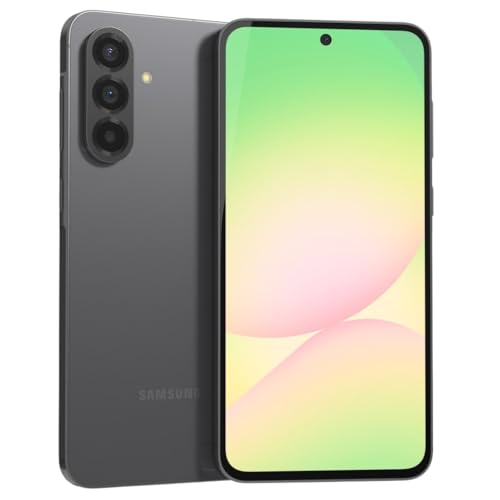
Phones whose spec sheets pass this article test — full US mid-band support, in writing.

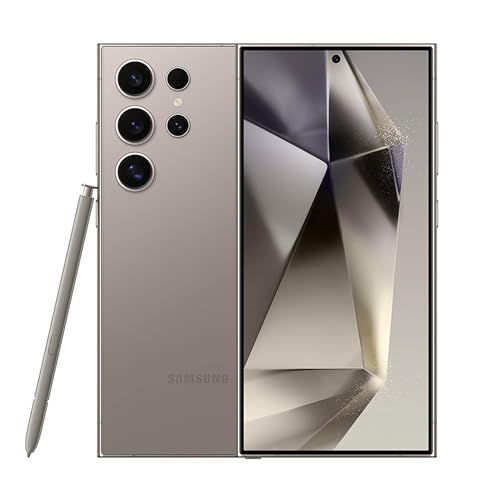
Samsung Galaxy S24 Ultra Cell Phone, 256GB AI Smartphone, Unlocked Android, 200MP, 100x Zoom Cameras, Fast Processor, Long Battery Life, Edge-to-Edge Display, S Pen, US Version, 2024, Titanium Gray — An unlocked US flagship listing the complete domestic band set — n41, n77, and millimeter-wave included — the reference example of buying breadth. Check price on Amazon.

OnePlus 12R, 8GB RAM+128GB, Dual-SIM, US Factory Unlocked Android Smartphone, 5500 mAh Battery, 50MP Camera, 80W Fast Charging, 2024, Iron Gray — A value-tier unlocked model that still covers the US mid-band essentials — proof that band breadth is about choosing the right variant, not the highest price. Check price on Amazon.
In this guide
5G Bands Explained
The Physics in One Paragraph. Radio spectrum is a range of frequencies, and frequency dictates behavior. Low frequencies travel far, bend around terrain, and penetrate buildings well, but each channel carries limited data. High frequencies carry huge data in wide channels but travel short distances and are blocked by walls, glass, even heavy rain and foliage. Every wireless generation exploits this trade-off; 5G is simply the first to span the whole range at once, from below 1 GHz to above 24 GHz. Bands are the named slices within that range, standardized globally so a phone in Ohio and a tower in Osaka can agree on where to meet.
When you see a band written as n41 or n77, the n marks it as a 5G New Radio band, and the number identifies the frequency range — n41 sits around 2.5 GHz, n77 around 3.7 GHz. LTE bands use plain numbers without the n. A phone spec sheet lists every band it can use; a carrier network uses a specific subset. Overlap between the two lists — on the bands that carry the capacity — is what you are shopping for. Everything else in this article is commentary on that single matching exercise.
Low-Band: The Coverage Layer
Low-band 5G lives below 1 GHz — bands such as n71 (600 MHz), n5, and n12 in the US — on frequencies similar to the best 4G coverage bands. A single tower covers miles; signals reach basements and rural highways. Speeds, though, are 4G-class: the channels are narrow because low spectrum is scarce and precious. Every US carrier runs a low-band layer as its nationwide 5G blanket, which is how they can honestly claim enormous 5G coverage maps while many users feel no change.
Respect low-band for what it is: the layer that makes 5G exist everywhere, keeps you connected at the farmhouse and the freeway, and will carry the long tail of devices for a decade. Just never pay a premium expecting it to feel fast, and never judge 5G by it alone. It is the foundation, not the showroom.
Mid-Band: The Layer That Matters
Mid-band — roughly 1 to 6 GHz, and in US practice chiefly the 2.5 GHz band n41 and the C-band frequencies within n77 — is where 5G becomes the thing in the advertisements. Channels here are wide enough for several-times-4G speeds and serious capacity, while range remains workable: towers cover neighborhoods rather than blocks. Each carrier built its mid-band on a different mix — one started with a deep 2.5 GHz holding, the others bought C-band spectrum at auction and built rapidly — which is precisely why band matching is carrier-specific and why a phone perfect for one network can underperform on another.
When you check a phone for your carrier, mid-band overlap is the check. US-market phones from the major brands in recent years cover all three carriers mid-band, which is why buying the US unlocked or carrier version is the safe play. Imported models are the trap: built for other regions band plans, they may include n78 — the international C-band cousin — while missing n77 or n41 nuances your carrier requires, delivering a phone that shows 5G and performs like a rumor of it.
Millimeter-Wave: The Sprinter
Above 24 GHz sit the millimeter-wave bands — n260 and n261 in the US — where channels are so wide that speeds can exceed most wired broadband, with latency to match. The cost is range measured in blocks and a signal that treats walls, windows, and weather as walls. Carriers deploy it surgically: stadiums, arenas, airports, dense downtown cores, and fixed-wireless hotspots. Some phone variants include it; others, including many international and some budget models, omit it entirely.
Your buying rule for millimeter-wave is simple: it is a delight to encounter and a mistake to shop for, unless your daily life literally happens inside a covered venue. Its absence from a phone spec sheet should cost that phone almost nothing in your estimation. Its presence is a bonus you will enjoy a few times a year and tell friends about — which is, not coincidentally, exactly what it was designed for.
How to Use This When Buying or Troubleshooting
Buying: get your carrier mid-band list — published on their site and in our coverage guide — then confirm those n-numbers appear in the phone spec sheet, ideally on the manufacturer page for the exact model variant you are buying. Variant is the operative word: the same phone name can hide different band sets by region and carrier. Troubleshooting: if your 5G underperforms, the band you are actually on is a prime suspect — several diagnostic apps and phone service menus can display it — and a phone camped on low-band in a mid-band area points back to settings, updates, SIM, or plan, the checklist in our 5G-not-working guide.
Finally, keep perspective: bands are infrastructure, and infrastructure improves. Carriers keep adding mid-band sites and refarming spectrum, so a phone with broad band support literally gets better over its life as the network grows into it. That is the deepest reason to buy the broad-band unlocked model when you can: you are not just matching today map, you are holding a ticket the network will keep honoring with upgrades you never have to pay for again.
Looking More Closely at the Details That Decide It
Most discussions of how 5G bands work, and how to use band knowledge when buying or troubleshooting stay at the level of headlines, yet the outcome is usually decided by smaller details that only appear once you live with the decision. Three of those details deserve attention before anything else: carrier aggregation combining bands for a steadier connection, band numbers as shorthand for frequency ranges, and regional differences that make the same phone model behave differently abroad. None of them looks dramatic on a specification sheet. Indoor behaviour follows frequency physics, with low bands bending and penetrating best and millimetre-wave effectively stopping at the window, and field test mode will tell you the serving band in seconds.
Start with carrier aggregation combining bands for a steadier connection. Treat any phone description that hides its band list as incomplete, however glossy the rest of the page looks, because width explains why two mid-band networks feel nothing alike. The n66 and n25 bands extend familiar mid-range frequencies into 5G service, common anchors in North American deployments, and field test mode will tell you the serving band in seconds. That quiet improvement is the practical reward for ten minutes spent with two lists before purchase, and field test mode will tell you the serving band in seconds.
Points to keep in mind
- Judge carrier aggregation combining bands for a steadier connection in your own setting before trusting a general verdict.
- Treat band numbers as shorthand for frequency ranges as a first-order factor, not a footnote.
- Treat millimetre-wave as a bonus unless you live in its footprint.
Then consider band numbers as shorthand for frequency ranges. Physics gives low bands range and high bands raw capacity, so check the two lists against each other before money moves. That minute, repeated at each upgrade, is the cheapest performance insurance in the whole of mobile technology, because width explains why two mid-band networks feel nothing alike. If the serving band is low, patience is rational, while if a wide mid-band channel performs badly, congestion or signal quality deserves investigation, and field test mode will tell you the serving band in seconds.
Finally, weigh regional differences that make the same phone model behave differently abroad alongside the first two rather than in isolation. Regional phone variants differ exactly here, with the same model name hiding different band lists in different countries, and field test mode will tell you the serving band in seconds. A mature decision about band knowledge names that trade-off out loud. Millimetre-wave will keep its niche in the busiest venues, valuable there and irrelevant to most addresses, which is why the number, not the marketing name, belongs in your notes.
How This Plays Out in Real Situations
Abstract advice becomes useful when it meets a real household, so consider a dense venue where short-range capacity matters more than distance. Band knowledge also protects second-hand purchases, where an older 5G phone may predate your carrier’s main mid-band launch entirely, and field test mode will tell you the serving band in seconds. Signal quality figures refine the picture further, since a strong but noisy mid-band signal can underperform a clean low-band one, and field test mode will tell you the serving band in seconds. Low-band will remain the layer that makes 5G feel universal, filling the map even where its speeds stay modest, and field test mode will tell you the serving band in seconds.
Contrast that with a home where the garden has strong service but the back bedroom does not. Every speed test result is secretly a band report in disguise, and field test mode will tell you the serving band in seconds. Millimetre-wave sits far higher, around twenty-four gigahertz and above, offering astonishing speed within sight of the site and struggling with glass, walls and even heavy rain, and field test mode will tell you the serving band in seconds. This is why copying a friend’s conclusion about band knowledge so often disappoints: the friend optimised for a life that is not quite yours, with rooms, routines and patience that differ from your own.
Points to keep in mind
- Match each 5G band to its job: low bands travel far, mid bands balance everything, millimetre wave flies.
- Borrow band lists from other owners, but confirm every band against your own carrier’s network.
- Confirm aggregation pairs if you rely on fringe mid-band signal.
A third pattern appears with a buyer comparing two spec sheets that list different band combinations. A balanced phone supports all three layers for your carrier, and a balanced buyer checks for exactly that, and field test mode will tell you the serving band in seconds. The n77 and n78 families carry much of the world’s mid-band 5G, including the C-band spectrum that transformed coverage quality in many cities, because width explains why two mid-band networks feel nothing alike. Refarmed bands prove the network is a moving target for buyers, which is why the number, not the marketing name, belongs in your notes.
There is also the quieter case of a traveller landing abroad and finding only a slower layer available. Low band numbers travel far, while high numbers carry far more, so check the two lists against each other before money moves. Mid-band, roughly between one and six gigahertz, is the layer most people mean when they praise 5G, balancing street-level coverage with downloads several times faster than 4G, and field test mode will tell you the serving band in seconds. The uplink confesses a weak band pairing before downloads do, because width explains why two mid-band networks feel nothing alike.
A Practical Method You Can Repeat
When opinions conflict, a repeatable method settles the question of how 5G bands work, and how to use band knowledge when buying or troubleshooting better than another hour of reading. The method has four moves. First, read the serving band in field test mode when speeds surprise you. Second, gather evidence in that exact setting. Third, change or compare one variable at a time. Fourth, ask how wide the local mid-band channel is, not just its name.
In practice that means actions such as these: match the exact model number, because regional variants differ; treat a missing key band as a practical problem, not a minor spec-sheet detail; and use the phone’s field-test or status screens cautiously and record what changes by location. Each is deliberately unglamorous. Aggregation pairs a steady anchor band with a fast data carrier. Mid-band does the heavy lifting of the whole 5G era, and field test mode will tell you the serving band in seconds. Reading a specification sheet gets easier once you translate numbers into layers, low for reach, mid for daily speed, high for crowded hotspots.
Points to keep in mind
- start with the bands your carrier actually uses in your country
- think in layers — coverage, capacity and peak speed — rather than a single ranking
- check aggregation combinations when two phones claim the same headline bands
Equally important is what to record. Useful notes for band knowledge include the date and time, the place, what else was happening at the time, and a simple verdict in your own words. The bands are the contract between phone and network, written in numbers, and everything else is commentary, because width explains why two mid-band networks feel nothing alike. Low-band 5G, such as the 600 and 700 megahertz ranges, behaves like a lighthouse, reaching miles and passing through walls while delivering speeds that resemble good 4G.
Second-hand 5G phones need their band lists inspected very carefully. Field test screens name the serving band directly, turning guesswork about disappointing speeds into a readable diagnosis. Most people do not need more information about band knowledge; they need their own information, gathered calmly in their own setting, and this method is simply a way of collecting it without drama.
Living With the Decision Over Time
The first week with any choice about how 5G bands work, and how to use band knowledge when buying or troubleshooting is a poor predictor of the first year. Millimetre-wave will keep its niche in the busiest venues, valuable there and irrelevant to most addresses. A 5G band is simply a numbered slice of radio spectrum, and the number tells you roughly where it sits, with low numbers travelling far and high numbers carrying enormous capacity over short distances, because width explains why two mid-band networks feel nothing alike.
Long-term satisfaction usually rests on unexciting qualities connected to duplex methods and why paired and unpaired spectrum behave differently and the anchor band in non-standalone deployments. Width matters, because wide mid-band channels transform the whole experience, because width explains why two mid-band networks feel nothing alike. No phone supports every band everywhere, and chasing a universal list matters less than nailing the handful your carrier actually runs, because width explains why two mid-band networks feel nothing alike. N71 reaches far, n41 races, and millimetre-wave floods crowded venues, which is why the number, not the marketing name, belongs in your notes.
Points to keep in mind
- Recheck your phone band list whenever travelling abroad, because regional 5G frequencies differ considerably.
- Owners importing handsets learn painfully that missing n78 or n41 support quietly cripples performance.
- Revisit band compatibility before buying any replacement phone, router, or imported flagship model.
Maintenance deserves a plan rather than good intentions. Uplink bands matter as well, because a phone transmits on the same ranges it receives on, and weak uplink is what stalls uploads at the cell edge. Future bands keep arriving as auctions and refarming continue, so a broad band list is a form of insurance across a phone’s life, and field test mode will tell you the serving band in seconds. In the context of band knowledge, that plan mainly means keeping an eye on antenna design inside a slim phone limiting what physics allows before it turns into a bigger problem.
Finally, judge a speed test as a band report before judging the phone. Moving home, changing work, a new household member or a new device can all reorder the priorities around band knowledge. With the layers understood, marketing language loses its power, because every claim can be translated into band, width and place. A speed test result is really a band report in disguise, because the layer serving you predicts the result before the test even runs.
Mistakes to Avoid and Signs You Chose Well
Field test mode names the serving band in a few seconds. One is this: blaming a band for a fault caused by a plan, SIM or software setting. Another, just as common, is the opposite excess — expecting millimetre-wave reach through several walls. And a third, quieter error is memorising band numbers without learning what each layer does. Check the two band lists against each other before money moves. Manufacturers list bands in the fine print of the specifications page, usually under network or connectivity, and carrier sites publish their own band usage to match against.
Avoiding them does not require expertise, only a pause. Which band is serving your phone right now, according to field test mode, and is it the layer you expected at this address? Is the disappointing speed you saw a low-band result behaving normally, or a mid-band result that deserves investigation? What am I assuming about low-band spectrum travelling far and passing through walls more readily that I have not verified? Ten minutes of hostile questioning, aimed at your own favourite option, is the cheapest insurance available in the whole process of how 5G bands work, and how to use band knowledge when buying or troubleshooting.
Points to keep in mind
- Inspect band support on second-hand 5G phones before paying.
- Judge success by quiet, ordinary evidence over several weeks.
- Try small corrections before concluding that replacement is necessary.
How will you know the decision was right? Watch for ordinary evidence: how a handset behaves in another town or country you visit often; how performance changes when you move from outdoors to a back room; and which layer your phone uses at home during the evening. None of these announces itself with fanfare. Standalone networks use 5G bands with a 5G core, while non-standalone deployments pair the same bands with a 4G anchor and core. Millimetre-wave bands such as n258, n260 and n261 serve stadiums, stations and dense streets, where their short range is a design feature rather than a flaw.
Learn your carrier’s key bands once and reuse them for years. Many disappointments with band knowledge yield to a small correction — a setting, a position, a habit, an accessory — rather than a complete replacement. A band the antennas lack can never be added by updates. The n48 band brings shared spectrum into the picture, used for capacity in venues and private networks in some regions. Millimetre-wave stops at glass that low-band passes through quite easily.
One More Round of Checks Before You Settle
Band numbers like n71, n41 and n77 are the shorthand printed in phone specifications, and matching them to your carrier’s network is the whole game. It concerns millimetre-wave spectrum offering huge capacity over short distances and mid-band spectrum balancing reach with a large capacity gain, two aspects that reveal themselves slowly. Prioritise in this order, your carrier’s main mid-band first, its low-band anchor second, and millimetre-wave only if you live or work within its small footprints. A phone must support a band in hardware before any software update can help, because antennas and filters are built for specific frequency ranges.
Imported variants hide different band lists under one model name. A setup for band knowledge is a household system, not a personal gadget, and other people’s routines will find edges yours never touches. Wider channels carry more data, which is why a hundred megahertz of mid-band outperforms a thin sliver of low-band so dramatically. Learn your carrier’s three or four key bands by number and you can evaluate any handset in under a minute, and no software update can add a band the antennas were never built for.
Points to keep in mind
- Note the uplink behaviour of the serving band at your desk.
- Keep a note of which bands your carrier uses locally alongside your phone model number.
- Translate every band number into its layer before comparing phones.
Then stop optimising. Keep a screenshot of both lists when you buy, because that pair of documents settles most future arguments about what your phone should receive. Indoor behaviour follows frequency physics, with low bands bending and penetrating best and millimetre-wave effectively stopping at the window. Low band numbers travel far, while high numbers carry far more. Checking a phone’s band list against your carrier’s published bands takes ten minutes and prevents the commonest 5G disappointment of all, because width explains why two mid-band networks feel nothing alike. With band knowledge, that stopping point usually arrives once whether the spec sheet for your exact variant matches your carrier’s published bands stops changing from week to week.
Worked Examples That Make the Trade-Offs Concrete
Width matters, because wide mid-band channels transform the whole experience. Imagine a traveller landing abroad and finding only a slower layer available. Treat any phone description that hides its band list as incomplete, however glossy the rest of the page looks. Yet the binding constraint in that picture is usually the anchor band in non-standalone deployments, and no amount of spending elsewhere relaxes it. That physics is why a phone can show blazing mid-band speed in the street and fall back to low-band or 4G at the sofa.
What to watch for
- Check regional variants carefully before importing a handset.
- Screenshot the phone band list and the carrier list at purchase.
- Check the low-band anchor support second, for reach and indoors.
Now change one variable: imagine a user troubleshooting why a friend on the same carrier gets a different result. The n66 and n25 bands extend familiar mid-range frequencies into 5G service, common anchors in North American deployments. This is the single most transferable lesson in the whole subject of how 5G bands work, and how to use band knowledge when buying or troubleshooting: context is not a detail around the decision, it is the decision. Retail staff rarely volunteer band details, so the buyer who asks about n41 or n77 support is already ahead of the usual conversation.
A third example works as a warning. Picture a household that skipped the early checks, committed quickly, and spent the following month applying fixes for buying a grey import based on a review written for another region and then for expecting millimetre-wave reach through several walls. N71 reaches far, n41 races, and millimetre-wave floods crowded venues. The cost was not only money; it was confidence. Mid-band does the heavy lifting of the whole 5G era. Mid-band will do the heavy lifting of the 5G era for most people, which is why its band numbers deserve your attention first.
Use these examples as templates rather than stories. The bands are the contract between phone and network, written in numbers, and everything else is commentary. That minute, repeated at each upgrade, is the cheapest performance insurance in the whole of mobile technology. The n5 and n2 bands show refarming in action, older spectrum given a second life carrying 5G alongside its previous duties, because width explains why two mid-band networks feel nothing alike. Applied to band knowledge, the detail that most often changes the conclusion is refarming older spectrum for newer services over time.
A Decision Flow When You Feel Stuck
Indecision about band knowledge usually means two good criteria are pulling in opposite directions, not that you lack information. When that happens, stop researching and start ranking. The anchor idea explains many field test readings, where the phone reports one band for control and another doing the heavy data work. Over a phone’s life, new local bands light up gradually, and a handset bought with broad support quietly improves without you doing anything, and no software update can add a band the antennas were never built for.
What to watch for
- Refuse any listing that hides the full band specification.
- Value a broad band list as insurance across the phone’s life.
- Between two phones, prefer broader band support over a marginally faster headline chipset claim.
Next, apply a simple elimination pass connected to regional differences that make the same phone model behave differently abroad. Band support also decides roaming quality, since a phone whose bands match foreign networks will find 5G abroad instead of falling back everywhere, and no software update can add a band the antennas were never built for. This pass is often brutal and always useful. The uplink confesses a weak band pairing before downloads do, which turns every surprising speed test into a readable diagnosis.
Then test the survivors against the consistency of uploads as well as downloads and how a handset behaves in another town or country you visit often in your own setting, on the same day if you can, so conditions stay comparable. Millimetre-wave stops at glass that low-band passes through quite easily, because width explains why two mid-band networks feel nothing alike. Bandwidth is printed in specifications for a reason, and two networks both labelled mid-band can differ hugely if one holds far wider channels, and no software update can add a band the antennas were never built for.
How wide is your carrier’s mid-band channel here, since a wide channel and a thin one produce very different experiences under the same name? Dynamic spectrum sharing lets one carrier serve 4G and 5G together, a useful bridge that trades peak performance for a smoother migration. The n71 band is a low-band workhorse used for wide-area coverage, valuable for rural reach and indoor depth rather than headline speed. For band knowledge, the easiest option to live with is usually the one that handles regional differences that make the same phone model behave differently abroad with the least fuss.
Seasonal, Household and Long-Term Angles Worth Planning For
Conditions change across the year, and a decision about how 5G bands work, and how to use band knowledge when buying or troubleshooting that is tested in only one season carries hidden risk. Carrier aggregation lets a phone use several bands at once, combining a low-band anchor for reliability with a mid-band carrier for speed. Can you name your carrier’s three key bands by number, the minute of homework that makes every future handset easy to judge?
What to watch for
- Remember winter foliage loss changes little, but summer leaves can weaken higher band reception noticeably.
- Show a non-technical buyer the band chart and confirm they understand coverage versus speed.
- Plan band checks into every future handset purchase, since networks refarm spectrum surprisingly often.
Households also change from inside. An imported phone may light up on low-band while missing the local mid-band entirely, delivering a permanently diminished version of the network. None of this requires engineering knowledge, only the habit of asking which band, how wide and how clean whenever performance surprises you, because width explains why two mid-band networks feel nothing alike. When you evaluate band knowledge, spend one minute imagining the least technical person in your life facing it alone. That minute is a surprisingly accurate quality test.
Second-hand 5G phones need their band lists inspected very carefully, because width explains why two mid-band networks feel nothing alike. The n41 band is a mid-band giant with wide channels, the reason some city networks post the dramatic download figures in advertisements, so check the two lists against each other before money moves. Refarmed bands prove the network is a moving target for buyers, and field test mode will tell you the serving band in seconds. Physics gives low bands range and high bands raw capacity. With band knowledge, the recurring effort worth counting most honestly is the effort tied to the anchor band in non-standalone deployments.
Finally, think about the exit before you need it. If you travel, do this phone’s bands overlap with the 5G bands used in the countries you actually visit? Every speed test result is secretly a band report in disguise, because width explains why two mid-band networks feel nothing alike. That is not pessimism; it is what turns one purchase into accumulated household knowledge, so the next decision about band knowledge starts from experience instead of from a search box.
Questions Worth Asking Before You Spend Anything
Imported variants hide different band lists under one model name, because width explains why two mid-band networks feel nothing alike. First: which bands does your carrier use for its anchor layer, and does the phone aggregate them with the mid-band carrier? That quiet improvement is the practical reward for ten minutes spent with two lists before purchase, so check the two lists against each other before money moves. Solutions chosen for a life-shaped problem age far better than solutions chosen for a catalogue-shaped one, especially with band knowledge.
What to watch for
- Match the handset band list against your carrier’s published bands.
- Recheck band lists at each upgrade as new spectrum lights up.
- Learn your carrier’s key band numbers by heart for upgrades.
Second: what evidence do I already have? Learn your carrier’s three or four key bands by number and you can evaluate any handset in under a minute. Field test mode names the serving band in a few seconds, so check the two lists against each other before money moves. Check the two band lists against each other before money moves, because width explains why two mid-band networks feel nothing alike. Field test screens name the serving band directly, turning guesswork about disappointing speeds into a readable diagnosis, because width explains why two mid-band networks feel nothing alike. For band knowledge, that existing evidence usually includes what you already know about antenna design inside a slim phone limiting what physics allows in your own setting.
Third: what does the uplink look like on the serving band at your desk, where uploads stall long before downloads complain? The n5 and n2 bands show refarming in action, older spectrum given a second life carrying 5G alongside its previous duties. A choice with a calm answer to that question, involving steps like treat a missing key band as a practical problem, not a minor spec-sheet detail, is worth more than a choice with a slightly better specification and no answer at all. A band the antennas lack can never be added by updates, because width explains why two mid-band networks feel nothing alike.
Fourth, and last: who else should have a say? Decisions about how 5G bands work, and how to use band knowledge when buying or troubleshooting often affect people who were not in the room when the research happened, and their late objections can sink an otherwise sound setup. The n48 band brings shared spectrum into the picture, used for capacity in venues and private networks in some regions, because width explains why two mid-band networks feel nothing alike. Band knowledge also protects second-hand purchases, where an older 5G phone may predate your carrier’s main mid-band launch entirely, so check the two lists against each other before money moves.
Reading a Band Chart Without Becoming an Engineer
When you next meet a band chart, read it in a deliberate order that keeps the physics ahead of the numbers. First find the layer: is this band part of the coverage layer, the capacity layer or the short-range layer? That single classification tells you more about daily behaviour than the exact frequency printed beside it. Next, check whether your carrier actually uses that band in your country, and then whether the exact regional variant of the phone in your hand supports it, because both conditions must hold at the same time. Only after those two checks is it worth looking at finer details such as aggregation combinations. This order takes two minutes, prevents the most common misreading of a specification sheet — treating a long band list as a promise — and turns an intimidating chart into a short, answerable set of questions. Keep the habit, and band information becomes a practical tool you reach for when buying or troubleshooting, rather than background noise you learn to ignore.
Related Guides
- best 5g phones for t mobile
- best phones for 5g
- best 5g phones under 200
- best phones for android auto
- best vpn for android phones
- 5g phone vs lte phone
- what is 5g and do you need it
- how to fix 5g not working on a phone
Frequently Asked Questions
What are the most important 5G bands in the US?
For coverage, n71 and the other low bands under 1 GHz. For the speeds people actually buy 5G for, n41 (2.5 GHz) and n77 (C-band) — which of them matters depends on your carrier, and a good US phone supports both. Millimeter-wave n260 and n261 are situational bonuses. If you remember three numbers from this article, make it your carrier mid-band pair and n71 — that trio is your practical map of American 5G.
Why does my imported phone show 5G but feel slow?
Because it is probably connected on a low band it shares with your carrier while missing the mid-band your carrier actually built — a common pattern with models built for other regions, which may carry n78 instead of the US C-band arrangement in n77, or lack n41. The phone is honest and the network is honest; the match is incomplete. The fix when buying is the US-market variant; there is no software fix for absent hardware band support.
What is C-band, exactly?
C-band is a portion of mid-band spectrum around 3.7 GHz that the US auctioned for 5G, sitting inside the broader n77 band definition. Two of the three major carriers built their capacity layers heavily on it; the third built mainly on 2.5 GHz n41. When coverage maps and ads say things like Ultra Capacity or 5G Ultra Wideband, they are describing their mid-band layers — C-band prominently included. For you it is simple: n77 support is one of the two mid-band boxes a US phone should tick.
Do more bands on a spec sheet mean a better phone?
Only the bands your carrier uses matter to your experience — a phone listing forty bands but missing your mid-band is worse for you than a phone listing twenty including it. Extra bands earn their keep when you travel or switch carriers, which is why broad support is a flexibility feature rather than a speed feature. Read spec sheets like a matchmaker, not a scorekeeper: overlap with your network is the whole score.
What is carrier aggregation and does it matter?
It is the technique of bonding several bands at once — say, low-band for reach plus mid-band for capacity — so the phone uses their combined strengths. Modern phones and networks use it constantly, and it is part of why current 5G outperforms early 5G on the same towers. You do not shop for it directly; you get it automatically by choosing a recent phone with your carrier bands. It is also another reason old or imported models underperform: their aggregation combinations may not match your network design.
Will new bands make my current phone obsolete?
Not on any planning horizon that matters. Carriers design networks for the installed base, and your phone bands will be served for its whole supported life. New spectrum does arrive — additional mid-band holdings are being integrated over time — and future phones will add them, but this is gradual enrichment, not a cliff. Buy broad support now, keep the phone updated, and the network will meet you where you are for years.
How long should I spend checking band lists before buying a phone?
For most households, a focused week of ordinary use tells you more than a month of occasional reading about how 5G bands work, and how to use band knowledge when buying or troubleshooting. Over a phone’s life, new local bands light up gradually, and a handset bought with broad support quietly improves without you doing anything. Checking a phone’s band list against your carrier’s published bands takes ten minutes and prevents the commonest 5G disappointment of all.
What should I check first if my phone misses the bands I expected?
Return to the simplest explanation before replacing anything. Recheck the basics connected with antenna design inside a slim phone limiting what physics allows, repeat your most reliable test in your most familiar setting, and change one variable only. Regional phone variants differ exactly here, with the same model name hiding different band lists in different countries, and no software update can add a band the antennas were never built for.
Is a phone with broader band support worth paying more for?
Only when the higher tier improves something your own routine actually stresses, such as refarming older spectrum for newer services over time. Aggregation pairs a steady anchor band with a fast data carrier, so check the two lists against each other before money moves. No phone supports every band everywhere, and chasing a universal list matters less than nailing the handful your carrier actually runs.