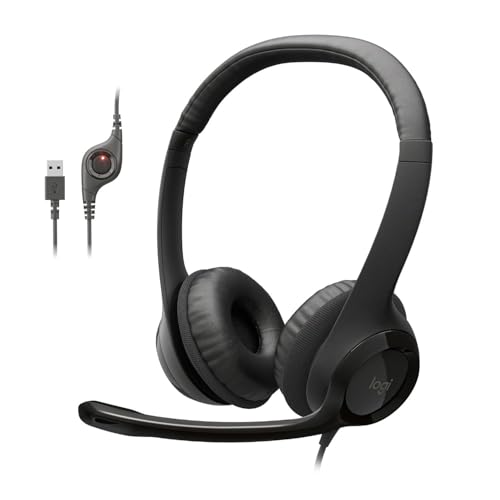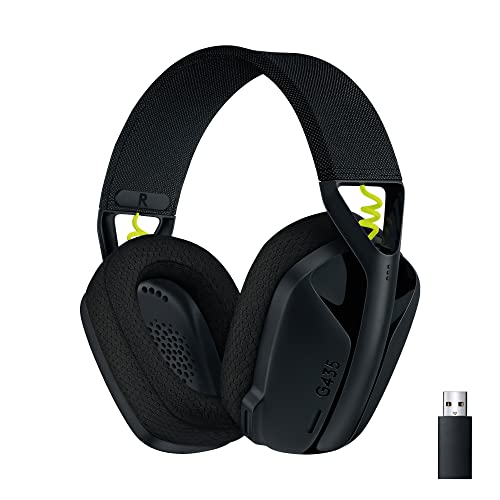
Disclosure: As an Amazon Associate, kajuandouglas.com earns from qualifying purchases. Links to Amazon on this page are affiliate links; they cost you nothing extra. Listing details such as price and availability change often, so check the current Amazon listing before you buy.
If you have ever wondered what is surround sound on a headset, the short answer is: it is processing that makes two headphone drivers imitate a room full of speakers, so sounds seem to come from in front of you, behind you and to the sides instead of from inside your head. Gaming headsets advertise it as 7.1 surround, spatial audio or by brand names, and it is one of the most misunderstood features in the category.
This explainer covers how headset surround actually works, the difference between true multi-driver designs and the virtual processing almost every headset really uses, what it does for games and films, and when it makes things worse rather than better.
The short answer: Headset surround sound is almost always virtual: software takes multi-channel game or film audio and processes it with head-related cues so two drivers create the impression of direction. It can widen the sound and help you place effects, but a good stereo image often matters more, and many games now include their own spatial audio that works with any headset.
What Is Surround Sound on a Headset
In this guide
Gear for This Guide

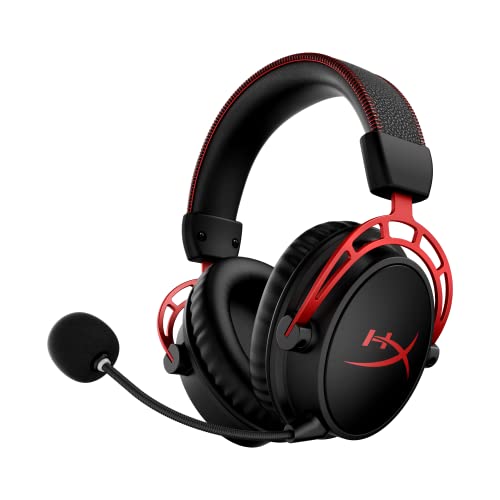
HyperX Cloud Alpha Wireless Gaming Headset — Ships with DTS Headphone:X spatial audio — an example of licensed virtual surround processing built into a gaming headset. Check price on Amazon.

Logitech G PRO X 2 Lightspeed Wireless Gaming Headset — Offers DTS:X 2.0 surround processing alongside standard stereo, so you can compare both modes on the same hardware. Check price on Amazon.

HyperX Cloud Stinger 2 Gaming Headset — A more affordable headset with spatial audio support, showing the feature now reaches well beyond flagship models. Check price on Amazon.
The Basic Idea: Speakers You Wear in Software
A home-cinema surround system places physical speakers around you: front, centre, sides and rear. Games and films are mixed for those channels, so a sound mixed for the rear-left speaker genuinely comes from behind your left shoulder. A headset has only two drivers, one per ear, so it cannot place a speaker behind you. Surround processing bridges that gap by taking the multi-channel mix and re-rendering it for two ears, using timing, volume and tonal cues that mimic how your ears and head naturally shape sounds arriving from different directions.
Those cues are called head-related transfer functions, and they are the reason the trick works at all: your brain already locates sounds by comparing the slightly different signals at each ear. Feed each ear a carefully filtered version of a rear-channel sound — a touch quieter, a fraction later, with the high frequencies shaded as if your outer ear were in the way — and your brain places it behind you. It is an illusion, but a well-engineered one.
Virtual Surround vs ‘True’ Surround Headsets
Almost every surround headset on sale uses virtual processing, whatever the box implies. A small number of headsets have genuinely packed multiple small drivers into each cup at different angles. In practice the virtual approach won: multiple tiny drivers are hard to position consistently across different heads, while software processing is tuneable, cheaper and works with any content. When you see ‘7.1’ on a headset, read it as ‘processes a 7.1 input signal’, not ‘contains seven speakers and a subwoofer’.
The processing may live in the headset’s USB hardware, in companion software on your PC, in the console, or in the game itself. Windows, PlayStation and Xbox all offer system-level spatial audio options, and many modern games ship with their own headphone spatial mixes. This layering matters: running two surround systems at once — the game’s and the headset’s — double-processes the audio and usually sounds worse than either alone. Pick one layer and turn the others off.
What Surround Does for Games
In games, the benefit is directional awareness: footsteps, reloads and vehicles gain a sense of placement around you, and the overall presentation feels more like a space than a stereo pair. Competitive players are divided on it — some swear by the wider stage, others find processing smears the precise imaging that good stereo provides, making exact distances harder to judge. Both experiences are real, because implementations vary in quality and ears vary in how they respond to generic head-related cues.
The honest way to decide is a test: play a familiar game in stereo for a session, then with surround for a session, in a mode where you can replay the same scenarios. If your awareness genuinely improves, keep it. If sounds feel distant or hollow, your ears are telling you the generic processing does not match your hearing, and stereo is your better tool. Headsets like surround-capable gaming headsets like the Logitech G PRO X 2 in our PC roundup make this easy by letting you toggle modes in software.
What Surround Does for Films and Music
Films mixed in surround benefit more consistently, because the processing recreates the cinema layout the mix was designed for: dialogue anchored centrally, effects moving around you. Most listeners find film surround an easy win. Music is the opposite case: recordings are mixed for two speakers or stereo headphones, and running them through surround processing usually adds artificial spaciousness, odd reverb and tonal shifts that the artist never intended. The near-universal advice is stereo for music, surround for film and games where it helps.
Key Terms, Translated
- 5.1 / 7.1: the number of audio channels in the source mix (five or seven main channels, plus one low-effects channel) — not the number of drivers in the headset.
- Virtual surround / spatial audio: software processing that renders multi-channel audio for two ears. Different brands license different engines.
- HRTF: head-related transfer function — the set of cues your ears and head apply to sounds from each direction, which the processing imitates.
- Soundstage: the perceived width and depth of the audio scene. Surround processing usually widens it; whether it sharpens placement varies.
- Object-based audio (such as Dolby Atmos for Headphones): audio mixed as moving objects rather than fixed channels, rendered to your ears in real time.
Common Misconceptions About Headset Surround
The first misconception is that a surround headset hears more than a stereo one. Both receive the same game audio; surround changes the presentation, not the information. The second is that surround is automatically a competitive advantage — at best it is a personal-preference advantage, and plenty of professionals play in stereo. The third is that more processing layers mean more surround: stacked processing degrades the result, always. The fourth is that the feature justifies a big price premium on its own; it is software, widely licensed, and present on modest headsets too.
Finally, surround is sometimes blamed for ‘bad sound’ that is really a configuration problem — the headset processing a stereo source as if it were multi-channel, or a console and a headset both processing at once. Before judging the feature, confirm the source is actually a surround mix and only one processor is active. The headsets gathered in surround sound headsets for PC in one list list their surround approach plainly, which makes that check easier.
So, Do You Need Surround on a Headset?
Need is too strong a word; value depends on your content. If you play cinematic games and watch films on the headset, a good implementation adds real atmosphere. If you play competitively, treat it as an experiment, not a promise. If you listen mostly to music and calls, it is irrelevant — leave it off and spend on fit and drivers instead. Understanding the feature, as you now do, is worth more than the feature itself, because you will never again pay a premium for the words ‘7.1’ on a box. For the neighbouring format question, gaming headset vs headphones compares gaming headsets with plain headphones, and headset impedance explained explains the specification sheet’s other mystery number.
Surround on Consoles vs PC
Where the processing lives differs by platform, and knowing yours prevents double-processing. On PlayStation, the console itself offers 3D audio that works with any headset connected to it, so a headset’s own surround should generally be left off there. Xbox offers its own spatial sound formats in system settings, licensable per user or included depending on the option. On PC, the choice is widest: the game’s own audio settings, the operating system’s spatial sound, the headset’s software — three possible processors, of which you should run exactly one. The rule travels well: find every surround toggle in your chain, switch them all off, then enable them one at a time and keep the single one that sounds best to you.
Also check the source format. A game outputting stereo to a headset that is upmixing it to fake surround is the worst of both worlds — spacious-sounding but vague. Most modern games detect headphones and offer a dedicated headphone mix; choosing that in the game’s audio menu is often a bigger upgrade than any headset feature, and it is free.
A Simple Listening Test You Can Do Tonight
Load a game with a busy soundscape — a city street, a battlefield, a racing grid — and find a spot where sounds happen behind you. Close your eyes and turn slowly. In stereo, note how precisely you can point to off-screen sounds. Then enable one surround mode and repeat. Judge two things separately: width (does the world feel bigger?) and placement (can you point more accurately?). Keep the mode that improves placement, not just width — width is pleasant, placement is useful, and confusing the two is how surround earns both its fans and its critics.
Height, Atmos and the Newer Vocabulary
Recent marketing adds height to the surround story: object-based formats can place sounds above you as well as around, rendered through the same two drivers with the same psychoacoustic trickery. In films and games mixed for it, the effect can be striking — rain that seems to fall from above, aircraft that pass overhead. The honest caveats travel with it: the content must be mixed in the format, the rendering quality varies, and your ears must cooperate with the generic cues. Treat height support as a welcome bonus on a headset you already like, never as the reason to buy one, and the technology will only ever pleasantly surprise you.
Surround for Accessibility and Awareness
An underappreciated angle: spatial presentation can genuinely help some players follow busy soundscapes, separating dialogue from effects and action from ambience more legibly than a dense stereo mix. Games increasingly offer their own accessibility audio options — mono modes, visual sound indicators, dialogue boosts — which deserve exploration alongside headset features, because the best solution to ‘I cannot follow the audio’ is often in the game’s menu rather than the headset’s box. Conversely, players who find processed audio fatiguing or disorienting should feel no pressure to use it: stereo is not a lesser mode, it is the original one, and comfort outranks features.
The One-Paragraph Summary to Carry Shopping
Surround on a headset is software pretending, skilfully, to be speakers around you. It costs little, sometimes helps a lot, and never replaces good stereo imaging, fit or drivers. Most games and both console platforms can provide it without a special headset. So buy the headset that fits your head, your platform and your microphone needs — then experiment with surround, in one layer at a time, and keep it only if your own ears vote for it. That is the whole subject, demystified.
Frequently Asked Questions
Does a 7.1 headset have seven speakers in it?
Almost certainly not. The 7.1 label means the headset accepts and processes a 7.1-channel audio signal, rendering it through two drivers using virtual surround processing. A handful of multi-driver headsets exist, but they are rare exceptions, and virtual processing is generally considered the better approach anyway.
Is surround sound better for competitive gaming?
It depends on the player and the implementation. Some players place sounds more easily with surround processing; others find it blurs the precise imaging of good stereo. Many games now include their own spatial audio designed for any headset. Test both modes in a familiar game and keep the one where your awareness is genuinely better.
Should I use surround sound for music?
Generally no. Music is mixed for stereo, and surround processing adds artificial spaciousness and tonal changes the recording was not designed for. Most listeners prefer music in plain stereo. If your headset applies surround automatically, look for a music or stereo mode in its software.
Can I get surround sound on any headset?
Often, yes. Operating systems and consoles offer spatial audio processing that works with any stereo headset, and many games include their own headphone mixes. Dedicated gaming headsets bundle their own licensed processing, but the feature is not exclusive to them — which is worth knowing before paying a premium for it.
Why does surround sound make my game sound hollow?
Usually because two processors are running at once — the game’s spatial audio plus the headset’s — or because the processing does not suit your ears. Turn off one layer and test again. If it still sounds hollow in a single-processor setup, your hearing simply responds better to stereo, which is common and not a fault.
What is the difference between Dolby Atmos for Headphones and regular virtual surround?
Traditional virtual surround works from fixed channels (5.1 or 7.1). Atmos is object-based: sounds are placed as objects in a 3D space and rendered to your ears in real time, including height information. In practice both aim at the same illusion, and implementation quality matters more than which system you choose.
How the Illusion Is Built: Cues Your Brain Already Uses
Surround sound on a headset is an act of persuasion: two drivers, sitting on your ears, must convince a brain that evolved to localise sound in open space that events are happening behind, above and across a room that does not exist. The persuasion uses the same cues your hearing relies on outdoors — timing and level differences between ears, and the subtle filtering your own ears and head apply to sounds from each direction. Understanding those cues explains both the magic and the disappointment: why one listener swears by virtual surround and another hears only a wider, stranger stereo. This section explains the machinery honestly, including where the illusion reliably works, where it collapses, and how content choice decides most of the result before any setting is touched.
First Principles Worth Keeping in View
Read with the underlying principles in mind, this stops being a footnote and becomes the part of surround sound on a headset that you will actually live with in games, films and everyday listening, day after ordinary day. A headset has two drivers, one per ear, so every surround effect you hear is a stereo signal processed to trick your brain’s location system, not seven speakers in miniature. Hold that thought alongside everything else in this guide, and surround sound on a headset becomes a decision you can explain, defend and, most importantly, stop revisiting in games, films and everyday listening.
Anyone currently surround sound on a headset eventually runs into the underlying principles, usually at the least convenient moment, so it deserves a clear-eyed look here rather than a surprised one later on. Worth a sticky note, if surround sound on a headset is a weekly ritual for you. None of this needs to be perfect on day one; it needs to be understood well enough that surround sound on a headset improves with familiarity instead of slowly unravelling.
Where the Details Start to Matter
Fatigue is an early warning system — ringing, muffled hearing or needing to raise your voice after a session all mean the level or the duration was too much. Games are sneaky sources of loudness, because quiet exploration invites you to raise the volume and the next explosion arrives at that raised level. Use any volume limiting your device offers, especially for younger listeners, and treat it as a seatbelt rather than a challenge.
It is easy to treat the finer details as an afterthought while surround sound on a headset, yet experienced owners will tell you it decides more long-term satisfaction than the headline choice ever does. That holds in games, films and everyday listening as much as anywhere else. That is the durable lesson here, and it will still be true of surround sound on a headset long after the novelty of any particular model has worn completely off.
The Decision Checklist Before You Pay for a Surround Feature
When surround sound on a headset is the task, this decision is easy to underestimate. Keep the point in proportion, though: it refines surround sound on a headset rather than replacing the fundamentals, and it rewards attention rather than anxiety in games, films and everyday listening.
- Content first: Ask what you will feed it: games with proper spatial audio support reward the feature, while stereo music and older content give it little truthful information to work with.
- Implementation matters: Distinguish head-tracking designs, object-based game audio and simple channel upmixing, because they share a marketing word and almost nothing else.
- Your own sensitivity: Recognise that the illusion depends on how closely the generic ear model matches your ears; some listeners localise beautifully, others never do, and neither is wrong.
- Competitive versus cinematic aims: Decide whether you want directional information for play or envelopment for films, since the best processing for one can smear the other.
- The stereo baseline: Insist that the headset sounds good in plain stereo first; surround processing built on poor stereo is decoration on a weak foundation.
- Platform support reality: Confirm your console or PC actually outputs the spatial formats the headset advertises, because features die quietly at unsupported platforms.
Plenty of guides skip straight past this decision, which is a shame, since surround sound on a headset tends to succeed or fail on exactly these unglamorous details in the long run. A headset has two drivers, one per ear, so every surround effect you hear is a stereo signal processed to trick your brain’s location system, not seven speakers in miniature. That trick, called a head-related transfer function, filters sound the way your own ears and shoulders would, and it works better for some head shapes than others. File it under things worth checking once and benefiting from for years, which is the best bargain surround sound on a headset has to offer anyone.
Four Listening Tests That Reveal the Truth
For surround sound on a headset, four listening tests that reveal the truth matters more than its size suggests. Hold that thought alongside everything else in this guide, and surround sound on a headset becomes a decision you can explain, defend and, most importantly, stop revisiting in games, films and everyday listening.
Picture the most common version of this in real life: a player in a tense shooter round who hears a reload behind and to the left and turns before thinking, the illusion paying rent in a single moment. In this situation the sensible priorities reorder themselves. When a reload clicks behind your left shoulder, what matters is whether the processing placed it outside your head at a believable angle without smearing the footsteps you were already tracking. Surround earns its keep in that single turned head: one convincing rear cue, delivered cleanly, outweighs an evening of vague spaciousness.
Anyone currently surround sound on a headset eventually runs into four listening tests that reveal the truth, usually at the least convenient moment, so it deserves a clear-eyed look here rather than a surprised one later on. Some games ship their own binaural mix designed for headphones, and stacking the platform’s surround processing on top of it double-cooks the sound into confusion. None of this needs to be perfect on day one; it needs to be understood well enough that surround sound on a headset improves with familiarity instead of slowly unravelling.
Take a concrete everyday case: a film fan watching an Atmos-mixed storm scene who feels rain spread above the listening position rather than sitting inside their skull. There is also a time dimension to this scenario. Live with virtual surround for a month of films and the novelty of rain overhead gives way to a plainer question: does the processing keep dialogue anchored to the screen while weather, traffic and crowds spread convincingly around it? Weigh that centre-channel steadiness heavily, because a storm that wanders is a gimmick while a storm that stays placed is cinema.
It is easy to treat four listening tests that reveal the truth as an afterthought while surround sound on a headset, yet experienced owners will tell you it decides more long-term satisfaction than the headline choice ever does. If a surround mode makes your own voice in chat sound peculiar, you will abandon it regardless of what it does for footsteps. That is the durable lesson here, and it will still be true of surround sound on a headset long after the novelty of any particular model has worn completely off.
Consider how this plays out in practice: a music lover who enables surround for a favourite album and immediately disables it, hearing only a hollow widening of a mix that was already finished. In this situation the sensible priorities reorder themselves. For stereo music the processing has nothing to place and plenty to disturb, so a clean unprocessed signal that leaves the original mix intact outranks any widening applied after the fact. Respect, for surround, belongs to the mode with an honest off switch — the one you leave without ceremony whenever a finished stereo recording asks to be left alone.
The honest way to approach four listening tests that reveal the truth while surround sound on a headset is to think in months rather than minutes, because that is the timescale on which its effects quietly accumulate in games, films and everyday listening. Keep the point in proportion, though: it refines surround sound on a headset rather than replacing the fundamentals, and it rewards attention rather than anxiety in games, films and everyday listening.
Consider how this plays out in practice: a strategy gamer for whom direction barely matters, discovering that clarity and comfort outrank spatial fireworks for their actual library. For a strategy library, the good outcome is not wider sound but clearer sound. Turn-based maps, long planning sessions and spoken briefings ask for intelligibility and comfort, not for rear channels that the game never authored. With nothing positional to render, a modest stereo headset already sounds right for this library, and forced processing only hollows out the voices you listen to all evening — so let your game list, not a feature checklist, settle it.
Plenty of guides skip straight past four listening tests that reveal the truth, which is a shame, since surround sound on a headset tends to succeed or fail on exactly these unglamorous details in the long run. You learn it once, in a familiar scene, and never unlearn it. File it under things worth checking once and benefiting from for years, which is the best bargain surround sound on a headset has to offer anyone.
Settings, Content and the Honest Limits
Here is the part of surround sound on a headset that owners learn latest: settings, content and the honest limits. That, in short, is the practical heart of surround sound on a headset.
Fit Considerations in the Long Run
Anyone currently surround sound on a headset eventually runs into fit and comfort, usually at the least convenient moment, so it deserves a clear-eyed look here rather than a surprised one later on. If a surround mode makes your own voice in chat sound peculiar, you will abandon it regardless of what it does for footsteps. Head tracking, where a headset offers it, anchors the scene as you move, and its absence is why some virtual surround feels swimmy. None of this needs to be perfect on day one; it needs to be understood well enough that surround sound on a headset improves with familiarity instead of slowly unravelling.
It is easy to treat fit and comfort as an afterthought while surround sound on a headset, yet experienced owners will tell you it decides more long-term satisfaction than the headline choice ever does. Small thing, large echo, as so often with surround sound on a headset. That is the durable lesson here, and it will still be true of surround sound on a headset long after the novelty of any particular model has worn completely off.
Pads and Wear Parts Considerations in the Long Run
The honest way to approach pads and wear parts while surround sound on a headset is to think in months rather than minutes, because that is the timescale on which its effects quietly accumulate in games, films and everyday listening. Keep the point in proportion, though: it refines surround sound on a headset rather than replacing the fundamentals, and it rewards attention rather than anxiety in games, films and everyday listening.
Plenty of guides skip straight past pads and wear parts, which is a shame, since surround sound on a headset tends to succeed or fail on exactly these unglamorous details in the long run. Some games ship their own binaural mix designed for headphones, and stacking the platform’s surround processing on top of it double-cooks the sound into confusion. File it under things worth checking once and benefiting from for years, which is the best bargain surround sound on a headset has to offer anyone.
Sound Considerations in the Long Run
Read with sound quality in mind, this stops being a footnote and becomes the part of surround sound on a headset that you will actually live with in games, films and everyday listening, day after ordinary day. Hold that thought alongside everything else in this guide, and surround sound on a headset becomes a decision you can explain, defend and, most importantly, stop revisiting in games, films and everyday listening.
Anyone currently surround sound on a headset eventually runs into sound quality, usually at the least convenient moment, so it deserves a clear-eyed look here rather than a surprised one later on. A headset has two drivers, one per ear, so every surround effect you hear is a stereo signal processed to trick your brain’s location system, not seven speakers in miniature. None of this needs to be perfect on day one; it needs to be understood well enough that surround sound on a headset improves with familiarity instead of slowly unravelling.
Connections Considerations in the Long Run
It is easy to treat connection behaviour as an afterthought while surround sound on a headset, yet experienced owners will tell you it decides more long-term satisfaction than the headline choice ever does. Films mixed for surround give the processing real material to work with — rain that genuinely surrounds, a door that closes behind the camera — while a stereo song mostly gains artificial width. That is the durable lesson here, and it will still be true of surround sound on a headset long after the novelty of any particular model has worn completely off.
The honest way to approach connection behaviour while surround sound on a headset is to think in months rather than minutes, because that is the timescale on which its effects quietly accumulate in games, films and everyday listening. Keep the point in proportion, though: it refines surround sound on a headset rather than replacing the fundamentals, and it rewards attention rather than anxiety in games, films and everyday listening.
Battery Considerations in the Long Run
Plenty of guides skip straight past battery life and charging, which is a shame, since surround sound on a headset tends to succeed or fail on exactly these unglamorous details in the long run. If a surround mode makes your own voice in chat sound peculiar, you will abandon it regardless of what it does for footsteps. Head tracking, where a headset offers it, anchors the scene as you move, and its absence is why some virtual surround feels swimmy. File it under things worth checking once and benefiting from for years, which is the best bargain surround sound on a headset has to offer anyone.
Read with battery life and charging in mind, this stops being a footnote and becomes the part of surround sound on a headset that you will actually live with in games, films and everyday listening, day after ordinary day. A headset has two drivers, one per ear, so every surround effect you hear is a stereo signal processed to trick your brain’s location system, not seven speakers in miniature. Hold that thought alongside everything else in this guide, and surround sound on a headset becomes a decision you can explain, defend and, most importantly, stop revisiting in games, films and everyday listening.
Care Considerations in the Long Run
Anyone currently surround sound on a headset eventually runs into care and upkeep, usually at the least convenient moment, so it deserves a clear-eyed look here rather than a surprised one later on. None of this needs to be perfect on day one; it needs to be understood well enough that surround sound on a headset improves with familiarity instead of slowly unravelling.
It is easy to treat care and upkeep as an afterthought while surround sound on a headset, yet experienced owners will tell you it decides more long-term satisfaction than the headline choice ever does. Some games ship their own binaural mix designed for headphones, and stacking the platform’s surround processing on top of it double-cooks the sound into confusion. That is the durable lesson here, and it will still be true of surround sound on a headset long after the novelty of any particular model has worn completely off.
Platform Considerations in the Long Run
The honest way to approach platform and settings behaviour while surround sound on a headset is to think in months rather than minutes, because that is the timescale on which its effects quietly accumulate in games, films and everyday listening. If a surround mode makes your own voice in chat sound peculiar, you will abandon it regardless of what it does for footsteps. Keep the point in proportion, though: it refines surround sound on a headset rather than replacing the fundamentals, and it rewards attention rather than anxiety in games, films and everyday listening.
Plenty of guides skip straight past platform and settings behaviour, which is a shame, since surround sound on a headset tends to succeed or fail on exactly these unglamorous details in the long run. A headset has two drivers, one per ear, so every surround effect you hear is a stereo signal processed to trick your brain’s location system, not seven speakers in miniature. File it under things worth checking once and benefiting from for years, which is the best bargain surround sound on a headset has to offer anyone.
Going Further: Headset Details That Reward a Second Look
For surround sound on a headset, the finer details matters more than its size suggests. Hold that thought alongside everything else in this guide, and surround sound on a headset becomes a decision you can explain, defend and, most importantly, stop revisiting in games, films and everyday listening.
Anyone currently surround sound on a headset eventually runs into the finer details, usually at the least convenient moment, so it deserves a clear-eyed look here rather than a surprised one later on. Some games ship their own binaural mix designed for headphones, and stacking the platform’s surround processing on top of it double-cooks the sound into confusion. Your brain learns a processing style over days, so judging a surround mode in ninety seconds judges your unfamiliarity as much as the technology. None of this needs to be perfect on day one; it needs to be understood well enough that surround sound on a headset improves with familiarity instead of slowly unravelling.
It is easy to treat the finer details as an afterthought while surround sound on a headset, yet experienced owners will tell you it decides more long-term satisfaction than the headline choice ever does. If a surround mode makes your own voice in chat sound peculiar, you will abandon it regardless of what it does for footsteps. That is the durable lesson here, and it will still be true of surround sound on a headset long after the novelty of any particular model has worn completely off.
The honest way to approach the finer details while surround sound on a headset is to think in months rather than minutes, because that is the timescale on which its effects quietly accumulate in games, films and everyday listening. A headset has two drivers, one per ear, so every surround effect you hear is a stereo signal processed to trick your brain’s location system, not seven speakers in miniature. Keep the point in proportion, though: it refines surround sound on a headset rather than replacing the fundamentals, and it rewards attention rather than anxiety in games, films and everyday listening.
Plenty of guides skip straight past the finer details, which is a shame, since surround sound on a headset tends to succeed or fail on exactly these unglamorous details in the long run. Films mixed for surround give the processing real material to work with — rain that genuinely surrounds, a door that closes behind the camera — while a stereo song mostly gains artificial width. File it under things worth checking once and benefiting from for years, which is the best bargain surround sound on a headset has to offer anyone.
Read with the finer details in mind, this stops being a footnote and becomes the part of surround sound on a headset that you will actually live with in games, films and everyday listening, day after ordinary day. Some games ship their own binaural mix designed for headphones, and stacking the platform’s surround processing on top of it double-cooks the sound into confusion. Hold that thought alongside everything else in this guide, and surround sound on a headset becomes a decision you can explain, defend and, most importantly, stop revisiting in games, films and everyday listening.
Anyone currently surround sound on a headset eventually runs into the finer details, usually at the least convenient moment, so it deserves a clear-eyed look here rather than a surprised one later on. If a surround mode makes your own voice in chat sound peculiar, you will abandon it regardless of what it does for footsteps. Head tracking, where a headset offers it, anchors the scene as you move, and its absence is why some virtual surround feels swimmy. None of this needs to be perfect on day one; it needs to be understood well enough that surround sound on a headset improves with familiarity instead of slowly unravelling.
It is easy to treat the finer details as an afterthought while surround sound on a headset, yet experienced owners will tell you it decides more long-term satisfaction than the headline choice ever does. A headset has two drivers, one per ear, so every surround effect you hear is a stereo signal processed to trick your brain’s location system, not seven speakers in miniature. That is the durable lesson here, and it will still be true of surround sound on a headset long after the novelty of any particular model has worn completely off.
The honest way to approach the finer details while surround sound on a headset is to think in months rather than minutes, because that is the timescale on which its effects quietly accumulate in games, films and everyday listening. Films mixed for surround give the processing real material to work with — rain that genuinely surrounds, a door that closes behind the camera — while a stereo song mostly gains artificial width. Keep the point in proportion, though: it refines surround sound on a headset rather than replacing the fundamentals, and it rewards attention rather than anxiety in games, films and everyday listening.
Plenty of guides skip straight past the finer details, which is a shame, since surround sound on a headset tends to succeed or fail on exactly these unglamorous details in the long run. It sounds minor until a footstep has to be behind you, exactly. File it under things worth checking once and benefiting from for years, which is the best bargain surround sound on a headset has to offer anyone.
Read with the finer details in mind, this stops being a footnote and becomes the part of surround sound on a headset that you will actually live with in games, films and everyday listening, day after ordinary day. Hold that thought alongside everything else in this guide, and surround sound on a headset becomes a decision you can explain, defend and, most importantly, stop revisiting in games, films and everyday listening.
Anyone currently surround sound on a headset eventually runs into the finer details, usually at the least convenient moment, so it deserves a clear-eyed look here rather than a surprised one later on. Small thing, large echo, as so often with surround sound on a headset. None of this needs to be perfect on day one; it needs to be understood well enough that surround sound on a headset improves with familiarity instead of slowly unravelling.
It is easy to treat the finer details as an afterthought while surround sound on a headset, yet experienced owners will tell you it decides more long-term satisfaction than the headline choice ever does. Films mixed for surround give the processing real material to work with — rain that genuinely surrounds, a door that closes behind the camera — while a stereo song mostly gains artificial width. A 7.1 badge on the box describes the input the software accepts, not the number of drivers, and a well-tuned stereo pair can out-image a poorly processed surround claim. That is the durable lesson here, and it will still be true of surround sound on a headset long after the novelty of any particular model has worn completely off.
Related Guides
Is virtual surround as good as a real speaker surround system?
It is a different achievement rather than a lesser copy. Speakers give your whole body the room’s acoustics and true physical directions; a headset gives precision, privacy and consistency at any hour. For positional cues in games the headset can be superb; for the physical pressure of a film’s biggest moments, speakers keep their crown.
Should I leave surround on for everything?
Probably not. Music is mixed for stereo and usually suffers under spatial processing, and competitive players often prefer a game’s own spatial audio without a second layer on top. Treat surround as a per-content choice, the way you would a picture mode on a television.