Disclosure: As an Amazon Associate, kajuandouglas.com earns from qualifying purchases. Links to Amazon on this page are affiliate links; they cost you nothing extra. Listing details such as price and availability change often, so check the current Amazon listing before you buy.
The over ear vs on ear headset choice sounds like a small ergonomic detail, but it decides how a headset feels at hour three, how much of the room you hear, and whether your ears ache by the end of a workday. Over-ear cups surround your ears completely; on-ear pads rest directly on them. Everything else — isolation, heat, portability, even how bass feels — follows from that one difference in where the pressure lands.
This comparison covers comfort over long sessions, sound and isolation, glasses and heat, portability, and the people each design quietly suits best, so you can choose by your routine rather than by habit.
Quick verdict: Choose over-ear for long sessions, better isolation, fuller sound and glasses-friendliness — it is the default for gaming and desk work. Choose on-ear if you run hot, want something light and portable, need to hear your surroundings, or take short calls rather than wearing a headset all day. Pressure-sensitive ears are the strongest argument against on-ear designs.
Gear for This Guide
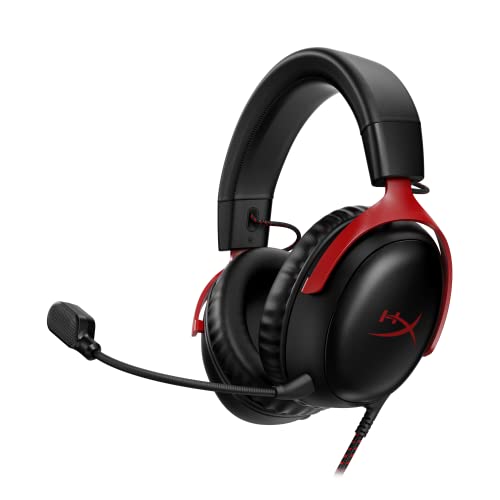
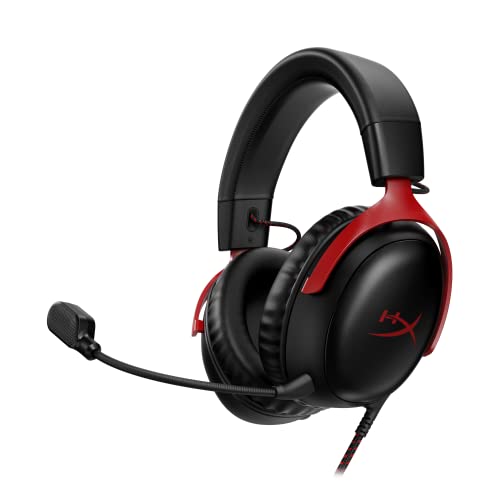
HyperX Cloud III Wired Gaming Headset — An over-ear reference with memory-foam cushions designed for multi-hour sessions. Check price on Amazon.

Poly Voyager 5200 Wireless Headset — The extreme on-ear alternative: a single-ear design that leaves you fully aware of the room, built for calls on the move. Check price on Amazon.

BlueParrott B450-XT Bluetooth Headset — A single over-ear cup design for drivers — proof that ‘over-ear’ also exists in mono form for people who need one ear open. Check price on Amazon.
In this guide
Over Ear vs On Ear Headset: Side-by-Side Comparison
| Criterion | Over-ear headset | On-ear headset |
|---|---|---|
| Where pressure lands | Around the ear, on the head | Directly on the ear itself |
| Long-session comfort | Generally better; weight spread widely | Can ache after one to two hours for many people |
| Isolation | Good seal, blocks more room noise | Leaks both ways; you hear the room |
| Heat | Warmer — ears enclosed | Cooler — ears partly open to air |
| Sound character | Fuller bass, larger sense of space | Lighter bass, more immediate presentation |
| Size and portability | Bulkier; needs desk space or a case | Smaller, lighter, easier to carry |
| Glasses | Soft deep pads usually coexist well | Pads press glasses arms into the ear |
The pattern in the table is consistent: over-ear trades size for comfort and isolation, on-ear trades isolation for lightness and awareness. The sections below test that pattern against the situations that actually come up — long workdays, glasses, hot rooms and travel.
Comfort Over Long Sessions
Comfort is where this comparison is usually decided. An over-ear design spreads clamping force around the ear across the side of the head, and with soft pads most people can wear one for a full workday with only minor awareness of it. An on-ear design concentrates the same force on the ear itself — a small, sensitive structure that was not designed to be pressed for hours. Many on-ear wearers are fine for calls and commutes; far fewer are fine at hour six.
Individual variation is real: head size, ear shape and sensitivity differ, and a light on-ear with gentle clamp can beat a heavy over-ear for some people. But as a default for all-day wear, over-ear is the safer bet, which is why the work and gaming picks in over-ear headsets picked for work are overwhelmingly over-ear designs with memory-foam cushions.
Isolation and Sound
The over-ear seal blocks a meaningful amount of room noise and keeps your audio private; the on-ear pad, resting on the ear with a smaller seal, lets sound pass in both directions. In a quiet home office that hardly matters. In a shared space, on-ear wearers turn the volume up to compete with the room — the same trap as open-back designs — while colleagues hear a murmur of their calls.
Bass follows the seal: over-ear designs deliver fuller low end because the enclosed volume couples the driver to the ear effectively. On-ear sound is often described as lighter and more immediate — perfectly enjoyable for calls, podcasts and casual listening, less cinematic for games and films. For voice-first work, where intelligibility lives in the midrange, both designs perform equally well, which is why mono on-ear headsets thrive in driving and dispatch roles like single-ear headsets for truck drivers.
Glasses, Heat and Hair
Glasses wearers usually prefer over-ear: deep, soft pads let the frames’ arms pass with tolerable pressure, though very firm pads can still press. On-ear pads press the arms directly into the ear, which many glasses wearers find painful within the hour. If you wear glasses and must go on-ear, look for the softest pads and lightest clamp you can find, and use a generous return window.
Heat argues the other way. Enclosed ears get warm, and in hot climates or summer offices, on-ear designs — and especially single-ear designs — are noticeably cooler. Hairstyles matter too: over-ear headbands flatten hair across the crown, while smaller on-ear bands disturb less. These are small things that, repeated daily, stop being small.
Portability and Awareness
On-ear headsets are smaller, lighter and more likely to fold flat, suiting commuters and hybrid workers who carry their headset between home and office. Over-ear models travel too, but they claim real bag space and usually want a case. Awareness is on-ear’s other genuine advantage: roles that require hearing the room — parents within earshot of children, drivers, warehouse and retail staff — are served by designs that do not seal the world out, up to and including single-ear headsets.
Who Each Option Suits
Choose over-ear if you wear a headset for long stretches, game or work in a shared or noisy space, wear glasses, or want the fullest sound. Choose on-ear if your calls are short, you move around and travel light, you run warm, or you must stay aware of your surroundings. If you split the difference — medium sessions, mild noise — over-ear with breathable pads is the compromise most people settle into happily.
Whichever you pick, test it across a full typical day inside the return window; comfort judgements made in ten minutes are unreliable in both directions. Fit interacts with everything else in a headset purchase, so read how to choose a headset alongside this comparison, and see the current over-ear favourites gathered in over-ear gaming headsets in our roundup.
Ear Size, Head Size and Other Honest Variables
Bodies differ, and this comparison bends around them. People with larger ears may find some ‘over-ear’ cups are really ‘on-ear for them’, because the pad opening decides the category more than the marketing does — if your ears do not fit inside the cups, you get on-ear pressure with over-ear bulk, the worst of both. People with smaller heads sometimes find over-ear models slide and on-ear models stay planted. Piercings, hearing aids and sensitive ears all vote in this election too. The lesson is that ‘over-ear’ and ‘on-ear’ are descriptions of intent; your ears cast the deciding ballot, which is why the full-day trial inside a return window appears in this guide like a refrain.
Children deserve a specific mention: smaller heads and ears change the geometry entirely, and designs sized for adults rarely map down. Purpose-sized headsets for younger users, with volume limiting, solve the fit and the safety question together, and hand-me-down adult on-ear models are the option most likely to be abandoned in a drawer.
What the Professionals in Each Job Actually Wear
Occupational patterns are a useful cheat sheet. Call-centre and office workers overwhelmingly wear over-ear or single-ear designs — the two ends of the spectrum — because their days are long and their needs are voice and either isolation or awareness. Pilots and dispatchers use specialised over-ear or single-ear sets built for their radios. Broadcasters wear over-ear for isolation from their own studios. Commuters split by journey length. Almost nobody whose job involves wearing a headset for six hours chooses a standard on-ear stereo design, and that professional consensus, built over millions of shifts, is data you can borrow for free.
Sound Leakage and Privacy at Work
The workplace adds a dimension home users forget: confidentiality. An on-ear headset leaks a murmur of your calls into the room — rarely intelligible, but present — and in genuinely sensitive conversations, that murmur plus your own audible side of the call can be more disclosure than an employer or client would accept. Over-ear designs contain the incoming side almost entirely. In open-plan offices the difference matters in the other direction too: your colleagues’ calls leaking from their on-ear headsets become your background noise. Offices standardising on headsets for hybrid work have largely settled on over-ear for exactly these twin reasons, and home workers taking client calls with family in earshot might borrow the logic.
Exercise, Movement and Outdoor Use
Movement reshuffles the comparison. Over-ear headsets stay put through desk work but bounce and heat up during anything athletic; on-ear designs are lighter but can work loose with motion; both are honestly outclassed for exercise by purpose-built sports earbuds, which is worth admitting in a guide about headsets. For walking calls and light movement around a home or office, on-ear’s lightness and awareness are virtues — you hear the doorbell, the kettle and the child — while over-ear’s seal is a small hazard anywhere traffic exists. Match the design to the motion: seated hours argue over-ear, roaming hours argue on-ear or single-ear, and true workouts argue for different gear entirely.
Trying Both Without Buying Both
If your budget allows one purchase and your heart is undecided, simulate the decision: borrow or trial each design for a full day of your real routine, in your real rooms, at your real tasks. Comfort and awareness reveal themselves across hours, not minutes, and the design that wins your Tuesday will win your year. Retailers’ return windows exist for exactly this experiment. The only wrong method is choosing by the mirror — both designs look fine; they feel different, and feeling is the whole subject of this comparison.
Frequently Asked Questions
Which is more comfortable for all-day wear?
Over-ear, for most people. Spreading pressure around the ear rather than on it, plus deeper cushioning, makes multi-hour sessions much easier. A minority of wearers with small heads or heat sensitivity prefer a light on-ear design, but as a default recommendation for full workdays, over-ear wins clearly.
Do on-ear headsets hurt your ears?
They can, because the pads press directly on the ear and the clamping force is concentrated on a small area. Light models with soft pads and gentle clamp are comfortable for an hour or two for most people. If you are sensitive to pressure or wear glasses, test carefully during the return window or default to over-ear.
Which has better sound quality?
Neither design is inherently better, but over-ear models more easily deliver full bass and isolation, which most listeners experience as richer sound. On-ear models sound lighter and more open. For voice calls the difference is negligible; for games and music, over-ear usually feels more immersive.
Are on-ear headsets better for hot weather?
Yes — ears stay partly open to the air, so on-ear designs run noticeably cooler, and single-ear designs coolest of all. If heat is your main complaint with an over-ear headset, breathable fabric pads are the middle path before switching designs entirely.
Can I wear an on-ear headset with glasses?
You can, but it is the combination most likely to cause discomfort, since the pad presses the glasses arm into your ear. Soft pads, a light clamp and taking breaks help. Most glasses wearers who try both end up choosing over-ear with deep, soft cushions.
Is a single-ear headset a good compromise?
For call-heavy roles where awareness matters — driving, dispatch, reception, parents at home — yes, it is often the best tool rather than a compromise. For music and gaming it gives up too much. Judge it as a specialist design for voice and awareness, and it excels.
Geometry and Pressure: How Each Design Treats the Ear
Over-ear and on-ear headsets divide on a deceptively simple question — where does the cushion land? Around the ear, spreading pressure across the skull and sealing a chamber; or on the ear itself, trading that chamber for compactness, lightness and air. From that one geometric choice flow most of the differences owners actually live with: heat across a long session, stability during movement, how glasses are tolerated, how much of the room you hear, and whether the headset still feels kind in hour three. This section follows those consequences honestly, because fit is the least returnable property a headset has — you cannot patch it with a setting, and no specification sheet will warn you about your own ears.
First Principles Worth Keeping in View
Read with the underlying principles in mind, this stops being a footnote and becomes the part of choosing between over-ear and on-ear headsets that you will actually live with across long days, commutes and shared spaces, day after ordinary day. Over-ear cups move the contact point from your ear itself to the skull around it, which is why they can be worn through a film, a flight and a workday back to back. Hold that thought alongside everything else in this guide, and choosing between over-ear and on-ear headsets becomes a decision you can explain, defend and, most importantly, stop revisiting across long days, commutes and shared spaces.
Anyone currently choosing between over-ear and on-ear headsets eventually runs into the underlying principles, usually at the least convenient moment, so it deserves a clear-eyed look here rather than a surprised one later on. Leakage runs against the compact design: on-ear pads rarely seal fully, so your music escapes and the train carriage’s noise walks in. None of this needs to be perfect on day one; it needs to be understood well enough that choosing between over-ear and on-ear headsets improves with familiarity instead of slowly unravelling.
Where the Details Start to Matter
It is easy to treat the finer details as an afterthought while choosing between over-ear and on-ear headsets, yet experienced owners will tell you it decides more long-term satisfaction than the headline choice ever does. On-ear bass can surprise — with a firm seal against the ear it punches well — but it varies with every repositioning in a way over-ear bass mostly does not. That is the durable lesson here, and it will still be true of choosing between over-ear and on-ear headsets long after the novelty of any particular model has worn completely off.
The honest way to approach the finer details while choosing between over-ear and on-ear headsets is to think in months rather than minutes, because that is the timescale on which its effects quietly accumulate across long days, commutes and shared spaces. Keep the point in proportion, though: it refines choosing between over-ear and on-ear headsets rather than replacing the fundamentals, and it rewards attention rather than anxiety across long days, commutes and shared spaces.
The Decision Checklist Before You Choose a Fit
With choosing between over-ear and on-ear headsets as the goal, fit and comfort deserves its moment here. File it under things worth checking once and benefiting from for years, which is the best bargain choosing between over-ear and on-ear headsets has to offer anyone.
- Ear size and shape: Measure roughly and be honest: large or prominent ears need deep, generous cups, while smaller ears may find big over-ear designs sloppy and heavy for no benefit.
- Session length and heat: Grade your longest sessions and your room’s warmth; on-ear designs breathe better, over-ear designs seal better, and heat discomfort arrives on a schedule you can predict.
- Glasses and headwear: If arms, frames or a cap are permanent fixtures, test how each style treats them, because pressure on a glasses arm is a small pain that compounds hourly.
- Movement profile: Decide whether the headset must survive pacing, workouts-adjacent movement or just a desk chair; lighter on-ear designs often stay put where big cups wander.
- Isolation needs: Match the design to your room’s noise and your privacy needs, since the seal that over-ear designs offer is also their main acoustic advantage.
- Portability weight: If the headset travels daily, grams and folded size stop being trivia; a design you leave at home for its bulk has failed its job completely.
Read with fit and comfort in mind, this stops being a footnote and becomes the part of choosing between over-ear and on-ear headsets that you will actually live with across long days, commutes and shared spaces, day after ordinary day. Hold that thought alongside everything else in this guide, and choosing between over-ear and on-ear headsets becomes a decision you can explain, defend and, most importantly, stop revisiting across long days, commutes and shared spaces.
Four Heads, Four Different Verdicts
Here is the part of choosing between over-ear and on-ear headsets that owners learn latest: four heads, four different verdicts. None of this needs to be perfect on day one; it needs to be understood well enough that choosing between over-ear and on-ear headsets improves with familiarity instead of slowly unravelling.
Picture the most common version of this in real life: a glasses-wearing analyst in eight hours of calls who has learned that the wrong pressure point at 9am becomes the only thing they can think about by 3pm. There is also a time dimension to this scenario. For glasses wearers the verdict arrives slowly, temple arm by temple arm: an over-ear cushion that seals around the frame without pressing it into the skin stays kind at 3pm, while an on-ear pad parked on the same spot rarely does. So weight the eighth hour more than the first fitting, because pressure placement, not padding thickness, decides this contest.
It is easy to treat four heads, four different verdicts as an afterthought while choosing between over-ear and on-ear headsets, yet experienced owners will tell you it decides more long-term satisfaction than the headline choice ever does. Office air-conditioning and summer pavements argue opposite cases here, which is why the season of purchase skews opinions. A headset that slips off quickly and rests easily around the neck wins social points that no measurement graph captures. That is the durable lesson here, and it will still be true of choosing between over-ear and on-ear headsets long after the novelty of any particular model has worn completely off.
Take a concrete everyday case: a commuter who wants one headset for the train, the walk and the desk, where compactness and awareness of traffic argue against the big sealed cups at home. In this situation the sensible priorities reorder themselves. On the move, what counts is an on-ear that stays put turning for the train, keeps traffic audible at crossings, and slips flat into a jacket pocket at the desk. The commuter favourite is simply the one that survives the whole journey — train, pavement, desk — without once needing to be carried in a hand.
The honest way to approach four heads, four different verdicts while choosing between over-ear and on-ear headsets is to think in months rather than minutes, because that is the timescale on which its effects quietly accumulate across long days, commutes and shared spaces. Over-ear cups move the contact point from your ear itself to the skull around it, which is why they can be worn through a film, a flight and a workday back to back. Keep the point in proportion, though: it refines choosing between over-ear and on-ear headsets rather than replacing the fundamentals, and it rewards attention rather than anxiety across long days, commutes and shared spaces.
Picture the most common version of this in real life: a gamer in a warm room whose long evening sessions turn sealed cups into a sauna, and who values airflow more than the last degree of isolation. In this situation the sensible priorities reorder themselves. In a hot room the spec sheet goes quiet and ventilation starts talking: an on-ear that lets air move around the pinna will outlast a better-measuring over-ear once your ears start cooking. Loyalty here belongs to whichever design you forget you are wearing at midnight, and in summer that is rarely the one with the bigger sealed chamber.
Plenty of guides skip straight past four heads, four different verdicts, which is a shame, since choosing between over-ear and on-ear headsets tends to succeed or fail on exactly these unglamorous details in the long run. Leakage runs against the compact design: on-ear pads rarely seal fully, so your music escapes and the train carriage’s noise walks in. For small ears, an over-ear cup sized for the average adult can sit half on the cheek, breaking the seal its bass depends on; fit is personal in a way specifications hide. File it under things worth checking once and benefiting from for years, which is the best bargain choosing between over-ear and on-ear headsets has to offer anyone.
Take a concrete everyday case: a smaller-headed listener who finds most over-ear headsets swim on them, discovering that a well-made on-ear sits exactly where it is told. The deciding factor here is rarely the headline specification. For a smaller head the comparison collapses into geometry: where the pad lands, how much clamp keeps it there, and whether the driver stays centred over the ear canal. An on-ear that feels feather-light in the shop can still dig its edge in by the end of a film, while a correctly sized over-ear spreads its load until fit stops being a topic — so judge both across a full programme, not a shop-floor minute.
Read with four heads, four different verdicts in mind, this stops being a footnote and becomes the part of choosing between over-ear and on-ear headsets that you will actually live with across long days, commutes and shared spaces, day after ordinary day. Hold that thought alongside everything else in this guide, and choosing between over-ear and on-ear headsets becomes a decision you can explain, defend and, most importantly, stop revisiting across long days, commutes and shared spaces.
Living With the Fit: Heat, Glasses and Long Days
When choosing between over-ear and on-ear headsets is the task, fit and comfort is easy to underestimate. None of this needs to be perfect on day one; it needs to be understood well enough that choosing between over-ear and on-ear headsets improves with familiarity instead of slowly unravelling.
Pads and Wear Parts Considerations in the Long Run
It is easy to treat pads and wear parts as an afterthought while choosing between over-ear and on-ear headsets, yet experienced owners will tell you it decides more long-term satisfaction than the headline choice ever does. Over-ear cups move the contact point from your ear itself to the skull around it, which is why they can be worn through a film, a flight and a workday back to back. That is the durable lesson here, and it will still be true of choosing between over-ear and on-ear headsets long after the novelty of any particular model has worn completely off.
The honest way to approach pads and wear parts while choosing between over-ear and on-ear headsets is to think in months rather than minutes, because that is the timescale on which its effects quietly accumulate across long days, commutes and shared spaces. Keep the point in proportion, though: it refines choosing between over-ear and on-ear headsets rather than replacing the fundamentals, and it rewards attention rather than anxiety across long days, commutes and shared spaces.
Sound Considerations in the Long Run
Plenty of guides skip straight past sound quality, which is a shame, since choosing between over-ear and on-ear headsets tends to succeed or fail on exactly these unglamorous details in the long run. On-ear bass can surprise — with a firm seal against the ear it punches well — but it varies with every repositioning in a way over-ear bass mostly does not. File it under things worth checking once and benefiting from for years, which is the best bargain choosing between over-ear and on-ear headsets has to offer anyone.
Read with sound quality in mind, this stops being a footnote and becomes the part of choosing between over-ear and on-ear headsets that you will actually live with across long days, commutes and shared spaces, day after ordinary day. Office air-conditioning and summer pavements argue opposite cases here, which is why the season of purchase skews opinions. Hold that thought alongside everything else in this guide, and choosing between over-ear and on-ear headsets becomes a decision you can explain, defend and, most importantly, stop revisiting across long days, commutes and shared spaces.
Microphone Considerations in the Long Run
Anyone currently choosing between over-ear and on-ear headsets eventually runs into microphone behaviour, usually at the least convenient moment, so it deserves a clear-eyed look here rather than a surprised one later on. Over-ear cups move the contact point from your ear itself to the skull around it, which is why they can be worn through a film, a flight and a workday back to back. None of this needs to be perfect on day one; it needs to be understood well enough that choosing between over-ear and on-ear headsets improves with familiarity instead of slowly unravelling.
It is easy to treat microphone behaviour as an afterthought while choosing between over-ear and on-ear headsets, yet experienced owners will tell you it decides more long-term satisfaction than the headline choice ever does. Leakage runs against the compact design: on-ear pads rarely seal fully, so your music escapes and the train carriage’s noise walks in. True on day one, truer still in month six of choosing between over-ear and on-ear headsets. That is the durable lesson here, and it will still be true of choosing between over-ear and on-ear headsets long after the novelty of any particular model has worn completely off.
Battery Considerations in the Long Run
The honest way to approach battery life and charging while choosing between over-ear and on-ear headsets is to think in months rather than minutes, because that is the timescale on which its effects quietly accumulate across long days, commutes and shared spaces. On-ear bass can surprise — with a firm seal against the ear it punches well — but it varies with every repositioning in a way over-ear bass mostly does not. Keep the point in proportion, though: it refines choosing between over-ear and on-ear headsets rather than replacing the fundamentals, and it rewards attention rather than anxiety across long days, commutes and shared spaces.
Plenty of guides skip straight past battery life and charging, which is a shame, since choosing between over-ear and on-ear headsets tends to succeed or fail on exactly these unglamorous details in the long run. Office air-conditioning and summer pavements argue opposite cases here, which is why the season of purchase skews opinions. File it under things worth checking once and benefiting from for years, which is the best bargain choosing between over-ear and on-ear headsets has to offer anyone.
Care Considerations in the Long Run
Read with care and upkeep in mind, this stops being a footnote and becomes the part of choosing between over-ear and on-ear headsets that you will actually live with across long days, commutes and shared spaces, day after ordinary day. Hold that thought alongside everything else in this guide, and choosing between over-ear and on-ear headsets becomes a decision you can explain, defend and, most importantly, stop revisiting across long days, commutes and shared spaces.
Anyone currently choosing between over-ear and on-ear headsets eventually runs into care and upkeep, usually at the least convenient moment, so it deserves a clear-eyed look here rather than a surprised one later on. Leakage runs against the compact design: on-ear pads rarely seal fully, so your music escapes and the train carriage’s noise walks in. For small ears, an over-ear cup sized for the average adult can sit half on the cheek, breaking the seal its bass depends on; fit is personal in a way specifications hide. None of this needs to be perfect on day one; it needs to be understood well enough that choosing between over-ear and on-ear headsets improves with familiarity instead of slowly unravelling.
Hearing Considerations in the Long Run
It is easy to treat listening levels and hearing as an afterthought while choosing between over-ear and on-ear headsets, yet experienced owners will tell you it decides more long-term satisfaction than the headline choice ever does. On-ear bass can surprise — with a firm seal against the ear it punches well — but it varies with every repositioning in a way over-ear bass mostly does not. That is the durable lesson here, and it will still be true of choosing between over-ear and on-ear headsets long after the novelty of any particular model has worn completely off.
The honest way to approach listening levels and hearing while choosing between over-ear and on-ear headsets is to think in months rather than minutes, because that is the timescale on which its effects quietly accumulate across long days, commutes and shared spaces. Office air-conditioning and summer pavements argue opposite cases here, which is why the season of purchase skews opinions. Keep the point in proportion, though: it refines choosing between over-ear and on-ear headsets rather than replacing the fundamentals, and it rewards attention rather than anxiety across long days, commutes and shared spaces.
Platform Considerations in the Long Run
Plenty of guides skip straight past platform and settings behaviour, which is a shame, since choosing between over-ear and on-ear headsets tends to succeed or fail on exactly these unglamorous details in the long run. Over-ear cups move the contact point from your ear itself to the skull around it, which is why they can be worn through a film, a flight and a workday back to back. On-ear pads press directly on the cartilage, and that small, loaded patch of ear is where their comfort clock starts ticking for most people. File it under things worth checking once and benefiting from for years, which is the best bargain choosing between over-ear and on-ear headsets has to offer anyone.
Read with platform and settings behaviour in mind, this stops being a footnote and becomes the part of choosing between over-ear and on-ear headsets that you will actually live with across long days, commutes and shared spaces, day after ordinary day. Leakage runs against the compact design: on-ear pads rarely seal fully, so your music escapes and the train carriage’s noise walks in. Hold that thought alongside everything else in this guide, and choosing between over-ear and on-ear headsets becomes a decision you can explain, defend and, most importantly, stop revisiting across long days, commutes and shared spaces.
Going Further: Headset Details That Reward a Second Look
Here is the part of choosing between over-ear and on-ear headsets that owners learn latest: the finer details. None of this needs to be perfect on day one; it needs to be understood well enough that choosing between over-ear and on-ear headsets improves with familiarity instead of slowly unravelling.
It is easy to treat the finer details as an afterthought while choosing between over-ear and on-ear headsets, yet experienced owners will tell you it decides more long-term satisfaction than the headline choice ever does. Office air-conditioning and summer pavements argue opposite cases here, which is why the season of purchase skews opinions. That is the durable lesson here, and it will still be true of choosing between over-ear and on-ear headsets long after the novelty of any particular model has worn completely off.
The honest way to approach the finer details while choosing between over-ear and on-ear headsets is to think in months rather than minutes, because that is the timescale on which its effects quietly accumulate across long days, commutes and shared spaces. Over-ear cups move the contact point from your ear itself to the skull around it, which is why they can be worn through a film, a flight and a workday back to back. Keep the point in proportion, though: it refines choosing between over-ear and on-ear headsets rather than replacing the fundamentals, and it rewards attention rather than anxiety across long days, commutes and shared spaces.
Plenty of guides skip straight past the finer details, which is a shame, since choosing between over-ear and on-ear headsets tends to succeed or fail on exactly these unglamorous details in the long run. Leakage runs against the compact design: on-ear pads rarely seal fully, so your music escapes and the train carriage’s noise walks in. File it under things worth checking once and benefiting from for years, which is the best bargain choosing between over-ear and on-ear headsets has to offer anyone.
Read with the finer details in mind, this stops being a footnote and becomes the part of choosing between over-ear and on-ear headsets that you will actually live with across long days, commutes and shared spaces, day after ordinary day. On-ear bass can surprise — with a firm seal against the ear it punches well — but it varies with every repositioning in a way over-ear bass mostly does not. Hold that thought alongside everything else in this guide, and choosing between over-ear and on-ear headsets becomes a decision you can explain, defend and, most importantly, stop revisiting across long days, commutes and shared spaces.
Anyone currently choosing between over-ear and on-ear headsets eventually runs into the finer details, usually at the least convenient moment, so it deserves a clear-eyed look here rather than a surprised one later on. Worth a sticky note, if choosing between over-ear and on-ear headsets is a weekly ritual for you. None of this needs to be perfect on day one; it needs to be understood well enough that choosing between over-ear and on-ear headsets improves with familiarity instead of slowly unravelling.
It is easy to treat the finer details as an afterthought while choosing between over-ear and on-ear headsets, yet experienced owners will tell you it decides more long-term satisfaction than the headline choice ever does. Over-ear cups move the contact point from your ear itself to the skull around it, which is why they can be worn through a film, a flight and a workday back to back. That is the durable lesson here, and it will still be true of choosing between over-ear and on-ear headsets long after the novelty of any particular model has worn completely off.
The honest way to approach the finer details while choosing between over-ear and on-ear headsets is to think in months rather than minutes, because that is the timescale on which its effects quietly accumulate across long days, commutes and shared spaces. Leakage runs against the compact design: on-ear pads rarely seal fully, so your music escapes and the train carriage’s noise walks in. Keep the point in proportion, though: it refines choosing between over-ear and on-ear headsets rather than replacing the fundamentals, and it rewards attention rather than anxiety across long days, commutes and shared spaces.
Plenty of guides skip straight past the finer details, which is a shame, since choosing between over-ear and on-ear headsets tends to succeed or fail on exactly these unglamorous details in the long run. On-ear bass can surprise — with a firm seal against the ear it punches well — but it varies with every repositioning in a way over-ear bass mostly does not. File it under things worth checking once and benefiting from for years, which is the best bargain choosing between over-ear and on-ear headsets has to offer anyone.
Read with the finer details in mind, this stops being a footnote and becomes the part of choosing between over-ear and on-ear headsets that you will actually live with across long days, commutes and shared spaces, day after ordinary day. Hold that thought alongside everything else in this guide, and choosing between over-ear and on-ear headsets becomes a decision you can explain, defend and, most importantly, stop revisiting across long days, commutes and shared spaces.
Anyone currently choosing between over-ear and on-ear headsets eventually runs into the finer details, usually at the least convenient moment, so it deserves a clear-eyed look here rather than a surprised one later on. Small thing, large echo, as so often with choosing between over-ear and on-ear headsets. None of this needs to be perfect on day one; it needs to be understood well enough that choosing between over-ear and on-ear headsets improves with familiarity instead of slowly unravelling.
It is easy to treat the finer details as an afterthought while choosing between over-ear and on-ear headsets, yet experienced owners will tell you it decides more long-term satisfaction than the headline choice ever does. Leakage runs against the compact design: on-ear pads rarely seal fully, so your music escapes and the train carriage’s noise walks in. For small ears, an over-ear cup sized for the average adult can sit half on the cheek, breaking the seal its bass depends on; fit is personal in a way specifications hide. That is the durable lesson here, and it will still be true of choosing between over-ear and on-ear headsets long after the novelty of any particular model has worn completely off.
The honest way to approach the finer details while choosing between over-ear and on-ear headsets is to think in months rather than minutes, because that is the timescale on which its effects quietly accumulate across long days, commutes and shared spaces. On-ear bass can surprise — with a firm seal against the ear it punches well — but it varies with every repositioning in a way over-ear bass mostly does not. Keep the point in proportion, though: it refines choosing between over-ear and on-ear headsets rather than replacing the fundamentals, and it rewards attention rather than anxiety across long days, commutes and shared spaces.
Related Guides
Which is better for long sessions?
For most people, over-ear, because pressure spreads around the ear rather than onto it and the seal means lower listening levels. The exceptions are real: hot rooms, small heads and glasses can all flip the verdict, which is why an honest two-hour trial beats any general rule.
Do on-ear headsets leak more sound?
Generally yes, in both directions — your music escapes a little more and the room enters a little more, because the seal is smaller and less complete. In a quiet private room the difference is trivial; beside a sleeping partner or on a quiet train it can decide the purchase.