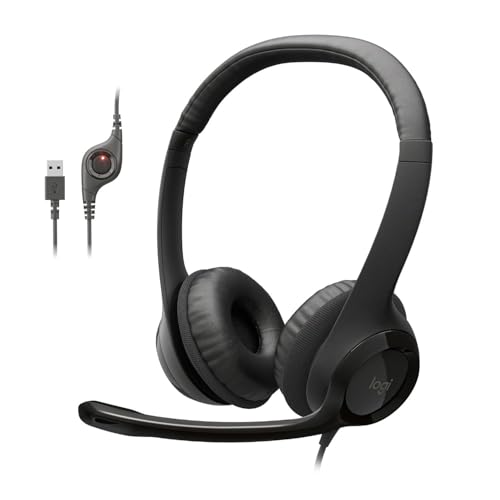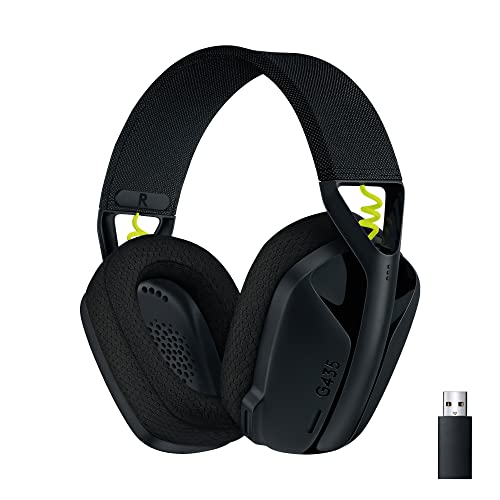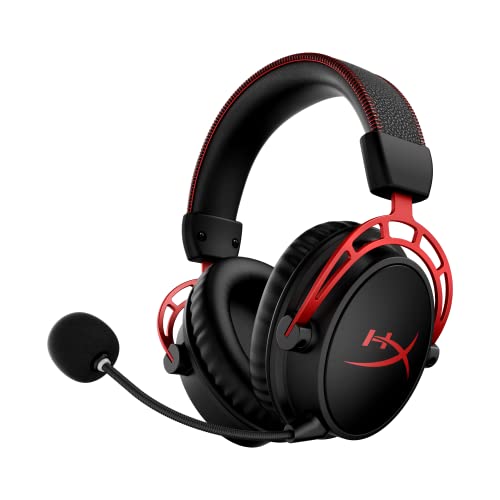
Disclosure: As an Amazon Associate, kajuandouglas.com earns from qualifying purchases. Links to Amazon on this page are affiliate links; they cost you nothing extra. Listing details such as price and availability change often, so check the current Amazon listing before you buy.
The gaming headset vs headphones question comes up the first time a player realises they could pair proper headphones with a separate microphone instead of buying an all-in-one gaming headset. Both setups can sound excellent and both can handle voice chat — the differences are in convenience, microphone quality per budget, features built for games, and what you can use the gear for when you are not playing.
This comparison lays out the honest trade-offs: what a gaming headset gives you out of the box, what a headphone-plus-microphone setup gives you instead, and which players each path genuinely suits.
Quick verdict: Choose a gaming headset if you want one purchase that works immediately on PC and console, with a built-in boom mic, game/chat balance controls and wireless options made for consoles. Choose headphones plus a separate mic if sound quality and music listening matter most, you play mainly on PC, and you accept extra cables or a desk mic in exchange for better audio and a mic you can upgrade independently.
Gear for This Guide

HyperX Cloud Alpha Wireless Gaming Headset — The all-in-one path at its most convenient: a wireless gaming headset with spatial audio and an exceptionally long battery life. Check price on Amazon.

Sony WH-1000XM5 Wireless Headphones — The headphones path: excellent music headphones with noise cancellation — but you will add a separate microphone for serious voice chat. Check price on Amazon.

Razer BlackShark V2 Pro Wireless Gaming Headset — A gaming headset with a detachable broadcast-style boom mic, narrowing the mic-quality gap that used to define this comparison. Check price on Amazon.
In this guide
Gaming Headset vs Headphones: Side-by-Side Comparison
| Criterion | Gaming headset | Headphones + separate mic |
|---|---|---|
| Setup | One device, plug in and play | Two devices to connect and configure |
| Microphone | Built-in boom, positioned correctly by design | Desk, clip-on or mod mic — quality varies, positioning is on you |
| Sound quality per budget | Good; budget split with mic and features | Often better pure audio at the same total spend |
| Console support | Designed for it, including wireless | Wired works; wireless console support is limited |
| Game/chat balance | Often a built-in dial or software control | Managed in system or app settings |
| Use beyond gaming | Mostly gaming-shaped; some double for calls | Full music and travel life, especially with ANC |
| Upgrades | Replace the whole unit | Upgrade headphones or mic independently |
Neither setup is the ‘serious’ choice and the other a toy — they optimise for different things. The sections below go through the differences that decide real purchases, including the one most comparisons skip: how each setup behaves on consoles, where the headphones path gets complicated.
Microphone: the Headset’s Home Advantage
A gaming headset’s boom mic sits exactly where a microphone should be, every time you put it on, with no thought required. Modern gaming booms are genuinely good — clear, consistent and tuned to reject room noise. The headphones path replaces that certainty with a choice: a USB desk mic sounds excellent but picks up your keyboard and needs desk space; a clip-on or attachable boom adds a cable and a second connection to manage; the microphones built into wireless headphones are the weakest option, fine for calls but noticeably thinner for team chat.
If your games involve constant communication — competitive squads, raiding, streaming — the headset’s integrated mic is worth real money. If you mostly play solo and chat occasionally, a desk mic you already own, or the serviceable mic in a pair like music-first headphones in our roundup for calls, may cover you. Judge by how many hours a week your voice actually matters.
Sound Quality and Music Life
Headphones built purely for listening put their entire budget into sound, and it shows: at the same total spend, a good pair of headphones typically offers more refined audio than a gaming headset, and doubles as your music, travel and focus gear — especially noise-cancelling models. Gaming headsets answer with tuning aimed at games (footstep clarity, cinematic weight), virtual surround processing and software EQ. Neither is objectively ‘better’; they are aimed at different ears.
The deciding question is your listening split. If the device will spend half its life playing music, headphones earn their keep daily. If it lives on your gaming desk and music happens elsewhere, the headset’s game-focused features deliver more value per hour of use. Our music-first favourites are collected in the best headphones for gaming for the headphones side of the ledger.
Consoles: Where the Comparison Tilts
On PC, both paths are easy. On consoles, the gaming headset pulls ahead: console wireless uses platform-specific connections that gaming headsets are built and licensed for, while most wireless headphones cannot connect to an Xbox at all and connect to PlayStation only in limited ways. Wired headphones plugged into a controller work fine on both consoles, but then voice chat runs through the controller or a cable mic, and game/chat balance lives in system menus.
Multi-platform players should therefore default to a gaming headset unless music quality is the overriding priority. The headsets in gaming headsets built for Xbox wireless exist precisely because console wireless is a solved problem only on the gaming side of the shop.
Convenience, Cost and Upgrades
One device means one cable or one battery, one volume control, one thing to store and charge. The headphones path means two of several things, and small frictions — a desk mic in the way, an extra cable, switching settings between chat apps — that are trivial once and annoying daily. Cost-wise the paths converge: a mid-range gaming headset roughly equals mid-range headphones plus a decent mic, so decide on experience, not price.
The headphones path wins on upgrades and longevity: replace the mic when it fails, keep the headphones for a decade, or upgrade each on its own schedule. A gaming headset is a single unit whose weakest part — usually the battery, cable or pads — sets its lifespan, though replaceable pads and detachable mics on models like detachable-mic gaming headsets in our PC picks soften that considerably.
Who Each Option Suits
Choose a gaming headset if you play on console, chat constantly, value plug-and-play, or want wireless with game/chat balance built in. Choose headphones plus a mic if you are PC-only, listen to as much music as you play, already own a decent microphone, or enjoy building a setup piece by piece. Streamers sit in both camps: many use headphones for the sound and a proper desk mic for the broadcast — the premium version of the headphones path.
If you are still torn, consider your next purchase rather than your perfect one: a gaming headset solves everything today in one box, and nothing stops you adding great music headphones later. The wider criteria in how to choose a headset — fit, connection, platform — apply to whichever path you take, and the surround question in what surround sound on a headset really means is worth understanding before you pay for gaming audio features.
The Third Path: Headphones With an Attachable Boom
Between the two camps sits a compromise worth knowing: headphones with a detachable boom microphone that plugs into the headphone itself, turning listening headphones into a proper headset when needed and removing cleanly when not. This gives you headphone sound and upgrade paths with headset-grade microphone placement, at the cost of managing one extra small part and accepting that the combination is wired by nature. For PC players who listen to a lot of music, it is often the connoisseur’s answer — and the reason the stark ‘versus’ framing of this article resolves, in practice, into a spectrum.
In-ear monitors with an inline or attachable mic form another point on that spectrum, favoured by some competitive players for their isolation and light weight, and by streamers who dislike anything visible on camera. The pattern across all these variants is the same: separate the questions. How will you hear? How will you be heard? Any combination that answers both well is a legitimate gaming audio setup, whatever it is called on the box.
Total Cost of the Two Setups, Honestly Counted
Shoppers often compare a gaming headset’s price against headphones alone and conclude the headphones path is cheaper — until the microphone joins the basket. Count the headphones path completely: headphones, a desk or attachable microphone, possibly a stand or arm, and the small adapters consoles demand. Count the headset path completely too: the headset, possibly a spare set of pads in year two. Counted honestly, equivalent quality lands within a modest distance on both sides, and the decision returns to experience rather than arithmetic — which is where this article began, and where it should end: choose the setup whose daily texture you prefer, because you will live in it for years.
Voice Chat Quality in the Real World
Laboratory microphone comparisons flatter desk setups; real rooms are less kind. A desk microphone hears your keyboard, your desk thumps and your room’s echo along with your voice, and it demands a consistent distance that players do not maintain while leaning, turning and celebrating. A boom microphone rides with your head, holds its distance through every lean, and points its rejection pattern at the room rather than at you. This is why so many players who bought the headphones-plus-desk-mic setup for its superior specifications end up sounding worse to their teammates than the friend on a mid-range gaming headset. The specification that matters is not the microphone’s best-case quality but its worst-moment consistency, and on that measure the boom is quietly undefeated.
None of this condemns the desk microphone, which in a treated room, on a proper arm, at a disciplined distance, outclasses every boom ever made. It condemns the assumption that buying one delivers that result by default. Buy the desk setup if you will also buy the discipline; buy the headset if you want the result without the ritual.
What About Wireless Headphones for Gaming?
A common follow-up: can premium wireless music headphones simply serve as the gaming setup? For solo and casual play, increasingly yes — they connect to PCs and phones beautifully, sound wonderful, and their built-in microphones handle casual chat. The limits appear at the edges: console wireless support is patchy, Bluetooth latency is real in competitive titles, and when the microphone activates, Bluetooth’s hands-free profile can drop the audio quality noticeably. Players for whom those edges are the centre — competitive, console-based, chat-heavy — remain headset people. Players at the casual centre can absolutely let one excellent pair of headphones cover music, travel and games, and many do.
Deciding by Your Next Twelve Months
Project the decision forward. If the next year holds a console purchase, team-based games with friends, or streaming ambitions, the gaming headset’s integration will keep paying. If it holds travel, office listening and solo adventures, the headphones path compounds in value daily. Purchases fail when they are made for the gamer you were last year; make this one for the player — and listener — you are actually about to be, and either camp will satisfy you.
Frequently Asked Questions
Do gaming headsets sound bad compared to headphones?
No — that reputation is a decade old. Current gaming headsets sound good, with tuning aimed at games. Pure listening headphones at the same total budget usually offer more refined audio and better music performance, but the gap is about character and priorities, not competence. Most players would be happy with either for game audio.
Can I use regular headphones for gaming chat?
Yes, with a microphone from somewhere: a desk USB mic, a clip-on mic, an attachable boom, or the headphones’ built-in mic for casual chat. On PC this is easy to arrange. On consoles, wired headphones in the controller work for audio, but microphone and wireless options are more limited than with a gaming headset.
Is a separate microphone better than a headset boom?
A good desk microphone, positioned well, sounds better than any boom — it is the streamer setup for a reason. But a boom beats a badly placed desk mic, and it never picks up your keyboard from six inches away or gets knocked over. Consistency favours the boom; ultimate quality favours the desk mic.
Which is better value overall?
They cost roughly the same at equivalent quality, so value depends on use. If the gear serves music and travel as well as games, headphones plus a mic deliver more hours of value. If it serves games and calls only, a gaming headset’s integrated features deliver more. Buy for your actual hours, not hypothetical ones.
Do I need virtual surround from a gaming headset?
No. Good stereo imaging matters more, and many games include their own spatial audio processing. Headset surround features can add a sense of space in some titles, but they are not a reason to choose a headset over headphones by themselves. Treat surround as a bonus feature, not a foundation.
What do most streamers use?
Typically quality headphones (or in-ear monitors) plus a separate desk or boom-arm microphone, because the broadcast voice is their product and the setup lets each part be upgraded independently. Players who stream casually often use a gaming headset with a good detachable boom and give up very little in practice.
Two Design Philosophies: Integration Versus Specialisation
The gaming-headset-versus-headphones question is really a question about integration. A gaming headset bets that microphone, controls, platform features and tuning belong in one optimised package. The headphones-plus-microphone route bets that specialising each job — and choosing each part yourself — beats any package. Both bets pay off for the right owner, and both fail predictably: the integrated route when its fixed microphone or tuning disappoints, the modular route when cables, adapters and settings multiply into friction. This section compares the philosophies on ownership terms — daily convenience, upgrade paths, failure modes and total cost of the whole setup, not just the headline purchase.
First Principles Worth Keeping in View
Read with the underlying principles in mind, this stops being a footnote and becomes the part of choosing between a gaming headset and separate headphones that you will actually live with for play, chat and everything after the match, day after ordinary day. The gaming headset’s real product is integration: one purchase, one cable or dongle, a boom that mutes when you flip it up, and chat mixing handled without extra boxes. Hold that thought alongside everything else in this guide, and choosing between a gaming headset and separate headphones becomes a decision you can explain, defend and, most importantly, stop revisiting for play, chat and everything after the match.
Anyone currently choosing between a gaming headset and separate headphones eventually runs into the underlying principles, usually at the least convenient moment, so it deserves a clear-eyed look here rather than a surprised one later on. Console controllers power a wired headset from the pad itself, while a hungrier pair of headphones through the same jack can sound quieter than expected on some controllers. None of this needs to be perfect on day one; it needs to be understood well enough that choosing between a gaming headset and separate headphones improves with familiarity instead of slowly unravelling.
Where the Details Start to Matter
It is easy to treat the finer details as an afterthought while choosing between a gaming headset and separate headphones, yet experienced owners will tell you it decides more long-term satisfaction than the headline choice ever does. Tournament and stream setups often pair audiophile-leaning headphones with a broadcast microphone, which tells you where the ceiling sits when convenience stops being the priority. That is the durable lesson here, and it will still be true of choosing between a gaming headset and separate headphones long after the novelty of any particular model has worn completely off.
The honest way to approach the finer details while choosing between a gaming headset and separate headphones is to think in months rather than minutes, because that is the timescale on which its effects quietly accumulate for play, chat and everything after the match. Keep the point in proportion, though: it refines choosing between a gaming headset and separate headphones rather than replacing the fundamentals, and it rewards attention rather than anxiety for play, chat and everything after the match.
The Decision Checklist Before You Choose a Camp
With choosing between a gaming headset and separate headphones as the goal, this decision deserves its moment here. File it under things worth checking once and benefiting from for years, which is the best bargain choosing between a gaming headset and separate headphones has to offer anyone.
- Voice stakes, honestly graded: Decide whether your microphone is a social courtesy or a tool of the trade, because that single judgement does most of the deciding between the camps.
- Platform loyalty: Count your platforms; console players live inside stricter accessory rules, which reward headsets built for their ecosystem, while PC players can mix components freely.
- Upgrade temperament: Ask whether you enjoy improving a setup piece by piece or prefer one purchase that is finished; modular routes reward tinkerers and tax everyone else.
- The full basket cost: Price the whole solution — headphones, microphone, any adapter or stand — against the headset, because the modular route’s true cost hides in its accessories.
- Failure isolation: Consider what breaks your setup: in a package, one failure can sideline everything, while modular parts can be swapped, borrowed and replaced individually.
- Comfort across your library: Weigh whether the same device must serve music and film beautifully, or whether gaming is the whole job, since audiophile leanings pull strongly towards headphones.
Read with this decision in mind, this stops being a footnote and becomes the part of choosing between a gaming headset and separate headphones that you will actually live with for play, chat and everything after the match, day after ordinary day. Hold that thought alongside everything else in this guide, and choosing between a gaming headset and separate headphones becomes a decision you can explain, defend and, most importantly, stop revisiting for play, chat and everything after the match.
Four Players, Four Different Answers
Here is the part of choosing between a gaming headset and separate headphones that owners learn latest: four players, four different answers. That, in short, is the practical heart of choosing between a gaming headset and separate headphones.
Take a concrete everyday case: a console player who wants to unbox, plug in and be understood by friends tonight, for whom integration is not a compromise but the entire point. There is also a time dimension to this scenario. Judge the all-in-one route by month three instead: whether the single connection still just works, whether the fixed boom still puts your voice where friends expect it, and whether that convenience still feels like freedom rather than a cage. For a player who values tonight over tinkering, that lived-in reliability is the whole argument for the headset.
It is easy to treat four players, four different answers as an afterthought while choosing between a gaming headset and separate headphones, yet experienced owners will tell you it decides more long-term satisfaction than the headline choice ever does. Streamers should decide as broadcasters rather than players, since their audience hears the microphone far more than the game. The second-hand market rewards the separate-headphones route, where yesterday’s flagships circulate at distinctly friendly prices. That is the durable lesson here, and it will still be true of choosing between a gaming headset and separate headphones long after the novelty of any particular model has worn completely off.
Consider how this plays out in practice: a PC player who streams to a small audience and whose voice is part of the show, weighing a modular setup that can grow microphone first. In this situation the sensible priorities reorder themselves. What a streamer needs from the modular chain is boring consistency: the microphone aimed where the arm left it, levels reachable without glancing down, and nothing re-negotiated between the headphones and the desk each session. A modular setup earns its extra desk space only when swapping, muting and monitoring become muscle memory rather than a pre-stream checklist.
The honest way to approach four players, four different answers while choosing between a gaming headset and separate headphones is to think in months rather than minutes, because that is the timescale on which its effects quietly accumulate for play, chat and everything after the match. Keep the point in proportion, though: it refines choosing between a gaming headset and separate headphones rather than replacing the fundamentals, and it rewards attention rather than anxiety for play, chat and everything after the match.
Picture the most common version of this in real life: a music lover who games twice a week and keeps discovering that gaming headsets treat their main hobby as an afterthought. There is also a time dimension to this scenario. For a listener whose headphones serve music first, the lasting test is tonal: whether the tuning still flatters their records once any gaming novelty has faded, and whether adding a microphone for match nights has cost the sound nothing. For this buyer the verdict is musical first and gaming second, which is exactly the order a gaming headset usually reverses.
Plenty of guides skip straight past four players, four different answers, which is a shame, since choosing between a gaming headset and separate headphones tends to succeed or fail on exactly these unglamorous details in the long run. Console controllers power a wired headset from the pad itself, while a hungrier pair of headphones through the same jack can sound quieter than expected on some controllers. File it under things worth checking once and benefiting from for years, which is the best bargain choosing between a gaming headset and separate headphones has to offer anyone.
Take a concrete everyday case: a parent buying for a teenager whose setup will be knocked off desks, shared with siblings and expected to survive it all simply. There is also a time dimension to this scenario. What a parent is really buying is survival: hinges that tolerate being dropped into a school bag, a boom that survives siblings borrowing it, and parts cheap enough to replace without a family meeting. Score both routes on that durability ledger, and the sturdier integrated option usually beats a delicate separate pairing here.
Read with four players, four different answers in mind, this stops being a footnote and becomes the part of choosing between a gaming headset and separate headphones that you will actually live with for play, chat and everything after the match, day after ordinary day. Tournament and stream setups often pair audiophile-leaning headphones with a broadcast microphone, which tells you where the ceiling sits when convenience stops being the priority. Hold that thought alongside everything else in this guide, and choosing between a gaming headset and separate headphones becomes a decision you can explain, defend and, most importantly, stop revisiting for play, chat and everything after the match.
Hybrid Paths: Getting Both Without Buying Twice Badly
When choosing between a gaming headset and separate headphones is the task, hybrid paths: getting both without buying twice badly is easy to underestimate. Keep it in mind and choosing between a gaming headset and separate headphones gets easier from here.
Fit Considerations in the Long Run
It is easy to treat fit and comfort as an afterthought while choosing between a gaming headset and separate headphones, yet experienced owners will tell you it decides more long-term satisfaction than the headline choice ever does. The gaming headset’s real product is integration: one purchase, one cable or dongle, a boom that mutes when you flip it up, and chat mixing handled without extra boxes. Separate headphones plus a microphone split the job into two specialists, so the day the microphone fails you replace a microphone, not your entire way of hearing games. That is the durable lesson here, and it will still be true of choosing between a gaming headset and separate headphones long after the novelty of any particular model has worn completely off.
The honest way to approach fit and comfort while choosing between a gaming headset and separate headphones is to think in months rather than minutes, because that is the timescale on which its effects quietly accumulate for play, chat and everything after the match. Keep the point in proportion, though: it refines choosing between a gaming headset and separate headphones rather than replacing the fundamentals, and it rewards attention rather than anxiety for play, chat and everything after the match.
Pads and Wear Parts Considerations in the Long Run
Plenty of guides skip straight past pads and wear parts, which is a shame, since choosing between a gaming headset and separate headphones tends to succeed or fail on exactly these unglamorous details in the long run. File it under things worth checking once and benefiting from for years, which is the best bargain choosing between a gaming headset and separate headphones has to offer anyone.
Read with pads and wear parts in mind, this stops being a footnote and becomes the part of choosing between a gaming headset and separate headphones that you will actually live with for play, chat and everything after the match, day after ordinary day. Streamers should decide as broadcasters rather than players, since their audience hears the microphone far more than the game. Hold that thought alongside everything else in this guide, and choosing between a gaming headset and separate headphones becomes a decision you can explain, defend and, most importantly, stop revisiting for play, chat and everything after the match.
Sound Considerations in the Long Run
Anyone currently choosing between a gaming headset and separate headphones eventually runs into sound quality, usually at the least convenient moment, so it deserves a clear-eyed look here rather than a surprised one later on. The gaming headset’s real product is integration: one purchase, one cable or dongle, a boom that mutes when you flip it up, and chat mixing handled without extra boxes. None of this needs to be perfect on day one; it needs to be understood well enough that choosing between a gaming headset and separate headphones improves with familiarity instead of slowly unravelling.
It is easy to treat sound quality as an afterthought while choosing between a gaming headset and separate headphones, yet experienced owners will tell you it decides more long-term satisfaction than the headline choice ever does. Console controllers power a wired headset from the pad itself, while a hungrier pair of headphones through the same jack can sound quieter than expected on some controllers. That is the durable lesson here, and it will still be true of choosing between a gaming headset and separate headphones long after the novelty of any particular model has worn completely off.
Microphone Considerations in the Long Run
The honest way to approach microphone behaviour while choosing between a gaming headset and separate headphones is to think in months rather than minutes, because that is the timescale on which its effects quietly accumulate for play, chat and everything after the match. Tournament and stream setups often pair audiophile-leaning headphones with a broadcast microphone, which tells you where the ceiling sits when convenience stops being the priority. Keep the point in proportion, though: it refines choosing between a gaming headset and separate headphones rather than replacing the fundamentals, and it rewards attention rather than anxiety for play, chat and everything after the match.
Plenty of guides skip straight past microphone behaviour, which is a shame, since choosing between a gaming headset and separate headphones tends to succeed or fail on exactly these unglamorous details in the long run. Streamers should decide as broadcasters rather than players, since their audience hears the microphone far more than the game. The second-hand market rewards the separate-headphones route, where yesterday’s flagships circulate at distinctly friendly prices. File it under things worth checking once and benefiting from for years, which is the best bargain choosing between a gaming headset and separate headphones has to offer anyone.
Battery Considerations in the Long Run
Read with battery life and charging in mind, this stops being a footnote and becomes the part of choosing between a gaming headset and separate headphones that you will actually live with for play, chat and everything after the match, day after ordinary day. Hold that thought alongside everything else in this guide, and choosing between a gaming headset and separate headphones becomes a decision you can explain, defend and, most importantly, stop revisiting for play, chat and everything after the match.
Anyone currently choosing between a gaming headset and separate headphones eventually runs into battery life and charging, usually at the least convenient moment, so it deserves a clear-eyed look here rather than a surprised one later on. Players learn it once, mid-match, and never unlearn it. None of this needs to be perfect on day one; it needs to be understood well enough that choosing between a gaming headset and separate headphones improves with familiarity instead of slowly unravelling.
Hearing Considerations in the Long Run
It is easy to treat listening levels and hearing as an afterthought while choosing between a gaming headset and separate headphones, yet experienced owners will tell you it decides more long-term satisfaction than the headline choice ever does. It sounds minor until the round where it decides everything. That is the durable lesson here, and it will still be true of choosing between a gaming headset and separate headphones long after the novelty of any particular model has worn completely off.
The honest way to approach listening levels and hearing while choosing between a gaming headset and separate headphones is to think in months rather than minutes, because that is the timescale on which its effects quietly accumulate for play, chat and everything after the match. Streamers should decide as broadcasters rather than players, since their audience hears the microphone far more than the game. Keep the point in proportion, though: it refines choosing between a gaming headset and separate headphones rather than replacing the fundamentals, and it rewards attention rather than anxiety for play, chat and everything after the match.
Platform Considerations in the Long Run
Plenty of guides skip straight past platform and settings behaviour, which is a shame, since choosing between a gaming headset and separate headphones tends to succeed or fail on exactly these unglamorous details in the long run. The gaming headset’s real product is integration: one purchase, one cable or dongle, a boom that mutes when you flip it up, and chat mixing handled without extra boxes. Separate headphones plus a microphone split the job into two specialists, so the day the microphone fails you replace a microphone, not your entire way of hearing games. File it under things worth checking once and benefiting from for years, which is the best bargain choosing between a gaming headset and separate headphones has to offer anyone.
Read with platform and settings behaviour in mind, this stops being a footnote and becomes the part of choosing between a gaming headset and separate headphones that you will actually live with for play, chat and everything after the match, day after ordinary day. Hold that thought alongside everything else in this guide, and choosing between a gaming headset and separate headphones becomes a decision you can explain, defend and, most importantly, stop revisiting for play, chat and everything after the match.
Going Further: Headset Details That Reward a Second Look
Here is the part of choosing between a gaming headset and separate headphones that owners learn latest: the finer details. None of this needs to be perfect on day one; it needs to be understood well enough that choosing between a gaming headset and separate headphones improves with familiarity instead of slowly unravelling.
It is easy to treat the finer details as an afterthought while choosing between a gaming headset and separate headphones, yet experienced owners will tell you it decides more long-term satisfaction than the headline choice ever does. Streamers should decide as broadcasters rather than players, since their audience hears the microphone far more than the game. That is the durable lesson here, and it will still be true of choosing between a gaming headset and separate headphones long after the novelty of any particular model has worn completely off.
The honest way to approach the finer details while choosing between a gaming headset and separate headphones is to think in months rather than minutes, because that is the timescale on which its effects quietly accumulate for play, chat and everything after the match. Keep the point in proportion, though: it refines choosing between a gaming headset and separate headphones rather than replacing the fundamentals, and it rewards attention rather than anxiety for play, chat and everything after the match.
Plenty of guides skip straight past the finer details, which is a shame, since choosing between a gaming headset and separate headphones tends to succeed or fail on exactly these unglamorous details in the long run. Console controllers power a wired headset from the pad itself, while a hungrier pair of headphones through the same jack can sound quieter than expected on some controllers. File it under things worth checking once and benefiting from for years, which is the best bargain choosing between a gaming headset and separate headphones has to offer anyone.
Read with the finer details in mind, this stops being a footnote and becomes the part of choosing between a gaming headset and separate headphones that you will actually live with for play, chat and everything after the match, day after ordinary day. Hold that thought alongside everything else in this guide, and choosing between a gaming headset and separate headphones becomes a decision you can explain, defend and, most importantly, stop revisiting for play, chat and everything after the match.
Anyone currently choosing between a gaming headset and separate headphones eventually runs into the finer details, usually at the least convenient moment, so it deserves a clear-eyed look here rather than a surprised one later on. Streamers should decide as broadcasters rather than players, since their audience hears the microphone far more than the game. The second-hand market rewards the separate-headphones route, where yesterday’s flagships circulate at distinctly friendly prices. None of this needs to be perfect on day one; it needs to be understood well enough that choosing between a gaming headset and separate headphones improves with familiarity instead of slowly unravelling.
It is easy to treat the finer details as an afterthought while choosing between a gaming headset and separate headphones, yet experienced owners will tell you it decides more long-term satisfaction than the headline choice ever does. The gaming headset’s real product is integration: one purchase, one cable or dongle, a boom that mutes when you flip it up, and chat mixing handled without extra boxes. That is the durable lesson here, and it will still be true of choosing between a gaming headset and separate headphones long after the novelty of any particular model has worn completely off.
The honest way to approach the finer details while choosing between a gaming headset and separate headphones is to think in months rather than minutes, because that is the timescale on which its effects quietly accumulate for play, chat and everything after the match. Console controllers power a wired headset from the pad itself, while a hungrier pair of headphones through the same jack can sound quieter than expected on some controllers. Keep the point in proportion, though: it refines choosing between a gaming headset and separate headphones rather than replacing the fundamentals, and it rewards attention rather than anxiety for play, chat and everything after the match.
Plenty of guides skip straight past the finer details, which is a shame, since choosing between a gaming headset and separate headphones tends to succeed or fail on exactly these unglamorous details in the long run. Tournament and stream setups often pair audiophile-leaning headphones with a broadcast microphone, which tells you where the ceiling sits when convenience stops being the priority. File it under things worth checking once and benefiting from for years, which is the best bargain choosing between a gaming headset and separate headphones has to offer anyone.
Read with the finer details in mind, this stops being a footnote and becomes the part of choosing between a gaming headset and separate headphones that you will actually live with for play, chat and everything after the match, day after ordinary day. Hold that thought alongside everything else in this guide, and choosing between a gaming headset and separate headphones becomes a decision you can explain, defend and, most importantly, stop revisiting for play, chat and everything after the match.
Anyone currently choosing between a gaming headset and separate headphones eventually runs into the finer details, usually at the least convenient moment, so it deserves a clear-eyed look here rather than a surprised one later on. The gaming headset’s real product is integration: one purchase, one cable or dongle, a boom that mutes when you flip it up, and chat mixing handled without extra boxes. None of this needs to be perfect on day one; it needs to be understood well enough that choosing between a gaming headset and separate headphones improves with familiarity instead of slowly unravelling.
It is easy to treat the finer details as an afterthought while choosing between a gaming headset and separate headphones, yet experienced owners will tell you it decides more long-term satisfaction than the headline choice ever does. Worth a sticky note, if choosing between a gaming headset and separate headphones is a weekly ritual for you. That is the durable lesson here, and it will still be true of choosing between a gaming headset and separate headphones long after the novelty of any particular model has worn completely off.
The honest way to approach the finer details while choosing between a gaming headset and separate headphones is to think in months rather than minutes, because that is the timescale on which its effects quietly accumulate for play, chat and everything after the match. Tournament and stream setups often pair audiophile-leaning headphones with a broadcast microphone, which tells you where the ceiling sits when convenience stops being the priority. Keep the point in proportion, though: it refines choosing between a gaming headset and separate headphones rather than replacing the fundamentals, and it rewards attention rather than anxiety for play, chat and everything after the match.
Related Guides
Explore the related guides linked throughout this article for the next step.
Can I add a microphone to any headphones?
Mostly, yes. Clip-on, inline-cable and boom-style add-on microphones exist for standard headphone connections, and desktop microphones sidestep the head entirely. Check connector types and console controller compatibility before buying, since the microphone’s plug must match your chain.
Do pro players use headsets or headphones?
Both, depending on the setting. Tournament stages often impose their own audio arrangements with earbuds under hearing protection, while at home many professionals use exactly the consumer gear their audience buys. Their constraints are stage constraints, not a verdict on your desk.