Disclosure: As an Amazon Associate, kajuandouglas.com earns from qualifying purchases. Links to Amazon on this page are affiliate links; they cost you nothing extra. Listing details such as price and availability change often, so check the current Amazon listing before you buy.
The open back vs closed back headphones question is about one physical difference with wide consequences: whether the outside of each ear cup is sealed or vented to the air. That single design choice decides how much sound leaks in and out, how wide the music seems to sound, how hot your ears get, and whether the person next to you hears your game — which is why this is one of the first decisions worth making before comparing specific models.
This comparison explains how each design behaves in real rooms, who each one suits, and the middle-ground designs that blur the line. It focuses on headphones and headsets for home, office and gaming use, where the choice is most often made badly by accident.
Quick verdict: Choose closed-back if anyone else is in the room, if you need isolation from noise, or if you record with a microphone nearby — closed cups keep your sound in and the world’s sound out. Choose open-back for solo listening in a quiet room when you want the most natural, spacious sound and cooler ears, and you accept that everyone nearby will hear a faint version of what you hear.
Gear for This Guide

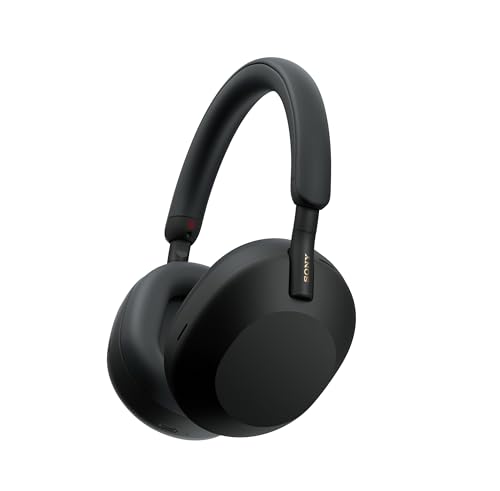
Sony WH-1000XM5 Wireless Headphones — A closed-back reference: sealed cups plus active noise cancellation, built for shared spaces and travel. Check price on Amazon.
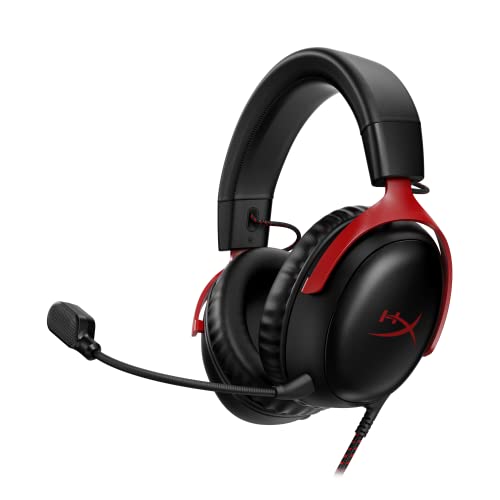
HyperX Cloud III Wired Gaming Headset — A closed-back gaming headset — the closed design keeps game audio private and stops it leaking into the microphone. Check price on Amazon.
In this guide
Open Back vs Closed Back Headphones: Side-by-Side Comparison
| Criterion | Open-back | Closed-back |
|---|---|---|
| Sound leakage | Leaks out and lets sound in — a shared experience | Keeps sound in; others hear little or nothing |
| Isolation | Minimal — you hear the room around you | Good passive isolation; better with ANC added |
| Soundstage | Wide, airy, speaker-like presentation | More intimate, inside-the-head presentation |
| Bass character | Leaner, tighter; less sub-bass weight | Fuller, punchier bass is easier to achieve |
| Heat and comfort | Cooler over long sessions | Warmer; pads and seal trap heat |
| Recording and calls | Leakage can reach the microphone | Safe beside a live microphone |
| Best environments | Quiet, private rooms | Offices, shared homes, travel, anywhere public |
The table compresses a lot of physics into a few rows, so the sections below add the nuance: why open designs sound the way they do, why closed designs dominate headsets specifically, and how semi-open models and active noise cancellation change the calculation.
How Each Design Works
In a closed-back headphone, the driver sits in a sealed cup. Sound can only travel toward your ear, and outside sound must get through the cup and the pad seal to reach you. That seal is why closed designs isolate, why their bass feels weighty (the sealed air reinforces low frequencies), and why your ears warm up — the cup is a small insulated room. In an open-back design, the back of the cup is a grille or mesh. Sound radiates outward as well as inward, reflections inside the cup are reduced, and air moves freely.
Those physics explain the famous open-back soundstage: with less cup resonance colouring the sound and some natural bleed, music presents wider and more speaker-like. The same openness means bass energy escapes instead of building pressure, so open designs typically sound leaner down low. Neither is ‘more accurate’ in an absolute sense — they are different presentations, and preference plays a real part.
Leakage and Isolation: the Deciding Factor for Most People
At typical listening volumes, an open-back headphone is audible to anyone in the room — not loud, but clearly recognisable. In an office, a shared flat or a bedroom with a sleeping partner, that settles the question immediately: closed-back. Leakage also runs the other way. Open-back wearers hear keyboards, conversations and traffic at nearly full volume, which tempts people to turn up — a quiet path to listening too loud.
Closed-back isolation is passive and always on: no battery, no processing, just a seal. Fit matters — glasses arms breaking the pad seal can halve the isolation. Add active noise cancellation, as on closed-back favourites like the Sony XM5 in our music roundup, and closed designs become the only sensible choice for travel and open-plan work. If your environment is noisy, no amount of open-back sound quality compensates for hearing the room over the music.
Sound Character: Soundstage vs Impact
Listeners who love open-back designs describe space: instruments placed around a stage, air between notes, a presentation closer to speakers in a room. Listeners who love closed-back describe impact: bass with physical weight, details presented close and clear, and immersion that shuts the world out. Games split the difference — competitive players often value the precise imaging many open designs offer, while cinematic players prefer closed-back weight and isolation.
For headsets specifically, closed-back dominates for a practical reason beyond taste: a microphone sits centimetres from the ear cup, and open-back leakage can feed game audio back into your voice channel. That is why nearly every gaming and call headset — including the models in closed-back gaming headsets for PC — is closed. Open-back headsets exist but are a niche for quiet, solo setups.
Comfort, Heat and Long Sessions
Open designs run cooler because air circulates, and over a four-hour session that difference is unmistakable. Closed designs trap warmth and can make ears sweat in summer, though breathable pad materials soften the problem. Weight and clamping force still matter more than the back design for overall comfort, but if you already run warm, open-back removes one source of discomfort — provided your room is quiet and private enough to allow it.
Who Each Option Suits
Open-back suits the solo listener in a quiet home: music lovers chasing soundstage, single-player gamers in private rooms, and anyone mixing or editing who wants a speaker-like reference. Closed-back suits everyone else by default: shared spaces, offices, travel, streamers and callers with live microphones, and listeners who want bass weight and privacy. Semi-open designs exist between the two, leaking less than open and isolating less than closed — a reasonable compromise, rarely the best at either job.
A useful household pattern is one of each: closed for the shared hours and open for the private ones. If you are buying your first and only pair and your life includes other people, buy closed — its compromises are about presentation, while open-back’s compromises can make it unusable in your actual rooms. The wider framework in how to choose a headset helps place this choice among fit, connection and microphone decisions, and gaming headset vs headphones explores the neighbouring question of gaming headsets versus headphones generally.
A Note on Leakage Etiquette and Volume Safety
Open-back leakage has a social dimension worth stating plainly: in shared spaces, your music becomes everyone’s background, and at night it carries further than you think. The flip side is a safety point for closed-back users: strong isolation tempts people to listen louder to feel immersed, and hides alarms, doorbells and traffic entirely — a real consideration for pedestrians and cyclists, where sealed headphones of any kind deserve caution. The design that isolates you from the world also isolates the world from your attention, and choosing where that is appropriate is part of choosing the design.
Volume discipline applies to both: if you regularly listen at levels where you cannot hear someone speaking to you from a metre away, you are probably listening too loud regardless of design. Open-back wearers in noisy rooms should treat the temptation to compensate as a signal to change rooms or designs, not volume — the room always wins that arms race, and your ears pay for the victory.
Testing the Difference Before You Buy
If you have never owned an open-back headphone, its two surprises — how much leaks out, and how natural the soundstage feels — are both hard to imagine from descriptions. The practical test: in a shop or with a borrowed pair, play a familiar track at your normal volume and have someone stand where your household members usually sit; then listen for the qualities you care about with your own reference music, not the shop’s demo tracks. For closed-back, test the seal with your glasses on if you wear them, and sit for ten minutes to judge heat honestly rather than in the first cool minute.
Whichever you test, use the return window for the real verdict across a few evenings. The open-versus-closed decision is unusually well suited to home trial, because its consequences — a partner’s tolerance, a room’s noise, your own ears at hour three — only exist in your actual life, not in any reviewer’s test bench.
Bass, Treble and the Frequency Story
The sealed-versus-open distinction leaves fingerprints across the frequency range. Closed designs reinforce the lowest bass, sometimes to the point of boominess in poorly tuned models, and their isolation keeps treble detail audible in noisy rooms where open designs lose it to the environment. Open designs trade that low-end weight for a cleaner midrange in many implementations — the region where voices, guitars and most musical information live — because the cup contributes fewer resonances of its own. Neither fingerprint is a flaw; they are characters. A listener whose music is electronic and bass-led will usually prefer the closed character, while acoustic, classical and vocal listeners often gravitate to the open one. Genre, like room and company, is a legitimate deciding vote.
Durability and Care Differences
Open-back headphones expose their drivers to the room through the grille: dust settles, hair migrates, and a careless bag can poke at the mesh. They reward careful storage — a stand or case, away from dust — and gentle cleaning of the grille with a soft brush. Closed designs seal their drivers away and tolerate rougher handling, though their pads work harder, trapping heat and moisture that age the cushion material faster. Neither is fragile, but their care profiles differ, and buyers who travel roughly with their gear should count the closed design’s sealed indifference as a genuine advantage.
Making the Final Call
Reduce the decision to three questions. Who else is in the room, and what do they deserve? How noisy is the room itself, across the hours you actually listen? And which presentation — spacious or weighty — suits the content you love most? If the first two answers point in opposite directions, the room wins, because an unusable headphone has no sound quality at all. Answer honestly, and the open-versus-closed question, which generates so much argument online, resolves in about a minute — for your life, which is the only version of the question that matters.
Frequently Asked Questions
Can other people hear open-back headphones?
Yes. At normal listening volumes, people in the same room will hear a faint but recognisable version of your audio. It is not loudspeaker-level, but it is enough to disturb someone sleeping or working nearby, and enough to leak into a microphone on a call. Open-back is a private-room design.
Do open-back headphones have less bass?
Generally they present bass more leanly than closed-back designs, because the open cup cannot build the sealed-air pressure that reinforces low frequencies. Many open models still have excellent, tight bass — it is a difference in weight and character, not quality. Listeners who want physical bass impact usually prefer closed-back.
Which is better for gaming?
It depends on your room and games. Open-back models are prized for wide soundstage and imaging in solo play. Closed-back models isolate you from household noise, keep audio out of your microphone, and deliver more cinematic weight. In shared or noisy homes, closed-back is the safer and more common choice.
Are open-back headphones more comfortable?
They run cooler because air circulates through the cups, which matters over long sessions. Overall comfort still depends more on weight, clamping force and pad quality than on the back design alone. A heavy open-back can be less comfortable than a light closed-back, so judge the whole design.
Can I use open-back headphones for work calls?
You can, in a quiet private room. The risks are leakage reaching your microphone — callers may hear echoes of the meeting itself — and room noise reaching you. In shared or noisy spaces, a closed headset with a proper boom mic is the professional choice.
What are semi-open headphones?
A middle design with partially vented cups. They leak and admit less sound than open-back, and isolate less than closed-back, with a sound character between the two. They suit listeners who want some openness in moderately quiet rooms, but they are rarely the strongest choice for a specific job.
Air as a Design Material: What the Openness Actually Changes
Open-back and closed-back designs are not better and worse versions of one idea; they are two different bargains with the air around your ears. Closing the cup buys isolation, bass pressure and privacy at the cost of a more enclosed, in-head presentation. Opening it trades those certainties for a wider, more natural sense of space and a cooler ear, while letting your music out and the room in. Because the bargain is with your environment as much as with the headphone, the right answer is inseparable from where you listen, who is nearby and how loud your world is. This section makes the trade explicit, room by room and habit by habit.
First Principles Worth Keeping in View
Read with the underlying principles in mind, this stops being a footnote and becomes the part of choosing between open-back and closed-back headphones that you will actually live with in real rooms with other people nearby, day after ordinary day. An open-back cup vents the driver to the room, so the sound spreads in a way listeners often describe as speakers-in-a-room rather than music-inside-the-skull. Hold that thought alongside everything else in this guide, and choosing between open-back and closed-back headphones becomes a decision you can explain, defend and, most importantly, stop revisiting in real rooms with other people nearby.
Anyone currently choosing between open-back and closed-back headphones eventually runs into the underlying principles, usually at the least convenient moment, so it deserves a clear-eyed look here rather than a surprised one later on. Open backs ask for a quiet room the way a convertible asks for dry weather; give them one and they reward you, deny them one and their finest quality is wasted. Soundstage width is the open design’s headline gift, spreading instruments left, right and faintly forward instead of lining them up between your ears in a row. None of this needs to be perfect on day one; it needs to be understood well enough that choosing between open-back and closed-back headphones improves with familiarity instead of slowly unravelling.
Where the Details Start to Matter
It is easy to treat the finer details as an afterthought while choosing between open-back and closed-back headphones, yet experienced owners will tell you it decides more long-term satisfaction than the headline choice ever does. Mixing engineers trust open backs for judging balance and reverb tails, then check the result on closed pairs and speakers, because no single presentation tells the whole truth. That is the durable lesson here, and it will still be true of choosing between open-back and closed-back headphones long after the novelty of any particular model has worn completely off.
The honest way to approach the finer details while choosing between open-back and closed-back headphones is to think in months rather than minutes, because that is the timescale on which its effects quietly accumulate in real rooms with other people nearby. Bass devotees and soundstage devotees are shopping for different physics here, and neither group is wrong about what it hears. Keep the point in proportion, though: it refines choosing between open-back and closed-back headphones rather than replacing the fundamentals, and it rewards attention rather than anxiety in real rooms with other people nearby.
The Decision Checklist Before You Choose a Side
With choosing between open-back and closed-back headphones as the goal, this decision deserves its moment here. File it under things worth checking once and benefiting from for years, which is the best bargain choosing between open-back and closed-back headphones has to offer anyone.
- Your room’s noise floor: Listen to your listening place with nothing playing; if you can hear traffic, fans or family clearly, that sound will share every quiet passage through an open design.
- Your neighbours’ tolerance: Decide who sits within a few metres and whether your music becoming a faint public broadcast is charming, awkward or a genuine problem.
- Session climate: Consider heat: open designs run cooler across long sessions, while sealed cups grow warm, which matters more in summer rooms and long workdays.
- Genre and content leanings: Weigh spacious, acoustic and live material against bass-driven and cinematic content, since each design flatters a different corner of a library.
- Volume habits: Recognise that isolation lets you listen quieter in noise, while an open design in a loud room tempts the volume upward — a hearing consideration, not just a taste one.
- One pair or a stable: Ask whether this is your only headphone or one of several; specialists shine in a stable, while a single pair must cover your noisiest and quietest days alike.
Read with this decision in mind, this stops being a footnote and becomes the part of choosing between open-back and closed-back headphones that you will actually live with in real rooms with other people nearby, day after ordinary day. Open backs ask for a quiet room the way a convertible asks for dry weather; give them one and they reward you, deny them one and their finest quality is wasted. Hold that thought alongside everything else in this guide, and choosing between open-back and closed-back headphones becomes a decision you can explain, defend and, most importantly, stop revisiting in real rooms with other people nearby.
Four Rooms, Four Different Winners
Here is the part of choosing between open-back and closed-back headphones that owners learn latest: four rooms, four different winners. None of this needs to be perfect on day one; it needs to be understood well enough that choosing between open-back and closed-back headphones improves with familiarity instead of slowly unravelling.
Picture the most common version of this in real life: a late-night listener in a quiet house whose partner sleeps in the next room, where leakage and listening level negotiate the whole decision. The deciding factor here is rarely the headline specification. In this house the deciding measurement is not soundstage at all, but how much of a midnight album escapes through open grilles into the room where someone is sleeping. A closed pair that seems less thrilling in a quick comparison will be the one still being used at one in the morning, because it never asks the listener to choose between volume and consideration.
It is easy to treat four rooms, four different winners as an afterthought while choosing between open-back and closed-back headphones, yet experienced owners will tell you it decides more long-term satisfaction than the headline choice ever does. Bass devotees and soundstage devotees are shopping for different physics here, and neither group is wrong about what it hears. A home with a baby asleep in the next room rewrites this entire comparison faster than any specification sheet ever could. That is the durable lesson here, and it will still be true of choosing between open-back and closed-back headphones long after the novelty of any particular model has worn completely off.
Consider how this plays out in practice: an apartment dweller beside a busy road who keeps raising the volume to clear the traffic and needs isolation as a hearing decision, not a luxury. Beside a busy road, the winner is decided by the room before the music starts, because traffic leaking in through open backs will bury the very spaciousness they were bought for. The road outside, the thin windows and the listener’s habit of evening sessions all demand isolation first, and no tuning flourish can substitute for decibels kept out. Give this listener a sealed cup and modest music suddenly sounds detailed at a gentle level, while the finer open design would spend its life turned up in self-defence.
The honest way to approach four rooms, four different winners while choosing between open-back and closed-back headphones is to think in months rather than minutes, because that is the timescale on which its effects quietly accumulate in real rooms with other people nearby. An open-back cup vents the driver to the room, so the sound spreads in a way listeners often describe as speakers-in-a-room rather than music-inside-the-skull. Keep the point in proportion, though: it refines choosing between open-back and closed-back headphones rather than replacing the fundamentals, and it rewards attention rather than anxiety in real rooms with other people nearby.
Picture the most common version of this in real life: a home-office worker who wants music to feel like it is in the room rather than in their skull, and who can close a door against the household. In this situation the sensible priorities reorder themselves. With a door that closes, the open design’s bargain finally pays: sound breathes into the room, the wearer’s own voice stays natural, and nobody else is close enough to be disturbed. The home worker’s loyalty will go to whichever pair still feels airy at the end of a long afternoon, and in a private office that contest usually ends with the vented cups.
Plenty of guides skip straight past four rooms, four different winners, which is a shame, since choosing between open-back and closed-back headphones tends to succeed or fail on exactly these unglamorous details in the long run. Open backs ask for a quiet room the way a convertible asks for dry weather; give them one and they reward you, deny them one and their finest quality is wasted. File it under things worth checking once and benefiting from for years, which is the best bargain choosing between open-back and closed-back headphones has to offer anyone.
Consider how this plays out in practice: a gamer who plays socially in a shared living room and needs to hear a child, a doorbell and their own voice naturally while they play. There is also a time dimension to this scenario. Across a season of shared-room gaming, what matters is the balance the design strikes nightly: the game world wide open, the doorbell still audible, and a partner’s conversation never fully shut out. Weigh that social awareness heavily when you choose for a living room, because a sealed cup that isolates you from the household solves the wrong problem beautifully.
Read with four rooms, four different winners in mind, this stops being a footnote and becomes the part of choosing between open-back and closed-back headphones that you will actually live with in real rooms with other people nearby, day after ordinary day. Hold that thought alongside everything else in this guide, and choosing between open-back and closed-back headphones becomes a decision you can explain, defend and, most importantly, stop revisiting in real rooms with other people nearby.
Ownership Notes: Care, Volume and Company
When choosing between open-back and closed-back headphones is the task, care and upkeep is easy to underestimate. None of this needs to be perfect on day one; it needs to be understood well enough that choosing between open-back and closed-back headphones improves with familiarity instead of slowly unravelling.
Pads and Wear Parts Considerations in the Long Run
It is easy to treat pads and wear parts as an afterthought while choosing between open-back and closed-back headphones, yet experienced owners will tell you it decides more long-term satisfaction than the headline choice ever does. Small thing, large echo, as so often with choosing between open-back and closed-back headphones. That is the durable lesson here, and it will still be true of choosing between open-back and closed-back headphones long after the novelty of any particular model has worn completely off.
The honest way to approach pads and wear parts while choosing between open-back and closed-back headphones is to think in months rather than minutes, because that is the timescale on which its effects quietly accumulate in real rooms with other people nearby. Open backs ask for a quiet room the way a convertible asks for dry weather; give them one and they reward you, deny them one and their finest quality is wasted. Keep the point in proportion, though: it refines choosing between open-back and closed-back headphones rather than replacing the fundamentals, and it rewards attention rather than anxiety in real rooms with other people nearby.
Microphone Considerations in the Long Run
What you hear of yourself — sidetone or monitoring — shapes how you speak, and speaking naturally is half of sounding clear to everyone else. An open cup also changes microphone behaviour, since game sound escaping the grille can reach a sensitive boom, while a closed cup keeps its own output away from the capsule. If you game on an open design with a boom attached, keep listening levels moderate, because the escaping audio gives the microphone more to pick up with every notch of volume. Push noise suppression hard to hide that spill and it will start trimming your own consonants too, which is why lowering the game feed usually beats filtering a loud one.
Plenty of guides skip straight past microphone behaviour, which is a shame, since choosing between open-back and closed-back headphones tends to succeed or fail on exactly these unglamorous details in the long run. Mixing engineers trust open backs for judging balance and reverb tails, then check the result on closed pairs and speakers, because no single presentation tells the whole truth. File it under things worth checking once and benefiting from for years, which is the best bargain choosing between open-back and closed-back headphones has to offer anyone.
Connections Considerations in the Long Run
Read with connection behaviour in mind, this stops being a footnote and becomes the part of choosing between open-back and closed-back headphones that you will actually live with in real rooms with other people nearby, day after ordinary day. Bass devotees and soundstage devotees are shopping for different physics here, and neither group is wrong about what it hears. Hold that thought alongside everything else in this guide, and choosing between open-back and closed-back headphones becomes a decision you can explain, defend and, most importantly, stop revisiting in real rooms with other people nearby.
Anyone currently choosing between open-back and closed-back headphones eventually runs into connection behaviour, usually at the least convenient moment, so it deserves a clear-eyed look here rather than a surprised one later on. An open-back cup vents the driver to the room, so the sound spreads in a way listeners often describe as speakers-in-a-room rather than music-inside-the-skull. That same venting works both ways: a partner on the same sofa will hear a clear, tinny version of your album, and the bus will hear your podcast at anything above gentle volume. None of this needs to be perfect on day one; it needs to be understood well enough that choosing between open-back and closed-back headphones improves with familiarity instead of slowly unravelling.
Battery Considerations in the Long Run
It is easy to treat battery life and charging as an afterthought while choosing between open-back and closed-back headphones, yet experienced owners will tell you it decides more long-term satisfaction than the headline choice ever does. True on day one, truer still in month six of choosing between open-back and closed-back headphones. That is the durable lesson here, and it will still be true of choosing between open-back and closed-back headphones long after the novelty of any particular model has worn completely off.
The honest way to approach battery life and charging while choosing between open-back and closed-back headphones is to think in months rather than minutes, because that is the timescale on which its effects quietly accumulate in real rooms with other people nearby. Mixing engineers trust open backs for judging balance and reverb tails, then check the result on closed pairs and speakers, because no single presentation tells the whole truth. Keep the point in proportion, though: it refines choosing between open-back and closed-back headphones rather than replacing the fundamentals, and it rewards attention rather than anxiety in real rooms with other people nearby.
Durability Considerations in the Long Run
Plenty of guides skip straight past build and durability, which is a shame, since choosing between open-back and closed-back headphones tends to succeed or fail on exactly these unglamorous details in the long run. Bass devotees and soundstage devotees are shopping for different physics here, and neither group is wrong about what it hears. A home with a baby asleep in the next room rewrites this entire comparison faster than any specification sheet ever could. File it under things worth checking once and benefiting from for years, which is the best bargain choosing between open-back and closed-back headphones has to offer anyone.
Read with build and durability in mind, this stops being a footnote and becomes the part of choosing between open-back and closed-back headphones that you will actually live with in real rooms with other people nearby, day after ordinary day. Hold that thought alongside everything else in this guide, and choosing between open-back and closed-back headphones becomes a decision you can explain, defend and, most importantly, stop revisiting in real rooms with other people nearby.
Care Considerations in the Long Run
Anyone currently choosing between open-back and closed-back headphones eventually runs into care and upkeep, usually at the least convenient moment, so it deserves a clear-eyed look here rather than a surprised one later on. Listeners learn it once, in company, and never unlearn it. None of this needs to be perfect on day one; it needs to be understood well enough that choosing between open-back and closed-back headphones improves with familiarity instead of slowly unravelling.
It is easy to treat care and upkeep as an afterthought while choosing between open-back and closed-back headphones, yet experienced owners will tell you it decides more long-term satisfaction than the headline choice ever does. It sounds minor until the evening the whole sofa can hear it. That is the durable lesson here, and it will still be true of choosing between open-back and closed-back headphones long after the novelty of any particular model has worn completely off.
Platform Considerations in the Long Run
The honest way to approach platform and settings behaviour while choosing between open-back and closed-back headphones is to think in months rather than minutes, because that is the timescale on which its effects quietly accumulate in real rooms with other people nearby. Bass devotees and soundstage devotees are shopping for different physics here, and neither group is wrong about what it hears. A home with a baby asleep in the next room rewrites this entire comparison faster than any specification sheet ever could. Keep the point in proportion, though: it refines choosing between open-back and closed-back headphones rather than replacing the fundamentals, and it rewards attention rather than anxiety in real rooms with other people nearby.
Plenty of guides skip straight past platform and settings behaviour, which is a shame, since choosing between open-back and closed-back headphones tends to succeed or fail on exactly these unglamorous details in the long run. An open-back cup vents the driver to the room, so the sound spreads in a way listeners often describe as speakers-in-a-room rather than music-inside-the-skull. File it under things worth checking once and benefiting from for years, which is the best bargain choosing between open-back and closed-back headphones has to offer anyone.
Going Further: Headset Details That Reward a Second Look
For choosing between open-back and closed-back headphones, the finer details matters more than its size suggests. Hold that thought alongside everything else in this guide, and choosing between open-back and closed-back headphones becomes a decision you can explain, defend and, most importantly, stop revisiting in real rooms with other people nearby.
Anyone currently choosing between open-back and closed-back headphones eventually runs into the finer details, usually at the least convenient moment, so it deserves a clear-eyed look here rather than a surprised one later on. Mixing engineers trust open backs for judging balance and reverb tails, then check the result on closed pairs and speakers, because no single presentation tells the whole truth. None of this needs to be perfect on day one; it needs to be understood well enough that choosing between open-back and closed-back headphones improves with familiarity instead of slowly unravelling.
It is easy to treat the finer details as an afterthought while choosing between open-back and closed-back headphones, yet experienced owners will tell you it decides more long-term satisfaction than the headline choice ever does. Bass devotees and soundstage devotees are shopping for different physics here, and neither group is wrong about what it hears. That is the durable lesson here, and it will still be true of choosing between open-back and closed-back headphones long after the novelty of any particular model has worn completely off.
The honest way to approach the finer details while choosing between open-back and closed-back headphones is to think in months rather than minutes, because that is the timescale on which its effects quietly accumulate in real rooms with other people nearby. Keep the point in proportion, though: it refines choosing between open-back and closed-back headphones rather than replacing the fundamentals, and it rewards attention rather than anxiety in real rooms with other people nearby.
Plenty of guides skip straight past the finer details, which is a shame, since choosing between open-back and closed-back headphones tends to succeed or fail on exactly these unglamorous details in the long run. Open backs ask for a quiet room the way a convertible asks for dry weather; give them one and they reward you, deny them one and their finest quality is wasted. File it under things worth checking once and benefiting from for years, which is the best bargain choosing between open-back and closed-back headphones has to offer anyone.
Read with the finer details in mind, this stops being a footnote and becomes the part of choosing between open-back and closed-back headphones that you will actually live with in real rooms with other people nearby, day after ordinary day. Hold that thought alongside everything else in this guide, and choosing between open-back and closed-back headphones becomes a decision you can explain, defend and, most importantly, stop revisiting in real rooms with other people nearby.
Anyone currently choosing between open-back and closed-back headphones eventually runs into the finer details, usually at the least convenient moment, so it deserves a clear-eyed look here rather than a surprised one later on. Bass devotees and soundstage devotees are shopping for different physics here, and neither group is wrong about what it hears. A home with a baby asleep in the next room rewrites this entire comparison faster than any specification sheet ever could. None of this needs to be perfect on day one; it needs to be understood well enough that choosing between open-back and closed-back headphones improves with familiarity instead of slowly unravelling.
It is easy to treat the finer details as an afterthought while choosing between open-back and closed-back headphones, yet experienced owners will tell you it decides more long-term satisfaction than the headline choice ever does. An open-back cup vents the driver to the room, so the sound spreads in a way listeners often describe as speakers-in-a-room rather than music-inside-the-skull. That same venting works both ways: a partner on the same sofa will hear a clear, tinny version of your album, and the bus will hear your podcast at anything above gentle volume. That is the durable lesson here, and it will still be true of choosing between open-back and closed-back headphones long after the novelty of any particular model has worn completely off.
The honest way to approach the finer details while choosing between open-back and closed-back headphones is to think in months rather than minutes, because that is the timescale on which its effects quietly accumulate in real rooms with other people nearby. Keep the point in proportion, though: it refines choosing between open-back and closed-back headphones rather than replacing the fundamentals, and it rewards attention rather than anxiety in real rooms with other people nearby.
Plenty of guides skip straight past the finer details, which is a shame, since choosing between open-back and closed-back headphones tends to succeed or fail on exactly these unglamorous details in the long run. Mixing engineers trust open backs for judging balance and reverb tails, then check the result on closed pairs and speakers, because no single presentation tells the whole truth. File it under things worth checking once and benefiting from for years, which is the best bargain choosing between open-back and closed-back headphones has to offer anyone.
Read with the finer details in mind, this stops being a footnote and becomes the part of choosing between open-back and closed-back headphones that you will actually live with in real rooms with other people nearby, day after ordinary day. Bass devotees and soundstage devotees are shopping for different physics here, and neither group is wrong about what it hears. Hold that thought alongside everything else in this guide, and choosing between open-back and closed-back headphones becomes a decision you can explain, defend and, most importantly, stop revisiting in real rooms with other people nearby.
Anyone currently choosing between open-back and closed-back headphones eventually runs into the finer details, usually at the least convenient moment, so it deserves a clear-eyed look here rather than a surprised one later on. An open-back cup vents the driver to the room, so the sound spreads in a way listeners often describe as speakers-in-a-room rather than music-inside-the-skull. That same venting works both ways: a partner on the same sofa will hear a clear, tinny version of your album, and the bus will hear your podcast at anything above gentle volume. None of this needs to be perfect on day one; it needs to be understood well enough that choosing between open-back and closed-back headphones improves with familiarity instead of slowly unravelling.
It is easy to treat the finer details as an afterthought while choosing between open-back and closed-back headphones, yet experienced owners will tell you it decides more long-term satisfaction than the headline choice ever does. Open backs ask for a quiet room the way a convertible asks for dry weather; give them one and they reward you, deny them one and their finest quality is wasted. That is the durable lesson here, and it will still be true of choosing between open-back and closed-back headphones long after the novelty of any particular model has worn completely off.
Related Guides
Are open-back headphones better for gaming?
They are often preferred for spaciousness and for hearing your own voice naturally, which keeps you from shouting. In a noisy room or a shared space, though, a closed design’s isolation and privacy usually serve the actual session better. The room decides, as it does everywhere in this comparison.
Can I make a closed-back sound more open with settings?
Processing can widen the image a little and crossfeed can make it feel less in-head, but it cannot recreate the physical openness of a vented cup, and it cannot give an open design isolation either. Settings polish a design’s character; they do not swap it.