Disclosure: As an Amazon Associate, kajuandouglas.com earns from qualifying purchases. Links to Amazon on this page are affiliate links; they cost you nothing extra. Listing details such as price and availability change often, so check the current Amazon listing before you buy.
The wired vs wireless headset debate is really a debate about which inconveniences you would rather live with: a cable you can feel, or a battery and a radio link you have to manage. Both sides have honest advantages, and the right answer genuinely changes depending on whether you sit at one desk, game competitively, pace during calls or move between rooms and devices all day.
This comparison walks through latency, sound quality, convenience, cost of ownership and reliability, then maps each connection type to the people it suits. By the end you will know which side of the line your own routine falls on — and which compromises you will never actually notice.
Quick verdict: Choose wired for zero charging, the most predictable latency and the lowest cost at a given quality level. Choose wireless — ideally a 2.4 GHz dongle model for gaming, Bluetooth for phones and laptops — if you move around, hate cable drag, or take calls away from your desk. Sound quality at the same budget is closer than marketing suggests; convenience is the real difference.
Gear for This Guide
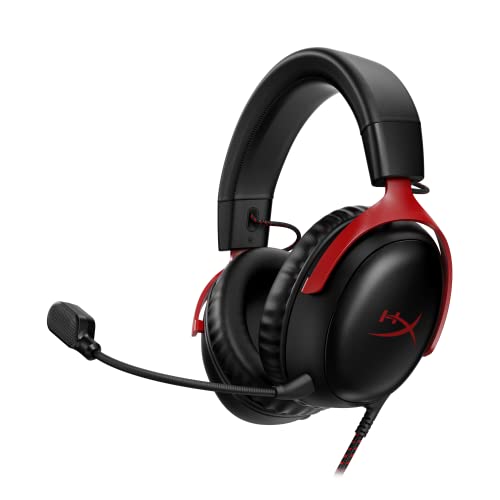
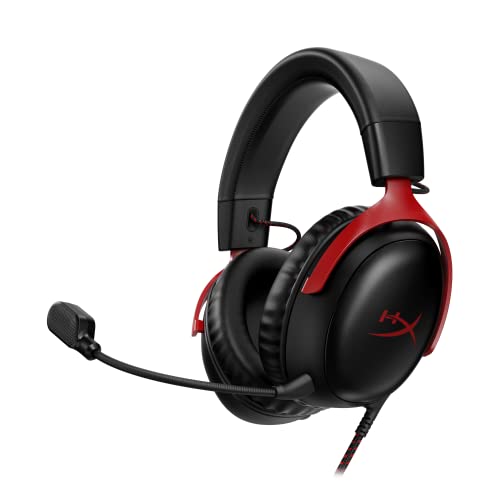
HyperX Cloud III Wired Gaming Headset — A wired reference point: USB and 3.5 mm connections, no battery, nothing to pair. Check price on Amazon.

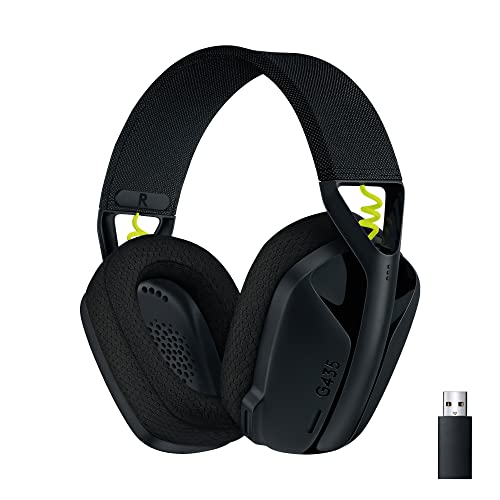
SteelSeries Arctis Nova 7 Wireless — A wireless reference point: 2.4 GHz for your main device plus Bluetooth at the same time. Check price on Amazon.

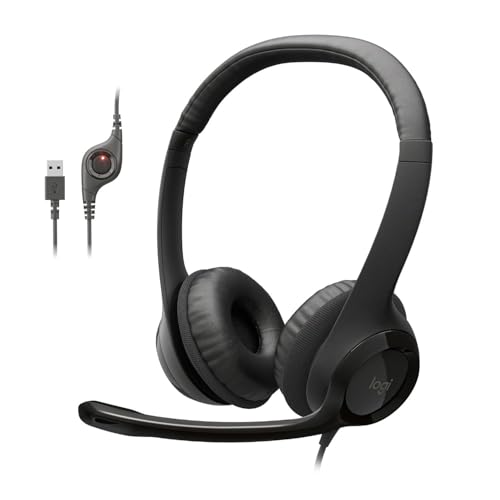
Logitech H390 Wired USB-A Headset — The classic wired work headset — plug in, join the call, forget the technology exists. Check price on Amazon.
In this guide
Wired vs Wireless Headset: Side-by-Side Comparison
| Criterion | Wired headset | Wireless headset |
|---|---|---|
| Latency | Effectively instant; the reference standard | 2.4 GHz dongle: very low. Bluetooth: noticeable on fast games |
| Charging | Never — it draws power from the connection or needs none | Regular charging; runtime varies from a day to weeks per charge |
| Sound quality per budget | All of the budget goes into sound and build | Some budget pays for battery, radio and electronics |
| Freedom of movement | Limited to cable length; cable drag on the desk | Move around the room; no cable to snag or wear out |
| Compatibility | USB and 3.5 mm work almost everywhere | Depends on dongle, console protocol and Bluetooth support |
| Failure modes | Cable wear at strain points over years | Battery ageing, pairing glitches, wireless interference |
| Microphone quality | Consistently strong at every price level | Good on modern models; historically the weak point |
Read the table as a map of trade-offs rather than a scoreboard. Neither column wins outright; each wins the rows that matter to a particular routine. The sections below unpack the rows that actually decide purchases, because latency and charging shape your daily experience far more than a specification most people shop by — sound quality — where the two have largely converged.
Latency: Where Wired Still Sets the Standard
A wired signal arrives effectively instantly. A 2.4 GHz gaming dongle adds only a few milliseconds — below what most players can perceive — which is why competitive wireless gaming headsets use dongles rather than Bluetooth. Standard Bluetooth adds substantially more delay, enough to feel in fast-paced games and to notice as lip-sync drift in video on some devices. For calls, films and casual gaming, none of this matters; for rhythm games and competitive shooters, it decides the category.
The practical rule: if you game competitively, choose wired or a dongle model such as dongle-based wireless gaming headsets; if you mainly take calls and watch content, Bluetooth’s delay is a non-issue and its flexibility wins. Be sceptical of any claim that Bluetooth is ‘lag-free’ for gaming — the honest version is ‘low enough for many games’, which is a different promise.
Sound Quality: Closer Than the Arguments Suggest
At the same budget, a wired headset can put more of its cost into drivers and build, so wired still edges ahead on pure sound per unit of money, especially at the affordable end. But the gap has narrowed: modern wireless headsets sound genuinely good, and features like companion-app EQ let you tune them to taste. What wireless cannot escape is that when its battery dies mid-session, some models stop entirely, while a wired headset’s sound is available every second it is plugged in.
Microphone quality follows the same pattern. Wired mics have no bandwidth constraints and are consistently clear. Wireless mics on current models are much better than their reputation — the samples in wireless headsets for working from home would satisfy any meeting — but at the lowest budgets, wired still delivers the clearer voice for the same money.
Convenience and Daily Life
Wireless convenience is real and compounds daily: standing up during a long call without taking off the headset, walking to the kitchen while a video plays, no cable catching on the chair arm or dragging across the keyboard. Cable management is the wired tax — a cable routed badly pulls the headset askew and wears at its strain points, which is where wired headsets eventually fail.
Wireless has its own tax, paid in attention rather than comfort: remembering to charge, occasional re-pairing after updates, and one more device competing for the radio environment. People who hate maintenance rituals often find the cable less annoying than the charging routine; people who move constantly feel the opposite. Neither reaction is wrong — know which person you are.
Cost of Ownership Over Years
The purchase is only the first cost. A wired headset’s main wear items are its cable and ear pads; models with detachable cables can be kept alive for years with a replacement lead. A wireless headset adds battery ageing to that list — after a few years the runtime shrinks, and on models where the battery cannot be replaced, the headset’s life is the battery’s life. Models that also work wired when the battery is flat are the hedge against that fate.
There is also the dongle problem: lose the small USB dongle of a wireless headset and some models become expensive earmuffs, since replacements are not always sold. Wired headsets have no equivalent single point of failure. None of this makes wireless a bad buy — it makes it a buy whose convenience should be worth something real to you, because you are paying for it in small instalments of care.
Who Each Option Suits
Choose wired if you work or game at one desk, play competitively on a budget, record or stream and want the most predictable microphone, or simply never want to think about charging. Choose wireless with a dongle if you game from a couch or move around a room while playing. Choose Bluetooth wireless if your life spans phone, laptop and tablet and your gaming is casual — the picks in Bluetooth headsets picked for all-round use are built for exactly that pattern.
Many households end up owning both: a wired headset that lives at the desk and a wireless one for everywhere else. That is not indecision; it is the honest endpoint of this comparison, because the two types are tools for different moments. If you can only buy one, buy for the moment you repeat most often each week.
Final Recommendation by Use Case
Desk-bound work and competitive play: wired USB. Mixed work and play with movement: a 2.4 GHz dongle model with Bluetooth as backup. Calls across phone and laptop all day: Bluetooth with multipoint. Travelling light: wired 3.5 mm, which works with everything including seat-back screens and never needs a charger. Whichever you choose, spend the saved deliberation time on fit and microphone quality — those decide satisfaction long after the wired-versus-wireless question is forgotten. For the wider decision framework, how to choose a headset covers the rest of the choice, and the best wireless headsets for PC gathers current wireless favourites.
The Middle Paths: Dongles, Dual Modes and Hybrids
The modern market refuses the binary this article’s title promises, and that is to your advantage. Many wireless headsets include a cable and work wired when the battery dies or when you want zero latency — the wireless headset that can become wired is the pragmatic champion of this comparison. Some wired headsets detach their cable, so the wear part is replaceable and the headset survives its own cable’s death. Bluetooth adapters can add wireless to a wired headset for phone use. Judge products by the combination of modes they offer rather than by the camp they advertise, and you will often find the honest answer is ‘wireless for daily life, wired in reserve, in the same box’.
There is one more hybrid worth naming: the headset that lives wired to a wireless base station or DAC on your desk. The cable runs a short distance to a hub rather than across to the PC, which removes most cable drag while keeping a wired signal path. It suits desk-bound users who hate cables more than they hate spending, and it illustrates the underlying truth of this whole comparison — what people actually dislike is not wires or batteries, but friction, and each design moves the friction somewhere else.
Reliability Over a Working Year
Project both designs across a year of your real life. The wired headset’s year contains: zero charging events, zero pairing events, one cable slowly ageing at its bends, and availability every single time you sit down. The wireless headset’s year contains: a hundred small charging decisions, a handful of pairing hiccups after updates, the slow arithmetic of battery health, and freedom of movement every single day. Neither year is objectively better; they suit different temperaments. People who find rituals soothing charge happily. People who find them taxing should be honest about it before they buy, because a wireless headset that is always flat is worse than any wired one.
Failure timing differs too. Wired failures announce themselves gradually — a crackle when the cable moves, one side flickering — giving you warning and a chance to order a replacement. Wireless failures can be sudden: a battery that gives up, a dongle lost on a trip. If your headset is mission-critical for work, the wired design’s graceful degradation is a genuine professional argument, and many professionals keep a cheap wired spare in a drawer regardless of which camp their main headset belongs to. That spare, incidentally, is the cheapest insurance in this entire category.
Latency, Revisited: the Three Wireless Tiers
It is worth sharpening the latency picture, because ‘wireless’ conceals three different technologies. A wired connection is the baseline: effectively zero delay. A 2.4 GHz gaming dongle is engineered for speed and lands close enough to wired that most players, including serious ones, accept it without reservation. Standard Bluetooth prioritises compatibility and power over speed, and its delay — while fine for calls, video with compensation and casual play — is the one competitive players correctly avoid. Modern Bluetooth codecs and low-latency modes narrow the gap on supported devices, but support must exist at both ends of the link, which is why the dongle remains the reliable answer. When a wireless headset advertises low latency, ask which of these tiers it means; the honest products name their dongle, and the vague ones are usually describing Bluetooth optimism.
Sound Quality, Revisited: Codecs and Other Fine Print
Wireless audio travels through codecs — compression systems that decide how much of the original sound survives the trip. The baseline codecs every device shares are competent; the advanced ones, supported by particular phones and headsets, preserve more detail. In practice, for headsets used for calls and games, codec differences sit well below fit, tuning and microphone quality in audible importance, and no codec rescues a badly tuned headset. Wired connections skip the question entirely, which is their quiet audiophile argument: the signal arrives uncompressed, full stop. If you are choosing wireless for music-critical listening, check that your phone and the headset share an advanced codec; if you are choosing for calls and games, spend the attention on the microphone instead.
The Verdict for Households, Not Just Individuals
Households add a wrinkle: a wireless headset pairs with particular devices and confuses visitors, children and partners, while a wired headset by the family computer works for whoever sits down. Shared machines argue wired; personal devices argue either way. Many families land on the pattern this article keeps circling — one wired headset that belongs to the desk, one wireless that belongs to a person. It is less a compromise than a recognition that connection types are tools, and a household, like a workshop, is allowed more than one tool.
Frequently Asked Questions
Do wireless headsets sound worse than wired ones?
Slightly, at the same budget, because part of a wireless headset’s cost is its battery and radio electronics. In practice, modern wireless models sound good enough that convenience, not sound, is the deciding factor for most buyers. The exception is the very budget end, where wired still delivers noticeably better sound and microphone quality for the money.
Is Bluetooth latency bad for gaming?
For casual and story-driven games, most players never notice it. For competitive shooters and rhythm games, standard Bluetooth delay is perceptible and puts you at a small disadvantage. The solution is not necessarily a cable: gaming headsets with a 2.4 GHz USB dongle achieve near-wired latency wirelessly.
How often do wireless headsets need charging?
It depends on the model’s battery and your usage — anywhere from nightly for heavy use of a small headset to weekly or less for large gaming models with long runtimes. The routine matters more than the number: pick a model whose runtime covers several of your longest days, and charging stops being an event.
Can a wireless headset work when its battery is dead?
Some can, over a USB or 3.5 mm cable; others go silent until charged. This is an important specification to check before buying if you cannot tolerate mid-session interruptions. Models that work wired are also a hedge against battery ageing years from now.
Which lasts longer, a wired or wireless headset?
A wired headset with a detachable cable and replaceable pads can last many years, since its wear parts are replaceable. A wireless headset’s battery ages regardless, so its lifespan is partly fixed at purchase. Good care narrows the gap, but the wired design has fewer built-in expiry dates.
I lost my wireless dongle. Is the headset useless?
Not always — many models also offer Bluetooth or a wired mode, and some manufacturers sell replacement dongles. Check your model’s support pages before giving up on it. This is also a reason to keep the dongle plugged into one machine or stored with the headset rather than loose in a drawer.
The Real Trade: Latency, Freedom and Upkeep Over Years
The wired-versus-wireless debate is usually argued on first impressions — the thrill of standing up mid-game without unplugging against the simplicity of a cable that simply works. Ownership, though, is decided by slower variables: how a battery ages across three years, how a cable fails and whether it can be replaced, how latency behaves in the games you actually play, and how often a connection choice collides with a platform you did not plan for. This section argues the case on ownership terms, with the sentiment stripped out, so the verdict follows from your habits rather than from whichever technology currently has the louder marketing.
First Principles Worth Keeping in View
Read with the underlying principles in mind, this stops being a footnote and becomes the part of choosing between a wired and a wireless headset that you will actually live with across desk, console and travel use, day after ordinary day. Hold that thought alongside everything else in this guide, and choosing between a wired and a wireless headset becomes a decision you can explain, defend and, most importantly, stop revisiting across desk, console and travel use.
The connection changes this test less than owners expect: a carefully voiced headset sounds clear on a cable today and, through a good low-latency dongle, nearly identical tomorrow. Where the link does show itself is timing rather than tone, since a standard Bluetooth hop can place a footstep a fraction after the movement that made it, while a wire places it exactly on the animation. Before blaming wireless compression for a thin sound, reseat the cups and try the same headset wired, because the comparison isolates the link from the fit in a way guessing cannot. Showroom and first-listen impressions favour loud, bass-heavy tuning, which is why a headset that thrills in minute one can fatigue by hour two.
Where the Details Start to Matter
Software updates on consoles, PCs and phones periodically reshuffle audio defaults, so a setup that worked for months can change its behaviour overnight. A PC with a headset, speakers, a monitor with speakers and a controller can offer four output devices at once, and applications do not always follow the system default you expect. Learn where your platform keeps its audio balance and monitoring controls and visit them deliberately, because they solve the majority of everyday headset complaints. Voice apps expose the difference plainly, since a wired microphone arrives untouched while a Bluetooth one may be rerouted through the hands-free profile the moment the app opens its input.
Anyone currently choosing between a wired and a wireless headset eventually runs into the finer details, usually at the least convenient moment, so it deserves a clear-eyed look here rather than a surprised one later on. A dead battery converts the best wireless headset into desk decoration unless it can also play through a cable, a fallback worth checking before you need it at midnight. None of this needs to be perfect on day one; it needs to be understood well enough that choosing between a wired and a wireless headset improves with familiarity instead of slowly unravelling.
The Decision Checklist Before You Choose a Side
Here is the part of choosing between a wired and a wireless headset that owners learn latest: this decision. That is the durable lesson here, and it will still be true of choosing between a wired and a wireless headset long after the novelty of any particular model has worn completely off.
- Movement pattern: Track how often you actually leave your seat mid-session; genuine movers gain daily from wireless, while settled players are buying freedom they rarely spend.
- Latency sensitivity: Name the fastest, most timing-critical thing you play or do, and let that — not an average evening — set your tolerance for any wireless delay.
- Platform spread: List every device in play; a headset that must serve a console, a PC and a phone faces compatibility questions that differ sharply between wired and wireless designs.
- Battery temperament: Be honest about charging discipline: wireless rewards owners who plug in without thinking and punishes those who reach for a headset that is always somehow flat.
- Failure plan: Ask how each option fails and what the fix costs — a replaceable cable is a small errand, while a sealed tired battery can end the headset’s useful life.
- Budget allocation: Decide whether the wireless premium would serve you better spent on fit, pads or microphone quality in a wired model, since the same money buys different things on each side.
The honest way to approach this decision while choosing between a wired and a wireless headset is to think in months rather than minutes, because that is the timescale on which its effects quietly accumulate across desk, console and travel use. Habits expose the truth here: a headset that lives plugged in anyway earns nothing from the wireless premium paid for it. Conversely, if you pace, cook and wander while you talk, then a cable is a leash you will quietly resent by week two. Keep the point in proportion, though: it refines choosing between a wired and a wireless headset rather than replacing the fundamentals, and it rewards attention rather than anxiety across desk, console and travel use.
Four Users, Four Different Verdicts
With choosing between a wired and a wireless headset as the goal, four users, four different verdicts deserves its moment here. File it under things worth checking once and benefiting from for years, which is the best bargain choosing between a wired and a wireless headset has to offer anyone.
Take a concrete everyday case: a competitive player at a fixed desk who has never once needed to walk away mid-match, weighing wireless freedom against a wired model’s better microphone at the same tier. At a fixed desk, the verdict follows from what never changes: this player never leaves the chair mid-match, so wireless freedom solves a problem the setup does not have. The tournament game, the unmoving chair and the wish for the strongest microphone at the tier all point the same way, towards spending the wireless premium on the wired model’s capsule instead. Choose the cable here and every round starts with zero pairing, zero battery arithmetic and a microphone feed that arrives exactly when the lips move.
Read with four users, four different verdicts in mind, this stops being a footnote and becomes the part of choosing between a wired and a wireless headset that you will actually live with across desk, console and travel use, day after ordinary day. Wireless freedom changes behaviour, not just convenience; people keep talking while making tea, answer the door mid-meeting and pace during phone calls in a way a cable never allowed. Hold that thought alongside everything else in this guide, and choosing between a wired and a wireless headset becomes a decision you can explain, defend and, most importantly, stop revisiting across desk, console and travel use.
Take a concrete everyday case: a parent who games after bedtime in a living room and values standing, stretching and answering the door without pausing the session or waking the house. In this situation the sensible priorities reorder themselves. For the parent, wireless earns its place the moment the baby monitor, the doorbell and a sleeping house all reward someone who can stand up without ending the session. The headset that wins this living room is the one that survives being worn to the kitchen and back, night after night, without a cable ever dictating the route.
Anyone currently choosing between a wired and a wireless headset eventually runs into four users, four different verdicts, usually at the least convenient moment, so it deserves a clear-eyed look here rather than a surprised one later on. Small thing, large echo, as so often with choosing between a wired and a wireless headset. None of this needs to be perfect on day one; it needs to be understood well enough that choosing between a wired and a wireless headset improves with familiarity instead of slowly unravelling.
Consider how this plays out in practice: a hybrid worker whose headset migrates between laptop calls, phone walks and evening gaming, and for whom connection juggling is the daily friction that matters. There is also a time dimension to this scenario. By month six this worker will care less about either headline claim and more about the morning the laptop, phone and headset either reconnected in seconds or demanded a pairing ritual before coffee. Judge the wireless option by that Monday-morning test, and the wired one by the desk it never leaves, because the commute between devices is where this choice is actually lived.
It is easy to treat four users, four different verdicts as an afterthought while choosing between a wired and a wireless headset, yet experienced owners will tell you it decides more long-term satisfaction than the headline choice ever does. Ask a wired loyalist about batteries and a wireless loyalist about cables, and you will hear two completely honest horror stories. Habits expose the truth here: a headset that lives plugged in anyway earns nothing from the wireless premium paid for it. That is the durable lesson here, and it will still be true of choosing between a wired and a wireless headset long after the novelty of any particular model has worn completely off.
Consider how this plays out in practice: a traveller building one kit for trains, hotels and a home desk, where battery anxiety and cable tangles take turns being the enemy. In this situation the sensible priorities reorder themselves. On trains and in hotels, the wired headset’s promise is absolute predictability, while the wireless one’s promise is a seat pocket free of tangles, and the traveller must pick which promise the journey needs. Frequent flyers often settle it with a hybrid kit: wireless for the terminal wander, cable in the seat pocket for the moment the battery or the airline’s entertainment screen demands it.
The honest way to approach four users, four different verdicts while choosing between a wired and a wireless headset is to think in months rather than minutes, because that is the timescale on which its effects quietly accumulate across desk, console and travel use. Keep the point in proportion, though: it refines choosing between a wired and a wireless headset rather than replacing the fundamentals, and it rewards attention rather than anxiety across desk, console and travel use.
Living With Each Choice: the Costs That Arrive Later
For choosing between a wired and a wireless headset, living with each choice: the costs that arrive later matters more than its size suggests. That, in short, is the practical heart of choosing between a wired and a wireless headset.
Fit Considerations in the Long Run
Read with fit and comfort in mind, this stops being a footnote and becomes the part of choosing between a wired and a wireless headset that you will actually live with across desk, console and travel use, day after ordinary day. Multipoint wireless, holding a phone and a laptop at once, suits people whose day jumps between calls on both, and is worthless to anyone who lives on a single machine. Hold that thought alongside everything else in this guide, and choosing between a wired and a wireless headset becomes a decision you can explain, defend and, most importantly, stop revisiting across desk, console and travel use.
Anyone currently choosing between a wired and a wireless headset eventually runs into fit and comfort, usually at the least convenient moment, so it deserves a clear-eyed look here rather than a surprised one later on. The best connection is ultimately the one you stop thinking about, and each camp reaches that peace by a very different road. Ask a wired loyalist about batteries and a wireless loyalist about cables, and you will hear two completely honest horror stories. None of this needs to be perfect on day one; it needs to be understood well enough that choosing between a wired and a wireless headset improves with familiarity instead of slowly unravelling.
Pads and Wear Parts Considerations in the Long Run
It is easy to treat pads and wear parts as an afterthought while choosing between a wired and a wireless headset, yet experienced owners will tell you it decides more long-term satisfaction than the headline choice ever does. That is the durable lesson here, and it will still be true of choosing between a wired and a wireless headset long after the novelty of any particular model has worn completely off.
The honest way to approach pads and wear parts while choosing between a wired and a wireless headset is to think in months rather than minutes, because that is the timescale on which its effects quietly accumulate across desk, console and travel use. Keep the point in proportion, though: it refines choosing between a wired and a wireless headset rather than replacing the fundamentals, and it rewards attention rather than anxiety across desk, console and travel use.
Microphone Considerations in the Long Run
Bandwidth quietly separates the two camps here, because a wired boom sends its full voice down the cable while a Bluetooth microphone in call mode works inside a narrower channel. That narrower channel makes aim matter even more on wireless, since a boom drifting off-axis loses detail that the reduced bandwidth cannot spare. Use push-to-talk or a mute habit in noisy rooms rather than asking noise suppression to perform miracles against a television or a fan.
Plenty of guides skip straight past microphone behaviour, which is a shame, since choosing between a wired and a wireless headset tends to succeed or fail on exactly these unglamorous details in the long run. That holds across desk, console and travel use as much as anywhere else. File it under things worth checking once and benefiting from for years, which is the best bargain choosing between a wired and a wireless headset has to offer anyone.
Connections Considerations in the Long Run
Read with connection behaviour in mind, this stops being a footnote and becomes the part of choosing between a wired and a wireless headset that you will actually live with across desk, console and travel use, day after ordinary day. Hold that thought alongside everything else in this guide, and choosing between a wired and a wireless headset becomes a decision you can explain, defend and, most importantly, stop revisiting across desk, console and travel use.
Anyone currently choosing between a wired and a wireless headset eventually runs into connection behaviour, usually at the least convenient moment, so it deserves a clear-eyed look here rather than a surprised one later on. None of this needs to be perfect on day one; it needs to be understood well enough that choosing between a wired and a wireless headset improves with familiarity instead of slowly unravelling.
Battery Considerations in the Long Run
It is easy to treat battery life and charging as an afterthought while choosing between a wired and a wireless headset, yet experienced owners will tell you it decides more long-term satisfaction than the headline choice ever does. True on day one, truer still in month six of choosing between a wired and a wireless headset. That is the durable lesson here, and it will still be true of choosing between a wired and a wireless headset long after the novelty of any particular model has worn completely off.
The honest way to approach battery life and charging while choosing between a wired and a wireless headset is to think in months rather than minutes, because that is the timescale on which its effects quietly accumulate across desk, console and travel use. Replacement dongles are small, losable and sometimes paired to one headset for life, so a wireless model ties its future to a part the size of a thumbnail. Keep the point in proportion, though: it refines choosing between a wired and a wireless headset rather than replacing the fundamentals, and it rewards attention rather than anxiety across desk, console and travel use.
Durability Considerations in the Long Run
Plenty of guides skip straight past build and durability, which is a shame, since choosing between a wired and a wireless headset tends to succeed or fail on exactly these unglamorous details in the long run. For competitive play where a missed footstep costs a round, many players still pick the connection with nothing to encode, transmit or decode between the game and their ears. File it under things worth checking once and benefiting from for years, which is the best bargain choosing between a wired and a wireless headset has to offer anyone.
Read with build and durability in mind, this stops being a footnote and becomes the part of choosing between a wired and a wireless headset that you will actually live with across desk, console and travel use, day after ordinary day. Conversely, if you pace, cook and wander while you talk, then a cable is a leash you will quietly resent by week two. Hold that thought alongside everything else in this guide, and choosing between a wired and a wireless headset becomes a decision you can explain, defend and, most importantly, stop revisiting across desk, console and travel use.
Care Considerations in the Long Run
Anyone currently choosing between a wired and a wireless headset eventually runs into care and upkeep, usually at the least convenient moment, so it deserves a clear-eyed look here rather than a surprised one later on. A dedicated 2.4 GHz dongle connection keeps delay low enough that lip movement in a cutscene and the words you hear stay convincingly married, which plain Bluetooth often cannot promise. None of this needs to be perfect on day one; it needs to be understood well enough that choosing between a wired and a wireless headset improves with familiarity instead of slowly unravelling.
It is easy to treat care and upkeep as an afterthought while choosing between a wired and a wireless headset, yet experienced owners will tell you it decides more long-term satisfaction than the headline choice ever does. A dead battery converts the best wireless headset into desk decoration unless it can also play through a cable, a fallback worth checking before you need it at midnight. That is the durable lesson here, and it will still be true of choosing between a wired and a wireless headset long after the novelty of any particular model has worn completely off.
Hearing Considerations in the Long Run
The honest way to approach listening levels and hearing while choosing between a wired and a wireless headset is to think in months rather than minutes, because that is the timescale on which its effects quietly accumulate across desk, console and travel use. Repair economics differ quietly: a frayed detachable cable is a small spare-part order, while a swollen battery inside a sealed wireless cup can end the whole product. Keep the point in proportion, though: it refines choosing between a wired and a wireless headset rather than replacing the fundamentals, and it rewards attention rather than anxiety across desk, console and travel use.
Plenty of guides skip straight past listening levels and hearing, which is a shame, since choosing between a wired and a wireless headset tends to succeed or fail on exactly these unglamorous details in the long run. Habits expose the truth here: a headset that lives plugged in anyway earns nothing from the wireless premium paid for it. Conversely, if you pace, cook and wander while you talk, then a cable is a leash you will quietly resent by week two. File it under things worth checking once and benefiting from for years, which is the best bargain choosing between a wired and a wireless headset has to offer anyone.
Going Further: Headset Details That Reward a Second Look
For choosing between a wired and a wireless headset, the finer details matters more than its size suggests. Hold that thought alongside everything else in this guide, and choosing between a wired and a wireless headset becomes a decision you can explain, defend and, most importantly, stop revisiting across desk, console and travel use.
Anyone currently choosing between a wired and a wireless headset eventually runs into the finer details, usually at the least convenient moment, so it deserves a clear-eyed look here rather than a surprised one later on. Wireless freedom changes behaviour, not just convenience; people keep talking while making tea, answer the door mid-meeting and pace during phone calls in a way a cable never allowed. None of this needs to be perfect on day one; it needs to be understood well enough that choosing between a wired and a wireless headset improves with familiarity instead of slowly unravelling.
It is easy to treat the finer details as an afterthought while choosing between a wired and a wireless headset, yet experienced owners will tell you it decides more long-term satisfaction than the headline choice ever does. Wired headsets draw their power from the jack, so they are the lighter long-term carry for travellers who already guard every gram and every charging slot in the bag. That is the durable lesson here, and it will still be true of choosing between a wired and a wireless headset long after the novelty of any particular model has worn completely off.
The honest way to approach the finer details while choosing between a wired and a wireless headset is to think in months rather than minutes, because that is the timescale on which its effects quietly accumulate across desk, console and travel use. Ask a wired loyalist about batteries and a wireless loyalist about cables, and you will hear two completely honest horror stories. Keep the point in proportion, though: it refines choosing between a wired and a wireless headset rather than replacing the fundamentals, and it rewards attention rather than anxiety across desk, console and travel use.
Plenty of guides skip straight past the finer details, which is a shame, since choosing between a wired and a wireless headset tends to succeed or fail on exactly these unglamorous details in the long run. Interference is a neighbourhood property rather than a product property, which is why reviews written in quiet suburbs mislead city flats. Delay you cannot hear in a film can still cost you a rhythm game, so judge latency with your fastest content, not your slowest. File it under things worth checking once and benefiting from for years, which is the best bargain choosing between a wired and a wireless headset has to offer anyone.
Read with the finer details in mind, this stops being a footnote and becomes the part of choosing between a wired and a wireless headset that you will actually live with across desk, console and travel use, day after ordinary day. Cable drag is the wired tax nobody mentions in reviews: a lead that rubs your shoulder and tugs at one cup during a long session can annoy more than any specification delights. Hold that thought alongside everything else in this guide, and choosing between a wired and a wireless headset becomes a decision you can explain, defend and, most importantly, stop revisiting across desk, console and travel use.
Anyone currently choosing between a wired and a wireless headset eventually runs into the finer details, usually at the least convenient moment, so it deserves a clear-eyed look here rather than a surprised one later on. Multipoint wireless, holding a phone and a laptop at once, suits people whose day jumps between calls on both, and is worthless to anyone who lives on a single machine. None of this needs to be perfect on day one; it needs to be understood well enough that choosing between a wired and a wireless headset improves with familiarity instead of slowly unravelling.
Related Guides
Does wireless sound worse than wired?
With a dedicated low-latency dongle and a modern design, the practical difference for games and calls is negligible for most listeners; standard Bluetooth in fast games is where delay, not fidelity, becomes the honest objection. Critical music listening on high-end gear remains wired’s home ground.
Can a wireless headset be used wired when the battery dies?
Many can, through a cable that carries audio while the battery rests, though features like active processing may switch off in that mode. Check the specific model before relying on it, because this fallback is the difference between an inconvenience and a ruined evening.