Most smartwatch features compete for your attention during the day. Sleep monitoring works the other shift. A watch bought for sleep has to disappear on the wrist at lights-out, keep recording through the night without a battery warning, and turn a tangle of overnight signals into a report that means something the next morning. That combination is rarer than spec sheets suggest. Plenty of watches can draw a rough graph of when you were probably asleep; far fewer combine documented sleep-stage breakdowns, overnight blood oxygen and breathing data, multi-night battery life, and a companion app that shows trends instead of isolated numbers. This guide is organised around that narrower, harder job.
Kaju and Douglas may earn an affiliate commission when you buy through links on this page. That commission funds the research behind guides like this one and never changes the price you pay. Every pick below was selected from manufacturer specification sheets, product documentation, and published support material, and every feature described is one the manufacturer documents for that model. Where a capability depends on a region, a subscription, or a paired phone, the guide says so rather than presenting it as standard.
The six watches here were chosen because sleep is a genuine strength in their documented feature sets, and they reach that strength by different routes. Samsung and Google build the deepest mainstream sleep reports, layering stage data, oxygen readings, and snore detection into polished phone apps. Fitbit’s Sense 2 treats sleep as its home ground and adds the longest-running sleep-profile system in the group. Garmin’s Venu 4 pairs sleep scoring with heart rate variability trends and a battery measured in days, not hours. Apple’s Series 11 brings a dedicated sleep score and regulator-cleared apnea notifications to iPhone owners. Withings takes the opposite path from all of them: an analogue-looking hybrid that records the night quietly and charges about once a month. The right choice depends less on which watch tracks the most and more on which one you will still be wearing at 3 a.m. in month three.
What a sleep watch actually records overnight
A sleep-tracking watch is, at its core, an inference engine strapped to a pulse point. It cannot see your brain waves, so it builds its picture of the night from proxies: wrist movement from the accelerometer, heart rate and heart rate variability from the optical sensor on the case back, blood oxygen saturation from red and infrared light, and in some models skin temperature and breathing rate derived from the same optical stream. Software then sorts the night into the categories the manufacturer publishes — typically awake time, light sleep, deep sleep, and REM — and wraps the result in a score or grade inside the companion app.
Understanding that inference chain matters because it sets honest expectations. Two watches worn on the same wrist on the same night will rarely agree minute by minute on stage boundaries, and neither is reading sleep the way a clinical sleep study does. What the better systems offer instead is consistency: the same sensors, the same algorithms, and the same scoring night after night, so that changes in your deep-sleep share, your resting heart rate, or your oxygen trend line up with changes in your routine. A single night’s number is trivia. A six-week trend is information, and the watches in this guide were picked with trend quality — sensor breadth, scoring stability, and app reporting — as the deciding standard.
The data layers are worth separating, because manufacturers bundle them unevenly. Sleep stages are the base layer and every pick here documents them. Overnight blood oxygen, usually labelled SpO2, is the second layer: the watch samples periodically through the night and reports an average or a range, which is useful context for altitude, illness, and breathing patterns. Breathing rate and heart rate variability form a third layer that feeds readiness and recovery scores. Snore detection is a fourth, and it works differently from the rest — most implementations listen through the paired phone’s microphone or the watch’s own microphone and log episodes against the sleep timeline. Finally, a small number of watches now offer sleep apnea notifications, which are not a nightly metric at all: the watch analyses breathing disturbances over a period of weeks and notifies the wearer of possible signs, only in markets where the feature has regulatory clearance. Each pick below states plainly which layers it documents.
One more distinction shapes the whole comparison. Some watches treat sleep as one panel inside a general fitness platform, while others — Fitbit most clearly — built their reputation on sleep and let everything else orbit it. Neither approach is automatically better. A general platform usually wins on breadth, smart features, and phone integration; a sleep-first platform usually wins on the depth of its long-term reporting, its sleep-profile analysis, and how gently it handles the basics like alarm behaviour and night-time screen discipline. The sections that follow keep both philosophies visible so the trade-off stays explicit.
In this guide
What to look for in a smartwatch for sleep monitoring
Which sleep data layers the manufacturer actually documents
Start with the layer list, not the marketing headline. A watch that documents stages, SpO2, breathing rate, and heart rate variability gives its app four independent signals to cross-check, and its scores tend to stay steadier when one signal degrades — a loose strap, for instance, mainly corrupts the optical readings while movement data still anchors the timeline. A watch that documents stages alone can still be a fine tracker, but its report has less to say about why a night scored poorly. Match the layers to your reason for tracking: someone investigating snoring needs the microphone-based detection and the timeline it produces; someone training for an endurance event cares more about HRV and resting heart rate trends; someone curious about altitude trips wants the oxygen layer. Buying layers you will never open is harmless, but missing the one layer you bought the watch for is not.
Battery life measured in nights, not hours
Sleep tracking is the feature most exposed to weak battery life, because the watch has to be charged exactly when it is not being worn — and for many owners the only reliable not-worn window is the shower or the morning routine. Manufacturer battery figures therefore deserve a different reading here than in a general smartwatch guide. A watch rated around a day needs a disciplined daily top-up habit and will eventually miss a night. A watch rated at several days forgives a forgotten charger on a trip. A hybrid rated in weeks removes the question almost entirely. Every battery figure in this guide is the manufacturer’s published rating under that maker’s stated conditions, and the pick sections note what those conditions generally assume, because always-on display settings, overnight oxygen sampling frequency, and LTE use move real endurance a long way from the headline number.
Comfort, weight, and the strap you sleep in
A watch that feels fine at a desk can fail at night. Case thickness digs into the wrist bone when a hand slides under a pillow; a heavy steel case pulls against a loose strap and breaks the optical sensor’s contact; a sport band that breathes at the gym may hold sweat against the skin for eight hours. Manufacturers publish case dimensions and weights, and those figures are worth comparing with sleep specifically in mind — the lightest picks in this group sit near half the weight of the heaviest once straps are counted. Strap material is the other half of the equation: soft fluoroelastomer and woven nylon are the usual night-friendly options, most platforms sell both, and a quick-release system makes swapping a metal daytime bracelet for a fabric night strap a ten-second job rather than a reason to leave the watch on the nightstand.
The companion app and what the report shows
The watch collects; the app explains. When comparing sleep platforms, look at what the morning report contains and what sits behind a paywall. The documented pattern across this group: the core night report — duration, stages, and a score — is free everywhere, while the deeper analysis layer is where subscriptions appear. Fitbit Premium unlocks the long-term Sleep Profile and deeper trend breakdowns; Samsung places some coaching and its Energy Score context inside Samsung Health, which remains free but ties fuller features to Galaxy phones in places; Garmin keeps its sleep and HRV reporting inside Garmin Connect without a subscription for the core metrics; Apple’s sleep data lives in the Health app with no paywall; Withings offers its core sleep reporting free with an optional subscription tier above it. None of that is hidden, but it is scattered across each maker’s pages, and the pick sections gather it per watch so the ongoing cost picture is visible before purchase rather than after.
Phone pairing limits that rule picks in or out
Sleep features do not float free of the phone ecosystem. Apple Watch pairs only with iPhone, full stop, and no depth of sleep reporting changes that for an Android owner. Samsung’s Galaxy Watch line pairs with Android phones, with a subset of health features documented as requiring a Galaxy phone. Pixel Watch is an Android companion that leans on the Fitbit app. Fitbit, Garmin, and Withings are the cross-platform picks here, documenting support for both Android and iOS, though feature depth can still vary by phone platform. The sleep data itself may also live in different places — Apple Health, Samsung Health, Fitbit, Garmin Connect — and if you already keep training or health records in one of those systems, staying inside it has real value that a spec table cannot show.
Overnight sampling settings and what they cost
Beneath the headline feature list sits a settings layer that quietly decides data quality. Optical sensors sample on schedules, and manufacturers expose some of those schedules to the wearer: blood oxygen can often be set to sample through the night, only during sleep windows, or on demand, and each step up in frequency costs battery. Temperature and breathing-rate features may need a run of nights to establish a baseline before they report deviations at all — Samsung’s vascular load, Garmin’s HRV status, and Apple’s Vitals ranges all work this way, which is why the first week with any of these watches produces thinner reports than the fourth. When comparing picks, treat baseline-dependent features as delayed value: real, documented, and genuinely useful, but earned through consistent wear rather than delivered on night one. A buyer who changes watches every few months never collects that value from any brand.
Alarms, sleep schedules, and how the watch behaves at night
The night features around tracking deserve as much attention as tracking itself. Wrist alarms that vibrate instead of sounding are documented across this group in various forms — Fitbit’s Smart Wake aims to rouse the wearer in a lighter stage near the set time, Garmin and Samsung offer vibration alarms within their sleep schedules, and Apple’s Sleep Focus ties the alarm to the iPhone’s sleep schedule with a wind-down period before it. Screen behaviour matters in the same hours: every full smartwatch here offers a sleep mode or schedule that dims or locks the display, and setting it up once is the difference between a dark wrist and a small lantern turning over in bed. These behaviours are unglamorous, rarely headline a product page, and shape satisfaction with a sleep watch more than a marginal sensor difference does.
Health claims and their limits
Every manufacturer in this guide describes its sleep features as wellness tools, and the pick sections keep that framing intact. A sleep score is a proprietary index, not a measurement with units. SpO2 readings from a wrist sensor are spot-sampled estimates, presented by their makers as trend information. Sleep apnea notifications, where a watch documents them, are notifications of possible signs gathered over weeks, offered in specific cleared markets, and are explicitly not a diagnosis — each maker’s documentation says the feature does not replace professional evaluation. Read the pick sections with that lens: the question is never whether a watch can judge your health, but whether its documented overnight data is broad and consistent enough to show you patterns worth acting on, discussing with a clinician, or simply using to fix a bedtime routine.
The six picks compared

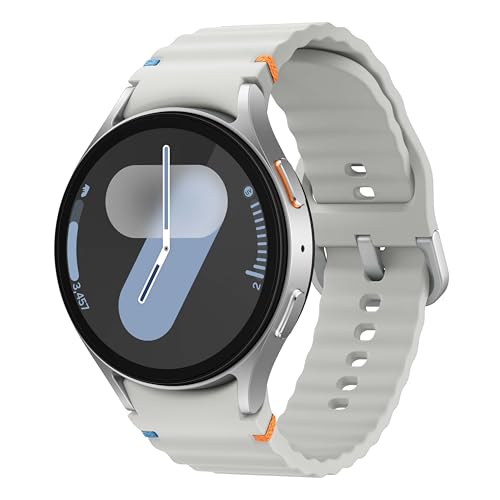
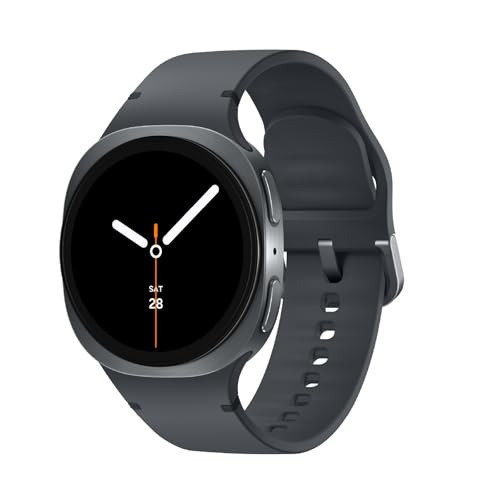
Samsung Galaxy Watch 8
Samsung’s Galaxy Watch 8 is the most layered sleep reporter in this group for Android owners. Samsung Health documents sleep stages, a Sleep Score, overnight blood oxygen, skin temperature deviation, and snore detection that uses the paired phone’s microphone while the watch tracks the night. On top of the nightly report, Samsung documents Bedtime Guidance, which works from several days of recorded sleep to suggest a bedtime window, and a Vascular Load reading that compares overnight cardiovascular strain against a personal baseline built over preceding weeks. The Energy Score each morning folds sleep together with activity and heart data into a single readiness figure, which makes the watch as much a morning briefing device as a night recorder.
The Galaxy implementation also illustrates how platform ties shape a sleep purchase. Samsung Health’s sleep record is at its fullest on a Galaxy phone, where the companion features and the watch’s health suite are designed to interlock; on other Android phones the core tracking remains, but the documentation reserves some elements for the home ecosystem. The two case sizes share the same sleep feature set, so the choice between them is about wrist fit and battery headroom rather than capability — a smaller case sits flatter under a pillow cuff, while the larger case buys a little more time between charges. Either way, the watch asks to be worn snugly, because its temperature and vascular readings depend on steady skin contact through position changes.
Strengths: The breadth of documented overnight signals is the headline — stages, oxygen, temperature, snoring, and vascular load in one system. The case is slim for a full smartwatch, which helps overnight wear, and the sleep coaching features act on the data rather than merely displaying it. Sleep records also feed a proper trend view in Samsung Health rather than expiring as daily cards.
Trade-offs: Battery life is the structural compromise: Samsung rates the watch in the region of a day and a half depending on size and settings, so a daily charging slot is part of the deal, and a missed slot costs a night of data. Some health features are documented as needing a Galaxy phone for their full form, and snore detection needs the phone within microphone range of the bed. The richest readings, like Vascular Load, also require a run of consistent nights before they say anything at all.
Who it suits: Android owners — Galaxy phone owners most of all — who want the deepest single-app sleep report in this group and are willing to trade charging discipline for data depth. If your interest is coaching toward a better routine rather than passive recording, this is the pick that pushes furthest in that direction, and Galaxy users comparing current listings for the Watch 8 in the right case size and connectivity version can check price on Amazon.

Google Pixel Watch 4
Pixel Watch 4 runs its sleep tracking through Fitbit’s platform, which means the night is scored by the most recognisable system in consumer sleep tracking: Fitbit’s Sleep Score, a stage breakdown covering light, deep, and REM sleep, overnight SpO2, and a morning report that sits inside the Fitbit app rather than a general health dashboard. Google documents a battery rated up to around thirty hours on the smaller case and longer on the larger one, which is the first Pixel generation where a full day, a full night, and the following morning fit inside one charge with room to spare. Fitbit’s Sleep Profile — the system that sorts your month of nights into one of several sleeper archetypes with a comparison against typical ranges — is available through Fitbit Premium.
It is worth being precise about what the Fitbit inheritance means in practice. The Pixel Watch does not run a separate Google sleep system with a Fitbit logo; the scoring, the stage presentation, the Health Metrics view of overnight oxygen and breathing rate, and the long-term profile are the Fitbit platform itself, with its decade of accumulated sleeper data behind the comparison ranges. For a buyer moving from any earlier Fitbit tracker, the history migrates and the trends continue unbroken — an advantage no clean-slate platform can offer. The watch hardware contributes the wearing experience: a smooth domed case, a choice of two sizes, and sensors that feed the platform without the wearer managing modes or starting sessions manually.
Strengths: The Fitbit sleep report is the easiest in this group to read at a glance, and the Sleep Profile adds a genuinely longitudinal view that most rivals do not match. The domed case wears smoothly against a pillow, the watch is light for its size, and Google’s published battery figures finally suit overnight wear without a pre-bed top-up ritual. Automatic sleep detection means a forgotten manual start does not lose the night.
Trade-offs: The deepest analysis, including the Sleep Profile, sits behind the Fitbit Premium subscription, so the full sleep system carries an ongoing cost after the first year. Pixel Watch pairs with Android phones only. Snore and noise detection is documented as a Fitbit app feature on Pixel phones, which narrows that particular layer for owners of other Android brands. Charging is fast by smartwatch standards but still a daily-or-so appointment.
Who it suits: Android owners who want the clearest morning report and a long-term sleep profile, and who accept a subscription as part of the deepest tier. It is also the natural pick for anyone already holding years of Fitbit history from an earlier tracker, since the sleep record continues in the same app — those readers, once they have settled on case size and whether they need LTE, can check price on Amazon.

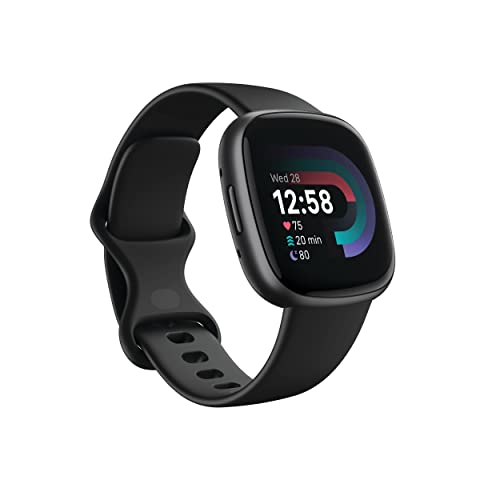
Fitbit Sense 2
The Sense 2 is the sleep specialist wearing a smartwatch’s clothes. Fitbit documents sleep stages and its Sleep Score as core functions, overnight SpO2 through the Health Metrics dashboard, and snore and noise detection that records the acoustic environment of the night against the sleep timeline. Its stress hardware adds a layer the others approach differently: an electrodermal activity sensor for spot stress readings and body-response notifications during the day, which makes the Sense 2 a round-the-clock picture rather than a night-only instrument. Fitbit rates the battery at up to six days or more under its stated conditions, and that single figure changes the ownership pattern — the watch comes off for charging roughly once a week, so the missed-night problem mostly disappears.
The Sense 2 also shows its priorities in what it leaves out of the night. There is no app drawer to fiddle with at bedtime and no bright, information-dense face competing for attention; the sleep experience is deliberately plain — wear it, sleep, read the report over coffee. Fitbit documents automatic sleep detection as standard behaviour, so naps and irregular hours are captured without the wearer declaring them, and the morning Sleep Score arrives with the stage graph and the restorative breakdown already assembled. Owners coming from older Fitbit devices will find the same vocabulary and the same profile system waiting, which keeps years of personal sleep history in one continuous record.
Strengths: Multi-day battery life is the decisive advantage for sleep tracking specifically, because consistency of data is what makes trends trustworthy. The case is slim and light, among the least noticeable in this group overnight, and the Fitbit app remains a benchmark for readable sleep reporting. It pairs with both Android and iOS, which none of the three platform watches above can claim. The Sleep Profile system, via Premium, gives the longest-view analysis in the comparison.
Trade-offs: As a general smartwatch it is deliberately restrained: the app catalogue is thin next to Wear OS or watchOS, there is no speaker-driven assistant depth of the kind platform watches offer, and music and third-party app ambitions should be set low. The most detailed sleep analysis again requires Fitbit Premium. Its health-sensor extras beyond sleep — ECG and irregular rhythm notifications — are documented only for specified markets, so availability depends on where the watch is used.
Who it suits: Sleep-first buyers who happen to want a screen and notifications attached, on either phone platform. If the night report is the product and everything else is secondary, the Sense 2 is the most honest expression of that priority here, and shoppers who have confirmed the current Sense 2 listing is the watch rather than a Fitbit band from the same catalogue can check price on Amazon.

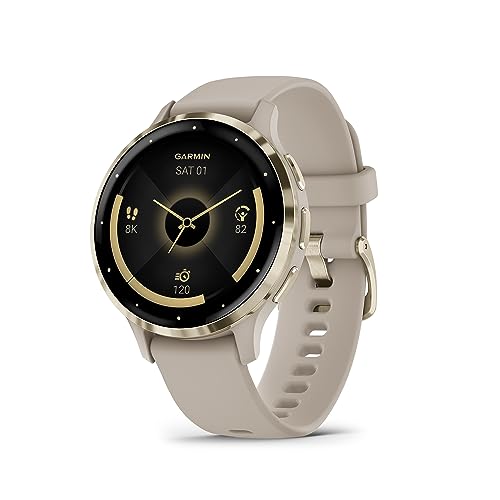
Garmin Venu 4
Garmin approaches sleep as one input to a recovery system, and the Venu 4 documents the full chain: a Sleep Score with stage breakdown, overnight heart rate variability reported as an HRV Status with a personal baseline range, respiration rate, blood oxygen sampling through Pulse Ox, automatic nap detection, and a Sleep Coach that adjusts its nightly sleep-need estimate based on recent activity, HRV, and sleep history. That last feature marks Garmin’s philosophy clearly — instead of grading last night against a fixed eight-hour ideal, the coach moves the target with your training load and recovery state. Garmin rates the larger Venu 4 at up to twelve days in smartwatch mode under its stated conditions, which turns sleep tracking into something that simply happens every night rather than something scheduled around a charger.
Garmin’s reporting rewards patience in a specific way: HRV Status only becomes meaningful once the baseline range is established over the first weeks of wear, after which the nightly value is judged against the wearer’s own normal rather than a population average. That design makes the Venu 4 progressively more personal the longer it is worn, and it explains why Garmin owners tend to describe the system as knowing them. The sleep stages, respiration, and oxygen data feed the same ecosystem — Body Battery opens the morning with a charge level derived substantially from the night, and training readiness weighs sleep heavily before suggesting the day’s effort. No other pick in this group lets the night steer the next day’s training plan so directly.
Strengths: The HRV baseline system is the most analytically serious trend tool in this group, and it is free inside Garmin Connect — no subscription gates the core sleep or HRV reporting. Battery life removes charging from the sleep equation for a week or more at a time. Naps are captured rather than ignored, which matters for shift workers and new parents whose sleep is genuinely fragmented. The watch is cross-platform, pairing with Android and iPhone alike.
Trade-offs: Garmin’s app is an athlete’s dashboard, and a buyer who only wants a friendly morning summary may find the data density heavy at first. Pulse Ox sampling through the night costs battery, so the longest endurance figures assume lighter sampling settings. There is no snore detection layer of the kind Samsung and Fitbit document. As a lifestyle smartwatch it trails the platform watches on apps, assistants, and phone integration polish, and the sleep data speaks Garmin’s language — Body Battery, training readiness — rather than plain sleep vocabulary.
Who it suits: Runners, cyclists, and gym regulars who want sleep judged in the context of training, plus anyone whose sleep schedule is irregular enough that nap capture and a moving sleep-need target matter. For that reader the Venu 4 is the most complete recovery instrument here, and once the case size is chosen between the two documented options, that reader can check price on Amazon.
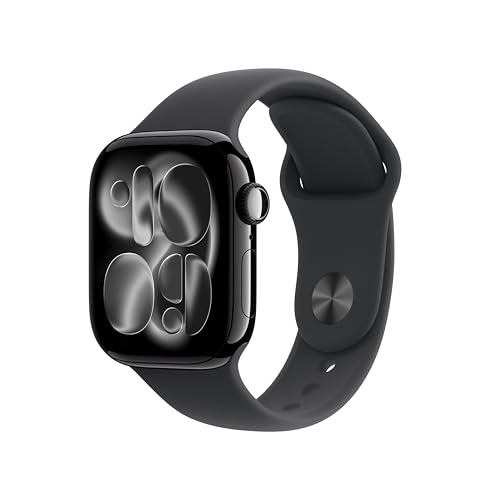
Apple Watch Series 11
For iPhone owners, the Series 11 is the default against which other sleep watches are measured, and Apple has closed the scoring gap that once defined this comparison: the current software documents a Sleep Score alongside the established stage breakdown of REM, Core, and Deep sleep, overnight blood oxygen, respiratory rate, and wrist temperature trends used by the Vitals app to flag nights that fall outside your personal ranges. The headline health feature is sleep apnea notifications — the watch analyses breathing disturbance data accumulated over a period of weeks and can notify the wearer of possible signs of moderate to severe sleep apnea. Apple documents this feature as cleared by regulators in the United States and a list of other markets, and describes it exactly as a notification of possible signs, not a diagnosis.
The Series 11’s sleep system is also the most schedule-driven in the group. The iPhone’s Sleep schedule defines the wind-down, the watch follows Sleep Focus automatically, and the morning report lands inside the same Health app that holds the wearer’s records from clinics, scales, and other devices. That consolidation is the real Apple argument: not that any single sleep metric is unique, but that the night joins a longitudinal health record the owner may keep for a decade. Wrist temperature trends, respiratory rate, and oxygen history accumulate in one place with no export step, and the Vitals view turns that accumulation into a simple nightly verdict — typical, or worth a second look — without demanding that the wearer interpret raw graphs.
Strengths: The Vitals framing — several overnight metrics compared against your own established ranges, with out-of-range nights flagged — is the most clinically minded presentation in this group, and the apnea notification system has no equivalent among the other five picks. Sleep data integrates with the iPhone Health app and the Sleep Focus schedule, so alarms, wind-down, and tracking share one setup. The aluminium case is thin and light enough to forget overnight.
Trade-offs: The pairing wall is absolute: no iPhone, no watch, and that ends the discussion for Android households. Apple rates battery life at up to twenty-four hours under its stated conditions, the tightest figure in this group, so the daily charge is structural — most owners settle into a top-up while showering or at a desk. There is no snore recording layer in Apple’s documented sleep feature set. The apnea notifications are market-dependent and require weeks of accumulated nights before the system can say anything, so they reward consistency the battery works against.
Who it suits: iPhone owners who want sleep data inside the same Health app that already holds the rest of their records, and who value the apnea notification capability enough to keep a nightly wearing habit. Within Apple’s own line it is the fullest sleep feature set currently documented, and iPhone owners who have picked between the two case sizes and the GPS or cellular configuration can check price on Amazon.

Withings ScanWatch 2
The ScanWatch 2 looks like an ordinary analogue watch — hands, a steel case, a small inset display — and that disguise is its sleep argument. Withings documents sleep tracking covering duration and cycles, a Sleep Quality Score, overnight heart rate, SpO2 measurement, and breathing rate, all recorded by a watch with no glowing screen to light up at a wrist turn and a battery rated at up to thirty days under Withings’ stated conditions. Charging becomes a monthly event, which quietly solves the adherence problem that undermines every other pick: the best sleep tracker is the one still on the wrist in month six, and a hybrid that asks almost nothing of its owner tends to stay there. Its health feature set extends to ECG and irregular rhythm notifications in markets where Withings documents clearance for them.
The hybrid design changes the failure modes of sleep tracking rather than merely its styling. There is no touchscreen to wake accidentally against a pillow, no app updates demanding attention at bedtime, and no temptation to answer a message at 2 a.m., because the watch cannot. The small inset display shows the essentials on demand and otherwise leaves the dial dark and analogue. For sleepers whose problem is partly the phone-and-screen environment itself, that restraint is a feature with measurable consequences for the night, and it is one the five full smartwatches cannot replicate even with their sleep modes switched on. The trade is absolute, though: everything the watch knows, it tells the phone in the morning, and nothing about the experience is interactive.
Strengths: Thirty-day battery life and a conventional watch face make this the lowest-maintenance sleep tracker in the group by a wide margin. The steel case and slim profile wear like jewellery rather than equipment, which suits anyone who dislikes the smartwatch look at dinner as much as in bed. Sleep reporting in the Withings app is calm and trend-oriented, and the platform pairs with both Android and iOS. There is no subscription requirement for the core sleep data.
Trade-offs: The tiny display means the night is reviewed on the phone, not the wrist, and there is no meaningful app platform, no voice assistant, and no LTE option. Sleep-stage presentation is less granular in feel than the Fitbit or Samsung reports, and there is no snore detection. Some health features are region-dependent, and Withings’ optional subscription tier holds some of the newer analysis features, so the free-versus-paid line deserves a look on the maker’s current pages before purchase. Notifications are a filtered trickle by design.
Who it suits: Anyone who wants sleep data without adopting a smartwatch lifestyle — traditional-watch wearers, light sleepers bothered by bright screens, and travellers who refuse to pack another charger. It is the endurance pick and the discretion pick in one case, and readers who have settled on the case diameter and dial colour that suit their wrist can check price on Amazon.
Side-by-side: the documented sleep picture
The table below summarises the comparison in qualitative terms drawn from each manufacturer’s published documentation. Battery figures are described by class rather than repeated as numbers, because each maker measures under different stated conditions; the pick sections above carry the specifics.
| Watch | Sleep data depth | Battery class | Phone pairing | Notable sleep layer |
|---|---|---|---|---|
| Samsung Galaxy Watch 8 | Stages, score, SpO2, temperature, snoring | Roughly a day and a half | Android, fullest with Galaxy phones | Bedtime Guidance and Vascular Load |
| Google Pixel Watch 4 | Stages, Fitbit Sleep Score, SpO2 | Around a day or more | Android | Fitbit Sleep Profile via Premium |
| Fitbit Sense 2 | Stages, score, SpO2, snore and noise | Several days | Android and iOS | Sleep Profile and stress sensing |
| Garmin Venu 4 | Stages, score, HRV status, respiration | Well over a week | Android and iOS | Sleep Coach with moving sleep need |
| Apple Watch Series 11 | Stages, Sleep Score, SpO2, temperature | About a day | iPhone only | Sleep apnea notifications in cleared markets |
| Withings ScanWatch 2 | Cycles, quality score, SpO2, breathing rate | About a month | Android and iOS | Hybrid design with monthly charging |
Read the table by columns, not rows. The pairing column eliminates picks before any feature comparison begins. The battery column then predicts how complete your data set will be in three months, which matters more to trend quality than any single sensor. Only after those two filters does the data-depth column decide between the survivors.
Note also what the table deliberately leaves out: price tiers, case materials, and daytime smart features. Those matter to the purchase as a whole, and the pick sections touch them where they affect the night, but a sleep-first shortlist stays honest only if the overnight criteria do the ranking. A watch that wins on daytime polish while losing on battery and comfort will produce thinner data by spring, whatever its launch reviews promised.
Reading your first month of sleep data
The first week with any of these watches should be treated as calibration, not verdict. Baseline-driven features are still learning your ranges, stage estimates have no personal history to lean on, and the novelty of wearing a watch to bed changes the sleep being measured. The useful habit in week one is mechanical rather than analytical: same wrist, same strap snugness, same charging slot, so that the data arriving later is comparable night to night. Most platforms quietly reward this — the baseline features documented in the pick sections begin reporting against your own ranges only after a run of consistent nights, and gaps in that run postpone them.
By the second and third weeks, the report elements worth watching are the slow ones. Sleep timing regularity — whether bed and wake times wander or hold — shows up before almost any other pattern and responds fastest to routine changes. Resting heart rate and HRV trends drift with accumulated fatigue, illness, alcohol, and training load in ways a single night cannot reveal. Overnight oxygen is best read the same way: an average that creeps or dips across a fortnight says more than one low reading, which is as likely to be a loose strap as a signal. The scores themselves matter least of all in isolation; a score is a compression of the other numbers, useful as an alarm bell that sends you to the underlying data, not as a grade to chase.
Two reading disciplines protect against the common failure mode of sleep tracking, which is anxiety about the numbers displacing attention to the sleep itself. First, review trends weekly rather than interrogating every morning’s graph — the platforms are built for that cadence, and daily stage splits will contradict each other often enough to erode trust in a system that is actually behaving as designed. Second, let the watch arbitrate only the questions it can genuinely inform: whether a later bedtime costs you deep sleep, whether a training block is outrunning recovery, whether snoring clusters on particular nights. Questions about disorders, treatment, or medication belong to clinicians, and every manufacturer in this guide draws that same line in its documentation. Used within those bounds, a month of consistent data becomes a remarkably honest mirror of a routine — which is the outcome the purchase was actually for.
Matching the watch to the sleeper
Different sleep problems point at different picks, and naming yours narrows the field faster than any feature list. If the open question is snoring — a partner’s complaint, a suspicion, a timeline you want to see — the documented snore-detection systems belong to Samsung and Fitbit, which places the Galaxy Watch 8, Pixel Watch 4, and Sense 2 at the front of the queue, with the caveat that phone placement by the bed is part of how those systems listen. If the question is recovery — whether training is outrunning rest — Garmin’s HRV baseline and Sleep Coach answer it most directly, with Samsung’s Energy Score as the Android-platform alternative. If the concern is breathing, the honest answer is that no watch here diagnoses anything; the Apple Watch’s apnea notifications are the only documented feature in the group designed to flag possible signs over time, in the markets where it is cleared, and its proper use is as a prompt for a professional sleep evaluation.
Two profiles deserve separate mention because they are underserved by headline marketing. Shift workers and anyone sleeping in fragments should weight nap detection and multi-session days, which pushes Garmin forward and makes Fitbit’s automatic detection the runner-up behaviour to look for. Light sleepers and the screen-averse should weight the absence of disturbance: a dim, disciplined night display or no real display at all, which is the Withings case for existing, with every other pick offering a sleep mode or schedule that keeps the screen dark if it is set up once. In both profiles the deciding factor is not sensor quality but whether the watch respects an already difficult night.
best alternative os for android phones
Readers weighing the platform question behind this guide — whether a full smartwatch operating system matters to you at all — will find the operating-system-first comparison in this site’s guide to the best smartwatches with wear os a useful companion, since several watches appear in both guides judged by entirely different criteria.
Living with a sleep watch: charging, straps, and subscriptions
Ownership settles into three practical rhythms. The first is the charging slot. Daily-charge watches survive on a fixed appointment — the shower slot is the classic, since it is the one time the watch is off anyway — while multi-day watches forgive improvisation and the Withings simply leaves the routine. Whichever pick you choose, decide the slot before the first night rather than after the first missed one, because sleep data has a network effect: baselines, vascular load readings, apnea notification windows, and HRV ranges all depend on consecutive nights, and gaps reset the clock on the features that need them most.
A fourth consideration arrives later, usually at upgrade time: where the sleep history lives and whether it travels. Years of nights recorded inside one platform become an asset — baselines, profiles, and trend ranges are all personal property in effect — yet portability between ecosystems is uneven. Apple Health acts as a common sink that several platforms can write to, which softens the cost of switching for iPhone owners. Fitbit history follows the account across Fitbit and Pixel devices. Garmin and Withings keep their records in their own clouds, exportable in file form but not natively absorbed by rival apps. None of this should veto a pick today, but a buyer choosing between two close finalists is entitled to count the archive they are starting, because the archive is precisely what makes month twelve of sleep data worth more than month one.
The second rhythm is the strap swap. A metal bracelet or stiff leather band that looks right at work is rarely the band that sleeps well, and every platform in this group sells soft sport or woven options on quick-release fittings. Budget the second strap as part of the purchase rather than an accessory afterthought; it is the cheapest sleep upgrade in the entire comparison. The third rhythm is the subscription decision. Fitbit Premium, where the deepest sleep analysis lives for two of these picks, is a real ongoing cost; Samsung, Garmin, Apple, and Withings keep their core sleep reporting free, with Withings reserving some newer analysis for its optional tier. None of this is a reason to avoid a pick — it is a reason to price the second year of ownership, not just the first day.
best bang for your buck android phones
Because several of these watches change their behaviour depending on the phone beside the bed — snore detection through a phone microphone, health features reserved for one phone brand — the phone decision and the watch decision are genuinely one decision, a point worth exploring through this site’s guide to the best dual sim android phones if a handset change is also on the table.
Common mistakes when buying for sleep tracking
The most frequent error is buying the sensor list and ignoring the battery, then discovering that the watch is on its charger during the very hours it was bought to observe. The second is assuming a feature exists because the product family advertises it: snore detection that needs a specific phone, health notifications cleared in one market and absent in another, a sleep profile that lives behind a subscription — each pick section above flags its own version of this, and the pattern generalises to any listing you read elsewhere. Check the exact model’s documentation, in your market, for the exact feature.
A related error is comparing scores across brands as though they shared a scale. A Sleep Score from Fitbit, an Energy Score from Samsung, and a Garmin Sleep Score are three proprietary compressions built from different inputs and different weightings; the same night can earn three different numbers, all internally honest. Cross-brand comparison belongs at the level of documented features and raw trends — duration, timing, resting heart rate, oxygen averages — where the units actually match. Shoppers reading reviews elsewhere should translate any score comparison back into those shared quantities before letting it influence a decision.
A third mistake is chasing stage precision. Wrist-based staging is an estimate, and treating a single night’s deep-sleep minutes as a verdict leads to either false alarm or false comfort. The makers themselves frame these as trend tools; use them that way, over weeks, and let consistency of wear do the accuracy work. A fourth is forgetting the basics of fit — a sensor that loses skin contact on a loose strap produces gaps that look like wakefulness, so the unglamorous details of strap snugness and case size against your wrist bone shape data quality more than any algorithm generation. Finally, do not let a score bully a morning: a low number after a genuinely restful night is a prompt to check the fit and the sampling settings, not a sentence on the day.
Frequently asked questions
Can a smartwatch diagnose sleep apnea?
No. One pick in this guide, the Apple Watch Series 11, documents sleep apnea notifications — a feature cleared in specified markets that reviews breathing disturbances gathered over weeks and notifies the wearer of possible signs of moderate to severe apnea. Apple describes it as a notification, not a diagnosis, and the documented next step is a professional sleep evaluation. Every other sleep feature in this guide is a wellness metric presented by its maker in the same spirit.
How accurate are smartwatch sleep stages?
They are consistent estimates rather than clinical measurements. Watches infer stages from movement, heart rate, and related signals, so two brands will draw the same night differently. Their real strength is same-watch consistency over time: trends in duration, timing, resting heart rate, and oxygen are far more dependable than any single night’s stage split, and that is how the manufacturers frame the data.
Do I need a subscription to see my sleep data?
The core night report — duration, stages, and a score — is free on all six picks. Subscriptions enter at the analysis layer: Fitbit Premium holds the Sleep Profile and deeper breakdowns used by the Pixel Watch 4 and Sense 2, and Withings reserves some newer analysis for its optional tier. Samsung, Garmin, and Apple keep their documented sleep reporting inside their free apps.
Which of these watches works with both iPhone and Android?
The Fitbit Sense 2, Garmin Venu 4, and Withings ScanWatch 2 document pairing with both phone platforms. The Galaxy Watch 8 and Pixel Watch 4 are Android companions, with some Samsung health features documented as Galaxy-phone exclusives in their fullest form, and the Apple Watch Series 11 pairs with iPhone only.
What battery life do I actually need for sleep tracking?
Enough to make wearing the watch nightly automatic rather than negotiated. A roughly daily battery works if you keep a fixed charging slot, such as while showering. Multi-day batteries forgive travel and forgotten chargers, and the hybrid’s monthly cycle removes the question. Features that build baselines over consecutive nights — HRV status, vascular load, apnea notifications — all reward the longest unbroken run of nights you can sustain.
Sleep is the one health habit a watch can observe completely, every night, without asking anything of you while it happens — and that is exactly why the choice deserves more care than a daytime feature list suggests. Pick the watch whose battery, comfort, and phone pairing let it stay on your wrist unnoticed, let its documented layers accumulate into trends, and the quietest purchase in this comparison will end up telling you the most.