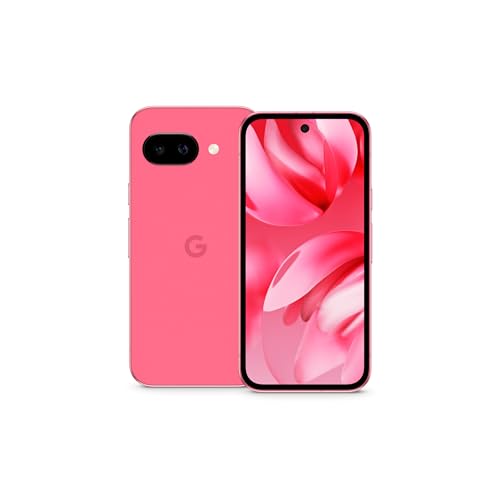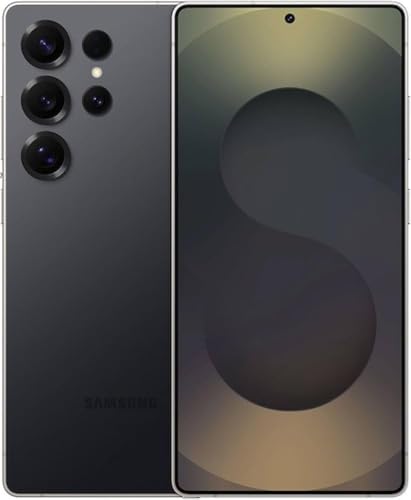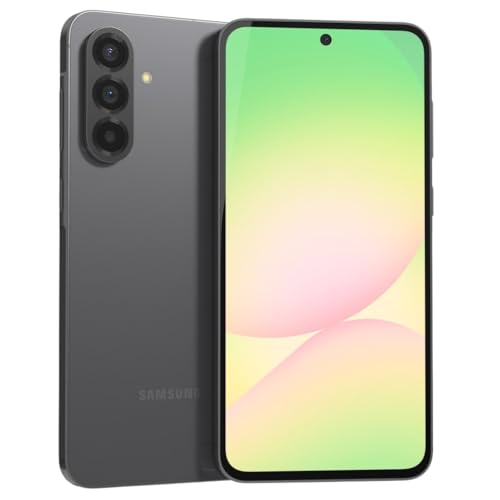
Disclosure: This article contains affiliate links. If you buy through a link on this page, we may earn an affiliate commission at no extra cost to you.
Finding a new phone with a headphone jack used to be the easiest shopping task in the world. Every phone had one. Then, one flagship launch at a time, the 3.5mm port quietly vanished from most of the phones people actually wanted to buy, and shoppers who still rely on wired audio were left squinting at spec sheets, hoping the port had survived another generation. If you are reading this guide, you have probably already discovered the frustrating truth: the jack is not dead, but it has retreated into specific corners of the market, and you have to know exactly where to look.
The good news is that those corners are more interesting than you might expect. At the top of the market, Sony and ASUS still treat the headphone jack as a feature worth engineering around, and their flagships pair it with serious audio hardware. In the middle, Motorola keeps the port on phones that also give you big batteries, clean software and, in one case, a built-in stylus. Samsung, despite removing the jack from most of its range, still sells a Galaxy model that keeps both the port and a microSD slot. Samsung also holds the budget end of the market, where the Galaxy A15 5G keeps the jack alongside an AMOLED screen and a long update runway. Every phone in this guide has been checked against manufacturer specifications to confirm that it genuinely ships with a working 3.5mm headphone jack and 5G connectivity. That sounds like a low bar, but in the current market it is the single most important check, because marketing pages are vague, renders are unreliable, and more than one popular mid-range phone that looks like it should have a jack does not.
One honest warning before the picks: we deliberately left out a phone that appears in many similar roundups. The Samsung Galaxy A35 5G is a fine mid-range handset, but it does not have a headphone jack, so it has no place here. Its place is taken by the Galaxy A25 5G, which does. That kind of verification runs through the whole guide. Where a phone exists in several regional variants, we say so, because 5G band support and even port selection can differ between markets.
A short history of the disappearing jack — and why it stopped disappearing
The great removal began in 2016, when the industry’s most influential phone maker dropped the port and described the decision as courage. Rivals mocked the move in advertisements, then quietly copied it within two product cycles, deleting their own mockery as they went. The stated reasons were consistent: internal space, water resistance, thinner bodies, and a wireless future that happened to include a lucrative new category of branded earbuds. For a while, the jack’s retreat looked total. It vanished from flagships first, then from the upper mid-range, and spec-sheet watchers began treating its survival on any given model as a small news event.
What the obituaries missed is that the removal was always a segmentation decision, not a technical inevitability. The same industry that could not find room for a jack in a flagship somehow finds room for it, year after year, in phones where the buyer’s priorities are practical: battery, durability, value, expandability. Sony kept it because its customers include the audio and camera professionals the brand also serves with dedicated equipment. ASUS kept it because gamers measure latency in milliseconds and vote with their wallets. Motorola kept it because its buyers never asked for its removal. The jack stopped disappearing at exactly the point where removing it started costing sales, and the phones in this guide are the proof. Understanding that history makes you a sharper buyer: the port is not a dying feature clinging to leftovers, but a living one anchored to manufacturers with real reasons to keep it.
In this guide
Why a headphone jack still matters in a wireless world
It is easy to frame the headphone jack as nostalgia, a comfort blanket for people who refuse to move on. That framing falls apart the moment you look at what wired audio actually does better. Bluetooth has improved enormously, but physics has not changed: a wire carries an analog signal with effectively zero latency, no compression artifacts from a codec handshake, no battery to charge, and no pairing ritual. For a growing number of everyday uses, those are not sentimental preferences. They are functional requirements.
Latency you can feel when you play and watch
Bluetooth audio latency typically sits somewhere between noticeable and distracting, depending on the codec and the devices involved. In a film, a slight delay between lips and dialogue is annoying. In a rhythm game, a shooter or a fast-paced mobile title, it can genuinely cost you. Competitive mobile gamers who play titles with audio cues — footsteps, reload sounds, directional effects — often discover that their expensive wireless earbuds are the weakest link in the chain. A wired connection removes the variable entirely. The sound leaves the phone and arrives at your ears in the same instant, every time, with no codec negotiation and no interference from a crowded train carriage full of other Bluetooth devices.
Recording, calls and the humble inline microphone
The 3.5mm port is a two-way street. A TRRS wired headset carries a microphone signal back into the phone, and that simple fact powers a whole category of uses that wireless handles awkwardly. Creators who record voice notes, interviews, podcasts or video on their phones can plug in an inexpensive wired lavalier microphone and get clean, consistent audio with no Bluetooth dropouts and no second battery to manage. Anyone who takes long calls in noisy places benefits too: a wired headset mic sits close to the mouth, does not depend on beamforming software, and never dies mid-conversation. Musicians use the jack as a low-latency monitor path. Square and similar payment readers, older car auxiliary inputs, airplane seatback systems with wired adapters, classroom listening stations — the list of places where a wire simply works is longer than the industry likes to admit.
The headphones you already own
There is also a straightforward economic and environmental argument. Millions of people own good wired headphones and earbuds: studio monitors, beloved in-ear monitors, the noise-isolating set bought for long-haul flights, the spare pair in every drawer. A phone with a jack lets all of them keep working at full quality, indefinitely, with no dongle to lose. Dongles, it is worth saying plainly, are a poor substitute. They occupy the charging port, they vary wildly in DAC quality, they fray, and they turn the simple act of listening while charging into a splitter-buying exercise. A built-in jack, driven by a competent internal DAC, is better engineering than any of that.
What to look for in a 5G phone with a headphone jack
Because the jack now lives on a limited set of phones, it is tempting to buy the first one you find and stop researching. Resist that. The phones that keep the port differ enormously in audio quality, network support and long-term value. Here is what separates a good pick from a purchase you will regret by next year.
Confirm the jack, then confirm the variant
Start with the specification sheet from the manufacturer, not a retail listing. Retailers copy errors from each other, and marketplace listings for imported variants are especially unreliable. Check the exact model number you intend to buy. Some phones in this category are sold in region-specific versions with different 5G bands, different storage, and occasionally different features. If you are buying an unlocked phone for use in the United States, confirm it supports your carrier’s sub-6GHz 5G bands and, where relevant, that it is certified for your carrier’s network. A headphone jack is no consolation for a phone that cannot hold a 5G signal in your city.
The DAC and amplifier behind the port
Not all jacks are equal. The digital-to-analog converter and the headphone amplifier behind the port decide how clean the signal is and how much volume the phone can push into demanding headphones. Most budget phones use the audio path integrated into their chipset, which is perfectly serviceable for efficient earbuds but can sound thin with high-impedance over-ear headphones. At the premium end, ASUS treats wired audio as a serious gaming feature on the ROG Phone line, and Sony tunes its output with high-resolution audio support and software like DSEE upscaling. If you own planar magnetic headphones or high-impedance studio cans, the amplifier’s output power matters as much as the port’s existence. If you mostly use sensitive in-ear monitors, you will care more about a low noise floor, because hiss becomes audible long before volume runs out.
Storage and the microSD question
People who keep wired headphones often keep local music libraries too — lossless files, downloaded podcasts, offline video. Those files eat storage. A microSD slot, which tends to survive on the same phones that keep the jack, turns a modest internal capacity into a non-issue and lets you carry a serious library without paying for a higher storage tier. Four of the six phones in this guide accept microSD cards. If local media matters to you, treat the slot as a headline feature, not a footnote.
Everything else you would check on any phone
The jack is one feature on a device you will use for everything. Weigh the usual fundamentals with the same care: display quality and refresh rate, battery capacity and charging speed, camera performance in the light you actually shoot in, the manufacturer’s software update commitment, and build quality. Pay attention to update policy in particular. A budget phone with two years of updates and a premium phone with five are different long-term propositions, and the cheaper device is not always the better value once you divide by years of secure use.
best bang for your buck android phones
The six picks at a glance
| Phone | Positioning | Audio highlights | microSD | Best for |
|---|---|---|---|---|
| Sony Xperia 1 VI (Global Version) | Premium flagship, GSM only | Hi-res wired audio, tuned output, front stereo speakers | Yes | Creators and audiophiles on GSM networks |
| ASUS ROG Phone 9 (US Version) | Premium gaming flagship | Wired jack audio built for low-latency gaming | No | Mobile gamers |
| Samsung Galaxy A25 5G | Mid-range | Standard jack with stereo speakers and Dolby Atmos | Yes | Samsung fans on a budget |
| Motorola Moto G Stylus 5G (2024) | Mid-range | Jack plus built-in stylus, stereo speakers | Yes | Note-takers and sketchers |
| Motorola Moto G Power 5G (2024) | Budget | Jack with a huge battery for long listening days | Yes | Battery-first buyers |
| Samsung Galaxy A15 5G (US Version) | Budget | Jack with AMOLED display and long update support | Yes | Budget buyers who want Samsung software for years |
The table compresses a lot of judgment into a few words, so treat it as a map rather than a verdict. The two flagships earn their places for completely different reasons: the Sony is a creator’s tool that happens to be a phone, while the ASUS is a gaming machine whose audio hardware is unusually serious. The four Motorola and Samsung picks fight over the value tiers, and the right choice among them depends on whether you prize battery life, a stylus, or Samsung’s software ecosystem and update support. The detailed reviews below unpack each one.
The picks, reviewed

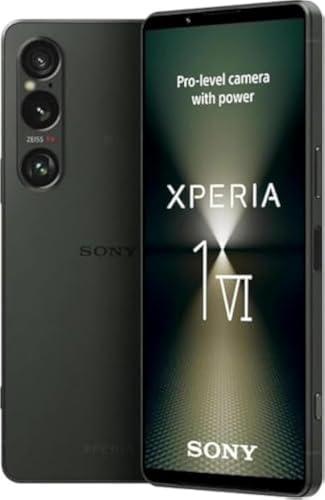
Sony Xperia 1 VI: the creator flagship that never gave up the jack — in its Global Version
Sony is the last major manufacturer that designs its flagship as if wired audio never fell out of fashion, and the Xperia 1 VI carries that philosophy into the current generation. The 3.5mm jack remains, driven by an audio path tuned for high-resolution playback, with support for hi-res wired listening and upscaling for compressed files. Plug in a good set of wired headphones and the phone sounds composed and detailed in a way that makes most rivals feel like an afterthought. The exact listing matters here: this is the Xperia 1 VI XQ-EC72, a factory-unlocked Global Version with 256GB of storage and 12GB of RAM, in Khaki Green.
The audio story is only half of the appeal. The Xperia 1 VI is built around creative work: a bright OLED display with a fast refresh rate, a camera system developed alongside Sony’s Alpha division, a physical two-stage shutter button, and pro-grade photo and video apps that expose manual controls most phones bury. The microSD slot — almost extinct at this tier — means a videographer can offload or expand storage without a laptop. Front-facing stereo speakers are genuinely good, dual SIM support suits travellers, and the phone retains a tool-less SIM and card tray you can open with a fingernail.
Strengths
- A proper headphone jack with hi-res wired audio support and careful tuning, not a token port.
- microSD expansion on a flagship, alongside 256GB of internal storage and 12GB of RAM.
- Creator-focused cameras and a physical shutter button.
- Front stereo speakers and a bright, fast OLED display.
Trade-offs
- This exact XQ-EC72 version is GSM only, with no CDMA support, so it is not compatible with Verizon or Sprint-style networks; check your carrier before buying.
- As a Global Version, 5G band coverage differs from a US carrier model, so confirm your network’s bands against this variant.
- This is a premium-tier phone, and its launch positioning reflected that; it asks flagship money.
- Sony’s software update window, while improved, has historically been shorter than the best in class.
Who it suits: listeners on GSM networks who own serious wired headphones, creators who shoot photos and video on their phone, and anyone who wants a flagship that treats audio and expandable storage as first-class features rather than legacy baggage. If your headphone collection is worth more than most phones and your carrier is GSM, this is your phone.
For the XQ-EC72 Global Version in Khaki Green described above, check price on Amazon.
Availability note: this listing is the international version; check band support and warranty terms first.

ASUS ROG Phone 9: a gaming flagship that keeps the jack for zero-lag audio
The ROG Phone 9 makes the strongest practical case for wired audio of any phone here, because ASUS kept the 3.5mm jack on a flagship where every millisecond is argued over. In fast mobile games, audio cues are information: footsteps behind a wall, the direction of a reload, the timing of an ability. Bluetooth smears that information across a codec delay; the ROG Phone 9’s wired path delivers it instantly, and the rest of the hardware follows the same low-latency philosophy. This is the US Version in Phantom Black, with a 6.78-inch 185Hz AMOLED display, a Snapdragon 8 Elite processor, 256GB of storage, 12GB of RAM and a 5,800mAh battery.
Outside games, this is a thoroughly modern flagship. The 185Hz AMOLED panel is built for fast titles, the gimbal-stabilised 50MP main camera is a real step beyond the token cameras gaming phones used to carry, and a 32MP front camera handles streaming and calls properly. Dual-SIM support suits players who keep a separate line, and the large battery is sized for long sessions rather than short bursts.
Strengths
- A genuine 3.5mm headphone jack on a current gaming flagship, giving zero-lag wired audio for play and monitoring.
- 185Hz AMOLED display and Snapdragon 8 Elite performance for competitive play.
- 5,800mAh battery sized for long sessions, with 256GB of storage and 12GB of RAM in this version.
- 50MP gimbal main camera and 32MP front camera.
Trade-offs
- No microSD slot, so the 256GB in this US Version has to cover your whole local library.
- It sits firmly in the premium price tier, and gaming accessories add further cost and bulk.
- The design and software are gaming-led, which not every buyer wants from a daily phone.
- Confirm the US Version listing, because ROG variants for other regions differ in bands and configuration.
Who it suits: mobile gamers who compete, streamers who monitor their own audio while they play, and power users who want flagship speed without surrendering the jack. If you play rhythm games or shooters on your phone and have ever blamed your earbuds for a late reaction, the ROG Phone 9 is the direct answer.
For the US Version in Phantom Black with 256GB of storage, check price on Amazon.

Samsung Galaxy A25 5G: the Galaxy with a jack (and the one to buy instead of the A35)
Let us address the confusion head-on, because Samsung’s naming invites it. The Galaxy A35 5G, the model many shoppers assume is the jack-equipped mid-ranger, does not have a headphone jack. Neither does the A55. The Galaxy that keeps the port is this one: the A25 5G, a step down the range that preserves two features Samsung’s pricier models abandoned — the 3.5mm jack and a microSD slot. For wired listeners loyal to the Galaxy ecosystem, that trade is often worth making.
What you get is a sensible, well-rounded phone: a bright Super AMOLED display with a high refresh rate that makes scrolling feel far smoother than the tier suggests, a capable main camera with optical image stabilization, stereo speakers with Dolby Atmos support for wired and speaker listening, and a large battery that comfortably covers a day of heavy use. The audio output through the jack is the standard chipset-driven path rather than a dedicated DAC, so it will not drive demanding high-impedance headphones to their full potential — but with the efficient earbuds and portable headphones most people use, it sounds clean and gets plenty loud.
Strengths
- A genuine 3.5mm jack and microSD expansion in a current Galaxy — a combination Samsung rarely offers now.
- Excellent AMOLED display for the tier, with a smooth high refresh rate.
- Main camera with optical stabilization, unusual and welcome at this level.
- Samsung’s One UI software and update commitment, which outlasts most budget rivals.
Trade-offs
- The chipset-driven audio path is fine for earbuds but unremarkable with demanding headphones.
- Performance is mid-range honest: fine for everyday apps and light gaming, not for heavy titles at high settings.
- Charging is slower than the flagships in this guide, and no charger may be included depending on region.
- Regional variants differ in bands and SIM configuration, so verify the exact model for your carrier.
Who it suits: Samsung loyalists who refuse to give up wired audio, parents buying a first 5G phone for a teenager with wired earbuds, and anyone who wants a big-brand phone with expandable storage for an offline music library. Buy it with your eyes open about which Galaxy you are getting, and it delivers exactly what it promises.
Worth knowing: the linked listing is the international variant, so confirm regional band support before ordering.

Motorola Moto G Stylus 5G (2024): the note-taker with a jack and a big screen
Motorola’s G Stylus line occupies a niche nobody else bothers with anymore: a large-screen phone with a built-in stylus at a mid-range price. The 2024 5G model keeps the headphone jack as well, and the combination is more thoughtful than it first appears. This is a phone for people who mark up documents, sketch ideas, jot handwritten notes and sign forms on the move — people who often work in trains, site cabins and waiting rooms, where a wired headset for calls and focus music is everyday equipment rather than an accessory decision.
The stylus slides out of the bottom edge, needs no charging and works with a genuinely useful set of note and annotation tools. The display is a large, smooth pOLED panel that flatters video and gives the pen room to work. Stereo speakers with Dolby Atmos round out the media side, and Motorola’s near-stock Android, with its sensible gesture additions, stays out of your way. Storage expands by microSD, so the phone doubles as a comfortable home for downloaded audiobooks, podcasts and music.
Strengths
- Built-in stylus for notes, sketches and document markup — a feature with no rival at this tier.
- Headphone jack and microSD slot, the practical pairing this whole guide celebrates.
- Large, smooth display and stereo speakers make it a strong media and reading device.
- Clean software with useful gestures and minimal bloat.
Trade-offs
- The stylus is a passive pen, not a pressure-sensitive artist’s tool like Samsung’s discontinued Note line.
- Motorola’s update policy on G-series phones is shorter than Samsung’s; expect a limited window.
- Camera performance is serviceable in daylight and unremarkable at night.
- The standard chipset audio path drives earbuds well but will not thrill demanding headphone owners.
Who it suits: students, field workers, salespeople and inveterate note-takers who want handwriting on a big screen without flagship money, and who listen wired while they work. It is also a kind pick for older users who prefer a stylus to fingertip typing and already own wired earbuds they like.

Motorola Moto G Power 5G (2024): the battery champion for long listening days
The G Power formula has never changed: take a huge battery, wrap a competent phone around it, and price the result for people who measure value in days rather than benchmarks. The 2024 5G edition keeps the headphone jack, adds a smoother high-refresh display than its predecessors, and remains the phone in this guide we would hand to someone whose listening happens in long, unbroken stretches — long-haul drivers, warehouse and delivery workers, hikers, festival crews, anyone whose day outlasts a normal battery.
There is a specific synergy between a big battery and wired audio that wireless users forget: Bluetooth is a radio, and radios draw power from both devices. Wired listening sips almost nothing from the phone and nothing at all from the headphones, because there is no headphone battery. Pair the G Power’s capacity with a pair of wired earbuds and you have a combination that can run music, podcasts and navigation through a very long day and still have something left. Wireless charging support, unusual at this tier, is a bonus for desk workers who drop the phone on a pad between shifts.
Strengths
- Exceptional battery endurance, the defining feature of the line and the reason to buy it.
- Headphone jack plus microSD expansion for big offline libraries.
- Smooth high-refresh display that makes the budget tier feel less budget.
- Wireless charging and clean Motorola software at a wallet-friendly tier.
Trade-offs
- Performance is tuned for endurance, not speed; heavy games will expose the chipset quickly.
- Cameras are the weakest in this guide, fine for documents and daylight snapshots only.
- Wired charging is slow by modern standards, so top up overnight or on a pad.
- Software update support is limited compared with Samsung’s offering above.
Who it suits: workers and travelers whose days are longer than a normal phone battery, podcast and audiobook devotees who listen for hours, and anyone buying a dependable second phone. If your first question about any phone is “will it last until I get home,” this is the answer in this guide.

Samsung Galaxy A15 5G: the budget Galaxy that kept the jack
The Galaxy A15 5G closes this list by doing something Samsung’s flagships will not: keeping the 3.5mm headphone jack. This US Version pairs that port with a bright Super AMOLED display, expandable storage through a microSD slot, and Samsung Knox security, which makes it the easiest budget recommendation here for buyers who want wired listening without giving up the Samsung software experience they already know.
The screen is the surprise here. AMOLED contrast and a smooth refresh rate make video and scrolling feel a class above the LCD panels most budget phones ship with, and the main camera handles daylight photos well. Samsung’s super fast charging support means a short wired top-up restores a useful chunk of battery, and the large battery underneath is sized for long listening days rather than spec-sheet sprints.
Longevity is the quiet headline. Samsung promises years of software and security updates for this model that budget rivals rarely match, so a phone bought cheaply today stays patched far longer. Through the jack, output follows the standard chipset path — clean and adequately powered for the earbuds this phone will actually meet — and Dolby Atmos processing is there for listeners who like a wider stage for video.
Strengths
- Headphone jack and microSD expansion, both present where many budget rivals drop one or the other.
- Super AMOLED display that looks far above the budget tier.
- Update commitment measured in years, unusual at this end of the market.
- Knox security and Samsung’s familiar One UI software.
Trade-offs
- Performance is tuned for everyday tasks, not demanding games.
- Charging is quick rather than class-leading, and a charger may not be in the box.
- Cameras are honest daylight tools; low light exposes the budget quickly.
- The plastic build feels practical rather than premium.
Who it suits: budget buyers who want the wired essentials — jack, card slot, strong screen — inside the Samsung ecosystem, with update support that stretches the value for years.
best bluetooth earbuds for android phones
The DAC inside the phone: what it does to your music
Every digital music file has to become an analog signal before a headphone driver can move, and the component doing that conversion — the DAC — leaves fingerprints on the result. On most phones with a jack, conversion happens in a small audio block inside the main chipset. Modern chipset audio is honestly good: measurements of recent platforms show clean output with low distortion into typical earbud loads. Where dedicated hardware like the audio hardware in the ROG Phone 9 pulls ahead is in the margins that demanding listeners and demanding headphones expose: a lower noise floor for sensitive in-ear monitors, more output voltage for high-impedance over-ear models, and cleaner behavior at maximum volume.
How do you know which situation you are in? Match the phone to the headphone, not the other way around. Efficient earbuds and portable headphones — the kind with low impedance and high sensitivity — will sound essentially identical on the Samsungs and the Motorolas as on the flagships, because they ask almost nothing of the amplifier. Big studio headphones are the opposite: they can sound quiet and under-driven from a standard phone output, and that is where the ASUS earns its keep, or where a small portable USB DAC-amp, used with any phone, closes the gap. There is no shame in either setup. The jack gives you the choice, and choice is the entire point.
Software matters too. Sony layers DSEE upscaling and a system-wide equalizer over its output, and supports high-resolution files natively for listeners with lossless libraries. Motorola and Samsung include Dolby Atmos processing that can widen the soundstage for video, though purists will switch it off for music. Whatever phone you choose, spend ten minutes in its sound settings on day one: disable any “enhancements” you do not want, set your streaming app to its highest quality, and let your ears, not the defaults, decide.
Sound settings worth changing on day one
Whichever pick you bring home, fifteen minutes in its audio settings will repay you every day afterward. Start by finding the equalizer — every phone here has one, buried in sound settings or a companion app — and leave it flat until you know your headphones’ character; most wired sets sound best unadjusted, and the EQ is there to correct a specific complaint, not to decorate. Turn off any volume “normalization” or sound “enhancer” you did not ask for when listening critically, then turn them back on if you prefer them, because preference outranks dogma. If your phone offers high-resolution or high-quality wired output modes, enable them for home listening and disable them on the road if battery matters more than the last degree of fidelity.
Set your streaming service to download and play at its highest quality tier, since a good wired chain will happily expose a low-bitrate stream for what it is. If you record through the jack, record a thirty-second test at several distances from the microphone and listen back on headphones before trusting the setup in the field. And if you game, check whether your title has its own audio latency or output settings; a few games default to Bluetooth-oriented buffers even on a wired connection, and switching them completes the low-latency chain the hardware started. None of this is complicated. It is simply the difference between owning a good audio path and using one.
Wired versus wireless: the latency gap, honestly stated
Manufacturers quote impressive numbers for modern Bluetooth codecs, and low-latency gaming modes on earbuds have narrowed the gap considerably. But the honest summary remains: the best Bluetooth connection is roughly as immediate as the worst wired one, and the average Bluetooth connection is not close. Standard Bluetooth audio can trail the picture by a fifth of a second or more. Many video apps compensate by delaying the picture, which hides the problem for films but cannot help interactive content, where the sound must respond to your input now.
This is why the gaming pick in this guide matters beyond its DAC. On the ROG Phone 9, the entire audio chain — wired output, high-refresh display, touch sampling, shoulder triggers — is engineered around reaction time. Rhythm games become playable at high difficulty. Shooters give you footsteps when they happen, not after. Video calls stop feeling like dubbed interviews. If you have only ever gamed over Bluetooth, the first wired session is a small revelation, and it costs nothing but a cable you probably already own.
Recording through the jack: the creator’s quiet advantage
Ask working creators what the jack is for and many will surprise you: it is an input. The CTIA-standard TRRS wiring on phone jacks carries a microphone channel, and that channel accepts everything from the mic on a wired headset to inexpensive lavalier microphones sold for phone recording. For interviews, voiceovers, field reporting, classroom recording and social video, a wired lavalier into a phone jack is the cheapest reliable audio upgrade in existence. There is no pairing, no radio interference, no second device to charge, and the recording app sees the microphone instantly.
A few practical notes from experience. Test your microphone with your specific phone before an important recording, because a small number of headsets wired to the older OMTP standard need an adapter. Keep the cable run short and strain-relieved; the jack is sturdy but not immortal. And monitor your levels — phone recording apps will happily clip a loud interview if the mic sits too close. The Sony in this guide, with its creator-oriented video apps and manual audio controls, is the natural pick for this work, but every phone here can do it, which is more than can be said for the jackless flagships they compete with.
microSD and the local library lifestyle
Streaming won the music wars, but a stubborn and sensible minority keeps local files: lossless rips, Bandcamp downloads, live recordings, audiobooks, downloaded lectures and podcasts archived against the day a platform removes them. For those listeners, storage is destiny, and the microSD slot is the feature that decides whether a phone fits their life. Five of the six phones in this guide — the Sony, both Samsungs and both Motorolas — accept cards, which means they let you carry a library measured in hundreds of gigabytes without paying flagship storage prices. Only the ROG Phone 9 asks you to choose internal storage wisely at purchase.
A large card also changes how you travel. Load films, shows and music before a flight and the entertainment system in your pocket owes nothing to airline Wi-Fi or roaming data. Parents can keep a card of children’s content that moves between devices. And when you eventually replace the phone, the library lifts out and drops into the next one — assuming, of course, that the next phone still has the slot, which is one more reason guides like this one exist.
How we verified the jack on every phone in this guide
Because this category attracts more misinformation than most, it is worth explaining the checking process behind the picks. Every phone here was confirmed against its manufacturer’s published specifications — the sound or connectivity section of the official spec sheet, where the 3.5mm port is either listed or conspicuously absent. Retail listings, comparison sites and older roundups were treated as leads, never as proof, because all three repeat each other’s mistakes. That process is what caught the Galaxy A35 5G: a phone widely assumed to carry the port, and widely recommended for it, that left the jack behind. Its verified sibling, the A25 5G, took its place.
Variants received the same scrutiny. Phones sold across many regions can differ in 5G band support, SIM arrangement and bundled accessories, and in a few notorious cases across the industry, regional versions of the same model have even differed in their ports. Where a pick in this guide is commonly imported, the review says so and tells you to check the exact model number. Our advice for your own shopping mirrors the process: find the manufacturer’s page for the precise variant, read the connectivity section yourself, and be suspicious of any listing that uses photos of a different model. Two minutes of verification beats the disappointment of a jackless phone arriving in a box you cannot easily return.
Matching the phone to your headphones
A jack is only as good as the pairing it creates, and a few minutes spent matching your headphones to your phone’s output will tell you more about your listening experience than any spec war. The two numbers that matter are impedance, measured in ohms, and sensitivity, measured in decibels per milliwatt or per volt. Efficient earbuds and portable headphones — low impedance, high sensitivity — are easy loads. Every phone in this guide will drive them to full, clean volume with headroom to spare, and differences between the standard chipset outputs and the flagships’ tuned paths will be subtle at most.
The picture changes with full-size headphones. Models designed for home and studio use often present higher impedance and lower sensitivity, asking the amplifier for more voltage than a typical phone output provides. The symptom is not distortion so much as a ceiling: the music sounds fine but will not go loud enough, and bass loses authority. The ROG Phone 9, with its stronger wired output stage, handles this class of headphone best among our picks. The Sony sits in between, tuned carefully but still a phone. If your favorite headphones are demanding and your heart is set on one of the value picks, budget a small sum for a compact portable DAC-amp later; the jack keeps that upgrade path open, and even a modest external unit transforms hard-to-drive headphones.
One more pairing note concerns sensitive in-ear monitors, the multi-driver kind beloved by musicians and audiophiles. Their challenge is the opposite: they reveal the noise floor. On a phone with a hiss-prone output, quiet passages carry a faint background shush. The flagships here are the safest partners for that class of earphone, and it is another reason the Sony and the ASUS justify their tiers to serious listeners. Everyone else — which is most of us, with the earbuds we actually use daily — can buy any phone in this guide and simply enjoy the music.
Buying in the US: carriers, bands and unlocked variants
Several phones in this guide are most easily bought unlocked, and unlocked buying rewards a little homework. In the United States, sub-6GHz 5G is the baseline that matters for coverage; millimeter-wave support is a bonus confined to dense urban pockets and stadiums. Check that the variant you are buying supports your carrier’s main 5G bands, and if you are on a carrier that requires device certification for features like Wi-Fi calling, confirm the model is on its supported list. The Motorolas and the Galaxy A15 5G are sold in US-specific versions through familiar channels, which removes most of the guesswork. The Samsung A25 5G exists in both carrier and international variants with meaningfully different band lists, so the model number on the box deserves a careful read. The Sony Xperia 1 VI in this guide is the XQ-EC72 Global Version, sold unlocked for GSM networks only, so it will not work on Verizon or Sprint-style CDMA networks and its 5G bands deserve a check against your GSM carrier before buying.
None of this is a reason for anxiety — it is the ordinary diligence of buying any unlocked phone, and it applies twice over in a niche category where imported stock circulates. Buy from sellers with clear return policies, keep the packaging until you have tested the jack, your SIM and a 5G connection in the places you actually go, and you will be fine. The reward for the small effort is a phone the mainstream market no longer wants to sell you: modern, fast on 5G, and still fluent in the universal language of a 3.5mm plug.
Keeping the jack alive: care, lint and sensible habits
A headphone jack is a mechanical component, and like all mechanical components it rewards minimal respect. Its most common enemy is not wear but pocket lint, which packs into the bottom of the port over months until plugs stop seating fully and audio crackles or drops a channel. The fix is gentle: power the phone down and tease the lint out with a wooden toothpick or a blast of compressed air, never a metal tool. If a plug feels loose or sound cuts when the cable moves, lint is the first suspect, ahead of cable failure and far ahead of a dying port.
Cases deserve a thought, too. Thick cases with narrow port cutouts can prevent some plugs — especially right-angle and oversized audiophile plugs — from seating completely, producing exactly the crackle described above. If you use a bulky case, check the cutout against your favorite cable before blaming the phone. And while several picks here carry water-resistance ratings, the jack itself should be dry before you plug in after a run in the rain; moisture detection quirks and corroded contacts are both avoidable with a minute of patience. Treat the port this kindly and it will outlast the phone around it, as the still-working jacks on decade-old handsets in drawers everywhere can testify.
Small accessories that make wired life better
A built-in jack needs no accessories, but three inexpensive ones earn their drawer space. A short right-angle adapter relieves strain where a straight plug would lever against the port in a pocket, extending the life of both cable and jack. A compact hard case for your earbuds prevents the cable tangles and driver damage that kill more wired sets than electronics ever will. And for creators, a TRRS extension cable and a basic wired lavalier microphone turn any phone in this guide into a respectable field recorder for less than the cost of a single wireless earbud replacement. None of these purchases is glamorous. All of them share the wired philosophy this guide is built on: simple, durable, repairable, and ready the instant you plug in.
Who should skip the jack and go wireless instead
Honesty requires a section like this one. If you never record audio, never game competitively on your phone, own no wired headphones you care about, and prize the slimmest possible device with the largest possible battery, the wireless flagships will serve you well and this guide’s premise will feel like a solution in search of a problem. Wireless earbuds are genuinely excellent now for casual listening, commuting and calls, and nobody should buy a phone for a port they will never use.
But the existence of that reader does not diminish the others: the gamer whose reactions outrun Bluetooth, the creator whose lavalier mic is a professional tool, the listener with a decade of beloved wired headphones, the traveler who refuses to manage one more battery. For them, the jack is not a legacy feature. It is the feature, and the six phones above are the current market’s honest answers.
Frequently asked questions
Do any current flagship phones still have a headphone jack?
Yes, though the list is short. Sony’s Xperia 1 line and ASUS’s ROG Phone line are the standout examples, and both appear in this guide. ASUS also keeps the jack on its Zenfone models. The mainstream flagships from Samsung, Google and Apple do not offer one, which is exactly why the Sony and ASUS have such loyal followings among wired listeners.
Is the Samsung Galaxy A35 5G a good pick if I want a headphone jack?
No — despite appearing in some roundups, the Galaxy A35 5G does not have a 3.5mm headphone jack. If you want a Samsung with a jack and 5G, look at the Galaxy A25 5G instead, which keeps both the port and a microSD slot. Always confirm the port on the manufacturer’s specification page for the exact model you are buying.
Will a USB-C dongle give me the same sound as a built-in jack?
A good dongle with a quality DAC can sound excellent — sometimes better than a budget phone’s built-in output. What it cannot give you is the convenience: it occupies your only port, prevents simultaneous charging without a splitter, and is one more small object to lose. A built-in jack, especially one engineered for gaming like the ROG Phone 9’s, delivers the sound with none of the friction.
Can I charge my phone and use wired headphones at the same time?
With a built-in jack, yes — the jack and the charging port are separate, so listening while charging is effortless. This is one of the least glamorous and most appreciated advantages of the phones in this guide, and it is impossible on a jackless phone without extra adapters.
Does using the headphone jack drain the battery faster than Bluetooth?
Generally the opposite. A wired connection draws very little power from the phone and none from the headphones, while Bluetooth runs a radio in both devices. Exact figures vary, but for marathon listening — long flights, work shifts, road trips — wired audio into a big-battery phone like the Moto G Power 5G is the most endurance-friendly setup available. It also removes the second, sneakier drain: the moment your earbuds die and the phone’s speakers take over in a quiet carriage, which helps nobody’s battery or popularity.
Final thoughts
The headphone jack survived by moving into phones with strong identities: a creator flagship from Sony, a gaming flagship from ASUS, two practical Galaxys at different budgets, and two Motorolas with clear jobs to do. None of these phones asks you to accept a bad device for the sake of a port. Each one is the right answer for somebody, and the reviews above should make it clear which somebody is you. Choose by the life you actually live — the headphones you own, the games you play, the battery your day demands — and the jack will quietly do its job for years.
One last piece of practical advice: whichever phone you choose, buy it from a seller whose return policy lets you test the essentials in your first week. Plug in your most demanding headphones and your cheapest earbuds. Record a minute of audio through the jack. Confirm 5G holds in your home, your office and your commute. Every phone in this guide should pass those tests without drama — and if a listing turns out to be a variant that fails one, you want to discover it while the return window is open, not after. That small diligence is the difference between buying a specification and buying a phone that fits your life.
When your next phone still lets you plug in the headphones you love and get lost in the music instantly, you will wonder why the industry ever tried to take that away.