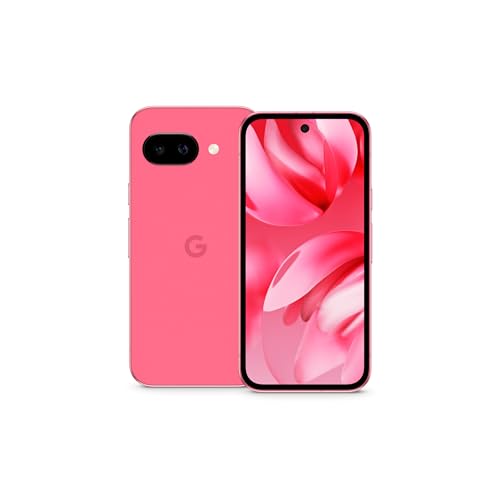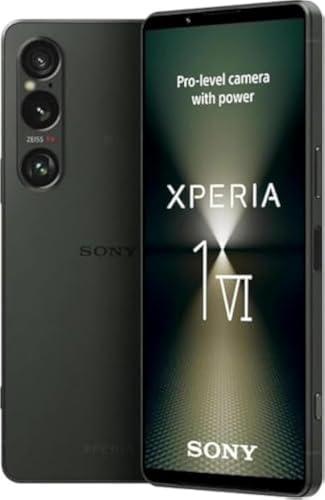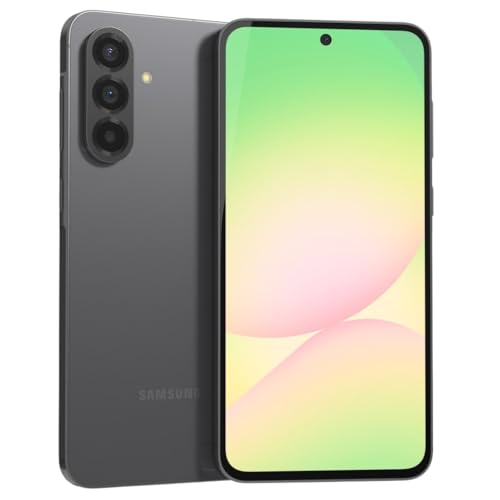
Some links in this guide are affiliate links, and if you buy through them this site may earn an affiliate commission. That does not change the order of the picks below. This is a UK-specific shortlist, not a recycled global ranking, because a phone that looks perfect on a spec sheet can still be the wrong buy here if it lacks the right 5G bands, arrives as an import with awkward warranty cover, or is sold through a contract route that makes the handset itself poor value.
The good news is that most mainstream phones sold officially in the UK now handle local 5G properly. The main UK networks build their 5G around the n78 band in the 3.4 to 3.8 GHz range, supported by lower-frequency spectrum such as n28 and refarmed 4G bands for reach. That means the buying decision is rarely about whether a phone has 5G at all. It is about whether its modem, antennas, software build and sales channel suit the network you actually use in the places you actually go.
Coverage still varies more than advertising suggests. EE often feels strong for travel and mixed urban use, Vodafone can be excellent in cities and along major routes, O2 may suit buyers whose local signal is dependable, and Three can be very fast where its capacity is good. Those are tendencies, not promises. A postcode checker is a starting point, yet the most honest test is the signal in your kitchen, your office, your train carriage and the village where you visit family.
This guide separates six phones by job rather than pretending one winner fits every pocket. There is a flagship Android for people who want everything, a camera-led Google phone, Apple’s most complete iPhone, a fast OnePlus alternative, a sensible Samsung mid-ranger and a Motorola for buyers who would rather keep the handset simple and affordable. Each review explains the ownership experience in UK terms: network fit, battery behaviour on long days, update support, repairability, storage, eSIM choices and the traps hidden in imported listings.
What to look for in a UK 5G phone
Start with n78, then look beyond the headline band
n78 support is the first box to tick because it carries much of the UK’s useful 5G capacity. A phone without it may still connect to some 5G in some places, but it is missing the band that matters most in busy towns and cities. After n78, look for n28 for wider-area and indoor reach, plus solid support for the 4G bands your network uses when 5G fades. Good 4G matters because UK journeys constantly move between technologies; a handset that drops gracefully to strong LTE feels faster in real life than one that clings to a weak 5G cell.
Imported phones deserve extra care. A model name can be identical while the regional variant differs in bands, dual-SIM behaviour, eSIM support, charger contents or warranty route. Listings that say global version, international version or EU version are not automatically UK versions. Before buying, match the exact model number to the manufacturer’s UK page and check that returns go to a UK address. If the seller cannot state the model number clearly, treat that silence as part of the product.
Do not buy coverage from a national map alone
Every UK network publishes a cheerful coverage map, and every map is smoother than the country it describes. Buildings, hills, train cuttings, thick stone walls and crowded events all bend the result. If you are switching networks, test with a short-term SIM or eSIM before porting your number. Keep your old line alive during the trial, compare at the times you normally travel, and run the test indoors as well as outside. A single speed test beside a mast tells you almost nothing about a winter commute.
Wi-Fi calling and VoLTE are part of the same decision. In rural homes, offices with coated glass and older buildings with dense walls, Wi-Fi calling may matter more than another slice of 5G spectrum. Check that your chosen phone and network support it together, because support can vary by handset origin and account type. The same applies to 5G standalone services as networks expand them; a UK-supplied recent flagship is the safest route if those features matter to you.
Battery life is a network feature too
A phone hunting for signal burns power. Weak reception, frequent band switching and long periods on crowded cells can drain a battery faster than a bright screen does. That is why two owners of the same handset can report very different days. For UK buyers who commute, work on sites, travel between cities or spend weekends in the countryside, efficient modems and honest battery capacity are practical features, not spec-sheet decoration. Fast charging helps, but it should rescue a good battery rather than excuse a weak one.
Also consider how you charge. Some phones include a charger in the box and many do not. A spare USB-C cable in the car, a reliable plug at work and a power bank for match days or festivals can change the ownership experience more than a small difference in battery size. If you buy a handset without a bundled charger, make sure the plug you use supports the phone’s fast-charge standard; otherwise the advertised top-up speed may never appear.
Software support protects the value of the handset
A 5G phone is likely to stay in service for years, so security updates and Android or iOS upgrades are part of the purchase. Longer support keeps banking apps, work tools and network features working safely for longer, and it improves resale value when you trade in. Samsung, Google and Apple are the safest names here. OnePlus and Motorola can still be good buys, but check the update promise for the exact model rather than assuming the whole brand follows one policy.
Storage belongs in the same conversation. 5G makes it easy to shoot more video, download more maps and keep more music offline. If you keep a phone for three or four years, buying enough storage at the start is usually wiser than paying for cloud space while constantly deleting photos. Few current flagships accept microSD cards, so the capacity choice is permanent. For most people, the middle storage tier is the calm option: enough room for apps, images and offline media without paying flagship money for space that will stay empty.
SIM choices are more flexible than they used to be
Many UK buyers can now choose between a physical SIM, an eSIM, or one of each depending on model and network. eSIM is convenient for travel and for testing a second network, while a physical SIM remains simpler if you swap handsets often or help family members whose phones are older. Dual-SIM use is especially helpful for people who keep work and personal numbers apart, or who use a data eSIM abroad while keeping their UK number reachable. Confirm the exact arrangement before purchase, because some phones support dual nano-SIM in one region and SIM plus eSIM in another.
Finally, think about repair. Screens crack and batteries age. A phone with a clear UK warranty, authorised service options and available parts is easier to own than a grey import that must be posted overseas. That matters most for expensive flagships, but it also matters for a family handset that cannot be out of action for three weeks. The cheapest listing is only cheap if the phone can be fixed under sensible terms.
In this guide
The six picks at a glance
The shortlist is deliberately varied. The Samsung Galaxy S25 Ultra is the maximal Android choice. The Google Pixel 9 Pro is for photography and clean software. The Apple iPhone 16 Pro Max is the iPhone for buyers who want the largest canvas and the longest reach. The OnePlus 13 is the speed-focused alternative that often undercuts the biggest names on specification. The Samsung Galaxy A55 5G is the balanced mid-range option with proper UK availability. The Motorola Moto G85 5G keeps the budget end honest with a bright screen, clean software and no attempt to be something it is not.
Best 5G phones UK: the reviews

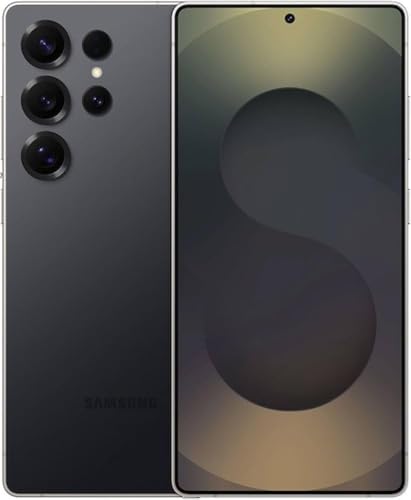
Samsung Galaxy S25 Ultra: the no-compromise Android flagship
The Galaxy S25 Ultra is the phone for the buyer who asks why a flagship cannot simply do everything. It has the big, bright display for maps and documents, the S Pen for notes and signatures, a flexible camera system for everything from school concerts to distant signage, and the processing headroom to stay quick through years of updates. In the UK it is also an easy phone to buy properly: Samsung’s own store, the major networks and established retailers all sell UK models with clear warranty routes.
For 5G, the attraction is not a single headline figure. It is the completeness of the package. UK variants are built for local bands, handle eSIM and physical SIM arrangements in a way that suits mainstream networks, and move between 5G and 4G without the fussy behaviour that can make a cheaper modem feel unreliable. On EE or Vodafone in a city centre it feels rapid; on a train, the more useful trait is that downloads resume cleanly and calls stay intelligible as coverage changes.
Strengths: The display is superb outdoors, which matters for navigation, sport and summer travel. The cameras cover wide, standard and zoom work without forcing you into a separate device. Samsung’s long update commitment protects the purchase, and the battery is sized for people who use the phone as a work tool rather than a light companion. The S Pen sounds niche until you mark up a PDF, sign a delivery form or sketch a room layout in a shop.
Trade-offs: It is large, heavy and unapologetically expensive in positioning even before you choose storage. Some buyers will find Samsung’s software busy next to Google’s cleaner approach, and the best charging speeds require the right plug rather than any old USB-C brick. If you mostly message, browse and take family photos, this is more phone than the job needs.
Who it suits: Power users, field workers, frequent travellers and Android loyalists who keep a handset for years and want one device for work, photography and entertainment. For the complete package without hunting through import listings, check price on Amazon.
Note: the current listing is an Amazon Renewed unit, covered by the Renewed program guarantee, not factory-new.

Google Pixel 9 Pro: the camera and software choice
The Pixel 9 Pro is the thinking person’s flagship. It does not shout with the largest screen or the longest feature list; instead it concentrates on photography, call handling, voice features and an Android experience that feels direct. For UK buyers, the official Google Store and major carrier availability make it a straightforward purchase, and its compact Pro size is welcome if flagship phones have become too slab-like for your hand.
Google’s camera remains the main reason to choose it. Point it at a dim pub, a grey coastal path or a child who refuses to sit still, and it usually produces the photograph you hoped you had taken. The processing can be opinionated, especially with skin tones and night scenes, but the consistency is valuable. You spend less time editing and less time asking everyone to pose again while the light disappears.
Strengths: Clean Android, long software support and excellent still photography form a strong core. Call screening and voice tools are genuinely useful against the daily tide of nuisance calls. The size is manageable without giving up the Pro camera set, and UK 5G support is exactly what a buyer should expect from an official model. Battery life is steadier than older Pixels that made some owners plan the day around a charger.
Trade-offs: Google’s Tensor chip is tuned for intelligence and efficiency rather than outright gaming muscle, so keen mobile gamers may prefer a Snapdragon rival. Charging is not the fastest here, and the design, while handsome, uses glossy surfaces that invite a case. Availability of particular colours or storage versions can also vary between retailers.
Who it suits: Photographers, parents, professionals who value call tools, and anyone who wants Android without layers of duplicate apps. If your priority is a dependable camera that rarely embarrasses you in British weather, check price on Amazon.
Note: this pick is currently an Amazon Renewed unit, covered by the Renewed program guarantee rather than factory-new.

Apple iPhone 16 Pro Max: the complete iPhone for long days
The iPhone 16 Pro Max is Apple’s answer for buyers who want the biggest screen, the most capable cameras and the least anxiety about longevity. It suits people already invested in iCloud, AirPods, Apple Watch or a Mac, but its appeal is broader than ecosystem loyalty. The hardware feels finished in a way few phones match, and UK support through Apple Stores and authorised resellers is a real ownership advantage.
On UK networks, an officially supplied iPhone is a safe 5G purchase. It supports the bands that matter here, works neatly with eSIM transfers on participating networks and handles Wi-Fi calling in the polished way iPhone owners expect. The Pro Max size also helps with reception tasks in the mundane sense: there is room for a large battery, and the phone can sustain maps, video calls, hotspotting and photography through a day that would leave smaller handsets nervous by teatime.
Strengths: Video recording is a standout, the display is excellent, and the build quality inspires confidence. Apple’s update record means the phone should remain useful for a long stretch, while resale values tend to hold up when you come to replace it. The camera controls and zoom range make it a strong travel companion, and Face ID remains quick and boringly reliable.
Trade-offs: The size is the first compromise; this is not a one-handed phone for smaller hands or tight pockets. The price positioning is premium, storage upgrades are costly, and you are buying into Apple’s way of doing things, from connectors of the past being replaced by USB-C to the App Store’s rules. Android switchers should also allow time to adjust to notifications and file handling.
Who it suits: iPhone owners upgrading from older models, creators who shoot lots of video, and buyers who value support and resale as much as specifications. For the largest and most durable route into Apple’s current range, check price on Amazon.
Note: the listing here is an Amazon Renewed unit, pre-owned and covered by the Renewed program guarantee.

OnePlus 13: speed and stamina without the usual flagship fuss
The OnePlus 13 is for buyers who like flagship performance but dislike the feeling that every large brand wants to sell them a lifestyle. It is fast in the obvious ways — opening apps, switching tasks, loading games and handling large photo libraries — and it pairs that pace with battery life and charging that suit people who are out early and home late. In the UK, buy the official model through recognised channels so the band support and warranty are the ones intended for this market.
OnePlus software has matured into something smoother and less eccentric than its early enthusiast days. It still gives you useful control over performance and charging behaviour, but it no longer feels like a project. The display is bright and fluid, the haptics are tidy, and the cameras are much closer to the big names than older OnePlus phones that asked you to forgive the photos in exchange for speed.
Strengths: Performance is excellent, battery endurance is a genuine selling point, and rapid charging can turn a short stop at home into a useful top-up. The screen is lovely for sport and video, while the alert slider remains a small, civilised pleasure for meetings, trains and cinemas. For gamers, sustained pace matters more than a benchmark spike, and this phone is built with that in mind.
Trade-offs: The camera system is good rather than class-defining, especially if you compare zoom shots side by side with Samsung or Google. Software support is respectable but should be checked against the longest promises from rivals if you plan to keep the phone for many years. Case and accessory choice in the UK is narrower than for iPhone or Galaxy models.
Who it suits: Commuters, gamers, delivery and trade professionals, and anyone who hates watching a battery icon. If speed, stamina and a cleaner value proposition matter more than the most famous badge, check price on Amazon.
Listing note on this pick: the unit currently listed is an unlocked model sold through an international channel rather than a UK high-street listing, so confirm it carries the UK band set and warranty terms before ordering.

Samsung Galaxy A55 5G: the sensible mid-range all-rounder
The Galaxy A55 5G is the phone to recommend when somebody wants a proper Samsung without entering flagship territory. It has a metal frame that feels a cut above many mid-range rivals, a bright display, dependable cameras for everyday scenes and the reassurance of Samsung’s update policy. It is widely sold in the UK, which matters: contracts, SIM-free offers and high-street advice are all easy to find.
Its 5G performance is best described as calm. It will not win a speed contest against a modem in a top-tier flagship, but for browsing, streaming, maps, messaging and social video it behaves exactly as most people need. The Exynos processor handles daily work smoothly, and the phone’s build gives it a confidence that cheaper plastic rivals sometimes lack. For a family purchase, that sturdiness is not a luxury; it is the point.
Strengths: The screen is bright and pleasant, the main camera is reliable in daylight and fair in mixed light, and water resistance brings peace of mind for British rain. Samsung’s software support is strong for the class, while microSD expansion on this class of Galaxy has historically appealed to buyers who store lots of media, so confirm the exact UK specification if that feature is central to you. Battery life is well judged for school runs, shifts and ordinary commuting.
Trade-offs: It is not a gaming powerhouse, and low-light photography shows the gap to the Pixel. The phone can feel a little weighty for its size, and Samsung’s habit of pre-installing extra apps still requires a few minutes of tidying. Buyers who want wireless charging should look higher up the range.
Who it suits: Parents buying for teenagers, workers who need a dependable handset, and Samsung owners stepping up from an older A-series phone. For a balanced UK purchase that avoids both bargain-bin compromises and flagship excess, check price on Amazon.
Note: this pick is currently an international variant; confirm band support and warranty for your country.
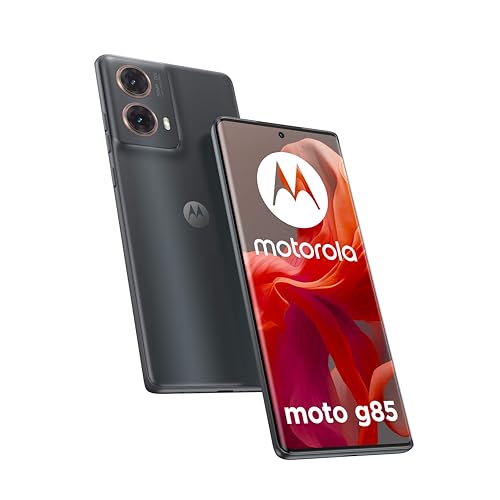
Motorola Moto G85 5G: the affordable phone that keeps things clean
The Moto G85 5G represents the sensible end of the market. Motorola’s strength is restraint: near-stock Android, a bright OLED screen, a design that feels lighter than many rivals and software gestures that are useful rather than decorative. It is the kind of phone you can hand to a relative, set up in an afternoon and not think about again until they ask where the torch gesture went.
For UK buyers, the key is to purchase the correct regional model from a recognised retailer. Done properly, you get the 5G bands needed for local networks, a phone that handles everyday data without drama and a battery that suits messaging, browsing, podcasts and video. It will not replace a flagship for photography or gaming, but it covers the ordinary smartphone job with less fuss and less financial anxiety.
Strengths: The curved OLED display looks far more expensive than the phone’s positioning suggests. Motorola’s clean Android build is easy to learn, the battery is dependable, and the main camera is perfectly serviceable for daylight photos, documents and family snaps. The handset also feels comfortable for long reading or scrolling sessions because it avoids the heavy, squared-off stance of larger flagships.
Trade-offs: Update support is the main caution; check the policy and buy with a realistic ownership period in mind. Performance is fine for daily tasks but not for demanding games at high settings, and low-light images can soften quickly. Speaker quality and haptics are acceptable rather than memorable.
Who it suits: Students, older relatives, second-phone users and anyone replacing a broken handset without wanting a contract-sized commitment. If the brief is a clean screen, honest battery life and UK 5G for everyday life, check price on Amazon.
Note: the current listing is a Renewed international variant; check band support, warranty, and the Renewed program guarantee.
How the six compare
| Phone | Best for | Standout quality | Main compromise | UK buying note |
|---|---|---|---|---|
| Samsung Galaxy S25 Ultra | Everything in one Android handset | Zoom cameras, S Pen and a superb display | Size and premium positioning | Widely available from Samsung and all major networks |
| Google Pixel 9 Pro | Photography and clean Android | Consistent stills and helpful call features | Less gaming muscle than Snapdragon rivals | Choose the official UK model for full network feature support |
| Apple iPhone 16 Pro Max | Video, longevity and Apple households | Polished hardware and strong resale behaviour | Very large and firmly premium | Apple Store support makes ownership straightforward |
| OnePlus 13 | Speed, gaming and battery stamina | Fast performance with rapid top-ups | Cameras trail the very best | Recognised UK channels are important for warranty clarity |
| Samsung Galaxy A55 5G | Balanced everyday value | Sturdy build and dependable Samsung support | No flagship camera or wireless charging | Easy to find on contracts and SIM-free |
| Motorola Moto G85 5G | Affordable, clean Android | Bright OLED screen and light software | Shorter update horizon than premium rivals | Check the exact regional model before ordering |
The table hides an important truth: network fit can reorder this list for an individual buyer. A Pixel on the network that works in your house is a better phone than an Ultra on a network that fades in your street. Likewise, a mid-range Samsung bought with a warranty you trust may be a wiser purchase than a flagship import that saves money on day one and creates paperwork on day ninety. Judge the handset and the route to ownership together.
Choosing by UK network
EE: travel, mixed geography and a broad footprint
EE is often the network people choose when they move around the country and want the fewest awkward gaps. Its 5G is useful in cities and larger towns, while the underlying 4G layer remains important on rail routes and rural roads. Any phone on this shortlist in UK specification should serve you well, but the flagships earn their keep if you hotspot for work or travel with maps, tickets and documents all day. If you live in a fringe area, test at home before committing, because a strong national reputation cannot rescue one stubborn valley or one thick-walled terrace.
Vodafone: city strength and European familiarity
Vodafone suits many urban and suburban buyers, with 5G that can feel particularly capable in dense areas where n78 capacity is doing the heavy lifting. For Vodafone, the Pixel and Galaxy flagships make good partners because their modems and software are well matched to mainstream UK features such as Wi-Fi calling.
O2: local dependability and account perks
O2 buyers often stay because the signal works where their life happens and because the account extras appeal to them. The technical advice is the same as anywhere else: verify the handset is a UK model, confirm Wi-Fi calling support for your exact phone and plan, and do not judge indoor service from a dot on a map. A mid-range phone such as the Galaxy A55 can be an excellent O2 handset if your local coverage is solid; spending more on a flagship will improve the screen and camera, not conjure signal from an absent mast.
Three: capacity where it is strong, homework where it is not
Three can deliver lively 5G performance in areas where it has invested heavily, and its data-heavy plans attract streamers and sharers. The flip side is that experience can be more localised, so a trial matters. If your home, workplace and regular routes test well, a OnePlus 13 or Galaxy S25 Ultra can make the most of that capacity. If results are patchy, choose the phone you like and consider a different network rather than hoping a premium modem will fix a coverage problem.
MVNOs add another layer. Brands that run on the big networks can be excellent value, but features such as 5G access, Wi-Fi calling, eSIM and roaming may not mirror the host network exactly. If you buy through an MVNO, read the feature list for your plan, not just the handset page. A phone can support a feature that your tariff does not enable.
If your new handset supports two lines, the cheapest coverage research is a short trial on the second one. Run a pay-as-you-go eSIM from a rival network alongside your current SIM for a fortnight, note where each line wins during your ordinary week, and only then port your number. That small experiment, done before you are committed, prevents the most common British phone regret: a two-year contract on the network that works everywhere except your own street.
best 5g antennas for cell phones
Contract, SIM-free or nearly new?
A contract spreads the cost and can bundle the handset with data, but it also ties the phone decision to the tariff decision for a long period. Compare the total cost over the full term with buying the same phone SIM-free and pairing it with a SIM-only deal. Include insurance, mid-contract price rises where they apply, roaming needs and the value of your trade-in. The cheapest monthly figure is not always the cheapest ownership route, especially if you keep phones longer than the contract expects.
SIM-free buying gives you freedom. You can move networks when coverage disappoints, use travel eSIMs without asking permission and sell the handset without untangling a device plan. It also makes the import question sharper: a SIM-free listing from an unfamiliar marketplace seller needs more scrutiny than the same model from the manufacturer or a long-established UK retailer. Keep the invoice, note the IMEI and photograph the box label if you ever need to prove specification or ownership.
Refurbished phones can be sensible, particularly for the previous generation of flagship, but grade descriptions vary. Ask about battery health, warranty length, whether parts are genuine, and whether the phone is a UK model. A refurbished import can inherit all the band and repair questions of a new import while adding wear into the bargain. For a phone that will hold banking, work and family life, the warranty is not fine print; it is part of the product.
The import checklist UK buyers should actually use
First, identify the exact model number, not just the marketing name. Manufacturers publish regional specification pages for a reason. Match the bands on the listing to that page, looking specifically for n78 and n28 alongside the 4G bands your network uses. If the listing uses vague phrases such as global 5G or works worldwide, ask for the model number in writing. A seller who deals in volume may still be legitimate, but you should not have to guess what will arrive.
Second, clarify the warranty. Who handles a fault in month eight: the manufacturer in the UK, the seller, or an overseas service centre? How long will the phone be away, and who pays postage? Third, check the plug and charging standard. A bundled travel adapter is not the same as a UK charger. Fourth, confirm returns for change of mind as well as faults; consumer rights can be harder to exercise across borders. Fifth, check software: language packs are easy, but network features, eSIM profiles and update timing can differ by region.
There are good reasons to import for specialist devices that are not sold here. These six picks are not in that category. All are chosen because a sensible UK route exists. If an import listing is dramatically cheaper than every established seller, assume the difference is being paid somewhere else: warranty, specification, returns, charger, or the time you will spend resolving a problem during the first school week of term.
Setting up and moving your number
Before the new phone arrives, back up the old one and make sure you know the passwords for your email, banking and two-factor apps. Authenticator transfers are the step people forget until they are locked out of something important on a Sunday evening. If you are switching networks, request the PAC only when you are ready, and remember that porting usually completes on a working day rather than instantly at the moment the new SIM is inserted.
During setup, resist the urge to copy everything blindly. A new phone is a chance to remove forgotten apps, review permissions and decide which notifications deserve your attention. Move the essentials first: contacts, messages, photos, banking, travel, work tools and the apps tied to your home. Then test Wi-Fi calling at home, make a call from the room with the weakest signal, and check mobile data away from your router before you wipe or trade in the old handset.
Keep the old phone powered and nearby for a few days. Verification codes have a habit of arriving on the number or device you thought you no longer needed. Once everything is stable, erase the old phone properly if it is being sold or passed on, remove it from your accounts, and take out the SIM. If it is going to a family member, set up their account cleanly rather than leaving your messages and payment methods attached.
best apps for retouching photos
Cameras, screens and the parts you touch every day
Cameras in British light, not showroom light
Most phone photography in this country happens under grey skies, in dim restaurants, at school halls with mixed lighting and on sidelines where the action is further away than you would like. That is why consistency matters more than exotic modes. The Pixel 9 Pro is the safest pair of hands for still photographs because its processing handles dull light and moving children with very little input from you. The Galaxy S25 Ultra answers with range: its zoom options are genuinely useful at concerts, sporting events and on holiday when you cannot simply walk closer. The iPhone 16 Pro Max is the video benchmark of this group, with smooth stabilisation and colours that need little correction before sharing.
The mid-range phones ask for more realistic expectations. The Galaxy A55 takes pleasing daylight photographs and perfectly good portraits, but it will soften detail sooner when the light falls. The Moto G85 is a daylight camera first; plan around that and it will not disappoint, but do not buy it for evening photography. The OnePlus 13 sits between those worlds, with a main camera that satisfies most people and a zoom that is useful rather than remarkable. None of this makes the cheaper phones bad. It simply means the camera is where the money shows, and buyers who photograph constantly should weight this section heavily.
Displays, rain and one-handed reality
A large, bright screen is not vanity in the UK; it is how you read a map in summer sun at a station platform or follow navigation on a bright motorway. All three flagships here have displays that stay legible outdoors, and the Moto G85’s OLED is the pleasant surprise of the budget end. But size has a cost. The iPhone 16 Pro Max and Galaxy S25 Ultra are two-handed devices for most people, and their weight becomes noticeable on long calls or when reading in bed. The Pixel 9 Pro’s more modest footprint is a deliberate advantage, not a missing feature.
Think about wet-weather use as well. Touchscreens and rain are uneasy partners, and water resistance protection across this list varies in the details even where the headline protection sounds similar. A phone that survives a downpour in a jacket pocket is different from one that should be used to film beside a pool. Treat resistance as insurance against accidents, keep ports dry before charging, and remember that resistance can fade after a drop or a repair. A good case with raised edges will do more for most owners than any laboratory certification.
Accessibility and everyday ease
The best phone is also the one its owner can use comfortably. iOS and Android both offer strong accessibility tools: display scaling, voice control, live captions, hearing-device support and simplified layouts. Samsung adds its own layer of customisation, Google keeps things comparatively plain, and Motorola’s near-stock approach can be the easiest of all for someone who dislikes clutter. If you are buying for a parent or for anyone who finds new technology stressful, set the phone up with them rather than handing over a sealed box: enlarge the text, place the essential apps on the first screen, enable Wi-Fi calling, and practise the torch and camera gestures before you leave.
Biometrics deserve a thought too. Face unlock is effortless until you are wearing a mask, gloves or a scarf pulled high against a January platform wind. A reliable fingerprint reader, which most of this list provides in some form, is the more British solution for much of the year. Check that banking apps support the unlock method you prefer, because a phone that is secure but irritating will slowly train its owner to weaken the settings.
Matching the phone to the person
The long-distance commuter should start with battery stamina, modem quality and a screen that stays readable in bright carriages. The OnePlus 13 and Galaxy S25 Ultra fit that life best, especially if hotspotting is part of the working day. Download entertainment on home Wi-Fi rather than relying on tunnels and cuttings, and choose the network by testing your actual route, not the postcodes at either end.
The rural buyer should think in the opposite order: network first, handset second. Low-band coverage, Wi-Fi calling that works flawlessly at home and a phone your network fully supports will matter more than any camera. Every pick here in UK specification can serve, but the wisest money may go on the handset your chosen network sells and supports directly, because when a farmhouse sits at the edge of coverage, small feature differences stop being small.
The gamer wants sustained performance, a fast and responsive screen, and speakers that do not ruin the experience. The Galaxy S25 Ultra and OnePlus 13 are the natural choices, with the iPhone 16 Pro Max close behind for its game library and efficiency. The mid-range picks will run popular titles happily at sensible settings, but buyers who play demanding games daily should not pretend otherwise.
The parent buying for a teenager is really buying durability, location sharing, sensible controls and a phone that will not be obsolete before the school years end. The Galaxy A55 is the sweet spot here: sturdy, supported and capable without being the most desirable object in the playground. Add a case before the phone leaves the shop, not after the first drop.
The older or technophobe user benefits from the Moto G85’s clean software or the iPhone’s consistency if the household already uses Apple. What matters is setup time and patience, larger text, a simple home screen and one person in the family who knows the passwords. The network questions still apply, but ease of daily use will decide whether the phone is loved or left in a drawer.
The small-business buyer should look at update length, dual-line options and how quickly a broken phone can be replaced. Samsung and Apple have the deepest UK support networks, which is why they dominate company purchasing. A sole trader who hotspots, photographs work and runs a vehicle from the same handset should treat the flagship premium as a business cost rather than an indulgence.
Keeping a 5G phone healthy for years
Batteries age by heat, time and habit more than by any single charging rule. Avoid leaving a phone baking on a sunny dashboard, use fast charging when it is useful rather than as a permanent diet, and do not panic about overnight charging on a modern handset with sensible battery management. After a couple of years, a professional battery replacement can make a supported phone feel new again for far less than replacing it, which is another reason to buy a model with a clear UK service route.
Software housekeeping matters too. Install updates promptly, remove apps you no longer use, and keep some storage free so the phone can cache, update and photograph without complaint. Back up photographs to a service you trust and keep a second copy of anything irreplaceable. If performance sags, the cause is usually storage pressure, an ageing battery or one badly behaved app, not a processor that has suddenly become slow. Solve the actual problem before assuming the phone is finished.
Trade-ins, insurance and the true cost of ownership
The handset price, whether spread over a contract or paid at once, is only the opening chapter of what a phone costs. A realistic budget includes a case and screen protection, possibly a new charger, cloud storage if your photo library has outgrown the free tier, and the excess on an insurance claim if you choose to insure. None of these is an argument against buying well; they are an argument for comparing like with like. A cheaper phone that needs a storage subscription and a replacement in two years may cost more across its life than a flagship kept for four.
Trade-ins reward honesty and preparation. A handset with its battery health intact, no screen damage and a factory reset completed properly will earn the quoted figure; one with a cracked back or an account still attached will be revised downward or rejected. Photograph the phone from every side before posting it, keep the tracking receipt, and remove it from your Apple or Google account only through the official process. If a network offers a trade-in bonus tied to a new contract, read whether the bonus arrives as bill credit over the full term, because leaving early can mean leaving part of that value behind.
Insurance is a judgement call rather than a rule. It makes most sense for expensive phones carried by people whose work or travel puts them at genuine risk, and least sense when the excess and monthly payments approach the cost of a repair. Check whether your home insurance or bank account already includes gadget cover before buying a second policy, and check what any policy says about loss away from home, because theft cover and loss cover are not the same thing. For a mid-range phone, many owners are better served by a good case and a repair fund.
Finally, remember the resale and hand-me-down value of choosing well. A supported Samsung, Pixel or iPhone with a healthy battery remains useful to a family member long after the first owner upgrades, which is real money saved even if it never appears in a comparison table. That is the quiet advantage of buying the correct UK model with a clear history: it stays an asset, easy to insure, easy to repair and easy to pass on, instead of becoming a drawer phone that nobody quite trusts.
How this shortlist was built
Every phone here is sold through a legitimate UK route, supports the bands that matter on British networks and comes from a manufacturer with a recognisable service presence. Models that are excellent elsewhere but awkward to buy, insure or repair in the UK were left out deliberately, however impressive their specification. The list also avoids duplicating the same idea six times: each pick leads on something different, whether that is zoom range, still photography, video, charging stamina, balance or price-conscious simplicity.
The judgements are qualitative on purpose. Phones in the same class are separated less by raw capability than by how their strengths line up with a person’s routine, and a single benchmark figure cannot tell you whether a camera will behave at a rainy football match or whether a battery will survive a delayed train. Where a model has a weakness that matters — a shorter update horizon, a camera that fades in low light, a size that will annoy smaller hands — it is stated plainly in its review rather than buried. If your priorities differ from the order here, the reviews are written so you can promote the pick that fits you and demote the rest with confidence.
Frequently asked questions
Do I need a phone with mmWave 5G in the UK?
For ordinary consumer use, no. UK 5G is built mainly around sub-6 GHz spectrum, especially n78, with lower bands helping reach and indoor coverage. mmWave can appear in specialised contexts, but it is not the band that decides whether your phone works well in Leeds, Cardiff, Glasgow or a village in Kent. Spend your attention on n78, n28, modem quality and your network’s local performance instead of chasing a feature that will rarely be used.
Will a US or global model work on UK 5G?
It might connect, and that is exactly the trap. Working in one city centre is not the same as supporting the right mix of 5G and 4G bands, carrier features, emergency behaviour, eSIM arrangements and warranty terms for the UK. Some global models are close to UK specification; others are not. The model number decides. If you cannot verify it against the manufacturer’s UK information and confirm a UK warranty route, buy the official version.
Is 5G worth it if my area only has strong 4G?
A modern 5G phone can still be a good buy because you are also purchasing a newer modem, longer software support, better efficiency and a handset that will be ready when coverage improves. But do not pay a premium solely for a 5G badge if your daily signal is 4G. In that situation, camera, battery, screen and update support should lead the decision, and a strong mid-range phone may serve you better than an older flagship bought only for its network label.
Should I choose eSIM or a physical SIM?
Choose based on how you live. eSIM is excellent for travel, trying a second network and keeping work and personal lines on one handset. A physical SIM is simpler for swapping between phones, helping relatives, or recovering from a handset failure because you can move the card in seconds. Many buyers use both: the main UK number on one line and a travel or work line on the other. Confirm that your network and exact handset support the combination you want.
How long should a good 5G phone last?
With sensible care, the flagships here should remain useful for several years, helped by long software support and batteries that can be serviced as they age. Mid-range phones can also last well if you buy enough storage and accept that gaming performance will age sooner. The practical limit is often not the processor; it is battery health, a cracked screen, or the end of security updates. A case, a screen protector and a phone still receiving updates will outlast a neglected handset with a faster chip.
The bottom line
Pick the phone around your network, your hands and your habits, in that order. The Galaxy S25 Ultra is the maximal Android, the Pixel 9 Pro is the photographer’s calm choice, the iPhone 16 Pro Max is the long-term Apple flagship, the OnePlus 13 is the speed and stamina play, the Galaxy A55 5G is the balanced everyday Samsung, and the Moto G85 5G keeps the affordable end clean and simple. Buy the UK model through a route you trust, test it where your life actually happens, and let one good handset serve quietly for years rather than chasing a new signal promise every season.